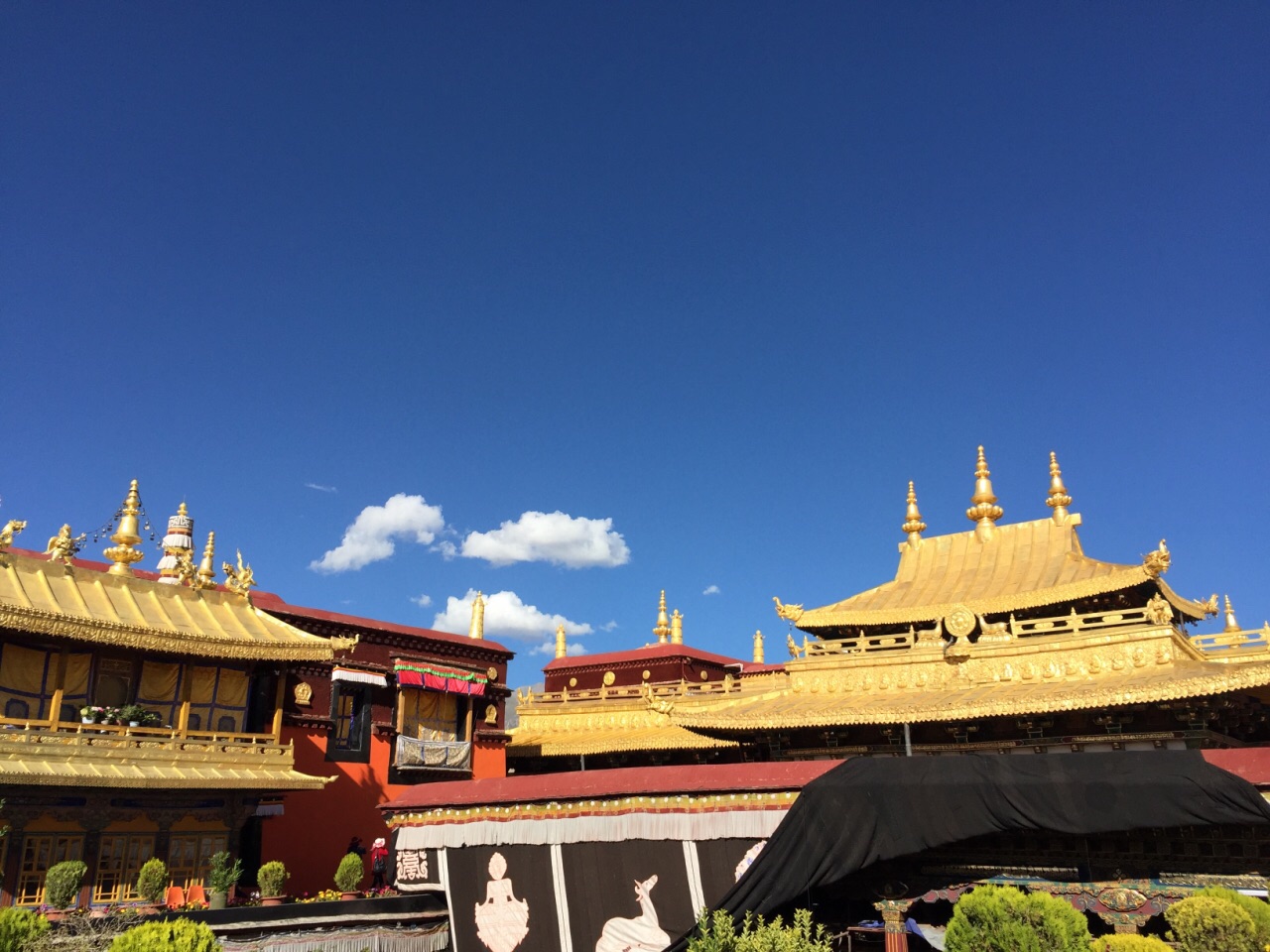
 The Jokhang Temple, in Tibetan language is called “Jingkang”, and it is the end of the pilgrimage of Tibetan Buddhist believers. The sacredness of the Jokhang Temple is not inferior to the Potala Palace.
It was built by Srongtsen Gampo in commemoration of the Princess of the Chizun. It is often said that “there is Jokhang Temple first, then followed by Lhasa City.”
Lhasa has three circumambulations: internal, middle and external meridians, all centered around the Jokhang Temple. Every day, saints come here to turn scripture. The biggest highlight of the Jokhang Temple is the 12-year-old statue of Sakyamuni when Princess Wencheng entered the country. The reason why Lhasa is called “Holy Land” is related to this Buddha image. Also don’t forget to board the third-floor platform, which is a good place to look at the Potala Palace and overlook the Jokhang Temple Square.
Official phone number of the Jokhang Temple: 0891-6323129
Time reference for visiting: 1-3 hours
Transportation to the Jokhang Temple: Take the 9, 10, 11 ring line, No.12, 15, 17, 18, 19 and other buses to the city maternal and child health care station to get off; take the No.23, 25, 28, 29 and other buses to the Cuomeilin station to get off; or walk up from Barkhor Street.
Tickets: Ordinary ticket: 85 RMB (from Monday – Sunday during January 1st – December 31st)
Tips: The photography permission in the hall is 90 yuan / piece (some halls don’t allow photography in the temple).
Opening hours: 07:00-17:30 (from Monday – Sunday during January 1st – December 31st)
Tips: 07:00-11:30 is mainly open to believers, it does not accept teams of more than 10 people; and it is open to tourists from 11:30-17:30.
Special Note:
Every afternoon, there will be a lama debate on the second floor of the Jokhang Temple. On the second-floor terrace of the Jokhang Temple, you can see the Potala Palace from afar. The annual Ganoderma Lantern Festival on the 15th day of the Tibetan calendar and the Lucky Heavenly Mother’s Day on the 15th of the Tibetan calendar are the liveliest times of the Jokhang Temple and Barkhor Street. Don’t miss it.
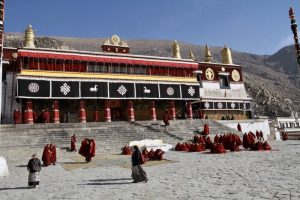 Drepung Monastery is the largest and highest-ranking temple in the Gelug Sect of Tibetan Buddhism and the largest temple in the world. The white buildings are covered with hillsides, and looking from the distance, it is like a huge pile of rice. There are some well-known buildings in the temple, including “Gandanpozhang”, “Cuoqin Hall”, and the four “Zhacang” and the affiliated Kangcun. In addition, the “Tibet’s Largest Kitchen” next to the Cuoqin Hall served as a task for more than 10,000 monks to cook and make tea during their heyday. What you can’t miss in the Drepung Monastery is a large-scale debate ceremony every afternoon. The squatting people are in groups of two, one sits on the ground, the other stands on the opposite side, and the verses are debated in exaggerated movements. The scene is very interesting. Every year at the Sho Dun Festival, Drepung Monastery holds the largest buddha ritual in the Tibetan area, displaying a giant Buddha image Thangka on the hillside, attracting a large number of believers and tourists to pray, whose scene is very spectacular.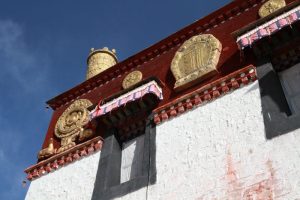
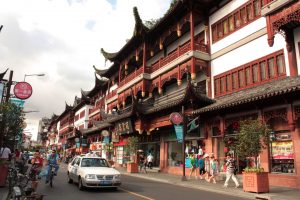
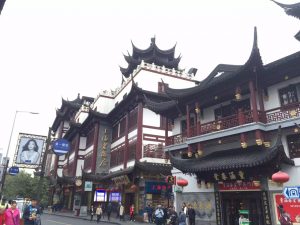 Shanghai’s birthplace – Shanghai Old Street, is not very long, and the end of the street is the City God Temple. It is hard to imagine that Shanghai, an international metropolis, has developed here. There is still a distance between Suzhou and Huangpu River.
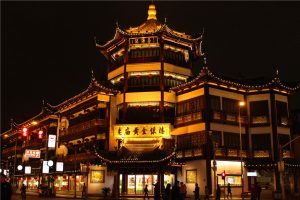 Shanghai Old Street is relatively quiet in the setting sun. In the busy Shanghai, it is more suitable for people to live in the Shanghai Old Street. The building is very characteristic, and it is relatively close to the city god temple, where the old temple gold and silver building is very famous, and you can go shopping there!
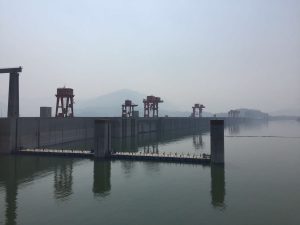 It is interesting to see the boat passing the Gezhou dam and experience the feeling of crossing the dam after the boat rises. Then the beautiful scenery of Xiling Gorge come into view, and the boat arrives at the Three Gorges Dam for three hours. The dam scenic area can be seen from all angles to the five-level river lock and the spectacular dam.
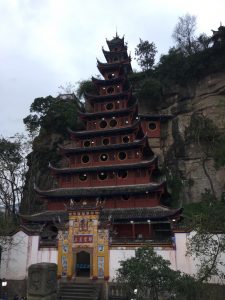 Shibaozhai, a historic wooden structure with unique style and beautiful scenery, is the world’s largest bonsai with its unique scenery. Shibaozhai is a free spot in the Yangtze River Three Gorges cruise trip. If you go there by yourself, the ticket is 50 yuan per person. Located in the north bank of the Yangtze River in Zhongxian County, Chongqing, Shibaozhai has many patriots and generals. Bai Juyi has also been here. Shibaozhai is featuring loyalty culture.
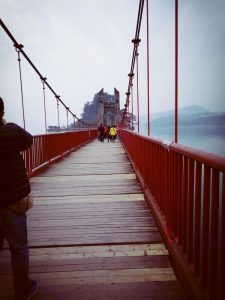 Don’t go with the guide after you get on the pier, as the tour guide will take you to the commercial street and then to the attraction. After going to the dock, look at which side of the sedan chair to go, and following that road is the best and the fastest. This village is very characteristic. It doesn’t use a nail. It all hangs on the cliff by the fit of the wood. It feels very thrilling when climbing up Shibaozhai.
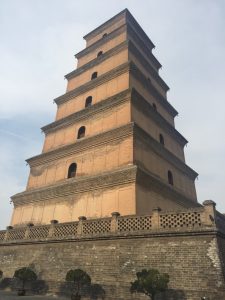 It is a historical value to come to Xi’an to have a visit to the Big Wild Goose Pagoda. The Confucian classics took back by Xuanzang were collected in the Big Wild Goose Pagoda in the same year, but the scriptures of the year were written on a kind of leaf. Now only nine pieces are kept, which has the national treasure level. It is recommended not to go to the Big Wild Goose Pagoda during the peak season, and there are very few people in the off-season, which it is better to have a visit there. The Big Wild Goose Pagoda in the sunset is still beautiful and fantastic, showing the style of the Tang Dynasty. There is Asia’s largest musical fountain. It is recommended to have a walk there at night, the fountain at the bottom features vivid color, and it is bright and beautiful.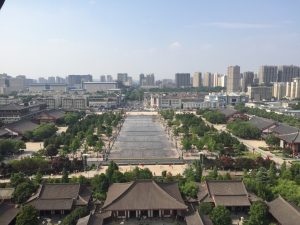
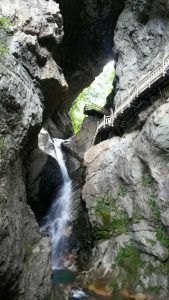 Shennong Stream (also known as Shennongjia Forest Area) is located in the western part of Hubei Province. The north and south sides are adjacent to Shiyan City (where Wudang Mountain is located) and Yichang City (where the Three Gorges Dam is located). Shennongjia Forest Area covers a large area. As a prefecture-level administrative area, there are many towns and forest farms in Shennongjia Forest Area. Among which the Songbai Town in the north of Shennongjia Forest Area is the administrative center of the forest area. Muyu Town in the south is the tourist reception center town of the forest area. Where the visitors who come to the forest area to play the first basically are these two towns, and the two places are about 80 kilometers apart.
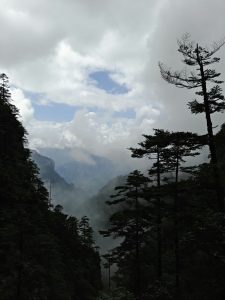 When you come to the Shennongjia forest area, it is like entering a virgin forest. There are towering trees and lush vegetation. Every day, you will enjoy yourself in the natural oxygen bar of nature, completely away from the hustle and bustle of city life. In the Shennongding tourist area, you can climb the “Central China Ridge”. The Shennongding in the tourist area is the first peak in Central China. You can also see the rare and precious golden monkeys. Here is the place where the mysterious “Shennongjia Savage” haunts and you will find some relics such as savages’ hair, footprints etc.
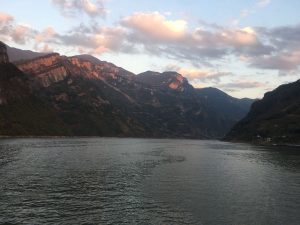 Wu Gorge is the second gorge in the Three Gorges of the Yangtze River and the longest one. There are 12 peaks in Wu Gorge, the most famous of which is the Goddess Peak, which is also the most beautiful place in the Three Gorges. The best time to have a trip to the Wu Gorge is in autumn, when the mountains are full of red leaves, it is really beautiful and it is fascinating.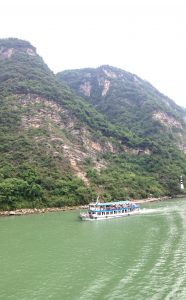
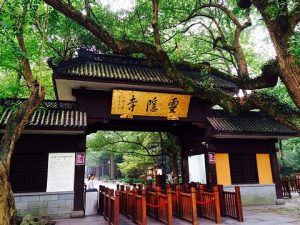 To the Lingyin Temple, the ticket to the Feilai Peak must be bought. When the ticket is checked, the machine will say Amitabha, and it is not “welcome”. The environment of Feilai Peak is very quiet. It requires one ticket for one person to enter into Lingyin Temple. Each person will receive three incenses. The staff will say Amitabha to you. No matter what your faith is, you can sincerely worship for it. Every temple has different worship and different Bodhisattvas, you can make a wish to hope that your family will be healthy and safe. Going back all the way, the temple is getting higher and higher, and there are other temples on the mountain. This environment is really quiet. It is far away from the world. And you will feel that everyone’s words and demeanor have become quiet and solemn, which is probably the emptying of the soul, and the feelings are quite deep when you are having a trip in the Linyin Temple.
 The Lingyin Temple is very large, and it takes about an hour to look at it. The scenery in front of the temple is already beautiful, and there are so many visitors there. Turn left at the end of the road, it is the entrance to the Tianzhu Temple. After you enter into the temple, behind it is a faint shackle, in front of it is a silence, just like another world.
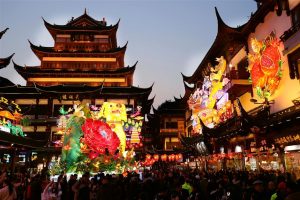 Being one of the three major temples of the Yangtze River, the Old City God Temple Hall is a large southern building with red walls and mud. Now the main building in the temple consists of the Temple Front Square, the Great Hall, the Yuanchen Hall, the Fortuna Hall, the Cihang Hall, the Chenghuang Hall and the Niangniang Hall. If you catch up with the temple fair, it will be very lively. Shanghai Old City God Temple is located in the Chenghuang Temple Tourist Area in Huangpu District. It is an important Taoist temple in Shanghai. It is a special place in the Shanghai area due to the Shanghai City Gods worshipped in the Shanghai City God Temple.