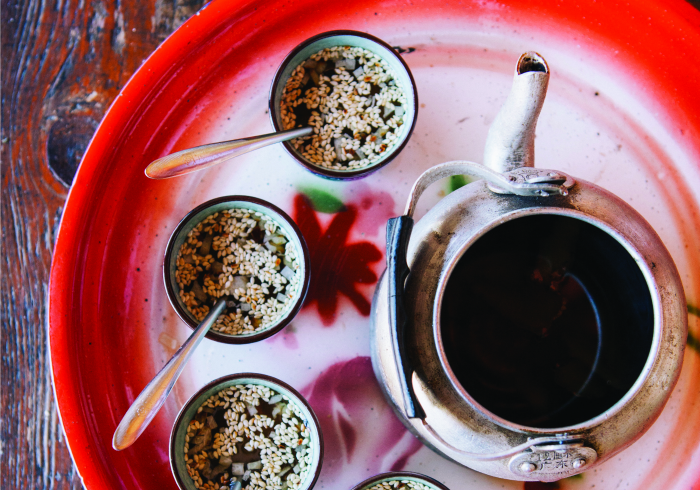
China in winter is home to many unexpected cold weather wonderlands. Instead of getting the winter blues this year, embrace the season and enjoy unique experiences that rival any of those you could have in the warmer months.
–
For many travelers, winter might not be the preferred time to visit the Middle Kingdom. But, be that as it may, we think there are plenty of reasons to do exactly that: less crowds, lower costs, more space and a greater capacity to fully explore the best parts of the country.
Most importantly, traveling around China during the months of November to January allows you to view and experience the land through a completely new lens. Get inspired for your next big Chinese winter adventure with the following destinations:
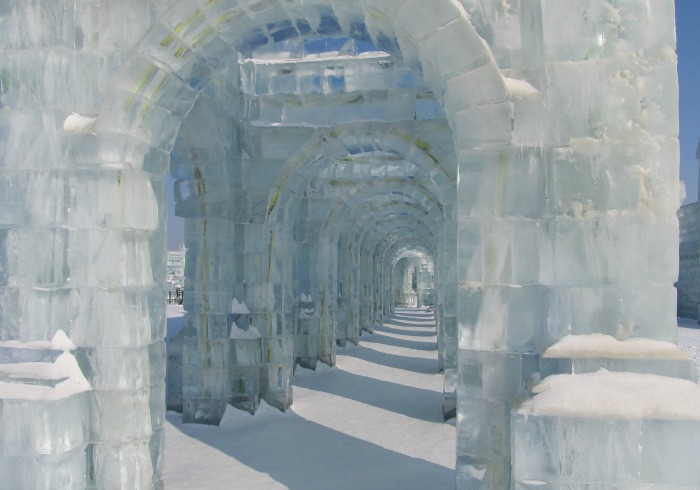 Harbin Ice Sculpture
Photo by Tracy Hunter via Flickr
1. Harbin
Of course Harbin is on every winter traveler’s bucket list: The yearly extravaganza of the Harbin Ice and Snow Sculpture Festival is a sub-zero wonderland of icy towers, massive castles and mystical creatures. It’s nothing short of a real-life scene from Pixar’s winter wonderland classic, Frozen.
Be dazzled by the colorful LED lights that brighten up the sculptures at night and lucky for you, climbing and playing on the bigger installations is encouraged.
The lesser known Rime Ice and Snow Festival is also worth a visit and happens around the same time in Jilin, just 260km southwest of Harbin. Rime is a rare occurrence, formed when warm, moist air comes into contact with objects at freezing temperature. Winter in Jilin presents an exceptionally magical scene of trees covered in white crystalline rime.
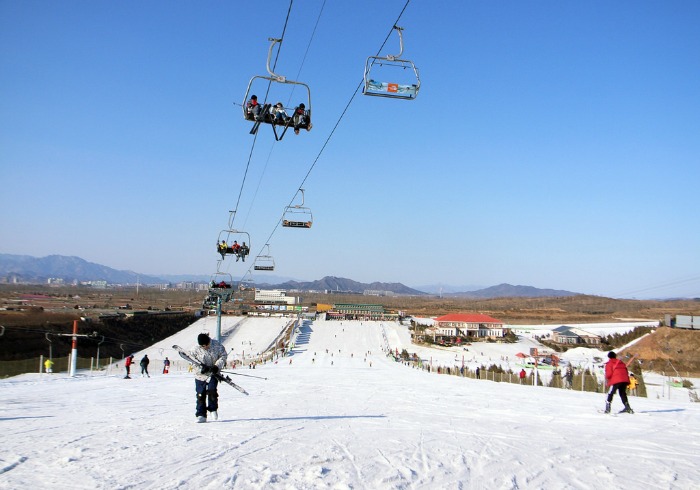
Beijing Ski Lift
Photo by Chen Zhao via Flickr
2. Beijing
Winter in Beijing is long and dry, but there is a wealth of wintry activities to keep you snug and toasty. Snow is rare, but when it falls, it adds an ethereal texture to the city’s historical streets. Hike up Jingshan Park for an unparalleled view of The Forbidden City, or take a long stroll through Beijing’s hutong neighborhoods.
During winter, the frozen Summer Palace lake is converted into a public skating rink and locals lace up their ice-skates with the whole family in tow. Join them on the rink and try riding a unique Chinese invention – the skating bicycle. In nearby Hebei province there are many ski resorts to visit too. With the impending Winter Olympics, the ski spots are set to grow quickly in quantity and quality, so there’s no better time to visit.
If spending a crisp winter morning wandering through Beijing’s historical hutong alleyways sounds like your kind of thing, inquire about our Beijing’s Past and Future tour.
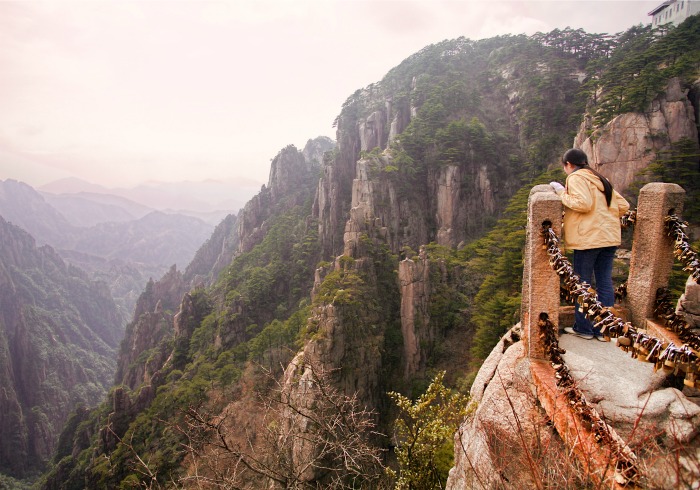
View of Yellow Mountain
Photo by Chi King via Flickr
3. Yellow Mountain
Huangshan literally means Yellow Mountain in Mandarin, and it’s stunning peaks and deep valleys make for a beautiful view any time of year. Wrap up warm this winter and ascend the Eastern Steps, passing by frozen mountain streams shrouded by photogenic bamboo forests. The walk is stunning but the pièce de résistance comes as you wake early the next morning to watch Huangshan’s famous sunrise from the top of the mountain.
Feel the warmth of the golden rays as they spill over the clouds and reflect off the glistening snow resting gently on the peaks.
Join us on an adventure to this picturesque land on our Yellow Mountain tour.
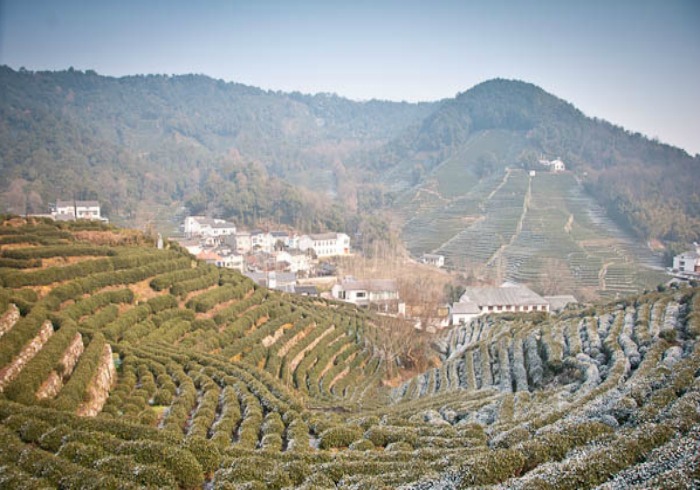
Longjing Tea Plantation
4. Hangzhou
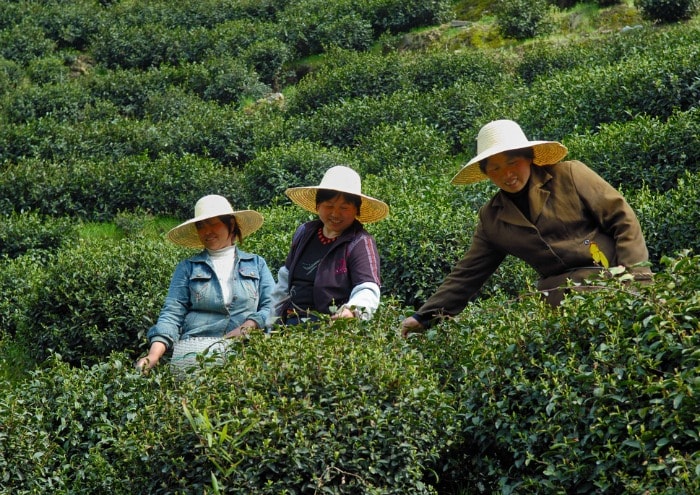
Located just a train ride from Shanghai, Hangzhou has long been the prime source of the renowned Longjing (Dragon Well) Tea. Once grown and served exclusively to the imperial family, you can now learn how the green tea is made at Longjing’s tea plantations.
Pay a visit to a private farmhouse where you can sip hot, fragrant tea brewed with tea leaves picked fresh from the farm. Then relax on the terrace overlooking rolling hills of tea bushes coated with a thin layer of silvery-white snow – simply stunning.
Get started with your tea adventure on our Hangzhou: Paradise on Earth tour.
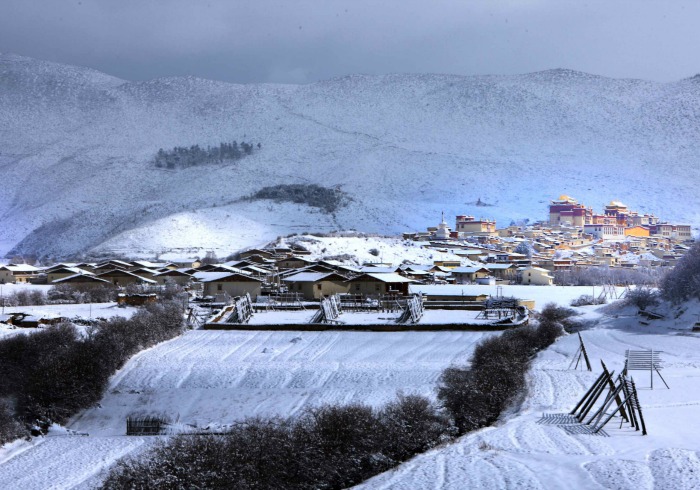 Shangri-La in Snow
5. Yunnan
At the southwestern corner of China, Yunnan’s milder climate makes a comfortable winter. The province has an unsurpassed variety of landscapes, terrain and topography and is home to some of our favorite destinations. Two in particular present a distinct take on the theme of winter wonderlands: Dali and Shangri-Li.
Teetering on the Tibetan border in Shangri-La brings you to the snowcapped peaks of Meili Snow Mountain and the fascinating local mix of Tibetan and Han culture. Here you can visit Ringha Temple and watch thousands of multicolored prayer flags flap in the winter breeze and enjoy a spiritual connection to this ancient land at Songzanlin Lamasery, the largest Buddhist temple in the province. Icy Napahai Lake will offer a tranquil scene full of the wonder and grace of unsullied nature and a hot cup of Tibetan milk tea will warm your bones. Experience this breathtaking escape on our Songtsam Circuit tour and spend your evenings curled up by the fire in world-star retreats.
In central Yunnan, you will find the old town of Dali, home to the Bai minority group. To prepare for winter, the minority families cure ham and pickle vegetables the same way their ancestors have since time immemorial. Satiate your winter appetite and dive into the kitchens of Dali’s artisans our Travels through Dali: with a leg of ham tour.
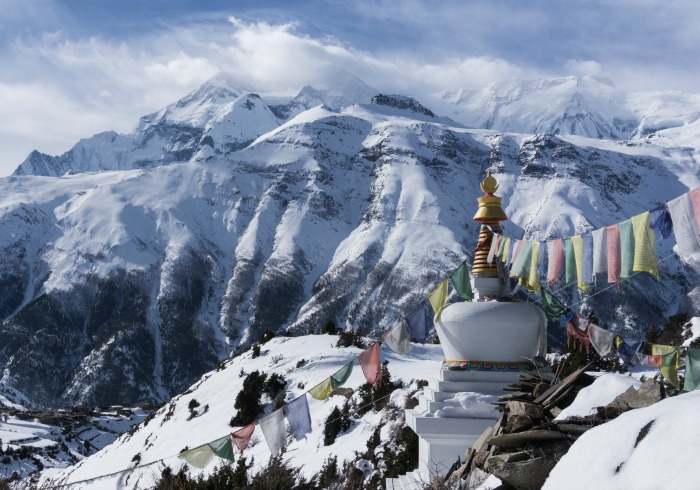
Nicolas Bourque via Flickr
6. Tibet
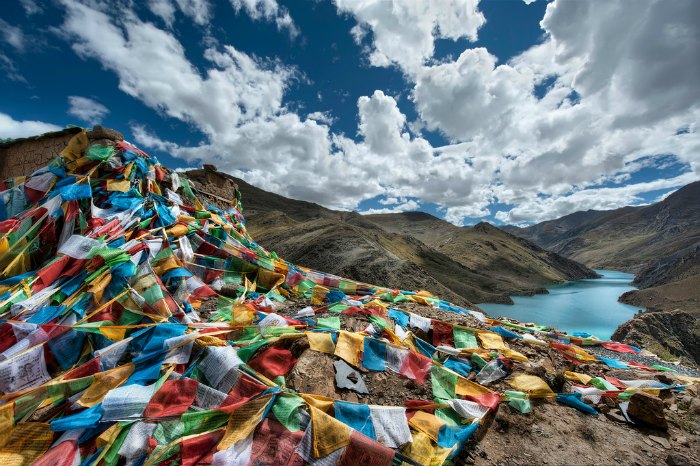
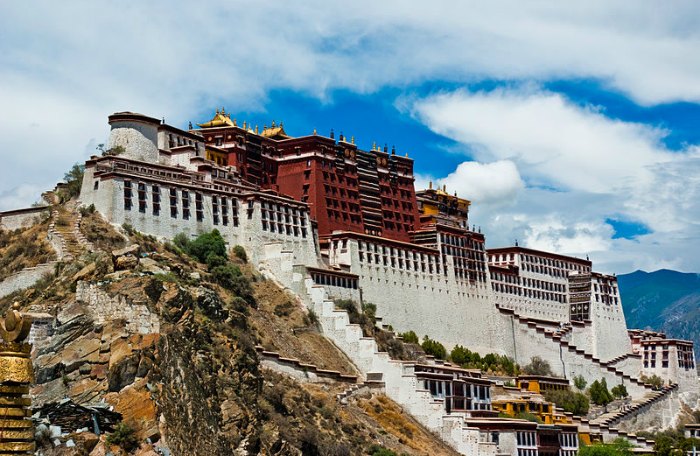
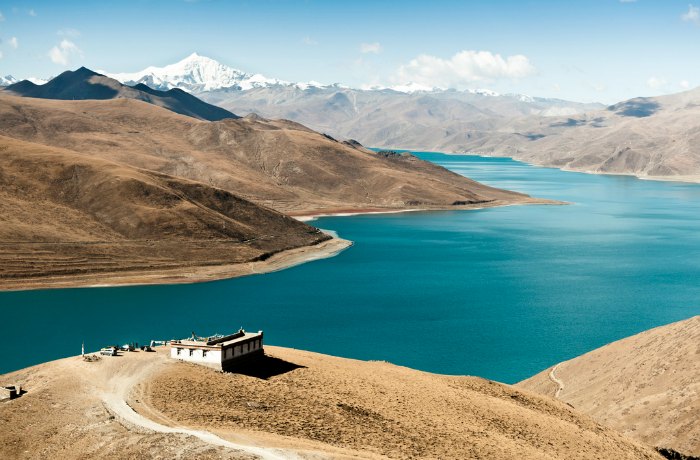
Another great place to visit in China in winter is the exotic land of Tibet. With softly rolling mountains covered in powder white snow and beautiful temples crested with colorful flags, winter in Tibet is a sight to behold. Located in China’s far west, Tibet’s altitude will make you feel like you’re in heaven at the roof of the world
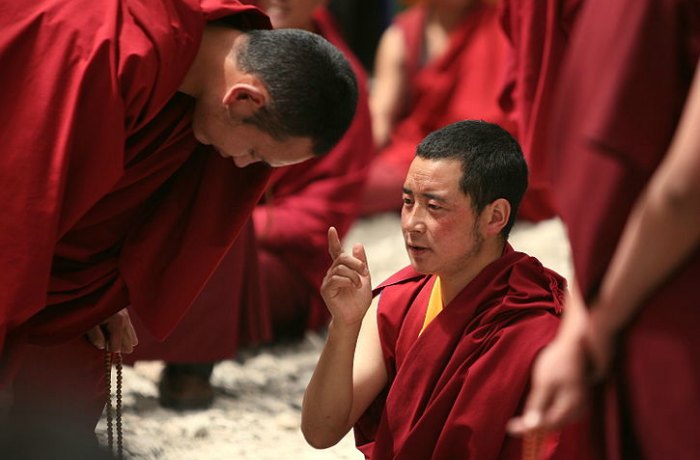
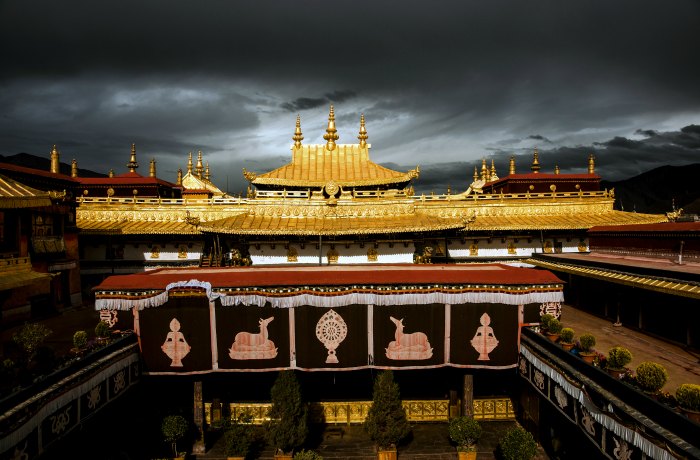
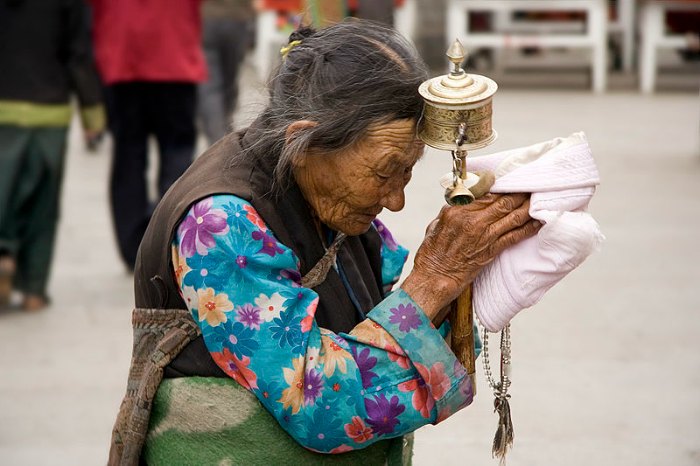
Tibetan winters are known for their blue skies and clear days. You can cozy up in your parka as you listen to the monks recite their harmonious sutras in gilded temples. On all sides you’ll be enveloped by the sacred sights and sounds of this land, resplendent with all the trappings of typical Buddhism.
If a pilgrimage to this holy land sounds like a cure for your winter doldrums, consider joining us on the Soul of Tibet tour or our Escape to Lhasa tour. It’ll be like chicken soup for the soul.
Winter doesn’t have to stop you from visiting China. In fact, you can enjoy all the best things the cold season has to offer: sipping hot tea by a fire, gorging on steaming cuisine, and taking advantage of the chance to skate on the country’s stunning frozen lakes.
—
Convinced that a trip to China could help quell the winter doldrums? Check out some of our best tours for winter: Travels through Dali: with a Leg of Ham, Hangzhou: Marco Polo’s Paradise on Earth, and Beijing’s Past and Future.

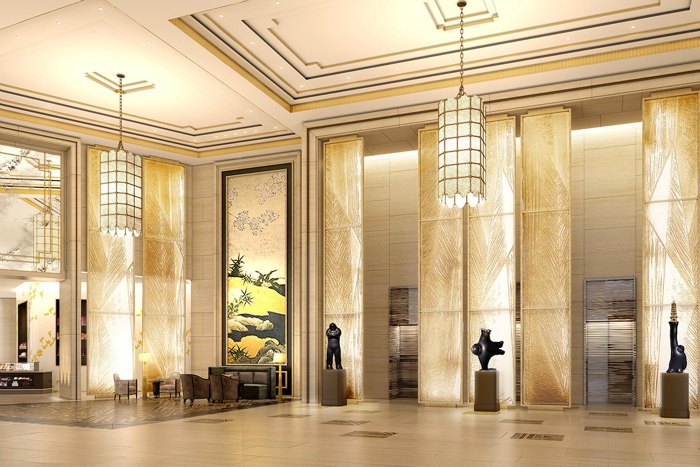

 Ahn Luh Dujiangyan
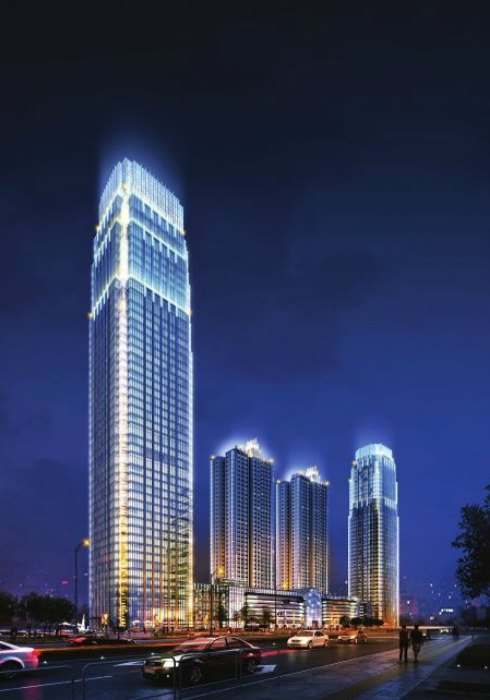 The Fairmont Chengdu Hotel and Residences
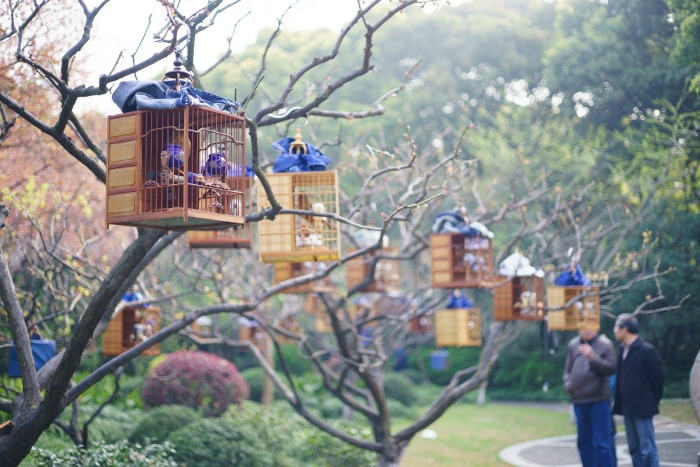
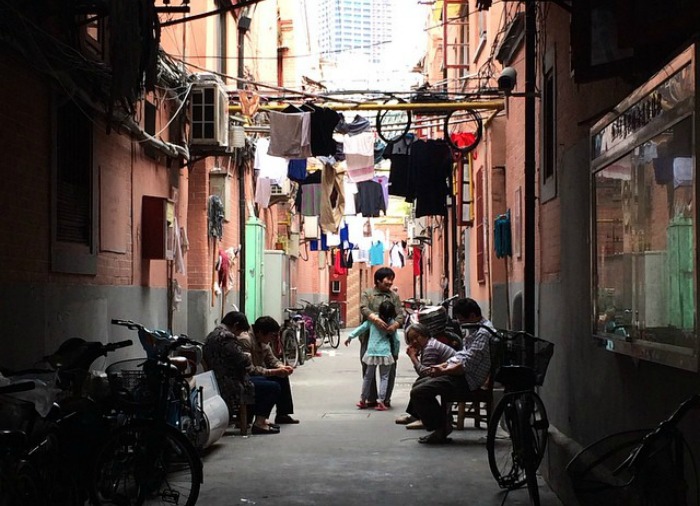 Learn Shanghai’s street stories in the Longtangs
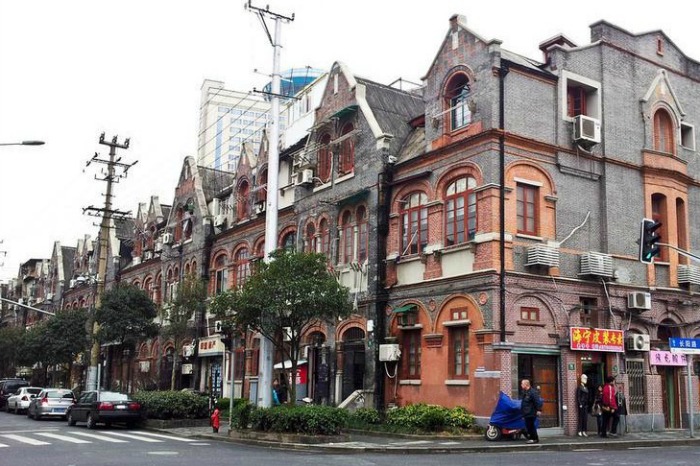 Visit the Jewish Quarter
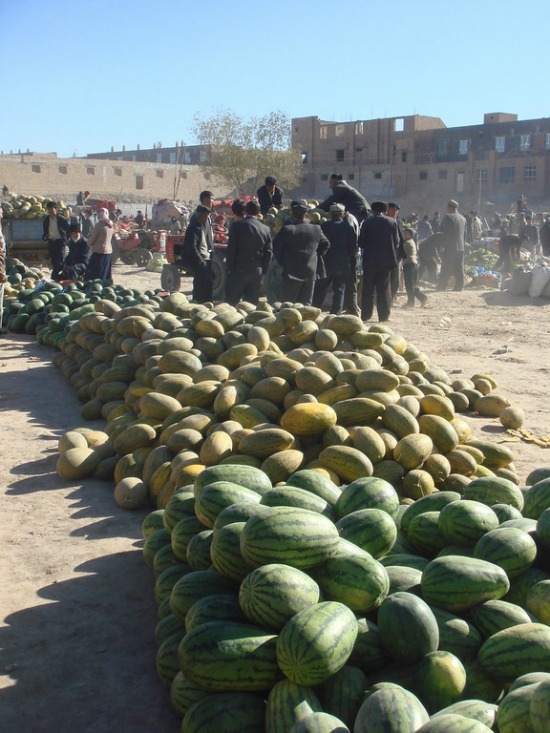 Turpan is a great place to try Xinjiang’s famous melons and grapes. If you go to Xinjiang, you’ll hear a lot about their fruit. I wrote all this talk off until I actually tasted some. How could fruit taste this much better than any other fruit I’d had in my whole life?
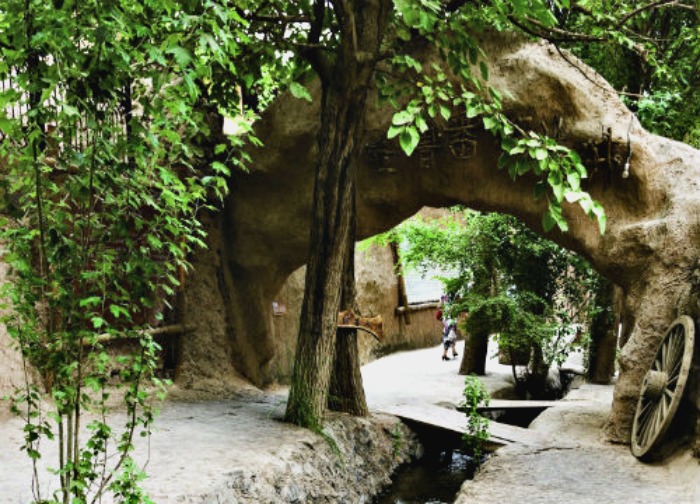 Another place to visit while in Turpan is the karez irrigation system. The karez is a fascinating feat of ancient engineering that turned the desert into arable farmland. It was a system of vertical wells, linked by miles of underground tunnels. These tunnels tapped into the groundwater supply and drained it into the valley.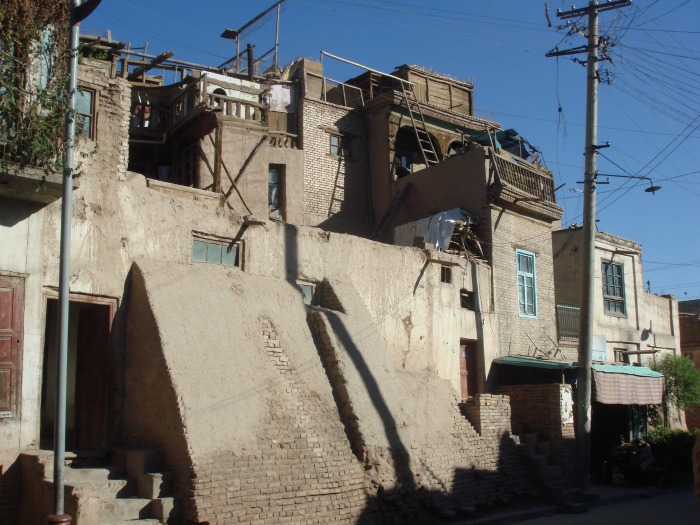
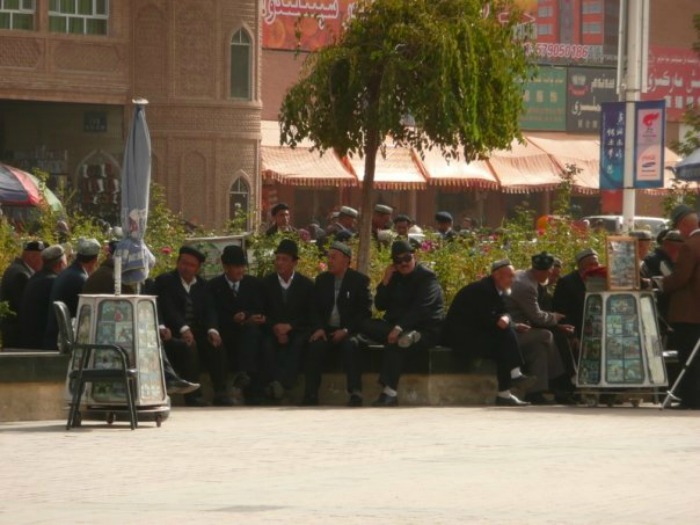
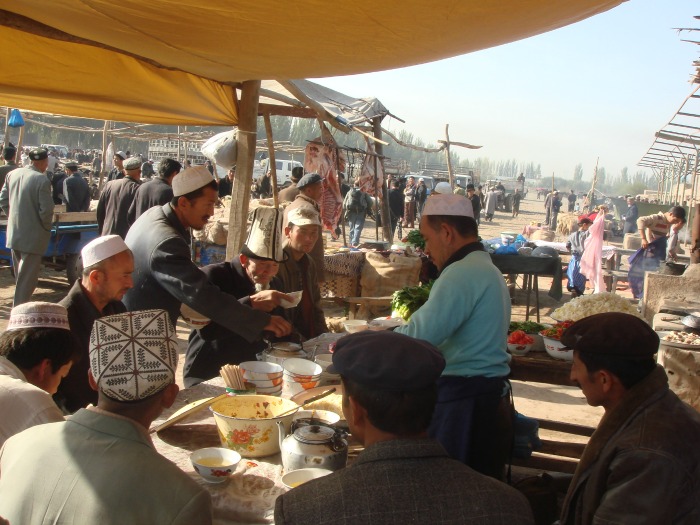 Kashgar is also the place to check out the local bazaar. Though the largest bazaar in the world is in Urumqi, Kashgar’s outdoor bazaar is a truly unique cultural experience.
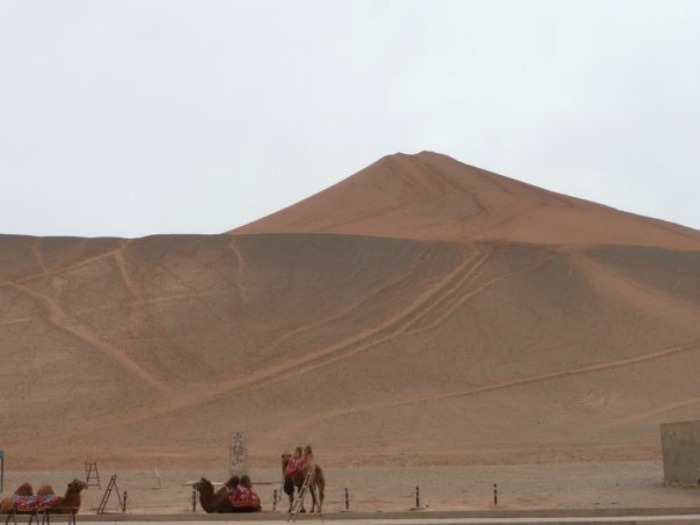 Of course I also did what one must do in the desert and rode some camels! It was a fun, but slightly scary experience. You don’t realize just how tall a camel is until you’re riding high up on one along the desert sands.
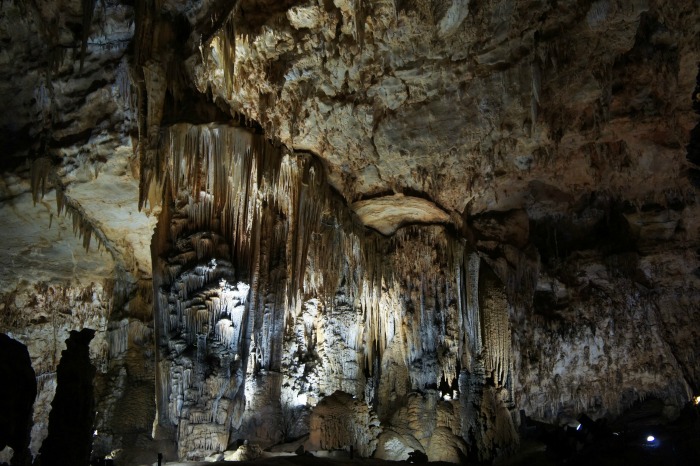 Gilles Vogt via Flickr
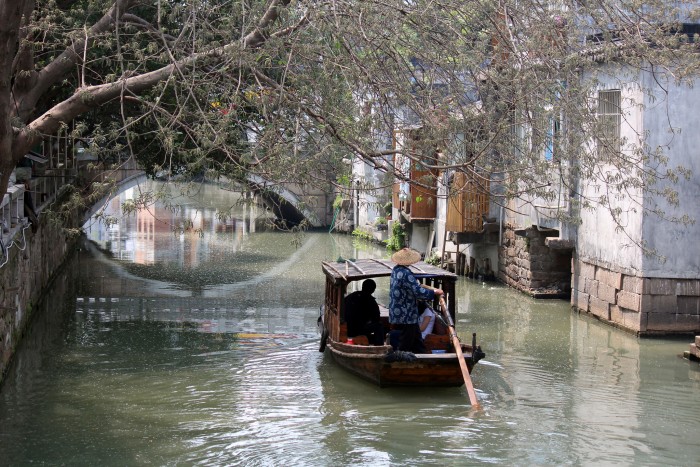
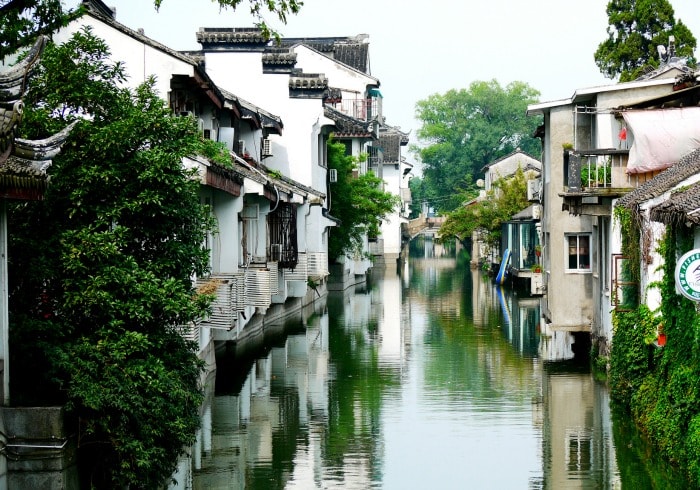
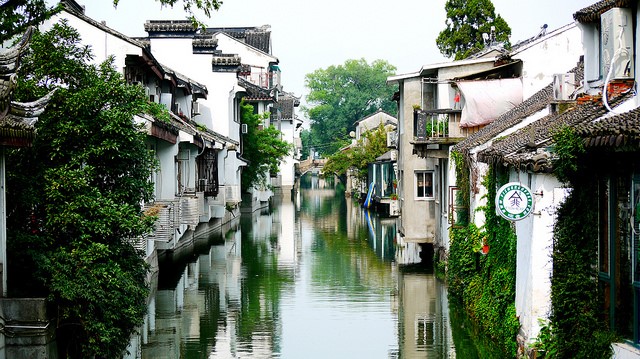 Suzhou Canals by _chrisUk via Flickr