A Foodie’s Yunnan Voyage

Yunnan’s status as a gastronomic paradise is unwavering: between far-flung lands of idyllic villages and snow-capped mountains, the southwestern province offers unparalleled diversity when it comes to Chinese cuisine.

Also known as Dian cuisine, Yunnan cuisine features fresh local produce (thanks to the favorable geographic location and mild climate) as well as the varied cooking styles of the numerous ethnic minority groups across the region. In the north you have Mongolian-inspired dried meat, cheese and yoghurt wafers; Eastern Yunnan’s is closer to traditional Han (Chinese) cuisine, while the south is heavily influenced by the citrus and spice of Southeast Asia. Read on to find out about the colorful world of Dian cuisine.
A Foodie’s Yunnan Voyage

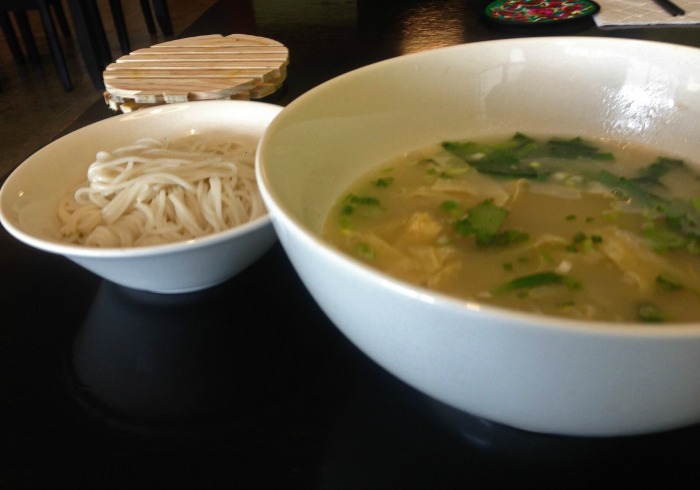
Kirk K via flickr – Crossing the Bridge Noodles

Crossing the Bridge Noodles过桥米线 

The origin story of Yunnan’s signature dish begins with a scholar who lived on a small island. While he studied for the imperial exams, his wife would bring him food every day. She found that by the time she had crossed the bridge to the island, the soup would be cold, and the noodles soggy. Soon after, she started carrying a large earthen pot of boiling broth, with a thin layer of oil on top that acted as insulation and kept the soup warm. The noodles and other ingredients were kept in a separate container, and added to the warm broth during preparation. Crossing the Bridge Noodles is ubiquitous in this part of the country, but head to Mengzi or Jianshui County for the traditional taste.
A Foodie’s Yunnan Voyage

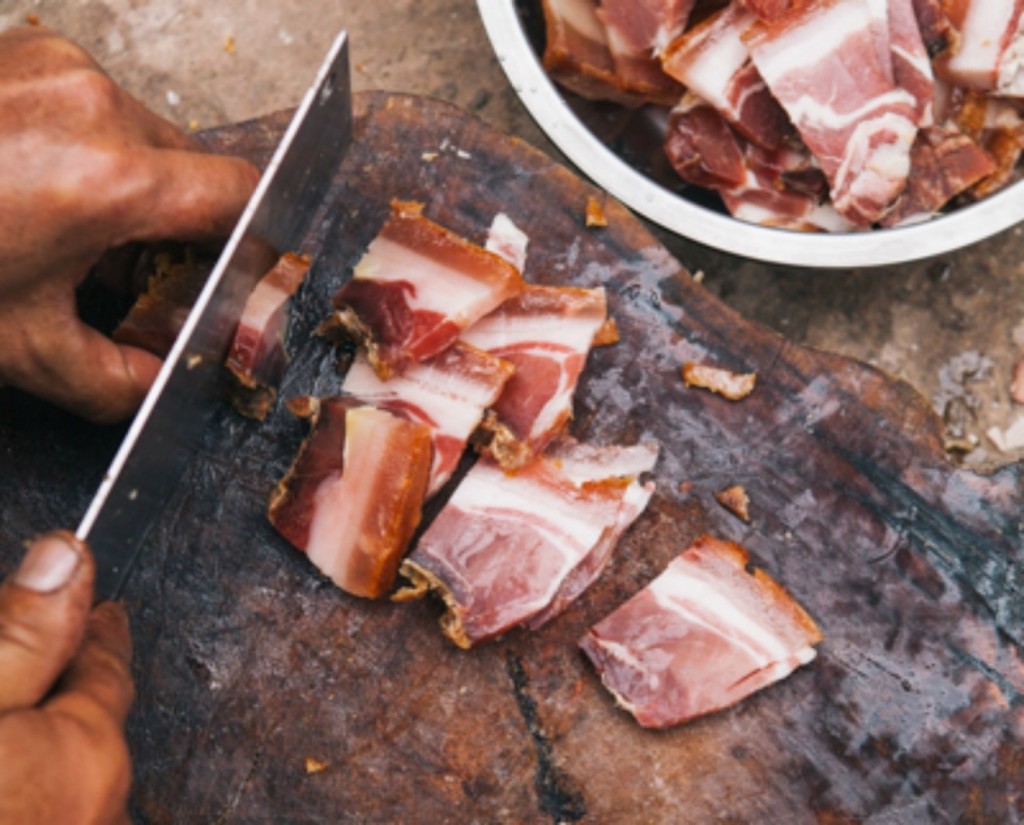
Liz Phung – Dali Ham on the Chopping Block

Xuanwei Ham宣威腿

A local dish in Qujing Prefecture, the famous cured meat has a 250-year history dating back to 1766, and has won international awards for its excellent taste, fragrance and tender meat. It is often used to add flavor to light soups and noodle dishes. Its modern presentation comes in canned ham, luncheon meat, ham-flavored moon cakes and even candy! Our own CEO, Mei Zhang, has written a book about this savory meat and its local traditions. We even have a tour where you can relive her experience in Dali: Travels through Dali with a Leg of Ham.
A Foodie’s Yunnan Voyage

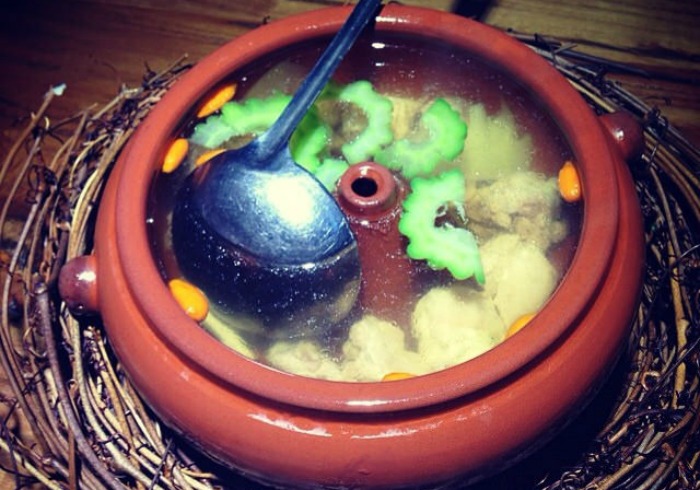
夢境那小牛 via flickr – Steamed Pot Chicken

Steamed Pot Chicken气锅鸡

Travel to Jianshui and enjoy the local favorite “steamed pot chicken” that can only be found in Yunnan. The ceramic pot used for steaming was invented by Yunnan residents. Rare medicinal herbs native to Yunnan are added to the brew while the chicken is steamed delicately. The meat is tender, and the soup delicious. Locals claim that the dish is very nutritious and possesses many medicinal qualities.
A Foodie’s Yunnan Voyage

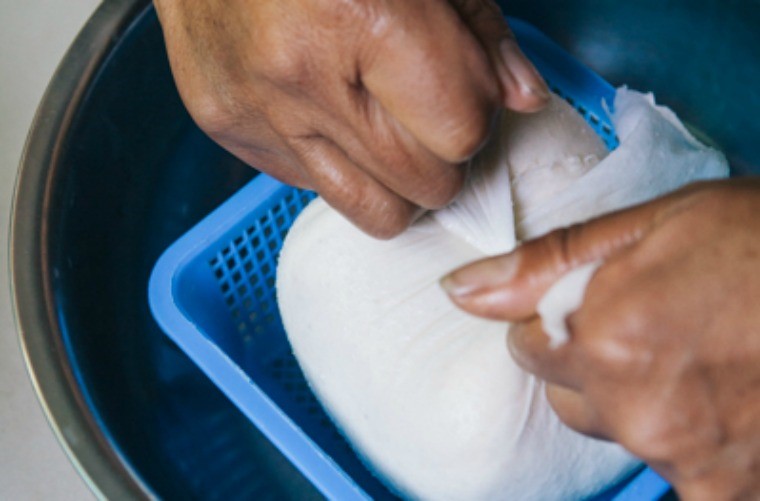
Liz Phung – Rushan Cheese in the Making

Rubing乳饼and Rushan cheese乳扇

In Dali, visit the Bai community and learn the traditional ways of making rubing, a paneer-like farmer cheese made from fresh goat milk, and rushan, a cow’s milk cheese. Try pan-fried rubing seasoned with salt and chili, or stir-fried with vegetables. As a street food, Rushan is often served grilled, rolled around a popsicle stick and flavored with various sweet condiments.
A Foodie’s Yunnan Voyage

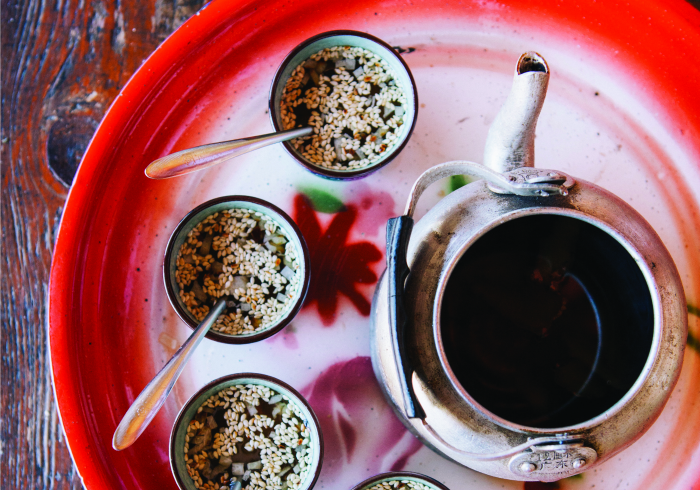
Liz Phung – Hot of Cup of Joe

Pu-erh coffee 普洱咖啡

No doubt you would have heard of Yunnan’s renowned Pu-erh tea, the tribute tea to Chinese emperors a thousand years ago. Unknown to most, Yunnan has been growing a variety of coffees in Pu’ er city for more than a century. The land’s high elevation, combined with the temperature differences between day and night, lends Yunnan coffee its unique taste – rich but not bitter, with a fruity aroma that is not overwhelming. While far from artisanal, the coffee quality keeps getting better and is set to make a greater mark on the international coffee industry.
 

A Foodie’s Yunnan Voyage

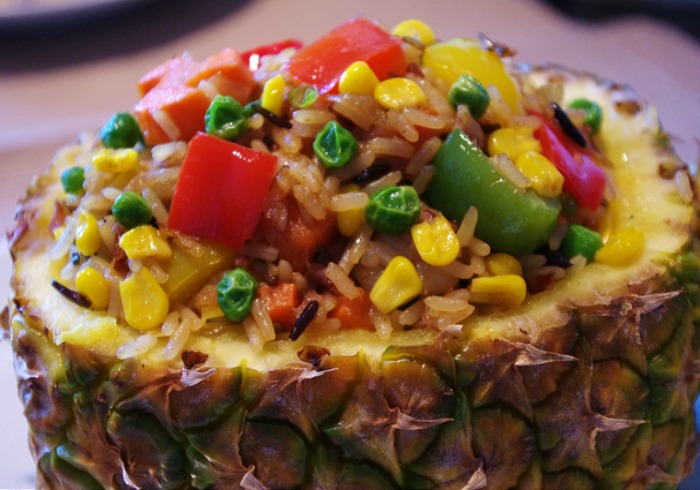
Ming Yang via flickr – Pineapple Rice 

Pineapple Rice 菠萝饭

Dai cooking is similar to the hot and sour tastes of northern Thailand. People there live in the Xishuangbanna region which shares a border with Burma and Laos. Devour a delicious meal of sweet pineapple rice along with tangy mushrooms skillfully steamed in banana leaves. Wild mushrooms can be found in the mountainous, forested parts of the province, and make up a huge part of Yunnan cuisine.  Wild flowers, ferns and insects may also be eaten.

Dali is a veritable Mecca of cuisine. From savory ham to sweet pineapple rice, you and your tastebuds will be pleasantly surprised by this province’s mix of history, culture, and spices.

Ready to tantalize your palate in Yunnan? Consider joining AsiaTravel on our Yunnan Gastronomic Tour with Fuschia Dunlop, our Artisanal Dali tour, or our Travels through Dali with a Leg of Ham tour.

If you’re ready to dive deep into the sensuous history of Dali cuisine, also pick up Mei Zhang’s book: Travels Through Dali with a Leg of Ham 
 

China in Winter: Where Should I Visit?

China in winter is home to many unexpected cold weather wonderlands. Instead of getting the winter blues this year, embrace the season and enjoy unique experiences that rival any of those you could have in the warmer months. 

For many travelers, winter might not be the preferred time to visit the Middle Kingdom. But, be that as it may, we think there are plenty of reasons to do exactly that: less crowds, lower costs, more space and a greater capacity to fully explore the best parts of the country.

Most importantly, traveling around China during the months of November to January allows you to view and experience the land through a completely new lens. Get inspired for your next big Chinese winter adventure with the following destinations:

China in Winter: Where Should I Visit?Harbin Ice Sculpture
Photo by Tracy Hunter via Flickr


1. Harbin

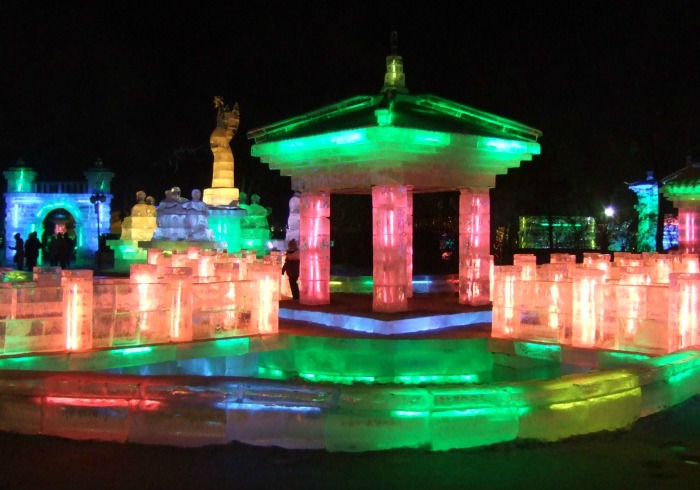
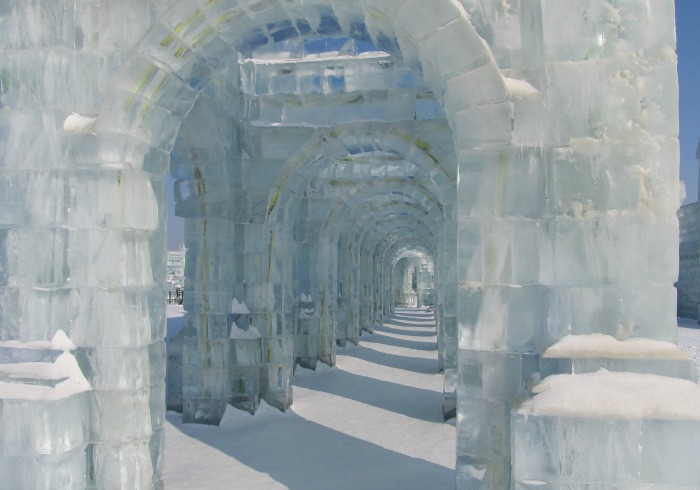
Of course Harbin is on every winter traveler’s bucket list: The yearly extravaganza of the Harbin Ice and Snow Sculpture Festival is a sub-zero wonderland of icy towers, massive castles and mystical creatures. It’s nothing short of a real-life scene from Pixar’s winter wonderland classic, Frozen.

Be dazzled by the colorful LED lights that brighten up the sculptures at night and lucky for you, climbing and playing on the bigger installations is encouraged.

The lesser known Rime Ice and Snow Festival is also worth a visit and happens around the same time in Jilin, just 260km southwest of Harbin. Rime is a rare occurrence, formed when warm, moist air comes into contact with objects at freezing temperature. Winter in Jilin presents an exceptionally magical scene of trees covered in white crystalline rime.

China in Winter: Where Should I Visit?

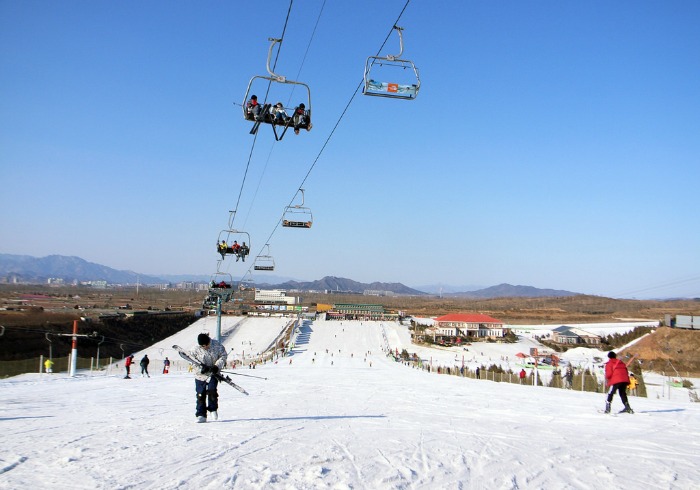
Beijing Ski Lift
Photo by Chen Zhao via Flickr

2. Beijing

Winter in Beijing is long and dry, but there is a wealth of wintry activities to keep you snug and toasty. Snow is rare, but when it falls, it adds an ethereal texture to the city’s historical streets. Hike up Jingshan Park for an unparalleled view of The Forbidden City, or take a long stroll through Beijing’s hutong neighborhoods.

During winter, the frozen Summer Palace lake is converted into a public skating rink and locals lace up their ice-skates with the whole family in tow. Join them on the rink and try riding a unique Chinese invention – the skating bicycle. In nearby Hebei province there are many ski resorts to visit too. With the impending Winter Olympics, the ski spots are set to grow quickly in quantity and quality, so there’s no better time to visit.

If spending a crisp winter morning wandering through Beijing’s historical hutong alleyways sounds like your kind of thing, inquire about our Beijing’s Past and Future tour.

China in Winter: Where Should I Visit?

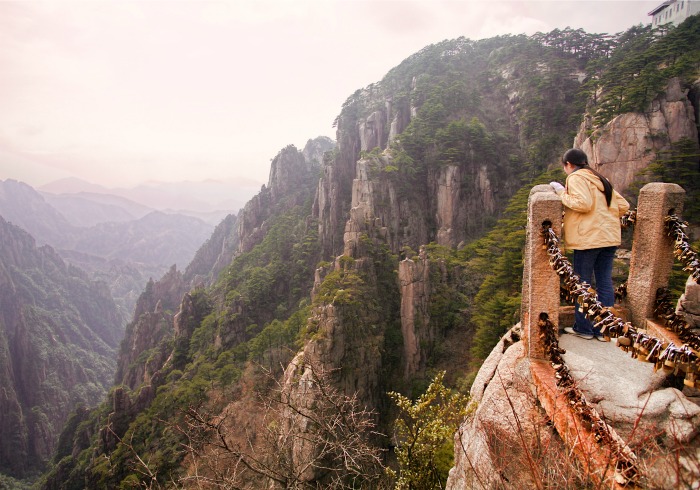
View of Yellow Mountain
Photo by Chi King via Flickr

3. Yellow Mountain

Huangshan literally means Yellow Mountain in Mandarin, and it’s stunning peaks and deep valleys make for a beautiful view any time of year.  Wrap up warm this winter and ascend the Eastern Steps, passing by frozen mountain streams shrouded by photogenic bamboo forests. The walk is stunning but the pièce de résistance comes as you wake early the next morning to watch Huangshan’s famous sunrise from the top of the mountain.

Feel the warmth of the golden rays as they spill over the clouds and reflect off the glistening snow resting gently on the peaks.

Join us on an adventure to this picturesque land on our Yellow Mountain tour.

China in Winter: Where Should I Visit?

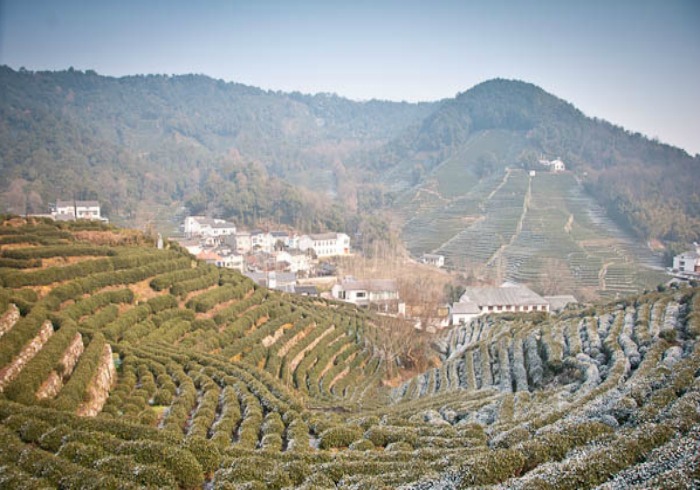
Longjing Tea Plantation

4. Hangzhou

Located just a train ride from Shanghai, Hangzhou has long been the prime source of the renowned Longjing (Dragon Well) Tea. Once grown and served exclusively to the imperial family, you can now learn how the green tea is made at Longjing’s tea plantations.

Pay a visit to a private farmhouse where you can sip hot, fragrant tea brewed with tea leaves picked fresh from the farm. Then relax on the terrace overlooking rolling hills of tea bushes coated with a thin layer of silvery-white snow – simply stunning.

Get started with your tea adventure on our Hangzhou: Paradise on Earth tour.

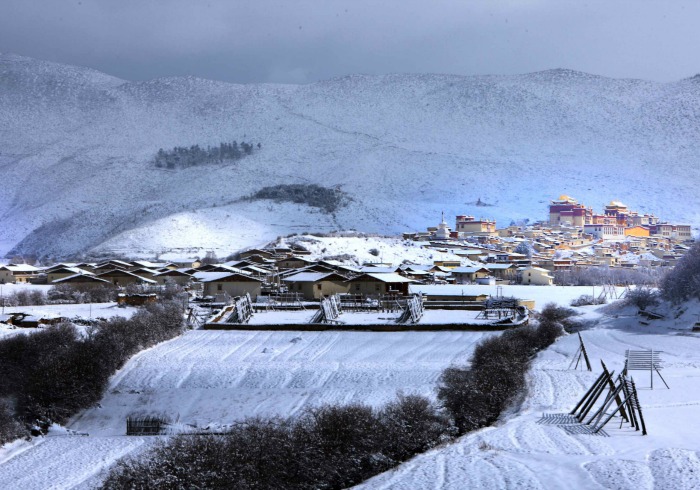
China in Winter: Where Should I Visit?Shangri-La in Snow

5. Yunnan

At the southwestern corner of China, Yunnan’s milder climate makes a comfortable winter. The province has an unsurpassed variety of landscapes, terrain and topography and is home to some of our favorite destinations. Two in particular present a distinct take on the theme of winter wonderlands: Dali and Shangri-Li.

Teetering on the Tibetan border in Shangri-La brings you to the snowcapped peaks of Meili Snow Mountain and the fascinating local mix of Tibetan and Han culture. Here you can visit Ringha Temple and watch thousands of multicolored prayer flags flap in the winter breeze and enjoy a spiritual connection to this ancient land at Songzanlin Lamasery, the largest Buddhist temple in the province. Icy Napahai Lake will offer a tranquil scene full of the wonder and grace of unsullied nature and a hot cup of Tibetan milk tea will warm your bones. Experience this breathtaking escape on our Songtsam Circuit tour and spend your evenings curled up by the fire in world-star retreats.

In central Yunnan, you will find the old town of Dali, home to the Bai minority group. To prepare for winter, the minority families cure ham and pickle vegetables the same way their ancestors have since time immemorial. Satiate your winter appetite and dive into the kitchens of Dali’s artisans our Travels through Dali: with a leg of ham tour.

China in Winter: Where Should I Visit?

Nicolas Bourque via Flickr

6. Tibet

Another great place to visit in China in winter is the exotic land of Tibet. With softly rolling mountains covered in powder white snow and beautiful temples crested with colorful flags, winter in Tibet is a sight to behold. Located in China’s far west, Tibet’s altitude will make you feel like you’re in heaven at the roof of the world

Tibetan winters are known for their blue skies and clear days. You can cozy up in your parka as you listen to the monks recite their harmonious sutras in gilded temples. On all sides you’ll be enveloped by the sacred sights and sounds of this land, resplendent with all the trappings of typical Buddhism.


If a pilgrimage to this holy land sounds like a cure for your winter doldrums, consider joining us on the Soul of Tibet tour or our Escape to Lhasa tour. It’ll be like chicken soup for the soul.

Winter doesn’t have to stop you from visiting China. In fact, you can enjoy all the best things the cold season has to offer: sipping hot tea by a fire, gorging on steaming cuisine, and taking advantage of the chance to skate on the country’s stunning frozen lakes.

Convinced that a trip to China could help quell the winter doldrums? Check out some of our best tours for winter: Travels through Dali: with a Leg of Ham, Hangzhou: Marco Polo’s Paradise on Earth, and Beijing’s Past and Future.

Self-Guided Biking Tour of Dali [Downloadable Map]

Grab your camera and get ready to see our favorite parts of Dali on this self-guided biking tour. Download the map to begin your own Dali adventure.

Self-Guided Biking Tour of Dali [Downloadable Map]


Tucked between Cang Mountain and Erhai Lake, Dali, Yunnan is a Ming-era town that has retained much through the ages. It was once capital of the Nanzhao Kingdom and though the Kingdom fell long ago, the indigenous Bai ethnic minority who comprised its population still accounts for the majority of the residents in both the town and the surrounding villages. As a result, Dali offers rich, colorful traditions and diverse architectural design, set against some of China’s most stunning scenery.

From the cobbled streets of the old town, to the fishing villages on the shores of Erhai lake, grab your camera and embark on our AsiaTravel self-guided bike tour of Dali. The best part? It can be taken completely at your own pace.

Self-Guided Biking Tour of Dali [Downloadable Map]

Download the Dali Bicycle Tour map

 Directions:

  1. 1. Begin your ride at The AsiaTravel Dali House
  1. 2. Renmin Road, Dali Old Town Head East and ride through charming Dali Old Town. Explore the town’s traditional Bai architecture before crossing highway 221 and following the small roads heading east until you reach the shore of Erhai Lake.
  2. Self-Guided Biking Tour of Dali [Downloadable Map]
  1. 3. Caicun Village Caicun village is just one of the communities you will visit along the lake. Continue North and although you will be traveling through farmland, the scenery is well worth the bumpier ride.
  1. 4. Fengbei South Line Head West, back towards town, when you reach Fengbei South Line. Be careful when crossing the highways as there are no bike lanes.
  2. Self-Guided Biking Tour of Dali [Downloadable Map]
  1. 5. The Three Pagodas The last stop before heading home, Dali’s emblematic Three Pagodas are located at the foot of Cang Mountain. Dating from 836AD, the central tower is both the tallest and oldest of the three Buddhist structures.

Want a local AsiaTravel guide to show you the way? Check out our Yunnan tour.

Photo credits: 1. Jeremy Foster via flikr 2. Jeremy Foster via flikr 3. Alex Keshavjee via flikr

Beshan Gāi Returns for 2016

September 2015 marked a landmark anniversary for AsiaTravel – 15 years of pioneering experiential travel experiences throughout China! When deciding how to celebrate, a gala dinner seemed like an obvious choice but we aren’t ones to settle for the ordinary…

Beshan Gāi Returns for 2016

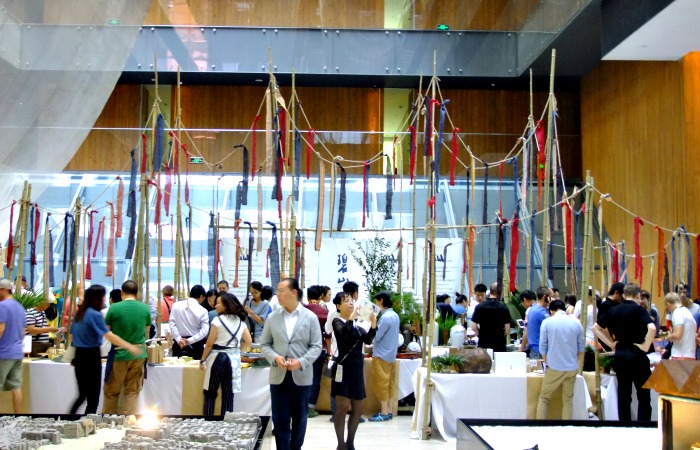
Instead, we decided to mark our achievements by celebrating China’s artisans – after all, they were the reason we began our journey and the reason we continue to strive today. We partnered with The Opposite House, one of Beijing’s most chic 5-star hotels, and invited thirty carefully selected artisans from Dongbei to Yunnan to exhibit and sell their handcrafted and cultivated treasures at an up-market boutique bazaar.

Beshan Gāi Returns for 2016

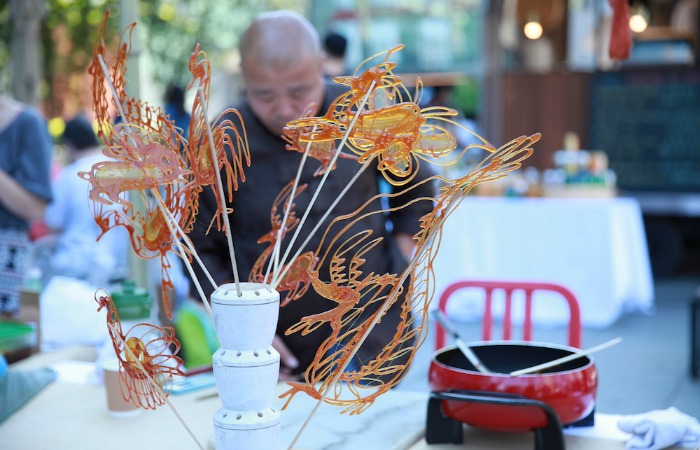
The inaugural Beshan Gāi was an Aladdin’s cave of artisan goods. From jewelry to homeware to organic produce, it was a day of fun and discovery for everyone. Over 2,000 visitors attended the event and there were regular musical performances throughout the day from one of Yunnan’s best folk singers. There was even a sugar painter on hand ready to create edible masterpieces for our younger audience. Beshan Gāi 2015 was designed and themed by POP-UP Beijing, and the event was covered in magazines such as Conde Nast China, Bloomberg China, City Weekend and Time Out Beijing (to name just a few).

Beshan Gāi Returns for 2016Beshan Gāi Returns for 2016

With outstanding feedback from artisans and visitors alike, this year Beshan Gāi will return as a 4-day moving bazaar across different venues in Beijing and we are looking for artisans to join us.


BESHAN GAI 2016

When: Saturday September 24th – Sunday September 25th

Where: The Opposite House & Taikoo Li North Village

Expected Attendance: 1,000 – 2,000 high end consumers per day

Special showcase for selected vendors:

Showcase 1: Thursday September 22nd @ The Peninsula Hotel

Showcase 2: Friday September 23rd @ The Rosewood Hotel

Expected Attendance: VIP & media guests, up to 400 high-end consumers per day


The benefits of participating in Beshan Gāi

  • • You will be part of a carefully themed and curated environment with both entertainment and Food and Beverage zones
  • • You will get face-to-face interaction with high-end consumers from both the expat and Chinese community in Beijing
  • • You will get face-to-face interaction with high-end media outlets invited by AsiaTravel
  • • You will receive exposure to AsiaTravel’s global community through a social media campaign to 25,000+ worldwide
  • • You will receive exposure of your brand and product on the official Beshan Gāi website
  • • You will receive exposure of your brand and product through our media partner’s distribution channels, both in printed magazines throughout Beijing and online via their website, blog and social media


Beshan Gāi Returns for 2016

New High-Speed Train Makes Yunnan Province More Accessible

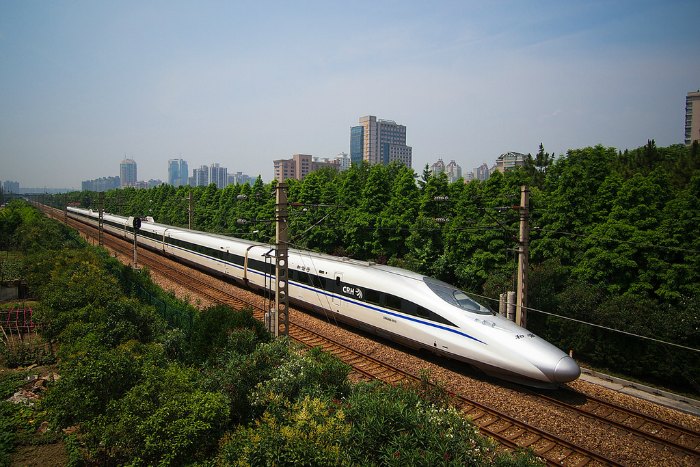
The new high-speed rail line to Yunnan makes one of our favorite China destinations that much more accessible. From June 30th 2016, you’ll be able to travel from Shanghai all the way across the country to Kunming, China’s launchpad for outdoor adventure, in just 10 hours.  

New High-Speed Train Makes Yunnan Province More Accessible

The journey from Shanghai to Kunming, Yunnan is now only 10 hours. Photo by Enzo Jiang via flikr

The journey from the port megacity of Shanghai to Kunming, the capital of Yunnan, China’s year-round hub for adventure travel and cultural immersion, was once an 18 hour ride by train. This new line shaves off almost half the time, getting you there in 10 hours flat. For travelers from Beijing, the trip will take only 30 minutes more.

Trains can be one of the best ways to get around China. Check in is much less of a hassle and the new CRH high-speed trains are very comfortable, with more spacious seating than you’ll find on most domestic flights in China. And the best thing of all, you get to enjoy beautiful views of the Chinese countryside that you would completely miss flying overhead.

Where to Go from Kunming

Kunming is the launchpad for all kinds of adventures in Yunnan province. Here are few places to head next when you hop off the platform in Kunming:

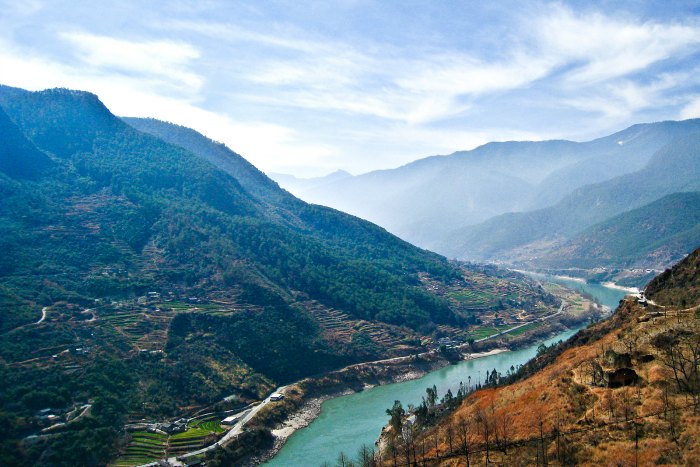
New High-Speed Train Makes Yunnan Province More AccessibleHead northwest to the spectacular Tiger Leaping Gorge, one of the world’s deepest river canyons with popular hiking routes and gorgeous views. Photo by Jeremy Foster via Flikr
 

New High-Speed Train Makes Yunnan Province More Accessible

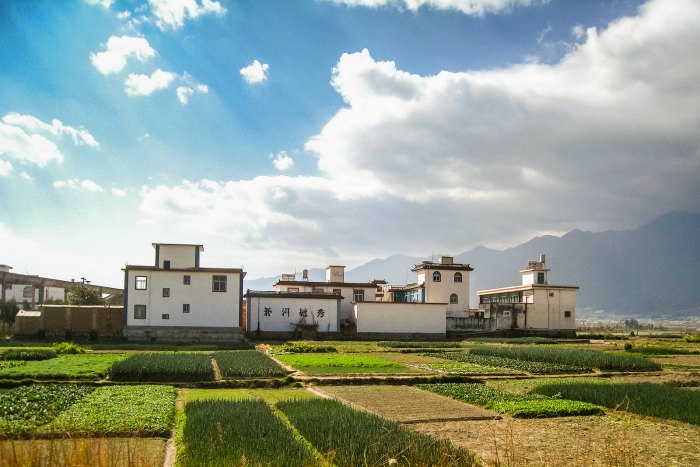
Visit the quaint old town of Dali to explore the local Bai architecture, visit local artisans, and taste some scrumptious locally grown Yunnan specialties. Photo by Jeremy Foster via Flikr


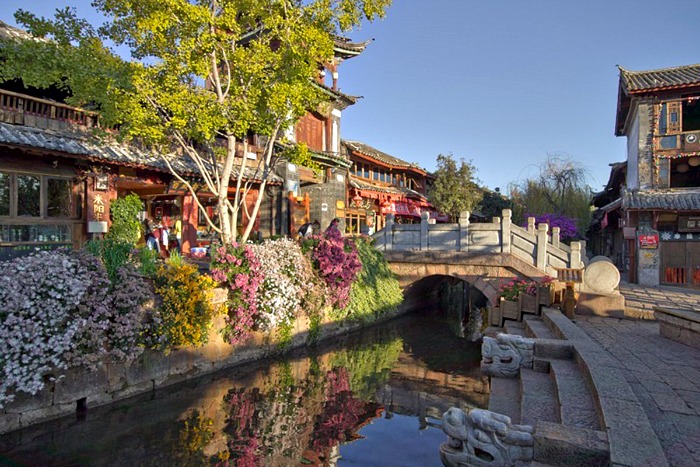
New High-Speed Train Makes Yunnan Province More AccessibleStay at the Aman Hotel right in the heart of Lijiang Old Town. The Amandayan boasts a beautiful garden of local plants and flowers. It’s a lovely setting to spend an afternoon, sitting in a courtyard, drinking tea, and watching the blossom petals fall with the wind. Photo by Amandayan Lijiang
 

New High-Speed Train Makes Yunnan Province More Accessible

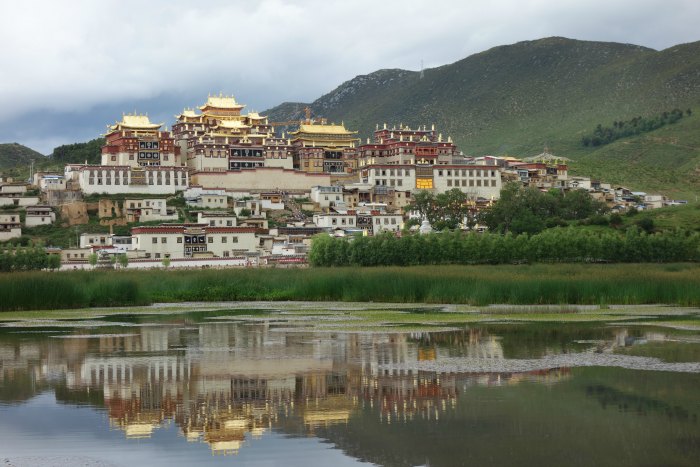
Visit Shangri-la, which remains an important center for Yunnan’s Tibetan community. The charming town is located in a broad valley on the Tibetan Plateau at an altitude of 10,500 feet, surrounded by snow-capped peaks, primeval forests, and lakes. 

See all the Yunnan highlights on our classic Yunnan tour.

Top 5 Hotels in Hong Kong

Hong Kong: apart from being one of the world’s global financial centers, the metropolitan city ranks highly for top-notch standards in its service and hospitality sectors. Many exciting accommodation choices are available, some of which will take you above skyscrapers with drop-dead vistas of the city. Read on for our top 5 picks for Hong Kong hotels.

5. Langham Hong Kong

Top 5 Hotels in Hong Kong

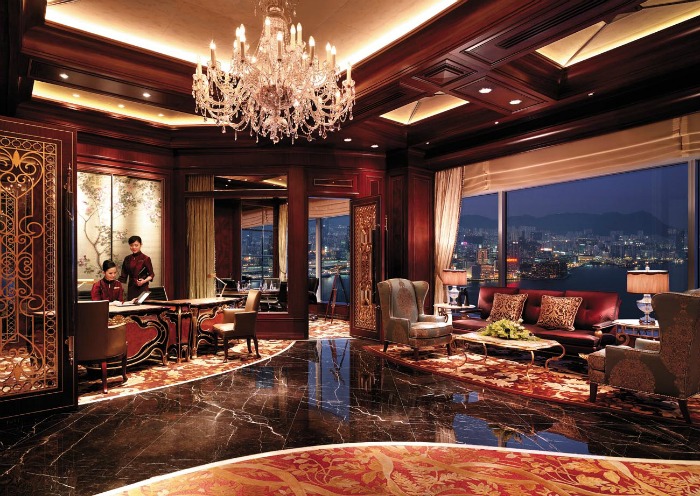
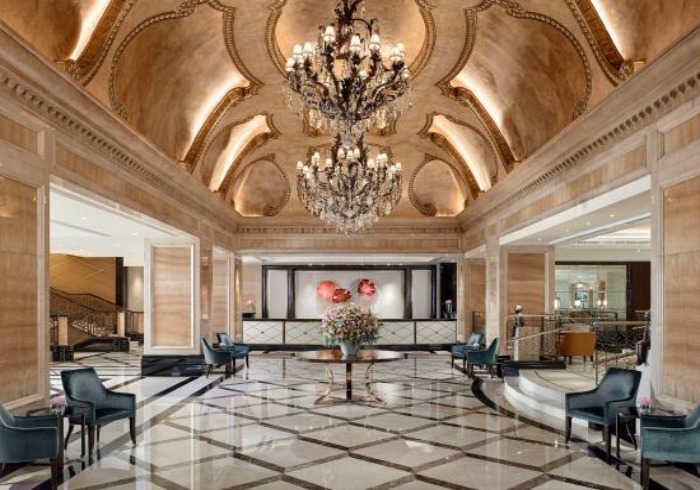
The stunning foyer of the Langham Hong Kong. Photo via Langham Hotels

The Langham Hong Kong recently received the Forbes Travel Guide Five-Star Rating Award and was named one of Travel + Leisure 500 – World Best Hotels. Located in Tsimshatsui, Hong Kong’s exclusive shopping district, the Langham evokes classical British luxury and provides a perfect blend of past and present. The hotel incorporates fine fabrics and silk drapes into its bespoke design. Guests can enjoy an immersive British “Langham Afternoon Tea ” experience with tailor-made Langham Rose tea ware and a special menu created by culinary experts. To satiate your palate, the Langham houses three well-rated restaurants including the three Michellin-starred T’ang Court which serves authentic Cantonese cuisine reflecting the classic timelessness of the Tang Dynasty. The Star Ferry with sensational views of the Victoria Harbor is a short walk away.

4. Mandarin Oriental Hong Kong

Top 5 Hotels in Hong Kong

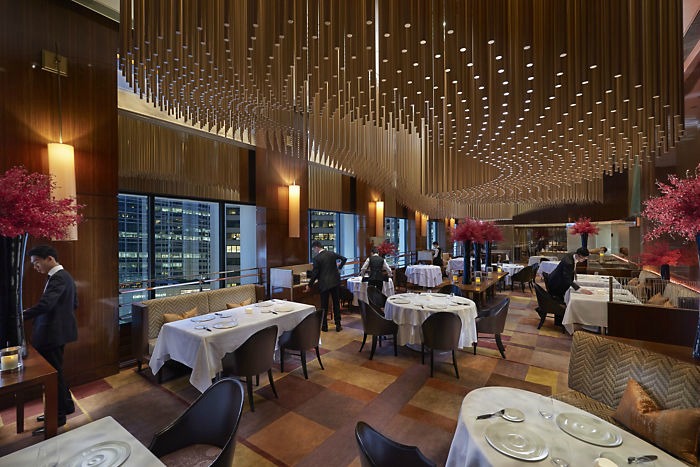
Inside the Mandarin Oriental’s top-rated restaurant. Photo via Mandarin Oriental

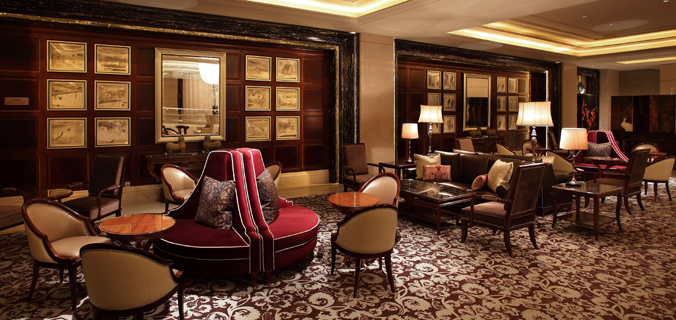
If you want an awe-inspiring view of Victoria Harbor as you tuck in for bed, look no farther than the Mandarin Oriental. The Mandarin Oriental Hong Kong is the first and flagship hotel of the Mandarin Oriental hotel group. This iconic hotel is as legendary as the city of Hong Kong itself. It boasts a central location, five-star facilities, and is renowned for its sleek design, impressive service and exquisite blend of luxury and comfort. The style itself is bold and bright, yet retains a cozy charm reminiscent of old Hong Kong. Rooms are well-refurbished and redesigned to maximize space; service is as tip-top as any other luxury hotel in Hong Kong. Gourmands will love the three, Michelin-starred restaurants within the hotel – Pierre, with two stars, the Mandarin Grill and Cantonese restaurant, and Man Wah, each of with one-star. A stay at the Mandarin Oriental is an indulgent getaway from it all.

3. Island Shangri-La

Top 5 Hotels in Hong Kong

Check-in at Island Shangri’La’s opulent lobby. Photo via Island Shangri-La

Island Shangri-La is all about old-school opulence – 779 Austrian and Venetian chandeliers bedeck its premises; the largest Chinese silk painting in the world can be observed from the bubble lifts while Fragonard drawings hang on some corridors. Elegant rooms are equipped with plush beds and spacious bathrooms – opt for a harbor-view room and you won’t be disappointed. Dining options include Michelin-starred Summer Palace, which serves Cantonese cuisine, as well as Café TOO, loved by locals for their international buffets on weekends.


2. Upper House

Top 5 Hotels in Hong Kong

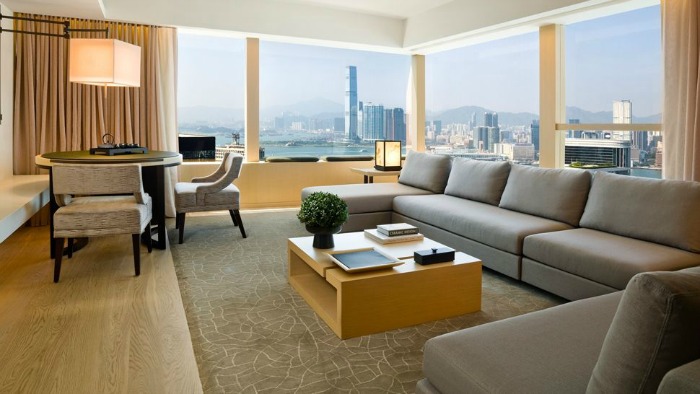
The modern chic of the rooms at the Upper House. Photo via the Upper House

The Upper House exudes modern Hong Kong style with a uniquely urban feel. The interiors are sumptuously designed by one of England’s top designers and feature bamboo, limestone and plush cushions in warm hues. The rooms, starting from the 38th floor, provide one-of-a-kind views and a respite from the bustling sounds of cars and street vendors down below. Like its sister properties, The Opposite House Beijing and The Temple House in Chengdu, the Upper House perfectly embodies the sleek modernity and urbane cool of the international mega-city. No compromises have been made on the artistic detail of this sophisticated boutique hotel. The Upper House is a great choice for business folk as well as shoppers – the hotel is in the same building as the glitzy Pacific Place mall.

1. Peninsula Hotel

Top 5 Hotels in Hong Kong

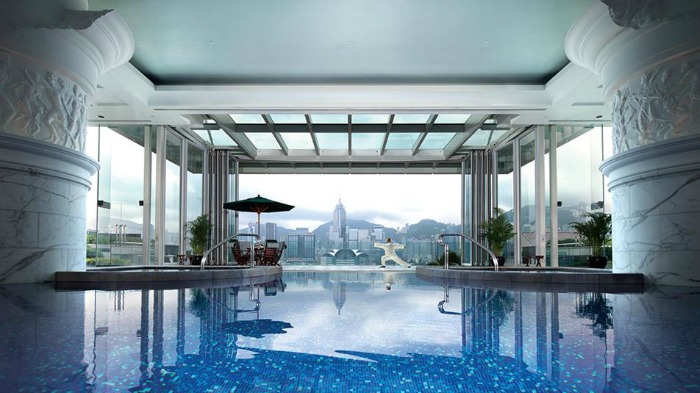
The iconic pool at the Peninsula Hotel. Photo via Peninsula Hotel

  • By far the most opulent hotel in Hong Kong, the iconic Peninsula is known as the Grande Dame of the East. This flagship hotel of the Peninsula brand provides guest with a one-of-a-kind, uniquely Hong Kong experience. Upon arrival, guests step into the timeless colonial glamour of a bygone era. Established in 1928, the hotel effortlessly combines the luxury of the past with modern renovations like LED touch wall panels. The spectacular open air Roman-style pool and state-of-the-art fitness center offer unobstructed views of the harbor. Arrive in style in one of the custom “Peninsula Green” Rolls Royces or Mini-Coopers. And our favorite part – AsiaTravel can make you an instant VIP with our PenClub benefits. If all of this luxury hasn’t wowed you yet, take to the air (the Pen is the only hotel with a helipad in Hong Kong) for a world-class view over Victoria Harbor or sightseeing excursions to less visited islands. You’ll never want to leave!

Want to test out the pillows for yourself? Be our guest on a customized Hong Kong: Pearl of the Orient tour and find your favorite home away from home in Hong Kong.


Top 5 Hotels in Hong Kong

Hong Kong’s Best Markets & Shopping Streets

Goldfish, birds, toys, clothes and electronics – there seems to be a street in Hong Kong for just about every type of commodity you might need. Inside the checkered warren of the city’s lanes you will find many great bargains, and interesting slices of local life. Here are some to visit during your next trip to the city:  

Hong Kong’s Best Markets & Shopping Streets Photo by Barney Moss via Flickr

Southern part of Hong Kong Island

Stanley Market

Address: Hong Kong, Stanley, Stanley New St, 赤柱赤柱大街

Set in the seaside town of Stanley on Hong Kong Island’s south coast, Stanley Market is known for its huge selection of bargain clothes, inexpensive Chinese knick-knacks and household goods. At its Western end is Tin Hau Temple. Built by the notorious pirate Cheung Po Tsai in 1767, it remains one of the oldest temples in Hong Kong. An easy 25-minute walk takes you to the beach, where bars, pubs and restaurant line the waterfront.

Opens 10am to 5pm daily.


Yau Ma Tei, Kowloon side

Hong Kong’s Best Markets & Shopping Streets Photo by Daniel Chodusov via Flickr

Temple Street Night Market

Address: Temple Street, Yau Ma Tei, Kowloon

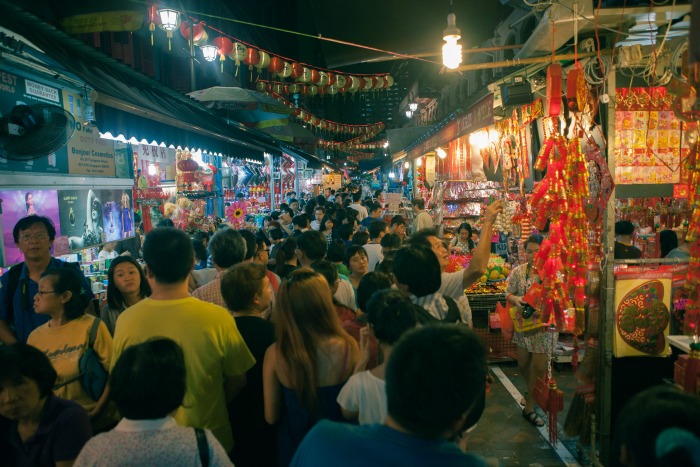
Few places in Hong Kong are livelier than Temple Street, a popular street bazaar named after the Tin Hau temple at its center. Stall vendors lay out their wares every night from as early as 4pm, selling trinkets, watches, electronics, leather and menswear. While the stalls are mainly aimed at locals, the market’s popularity with tourists has driven prices up, and you might find better deals in the shops hidden behind the stalls. Fortune-tellers, street doctors, impromptu performances of Cantonese opera and the clack of mahjong tiles further add to the festivity of the market.

Opens 5pm – 11pm daily.

Jade Market

Address: Junction of Kansu Street and Battery Street, Yau Ma Tei, Kowloon

Halfway between Yau Ma Tei and Jordan on Kansu Street is the Jade Market, two solid blocks of flea markets and shops selling everything from high quality jade jewelry and figurines to glass trinkets. Genuine jade can range in color from milky white to a beautiful deep green. Another common hue is a cream color with brown or yellow flecks. Be careful about imitation jade at the market and always start with a bargaining price about 50% of what the vendor offered. The more eager he is to give it away the more you should suspect it is not the real McCoy.

Opens 9am to 5pm daily.

Hong Kong’s Best Markets & Shopping Streets Photo by Mitch Altman via Flickr

Mongkok, Kowloon side

Ladies Street

Address: Tung Choi Street, Mong Kok, Kowloon

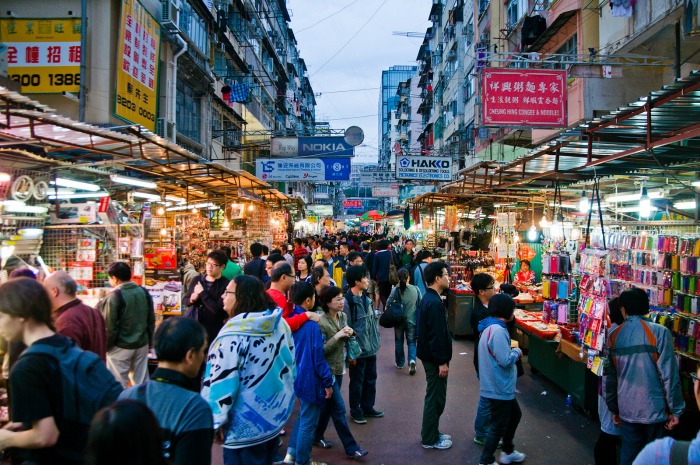
This market on Tung Choi Street boasts over 100 stalls of bargain clothing, accessories and souvenirs across a one-kilometer stretch. More popular with tourists, prices here are comparatively higher than other markets. It does offer plenty of haggling fun for cheap souvenirs, ‘I Love HK’ t-shirts, accessories and other curios. Fashion here is often more “auntie” than trendy.

Opens 12pm to 10pm daily.

Hong Kong’s Best Markets & Shopping Streets Photo by Geneva Vanderzeil via Flickr

Flower Market

Address: Flower Market Road, Prince Edward, Kowloon

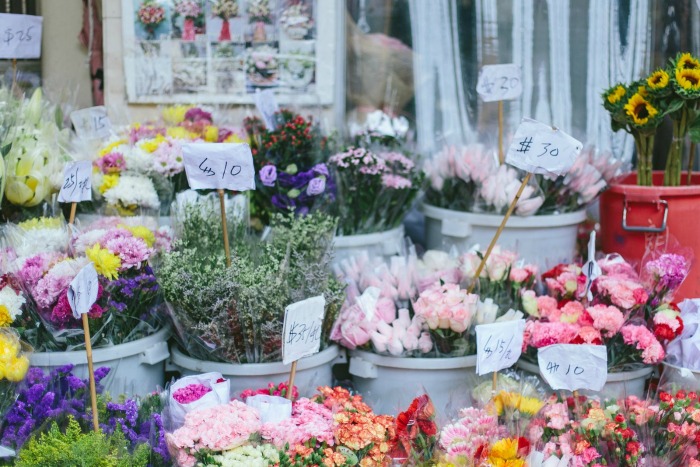
Immerse yourself among the exotic blooms and scents of Hong Kong’s Flower Market. The 50 or so shops and wholesalers get especially busy during the period before Chinese New Year, as families flock towards the market to buy auspicious flowers and plants for the new lunar cycle.

Opens 7am to 7pm daily.

Bird Market 

Address: Yuen Po Street, Prince Edward, Kowloon       

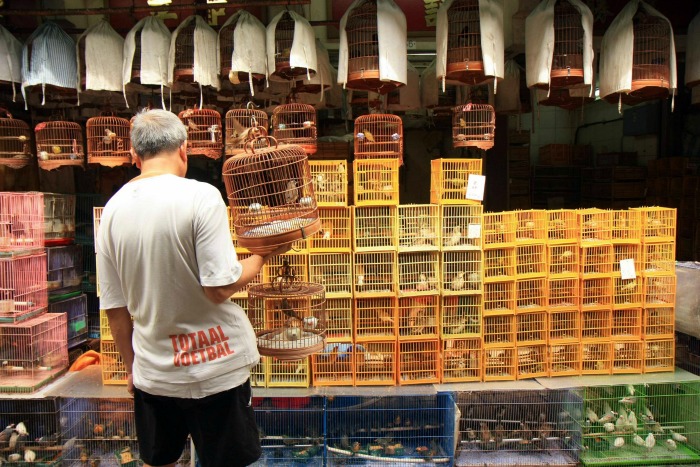
Designed in the charming style of a traditional Chinese garden, the Yuen Po Street Bird Garden is a pleasant place to witness the old Chinese hobby of bird-keeping. Elderly men gather here, carrying their their feathered friends in intricately crafted bamboo cages. Sweet birdsongs ring out from the stalls selling exotic birds, porcelain water dishes and other related paraphernalia.

Opens 7am to 8pm daily.

Hong Kong’s Best Markets & Shopping Streets Photo by Rob Web via Flickr

Goldfish Market

Address: Tung Choi Street North, Mong Kok, Kowloon

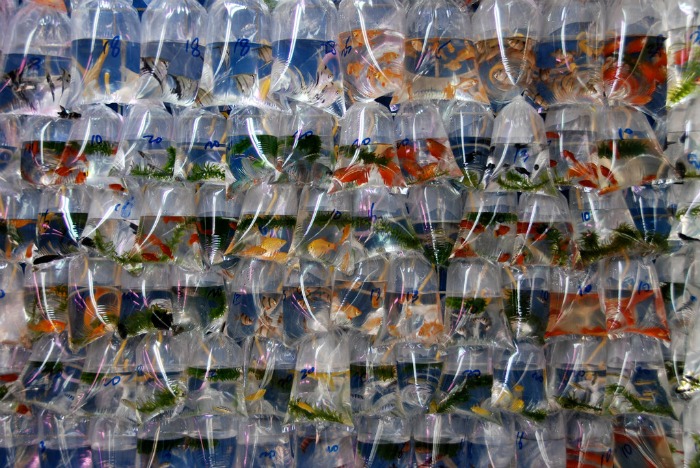
Locals head to the Goldfish Market to buy luck-bringing goldfish, aquarium pets, corals, aquariums, and aquatic ornaments. It is common to see oxygen-sealed plastic bags of goldfish (and other weirdly shaped ones) hung on racks and ready for sale.  You’ll also spot a few amphibians and reptiles crawling about.

Opens 10.30am to 10pm daily.

Shanghai Street

Address: 312-343 Shanghai Street, Yau Ma Tei, Kowloon

Shanghai Street is one of the city’s oldest thoroughfares; a walk here gives you a glimpse of disappearing Hong Kong, of old Chinese opera houses and beautifully preserved shop-house buildings. It is also a great place to buy affordable kitchenware including handcrafted items like sandalwood fans and bamboo steam baskets used for dim sum usually sold in family-owned shops.

Opens 10am to 10pm daily.

Sham Shui Po, Kowloon side

Hong Kong’s Best Markets & Shopping Streets Photo by Marcel Druck via Flickr
Apliu Street

Address: Apliu Street, Sham Shui Po, Kowloon

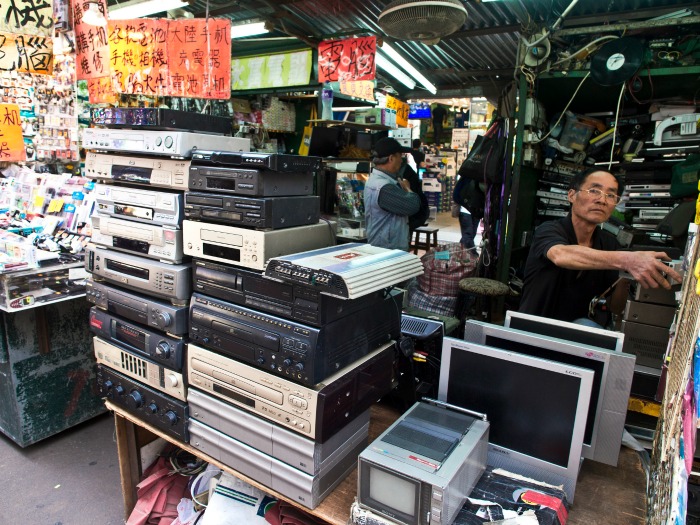
In the heart of Sham Shui Po, vendors at the popular street market sell new and second-hand electronic devices, audio-visual equipment and telecommunications products at bargain prices. Tip: Check the voltage and plug/socket of the item for electronic compatibility.

Opens 10am to 10pm daily.

Excited to venture out and explore the vibrant markets of Hong Kong? Book AsiaTravel’s Hong Kong: Pearl of the Orient tour.

Hong Kong’s Best Markets & Shopping Streets

Top 4 Things to do in Harbin

Harbin’s International Ice Festival draws in tourists from around the world, but this mystical city is worth more than just a day trip. If you stay just a little while longer, you’ll be privy to a whole host of wonderful experiences to complement your frosty voyage to the North.

The capital of China’s northernmost province, Harbin was originally named to mean ‘a place for drying fishing nets’. The city grew from a small rural settlement on the Songhua River and today is heralded as the ‘City of Ice’, home to the world’s largest Ice and Snow festival.

But there is more to Harbin than record-breaking structures made of ice. The city’s parks, winter sports and Russian architecture make it a city where both children and adults can take part in the whimsy and magic of a storybook land.

Harbin International Ice Festival

Top 4 Things to do in Harbin

Ricewind42 via Flickr

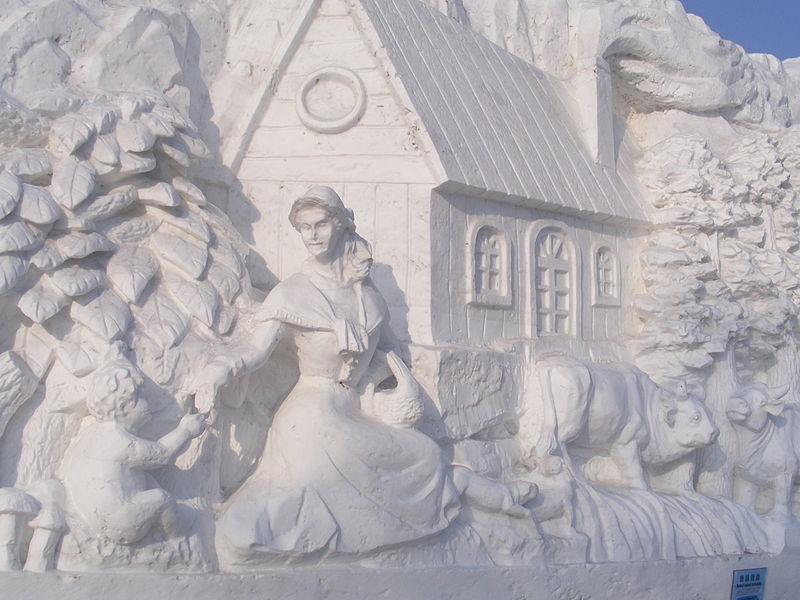
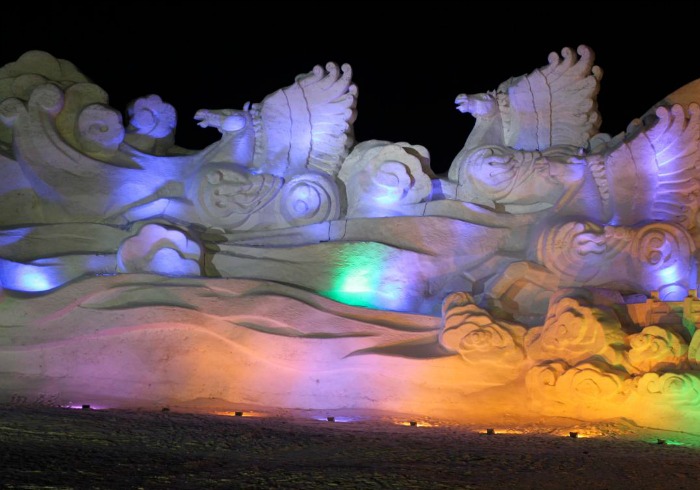
Let’s get the big one out of the way first. From the 5th of January each year until well into February, people from around the world flock to Harbin to witness the famous International Ice Festival. Palaces, sculptures, staircases, lanterns… a whole world of ice that will simply melt away when the weather starts to thaw.

During the festival you’ll be able to see ice sculptures throughout the city, but the two main exhibition areas are the ironically titled Sun Island, and the more appropriately named Ice and Snow World.

Lantern Festival at Zhaolin Park

Top 4 Things to do in Harbin


As the day turns into night, ice lanterns begin to shine brightly at Zhaolin Park. They combine the beauty of light and sound as they sway in the winter air and provide the perfect backdrop for an evening stroll. The brilliantly carved ice and snow artworks dotted throughout the park are the work of master craftsmen and shouldn’t be missed on any tour of Harbin.

Harbin City Architecture

Top 4 Things to do in Harbin

Fredrik Rubensson via flickr

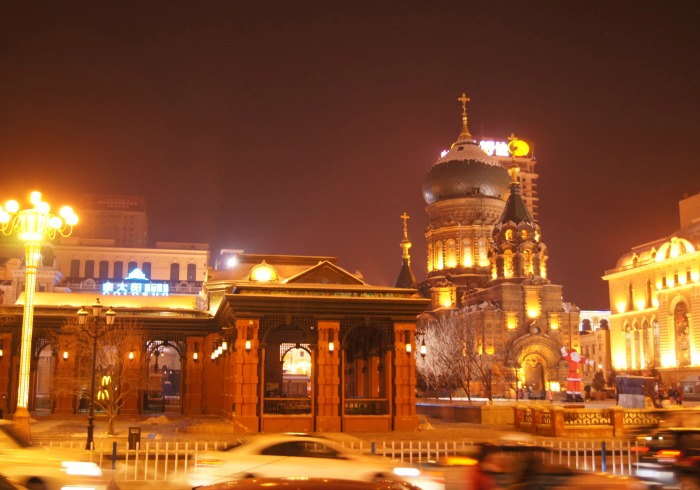
After the Russian Revolution in 1917, many supporters of the tsar fled across the Chinese border and into Harbin. 100 years later and this influence is still very apparent. St. Sophia Cathedral, a stunning Russian orthodox church has come to symbolize the city and the famous Zhongyang Dajie or ‘Central Avenue’ contains several beautiful examples of Baroque and Byzantine architecture.

Harbin’s immaculately restored Jewish Synagogue, a remnant of the time when Harbin was once home to a Jewish population of up to 20,000, is also well worth a visit.

If you’re interested in China’s unexpected Jewish history, customize your own Jewish Tour of China.

Sun Island

Top 4 Things to do in Harbin

Jared Burns via Flickr

Adjacent to the Ice Festival, Sun Island is a great place to take kids to enjoy winter sports such as ice skating. While in summer the landscape is a beautiful waterfall flowing into a pool, during winter the frozen waterfall is sculpted into beautiful shapes and designs. Wander around the grounds and take in the natural beauty.

Grab your winter coat and bundle up for a trip through China’s frosty climes. There’s plenty of things to do in Harbin while you make the most of the icy landscapes. Journey with us on our Harbin: Winter Wonderland tour.

Top 3 Hotels on the Bund

A buzzing hub of energy, industry and innovation, Shanghai can be both exhilarating and exhausting, which is why it pays to stay in one of the city’s justifiably famous luxury hotels.

Famous for its roaring ‘20s jazz history, Shanghai today stands as one of the world’s most significant financial centers. As Shanghai grows in stature, more and more global brands are leaving their mark on the city, and finding new ways to deliver luxurious accommodation to their guests.

The area known as the Bund is the crème de la crème of Shanghai. Similar to staying on Park Avenue in New York City, the Bund is the embodiment of the city’s high society. To put it plainly, the Bund is where you want to be to make the most of your trip to Shanghai.

To help make your choice easier, here are a few of the best hotels on The Bund:

Top 3 Hotels on the Bund

1. The Peninsula Hotel, Shanghai

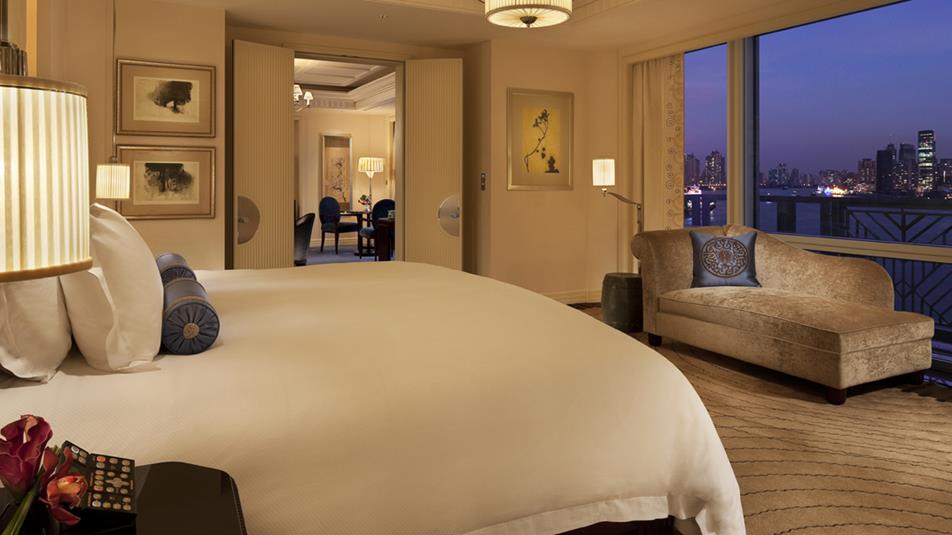
Style and glamour are the watchwords of the Peninsula Hotel’s Shanghai branch. The historic Peninsula hotel was the first new building to be built on the Bund in over seventy years. There hasn’t been new construction since 1932 when the Bank of China was completed.The beautiful colonial style building at the Bund was purposely built from the ground up to house the hotel. Guests will enjoy sweeping views of the iconic Pudong skyline and the Bund from both the rooms and the opulent rooftop bar. Since opening in 2009, The Peninsula Shanghai has gone from award to award, and was voted the Best City Hotel in Asia by readers of Travel + Leisure magazine in 2015.

Top 3 Hotels on the Bund

  • 2. Waldorf Astoria on the Bund

The Waldorf Astoria hotels have been named the greatest of them all by Conrad Hilton, a man who knows his hotels. The Waldorf Astoria on the Bund is actually the first purpose-build Waldorf Astoria Hotel outside of the United States, proving the allure of the Bund. A 12 minute walk from Shanghai’s famous Yu Garden, the Waldorf Astoria in Shanghai embraces the hard won international reputation of the brand for delivering unapologetically grand and luxurious accommodation. Offering stunning views of the Pudong Skyline and a host of impeccable facilities, the Waldorf Astoria on the Bund lives up to its stated goal of combining the history and culture of the celebrated Shanghai Bund with a taste for 21st century sophistication.

Top 3 Hotels on the Bund 3. Fairmont Peace Hotel

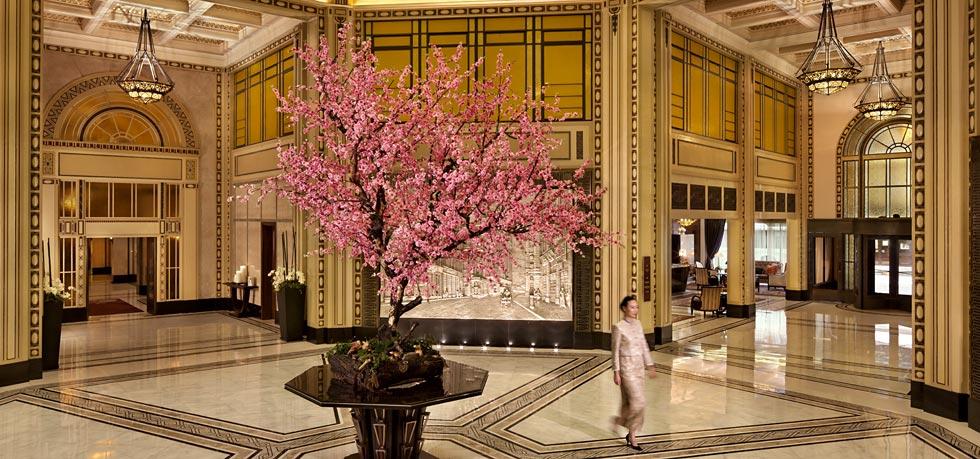
In contrast to the Asia-wide or international brands above, the Fairmont Peace Hotel stands out as an historically Shanghai based institution. Situated on the Bund with breathtaking views and easy access to the city centre, the Fairmont Peace Hotel owes its status as one of the best hotels in Shanghai not only to its location and quality, but also to its history.

At its beginning it was one of the first large skyscrapers built in the Eastern Hemisphere. After the Communist party came to power in 1949, the building was used by the Municipal Finance Committee. Much later, during the Cultural Revolution the hotel was used by the notorious Gang of Four as their headquarters.

The Old Jazz Band of the Hotel was also used as the basis for a movie, “As Time Goes By” a film by Uli Gaulke. After 3 years of renovations between 2007 and 2010, the modern Fairmont Peace Hotel was born.

Wanting to book your luxury retreat to Shanghai? Join our Chinese Treasures tour or Shanghai Highlife tour to get a firsthand taste of The Peninsula Hotel.


The Most Haunted Places in China

Step into the ghastly past of the world’s oldest civilization and get acquainted with places that will chill you to the bone. These are the most haunted places in China.

With over 5,000 years of history, China’s bound to have a few ghosts waiting in the nooks and crannies. From the wiles of eunuchs in Beijing to deserted mansions in Shanghai, China’s chock full of possible encounters of the spooky kind. Steel your nerves and prepare yourself to be haunted by legends and tales of a paranormal kind.

The Most Haunted Places in China

Wilson Loo Kok Wee via Flickr

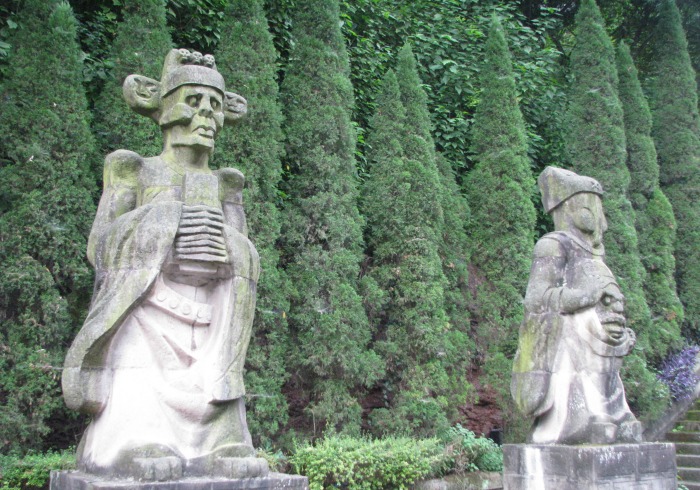
Fengdu Ghost City, Chongqing

Nestled on the banks of the Yangtze River, Fengdu Ghost City’s spooky past dates back over 2,000 years. According to legend, 2 Eastern Han Dynasty imperials officials used Taoist practices to become immortal on nearby Ming mountain. Their names combined to mean “King of Hell” and they dragged all local villages into the underworld.

Today, the area is surrounded by temples and shrines dedicated to the underworld. Visitors can journey through the dark side of traditional Chinese culture with the paintings and sculptures lining the temple walls – each depicting scenes of villagers being tortured for their sins.

If you’re feeling brave, float down the Yangtze River and visit these ancient stone villages on our China Living Heritage Tour.

The Most Haunted Places in China
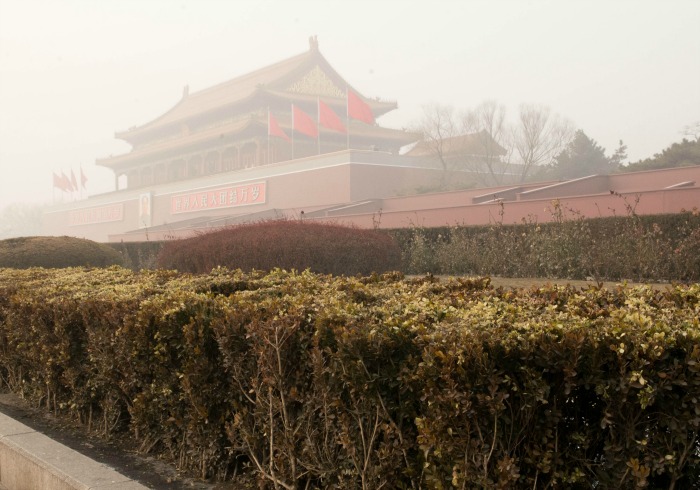
The Forbidden City, Beijing

The Forbidden City is a staple of any tour to China, but did you know that the Imperial Palace is also haunted but its own array of poltergeists and ghosts?

Built over 600 years ago during the Ming and Qing dynasties, the imperial palace saw more than its fair share of executions. Betrayal and disobedience were common and anyone who went against the emperor’s rule was easily removed.

And it wasn’t just the emperor creating Halloween-worthy tales. Jealous concubines, spited servants and envious guards would often poison one another in the most devious of ways and eunuchs went to any length to further their plot for power.

When the palace was opened to the public in the late 1940’s, staff began to notice strange phenomena within the imposing red gates. A woman dressed in white has often been heard sobbing as she strolls around the grounds and as recently as 1995 guards have reported seeing a woman dressed all in black. The story is always the same – the woman turns to speak but has no face. Only black hair shrouds her pale visage.

Not too scared to walk through the same grounds as these ghosts? Consider our Beijing Imperial Day Tour.

The Most Haunted Places in China

Zoe via Flickr

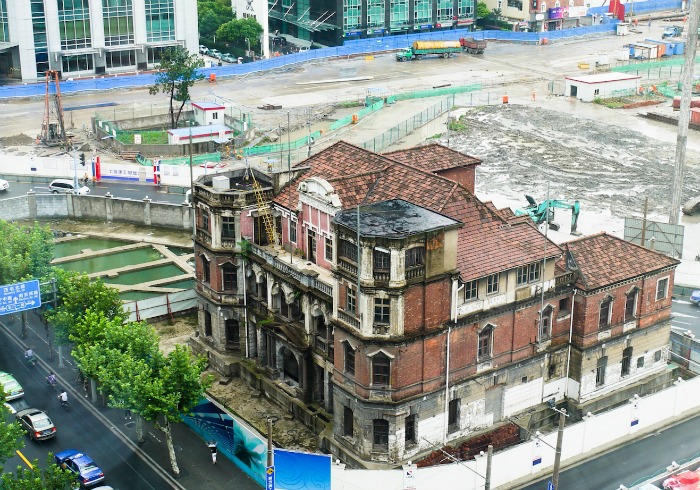
Qiu Mansion, Shanghai

The Qiu brothers began their story as migrant workers in Shanghai. The pair made their fortunes selling paint after World War I and built identical mansions next to one another in the heart of the city. The ornate mansion grounds became home to the brother’s collection of exotic pets: Burmese tigers, peacocks, and even crocodiles roamed the gardens.

At the height of their fame and notoriety, the Qiu brothers mysteriously disappeared. Their mansions fell into disrepair and their gardens became a tangle of barren branches.

Workers at the Four Seasons Hotel, just across the street from Qiu Mansion, have reported hearing and seeing strange animals roaming around the abandoned site. A number of the hotel’s night guards have even received hospital treatment for mysterious “animal bites” – no one knows how the injuries occurred.

Ready to encounter some paranormal pets, customize our Shanghai Highlife tour.

The Most Haunted Places in China

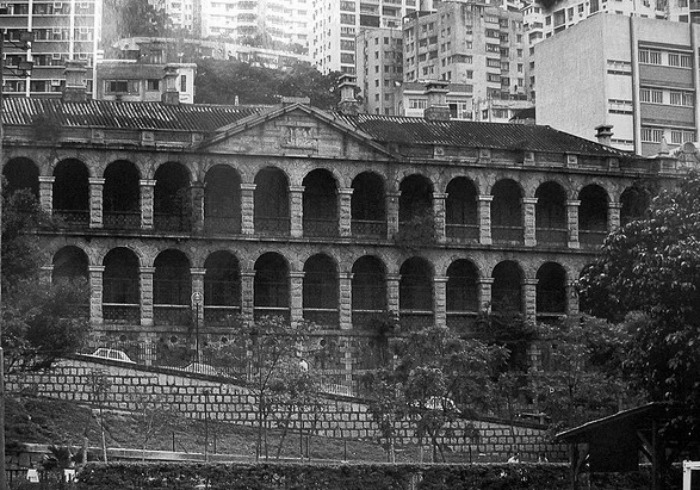
High Street, Hong Kong

With eerie yellow lights casting shadows on dark, empty verandas, the Sai Ying Pun Community Complex is one of the most chilling locales on High Street, Hong Kong and has a frightening history to match.

Originally built in 1892 to house European nurses Sai Ying Pun was, accordingly to urban legend, a common site of execution during WWII. After the war, the complex was turned into an insane asylum. The asylum was abandoned after 2 fires in 1961.

In the dead of the night, it has been said that headless poltergeists and devilish figures roam the corridors of Sai Ying Pun Community Complex – The spirits of murdered victims and unsettled patients calling for revenge.

If these tales don’t spook you out, join us on our Hong Kong: Pearl of the Orient tour.


For those with an interest in the paranormal, China has a closet chock-full of ghosts. Customize one of our city tours to experience the other-worldly haunts of these restless ghosts and you may even go home with your own spooky tales to tell.