1000 Places To See Before You Die: An Interview with Patricia Schultz

We’ve teamed up with Patricia Schultz, travel journalist and author of the NYT #1 best-selling 1000 Places To See Before You Die, to bring you her ultimate China adventure.

In late October 2018, Patricia will host a AsiaTravel trip with a focus on Yunnan Province that she helped curate along with our award-winning trip design team. Patricia has dedicated her life to helping her readers discover the best destinations around the world. We recently caught up with her to find out why she keeps China at the top of her ‘must-visit’ list.

1000 Places To See Before You Die: An Interview with Patricia Schultz

Hi Patricia, thank you for taking the time to chat with us today. Your AsiaTravel hosted tour in 2018 won’t be your first visit to China. What do you think the country offers travelers and why are you making a return visit this year?

That’s a big question about a big country. China is an ancient civilization with a rich culture and history that date back thousands of years and deserves to be experienced by non-Chinese, western travelers, and sooner rather than later. It promises so much more beyond a Chinatown, a movie, a mention in the headlines. Together those experiences represent the tip of the iceberg – but they are a superficial notion of what the country is.

Our understanding of China is, at best, very limited. You can start with a focus on the contemporary face of China, but it is just one facet. You can’t pretend to know much after a whirlwind stopover in Beijing or a brief trip that touches upon a handful of highlights. In a country of this size and potential, the experience changes greatly from city to city. And although I have visited a number of times, I always leave feeling like there is so much more to see. It keeps me humble. That’s why it remains on my shortlist. 

Along with Beijing and Shanghai, you’ve added Yunnan Province to this journey you are hosting. What is it about this region, in China’s Southwest, that made it one of your 1000 Places?

Amazingly, few Westerners have heard of Yunnan Province. There are no large crowds of American tourists and it rarely gets the press or attention it deserves. It is easier to get there today, but for the most part it remains off most people’s radar – and that to me makes it all the more fascinating.
 1000 Places To See Before You Die: An Interview with Patricia Schultz

RELATED READING: Top 5 Things to Do around Dali and Lijiang

I visited Myanmar, Vietnam and other areas in the northern reaches of Southeast Asia years ago where I learned about the many ethnic minorities who lived there – many of them had migrated from southern China over time, descendants of those still living and flourishing in China’s Yunnan Province. As an American, my sense of world culture and geography was pretty limited – a map helped illustrate the situation better.

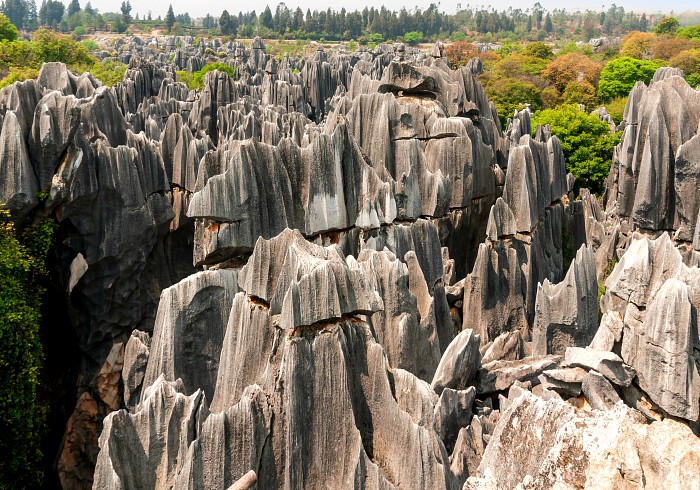
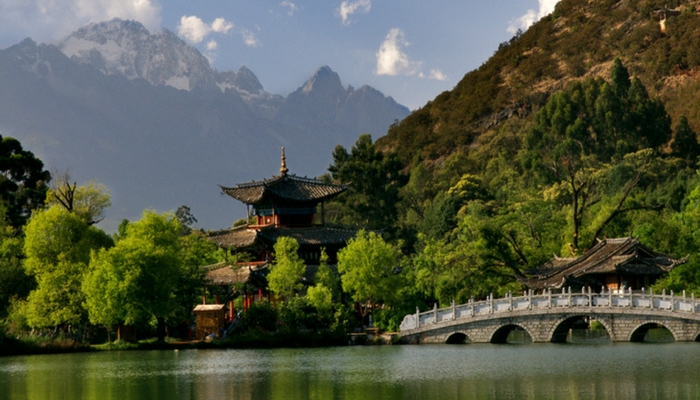
I started researching more about Yunnan, known for its surprising number of minority groups and trade routes such as the Ancient Tea Horse Road (thanks in part to Jeff Fuchs), and I found it all fascinating. And the dramatic topography and scenery against which all of this culture and history is still happening today is the stuff of legends.
 1000 Places To See Before You Die: An Interview with Patricia Schultz

RELATED READING: Yunnan Food According to Mei Zhang

Is there one experience on this trip that you are particularly excited about?

I’m very excited about the cuisine – and I don’t have a very adventurous palate! I’ve always found Chinese cuisine so complex, nuanced and delicious. Even if you experience the finest Chinese cuisine in the US or abroad, it is commonly a limited sampling and invariably altered. Experiencing and experimenting with the local cuisine when visiting a destination lends insight and is an integral part of the journey.

Traditional specialties are sometimes not found 10 miles beyond a particular town, let alone on the other side of the world. And it doesn’t need to be a fancy or expensive meal to impress me. Tasting the street food or a dish prepared in someone’s home – that is what I find exhilarating.

 1000 Places To See Before You Die: An Interview with Patricia Schultz

RELATED READING: 5 Reasons to Visit China

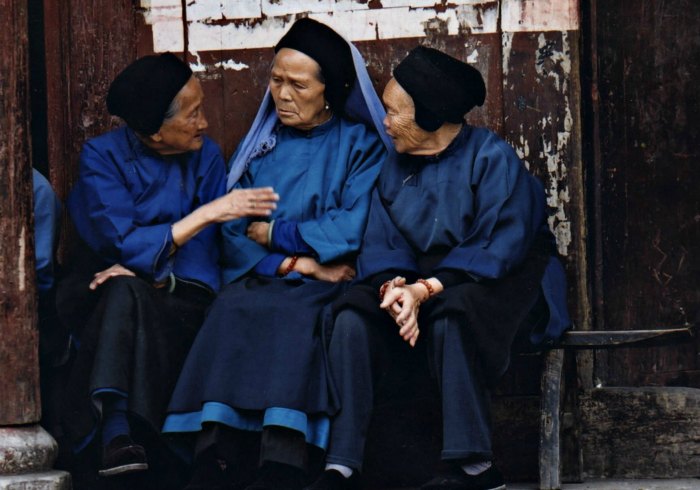
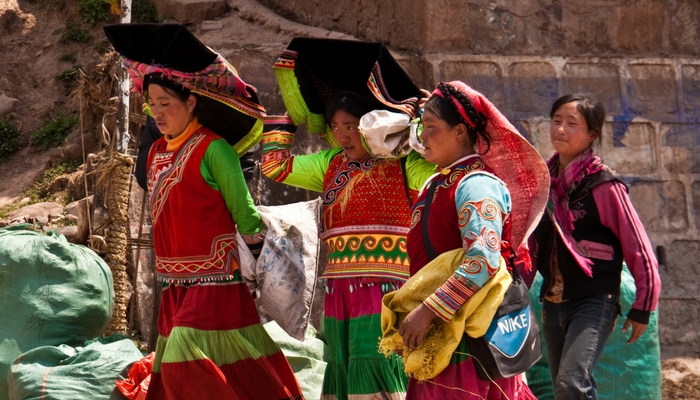
The colors, dress, customs, and music of Yunnan’s ethnic minority communities are carefully passed down from generation to generation. We are steadily losing such respected ethnic traditions in America. Young people in Yunnan may have iPhones and computers but they still embrace their roots and heritage with a unique respect and admiration for past generations in a way not commonly found elsewhere.

This trip to me is a perfect mix of arriving – and immersing yourself – in 21st century China, followed by a giant step back in time in an attempt to understand something of the country’s early chapters of history in a corner of the country not well known to Western tourism. We’ll visit mountaintop villages and meet people whose ways and traditions have remained unchanged over time – something impossible to find in the big and busy cities of China.

It’s a fascinating mix and I’m counting the days! 

What to Do in Gansu

Nestled between the high-altitude Tibetan and Loess plateaus, China’s Gansu Province has been making international headlines as one of Lonely Planet’s Best Destinations in Asia for 2017.

This region of China, West of Beijing, was an important desert outpost along the Silk Road. During imperial times, Gansu’s rough and wild hinterlands were filled with nomadic tribes and traveling merchants praying for safe passage through the desert. Today, however, this once distant province is now well within reach. Gansu is a mere two and a half hour plane ride from Beijing, and there is a high-speed train between Lanzhou, the capital of Gansu province, and Xi’an that takes about the same amount of time. 

We love to visit Gansu on our tours and here are some of our favorite things to do there:

What to Do in Gansu

RELATED READING: Five Surreal Landscapes in China

Visit the Danxia Landforms

The Danxia Landforms are well-regarded for their other-worldly colors – they were even added to the UNESCO World Heritage list in 2010. 

On a AsiaTravel journey into the ‘Rainbow Mountains’ you’ll be able to hike through five different “platforms” of height. The higher you climb, the more beautiful the landscape becomes. On any platform the view is different, and the best time to go there is at sunset – we’ll even arrange a picnic for you to enjoy whilst you watch the sun go down.


What to Do in Gansu

RELATED READING: The Mogao Caves and Other Top Dunhuang Attractions

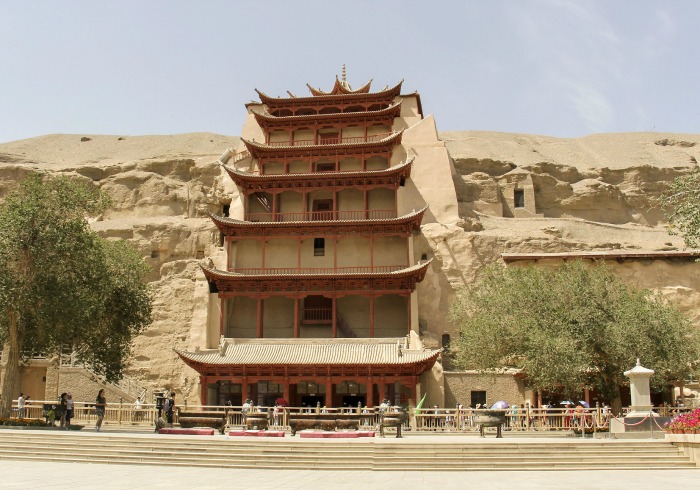
Mogao Grottoes

Dug out of the western cliffs of the Mingsha Mountains, this complex of 492 grottoes represents the pinnacle of Chinese Buddhist art. Used by travelers for meditation, worship and to store texts, these temple caves contained tens of thousands of frescoes, paintings, sculptures and terracotta statues. They also housed innumerable manuscripts, including the earliest dated and printed book yet found. 

The caves were created over the course of 1,000 years and were a central religious and cultural crossroads along the ancient Silk Road. The Mogao Grottoes were rediscovered in the early 20th century and named a UNESCO World Heritage Site in 1987. On a AsiaTravel journey, we’ll arrange a private tour of caves normally off limit to the public with the director of the Dunhuang museum.


What to Do in Gansu

RELATED READING: 6 Signature Dishes of Authentic Chinese Food

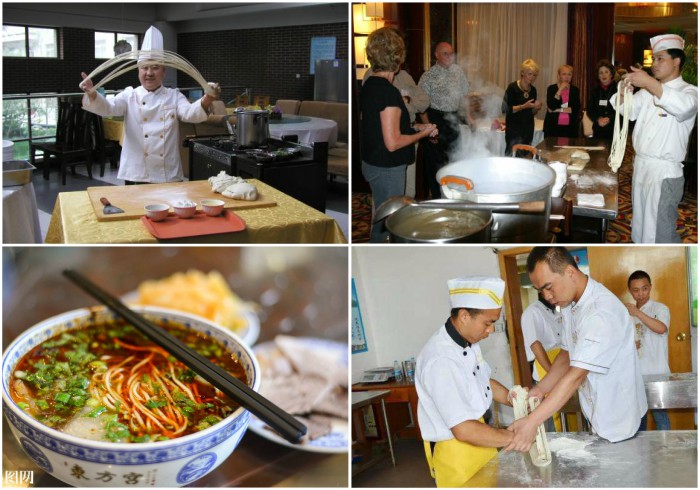
Lanzhou Beef Noodles Cooking Class

We love a bowl of beef noodles on a cold day and there’s no place better than Gansu to learn the history and procedure of cooking the dish.

Your guide will help you join the locals in an authentic beef noodle restaurant and on a AsiaTravel journey you’ll even learn the art of hand-pulling the noodle for yourself. The noodles in this dish should be as thin as thread and the beef should be soaked in water for several hours before being served. The noodles are usually quite spicy, but if you would like less heat, you can ask for less red pepper spice.

What to Do in Gansu

RELATED READING: 5 Reasons Why China’s Great for a Luxury Family Vacation

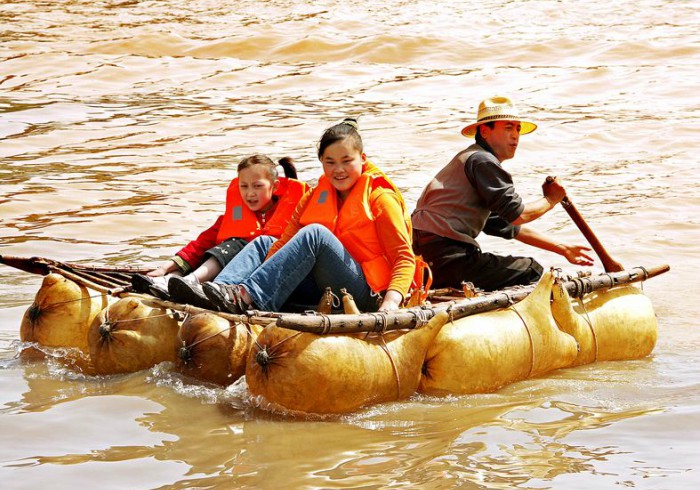
Yellow River Cruise

The Yellow River is the second longest river in China and is widely considered to be the cradle of Chinese civilization. Cruises along the Gansu section can be taken by motorboat but goat skin rafts were the traditional transportation for people who lived along the banks. It’s by far the most authentic way to float down the river.

To make the rafts, the goat skins are made into balloons which are then fastened on wood frames to build up a simple and powerful form of aquatic transport. It’ll feel like floating back in time to the historic era when the Yellow River was a key byway for trade between China and Central Asia. Of course, you’ll be provided with life jackets. Safety first!

Filled with surreal landscapes and Indiana Jones-worthy archaeological sites, Gansu is not to be missed. Why not see this hot new destination the AsiaTravel way? Let’s plan your trip to Gansu.

Holiday Wishlist: 10 Gifts for the China Travel Obsessed

‘Tis the season to fill those Santa sacks with gifts for all your friends and family. Here at AsiaTravel, we love to get into the holiday spirit and celebrate Christmas with our team. (Our IT Director even borrows Santa’s big red coat for the occasion!) Now we’re looking to spread the Yuletide joy beyond our office. If you’re looking for the perfect gift for the Sinophile in your life, we’ve compiled a short-list of our favorite finds.

Holiday Wishlist: 10 Gifts for the China Travel Obsessed


Holiday Wishlist: 10 Gifts for the China Travel Obsessed

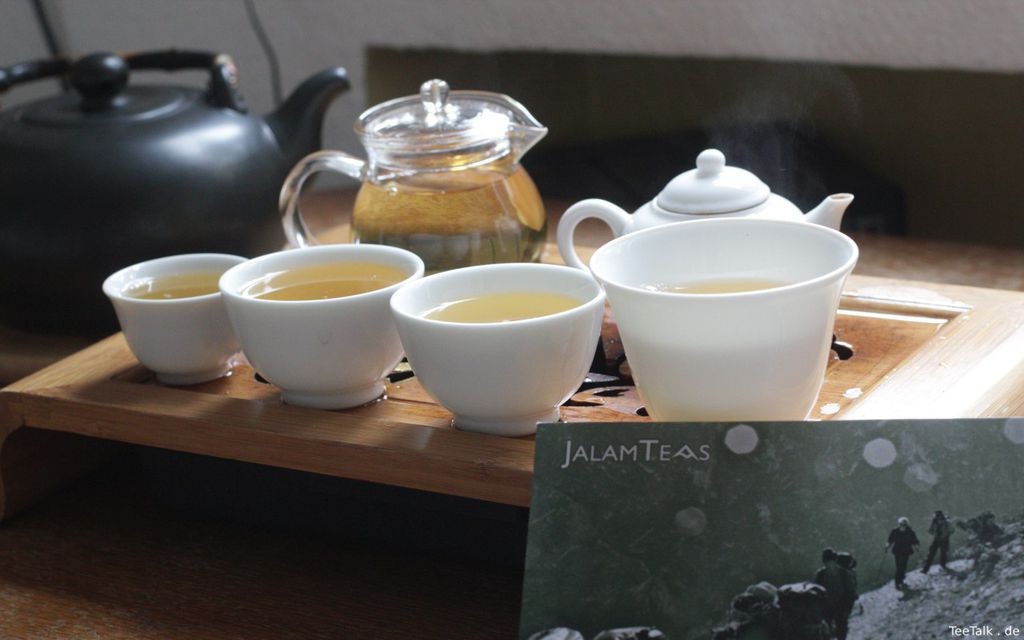
9. Everyone at AsiaTravel loves sitting down with a steaming cup of Pu’er tea and Jalam Tea Company‘s selection are always our top pick. Jalam concentrates on sourcing the finest of Yunnan’s teas and with each tea they offer, they present the adventure and tale of the journey to source it.

Holiday Wishlist: 10 Gifts for the China Travel Obsessed

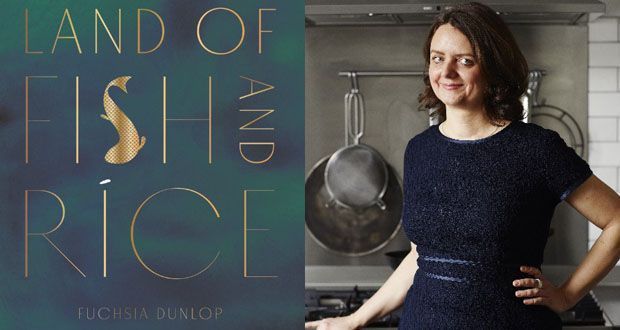
8. We have our finger’s crossed that Santa will leave a copy of Fuchsia Dunlop’s 5th book, Land of Fish and Rice, under our tree. Featuring stunning food photography, appetizing recipes, and curious tidbits from life in Jiangnan, Land of Fish and Rice is food writing at its finest.

Holiday Wishlist: 10 Gifts for the China Travel Obsessed

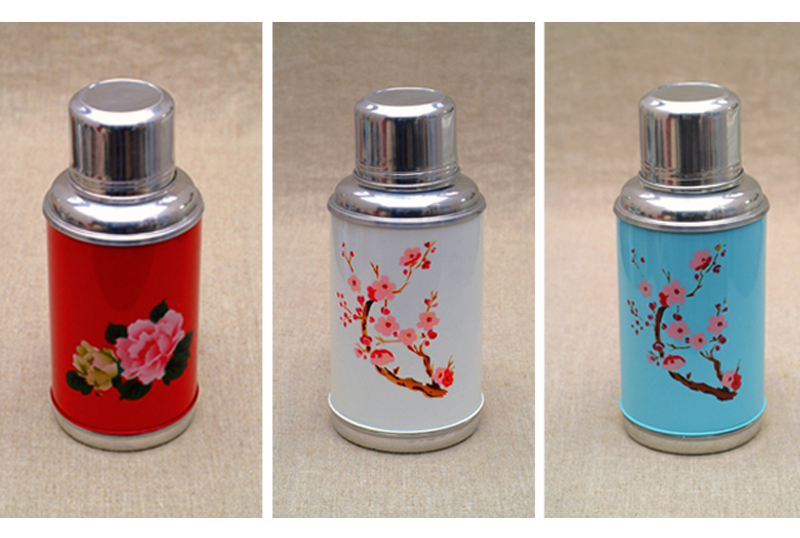
7. Lost and Found, a Beijing based homeware store, have these super cute thermos mugs in stock and they are perfect for snuggling up by the fire with on a winter’s day. Lost and Found also sells both new and vintage furniture and can deliver all over the world. All of their new furniture products are designed and built by them in the city of Beijing and can be custom-made just for you.

Holiday Wishlist: 10 Gifts for the China Travel Obsessed

6. If fiction is what you’re looking for, this year we enjoyed bestselling author John Shors’, Unbound. A love story set on the Great Wall of China, Unbound is a great gift for the romantic Sinofile in your life.

Holiday Wishlist: 10 Gifts for the China Travel Obsessed

5. Made in Mongolia produces just about the best slipper to pitter-patter around the house in. MIM has a beautiful range of handcrafted fair-trade felt products which use 100% natural Mongolian wool.  Their ethically produced fashion and home accessories combine the beauty of contemporary design with the timeless qualities of traditional Mongolian felting and embroidery.

Holiday Wishlist: 10 Gifts for the China Travel Obsessed

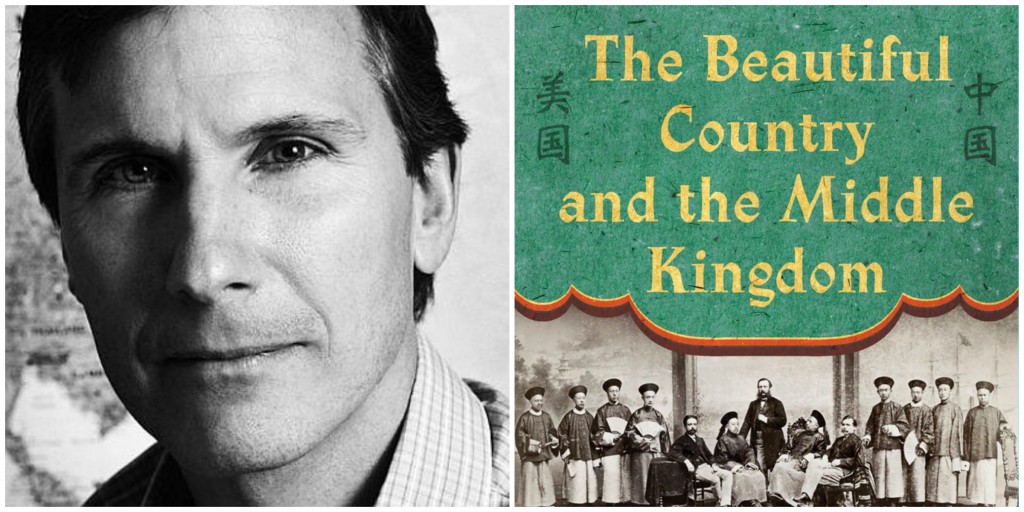
4. John Pomfret’s The Beautiful Country and the Middle Kingdom is chock full of interesting tales about the relationship between China and the United States. The book won the 2017 CFR Arthur Ross Book Award and is definitely a gift we would love to unwrap.  We know this book will be a great reference for years.

Holiday Wishlist: 10 Gifts for the China Travel Obsessed

3. Tibet is set to be a hot destination in 2018 and what better gift to give than a life-changing experience? Our Soul of Tibet Small Group Tour, limited to 12 people or less, will take you past softly rolling mountains, freshwater lakes, and gilded temples to the very heart of this incredible region.

Holiday Wishlist: 10 Gifts for the China Travel Obsessed
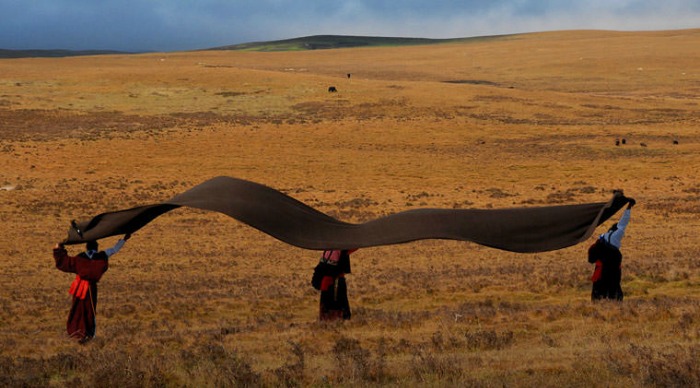
2. As Beijing’s cold winter sets in, high-quality scarves rank high on our most-wanted list. Norlha Textiles designs, produces and sells timeless yak textiles made by nomads on the Tibetan Plateau and is committed to working in a socially responsible way: combining a highly skilled workforce with a rare raw material (yak wool) to make world-class products. Norlha also helps to advance the livelihood of local people through stable, well-paid employment.

Holiday Wishlist: 10 Gifts for the China Travel Obsessed

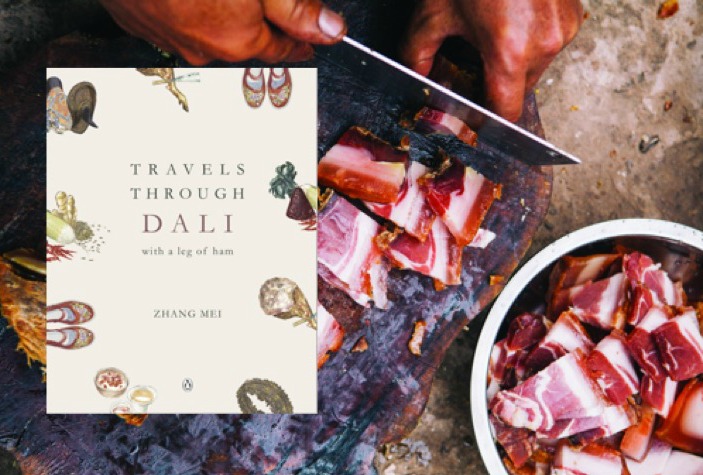
1. AsiaTravel Founder and CEO, Mei Zhang, published her first book in 2016. One part travelogue and one part recipe book this is a gift that is sure to delight the China obsessed foodie in your life. Travels through Dali: with a leg of ham will make you yearn for a taste of Dali. For an added bonus for that special someone, consider our Travels through Dali with Mei Zhang 2018 tour. With Mei as your guide, you’ll jump into the book’s pages and into the kitchens of Dali’s culinary artisans.

Interested in making your last-minute gift the gift of a lifetime? Contact one our experienced travel designers and start customizing your perfect China trip

Beijing’s Best Markets & Shopping Districts

China’s capital often conjures to mind the ancient splendor of the Forbidden City and the modern might of contemporary China. But for local people, much of the real activity takes place at the city’s vibrant markets and shopping streets.

Whether or not you’re interested in shopping at these markets, they are great places to see local customs and culture in action. You’ll experience the contrasts present in modern China: local vendors selling fried scorpion in one market and a ritzy Hermès shop a few meters away. And on a AsiaTravel tour, your guide will help you to shop just like a local.  They never receive commission from certain shops or stalls for encouraging you to buy so you can shop away, rest assured that their main priority is always helping you to find the best quality products.

Here is our some of our favorite markets and shopping streets in Beijing:

Wangfujing

Beijing’s Best Markets & Shopping Districts

Source: Jirka Matousek

RELATED READING: How to Spend 72 Hours or Less in Beijing

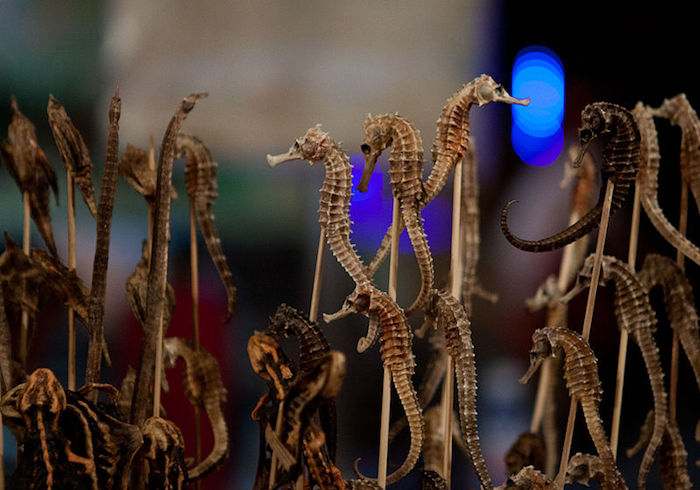
One of the most famous shopping streets in Beijing, Wangfujing attracts brave visitors who come here to eat scorpions, grubs, seahorses and other creepy crawlies that you certainly wouldn’t find in your local Whole Foods. Despite this, Wangfujing is not just for the strong of stomach. If you enjoy sampling Chinese delicacies in a lively, vibrant atmosphere and having a real Beijing experience, then this shopping street is a must.

Sihuan Market

Beijing’s Best Markets & Shopping Districts

RELATED READING: 5 (Alternative) Must-Sees in Beijing

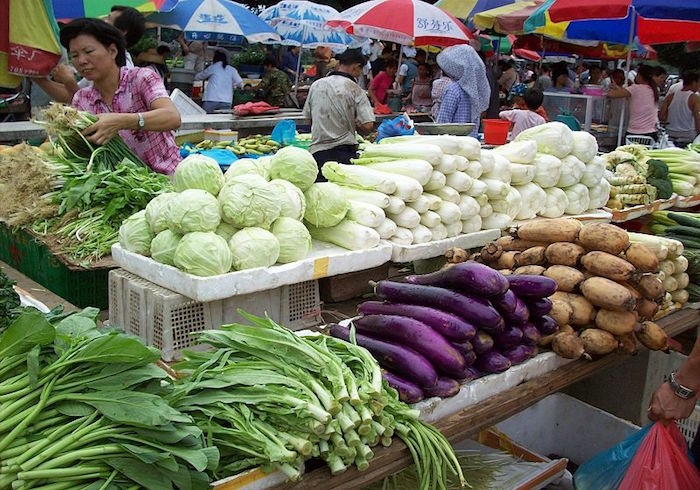
Rundeli or Sihuan Food Market has been described as a ‘food lover’s dream.’ Located in a picturesque, traditional hutong neighborhood, here you’ll find appetizing delights to help you fall in love with Chinese cooking. From live seafood in enormous tanks to colorful fruits, vegetables and herbs, if you can eat it, you can bet that Sihuan Food Market has it.

Sanlitun Village


Beijing’s Best Markets & Shopping Districts

RELATED READING: Make These “Houses” Your Home in China

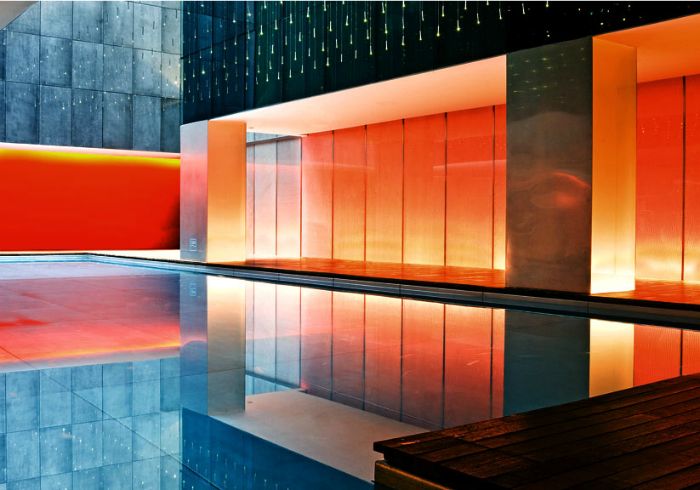
An upmarket, cosmopolitan shopping area in Beijing’s Chaoyang district, Sanlitun is where you go if you need your fix of fine, international dining and upscale brands. Sanlitun is also home to one of our preferred partner hotels in Beijing, The Opposite House. The Opposite House provides a tranquil retreat in the middle of the shopping district, and some of the best international designers have shops a mere hop, skip, and jump away.

Panjiayuan Antiques Market

Beijing’s Best Markets & Shopping Districts

Source: Anagoria

RELATED READING: Everything You Can Do at Beijing’s Temple of Heaven

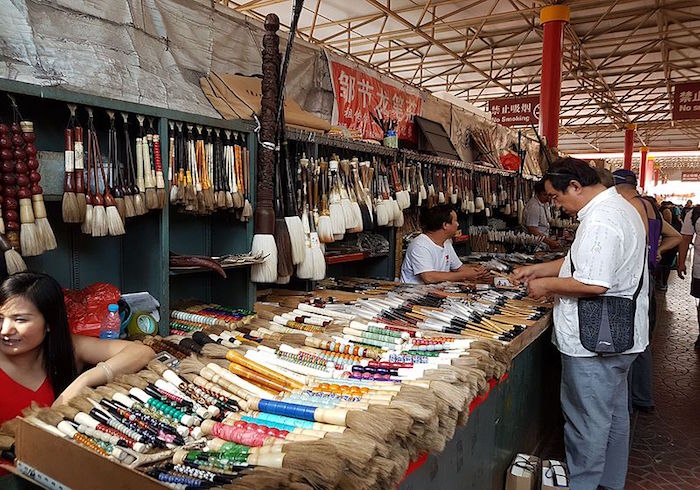
Step away from the metropolitan glitz of Sanlitun and enjoy a rustic, local experience at Panjiayuan Antiques Market. Here you’ll find antiques and artifacts of all kinds and beautiful treasures that are sure to keep you entranced. China has 5,000 years of history so curios can range from ancient Buddhist statues to vintage movie projectors from the year the PRC was founded. There are hundreds of stalls to explore so be prepared to spend at least a couple of hours here.

Xiushui Silk Market

Beijing’s Best Markets & Shopping Districts

Source: Phil James

RELATED READING: How to Make the Most out of a Trip to the Great Wall

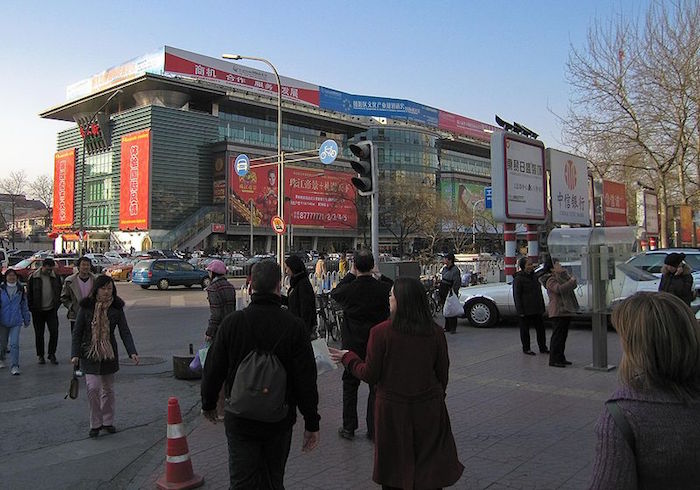
The ‘Beautiful Water’ Silk Street houses over 1700 stalls and as the name suggests, you’ll find one of China’s most ancient and mysterious exports here, silk. The old market was demolished a few years ago but commerce is still thriving at their new location on Xiushui East Street. Prices are likely be outrageously high when you first ask, so come here with your bargaining hat on and prepare to fight hard to get a good deal. If you’re looking forward to shopping while in Beijing, your AsiaTravel guide can help you find the most authentic silk and help you barter it down.

Whether or not you want to shop, AsiaTravel loves to show you a slice of authentic life, and sometimes markets are the best place to see China’s diversity. And if you are looking to buy some souvenirs for your family or some authentic crafts for yourself, your AsiaTravel guide can of course help you find the highest quality products around.

Why You Should Visit China’s Guizhou and Guangxi Provinces

First-time visitors to China may have only heard of first-tier cities such as Beijing and Shanghai. But fly a few hours south of the country’s capital and you’ll find a region of China very different to that you see on the news.

Two mountainous provinces in China’s southern region, Guizhou and Guangxi, are home to the vast share of China’s ethnic minority communities – and they have some stunning natural landscapes to boot. You may have heard of Guilin the provincial capital of Guangxi? But take it from us, it’s not in the region’s cities where you’ll find the most interesting sights.

Read on to see what Guizhou and Guangxi really have to offer.

Why You Should Visit China’s Guizhou and Guangxi Provinces

RELATED READING: Unexpected Natural Wonders of Guizhou

Guizhou

Guizhou may be one of the poorest provinces in China but it is remarkably rich in minority culture and natural beauty. There are 55 official ethnic minorities within China and many call Guizhou home. On a AsiaTravel tour of Guizhou, you’ll visit Miao , Buyei and Yi villages and learn about each minority group’s special clothing, customs, and language . You’ll also see varied cultural relics such as Ming Dynasty towers and become guest of honor at a Nuo opera performance. 

Why You Should Visit China’s Guizhou and Guangxi Provinces

RELATED READING: Join the Celebration of Guizhou’s Minority Festivals

In addition to minority culture, Guizhou has a wide assortment of parks and natural reserves which are birdwatchers, hikers, and general nature enthusiasts’ dreams. Watch as eagles, storks, cranes, and macaques soar in their natural habitats and if you have time, hike to one of the largest waterfalls in China.

Why You Should Visit China’s Guizhou and Guangxi Provinces

RELATED READING: Best Places in China to See the Dragon Boat Festival

Guangxi

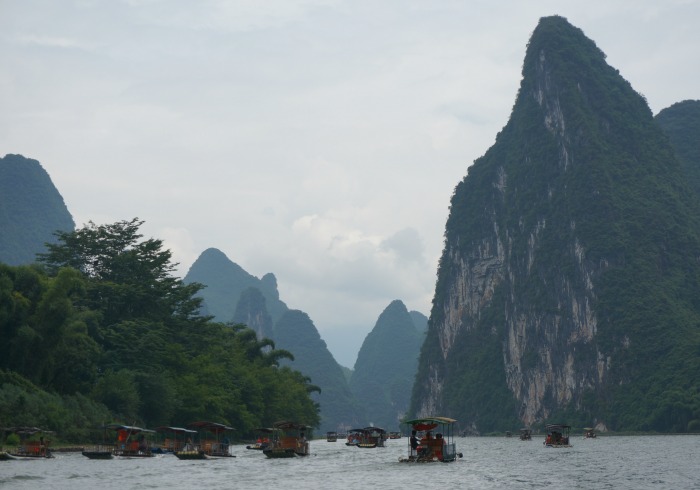
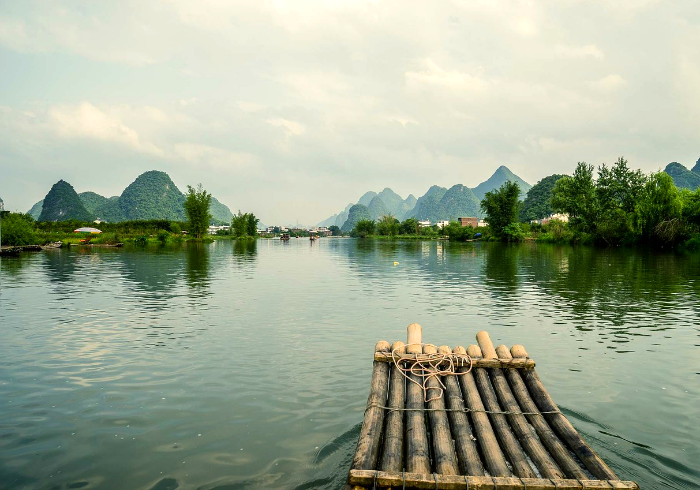
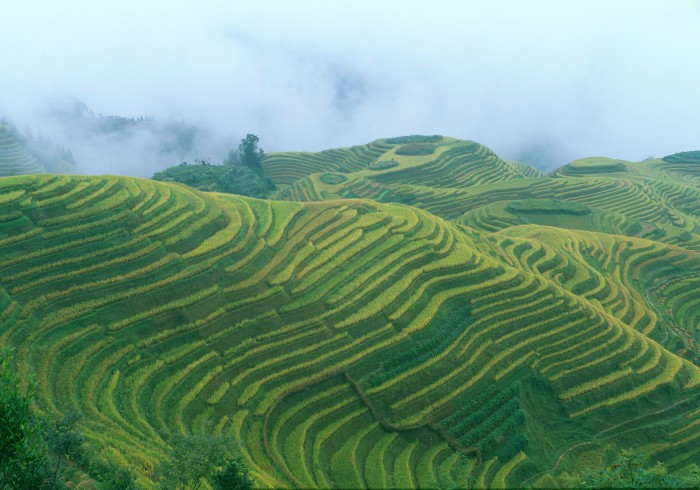
Like Guizhou, Guangxi is home to a diverse array of ethnic minority cultures and surreal landscapes. In Guangxi, you’ll bear witness to the splendor of some of China’s most beautiful settings, from rustic lakeside farms to rice terraces and karst peaks.

Why You Should Visit China’s Guizhou and Guangxi Provinces
RELATED READING:
 Our Insider Advice on Guilin

The principal city in Guangxi, Guilin, means “Forest of Sweet Osmanthus,” and the surrounding karst topography is renowned all over China. It’s even commemorated on the 20 RMB bank note. If you enjoy hiking through picturesque scenery, then you’ll want to check this out.

We can organize special activities for adventure-addicts like a rock climbing expedition or rappelling. Or, if you’re up for a slower pace, you can take a stroll through remote pastures and rice paddies. You’ll follow little-known about footpaths and stop to cook and eat with a local farming family. 

Why You Should Visit China’s Guizhou and Guangxi Provinces

RELATED READING: 7 Things to Do in Guilin

For even more iconic scenery in Guangxi, look no further than the Longsheng Rice Terraces. These graduated fields are beauty without measure and we’ll arrange for you to be welcomed into a Zhuang Minority Village right in the heart of the terraces. With a history dating back over two millennia, the Zhuang people are famed for their frescoes painted throughout Guangxi Province, the most famous of which is 328 feet long and 131 feet wide. You can interact with the locals and ask them questions about the art of fresco-painting with the help of your AsiaTravel guide.

Read more about our Old Country Living or Hidden Guizhou journeys and see what else your fully customized journey to China’s southern provinces could hold.

Spice Up Your Life with Sichuan Travel

China’s Sichuan Province, also popularly written as Szechuan, is well-known for its notoriously spicy food. But it’s not just the cuisine that makes Sichuan a hot destination. The diversity of culture, history, and animal-life found in the region make the province a veritable feast for the senses.

Let’s take a look at how Sichuan can tantalize more than just your tastebuds.


 Spice Up Your Life with Sichuan Travel

RELATED READING: 6 Signature Dishes of Authentic Chinese Food

Sichuan Travel – Spicy Food

Ask anyone in China about Sichuan Province and you can be sure they’ll mention the region’s cuisine. If the Chinese had a phrase like “some like it hot”, they would be speaking specifically about Sichuanese people. 

The Sichuan pepper, or numbing pepper as it’s sometimes known, doesn’t burn your mouth like traditional peppers – it makes your mouth go numb. The food in Sichuan is unlike anywhere else in the world and we urge you to check out our Gastronomic Tour of China, led by award-winning food writer, Fuchsia Dunlop. For a food lover, this 13-day-long tour around China, with a heavy emphasis on Sichuan, will leave you with a new culinary perspective!

Spice Up Your Life with Sichuan Travel

RELATED READING: Best Places to See Pandas in Chengdu

Sichuan Travel – Pandas

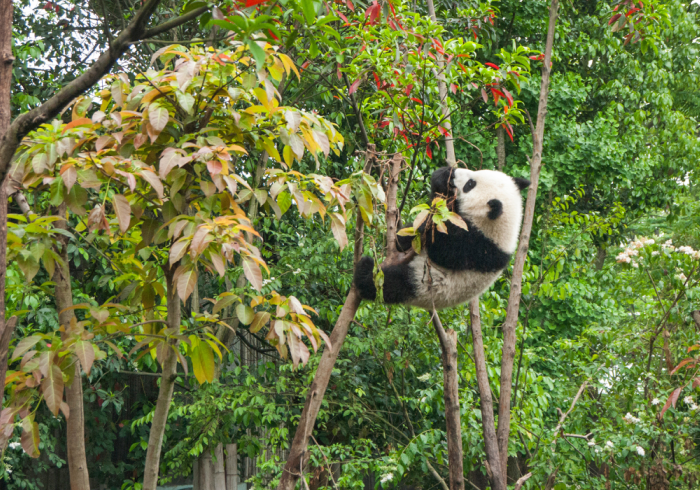
Sichuan is home to a number of giant panda sanctuaries and is largely considered the homeland of China’s iconic bear. High up in Sichuan’s Qingcheng Mountains, you can even volunteer for the day as a panda keeper. In the Dujiangyan Panda Reserve you’ll learn to take care of these cute and cuddly bears and witness their roly-poly majesty.

For those of you who’d like to try and catch a glimpse of a wild giant panda, you should take a look at our brand new journey to the Tangjiahe Nature Reserve. Here you will join a conversationist and track the trail of giant pandas through the park. There also be a chance to learn about the work that is being done to protect the panda’s natural habitat.

Spice Up Your Life with Sichuan Travel

RELATED READING: The Best Second-Tier Cities in China to Visit

Sichuan Travel – Face-changing Opera

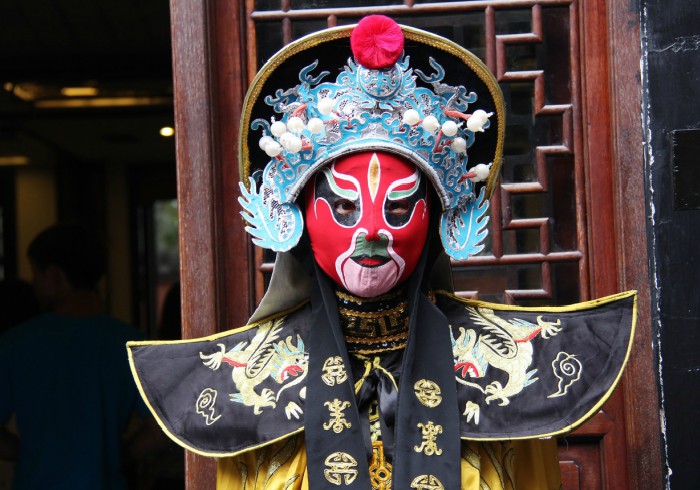
Face-changing opera is certainly one of the more unique forms of performance you’ll find in China. It’s an elaborate form of opera where different masks are applied and switched, sometimes rapidly, during performances. There are three methods: the first uses paints on certain parts of the face; the second uses boxes or cups of powder where the actor may subtly blow or toss it on their face; and the third is the pulling mask routine. This final method is the hardest and most impressive. Skilled performers will swap masks so quickly you won’t even see the change occur!

On a AsiaTravel tour we’ll arrange VIP tickets for Sichuan’s most authentic face-changing performance. Your ticket will also include a massage and 10 minutes of Sichuan-style ear-cleaning – now that’s an experience you don’t want to miss. We’ll also arrange for children to go backstage and get their faces painted just like the actors.

Spice Up Your Life with Sichuan Travel

RELATED READING: 6 Unbelievable Historic Sites You Never Knew Existed in China

Sichuan Travel – Jinsha Archaeological Museum

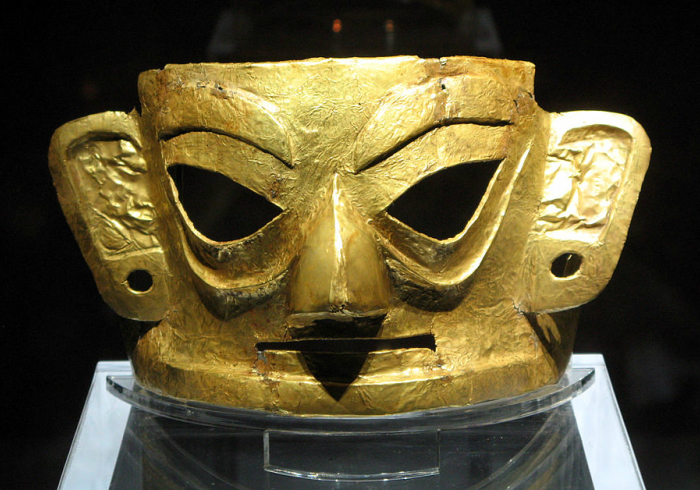
Located in the city of Chengdu, the Jinsha Archaeological Museum can scratch that historical itch for those who want to dip a toe – or whole foot – into Chinese history. You can easily spend half a day at the museum exploring the Exhibition Hall, Relics Hall, Ecological Garden, and Cultural Heritage Protection Center. Exhibitions in the main hall change throughout the year so don’t write off the museum even if you’ve visited before.

Sichuan is easily reached from Beijing, Shanghai and Hong Kong. And nowadays, some international airlines also fly direct to the provincial capital of Chengdu. Just think, these are only four of the things you could come across in Sichuan and there are many more in Chengdu alone. From food to nature to history, you’ll be glad you made the trip.

Feature Image Photo credit: 

La Priz on VisualHunt / CC BY-ND

Insider’s Guide to the Harbin Ice Festival

The city of Harbin, in northeast China, is well-known for its frosty weather come winter. Temperatures drop as low as  -40 °C (-40 °F) and thick snow covers the ground for months on end. But all that snow and ice doesn’t go to waste, the city is home to the world’s largest ice and snow festival.

If you’re looking to keep your spirits warm this winter, bundle up and get to know the Harbin Ice and Snow Festival with our insider’s guide.

Insider’s Guide to the Harbin Ice Festival

History and Artistry

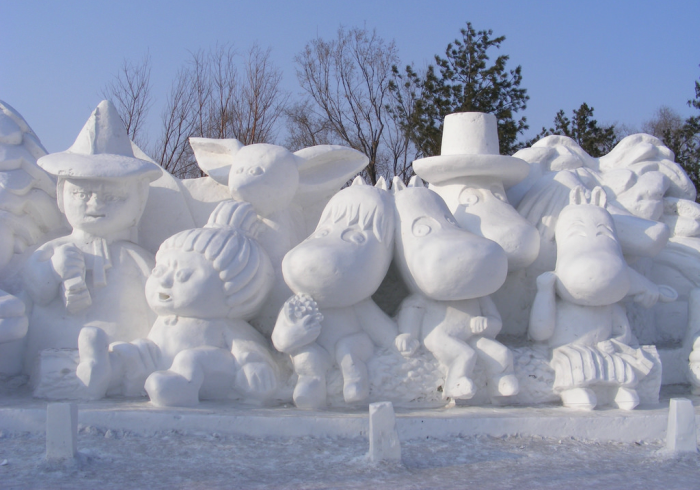
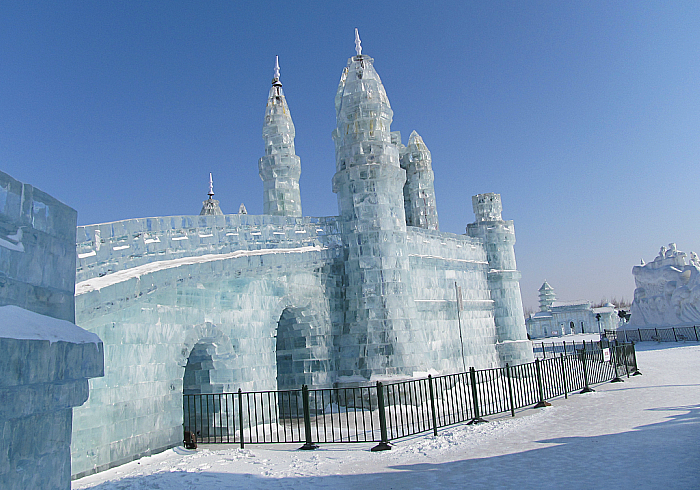
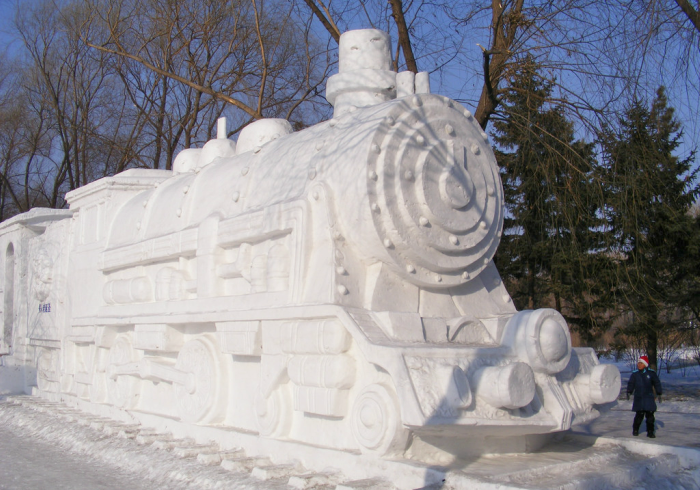
The festival first began back in 1963 and has grown to be the largest of its kind. At the events, you’ll not only find artists from around China, but also from around the world. Witness these artisans working by hand to craft delicate figurines of snow. In the same vicinity, you can enjoy walking through a small town made entirely of ice. The ice is hauled up by over ten thousand workers from the nearby frozen river, and used to build sculptures that can be up to 35 meters tall! 


Insider’s Guide to the Harbin Ice Festival

Ice Skating

Speaking of the river, have you ever wanted to skate in a giant, outdoor snowtopia? This is the perfect chance, as the river freezes solid enough to allow visitors and locals to skate together on the surface. Yes, it’s the same river that they take the ice from, but there’s nothing to fear: the river runs nearly 2000 km long, and has an average ice thickness of up to one meter.

 Insider’s Guide to the Harbin Ice Festival

Russian Architecture

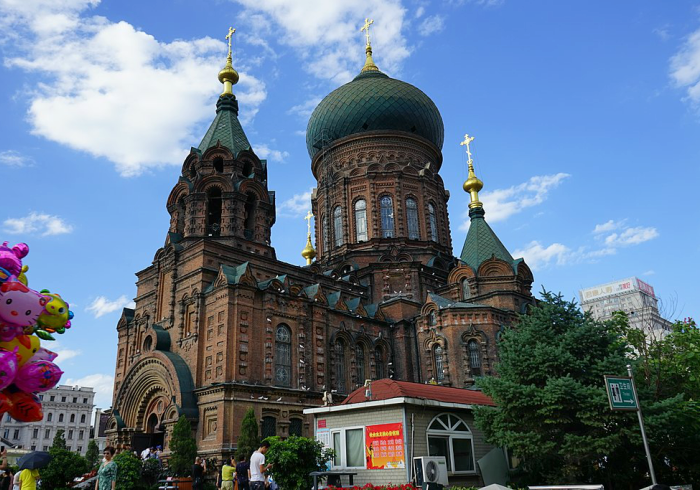
Harbin was the eastern terminus of the Trans-Siberian Railroad (the China Eastern Railway) and many Russians settled in the area after working on the railway’s construction. One site that marks a collective history between the two countries is St. Sophia’s Cathedral, a former Russian Orthodox church, and a staple of local culture.

 Insider’s Guide to the Harbin Ice Festival

Icy Light Show

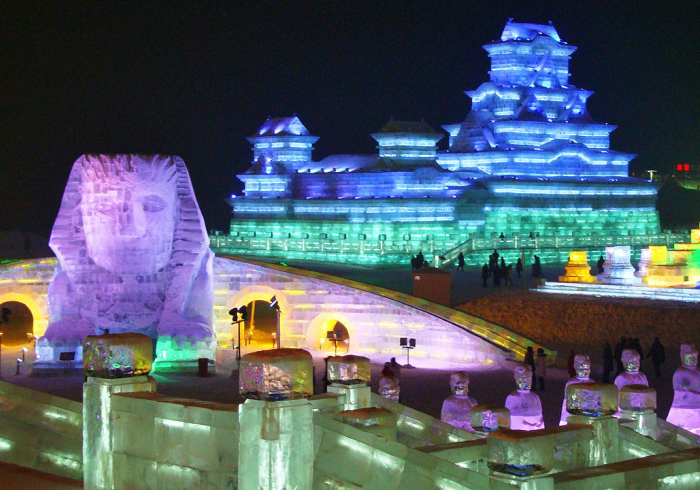
Given that the nights will be longer than the day at this time of the year, Harbin accommodates by having wonderful light scenes playing upon massive ice sculptures. Bundle up, grab some hot tea, and enjoy the light show with a loved one.

Insider’s Guide to the Harbin Ice Festival

Russian-Sino Market

After enjoying all the ice and snow, take some time to wander through the Russian-Sino market. At this multicultural market, you can find signature Russian wares such as vodka, Russian dolls, and fur hats mixed with Chinese goods. As you walk between the stalls, your AsiaTravel guide can help you barter for treasures like a true Harbiner, and afterwards you can cozy up with some steaming hot Russian-style food!

Harbin is just a 2-hour flight from Beijing and the Ice and Snow Festival lasts most of winter, usually from late December until mid-February. On a AsiaTravel Harbin tour, we’ll arrange a private vehicle and chauffeur to be at your disposal and organize a local English-speaking guide to accompany you. They’ll help you discover the main sights and then encourage you to dive deeper into the history and culture of this fascinating Chinese city.

How to Choose Between Xi’an and Chengdu

On your first trip to China visiting Beijing and Shanghai is a must. Ideally, we’d then recommend adding Xi’an and Chengdu to the mix. But if you’re pushed for time, how should you choose between these two cities that are both chock-full of history and culture?

We’ve compared Xi’an and Chengdu side-by-side to help you make the right choice for your China trip.

Xi’an and Chengdu – Cuisine

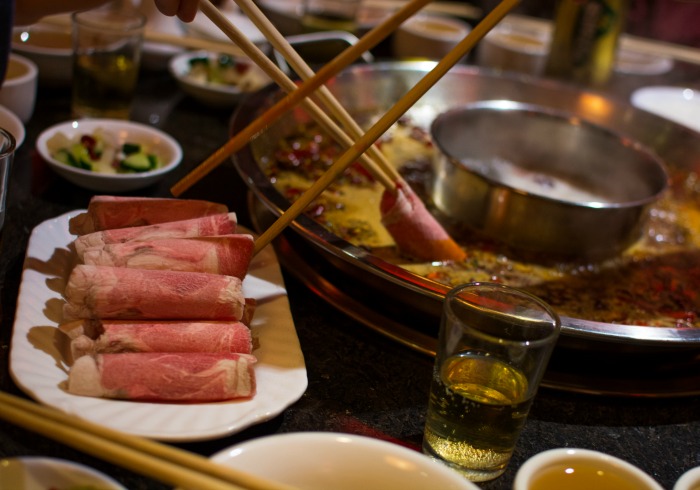
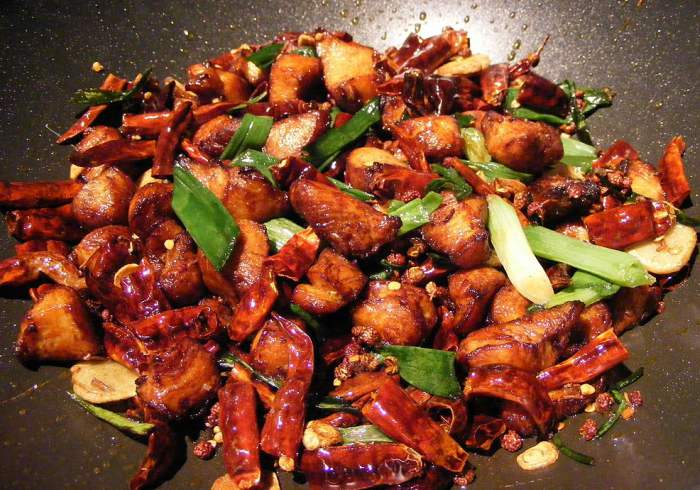
Chengdu is the capital of Sichuan Province and is known for its authentic, mouth-numbingly spicy food. Sichuan is the home of hot pot – always a Chinese favorite – but also has such delectable dishes mapo doufu (a spicy tofu dish), lazi ji (deep fried chicken with chillies), or dan dan mian (pork, chilies, garlic, and vinegar noodles). In other words: almost all of their famous dishes are spicy, oily, and delicious.

How to Choose Between Xi’an and Chengdu

Xi’an, on the other hand, is a city with a long history influenced by Islam. That being the case, you certainly won’t find many pork dishes, but instead will discover cuisine featuring plenty of delectable lamb, chicken, and seafood.

How to Choose Between Xi’an and Chengdu

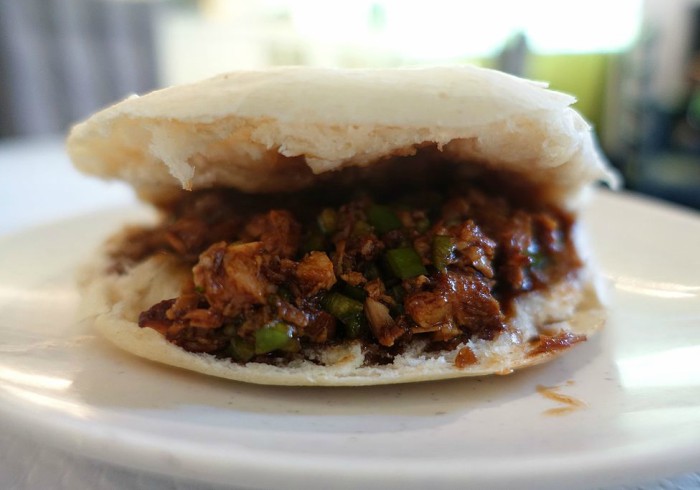
In Xi’an’s Muslim Quarter, you’ll find several walking streets that are dedicated just to food. Deep fried crab (yes, you eat the shell), skewers with squid, lamb, or vegetables, or even “fried yogurt”, as they call it. Shaanxi Province, where Xi’an is located, is also home to rou jia mo, which is often referred to as a Chinese hamburger – a flat-ish bun cut down the side and stuffed with spiced meat. Delicious!
Xi’an and Chengdu – Living Culture

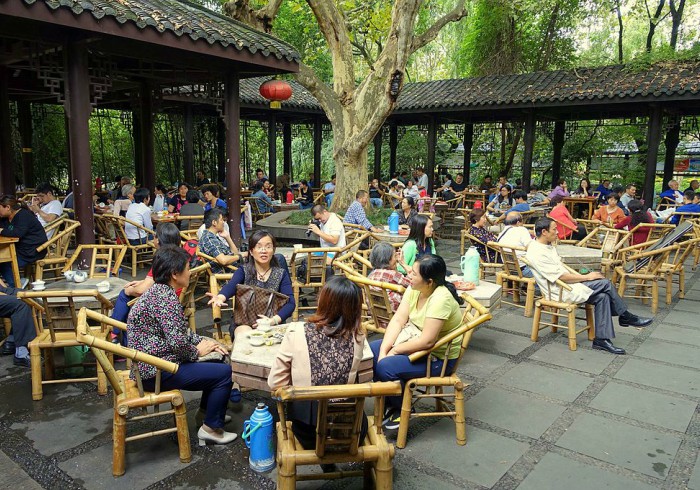
Sichuan is home to the Face-Changing Opera – a traditional performance style where actors wear different forms of disguise and quickly change them throughout the show. Face-Changing Opera involves singing, dancing, and an impressive combination of dexterity, acting ability, and musical talent. For something a little more low-key, we can arrange a game of mahjong with the locals in People’s Park.

How to Choose Between Xi’an and Chengdu

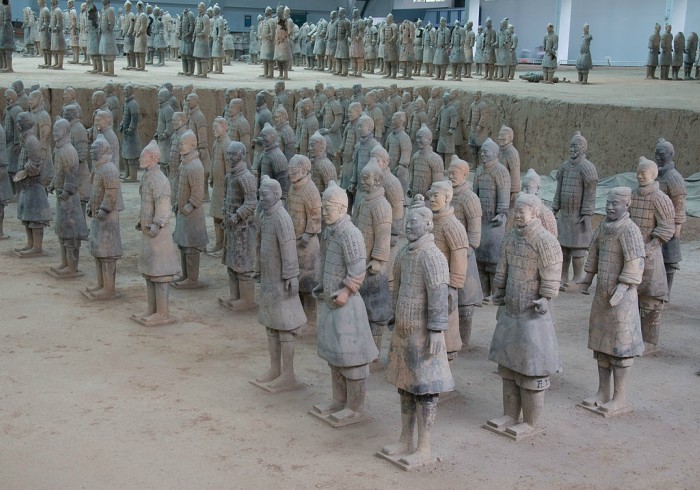
As the eastern terminus of the Silk Road, Xi’an has a colorful history and culture. The city then became a major travel destination thanks to the Terracotta Warriors. On a AsiaTravel Xi’an tour, we’ll arrange for you to cycle the city wall – one of the oldest in China – and meet a Terracotta Warriors museum director. We’d also highly recommend visiting the Great Mosque at sunset. Here, we’ll arrange for you to meet with a local Imam after daily prayers.

Xi’an and Chengdu – Fun for the Whole Family

After watching a Face-Changing Opera in Chengdu, kids can get their face painted behind the scenes. Or, if that’s not your thing, how about having your ears cleaned the Sichuan way? If that doesn’t take your fancy, then perhaps you’ll be more interested in the country’s iconic giant panda. Located just an hour outside of Chengdu, the Dujiangyan Panda Reserve offers visitors the chance to volunteer for the day as a panda keeper.

How to Choose Between Xi’an and Chengdu

Xi’an is also fun for the whole family – children can even partake in some hands-on history and make their own tiny terracotta warrior for you to take home. Afterwards, why not practice taiji or kung fu with a master on the city wall.

And of course, everyone’s got to eat. In Xi’an, you can learn how to make one of China’s most favored dishes: dumplings. We’ll arrange a private class and they’ll show you the art of rolling, stuffing, and sealing the dough. They’re a treat for everyone!
Both Xi’an and Chengdu have a lot to offer and can be reached easily from Beijing and Shanghai. If you have to make a choice and still can’t decide which city to visit, get in touch with one of our experienced trip designers. They’ll customize the perfect journey to fit your needs.

5 Reasons You Should Visit Qinghai

Qinghai Province is bordered by Xinjiang in the north, Sichuan in the south, Gansu in the east and the Tibetan Autonomous Region in the west. It’s the largest province in China but you’ve perhaps never heard of it. Unless you’re a seasoned China traveler, you’ve almost certainly never visited.

We recently took a trip to Qinghai and there were so many things we loved about it that we lost count. After coming back down to earth and getting over the excitement of the journey, we wanted to share five reasons why we think every curious traveler should consider Qinghai on their next China trip.

Qinghai – Ethnic Minority Culture and Cuisine

5 Reasons You Should Visit Qinghai

RELATED READING: Visit These Hot Destinations Before the Rest of the World Catches On

Ethnic minority groups (including Tibetans, Hui, Tu, Mongols, and Salars) make up 46% of Qinghai’s population. On a trip to Qinghai you’ll be constantly coming across different cultures, languages, traditions and cuisines.

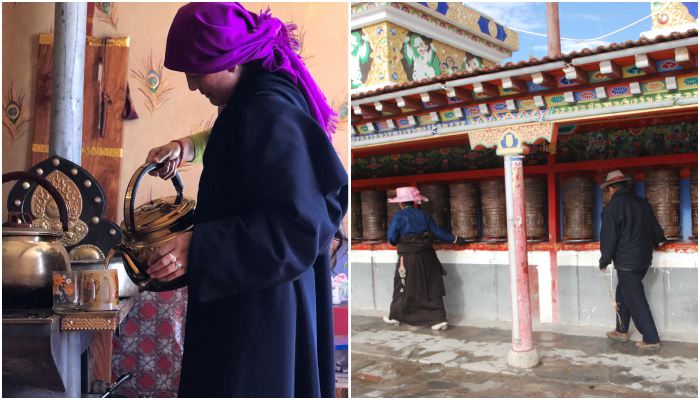
21% of that number are Tibetan. If you want to experience Tibetan culture without the hassle of a permit, visiting Qinghai is a great option. On a AsiaTravel tour of the province, we’ll arrange a local Tibetan guide to accompany you along the journey. They’ll help you become immersed in local history and culture and even organize for you to stop by a Tibetan home for a cup of salty Qinghai tea.

Qinghai – Diverse Wildlife

5 Reasons You Should Visit Qinghai

RELATED READING: Six Most Romantic Places in China

Qinghai province is sparsely populated and much of the region is protected by the government as ‘areas of no people’. Here, high up on the Tibetan Plateau, wildlife thrives.

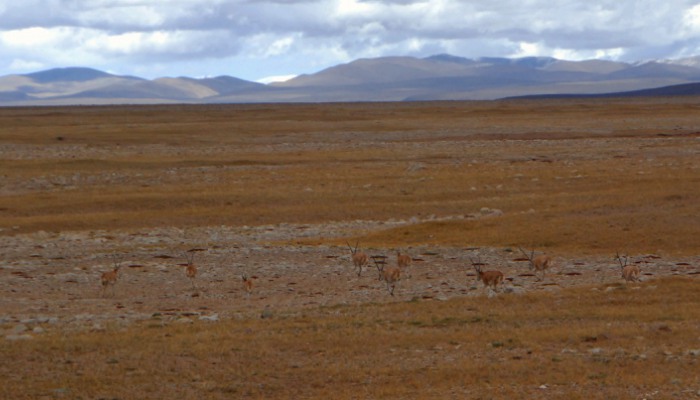
The Hoh Xil Nature Reserve, named as the largest and highest plateau in the world by UNESCO in early 2017, is one of our favorite places in Qinghai. The reserve is the official home of the Tibetan Antelope but also serves to protect 230 other rare species of animal. As you pass through Hoh Xil, you’ll cross paths with herds of antelope grazing alongside wild yaks, donkeys and horses. If you’re lucky, you’ll even spot the odd wolf or even a bear!

Qinghai – Unique Landscapes

5 Reasons You Should Visit Qinghai

RELATED READING: Adventures on the Tibetan Plateau – No Permit Required

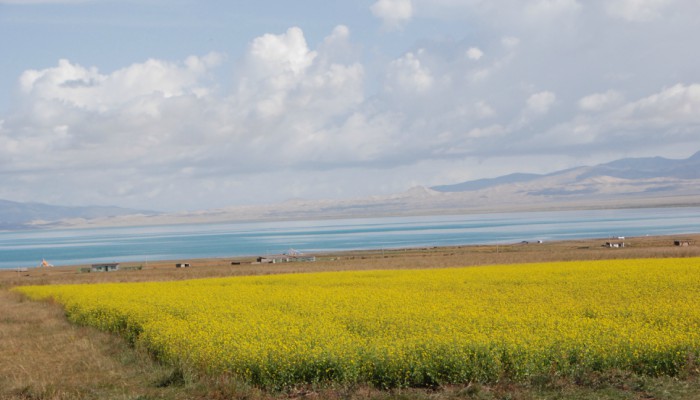
As well as having the world’s largest and highest plateau, Qinghai province is the proud location of China’s biggest lake. Located just a 2hr drive from the provincial capital of Xining, we’d highly recommend spending a summer’s day cycling by the lake’s shore.

Qinghai – Fascinating History

5 Reasons You Should Visit Qinghai

RELATED READING: 6 Facts About Tibet

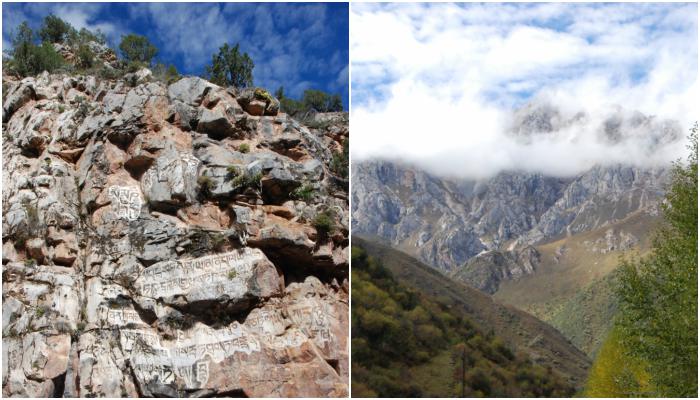
Qinghai has it’s fair share of classical Chinese history. According to legend, Princess Wencheng of the Tang Dynasty (618–907) was betrothed to marry the great Tibetan King, Songtsen Gampo as means of keeping peace between the two empires. The princess traveled for 3 years on horse-back from Chang’an (modern day Xi’an) to Qinghai, where she was met by the king. The princess was devoutly Buddhist and she ordered for Buddhist scriptures to be carved into every mountain they passed to ensure their safe passage. Today, in Yushu prefecture, you can still see many of these scriptures and locals often find Tang Dynasty coins in the river.

Extend Your Trip

5 Reasons You Should Visit Qinghai

RELATED READING: What to Do in Gansu

If crossing paths with Tibetan antelope on the world’s largest and highest plateau just leaves you thirsty for more adventure, there are so many incredible destinations that can be easily reached from Qinghai. Let AsiaTravel arrange a trip extension into the Tibetan Autonomous Region and take the world’s highest train journey from Xining all the way to Lhasa. Or why not jump on a bullet train to Zhangye in Gansu and discover the Danxia land formations? Your AsiaTravel guide will make sure you avoid the crowds and can even prepare a champagne picnic for you at sunset.


Our brand new journey to Qinghai is the ultimate China road trip. Over the course of six days, you’ll gradually ascend onto the Tibetan Plateau to reach Hoh Xil, a region known to the locals as ‘Lord of Ten Thousand Mountains’. Along the way, you’ll meet diverse cultures, protected wildlife and stunning vistas at every turn. Let’s Plan Your Trip to Qinghai!

Best Classical Gardens in Suzhou

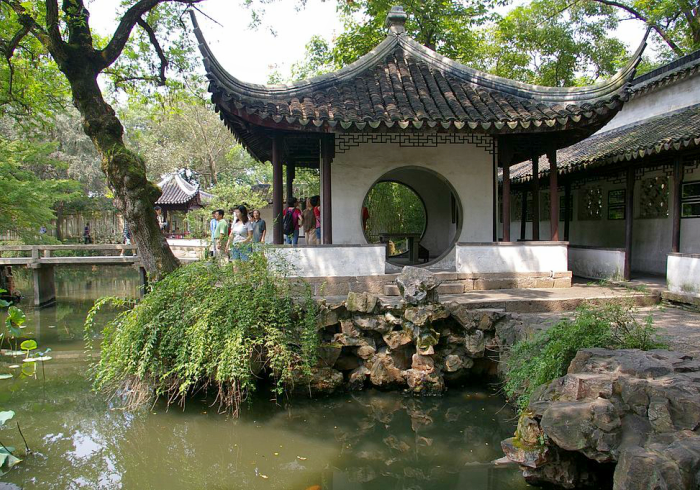
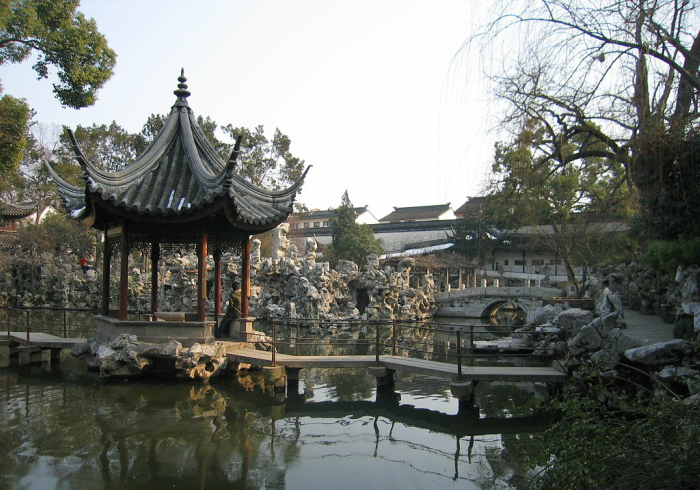
Suzhou, a small city located just 30 minutes outside Shanghai, is world-renowned for its classical Chinese gardens. Commissioned by wealthy merchants, officials and scholars between the 11th and 19th centuries, these gardens depict China’s most stunning natural landscapes on a miniature scale. Around seventy classical gardens are preserved and open to visitors in Suzhou today. Nine have even been named UNESCO World Heritage Sites. Here are our favorites:

Best Classical Gardens in Suzhou

RELATED READING: How to Choose Between Hangzhou and Suzhou

Best Suzhou Gardens – Humble Administrator’s Garden

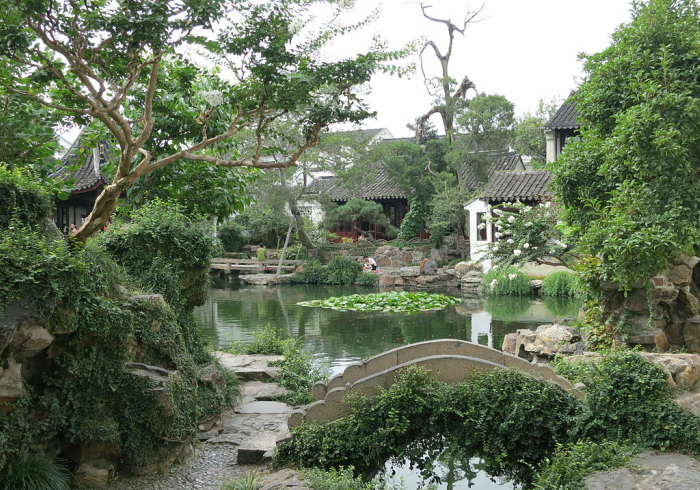
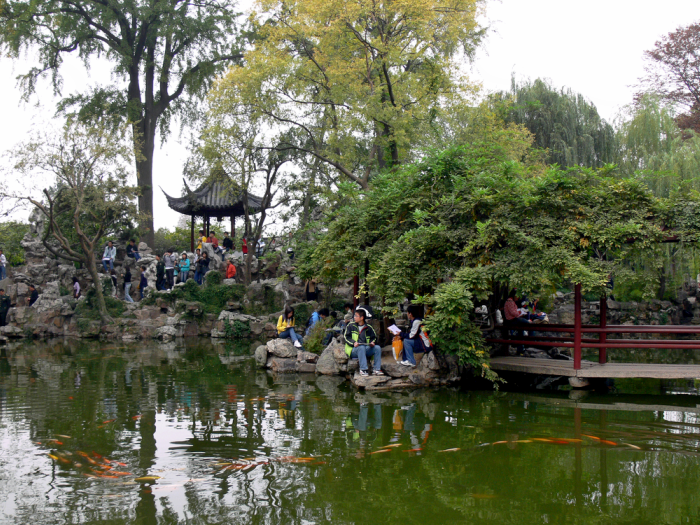
Though the name says humble, this is actually the largest and most famous classical garden in the city. It was created in 1509 and is nearly 14 acres in size. In Humble Administrator’s Garden, you’ll find many interconnecting ponds that flow beneath eloquent stone bridges. Remember though that with fame come crowds, and you’ll likely run into more than a few people at Humble Administrator’s Garden if you visit at the weekend or over a national holiday. Be sure to talk to your AsiaTravel trip designer about the best time to visit.

Best Classical Gardens in Suzhou

RELATED READING: What to Do on a Day Trip to Suzhou

Best Suzhou Gardens –  Master of the Nets Garden

First we saw the largest, now let’s talk about the smallest.

Built in the 12th century, Master of the Nets Garden is one of the most impressive demonstrations of a classical garden – a pocket-sized design executed with delicate precision. One sight not to miss is the Rosy Cloud Pool, which is located in the center. The buildings are all assembled around the pool which makes it appear larger than it actually is. The area to the south had been dedicated to social gatherings, while the north was used for intellectual activities. Which one fits your garden-visiting style?

Best Classical Gardens in Suzhou

RELATED READING: 4 Reasons to Visit Hangzhou and Suzhou in Spring

Best Suzhou Gardens – Great Wave Pavilion

Another of Suzhou’s smaller gardens, Great Wave Pavilion is among the least crowded of the UNESCO awarded gardens. It connects with a free museum and has a more relaxed, secluded vibe. There are 108 “windows” to find around the garden, each with their own ̧unique design. If you’re a fan of serene forests and lotus ponds, you’ll like Great Wave Pavilion.

Best Classical Gardens in Suzhou

RELATED READING: 6 Romantic Places for a Honeymoon in China

Best Suzhou Gardens  – Lingering Garden

Lingering Garden is about 5.8 acres in size and has the archetypical Qing style, complete with beautiful halls and buildings of various size, shapes, and colors. Some of the garden’s halls are used as residences and temples and each section is joined together by long, decorated halls.

Best Classical Gardens in Suzhou

RELATED READING: How to Choose Between Shanghai and Hong Kong

Best Suzhou Gardens – Lion Grove Garden

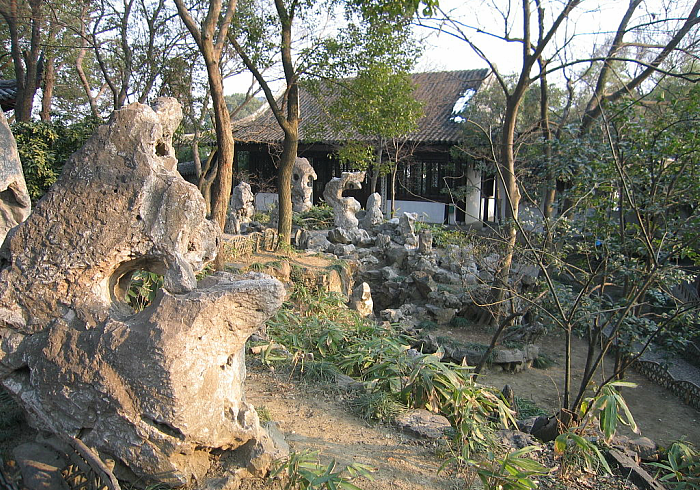
This garden is famous for its collection of maze-like taihu rocks, a number of which resemble the shape of a lion. There are not many surviving rock gardens from the pages of history so Lion Grove is particularly special. The garden is broken up into two parts: rockery around a central pond, and a housing complex. It also has a maze of paths tunnelling through 21 caves. There is a lot to look out for in Lion Grove which makes it a great option for families. It is one of the more popular classical gardens in Suzhou so visit early in the day to avoid crowds.

The classical gardens of Suzhou are world famous and for good reason. Decades of thought and effort have been poured into them to preserve their history and make them explorable works of art. Plan your visit to Suzhou with one of our experienced travel designers and they’ll not only help you avoid the crowds, they’ll arrange an expert local guide to accompany you along the way.

Feature Image photo credit: webmasternic7918 on Visual Hunt / CC BY-NC-ND