Only Have 24 Hours in Guiyang? Here’s What To Do…

Sometimes overlooked by tourists on their way to more famous destinations, Guiyang has a lot to offer the discerning traveller.

Nicknamed the ‘Forest City’ and the ‘Summer Capital of China,’ Guiyang’s history dates back to the 13th century, and it is surrounded by beautiful Guizhou scenery.

Whether you’re interested in traditional Chinese villages, a picturesque hike in a stream filled valley, or discovering China’s biggest waterfall, you’ll find that Guiyang and its surroundings has more than enough to keep you enthralled for 24 hours. Here are a few suggestions…

Yunshantun Old Han Village

Only Have 24 Hours in Guiyang? Here’s What To Do…

Source: Zhangzhugang

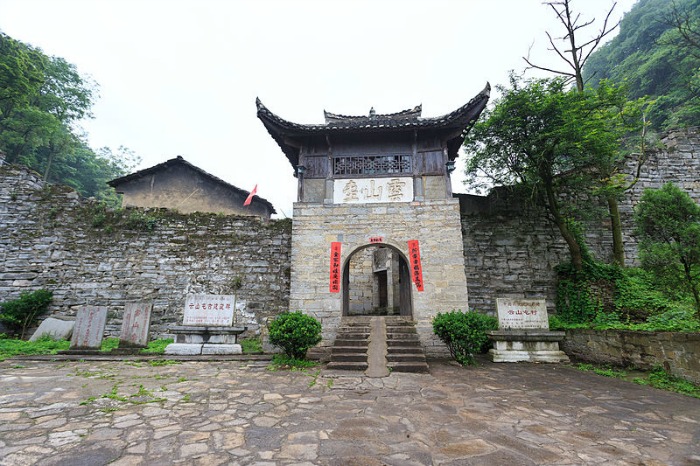
Built in the 14th century, the Old Han Village showcases the remaining culture of the Han Chinese ethnic group. The ancestors of these villages migrated from Jiangxi to Guizhou during the Ming Dynasty, bringing with them an ancient culture which survives to this day. During your visit you’ll see women dressed in traditional Ming Dynasty costumes, and houses that remain faithful to the Ming architectural style.


Xijiang Miao Village

Only Have 24 Hours in Guiyang? Here’s What To Do…

Source: MDRX


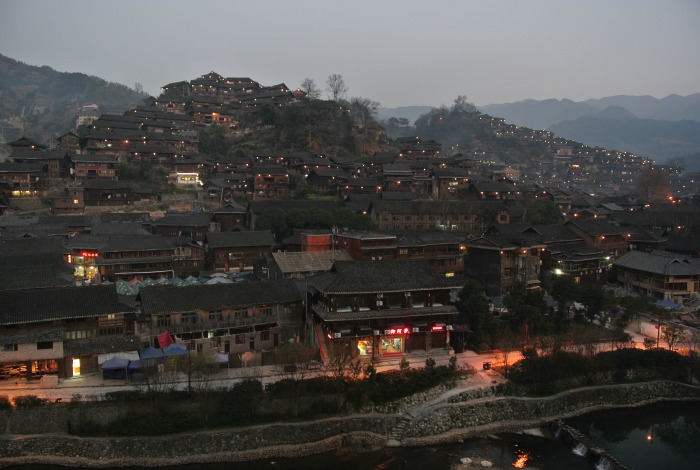
If you’re willing to venture further out of town, you’ll find the largest gathering place of the Miao ethnic minority, where over 1000 Miao family live in the traditional way. You can watch traditional cultural performances and enjoy the views of the rice paddy fields and wooden-stilted houses stretching out into the distance.

Whilst there, check out the Miao Nationality Museum to learn about the history and culture of the Miao people, and climb up to the viewing platform to enjoy a unique panorama of a village that is unlike anything you’ll find elsewhere in the world.

Damochong Valley

Only Have 24 Hours in Guiyang? Here’s What To Do…

Source: Philippe Semanaz

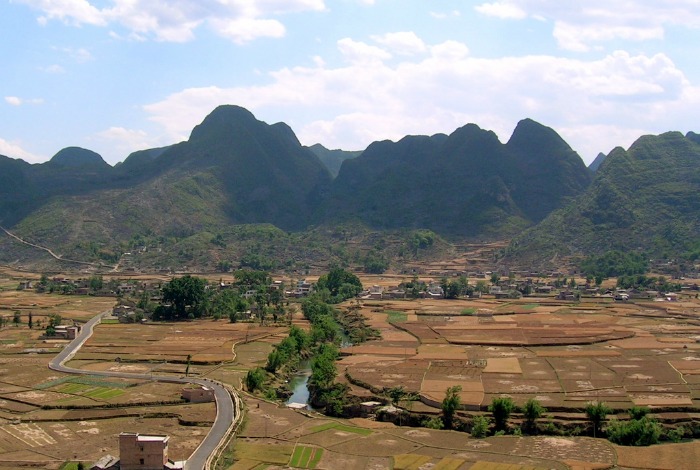
Spend the cool afternoon hiking through the Damochong Valley. Forget the energy of the city and relax in nature, listening to the flowing streams and wandering through a dense bamboo forest. Instead of cars and shopping malls, the valley is inhabited by quaint local villages, where traditional ways of life still thrive. You’ll get the chance to learn the traditional methods of papermaking from the locals who call this valley their home.


Huangguoshu Waterfall

Only Have 24 Hours in Guiyang? Here’s What To Do…

Source: WaitinZ

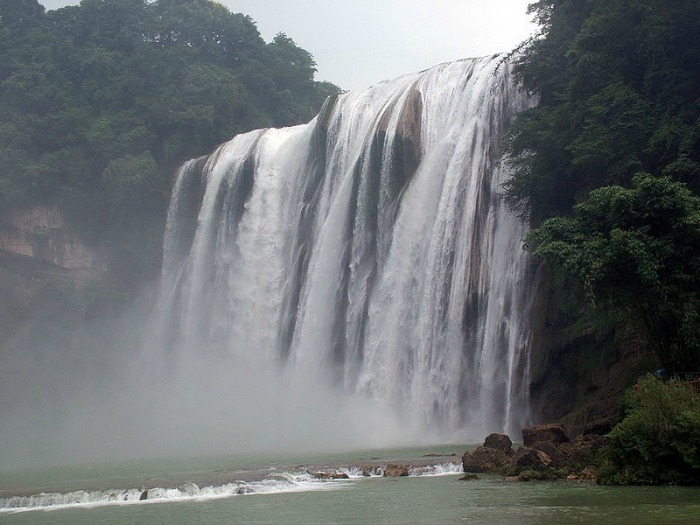
A short trip out of town is the justifiably famous Huangguoshu Waterfall. Almost 80 metres high and 100 metres wide, it is the biggest waterfall in China. Replace the hum of the city with the roar of the water, and discover the surrounding limestone caves and ancient forests.

With history and nature to rival almost anywhere else in China, you’ll find Guiyang well worth the trip, and a marked contrast from your experience in first tier cities like Shanghai and Beijing. Twenty four hours is enough for a meaningful experience. Of course, if you can stay longer, you’ll have access to even more of the wonder this city has to offer.

Curious about the hidden treasures of Guiyang? Join AsiaTravel on one of our two trips to Guiyang and the surrounding areas of Guizhou and Guangxi: Old Country Living and Hidden Guizhou


What to Do on a Day Trip to Suzhou

Updated: March 19, 2019

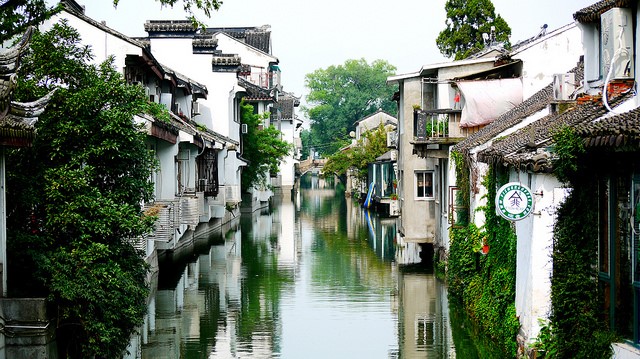
Suzhou’s stunning canals and decorated gardens make this little city the perfect getaway from the bustling metropolis of Shanghai. If you only have one day to indulge in a break from it all, you’ll need to look no further than Suzhou for rest and relaxation mixed with authentic cultural experiences.

With frequent high-speed trains running in and out of Shanghai (approximately a 25 minute train ride from the city), a day trip to Suzhou is a perfect respite from the big city life. Whether it’s your first time in town, or you’re back for more, we’ve put together a list of places that combine the classic spots with alternative choices that will bring out a different side of Suzhou you wouldn’t see on the usual tourist itinerary.


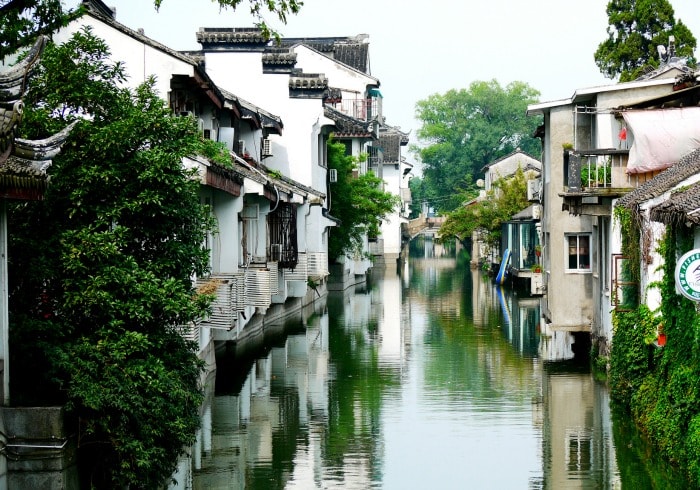
What to Do on a Day Trip to SuzhouSuzhou Canals by _chrisUk via Flickr

First Stop, Gardens: Humble Administrator’s or Tiger Hill?


Humble Administrator Garden

This is one of Suzhou’s largest classic gardens, and its popularity reflects that. This, we believe, is a good reason to avoid it. Don’t get us wrong – it’s a beautiful place, but with fame come long lines. If you’re going to go here, we suggest you avoid peak seasons and times, such as very early in the morning.

But what’s so great about the area? The gardens here reflect the refined artistic tastes of the Ming and Qing dynasties, which saw garden cultivation as a form of artistic expression. Its name and origin come from a man, Wang Xianchen, who fell out of favor because of his outspoken criticism of the then-Emperor. He may not have been very politically savvy, but his garden-founding talents have stood the test of time.

If you want a similar experience, but without the bustling crowds, might we suggest…

Tiger Hill Garden

Suzhou was founded in the 6th century BC by a man named He Lu; to celebrate the founder’s accomplishments, Tiger Hill is said to demarcate his burial place. On top of this, it is also known for the Cloud Rock Pagoda complex, which looms over the surroundings like a guard on watch, and for its well-kept scenery and various historical sites.

We prefer Tiger Hill to the Humble Administrator’s Garden because it is a lesser-known secret, and thus attracts smaller crowds even during peak seasons.

What to Do on a Day Trip to Suzhou

Tiger Hill Garden | By AsiaTravel Travelers, Chuck & Kathy 

Pingjiang Road

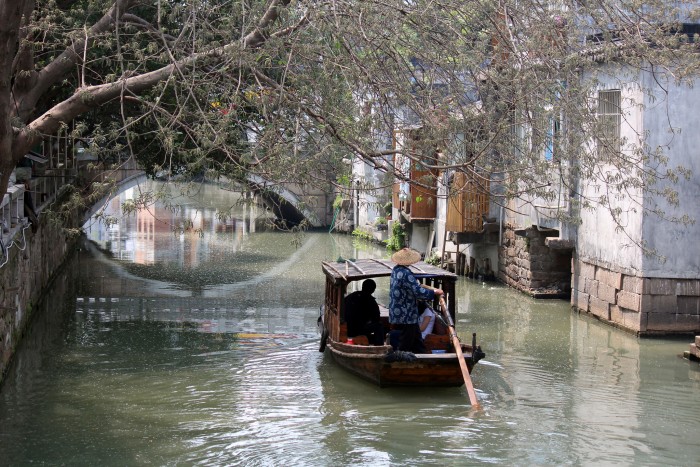
If you find yourself a little peckish, Pingjiang Road is a wonderful location to have lunch in while experiencing genuine Suzhou. It’s said to be less touristy than Shantang Street and is lined on both sides with buildings that encapsulate Suzhou’s traditional architecture. It’s relaxed, stylish, and feels more genuine than most places you’re liable to stumble upon.


What to Do on a Day Trip to Suzhou

Pingjiang Road Canal | Joan Compderrós-i-Canas via Flickr

Suzhou Silk Factory

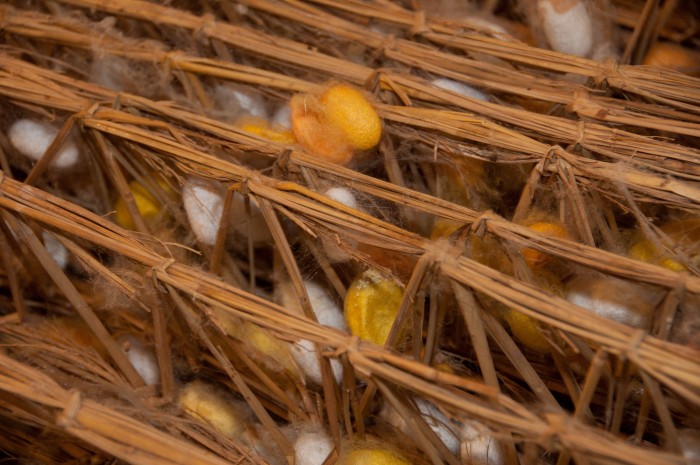
Suzhou has been the centre of China’s silk trade for hundreds of years. From cultivation to its various uses, the secret of this precious material was guarded viciously for centuries until the Byzantines managed to smuggle silkworm larva out of the country, thus breaking China’s monopoly on the ultra-soft fabric. If you’re interested in a mix of business and history, then consider touring the silk factory to see how the modern process goes from worm to loom.


What to Do on a Day Trip to Suzhou

Suzhou Silk in Progress | By AsiaTravel Travelers, Chuck & Kathy 

Master of the Nets Garden

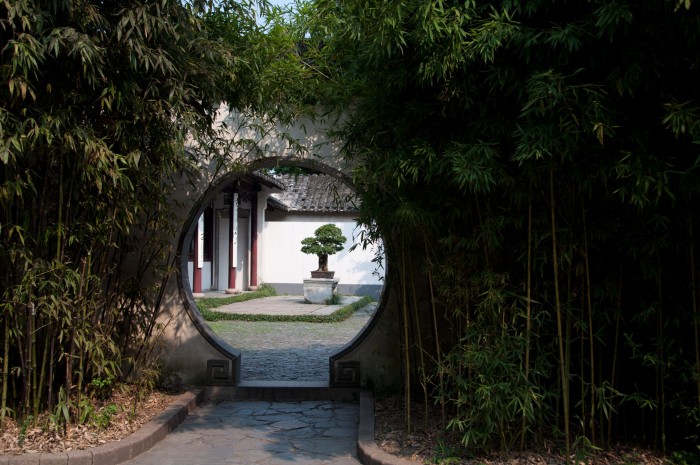
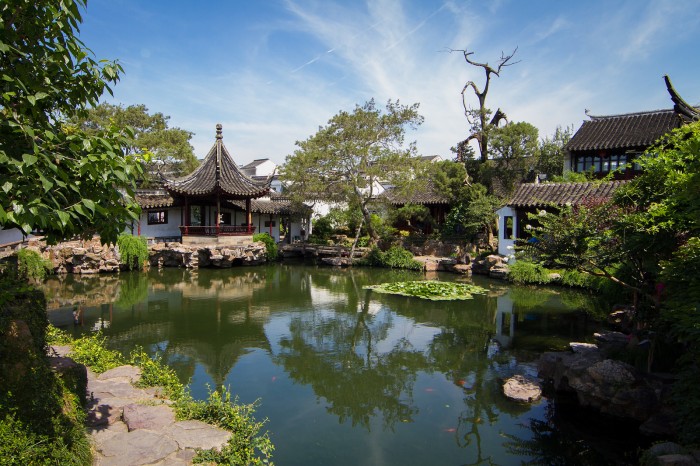
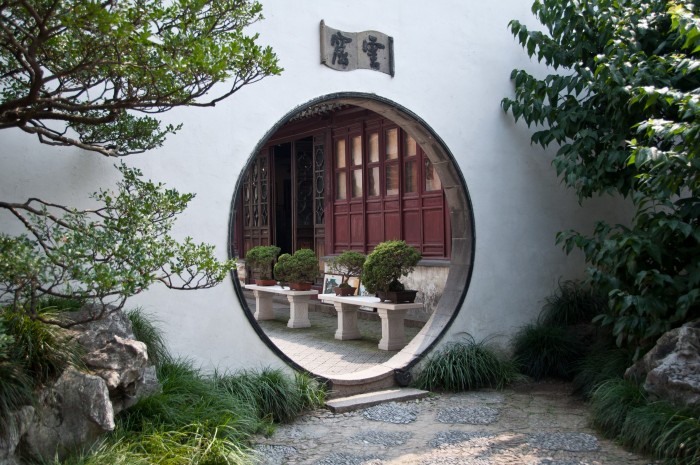
We highly recommend that you have a look at the Master of the Nets Garden. While it’s not as big as others in the area – at barely more than half a hectare, it’s actually the smallest – it’s considered one of Suzhou’s most exquisite gardens. The garden uses space ingeniously to create the illusion of an area that is much greater than its actual size, creatively directing the eye with its various adornments. While exploring the garden, our AsiaTravel guide will explain how feng shui has been implemented in this UNESCO World Cultural Heritage Site and the philosophical and aesthetic principles underlying the arrangement of plants, rocks and water to form a Chinese garden.


What to Do on a Day Trip to Suzhou

Master of Nets Garden | Rita Heine via Flickr

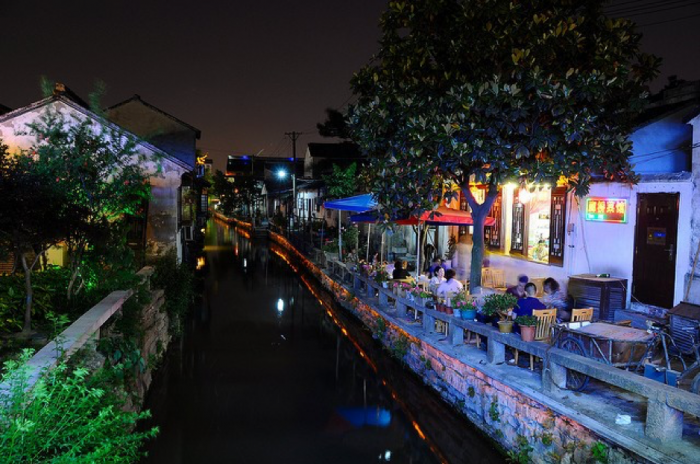
To complete your Suzhou trip, dine at a traditional Suzhou restaurant – the city boasts a number of excellent restaurants that are worth a try. Many local favorites are located at Taijian Nong (Taijian Lane) around the Guanqian Jie shopping street, including the famous Song He Lou (Pine and Crane Restaurant) that is a little more than 200 years old. Savor traditional Suzhou specialties such as Songshu Guiyu (squirrel-shaped Mandarin fish), Gusu Luya (Gusu marinated duck) and Luobosi Su Bing (pan-fried turnip cake). After dinner, end your day with a stroll in modern Suzhou along Guanqian Jie.


What to Do on a Day Trip to Suzhou

Night time Canals | Ross Bowling via Flickr

Indulge in a tour through Suzhou’s resplendent atmosphere on the Hangzhou and Suzhou: Heaven on Earth tour. A relaxing getaway from bustling Shanghai, Suzhou impresses clients with its stunning architecture, tranquil canals, and gardens designed by fengshui masters.  

How to Choose Between Hangzhou and Suzhou

Hangzhou and Suzhou are heavenly paradises in the south of China. But what should you choose if you only can visit one of these majestic cities?

Within China, there are many famous cities that nearly every citizen knows about. Two of these are Hangzhou and Suzhou, both of which are located within a stone’s throw of Shanghai… well, by Chinese standards at least. When you ask people about these two cities, they may tell you without irony that they are “paradise on Earth.” However, this may not be entirely their personal opinion, but could be referring to the adage “Heaven is above; Hangzhou and Suzhou are below”.

Whatever the case, if you find yourself in Shanghai and only have limited time to choose between the two cities, here are some overviews of each.

Hangzhou

As with nearly every major Chinese city, it’s ancient. Yes, it’s stood the test of time, and is found at the southern end of the Grand Canal with a lake at its center. The surrounding area has many hills, fulfilling the Chinese aesthetic ideal of shanshui which is the connection between water and mountains. Marco Polo even called it “the finest and noblest (city) in the world.” Quite a recommendation.

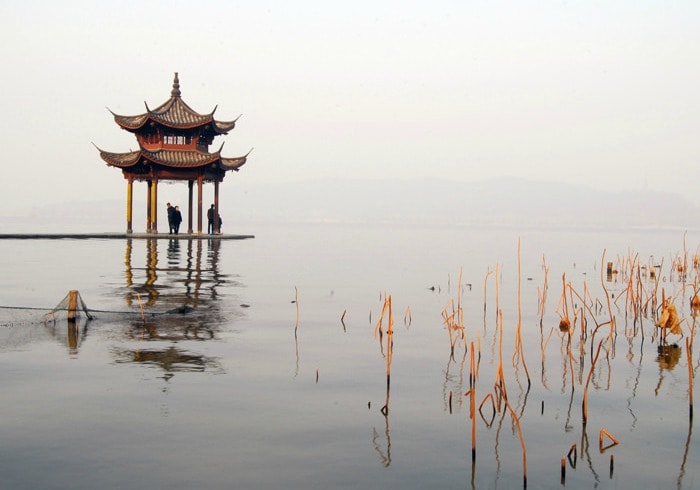
The lake in the middle of town, West Lake, is well known in China because many famous artists throughout history have depicted it in their works. Both because of its convenient location and its fame, we suggest everyone who visits Hangzhou to have a stop near the lake.

How to Choose Between Hangzhou and Suzhou

West Lake in Hangzhou | Source: Faungg via Flickr

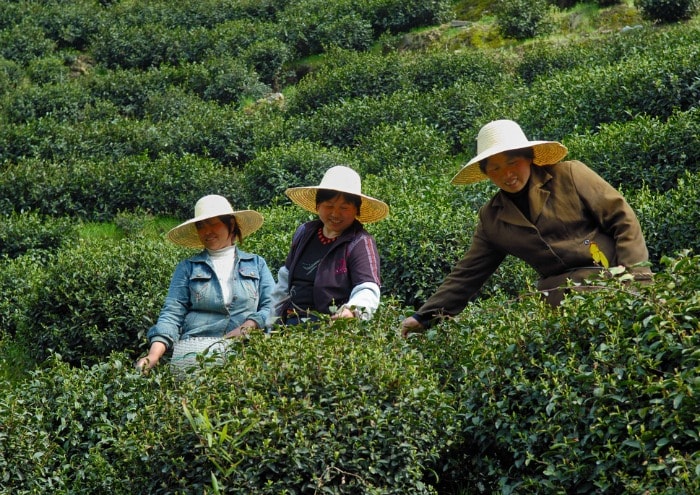
Another facet of the city that you may want to check out is its Longjing tea, which literally translates to “Dragon Well” tea. It is the only place in all of China that produces this particular variety of green tea. If you so choose, AsiaTravel can also arrange for you to visit a plantation where you will learn all about this particular varietal, and even have the opportunity to pick your own tea straight from the plant.

How to Choose Between Hangzhou and Suzhou

The Longjing Tea Plantations | Source: Nicholas Turland via Flickr

Finally, there’s the Lingyin Temple. Destroyed a total of 16 times since 326 AD, it has been built (and rebuilt) 17 times in total. Any place that people are this dedicated to likely has something of value to offer. Its other name is the “Temple of the Soul’s Retreat,” coming from the peaceful forest that surrounds the temple. A highlight of this particular temple is the Buddhas carved into the rocks on the side of a nearby cliff.

Of course, there are other things for you to discover, but we don’t want to ruin the surprise and sense of adventure of finding them for yourself!

Suzhou

Suzhou is also ancient. However, what makes it strikingly different is the series of canals, giving it the nickname the Venice of China. Dating back to 514 BCE, Suzhou has long been a city based on trade, benefitting from the cosmopolitan atmosphere which attracted merchants and educated people to support the arts and commission private gardens which still remain to this day.

It is these things for which Suzhou is still known for today: it’s calm, majestic canals, and its famous classical gardens.

Since the canals are more fun to explore on foot and experience in person than they are on the page, we’re going to focus on the famous gardens.

How to Choose Between Hangzhou and Suzhou

The Canals of Suzhou | Source: _chrisUk via Flickr

The Humble Administrator’s Garden is one of the most famous and is known for being made by a shamed historical figure who had gotten into hot water for openly criticizing the then-Emperor. Unfortunately, it typically overflows with people, particularly in peak seasons.

We prefer Tiger Hill Garden which is said to demarcate the burial location of the founder of Suzhou. It’s a little bit off the typical tourist path, so it is usually less crowded.

Finally, we also highly recommend the Master of Nets Garden. Its layout is masterfully done to make the relatively small area appear much larger through the creative use of walls and water. It’s also a UNESCO Cultural World Heritage Site.

How to Choose Between Hangzhou and Suzhou

Master of Nets Garden in Suzhou

Both

If you’re in Shanghai and finding it hard to choose and you want to squeeze them both into the smallest time possible, might we suggest the following: arrive in Hangzhou in the afternoon or evening, stay overnight, and spend one day exploring the city. Then, travel the same night or the following morning to Suzhou by high-speed rail, enjoy Suzhou, and head back to Shanghai in time for nightfall.

The whole thing takes about 48 hours and can be quite a rush, but if you plan it well, you should be able to see most of what we described.

One thing is certain – both cities will be striking, memorable experiences, and we highly encourage you to venture through both if you have the time. However, if you find yourself only able to visit the one, you’ll be left with something to look forward to the next time you visit.

A Foodie’s Yunnan Voyage

Yunnan’s status as a gastronomic paradise is unwavering: between far-flung lands of idyllic villages and snow-capped mountains, the southwestern province offers unparalleled diversity when it comes to Chinese cuisine.

Also known as Dian cuisine, Yunnan cuisine features fresh local produce (thanks to the favorable geographic location and mild climate) as well as the varied cooking styles of the numerous ethnic minority groups across the region. In the north you have Mongolian-inspired dried meat, cheese and yoghurt wafers; Eastern Yunnan’s is closer to traditional Han (Chinese) cuisine, while the south is heavily influenced by the citrus and spice of Southeast Asia. Read on to find out about the colorful world of Dian cuisine.

A Foodie’s Yunnan Voyage

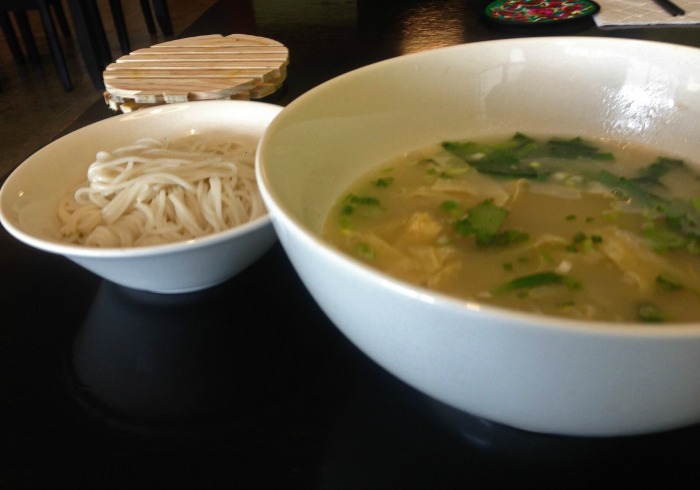
Kirk K via flickr – Crossing the Bridge Noodles

Crossing the Bridge Noodles过桥米线 

The origin story of Yunnan’s signature dish begins with a scholar who lived on a small island. While he studied for the imperial exams, his wife would bring him food every day. She found that by the time she had crossed the bridge to the island, the soup would be cold, and the noodles soggy. Soon after, she started carrying a large earthen pot of boiling broth, with a thin layer of oil on top that acted as insulation and kept the soup warm. The noodles and other ingredients were kept in a separate container, and added to the warm broth during preparation. Crossing the Bridge Noodles is ubiquitous in this part of the country, but head to Mengzi or Jianshui County for the traditional taste.

A Foodie’s Yunnan Voyage

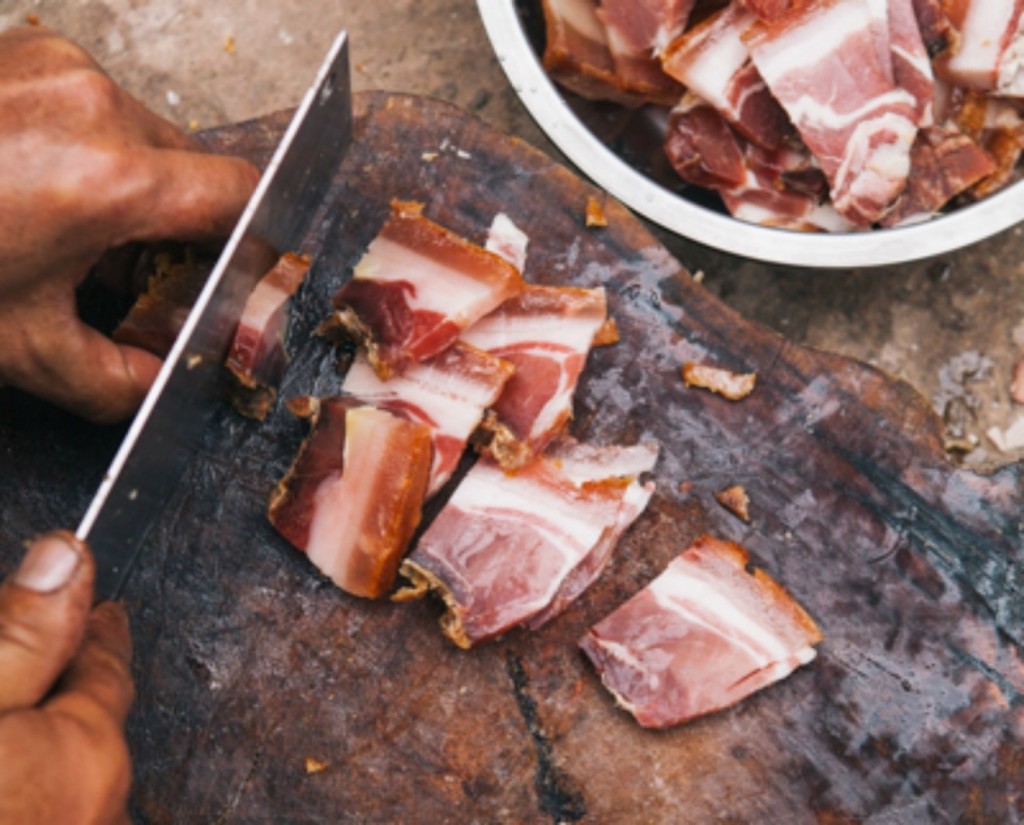
Liz Phung – Dali Ham on the Chopping Block

Xuanwei Ham宣威腿

A local dish in Qujing Prefecture, the famous cured meat has a 250-year history dating back to 1766, and has won international awards for its excellent taste, fragrance and tender meat. It is often used to add flavor to light soups and noodle dishes. Its modern presentation comes in canned ham, luncheon meat, ham-flavored moon cakes and even candy! Our own CEO, Mei Zhang, has written a book about this savory meat and its local traditions. We even have a tour where you can relive her experience in Dali: Travels through Dali with a Leg of Ham.

A Foodie’s Yunnan Voyage

夢境那小牛 via flickr – Steamed Pot Chicken

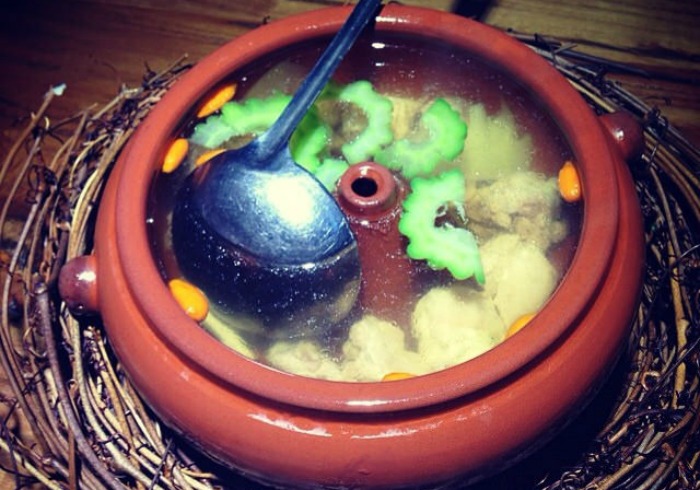
Steamed Pot Chicken气锅鸡

Travel to Jianshui and enjoy the local favorite “steamed pot chicken” that can only be found in Yunnan. The ceramic pot used for steaming was invented by Yunnan residents. Rare medicinal herbs native to Yunnan are added to the brew while the chicken is steamed delicately. The meat is tender, and the soup delicious. Locals claim that the dish is very nutritious and possesses many medicinal qualities.

A Foodie’s Yunnan Voyage

Liz Phung – Rushan Cheese in the Making

Rubing乳饼and Rushan cheese乳扇

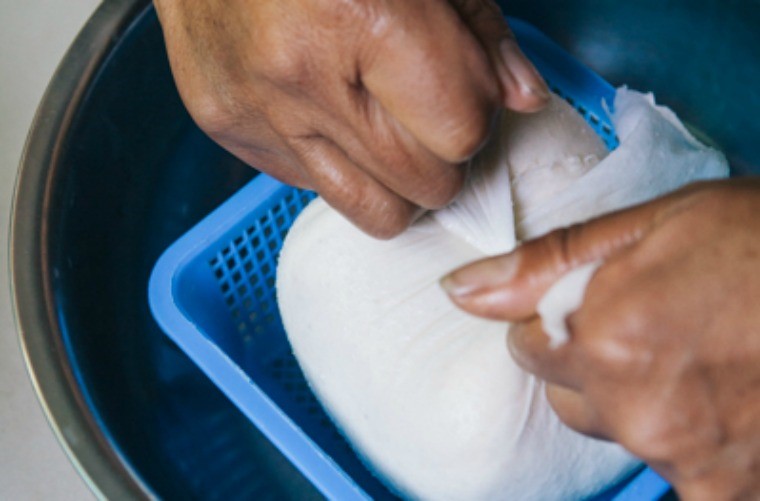
In Dali, visit the Bai community and learn the traditional ways of making rubing, a paneer-like farmer cheese made from fresh goat milk, and rushan, a cow’s milk cheese. Try pan-fried rubing seasoned with salt and chili, or stir-fried with vegetables. As a street food, Rushan is often served grilled, rolled around a popsicle stick and flavored with various sweet condiments.

A Foodie’s Yunnan Voyage

Liz Phung – Hot of Cup of Joe

Pu-erh coffee 普洱咖啡

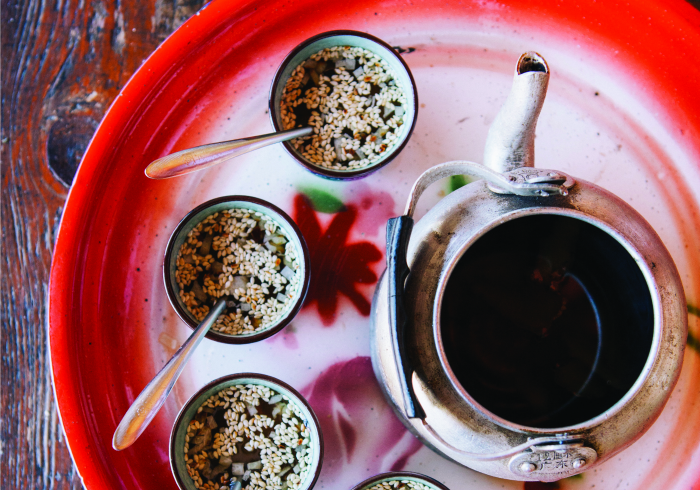
No doubt you would have heard of Yunnan’s renowned Pu-erh tea, the tribute tea to Chinese emperors a thousand years ago. Unknown to most, Yunnan has been growing a variety of coffees in Pu’ er city for more than a century. The land’s high elevation, combined with the temperature differences between day and night, lends Yunnan coffee its unique taste – rich but not bitter, with a fruity aroma that is not overwhelming. While far from artisanal, the coffee quality keeps getting better and is set to make a greater mark on the international coffee industry.


A Foodie’s Yunnan Voyage

Ming Yang via flickr – Pineapple Rice 

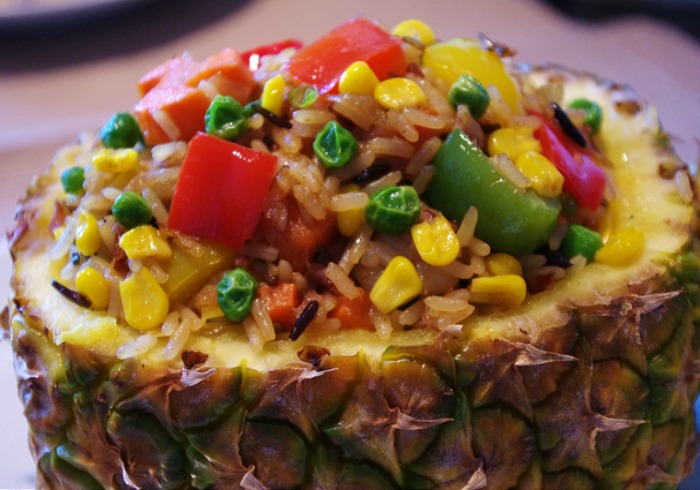
Pineapple Rice 菠萝饭

Dai cooking is similar to the hot and sour tastes of northern Thailand. People there live in the Xishuangbanna region which shares a border with Burma and Laos. Devour a delicious meal of sweet pineapple rice along with tangy mushrooms skillfully steamed in banana leaves. Wild mushrooms can be found in the mountainous, forested parts of the province, and make up a huge part of Yunnan cuisine.  Wild flowers, ferns and insects may also be eaten.

Dali is a veritable Mecca of cuisine. From savory ham to sweet pineapple rice, you and your tastebuds will be pleasantly surprised by this province’s mix of history, culture, and spices.

Ready to tantalize your palate in Yunnan? Consider joining AsiaTravel on our Yunnan Gastronomic Tour with Fuschia Dunlop, our Artisanal Dali tour, or our Travels through Dali with a Leg of Ham tour.

If you’re ready to dive deep into the sensuous history of Dali cuisine, also pick up Mei Zhang’s book: Travels Through Dali with a Leg of Ham 


China in Winter: Where Should I Visit?

China in winter is home to many unexpected cold weather wonderlands. Instead of getting the winter blues this year, embrace the season and enjoy unique experiences that rival any of those you could have in the warmer months. 

For many travelers, winter might not be the preferred time to visit the Middle Kingdom. But, be that as it may, we think there are plenty of reasons to do exactly that: less crowds, lower costs, more space and a greater capacity to fully explore the best parts of the country.

Most importantly, traveling around China during the months of November to January allows you to view and experience the land through a completely new lens. Get inspired for your next big Chinese winter adventure with the following destinations:
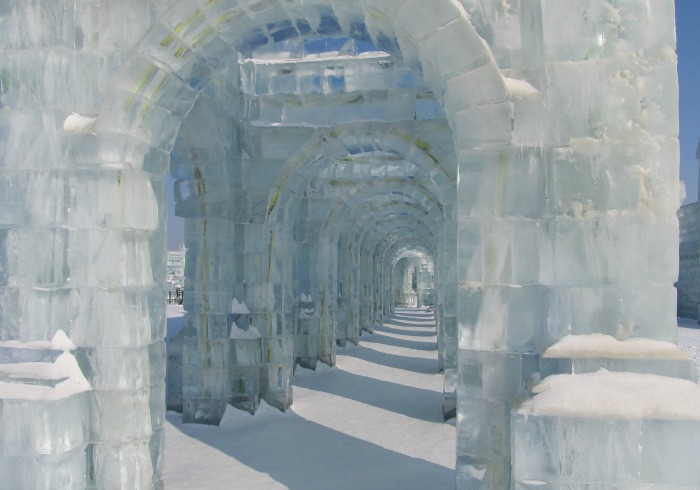
China in Winter: Where Should I Visit?Harbin Ice Sculpture
Photo by Tracy Hunter via Flickr


1. Harbin

Of course Harbin is on every winter traveler’s bucket list: The yearly extravaganza of the Harbin Ice and Snow Sculpture Festival is a sub-zero wonderland of icy towers, massive castles and mystical creatures. It’s nothing short of a real-life scene from Pixar’s winter wonderland classic, Frozen.

Be dazzled by the colorful LED lights that brighten up the sculptures at night and lucky for you, climbing and playing on the bigger installations is encouraged.

The lesser known Rime Ice and Snow Festival is also worth a visit and happens around the same time in Jilin, just 260km southwest of Harbin. Rime is a rare occurrence, formed when warm, moist air comes into contact with objects at freezing temperature. Winter in Jilin presents an exceptionally magical scene of trees covered in white crystalline rime.
China in Winter: Where Should I Visit?

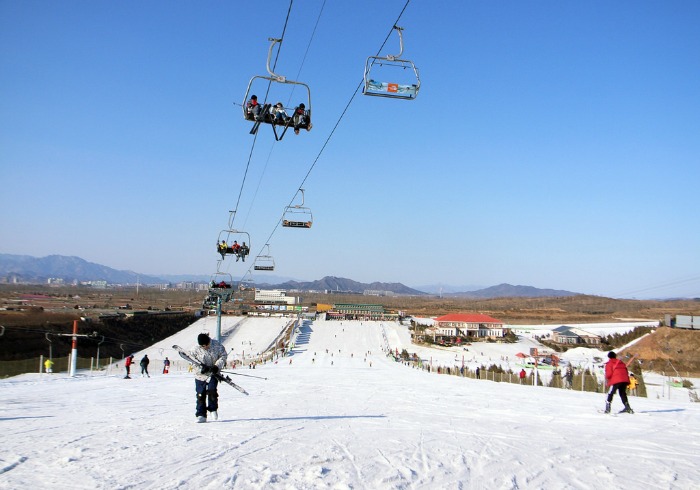
Beijing Ski Lift
Photo by Chen Zhao via Flickr

2. Beijing

Winter in Beijing is long and dry, but there is a wealth of wintry activities to keep you snug and toasty. Snow is rare, but when it falls, it adds an ethereal texture to the city’s historical streets. Hike up Jingshan Park for an unparalleled view of The Forbidden City, or take a long stroll through Beijing’s hutong neighborhoods.

During winter, the frozen Summer Palace lake is converted into a public skating rink and locals lace up their ice-skates with the whole family in tow. Join them on the rink and try riding a unique Chinese invention – the skating bicycle. In nearby Hebei province there are many ski resorts to visit too. With the impending Winter Olympics, the ski spots are set to grow quickly in quantity and quality, so there’s no better time to visit.

If spending a crisp winter morning wandering through Beijing’s historical hutong alleyways sounds like your kind of thing, inquire about our Beijing’s Past and Future tour.
China in Winter: Where Should I Visit?

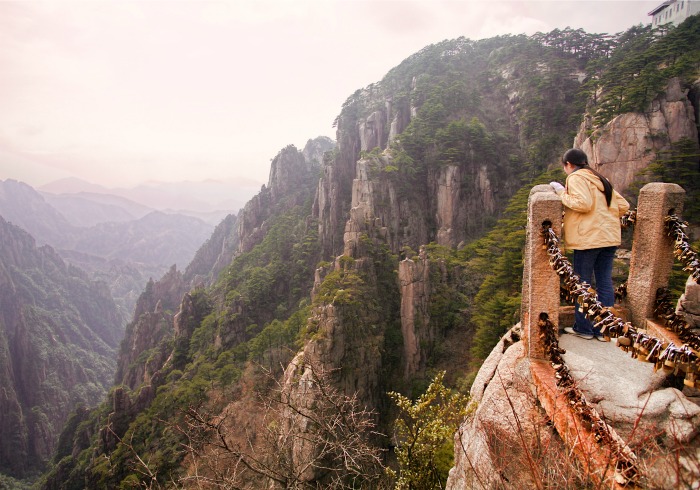
View of Yellow Mountain
Photo by Chi King via Flickr

3. Yellow Mountain

Huangshan literally means Yellow Mountain in Mandarin, and it’s stunning peaks and deep valleys make for a beautiful view any time of year.  Wrap up warm this winter and ascend the Eastern Steps, passing by frozen mountain streams shrouded by photogenic bamboo forests. The walk is stunning but the pièce de résistance comes as you wake early the next morning to watch Huangshan’s famous sunrise from the top of the mountain.

Feel the warmth of the golden rays as they spill over the clouds and reflect off the glistening snow resting gently on the peaks.

Join us on an adventure to this picturesque land on our Yellow Mountain tour.
China in Winter: Where Should I Visit?

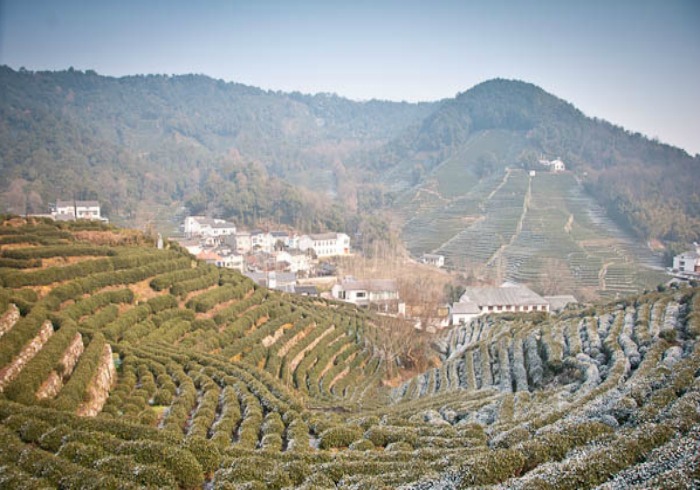
Longjing Tea Plantation

4. Hangzhou

Located just a train ride from Shanghai, Hangzhou has long been the prime source of the renowned Longjing (Dragon Well) Tea. Once grown and served exclusively to the imperial family, you can now learn how the green tea is made at Longjing’s tea plantations.

Pay a visit to a private farmhouse where you can sip hot, fragrant tea brewed with tea leaves picked fresh from the farm. Then relax on the terrace overlooking rolling hills of tea bushes coated with a thin layer of silvery-white snow – simply stunning.

Get started with your tea adventure on our Hangzhou: Paradise on Earth tour.
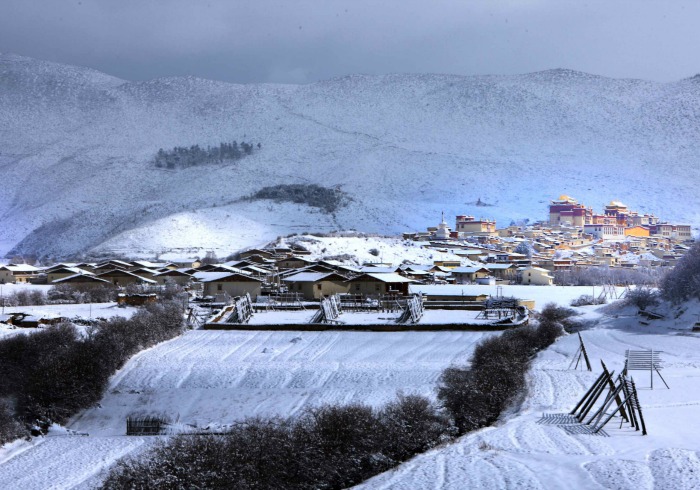
China in Winter: Where Should I Visit?Shangri-La in Snow

5. Yunnan

At the southwestern corner of China, Yunnan’s milder climate makes a comfortable winter. The province has an unsurpassed variety of landscapes, terrain and topography and is home to some of our favorite destinations. Two in particular present a distinct take on the theme of winter wonderlands: Dali and Shangri-Li.

Teetering on the Tibetan border in Shangri-La brings you to the snowcapped peaks of Meili Snow Mountain and the fascinating local mix of Tibetan and Han culture. Here you can visit Ringha Temple and watch thousands of multicolored prayer flags flap in the winter breeze and enjoy a spiritual connection to this ancient land at Songzanlin Lamasery, the largest Buddhist temple in the province. Icy Napahai Lake will offer a tranquil scene full of the wonder and grace of unsullied nature and a hot cup of Tibetan milk tea will warm your bones. Experience this breathtaking escape on our Songtsam Circuit tour and spend your evenings curled up by the fire in world-star retreats.

In central Yunnan, you will find the old town of Dali, home to the Bai minority group. To prepare for winter, the minority families cure ham and pickle vegetables the same way their ancestors have since time immemorial. Satiate your winter appetite and dive into the kitchens of Dali’s artisans our Travels through Dali: with a leg of ham tour.

China in Winter: Where Should I Visit?

Nicolas Bourque via Flickr

6. Tibet

Another great place to visit in China in winter is the exotic land of Tibet. With softly rolling mountains covered in powder white snow and beautiful temples crested with colorful flags, winter in Tibet is a sight to behold. Located in China’s far west, Tibet’s altitude will make you feel like you’re in heaven at the roof of the world

Tibetan winters are known for their blue skies and clear days. You can cozy up in your parka as you listen to the monks recite their harmonious sutras in gilded temples. On all sides you’ll be enveloped by the sacred sights and sounds of this land, resplendent with all the trappings of typical Buddhism.


If a pilgrimage to this holy land sounds like a cure for your winter doldrums, consider joining us on the Soul of Tibet tour or our Escape to Lhasa tour. It’ll be like chicken soup for the soul.

Winter doesn’t have to stop you from visiting China. In fact, you can enjoy all the best things the cold season has to offer: sipping hot tea by a fire, gorging on steaming cuisine, and taking advantage of the chance to skate on the country’s stunning frozen lakes.

Convinced that a trip to China could help quell the winter doldrums? Check out some of our best tours for winter: Travels through Dali: with a Leg of Ham, Hangzhou: Marco Polo’s Paradise on Earth, and Beijing’s Past and Future.

Self-Guided Biking Tour of Dali [Downloadable Map]

Grab your camera and get ready to see our favorite parts of Dali on this self-guided biking tour. Download the map to begin your own Dali adventure.

Self-Guided Biking Tour of Dali [Downloadable Map]


Tucked between Cang Mountain and Erhai Lake, Dali, Yunnan is a Ming-era town that has retained much through the ages. It was once capital of the Nanzhao Kingdom and though the Kingdom fell long ago, the indigenous Bai ethnic minority who comprised its population still accounts for the majority of the residents in both the town and the surrounding villages. As a result, Dali offers rich, colorful traditions and diverse architectural design, set against some of China’s most stunning scenery.

From the cobbled streets of the old town, to the fishing villages on the shores of Erhai lake, grab your camera and embark on our AsiaTravel self-guided bike tour of Dali. The best part? It can be taken completely at your own pace.

Self-Guided Biking Tour of Dali [Downloadable Map]

Download the Dali Bicycle Tour map

 Directions:

  1. 1. Begin your ride at The AsiaTravel Dali House
  1. 2. Renmin Road, Dali Old Town Head East and ride through charming Dali Old Town. Explore the town’s traditional Bai architecture before crossing highway 221 and following the small roads heading east until you reach the shore of Erhai Lake.
  2. Self-Guided Biking Tour of Dali [Downloadable Map]
  1. 3. Caicun Village Caicun village is just one of the communities you will visit along the lake. Continue North and although you will be traveling through farmland, the scenery is well worth the bumpier ride.
  1. 4. Fengbei South Line Head West, back towards town, when you reach Fengbei South Line. Be careful when crossing the highways as there are no bike lanes.
  2. Self-Guided Biking Tour of Dali [Downloadable Map]
  1. 5. The Three Pagodas The last stop before heading home, Dali’s emblematic Three Pagodas are located at the foot of Cang Mountain. Dating from 836AD, the central tower is both the tallest and oldest of the three Buddhist structures.

Want a local AsiaTravel guide to show you the way? Check out our Yunnan tour.

Photo credits: 1. Jeremy Foster via flikr 2. Jeremy Foster via flikr 3. Alex Keshavjee via flikr

Beshan Gāi Returns for 2016

September 2015 marked a landmark anniversary for AsiaTravel – 15 years of pioneering experiential travel experiences throughout China! When deciding how to celebrate, a gala dinner seemed like an obvious choice but we aren’t ones to settle for the ordinary…

Beshan Gāi Returns for 2016

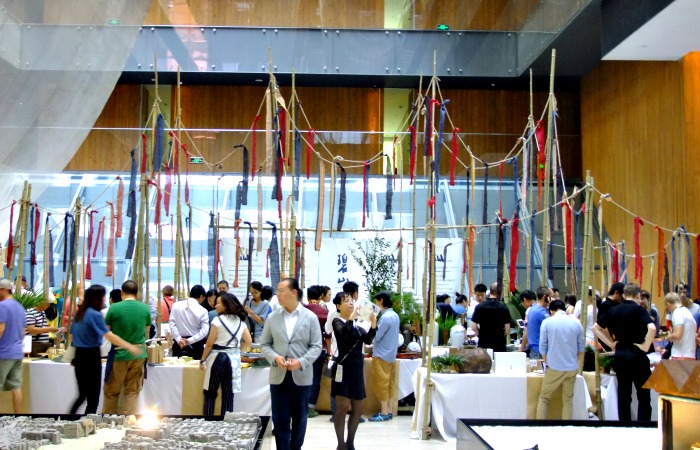
Instead, we decided to mark our achievements by celebrating China’s artisans – after all, they were the reason we began our journey and the reason we continue to strive today. We partnered with The Opposite House, one of Beijing’s most chic 5-star hotels, and invited thirty carefully selected artisans from Dongbei to Yunnan to exhibit and sell their handcrafted and cultivated treasures at an up-market boutique bazaar.

Beshan Gāi Returns for 2016

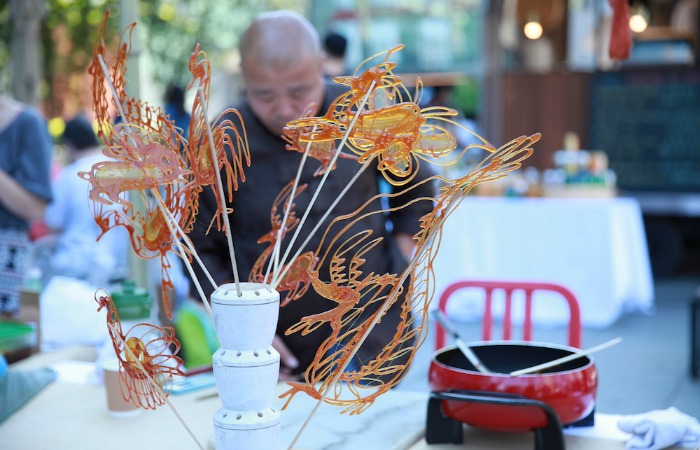
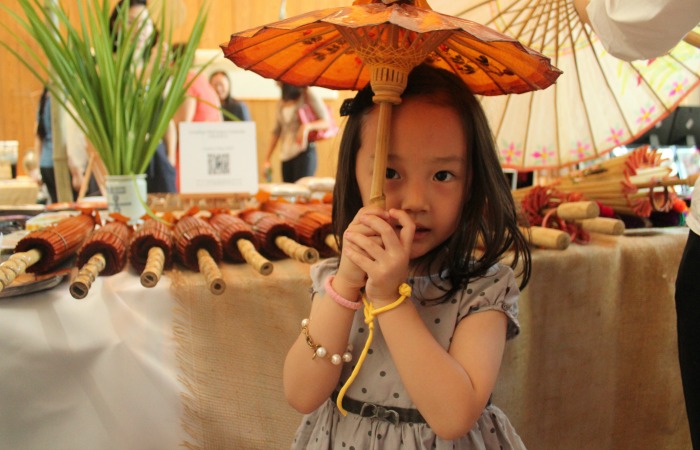
The inaugural Beshan Gāi was an Aladdin’s cave of artisan goods. From jewelry to homeware to organic produce, it was a day of fun and discovery for everyone. Over 2,000 visitors attended the event and there were regular musical performances throughout the day from one of Yunnan’s best folk singers. There was even a sugar painter on hand ready to create edible masterpieces for our younger audience. Beshan Gāi 2015 was designed and themed by POP-UP Beijing, and the event was covered in magazines such as Conde Nast China, Bloomberg China, City Weekend and Time Out Beijing (to name just a few).

Beshan Gāi Returns for 2016Beshan Gāi Returns for 2016

With outstanding feedback from artisans and visitors alike, this year Beshan Gāi will return as a 4-day moving bazaar across different venues in Beijing and we are looking for artisans to join us.


BESHAN GAI 2016

When: Saturday September 24th – Sunday September 25th

Where: The Opposite House & Taikoo Li North Village

Expected Attendance: 1,000 – 2,000 high end consumers per day

Special showcase for selected vendors:

Showcase 1: Thursday September 22nd @ The Peninsula Hotel

Showcase 2: Friday September 23rd @ The Rosewood Hotel

Expected Attendance: VIP & media guests, up to 400 high-end consumers per day


The benefits of participating in Beshan Gāi

  • • You will be part of a carefully themed and curated environment with both entertainment and Food and Beverage zones
  • • You will get face-to-face interaction with high-end consumers from both the expat and Chinese community in Beijing
  • • You will get face-to-face interaction with high-end media outlets invited by AsiaTravel
  • • You will receive exposure to AsiaTravel’s global community through a social media campaign to 25,000+ worldwide
  • • You will receive exposure of your brand and product on the official Beshan Gāi website
  • • You will receive exposure of your brand and product through our media partner’s distribution channels, both in printed magazines throughout Beijing and online via their website, blog and social media


Beshan Gāi Returns for 2016

Best Chinese Food in China: A City by City Guide

From Peking duck in Beijing to the spice markets of Sichuan, Chinese cuisine is as vast and fascinating as the country itself. Here are our tips for eating the best Chinese food in China. Warning: this post will make you hungry.

Best Chinese Food in China: A City by City Guide

One of the first things you’ll learn when you visit China is that there’s no such thing as ‘Chinese food,’ at least not in the way most people think of in the West.

Chinese cuisine is as rich and varied as the dishes of Europe. The spicy aromas of Kung Pao Chicken in Sichuan is as different from the sweet flavors of Shanghai roast pork as a steak tartare in Paris is from a bowl of paella in Barcelona. Practically every province in China is known for a different dish and a new flavor.

Every year, award-winning writer, chef and China culinary expert, Fuchsia Dunlop leads a Gastronomic Tour of China – a journey through these foodie havens and into the country’s local markets, top restaurants and family kitchens.

Beijing

Best Chinese Food in China: A City by City Guide

Kyle Obermann

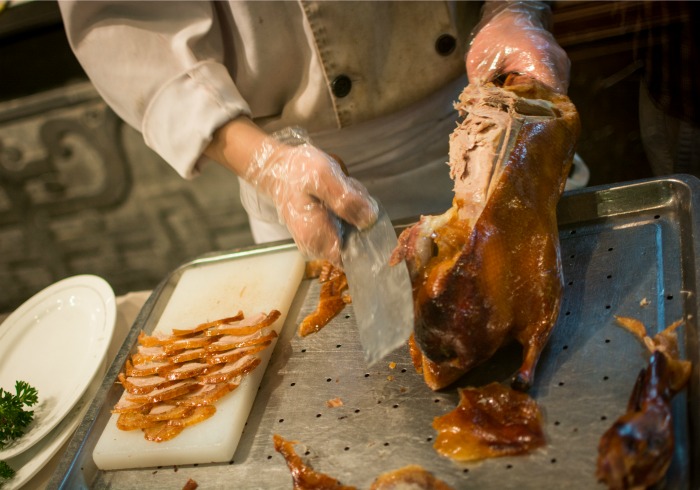
The city’s namesake and most famous dish, Peking Duck, is itself ample reason to include China’s capital into your travel itinerary. This hearty, iconic meal is rightly world famous and you won’t easily forget the succulent crunch of the duck’s crispy skin paired rich hoisin sauce.

But it’s not only Peking duck which puts this city on the culinary map…

Beijing’s proximity to China’s northern provinces mean that the city’s flavors are infused with many exotic influences. Wander down a historical hutong and discover Mongolian Hotpot. Far less spicy than its Sichuanese counterpart, this dish is sure to soothe the soul on a crisp Beijing evening. Goji berries, jujubes, black cardamom pods, ginseng and fresh herbs steam in an aromatic broth at the center of the table and sides of marbled meats and crisp vegetables make for a sensually visual experience along with the wafting smell and – wait for it- mouthwatering flavor.

Xi’an

Best Chinese Food in China: A City by City Guide

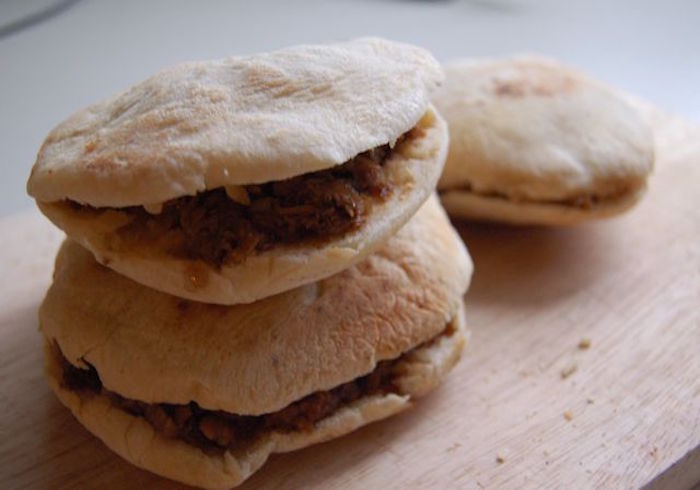
Xi’an Meat Burger – Roujiamo
Source: P. Xie

While Xi’an is best known for its ancient terracotta army, the present day inhabitants of the city have plenty to offer the hungry visitor. Navigate the beautiful city walls and venture to the vibrant Muslim quarter, where savory lamb skewers are roasted over red-hot coals and sweet glutinous rice is steamed in bamboo.

After washing down your meal with an ice cold pomegranate juice, enjoy some of the city’s famous sites (if only as an excuse to work up an appetite for the second meal of the day). Traditional Xi’an dishes include flavorsome cold noodles, hot and sour dumpling soup, and steamed beef with wheat powder.

Due to its unconventionally rich melange of flavors, Xi’an’s Muslim Quarter is one of our favorite stops on the Gastronomic Tour of China.

Chengdu

Best Chinese Food in China: A City by City GuideLajiao Chilis

It’s the third stop on Fuchsia’s Gastronomic Tour and if spicy food is something you can handle, then Chengdu will seem like paradise on earth. Just be prepared; the local dishes pack a punch.

Spiced not only with normal chili or ‘lajiao’, Sichuanese food also uses a special, local pepper known as ‘huajiao’ to give the food a tingling, numbing effect. This combination of numbness and spice is called ‘mala’ by the locals, and will ensure that your first meal in Sichuan is burned into your memory as well as your mouth.

Shanghai

Best Chinese Food in China: A City by City Guide

After your spicy trip to Sichuan, you might need to heal your scorched taste buds with a sweet Shanghainese meal. Unlike the burning hot flavors of Chengdu, Shanghainese cuisine is ‘tiande,’ sweet, an ideal antidote to the spiciness of distant Sichuan.

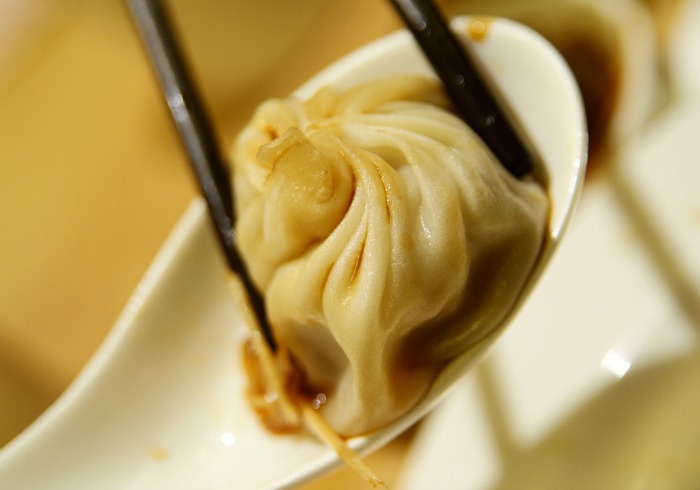
Rich, fatty pieces of pork and freshly caught hairy crab are easy on the tongue, but don’t let your guard down completely.  Dishes like ‘xiaolong bao’ or small dragon bags are aptly named, because these things can be vicious. Filled not only with flavor but also with piping hot soup, these dishes have been known to squirt water at unsuspecting visitors. Pierce the bag first with a chopstick to let the steam out before digging in.

Hangzhou

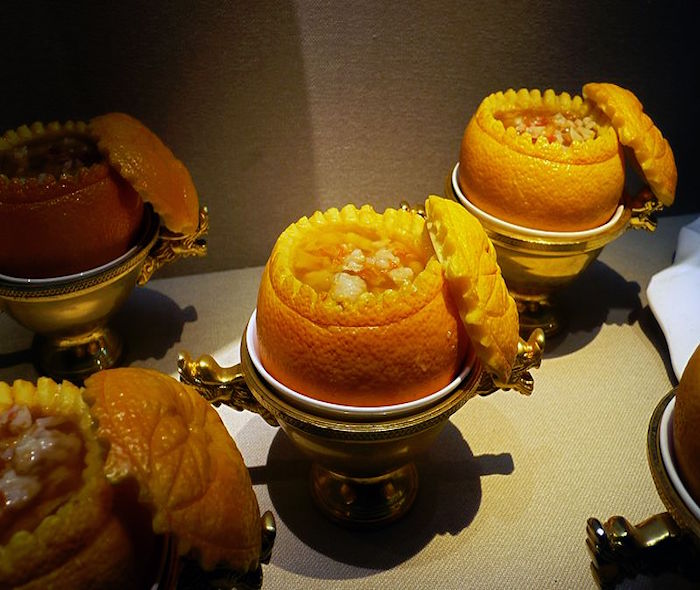
Best Chinese Food in China: A City by City GuideStuffed Orange with Crab Meat 
Source: 三猎

Hangzhou is famous for it’s beautiful West Lake, a still, serene body of water which attracts tourists, world leaders and, most importantly, some of the country’s most inspired chefs. If you enjoy seafood, the sweet and sour ‘West Lake Fish’ and shelled shrimp will mingle perfectly with the tranquil surroundings. You can even try the savory sweet fusion of stuffed orange with crab meat. 

Hangzhou also produced world-renowned tea, a flavor that is infused into many local specialties. A Hangzhou banquet wouldn’t be the same without a plate of tea-infused prawns soaked in the Longjing (dragon’s well) green tea that grows exclusively in the region’s hills.

Enjoy a local West Lake beer with your meal, and enjoy the calmness of this city. After the bustle and energy of Shanghai – one of the biggest cities in the world – you’ve definitely earned the downtime.

Wonder what it’s like to wander down side alleys to the kitchen of a local auntie, roll up your sleeves, and learn to cook and eat like a local? Discover all these cities with the help of Fuchsia Dunlop, on our Gastronomic Tour of China.


Best Guizhou Festivals

Guizhou is home to one of China’s largest ethnic minority populations, and throughout the year these vibrant communities celebrate their traditions with vivid and inspiring festivals. We’ve brought together a calendar of Guizhou festivals so you can get in on the action.

Every year visitors from China and around the world make the journey to Guizhou in order to witness the many traditional festivals of the Miao ethnic group. These festivals are a perfect way to experience and celebrate one of the many faces of Chinese culture and we have pulled together a few of next year’s highlights that you should be marking on your calendar now:

Best Guizhou Festivals

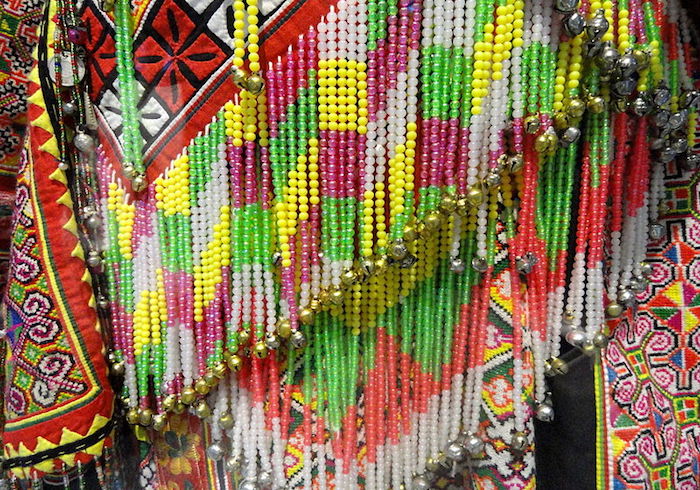
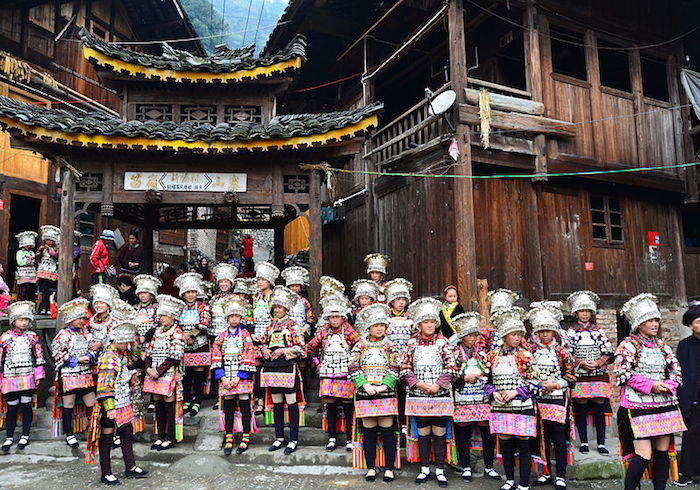
Stunning Beadwork on a Traditional Miao Garment
Source: Daderot

Miao Long Table Banquet
As soon as harvest is completed in September or October – you can contact one of our trip designers for more details.

Despite the rapid transformation of China in recent years, the Miao ethnic minority have stayed true to their traditional dress, lifestyle and, of course, cuisine. The Miao Long Table banquet is a welcome antidote to the well earned hunger of a long day of sightseeing, as you sample dishes like Sour Fish Soup and Oil Tea made with ginger and salt, and indulge in enthusiastic toasts with local rice wine. The Long Table banquet is an important tradition and connection to the past celebrating a local goddess who was once able to feed the whole village. Each dish comes from the unique methods brought down from by Miao people for centuries to honor special occasions. 

Miao New Year
November 5

Best Guizhou Festivals

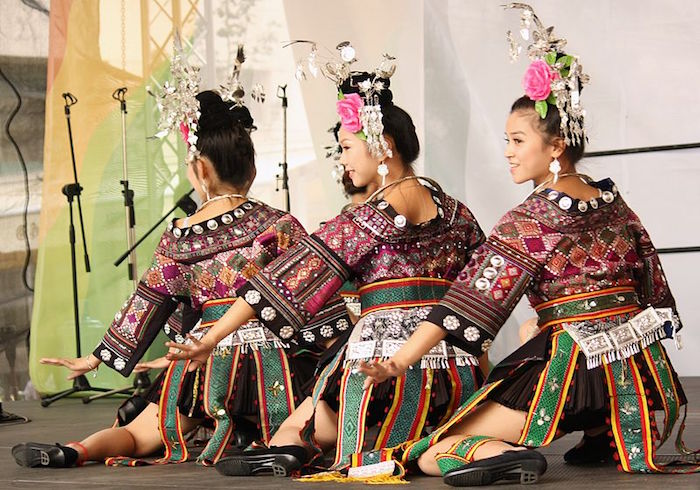
Miao Dancers
Source:
Matěj Baťha

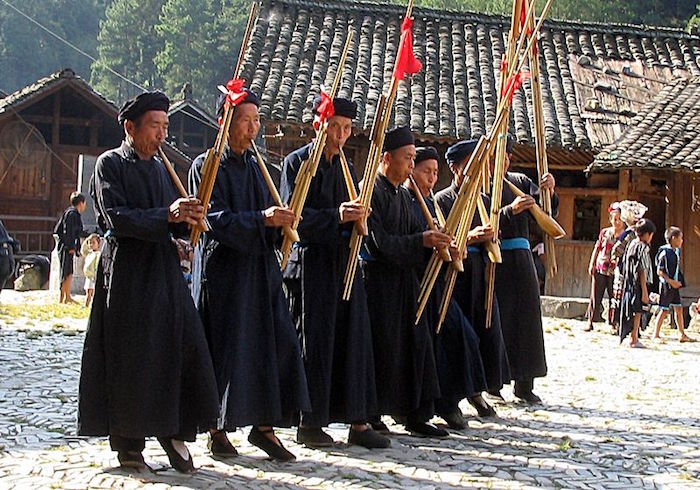
The Miao people have their own way of welcoming in the New Year, and their own calendar for deciding when it is. The Miao New Year typically rolls around in the 9th, 10th or 11th month of the Chinese lunar calendar and to mark the occasion, the Miao people assiduously prepare, gathering provisions, arranging ancestor worship, visiting neighboring villages and playing the Lusheng, a traditional music instrument made from bamboo.

Lusheng Festival
February, Several Dates

Best Guizhou Festivals

Lusheng Playing
Source:
Impressive Pipes

The lusheng is the cornerstone of all Miao New Year celebrations. This bamboo instrument can measure up to three meters long, and makes a sound you’re unlikely to hear from any other source. During the Lusheng Festival, the biggest event of the Miao New Year, girls dress up in their finest traditional attire while boys lug the instruments to Lusheng Stadium to perform a dazzling display of dance and music.

Sister’s Meal Festival
April 11-13

Best Guizhou FestivalsSource: Fanghong

The oldest ‘Valentine’s Day’ in Asia, the Sister’s Meal Festival began its life as a humble courtship ritual where young Miao men and young Miao women could meet and embark on a life together. With their colorful traditional dresses and enthusiastic displays of local dance and music, the Sister’s Meal Festival soon began to draw a larger crowd. You can expect to be among thousands of other visitors who have gathered to watch this ancient ritual play out once more.

Dragon Boat Festival
May 30

Best Guizhou Festivals

Source: Flickr

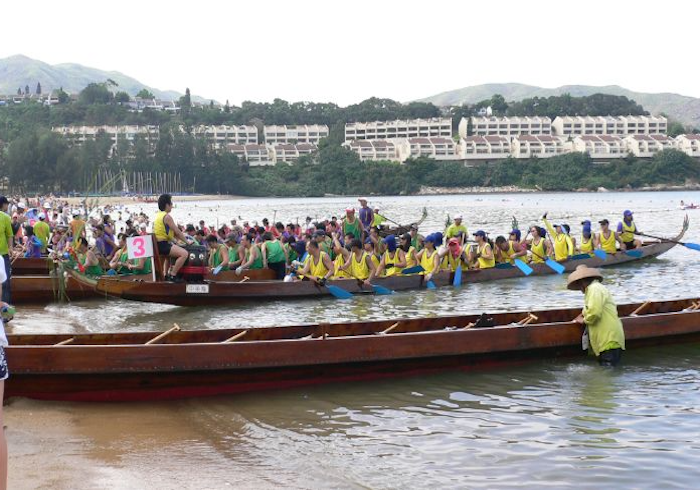
The Dragon Boat Festival occurs on the 5th day of the 5th month in the Chinese lunar calendar, placing it near the summer solstice. Across China citizens mark the occasion by drinking wine and eating triangular rice snacks known as Zongzi. They’re delicious, and if you’re in China at the right time you should definitely try them. In Guizhou, the Dragon Canoe Festival lets you witness the Miao ethnic people take to the waters in traditional boats, and race each other while dressed in purple and gold.

Want to pull up a seat at the Long Table Festival or try your hand at playing Lusheng? Journey with AsiaTravel throughout Guizhou on our Hidden Guizhou Private Tour. If you’d like to travel with a small-group of like-minded adventurers, we also do a yearly small group tour to Guizhou: Hidden Guizhou Small Group Tour.

Top 4 Things to do in Harbin

Harbin’s International Ice Festival draws in tourists from around the world, but this mystical city is worth more than just a day trip. If you stay just a little while longer, you’ll be privy to a whole host of wonderful experiences to complement your frosty voyage to the North.

The capital of China’s northernmost province, Harbin was originally named to mean ‘a place for drying fishing nets’. The city grew from a small rural settlement on the Songhua River and today is heralded as the ‘City of Ice’, home to the world’s largest Ice and Snow festival.

But there is more to Harbin than record-breaking structures made of ice. The city’s parks, winter sports and Russian architecture make it a city where both children and adults can take part in the whimsy and magic of a storybook land.

Harbin International Ice Festival

Top 4 Things to do in Harbin

Ricewind42 via Flickr

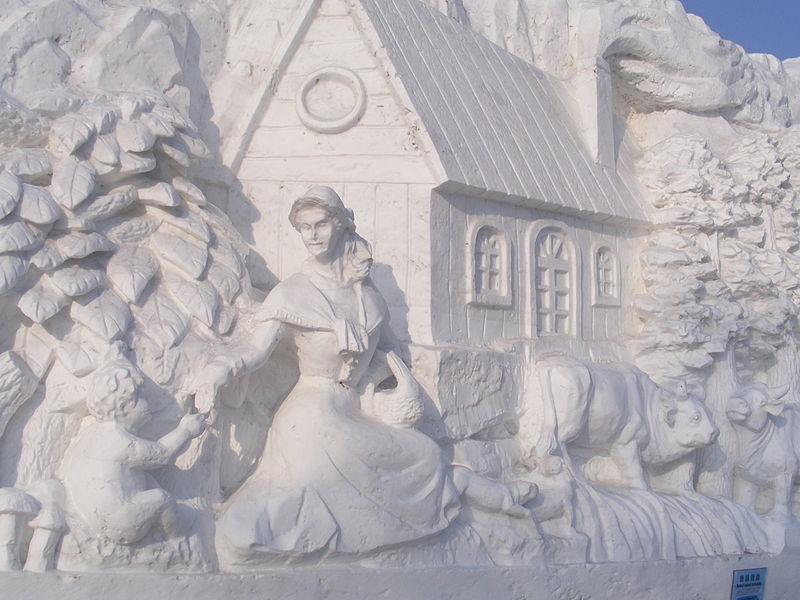
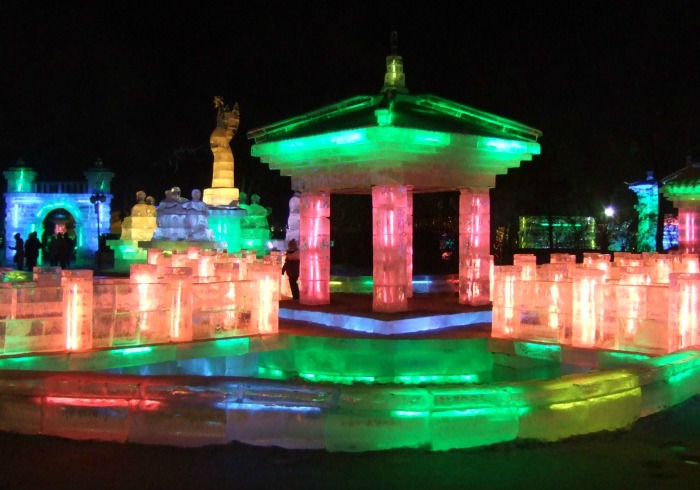
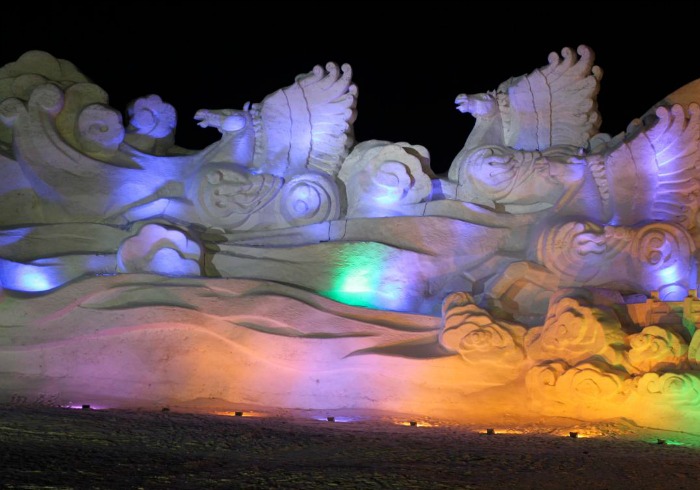
Let’s get the big one out of the way first. From the 5th of January each year until well into February, people from around the world flock to Harbin to witness the famous International Ice Festival. Palaces, sculptures, staircases, lanterns… a whole world of ice that will simply melt away when the weather starts to thaw.

During the festival you’ll be able to see ice sculptures throughout the city, but the two main exhibition areas are the ironically titled Sun Island, and the more appropriately named Ice and Snow World.

Lantern Festival at Zhaolin Park

Top 4 Things to do in Harbin


As the day turns into night, ice lanterns begin to shine brightly at Zhaolin Park. They combine the beauty of light and sound as they sway in the winter air and provide the perfect backdrop for an evening stroll. The brilliantly carved ice and snow artworks dotted throughout the park are the work of master craftsmen and shouldn’t be missed on any tour of Harbin.

Harbin City Architecture

Top 4 Things to do in Harbin

Fredrik Rubensson via flickr

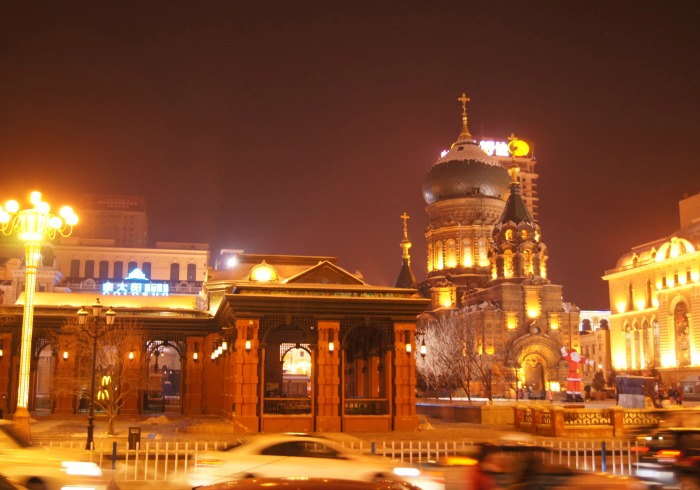
After the Russian Revolution in 1917, many supporters of the tsar fled across the Chinese border and into Harbin. 100 years later and this influence is still very apparent. St. Sophia Cathedral, a stunning Russian orthodox church has come to symbolize the city and the famous Zhongyang Dajie or ‘Central Avenue’ contains several beautiful examples of Baroque and Byzantine architecture.

Harbin’s immaculately restored Jewish Synagogue, a remnant of the time when Harbin was once home to a Jewish population of up to 20,000, is also well worth a visit.

If you’re interested in China’s unexpected Jewish history, customize your own Jewish Tour of China.

Sun Island

Top 4 Things to do in Harbin

Jared Burns via Flickr

Adjacent to the Ice Festival, Sun Island is a great place to take kids to enjoy winter sports such as ice skating. While in summer the landscape is a beautiful waterfall flowing into a pool, during winter the frozen waterfall is sculpted into beautiful shapes and designs. Wander around the grounds and take in the natural beauty.

Grab your winter coat and bundle up for a trip through China’s frosty climes. There’s plenty of things to do in Harbin while you make the most of the icy landscapes. Journey with us on our Harbin: Winter Wonderland tour.