AsiaTravel Journey Named a Nat Geo Tour of a Lifetime

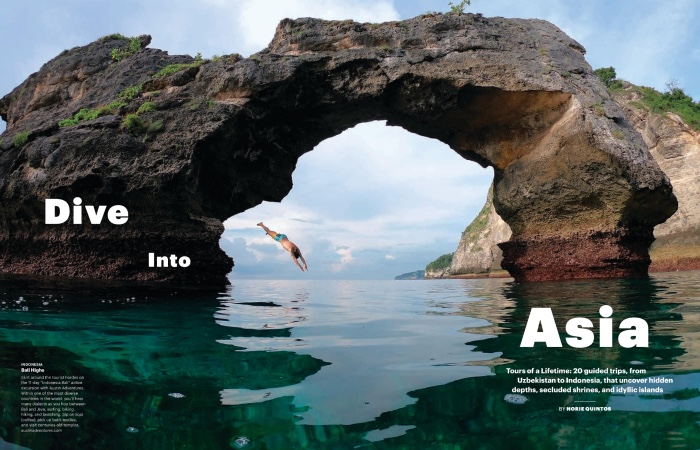
National Geographic Traveler has named our ‘Travels Through Dali with Mei Zhang‘ journey as a 2018 Asia Tour of a Lifetime! Traveler chose only ’20 guided trips, from Uzbekistan to Indonesia, that uncover hidden depths, secluded shrines, and idyllic islands’ to include on the list. We’re truly honored to be a part of it.

AsiaTravel Journey Named a Nat Geo Tour of a Lifetime

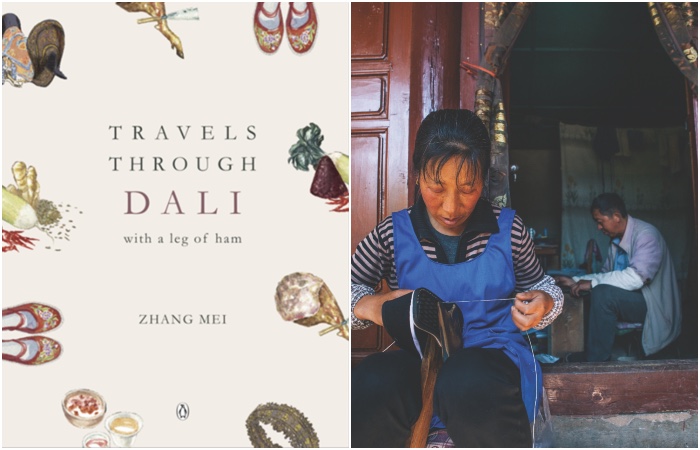
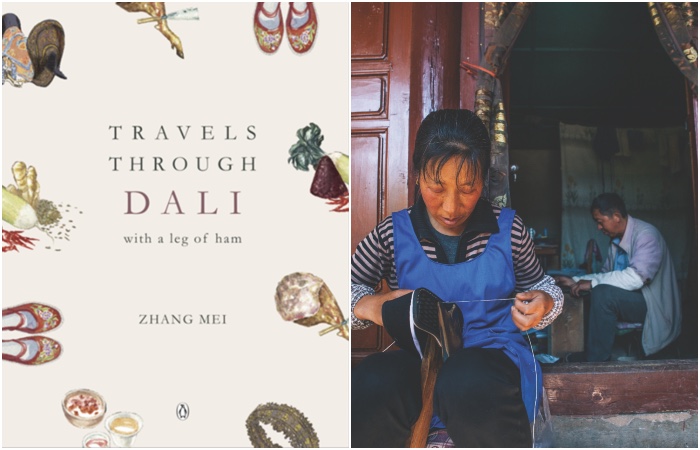
The AsiaTravel journey Traveler selected was inspired by AsiaTravel Founder Mei Zhang’s first book Travels through Dali: with a leg of ham. Chronicling Mei’s return to her hometown in southwest China in search of the region’s specialty cuisine, the book has become a globally recognized and critically acclaimed insight into the importance of cultural preservation and cultivation in a rapidly urbanizing China.

AsiaTravel Journey Named a Nat Geo Tour of a Lifetime

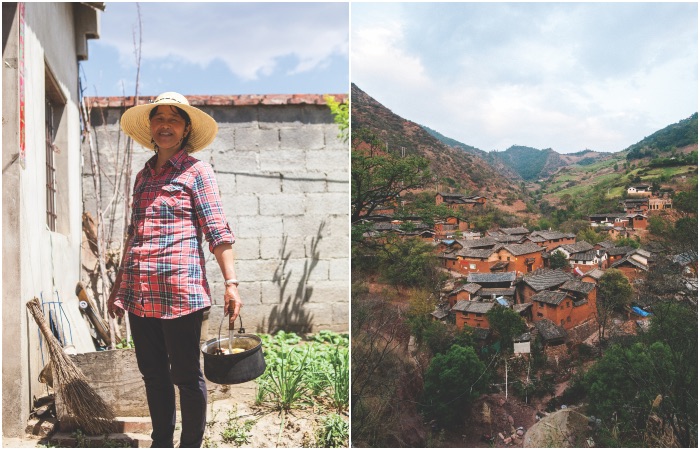
On this once-in-a-lifetime journey, you can embark on the same adventure of cultural and culinary discovery that Mei Zhang took for her book research – with Mei herself as your guide. You’ll veer off the highway into forgotten villages and into the kitchens of Dali’s culinary artists. You’ll enjoy meaningful engagement with the region’s diverse traditions and cultures, and be inspired by the artisanal innovations that have become an important feature of modern-day Dali. 

AsiaTravel Journey Named a Nat Geo Tour of a Lifetime

This is an opportunity to join Mei as she goes back and says ‘thank you’ to the villagers who welcomed her into their lives. And if we know Mei Zhang, there will be plenty of serendipitous discovery too! 

Start planning your ‘Tour of a Lifetime’ today by getting in touch with one of our experienced travel designers.

All photos by Elizabeth Phung for Travels Through Dali: with a leg of ham

How to Visit the Great Wall from Beijing

Seeing the Great Wall of China is on many travelers’ ‘to-do’ list and it’s certainly high on our list of recommendations for Beijing.  But which section of the wall should you visit? And what should you do there? Read on for our top suggestions.

(Spoiler Alert: where possible we always avoid Badaling, a famous and over-crowded section of the wall. We recommend you do too!)

How to Visit the Great Wall from Beijing

OLYMPUS DIGITAL CAMERA

The Great Wall from Beijing: For the Wild at Heart

If you’re an avid hiker looking for a lesser-visited section of the wall, then Huanghuacheng, the “Yellow Flower Wall” might be the  place for you. The Huanghuacheng section of the Great Wall is further away from the city of Beijing than Mutianyu or Badaling so, if you get there early, you’ll likely have it entirely to yourself.

Huanghuacheng’s unique mountain and lake scenery is breathtaking and the area has recently undergone a five-month repair project – meaning it’s open to visitors once again. Hiking at Huanghuacheng is mid-to-high on the difficulty scale. Your AsiaTravel guide will show you the safest route and will bring a picnic along for when you get peckish. Apart from the natural scenery, this part of the wall is also known as the “First Pass” for its strategic importance.

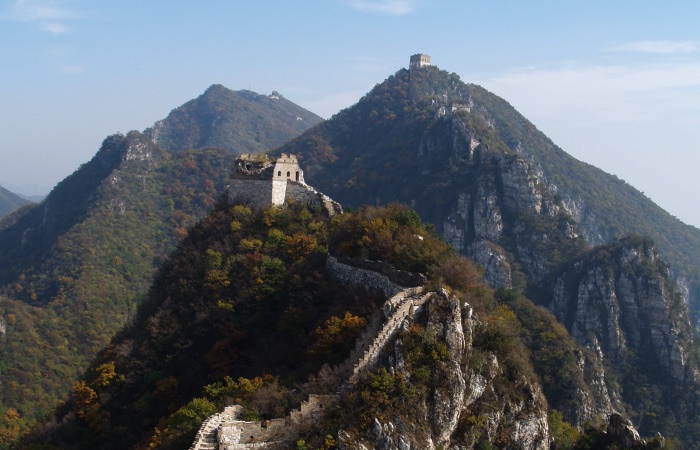
For a little adrenaline and an even more challenging hike, the Great Wall at Jiankou covers the steepest, most varied terrain of the Great Wall. Another example of the “Wild Wall”, Jiankou remains largely unrestored. The Jiankou section of the Great Wall was built during the Ming Dynasty (1368-1644) out of white dolomite stone from the surrounding area; set boldly against the tall, jagged mountains, this section of the wall is a photographer’s paradise.

How to Visit the Great Wall from Beijing

The Great Wall from Beijing: For the Thrill Seeker

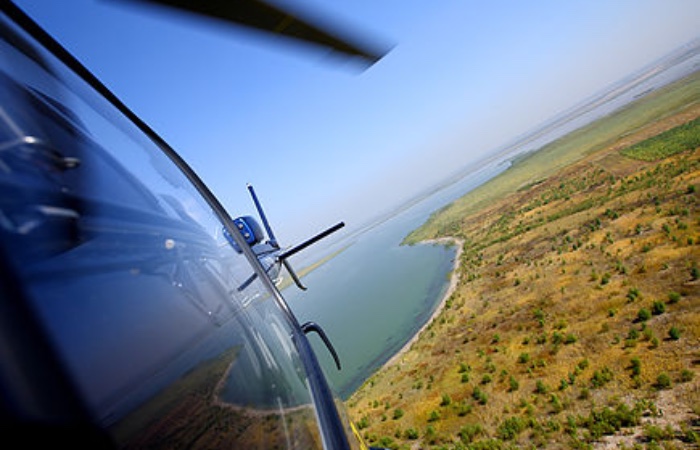
For families or travelers looking for a different perspective on the Great Wall, why not choose a helicopter ride over the Mutianyu section? Two hours outside Beijing proper, the Mutianyu section of the Great Wall affords views of the stone structure snaking over precipitous mountain ridges on the horizon. It’s one thing to stand atop the wall, looking down onto the mountains below, and its’ another entirely to look down, even on those who have performed the climb, to see the grandeur of the wall itself from a birds-eye view. 

If you’re a thrill seeker hoping to keep your feet closer to the ground, the toboggan ride down the wall at Mutianyu won’t disappoint. If you want to skip the whole climb, you can opt for the gondola ride up to the top, followed by a toboggan ride along a metal track all the way back down, along a scenic route that’ll make you more familiar with the surrounding area.

How to Visit the Great Wall from Beijing

The Great Wall from Beijing: For a Special Occasion

What better way to celebrate a birthday or anniversary than by asking us to arrange a romantic champagne picnic on your own, private Great Wall turret – it could even be a surprise for your loved one. We’ll arrange everything, so you can enjoy the day too!

After you’ve watched the sun go down, a glass of bubbly in hand, we recommend staying at the luxurious new Dhawa Jinshanling Hotel. Here, the wild sections of the Great Wall take over from the restored as it stretches ever further west. The hotel itself is a serene, contemporary collection of “cocoons” just steps from Jinshanling, one of the most photogenic, idyllically uncrowded sections of the Great Wall. 

There are many ways to experience the Great Wall from Beijing, how will you choose to define your experience?

4 Reasons to Visit Yunnan in Winter

Flying relatively under-the-radar on an international level (so far!), Yunnan Province is not as widely known for its landscapes as Guangxi to the east, nor famed for spicy delicacies such as Sichuan to the north. In this article, we shine a light on why Yunnan is our top pick for a getaway this winter.    

4 Reasons to Visit Yunnan in Winter

4. Visit Yunnan in Winter: Temperate Weather

With such a varied landscape, Yunnan’s weather can differ dramatically across the province. Traveling in winter you’ll avoid the rainy season, making it the perfect time to get active and enjoy the diverse nature on offer. Hiking is a particular favorite activity of ours because it gives our guests access to remote local minority villages and stunning rice terraces. Do bring layers because during winter, temperatures drop quite dramatically at night.

4 Reasons to Visit Yunnan in Winter

3.Visit Yunnan in Winter: The Joys of Festivals

Do you often suffer from post-Christmas blues? Well, this could be the year to avoid them. In Yunnan, as well as celebrating the Chinese Lunar New Year, there are numerous smaller festivals that happen in accordance with local minority traditions. These can start as early as February and last well into spring.

If watching men jump into a sea of fire is your thing, try the Sword Pole Festival which is one of the earliest of the season. Experiencing the festivals themselves, or even helping with the preparations, is a great way to understand the ethnic minority cultures that inhabit so much of this diverse province. With our team of experienced travel designers, we’ll be sure to sniff out the most festive of festivals to make your journey even more special.

4 Reasons to Visit Yunnan in Winter

2. Visit Yunnan in Winter: Fewer people, better guides, cheaper accommodation

Another thing to consider is how busy Yunnan’s major tourist spots can get during popular travel seasons. While you’re unlikely to see hordes of tourists on hiking routes between remote villages, the ancient towns of Lijiang and Dali can become crowded. Winter is a good time to appreciate these beautiful towns at your own pace.

Outside of the main holiday periods, accommodation costs drop significantly and it’ll be easier to secure one of our top local AsiaTravel guides.

4 Reasons to Visit Yunnan in Winter

1. Visit Yunnan in Winter: Travels Through Dali with Mei Zhang

Of course, our list of top reasons to visit Yunnan this winter would not be complete without a mention of our very own AsiaTravel Founder Mei Zhang and the expert-led tour she’ll be guiding in December.

This trip skips the cities found on your average tour of China and immerses travelers in the culture and cuisine of Dali, Mei Zhang’s hometown. In 2016, Penguin published Mei’s first book Travels through Dali: with a leg of ham. Chronicling Mei’s return to southwest China in search of the region’s specialty cuisine, the book has become a globally recognized and critically acclaimed insight into the importance of cultural preservation and cultivation in a rapidly urbanizing China.

On this journey, you’ll embark on the same adventure of cultural and culinary discovery that Mei Zhang took for her book research. Accompanied by Mei herself at every turn, you’ll veer off the highway into forgotten villages and into the kitchens of Dali’s culinary artists. You’ll experience cheese making in Shaxi and get to wander through the beautiful town of Dali. With Yunnan cuisine growing in popularity across the US, this is the perfect opportunity to discover its roots and take home some top-secret recipes.

Whether it’s for a chance to whet your appetite with a new cuisine, or the need to get out and active in some beautiful surroundings, Yunnan really does have a bit of everything for everyone. To us, it’s the perfect solution for an outdoorsy, yet cultural travel experience, all while escaping that bitter cold of a northern winter!

4 (Alternative) Things to Do in Guilin

You might not know the name Guangxi, but you’ll almost certainly recognize the karst peaks and meandering river the province has become famous for. Guilin (a city you might have heard of) and Yangshuo (the town you’re likely to visit) have grown exponentially in terms of tourist popularity over the last decade. Nowadays, if you visit this area without a AsiaTravel fairy godmother (or father) it’s easy to get lost in a sea of domestic visitors. However, Guangxi is so stunning that we’d hate to recommend not visiting.

That’s why we’ve put together this list of highlights from a AsiaTravel Guilin journey – to give you a taste of how to make the most of your trip.

4 (Alternative) Things to Do in GuilinPhoto courtesy of Li’an Lodge

Things to do in Guilin: Rice Terrace Hiking

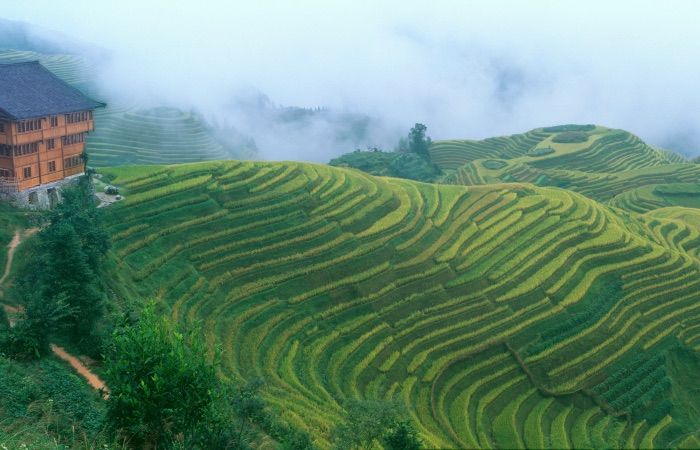
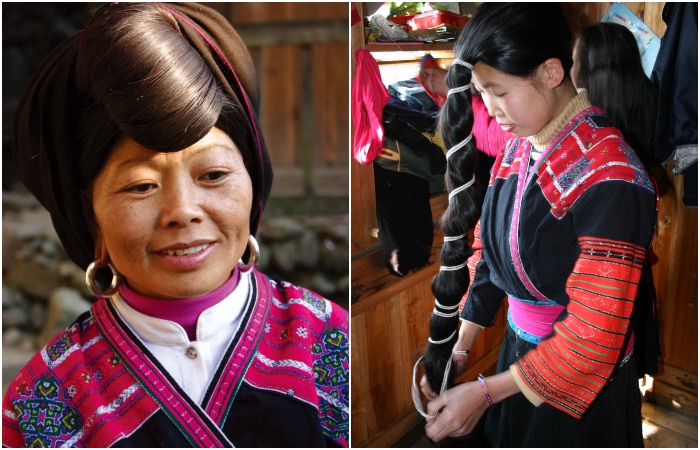
Nearly 75% of Guangxi’s inhabitants are non-Han, and Longsheng (just north of Guilin) is home to a colorful mixture of Dong, Huang, Yao and Miao people. In these communities, you’re welcomed in the traditional manner and will spend time learning how to farm and create artisanal crafts with the villagers.

The scenic highlight of Longsheng is the Dragon’s Backbone Rice Terraces, a group of vast rice terraces that date back more than 650 years. Just as they were in the past, these sprawling terraces are carved out of the mountainside using simple traditional methods. You hike for a day or spend two or three days staying in the rice terraces.

 4 (Alternative) Things to Do in Guilin
RELATED READING: Why You Should Visit China’s Guizhou and Guangxi Provinces

Things to do in Guilin: Sidecar Adventure

AsiaTravel can arrange for you to hike or bike through Yangshuo’s countryside and we’ll be sure to get you off the beaten path. But, if you’re looking to rest your weary legs after a few days of hiking in Longsheng, and want to give the incredible landscape your full attention, we recommend a sidecar tour of the area. Imagine the wind whipping through your hair as you ride alongside a local expert in a motorcycle sidecar. They’ll bring you to the best photo-op spots and give you plenty of chances to hop off and meet local people along with way.

Things to do in Guilin: Learn Medical Secrets from a TCM Doctor

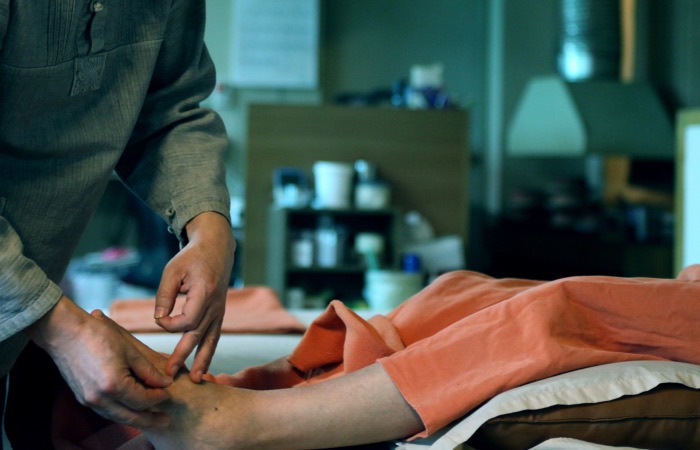
Traditional Chinese Medicine (TCM) began about 4,000 years ago when ancient emperors became interested in finding the elixir of life. Today, treatments still involve the use of herbs, diet, and acupuncture, with an emphasis on qi, the vital force of living things.  We’ll take you to meet with a TCM expert who will give you a personal check-up and diagnosis. After the session you’ll enjoy a reflexology foot massage – the perfect way to relax after a busy day of exploring.

 4 (Alternative) Things to Do in GuilinRELATED READING: 3 Best Hotels in Guilin

Things to do in Guilin: Landscape Painting Class

More than a thousand years ago, Chinese landscape painting emerged as an independent genre. It has become one of the most important styles in the history of Chinese art. From the calm banks of the Li River, surrounded by the same landscapes that have inspired countless artists, we’ll arrange for you to spend the morning learning the art of Chinese landscape painting with an expert. Whether you’d call yourself an artist or not, this experience will help you to take time out and really appreciate your surroundings.

These experiences are, of course, only the tip of the iceberg. There is so much more to do in Guilin and we know just how to do it right. AsiaTravel founder and travel expert Mei Zhang actually just got back from the region. We’ve been posting about her experiences on our Instagram. Check out our feed to gain more inspiration for your own Guilin journey.

Interview with Shanghai Jewish History Expert Dvir Bar-Gal

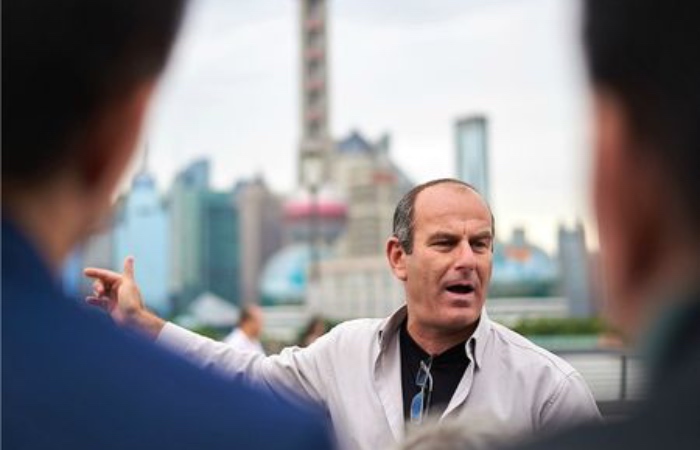
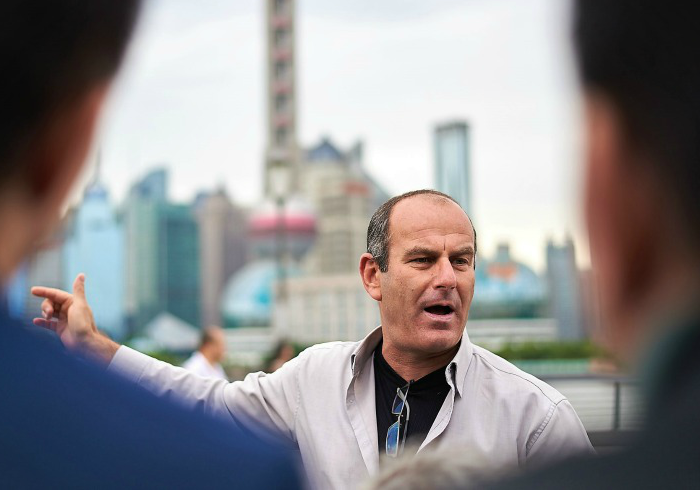
Here at AsiaTravel, we are passionate about helping clients to deep dive into an area of interest. To do this, we work with a number of experts in their fields to create specialized trips and guided lectures. One such expert is Dvir Bar-Gal, the leading authority on Shanghai Jewish history.

2018 marks the 20th anniversary of the Shanghai Jewish History Tour, a project Dvir has been guiding the growth of for the past 15 years. We caught up with him to learn more about how he became involved with Shanghai Jewish history and what he hopes to share with visitors to Shanghai in the future.
Interview with Shanghai Jewish History Expert Dvir Bar-Gal

Dvir Bar-Gal 

RELATED READING: The 4 Best Cities for Jewish History in China

China Jewish History Tour – Dvir Bar-Gal

What made you want to take part in this project?

I actually came to Shanghai hoping to be a freelance television journalist. Before working here, I used to work in Israeli television as a cameraman and then director. From about 2000, 2001, there was no representative of electronic media for Israel in China, and I already realized then what was going to become of China in the coming decades. I was interested in the untold stories of the people who live here.

Unfortunately, the time I came was around September 11th. After September 11th, 2001, there wasn’t much interest in stories from China, so I started doing a lot of other things.

One of the things I started was a big research project, finding the lost Jewish cemeteries of Shanghai. I was working with the woman who gave the tours before me. She actually brought me the story about the cemeteries that had disappeared and the news that people were looking for them. We found a lead from a teacher who saw some Jewish gravestones and from there we started our research. This was my first involvement with Jewish research and I learned so much. The story is pretty much unknown so I learned a lot by doing the historical research and looking at it from a journalistic point of view. It was about a year and a half later that the previous person in charge went back to Israel and she asked me if I would like to help out with the tours. I have been doing it ever since.
 Interview with Shanghai Jewish History Expert Dvir Bar-Gal

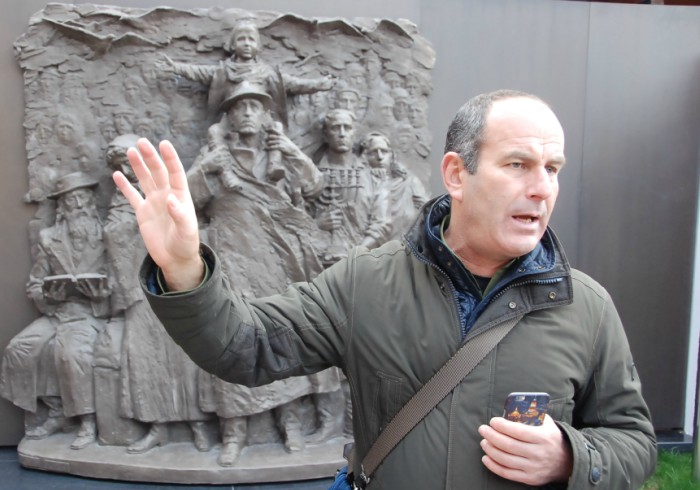
Sculpture Commemorating Shanghai’s Jewish Community

RELATED READING: 5 (Alternative) Must-Sees in Shanghai

China Jewish History Tour – Dvir Bar-Gal

How many tombstones have you been able to locate up to now?

I located about 105 out of over 3000 that used to be in Shanghai in the past. Most of them I collected, and all of them I documented on video and film. I’m still hoping to do a long documentary about the whole story. Still photography, text, and so on. Currently, there are about 90 that I know the whereabouts of and most of them are in my possession. Many others we have lost forever, unfortunately.


Interview with Shanghai Jewish History Expert Dvir Bar-Gal

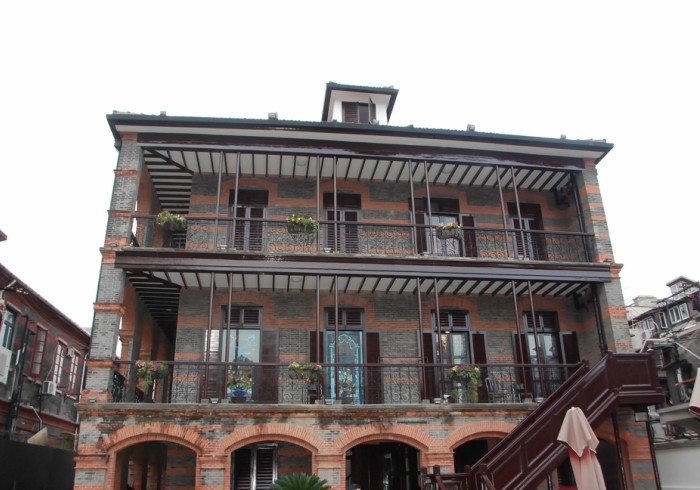
Shanghai Jewish Refugees Museum

RELATED READING: Fascinating Sites of World War II History in China

China Jewish History Tour – Dvir Bar-Gal

What can people expect on a Jewish tour of Shanghai?

The tour is a half-day tour, and it’s different from many other tours that one can think about. We mostly learn and hears stories that nobody else can provide.

We explore mysteries that are infrequently seen in daily life today, as many were destroyed or the people left, and so on. But the stories that they left behind and the legacy are what I’m trying to revive through images and the stories that I tell to people. My tours are almost a four-hour long lecture that happens in different places around the city.

We normally begin with the first Jewish community, the Baghdadi Jews, who came to Shanghai in the 19th century. Although they were a very small group of people, they became so influential and wealthy that, basically, one can not underestimate their influence on the development of the city of Shanghai and the legacy that they left behind. Almost an hour into my tour I’ll still be talking about the Baghdadi Jews. That happens mostly on the Bund, the Shanghai riverfront. Many of the landmark buildings from the past were built by the Baghdadi Jews.
Interview with Shanghai Jewish History Expert Dvir Bar-Gal

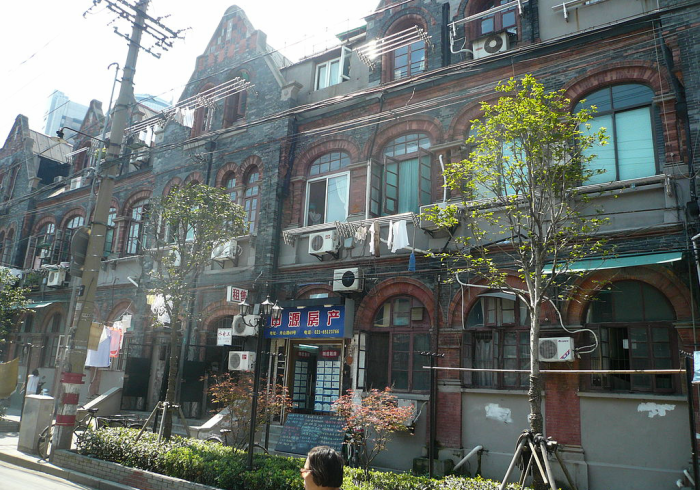
Street View of Old Jewish Ghetto

Then we often travel to the area called the Hongkou District. At this point, I’m talking about going from luxury and wealth to the poorer neighborhoods of the city. These neighborhoods hosted two different Jewish communities. The first, in the early 20th century, were Russian Jews who escaped persecution in Russia and made it to Shanghai. They were a bigger group than the Baghdadi Jews and since they were running from persecution, they settled in the cheaper areas of the city.

That happened at the beginning of the century and lasted until around the time of the communist revolution. The Hongkou area was basically immigration neighborhoods like the Lower East Side in New York or the East End in London. A place that saw immigrants coming to begin their new life. When they were able to make it, they moved to the French Concession, most of them. You can see it clearly there like it happened in those other places. People coming and starting their lives, many times at the bottom, and working their way up.

A third group of Jewish people then came and flooded the area, who were the Jews escaping the holocaust. They were a massive group of people, about 20,000 of them. During the tour, people often ask why Shanghai was the one city in the world that remained an open port for people throughout most of the Second World War. In that area of the city, there is a monument that the government directed to have built; we walk through the old lanes where the people used to live, and we go to the museum. It’s a government museum; it’s not run by Jewish people, but the Hongkou district is in charge it.

I take them inside one of the dwelling houses that used to be owned by Jewish refugees – now a Chinese family is living there. We’ll see the poverty in which the Jews used to live, and also see the Chinese experience today. For many people, it is a very powerful, emotional kind of visit to see how people actually live in those kinds of places. So, you can say that the tour is going from ultra luxury to deep poverty.

There must be a lot of interesting stories along that tour. Is the clientele mostly Jewish?

The nature of the tour is Jewish, so naturally most would be Jews, but probably between 25-30% are non-Jewish. That group are usually history buffs. Many times the most heartwarming feedback I’ve received is from non-Jews. I heard maybe 3 years ago, a lawyer from America said that she thought the greatest things she did in China was take the Jewish tour.
Interview with Shanghai Jewish History Expert Dvir Bar-Gal

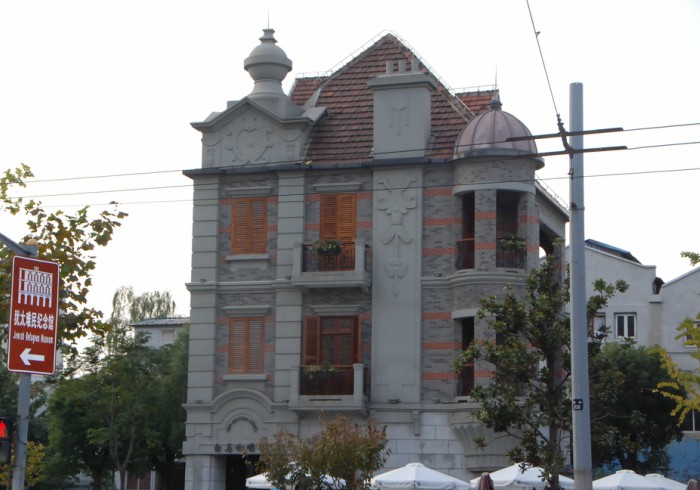
Replica of White Horse Inn 

On your tours, what is something you hope travelers will leave with?

A sense that there was a great story into the unknown, and that they’ve discovered something that they will not get anywhere else. We try to show and to tell something that one might otherwise miss if they were not looking for the story.

What is your vision for the tour? Where do you want to take it?

I would like to keep going with more people. I hope that more students come along for the story, and maybe also locals who can’t speak English. The world is very big and has a lot of people. More and more people come, learn the story, and appreciate the historical connection between Jewish people and Chinese people, and the fact that this city has a marked lack of anti-semitism that others can learn from. I am hoping that people will learn from that and remember the day that they had this experience in Shanghai.

Thanks, Dvir! If you’re interested in taking a Jewish history tour of Shanghai with Dvir, AsiaTravel can arrange it for you. You can dive deep into the Jewish history of all of China on our Jewish History Tour.

We also work with a number of other experts in Shanghai. Jade Ma can guide you through the city’s contemporary art exhibitions and Shanghai history expert Patrick Cranley can take you on a walk down one of China’s most historic riversides. No matter what your interest, we’ll find the best experts to help you make the most out of your trip.

An Art Lovers’ Guide to Beijing

From the intricate paintings of classical China to revolutionary propaganda of the 20th century, art in China has both enjoyed and suffered from its intrinsic relationship with the country’s politics. With a tumultuous century now behind us, art in China is in renaissance once again, especially in Beijing. The epicenter of this grand nation, Beijing is home to a flourishing art scene. The city boasts alternative and contemporary districts, as well as traditional architecture and antiques. We’ve put together this Beijing guide so art lovers can get the most out of this diverse destination.

An Art Lovers’ Guide to Beijing

An Art Lovers’ Guide to Beijing: Wuyong Gallery

For those with an interest in fashion, we grant you private access to the concept store and gallery of Ma Ke’s fashion house, Wuyong. With the aim of steering away from mass-produced, foreign-label clothing, Ma Ke bases her collections on the concept of preserving tradition, with influences from China’s rich cultural heritage and natural beauty. Having made appearances at both Paris Fashion Week and London’s Victoria and Albert Museum, Ma Ke’s work has attracted international attention and succeeds in blurring the line between art and fashion. With this exclusive behind the scenes access, you can experience the collection coming to life in all its powerful silence, while learning more about China’s traditional practices and craftsmanship.

An Art Lovers’ Guide to Beijing

Photo by Kyle Obermann

RECOMMENDED READING: Meet Wai Wai, Our New Art Expert

An Art Lovers’ Guide to Beijing: 798 with an Expert

For art lovers, no trip to Beijing would be complete without exploring the 798-art district. 798 is home to an eclectic mix of contemporary work, showing off everything from large sculptures to urban graffiti; the setting, an industrial area of disused military factories. To really get the most out of this artsy district, we recommend calling on the expertise of our knowledgeable contemporary art expert, Wai Wai. With Wai Wai, you’ll gain an insider’s perspective on Beijing’s flourishing art scene and discover the meaning behind some of the art on show. The architecture itself is worth the trip!

An Art Lovers’ Guide to Beijing

RECOMMENDED READING: 5 Alternative Must-Sees in Beijing

An Art Lovers’ Guide to Beijing: Chaochangdi

Just around the corner from the 798-art district is Caochangdi, an artists’ village designed by Ai Wei Wei himself. This village mixes contemporary-style art exhibitions with fresh produce markets and livestock, a real nod to its former purpose as home to a mix of migrant workers, farmers, students, and artists. Set up around a series of low buildings and alleyways, we can arrange an exploration of this district with exclusive meetings with the artists themselves. With government plans putting the future of Caochangdi at risk, this is definitely an area of Beijing’s booming art scene that needs to be discovered before it’s too late.

An Art Lovers’ Guide to Beijing

An Art Lovers’ Guide to Beijing: Liulichang Market Street

To step back in time and appreciate some of Beijing’s more traditional art forms, we recommend a visit to Liulichang Market Street, known for the ancient stone dwellings that line the streets and the craftwork shops and museums found within. A meander down these streets with a local AsiaTravel guide will give you insight into China’s proud history of craftsmanship; from glazing palatial tiles, to picking up a brush and ink for some traditional Chinese calligraphy. 

An Art Lovers’ Guide to Beijing

Photo courtesy of The Opposite House, Beijing

An Art Lovers’ Guide to Beijing: The Opposite House

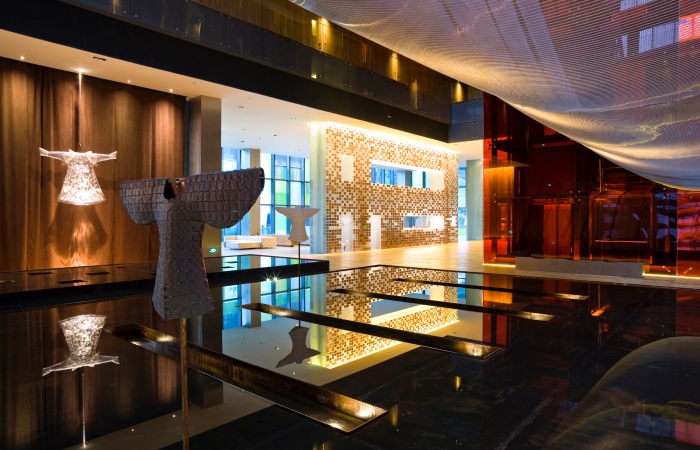
As an art aficionado, it makes sense to stay somewhere with an emphasis on design and culture too. That’s why we recommend topping off this artsy Beijing getaway with a stay at The Opposite House. Centrally situated in Beijing’s Sanlitun shopping area, The Opposite House blends striking contemporary design with Chinese aesthetics, both inside and out. Lighting, form and space are all taken into consideration in this boutique hotel to create both a pleasurable and calming effect on the senses. After a long day seeing the sights, take a soak in the hotel’s show-stopping stainless steel swimming pool; now that’s we call fine art.    


On top of the areas we’ve already mentioned, Beijing truly is in the midst of booming development, celebrating a burgeoning art scene. Wherever you go, Beijing is visually provocative, from traditional hutongs to the glitzy and futuristic architecture of CBD. With a large number of smaller art galleries dotted around the city (Red Brick Art Museum is one of our current favorites), our experts will be sure to fill your trip with more art than you can shake a paintbrush at.

4 Must-Sees Along the Silk Road in China

As early as the 1st century BCE, traders made the epic journey between China and Europe along the Silk Road. This legendary trade route snaked through China’s northwest and promoted incredible diversity in the region’s language, culture, and cuisine. From the ancient capital of Xi’an to the desert landscapes of Gansu and Xinjiang, a journey along the Silk Road will help you gain a whole new perspective on the Middle Kingdom.

Here are four things you must do while exploring the ancient Silk Road in China.

4 Must-Sees Along the Silk Road in China

Photo credit: rule37 on VisualHunt / CC BY-NC-ND

RELATED READING: China’s Secret Foodie Destination

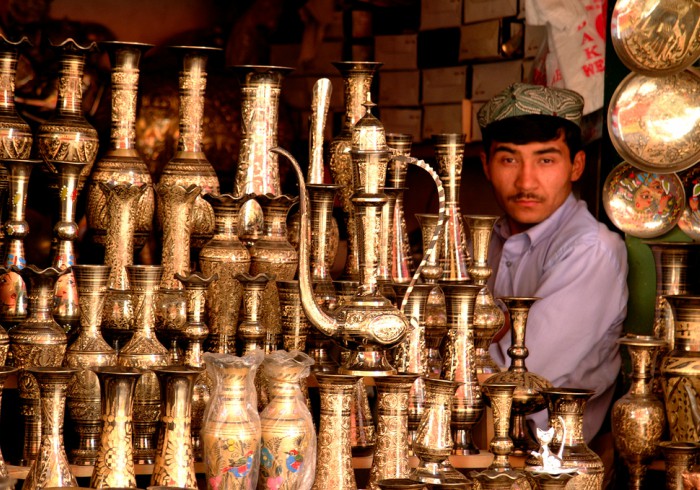
Silk Road in China- Kashgar Bazaar

The quickly disappearing historic town of Kashgar is a must visit, if only for the fact that it may no longer exist in a few years due to rapid economic development. This town is a homage to the bustling section of the Silk Road it once was. It still retains some grandeur in its Id Kah Mosque and the Abakh Khoja Mausoleum, but the vibrant culture of the Silk Road is best preserved in the nooks and crannies of the city’s Grand Bazaar. On a Sunday, see the town transformed to its former glory in the bustling market where you can find rare trinkets side by side with livestock and produce.

Dig even deeper: A three-hour drive from Kashgar is the stunning Karakul Lake. After a day or two spent haggling with the help of your AsiaTravel local guide, the pristine scenery of the lake will offer a tranquil complement to the hubbub of the bazaar.


4 Must-Sees Along the Silk Road in China

RELATED READING: Why You’ll Never Be Bored in Xinjiang

Silk Road in China – Turpan’s Vineyards

The majority of Xinjiang’s population are Uyghur, a predominantly Muslim ethnic minority group. The Uyghur’s religious beliefs affect many aspects of Xinjiang local life including philosophy, architecture and food. In Turpan, try popular dishes such as Da Pan Ji (Big Plate Chicken) or one of the many mutton based delicacies. They pair excellently with the traditional flatbread you are sure to have spotted along your journey. The local wineries are also not to be missed. A distinct rarity in China, this fertile basin in the desert is truly remarkable. AsiaTravel will arrange for you to stop by a local family home and enjoy a picnic in their vineyard.

Dig even deeper: Travel west of Turpan and you will find the ancient ruins of Jiaohe, a stunning archaeological site in the Yarnaz Valley. Jiaohe is the remains of a fortress that is at least 2000 years old.


4 Must-Sees Along the Silk Road in China

Photo credit: emperornie on Visual Hunt / CC BY-SA

RELATED READING: 6 Things You Didn’t Know about Xinjiang

Silk Road in China – Dunhuang’s Mogao Caves

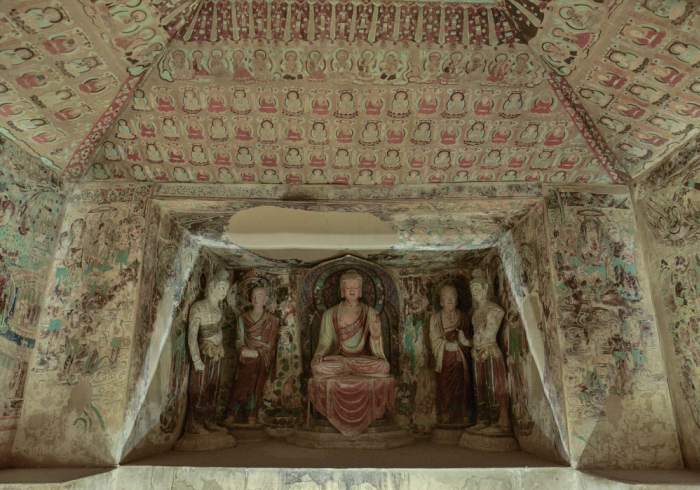
In the fourth century, hermit monks began visiting the Mogao Caves for meditation, worship and to store texts. The monks would carve intricate murals into the walls and as time progressed, they became a religious site of great importance. At the pinnacle of their use, the caves contained tens of thousands of frescoes, paintings, sculptures and terracotta statues.

Excavation of the caves took place over ten centuries – through changing dynasties, economic conditions and even religious views. In this complex of 492 grottoes, you can witness the amazing progression of Buddhism in China through art. The Mogao Grottoes were rediscovered in the 20th century and named a UNESCO World Heritage Site in 1987. On a AsiaTravel tour, we’ll arrange an expert in medieval Buddhist art to give you an insiders’ view of the caves.

Dig even deeper: Discover a particularly surreal side of Chinese landscapes by visiting the Danxia Rainbow Mountains. They’re located just a few hours from Dunhuang.


4 Must-Sees Along the Silk Road in China

Photo credit: Laika ac on Visualhunt / CC BY-SA

RELATED READING: Silk Road Tours: Our Insider’s Guide to the Top Destinations

Silk Road in China – Crescent Moon Lake

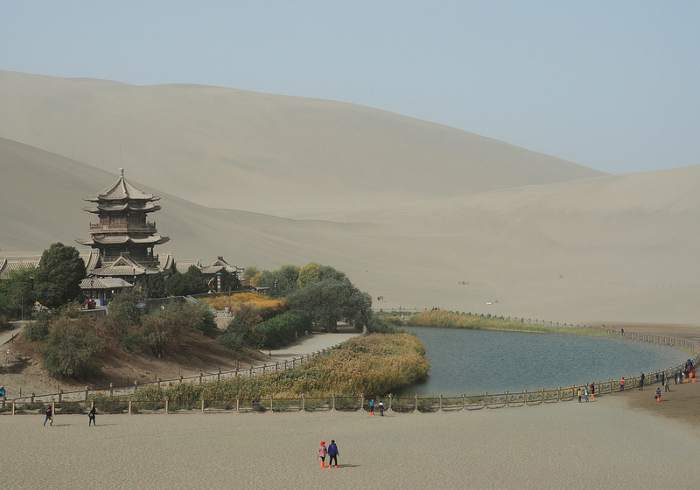
Crescent Moon Lake is a beautiful oasis nestled in the Gobi Desert. It has provided relief for travelers along the Silk Road for thousands of years. On a camel ride around the aptly named lake, you can get a feel for the terrain. You can then find your own oasis here when we arrange a private champagne barbecue nearby.

As you enjoy dinner under the stars, you’ll notice the sand dunes make an interesting whistling sound when the wind blows. During his travels in the region, Marco Polo even nicknamed them, “The Singing Dunes.”

Choosing just four things to represent the immense offerings of the Silk Road in China is a near impossible task. When you travel with AsiaTravel, we’ll perfectly customize your journey to fit your own tastes and interests. Click one of the related trip links below to see what else could await you on your adventure.

Featured Image Photo Credit: Laruse Junior on Visual hunt / CC BY-NC-ND

Luxury Hotels in Shanghai for 2019

You’ll often hear us talking about getting off the beaten path, but that doesn’t mean we don’t indulge in luxury – especially when we’re staying in one of China’s megacities.

Shanghai stands proud as a cosmopolitan outpost of modern China, home to shining skyscrapers contrasting its rich colonial history. With world-leading hotels now dotted all over town, it’s easy to be spoilt for choice when it comes to picking a place to stay. Here are our favorite luxury accommodation choices for 2019.

Luxury Hotels in Shanghai for 2019

Photo courtesy of Bvlgari Shanghai


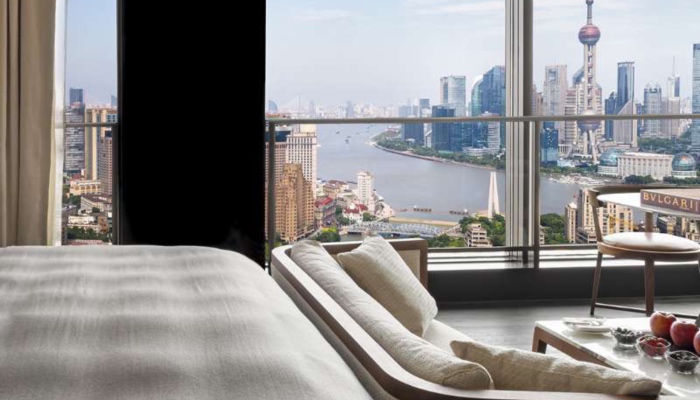
Luxury Hotels in Shanghai: Bvlgari Hotel

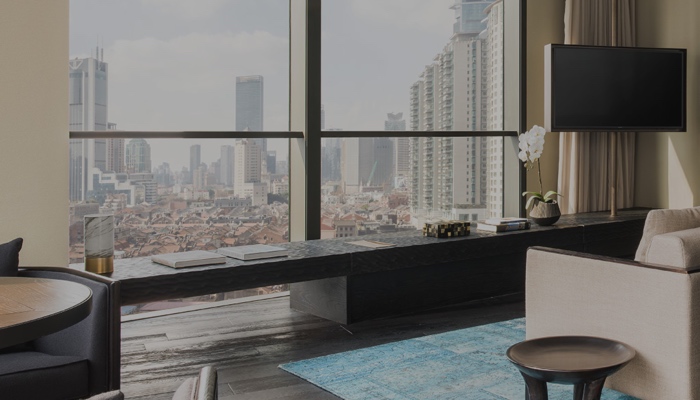
Opening up two hotels in China in the last year, this lifestyle brand has extended East, bringing with it all of the class and luxury of its Italian origins. Harmoniously blending old and new, Bvlgari incorporates Shanghai’s restored chamber of commerce (dating back to 1916) and a 48-story tower – with roof terraces and sweeping views, of course. Situated a mere stone’s throw away from the historic Bund, sip on a cocktail at La Terrazza whilst you admire the iconic Pudong skyline.

STAY FOR: Intimate luxury and sweeping vistas

Luxury Hotels in Shanghai for 2019

Photo courtesy of The Middle House, Shanghai


Luxury Hotels in Shanghai: The Middle House

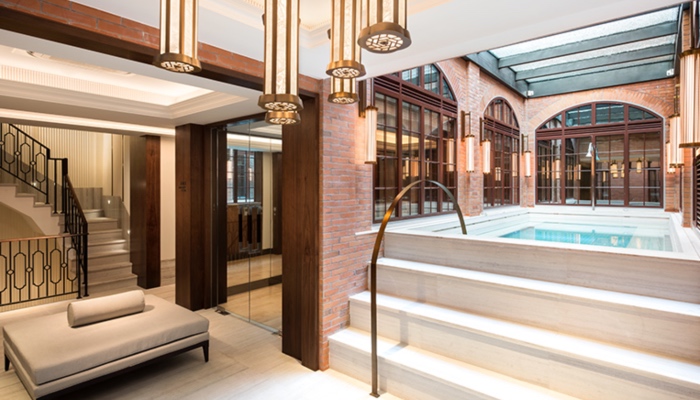
Another recent addition to the Shanghai collection, The Middle House opened its doors earlier in 2018 following the success of its sister hotels in Beijing, Chengdu and Hong Kong. With a superb location in Shanghai’s historic Dazhongli district, The Middle House is quite literally in the middle of the city – a hotspot for shopping, sightseeing, and exploring Shanghai’s rich culinary culture. Once you’ve soaked up as much of the city as your legs can handle, head back and enjoy the Mi Xun spa.

STAY FOR: Being in the thick of it and blissful rejuvenation 

 Luxury Hotels in Shanghai for 2019

Photo courtesy of Capella Shanghai


Luxury Hotels in Shanghai: Capella Shanghai

For those of you looking for something a little different on your next trip to the “Paris of the East”, Capella Shanghai might be the answer. Nestled within a cluster of traditional houses in Shanghai’s Xihui district, Capella has transformed a series of Shanghainese shikumen homes into luxury villas and created a boutique hotel like no other. With a distinct Parisian design flair throughout the property, Capella prides itself in protecting the city’s cultural heritage by finding the perfect blend of history and modernity. Legendary French chef Pierre Gagnaire developed the restaurant’s menu and the simple but authentic French cuisine is the best in town.

STAY FOR: Stylish interiors and culinary distinction

Luxury Hotels in Shanghai for 2019

Photo courtesy of Amanyangyun, Shanghai


Luxury Hotels in Shanghai: Amanyangyun  

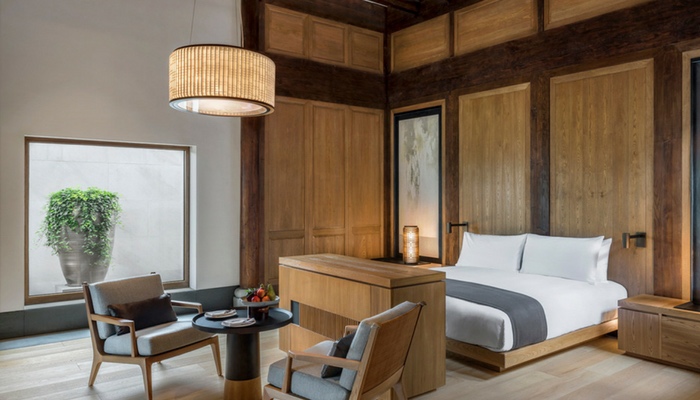
If you’re looking for the relaxation of a country retreat then look no further than Amanyangyun, Aman’s first Shanghai property. Located approximately an hour’s drive from bustling downtown, Amanyangyun enjoys large open spaces filled with nature. With a layout based on restored Ming and Qing dynasty buildings, the retreat offers an authentic Chinese experience, boasting private courtyards and a forest of camphor trees. Amanyangyun emphasizes its relationship with guests and aims to treat them like old friends – offering complete tranquillity and friendly hospitality you’ll be hard pressed to find elsewhere.

STAY FOR: Nature and absolute relaxation

Luxury Hotels in Shanghai for 2019

Photo courtesy of The Peninsula Shanghai


Luxury Hotels in Shanghai: The Peninsula Shanghai

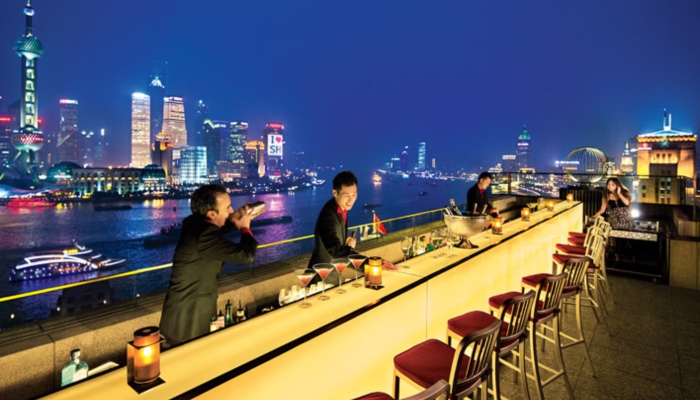
Not a newcomer but a long-time favorite, The Peninsula Shanghai is world renown for unparalleled service and a fine taste for luxury. Being named Shanghai’s Best Hotel in 2017, it’s no surprise that we include The Peninsula on our ‘top hotels in Shanghai’ list every year. The Peninsula boasts two Michelin star-rated restaurants and an indulgent wellness center. The real showstopper, however, has to be Sir Elly’s Terrace, the perfect spot for sundowners with a stunning view over the Shanghai skyline.

STAY FOR: Unrivaled excellence and killer views


Don’t settle for an ordinary trip on your next visit to Shanghai. Get in touch with our experienced trip designers and start crafting a perfectly personalized experience.

24 Hours in Hangzhou

The city of Hangzhou is just a short train ride from Shanghai and makes an excellent extension to any tour. The city’s romantic scenery has inspired poetry throughout the ages and it’s a destination often referred to in China as “heaven” or “paradise” on Earth. Should you find yourself passing through with only a day to spare, here are a few ideas to help you make the most of just 24 hours in heaven, we mean – Hangzhou.

24 Hours in Hangzhou

RELATED READING: How to Choose Between Hangzhou and Suzhou


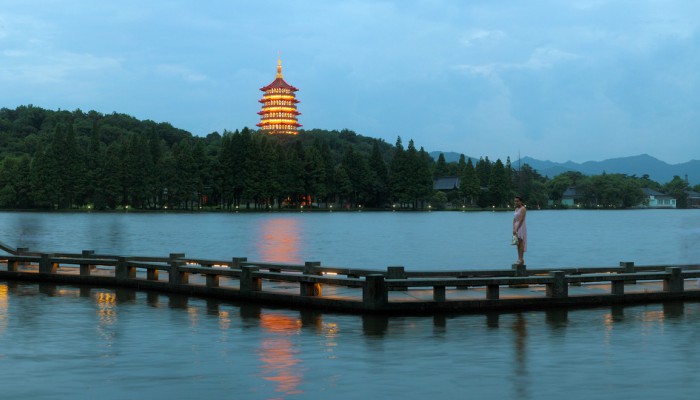
Hangzhou Day Tour – West Lake

Morning to Lunchtime

Hangzhou lies at the end of the Grand Canal which starts in Beijing and flows all the way to West Lake, a placid body of water located in the center of the city. 

In a city that embodies the lake’s traits: calming, peaceful, beautiful, and mellow, it wouldn’t be right to spend your morning rushing around sights and traversing great distances. Slow down to the local pace and let AsiaTravel arrange a private boat with a traditional Chinese musician to accompany you as you drift around and look at the scenery.

From mid-morning until lunchtime, we’ll arrange an excellent insight into daily life when we spend time with the locals who gather each day at the park. As you stroll around the lake, passing by a plethora of activities including people singing, dancing, playing around with Chinese yo-yos, and betting money on games of mahjong, your AsiaTravel guide will help to translate your questions and facilitate conversations.

24 Hours in Hangzhou

RELATED READING: 4 Reasons to Visit Hangzhou and Suzhou in Spring

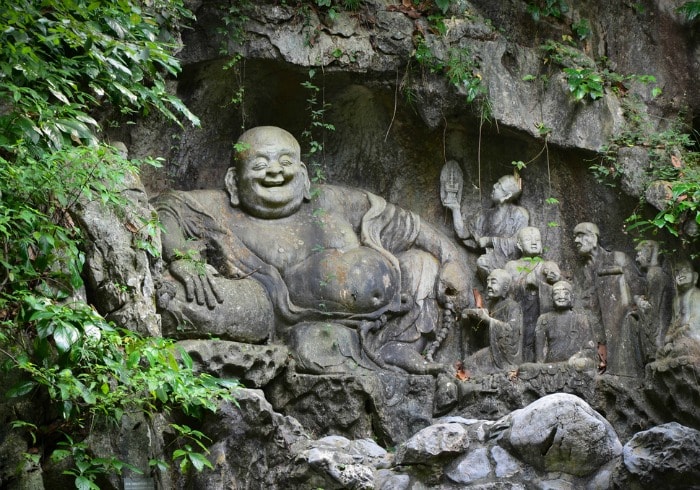
Hangzhou Day Tour – Lingyin Temple

Afternoon

One of the most sacred spots in Hangzhou is Lingyin Temple. The temple has been revered by scholars and artists throughout the ages and, during your afternoon in Hangzhou, we’ll arrange a walking tour around the Lingyin’s serene spiritual sights.

One of China’s most significant Buddhist temples, Lingyin is home to stunning grottoes and cave carvings. It has stood between Feilai and Beigao Mountain since 326AD and is hailed as one of the first Zen Buddhist Temples to exist in China. The afternoon is also the perfect time to relax at a teahouse. It won’t be your average afternoon tea, though. Hangzhou’s specialty is Longjing Green Tea. Originating from Longjing Village (right outside Hangzhou), this tea was a firm favorite of Chinese emperors.

24 Hours in Hangzhou

RELATED READING: The Best Second-Tier Cities to Visit in China

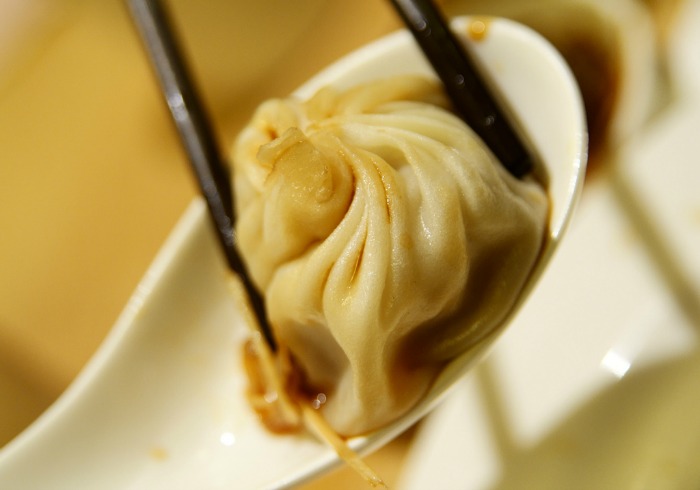
Hangzhou Day Tour – Jiangnan Cuisine

Evening

South of the Yangtze River in the Jiangnan area (which includes Hangzhou, Shanghai, and parts of Jiangsu, Anhui, Jiangxi, and Zhejiang) there is a dish that can only be described as a mouthful of flavor and delight – Xiao Long Bao (小笼包). Although there is uncertainty about whether these little dumplings filled with tender meat and delicious soup hail from Hangzhou, they are certainly not to be missed in this region. Longjing tea isn’t just for drinking either; the dried tea leaves beautifully compliment lightly fried shrimp.

Should you stay into the evening and are looking for a little romance, come back to the water at the Beijing-Hangzhou Grand Canal and take an evening cruise along the river. The Four Seasons and Hyatt Regency are two five-star hotel options situated by West Lake that can make for a luxurious overnight too.


Even with only 24 hours in Hangzhou, you’ll learn why the city was declared by Marco Polo as “the finest, most splendid city of the world.” Our Gastronomic Tour of China gives two whole days to the exploration of the delicate and fresh local Hangzhou cuisine – from market to satisfied stomach.

Jewish Tours of China

With a history of Jewish immigration spanning to the days of the Silk Road, there has been a presence of Judaism in China since the imperial times of the Tang Dynasty (618-907). 

Arriving from Western Asia along ancient trade routes, as well as by sea and via the Trans-Siberian railway, China has often been regarded as a place of sanctuary and prosperity for Jewish people. Sadly, it has also been one of persecution.  Read on to delve deeper into the history of Judaism in China, and find out why AsiaTravel is the only choice when it comes to planning a customized Jewish tour of China.

Jewish Tours of China

Must-Visit City: Harbin

Top of the list and an absolute must-see on any Jewish tour of China is Harbin, an icy city in China’s North-eastern province of Heilongjiang. Harbin is a multicultural hub that has been influenced by an eclectic mix of Russian, Korean, and Mongolian immigrants.

After the Russian Revolution, 20,000 Jews fled and settled in Harbin, creating a well-established community with synagogues, hospitals, and schools. Just meander up and down Central Street, and soak up the sights and smells of an Eastern-European past, with authentic architecture from both the Russian and Jewish communities lining this bustling street. A large majority of the Jewish community left Harbin for Shanghai or abroad during later years. The Harbin New Synagogue has been turned into a museum of Jewish culture.

Jewish Tours of China

Must-Visit City: Shanghai

As well as showcasing an impressive array of glitzy high rises and colonial architecture, Shanghai has also played a considerable part in China’s Jewish history. By the outbreak of the Second World War, Shanghai was the largest sanctuary for European refugees fleeing Nazi persecution. Sadly, it was not long until the Japanese occupation of China forced these refugees to live in a designated area, which later on became known as the Shanghai Ghetto.

In the capable hands of our Jewish expert, Dvir Bargal, you will be transported down the tracks of time and see for yourself the daily lives of Jewish people under these conditions. You’ll gain a deeper appreciation for the ways the Jewish community managed to thrive despite the odds. One such example is the impressive Children’s Palace, once a mansion belonging to a Jewish family from Baghdad that now offers educational and recreational activities for children.

Jewish Tours of China

Why Choose AsiaTravel for Your Jewish Tour of China? 

While Harbin and Shanghai offer up the lion’s share of Jewish culture in China, we’ll also show you other areas of interest, such as the Xiaobailuo District of Tianjin, another area of Jewish resettlement. We think of the practicalities too. We’ll prepare appropriate meals, luxury hotels that are not sky-rises, as well as leisure days for Shabbat.  

Although much of China’s Jewish population left for the US and Australia following the Second World War, remnants of a rich Jewish culture are still to be found within the Middle Kingdom, from tasty snacks to lasting architecture.

Get in touch with one of our experienced travel designers and find out how to rediscover a portion of Jewish history during a trip to this fascinating and diverse country.