4 Best Hotels in Shangri-La

Inspired by the mythical land in James Hilton’s Lost Horizon, the city of Zhongdian officially renamed itself Shangri-La in 2001. And we agree that it’s a great name for this stunning region. Resting on the edge of the Tibetan Plateau, Shangri-La is famed for it’s unprecedented beauty and majesty.

Here at AsiaTravel we make sure your days are filled with authentic, luxury experiences and we don’t want your pleasure to end at your accommodation’s doorway. That’s why we work with the top hotels and resorts across the Middle Kingdom to ensure you’re bathed in the utmost splendor at every turn. 

We also understand that everyone has their own taste and style when it comes to lodgings and that’s why, in each destination we visit, we have a range of options for you to choose from. Let us introduce you to four of our preferred partners in Shangri-La.

Best Hotels in Shangri-La: Homely and Traditional

Songtsam Shangri-La Lodge

4 Best Hotels in Shangri-La

READ THE EXPERIENCE: My Perfect Day in Shangri-La

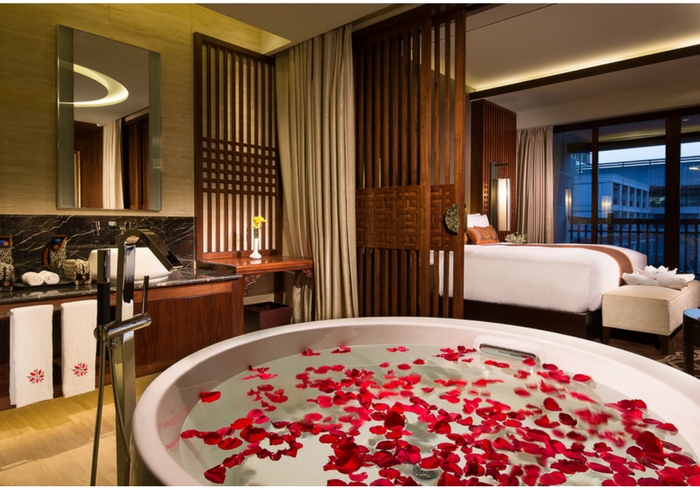
Neighboring the Songzanlin Monastery, the Songtsam Hotel brings you close to the Tibetan way of life. The décor is understated and traditional; helping you to connect with the surrounding village that the founder of the Songtsam Lodges grew up in. It’s evident that this property is close to the heart of the Songtsam brand through the small touches in every room and every stay.

4 Best Hotels in Shangri-La

This unpretentious yet deluxe accommodation won the Trip Advisor Travelers Choice award for 2017 and is set to stay at the top of our list for years to come. If you’d like to plan an itinerary similar to our Fabled Shangri-La journey, booking your tour and accommodation through AsiaTravel will make for a worry-free experience.

What not to miss:

Ride on horseback around the nearby mountains and valleys. The sense of freedom you’ll feel on the back of your mighty steed is ineffable.

Best Hotels in Shangri-La: Authentic Luxury

Songtsam Retreat

4 Best Hotels in Shangri-La

The sister lodging of the Songtsam Shangri-La, The Songtsam Retreat offers the perfect balance of authenticity and luxury. This boutique retreat is nestled in a local Tibetan village and is just a short journey from Diqing Airport. The hand-built hillside lodge is lovingly and thoughtfully merged with its surroundings.

4 Best Hotels in Shangri-La

RELATED READING: The Songtsam Lodges – Retreat into Fabled Shangri-La Valleys

With 75 rooms and a world-class spa, the 21 acres of this resort are enough to house a luxurious portion of this paradise on earth. Enjoy your pick of the Songtsam Lodges, on our AsiaTravel Songtsam Circuit. We work with not just one, but five of the reatreats to provide a unique sensory journey through the Shangri-La valleys.

What not to miss:

Get a Tibetan butter massage in the hotel spa. The health benefits of Tibetan butter are well known in the area and a Tibetan butter massage is said to help your blood circulation.

Best Hotels in Shangri-La: Hideaway Resort & Spa

Banyan Tree Ringha

4 Best Hotels in Shangri-La

This secluded spa and hideaway resort is a celebration of local customs. This resort is the perfect getaway for couples seeking an intimate and romantic haven in paradise.

4 Best Hotels in Shangri-La

Spa treatments are interwoven with local beliefs and hand carved river stones, from the nearby Kopan Monastery, are used in treatments. The Banyan Tree perfectly embodies the AsiaTravel philosophy: authentic flourishes embedded in modern luxury. This is why they’re one of our preferred partners in Shangri-La and we receive special rates when you book through us. Let the experts take this one.

What not to miss:

The “Wisdom Room” is a fully stocked library in the hotel. You’ll get to flick through Tibetan scriptures and try buttermilk tea and mountain walnuts served with organic honey.

Best Hotels in Shangri-La: Modern Magic

Hylandia by Shangri-La

4 Best Hotels in Shangri-La

A new addition to the Shangri-La brand, fittingly opened in the place of its inspiration. In the Hylandia, you will be welcomed to your room with a copy of James Hilton’s Lost Horizon. You’ll also be greeted with vistas of the magical and majestic landscapes described in the book.

4 Best Hotels in Shangri-La

RELATED READING: Venturing Off the Beaten Path in Tibet

Located in the new town but just a short walk from the Old Town, this hotel crafts a union between traditional and modern Tibetan lifestyles. Like the Hylandia, we believe in integrating local customs and modern experiences into a life-changing experiences. Let us do the heavy-lifting and find the hotels that best suit you.

What not to miss:

A Mushroom hunting trek where a local guide teaches you the difference between edible and inedible mushrooms. Afterwards the resort cooks your findings in a hotpot. 

Learn the history of Shangri-La from BBC.

When you book a trip to Shangri-La with AsiaTravel, we make sure you’ll rest easy no matter where you stay. We take all the hassle out of booking your hotel and you’ll take advantage of our preferred partner rates. Get started planning your trip to Shangri-La by talking with one of our expert travel designers.


Islamic Architecture in China: 4 Stunning Cities

In 652 AD, Muslim traders and diplomats brought the religion of Islam to China. Today, China boasts a Muslim population of over 23 million and there are 35,000 mosques scattered throughout the vast country. Islamic influence can be found everywhere, from the bustling cities of Beijing and Shanghai to the wild western regions of Xinjiang.

Islamic architecture in China is as rich and varied as the country itself. In China’s desert region of Xinjiang, mosques are built in the more traditional Middle Eastern style, with towering domes and minarets. In China’s more populated east, however, mosques eschew domes in favor of a more traditional style of Chinese architecture. Symmetrically designed, eastern mosques more closely resemble buddhist Pagodas, in the hopes of blending in and winning acceptance from the native population.

From the Great Mosque in Xian through Urumqi and into remotest Xinjiang, this article will briefly introduce you to the style and varieties of Islamic architecture that await your discovery in China. On a AsiaTravel journey, you can customize your tour to swing by these fascinating relics of cultural fusion.

Xi’an – the Oldest Mosque

Islamic Architecture in China: 4 Stunning Cities

RELATED READING: 5 Best Dishes in Xi’an

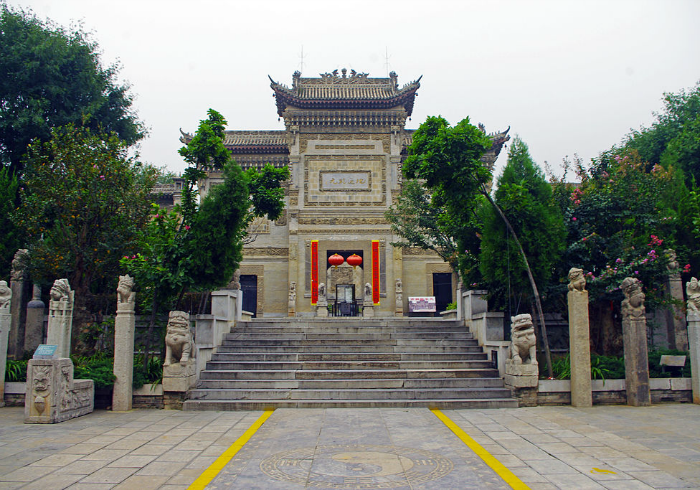
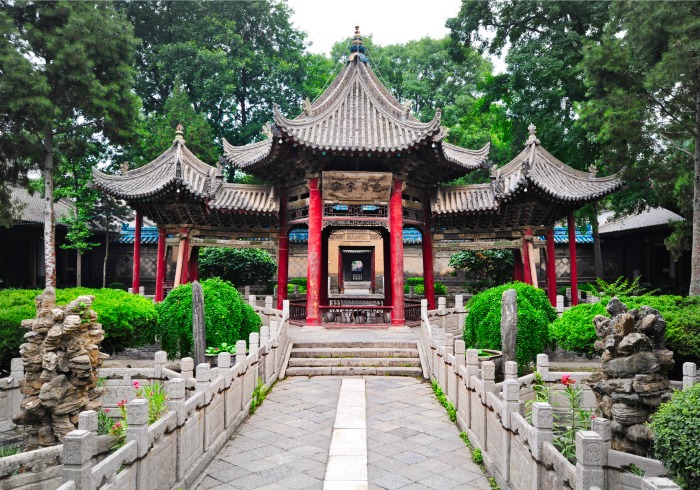
Built during the Tang Dynasty in 742 AD, Xi’an’s Great Mosque is the oldest in China. Constructed in the Chinese style to blend in with existing places of worship, the Great Mosque is almost devoid of the traditional features of a Middle Eastern place of worship. It has no dome, nor traditional minarets, and, aside from some Arabic decorations, little to distinguish its faith of origin.

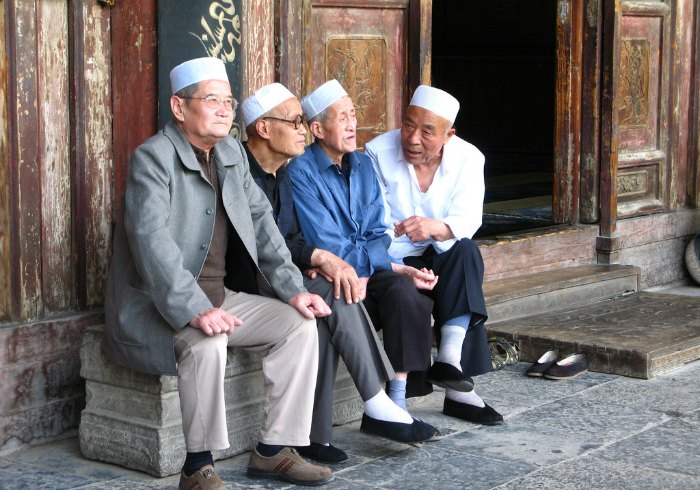
Today the Great Mosque remains a place of worship for Xi’an’s Chinese speaking Hui minority. Five times a day the Imam calls the local Muslim population to prayer and they travel from the far reaches of the city to gather on the mosque’s carpeted floors. Men and women are separated in accordance with Muslim tradition. 

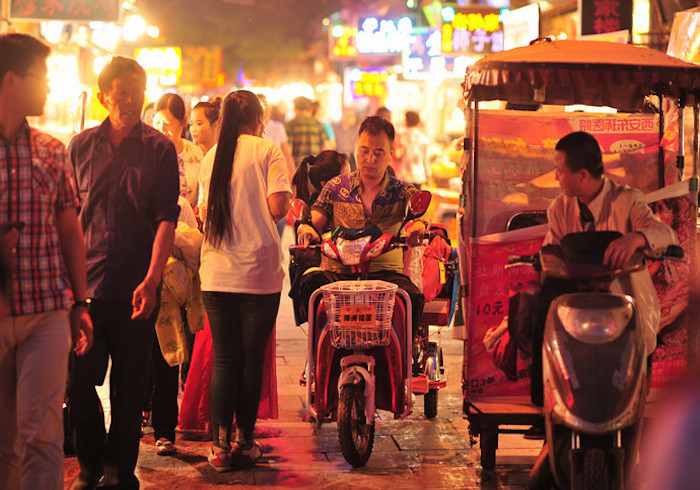
On a WildChia tour to Xi’an, we’ll organize an exclusive audience with the Great Mosque’s Imam. You’ll be free to openly discuss and ask questions about this unique point in Xi’an’s cultural heritage. The Muslim Quarter in Xi’an will also be a highlight where you’ll discover fragrant food stalls and a lively minority culture that celebrates its Islamic heritage.

Already feeling tantalized by the idea of Muslim food? Check out our blog post about the Five Best Dishes in Xi’an. Learn more about our Xi’an tours and get started speaking with a travel designer today.

Urumqi – Where East and West Collide

Islamic Architecture in China: 4 Stunning Cities

Photo credit: Alexandra Boulton

Visit Xinjiang in Northwest China, and you’ll discover China’s largest Islamic population. The provincial capital, Urumqi, is the biggest city in the region and also the most Chinese in style. Many of the city’s mosques are built of wood and maintain the square, symmetrical structure of a pagoda. Others, like the Uighur Beytullah Mosque, are adorned with minarets and domes, not unlike those you would find further west in Saudi Arabia.

Your local AsiaTravel guide will show you around the city’s mosques, giving you insider information about their history and current uses. Today Urumqi is an important land and air travel hub. Before striking out along the Silk Road to Turpan or Kashgar, be sure to visit the legendary Tarim mummies in Urumqi Museum, perhaps jaunt out to the picturesque Heavenly Lake, and get your mutton fix at one of many Central Asian-style kebab vendors. Curious about the capital of Xinjiang? Learn more about the region in our blog post: 6 Things You Didn’t Know about Xinjiang. 

Turpan – The Tallest Minaret in China

Islamic Architecture in China: 4 Stunning Cities

Photo credit: Alexandra Boulton

RELATED READING: Turpan: 5 Things to Do in China’s Death Valley

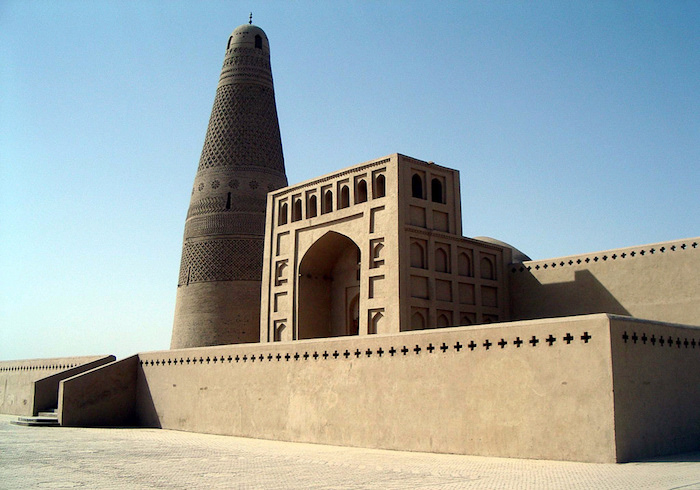
Beside the Uighur mosque in Turpan, a township to the east of Urumqi, towers the Emin Minaret or Imin Ta. Standing at a dizzying 44 meters (144 feet) in height it is the tallest minaret in China. It was constructed in 1777, and although the emperor at the time didn’t live to see it completed, the Emin Minaret stands as a monument to cooperation between Han Chinese and the native Uyghur ethnic group.

The Emin Minaret is an eye-catching blend of Chinese and Islamic architecture. On a AsiaTravel tour of Turpan, we’ll arrange for you to travel by bicycle and get a real feel for the architecture, culture, and people. Get to know more about Turpan in our blog post.

Kashgar – The Largest Mosque in China

Islamic Architecture in China: 4 Stunning Cities

Photo credit: Alexandra Boulton

In the ancient city of Kashgar, you’ll find China’s biggest and busiest mosque. The Id Kah Mosque has room for as many as 20,000 worshippers. It was built in 1442 and has a long and storied history. During the Chinese civil war in the 1930s, for example, it was the site of two beheadings as various groups vied for power.

5 kilometers to the North East of Kashgar, you’ll find the Afāq Khoja Mausoleum, the holiest muslim site in Xinjiang. Built in 1640, the centerpiece of the mausoleum is a giant 17 meter doom bordered by four elaborately decorated minarets.

Islamic Architecture in China: 4 Stunning Cities

Photo credit: Alexandra Boulton

RELATED READING: 6 Things You Didn’t Know about Xinjiang

Around Kashgar’s vibrant streets, your AsiaTravel guide can lead you down alleyways and into private homes where you’ll be able to speak to locals directly. While there, witness the art of hand-pulled noodles and try making some for yourself. You’ll be surprised at the rich experiences that await just around the corner of these backroads. Get to know more about Kashgar in our Silk Road Tours: Our Insider’s Guide to the Top Destinations blog post. 

Learn more about Islamic architecture here: Mosques and Islamic Identities in China

Many of China’s Islamic sites lie along the famous Silk Road, the ancient trading route that connected China to Europe. Explore this region and follow in the footsteps of Marco Polo, as you discover some of the most storied and exotic sites in the country. Learn more about our Marco Polo’s Silk Road journey.

Into the Unexpected with AsiaTravel’s Small Group Tours

Whether your ideal China vacation consists of sampling every dumpling under the sun, connecting with your spiritual side in Tibetan monasteries, or experiencing the intersection of Central and East Asia in China’s far-flung western provinces, AsiaTravel’s small group tours have got you covered.

Our small group trips, capped at 12 people each, give you the opportunity to experience the Middle Kingdom with friends and like-minded travelers, without sacrificing the individualized attention provided by the AsiaTravel guides along the way. 

Into the Unexpected with AsiaTravel’s Small Group Tours

Mountains and Monasteries

On our Soul of Tibet small group tour, you’ll venture deep into the heart of Tibet. Beginning in the capital, Lhasa, travelers will experience firsthand the awe-inspiring immensity of the Potala Palace, the Dalai Lama’s former palace looming over the city. Ringed by Himalayan peaks, the azure waters of Yamdrok Tso Lake accompany travelers as they head west towards Gyantse. Nestled high amongst the mountains, visitors will experience the Palkhor Monastery, witnessing monks engaged in lively theological debates as they wander through the centuries-old halls of the monastery.

While taking in all these spiritual sights, you can also have close-up and authentic interactions with local people. On our small group tour, you’ll have the chance to learn about Tibetan medicine, an ancient form of medicine based on Buddha’s teachings, by stopping by an old Tibetan pharmacy. Here, the medicine man will give you an assessment of how traditional cures can salve all your ailments.

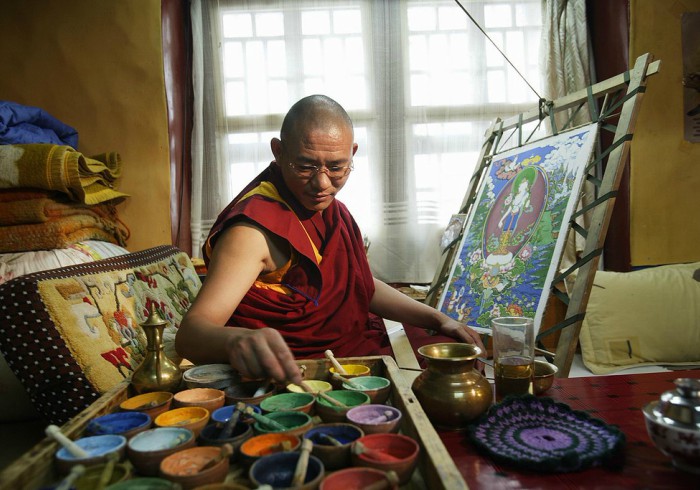
Your AsiaTravel guide can then help you learn about thangka, a colorful Tibetan Buddhist form of painting. You’ll be able to witness monks engaging in this delicate art form and even take a crack at it yourself.

RELATED READING: Do I Need A Permit to Travel to Tibet?

Into the Unexpected with AsiaTravel’s Small Group Tours

From Hotpot to Kebabs

Just as Italian food is totally different from German cuisine, the food found in the Muslim communities of western China bears practically no resemblance to the dumplings of Shanghai. The sheer volume of different cuisines can be overwhelming for visitors to China; however, AsiaTravel has enlisted the brilliant culinary mind of Fuchsia Dunlop to create a carefully curated foodie expedition across five different Chinese provinces.

On our Gastronomic Tour of China with Fuchsia Dunlop, Fuchsia herself will lead you on a culinary voyage across the diverse samplings of Middle Kingdom cuisine. You will sample world-famous Peking Duck in Beijing, the cumin-scented lamb kebabs of Xi’an, Sichuan’s mouth-numbing hotpot, and many others, with each restaurant and dish carefully selected by Fuchsia Dunlop, publisher of five books on Chinese cuisine.

Aside from sampling all the delicious food, you’ll also have the chance to engage in some mouthwatering activities. In the quiet Longjing Village near Hangzhou, you’ll be able to learn the process of making China’s most famous drink in a tea plantation. While in Xi’an, you’ll be able to stroll through the bustling streets and stalls of the Muslim Quarter while sampling the delectable curbside barbecues. Food and fun – all led by one of the world’s leading experts in Chinese cuisine. Who could ask for anything more for you foodies out there?

RELATED READING: Best Chinese Food in China – A City by City Guide

Into the Unexpected with AsiaTravel’s Small Group Tours

By Pravit (Own work) via Wikimedia Commons

Tread in the Footsteps of Marco Polo

Marco Polo is regarded as the first explorer to introduce the exotic, unique culture of China to the west. Travelers on AsiaTravel’s Marco Polo’s Silk Road small group tour will retrace the steps of this trailblazer, walking in his footsteps along the famed Silk Road. Beginning in Kashgar, visitors will experience a Chinese city with a distinctly Central Asian flavor, evidenced by the swirling colors of the Sunday Bazaar and the looming spires of the Id Kah mosque. Venturing across the Taklamakan Desert, explorers will witness the cherry-red Flaming Mountains, illuminated against a backdrop of swirling desert sands. Also on the agenda are the Mingsha Sand Dunes, nicknamed “the rumbling sands” by Marco Polo for the sounds they make in the whistling desert wind.

Amid all this cross-cultural splendor, our AsiaTravel guides will be sure to give you a taste of the true Silk Road. You’ll be invited to enjoy a traditional Uighur dinner with a local family where you can sample some of the region’s best flavors. As usual, we also love to give our travelers exclusive access and this extends to our Silk Road tour. At the Mogao Caves, we’ll connect you with the director of the site who’ll give you an expert tour.

RELATED READING: Five Things to Do in Turpan, China’s Death Valley

Into the Unexpected with AsiaTravel’s Small Group Tours

Yunnan with a Side of Ham

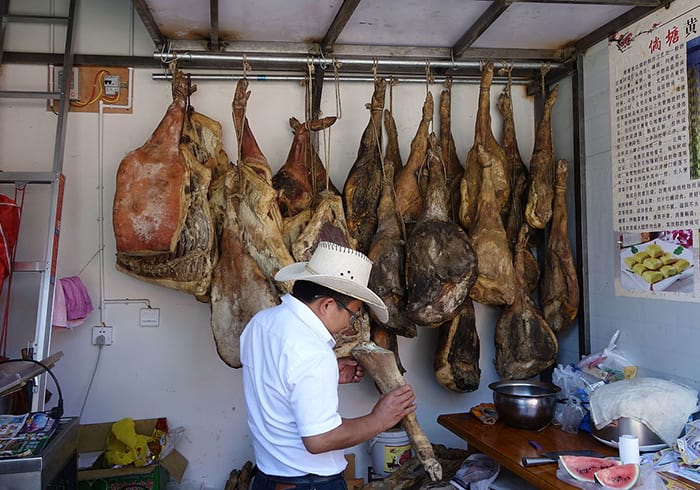
AsiaTravel Founder Mei Zhang’s book, Travels through Dali: with a leg of ham, chronicles her return to her hometown, Dali, a historic city at the fringes of the Himalayas. Famed for its unique cuisine, Dali lies in the heart of Yunnan province, a region whose food is influenced by its shared borders with Myanmar, Vietnam and Laos.

On our Travels through Dali: with a leg of ham expert-led tour, travelers will retrace the steps taken by Mei Zhang, led by the author herself, sampling Yunnan’s famed ham and exploring the off-beaten-path areas of these Himalayan foothills. Mei Zhang will guide you through every turn while she gives you an inside peek into the best that Yunnan has to offer.

Of course, Yunnan’s special ham is only the start of the show on this voyage, so Mei will take you to the farm of Mr Yang Xuegong and see ham in its different stages of curing. And luckily for you, ham isn’t the only delicacy around Dali. You’ll also get a chance to visit a local cheesemaker who will teach you the craft of making cheese – an artisanal process that first came to Dali through the Mongolians many centuries ago. Believe us, your tastebuds will thank you if you join our Travels through Dali small group tour.

RELATED READING: A Foodie’s Yunnan Voyage

AsiaTravel’s small group tours offer intrepid China explorers the opportunity to experience carefully curated trips around a variety of regions in this vast, culturally-rich country.  Whether you are excited by the thought of sampling Sichuan hotpot in the city of Chengdu or experiencing the otherworldly scenery of the Taklamakan Desert, there is a AsiaTravel small group tour for you!

Beijing Day Tours: How to Spend 72 Hours or Less in Beijing

Layover passengers in Beijing can get a hassle-free 72 hour tourism visa upon arrival at Beijing Capital Airport. This policy opens up a wealth of options for those short on time to get a rich and authentic taste of China’s historical and political capital. It’s time to make the most of one of our Beijing day tours.

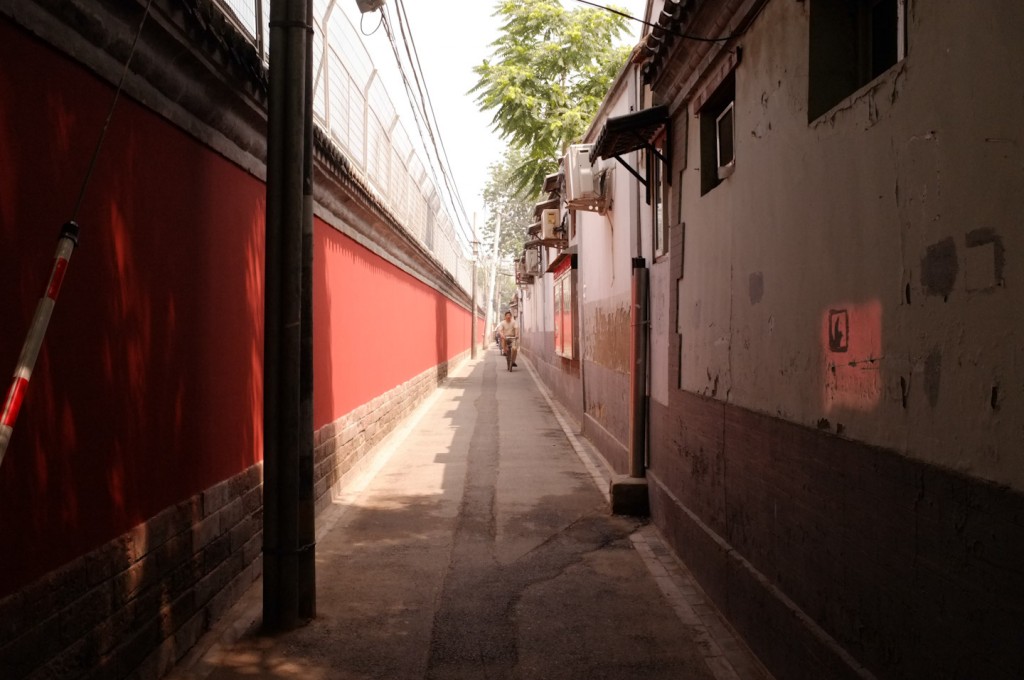
Beijing’s rich past collides head-on with China’s explosive modernization, giving the city different flavors at every corner – from quiet, peach blossom shadowed zhuqiang walls to ultra-modern buildings like the eccentrically shaped CCTV tower.

Although sprawling, the majority of Beijing’s main attractions lie along the “Central Axis.” This reflects Chinese philosophical emphasis on the center and also making discovery convenient for the traveler. We know it might still seem overwhelming to visit such a big city on such limited time, but we’re here to help.

Even if you only have 12 hours in Beijing, it’s a city worth leaving the airport and exploring. Here is how we would spend 12, 24, 48 or 72 hours in China’s stunning capital.

Beijing Day Tours: How to Spend 72 Hours or Less in Beijing

Kyle Obermann

12 Hours:

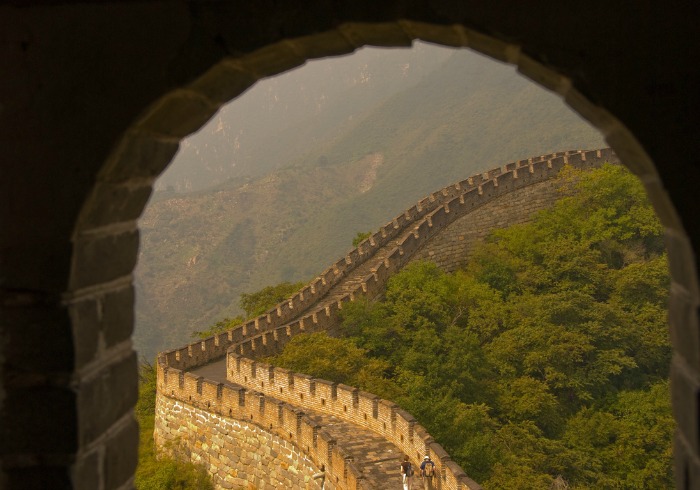
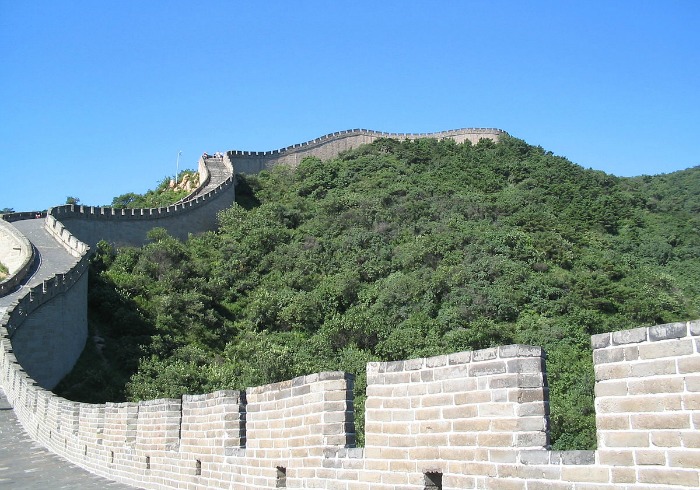
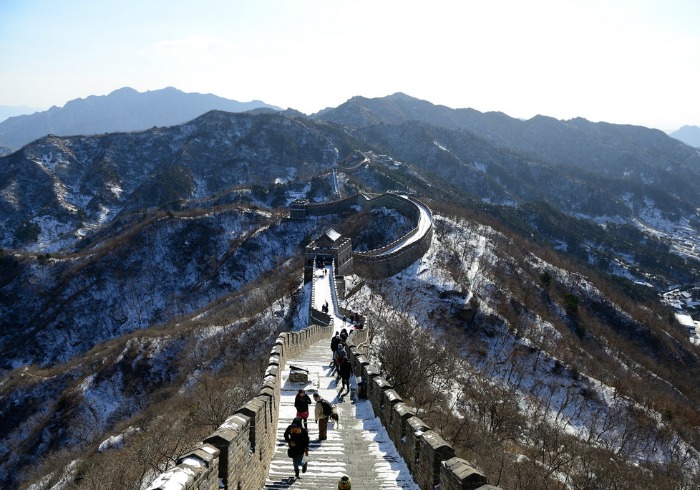
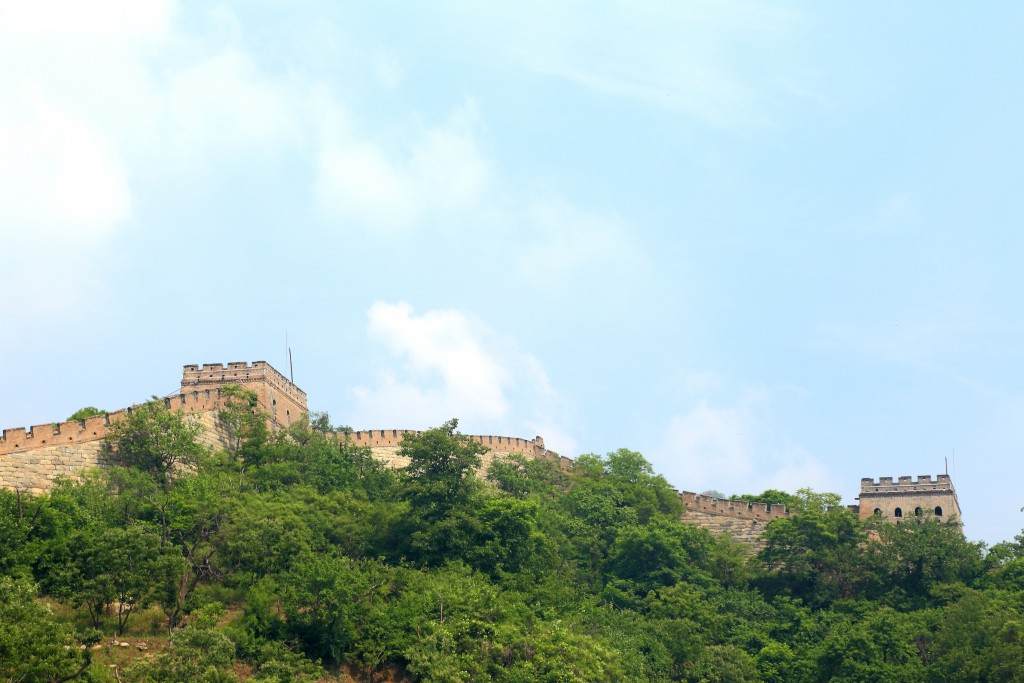
If you have a 12-hour layover in Beijing, you might as well mark one of the seven wonders of the world off your bucket list. Twelve hours is plenty of time to leave the airport and visit the Great Wall of China. Travel with AsiaTravel and we can arrange a VIP airport pick-up. We’ll then whisk you off to the Great Wall with our local guide who can share the stories of this historical monument. Best of all, we’re experts at beating the crowds! Depending on your itinerary, we can even arrange a champagne picnic or helicopter tour for a truly exclusive experience.

RELATED READING: How to Make the Most of a Trip to the Great Wall

24 Hours:

You’ll begin the day with birdsong at the very southern tip of Beijing’s Central Axis in the Temple of Heaven. After exploring the wooden 15th Century Ming architecture, enjoy the unforgettable privilege of practicing taiji with a master amidst the surrounding pine forest.

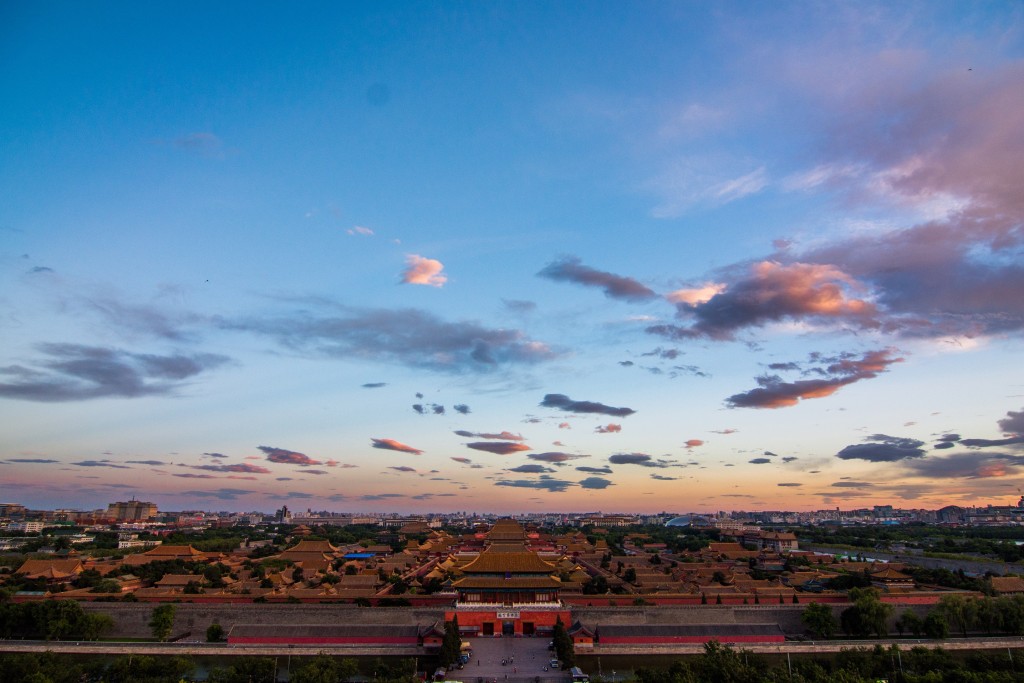
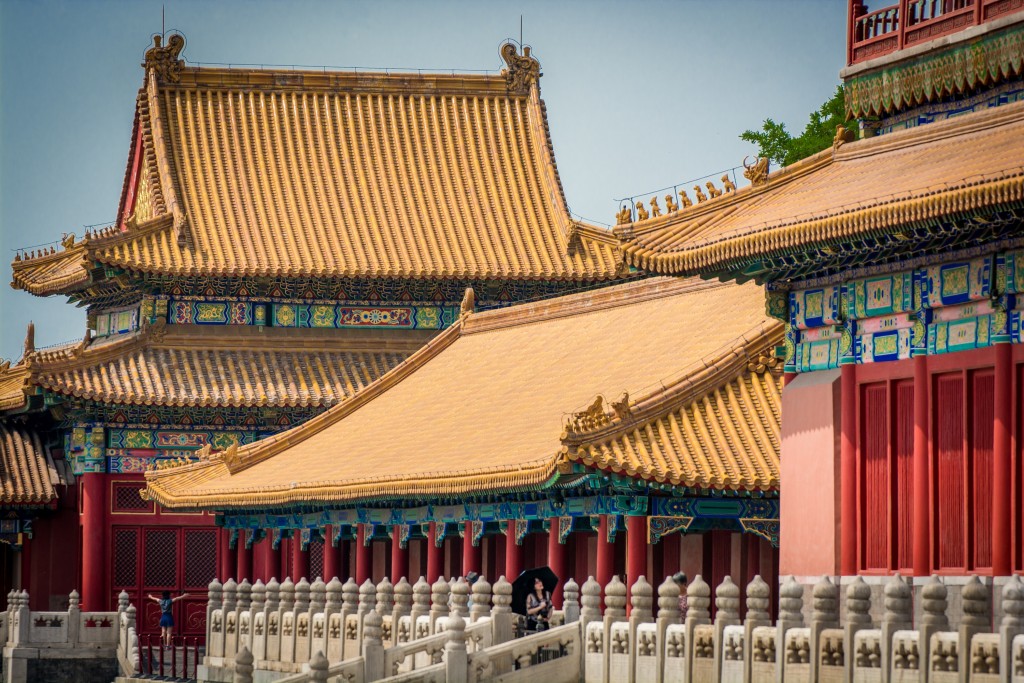
After this refreshing morning it’s time head off and explore Beijing’s most famous attraction, the Forbidden City. It’s difficult to escape the crowds when encountering the world’s largest ancient palace, but our AsiaTravel guide will get you exclusive access to view the Chonghua Palace, one of only sections of the Forbidden City that is actually still forbidden to the public. You’ll get the rare chance to glimpse the painted gold floors of the palace where Emperor Qianlong once met with government officials and held tea banquets each Lunar New Year.

Beijing Day Tours: How to Spend 72 Hours or Less in Beijing

Kyle Obermann

As your footsteps echo off these lonely, perfectly preserved walls and ornate wooden beams, you’ll have the peace of mind and space to explore the untainted architecture and design of the Forbidden City while privately secluded from the jostling commotion outside – much the same feeling as the Qianlong Emperor would have had when he rested here centuries before.

When your time at Chonghua ends, we’ll take you on a walkabout of Beiing’s historic hutong neighborhoods where perfectly preserved courtyard homes hide secret delights. They claim the very heart of the city and serve as the heart of the local people as well. Residents preserve their traditional ways of life against a rapidly modernizing backdrop of skyscrapers and car-filled streets.  Join the last remains of old, residential Beijing the same way locals do – on bicycle – and take your time to explore the area and its maze of surprising diversity.

RELATED READING: Beijing by Bike, One Wild Ride

Here you can discover a unique sense of old-style Beijing harmony. You’ll hear the sharp clack of metallic bells and a familiar sales-pitch-cry signals the arrival of a modao shifu – a knife sharpener – selling his services. Behind the drying quilts flapping briskly in the breeze an animated group of retired neighbors will be immersed in a game of mahjong, and we’ll even introduce you to an old cricket fighter who’ll teach you the ancient sport of fighting (and gambling) on cricket fights.

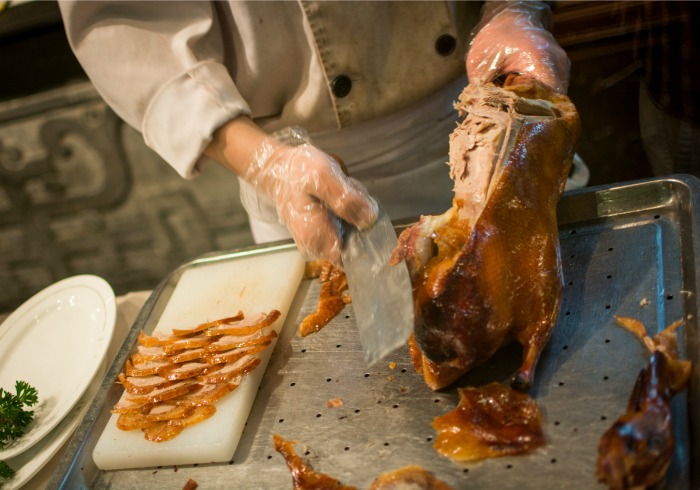
After all this excitement, a savory dinner of famous Peking Duck awaits you at one Beijing’s oldest restaurants.

Beijing Day Tours: How to Spend 72 Hours or Less in Beijing

48 Hours:

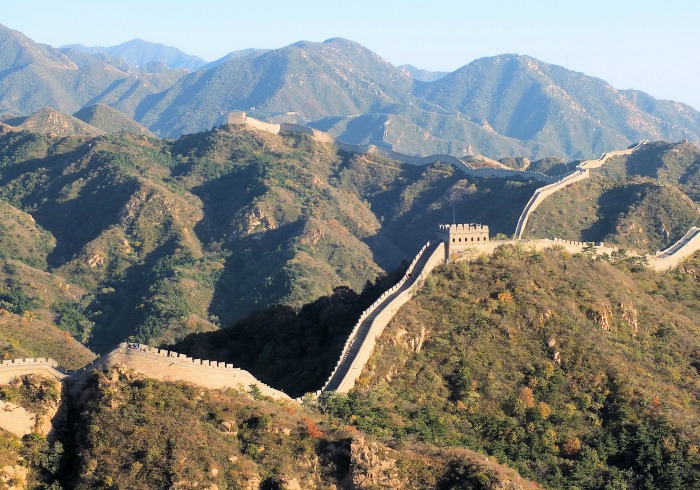
After a mild cup of artesian coffee, our guide and driver will meet you in the lobby of your hotel ready to travel north. Today we’ll go beyond the central axis 40 miles to the Yanshan Mountains. Here,  the only Beijing landmark bigger than the Forbidden City uncoils itself 5000 miles into the eternal expanse westward: the Great Wall.

Beijing Day Tours: How to Spend 72 Hours or Less in Beijing

C.J. Wang Flickr

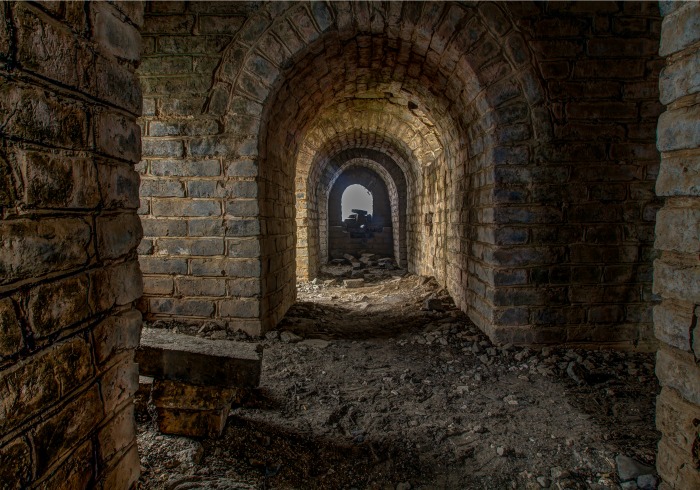
Today is your chance to relive history from the point of view of the laborers and soldiers who toiled to defend the Forbidden City’s treasures. The Mutianyu section of the Great Wall is the largest restored section. You can climb the stairs or ride a cable car up to elegant heights peaked by strings of ancient 16th century watch towers.

At noon we’ll stop on one of these towers for a picnic complete with a glass of softly chilled champagne. From this vantage point, iconic vistas of the Great Wall weaving through the aspen and oak forested Yanshan Mountains ripple into the horizon on all sides. As you finish your meal and prepare to descend, don’t forget to put the camera down and reflect on the scale of history beneath your feet.

RELATED READING: 5 (Alternative) Must-Sees in Beijing

Our expert local guides and drivers will help you beat the traffic and take you back into the city with plenty of time for afternoon tea at the Aman. We can arrange a high-society afternoon where you’ll get access to an exclusive entrance to the Summer Palace – a temple and lake complex where the emperor would send his favorite concubines during the summer. 

In the evening, reward your tired body and mind with a customized spa treatment at Rosewood’s traditional and organic Sense Spa.

72 Hours:

Kick off your last day with a traditional cooking class. You’ll get the opportunity to step into a local residence and try your hand at making local dumplings as well as browse market stalls overflowing with unfamiliar vegetables and spices. These savory delights will have you wishing you can spend even more time in this scrumptious city!

Beijing Day Tours: How to Spend 72 Hours or Less in Beijing

Hutong Lane
Indi Samarajiva via Flickr

In the afternoon, AsiaTravel’s contemporary art expert Wai Wai will lead you through the illustrious galleries and museums that comprise the ultra-hip 798 art district. Made up of old East German factories that have been converted into contemporary art spaces, 798 has put Beijing on the map as a major art mecca. Wai Wai can introduce you to gallery owners and museum managers to give you the inside scoop on Beijing’s contemporary art scene. 

RELATED READING: 6 Chinese Artists Who Aren’t Ai Weiwei

Whilst your chatting with artists, there’ll be no need to keep checking your watch. Your AsiaTravel guide will know the exact time you need to leave for the airport. He’ll make sure you arrive for your flight in plenty of time and stay with you to help check in your luggage.

Even if you only have a short time in the city, Beijing’s a veritable feast for all five senses. Take advantage of your 72 hour transit visa, and drink in all the city has to offer.

Only have 72 hours in Beijing? Even if you’re short on time, we have a wide variety of day tours that feature Beijing. You can combine our Hutong Day Tour, Imperial Beijing Day Tour, or Great Wall Day Tour for an itinerary similar to this one. If you have plenty of time, we’d also suggest our Chinese Treasures small group tour where you can experience all that China has to offer with ease and comfort.  

Xian Tours: More than Terracotta Warriors

When people travel to Xi’an, they’re often familiar with the iconic Terracotta warriors, the food of the Muslim District, and the Giant Wild Goose Pagoda that stands over the city. Sure, we all know and love what you’ll get on typical Xi’an tours, but have you ever wondered what hidden gems most travelers overlook? We’ve got just the ticket! On AsiaTravel journeys, we make sure to hit all the famous must-sees, and we like to add a razzle-dazzle of unique activities. See what you can do on one of our Xian tours.
 

Xian Tours: More than Terracotta Warriors

RELATED READING: 5 Best Dishes in Xian

The Angsana Hotel Hot Springs

This luxurious hotel is a 5-minute walk away from the local hot springs. With over 20 kinds of pools, each with their own theme, you’ll be hard-pressed to explore them all on a weekend retreat. The hotel staff are knowledgeable, and the price is on-par with those in downtown Xi’an.

If you’re planning on visiting the Terracotta Warriors it’s a good idea to stay here the night before, as it is closer than the city. Close by you’ll also find the HuaQing Palace, where the Emperor of the Tang Dynasty wintered under the majesty of the Lishan Mountain. The Palace is also the location for “The Song of Everlasting Sorrow,” mentioned below. Book your room through us and we’ll make sure that entrance to the hot springs is included. All you’ll need to think about is which pool to try first.

Xian Tours: More than Terracotta Warriors

RELATED READING: Islamic Architecture in China – 4 Stunning Cities

Speaking with an Imam at a Local Mosque

Xi’an is home to 60,000 ethnic Chinese Muslims and has a long history, stretching back 1,300 years. As the point of origin for the ancient Silk Road, Muslim traders have been traveling through the city for millenia. There are many mosques throughout Xi’an, though one of the more notable is the Great Mosque, which houses more than twenty buildings in five courtyards, spread over 12,000 square meters.

In these mosques, Imams lead prayers 5 times a day, and provide wisdom from both Ancient China and the Muslim tradition. When you plan your trip to the Great Mosque with AsiaTravel , we’ll introduce you to an Imam who will impart insight upon you.

Xian Tours: More than Terracotta Warriors

RELATED READING: Our Insider’s Guide to the Best Destinations Along the Silk Road

Xi’an Guanzhong Folk Art Museum

To immerse visitors in the lengthy history of the area, the owner of the Guanzhong Folk Art Museum has collected various pieces of folk art from the area surrounding Shaanxi Province. They even went so far as to buy and relocate entire estates with painstaking detail, which can make it appear more like a village than a museum.

Roaming from building to building, you will feel like you are peering through time into China’s rich history. To fully appreciate this location, you will need to be well-rested, and sporting comfortable footwear for the amount of walking it requires.

Xian Tours: More than Terracotta Warriors

Photo Credit: David Poh
RELATED READING: 11 Jaw-Dropping Performances to Watch Around China

The Song of Everlasting Sorrow

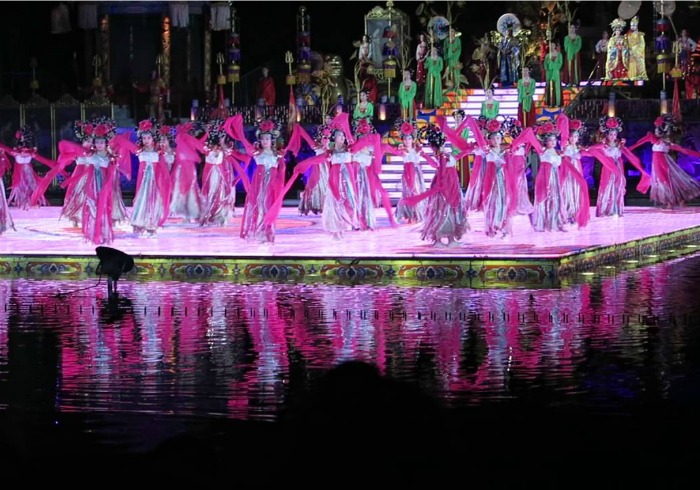
Though the name implies something heartbreaking, this theatrical show is a must-see event. The story chronicles a pair of star-crossed lovers with world-class costumes and scenes that integrate the surrounding mountains. AsiaTravel can get you VIP tickets to this breathtaking performance. The Song of Everlasting Sorrow is performed in the Huaqing Palace, just a stone’s throw from the Angsana Hotel. At the Palace, you will be met at the gate by guides, who will bring you to a private room. Servers will deliver multiple (up to 9) courses over the span of the performance, explaining each dish as they arrive. Whether you’re alone, on a date, or traveling as a group, this is an experience you’re sure to remember for years to come.

As you can see, Xi’an has more to offer than only the Terracotta Soldiers, making it well-worth staying in town for a couple of days. We have a number of journeys that make a stop in Xi’an where you can literally “soak” in all the alternative sights of this city. Take a look at our journeys that visit Xi’an, and let’s start planning your trip today.


Why You’ll Never Be Bored In Xinjiang

There are 55 officially recognized ethnic minorities in China, although you might not notice if you only stay in big cities like Beijing or Shanghai. If you really want to get a taste of the diverse peoples who make up China, you should journey to the outermost reaches of China’s borders: Xinjiang. 

Where else in China can you see both Turkic-looking Uyghurs, blond blue-eyed Tajiks, mosques and Zoroastrian temples, coexisting alongside each other? Every day in Xinjiang will allow you to hear a new language, taste a new cuisine, and meet different people.  

So, why is Xinjiang so diverse?

It has a lot to do with size and location…

It borders on 8 countries, namely Mongolia, Russia, Kazakhstan, Kyrgyzstan, Tajikistan, Afghanistan, Pakistan, and India. Being so central, it was once the buzzing heart of the Silk Road, a network of trading routes linking Asia, Europe and Africa.

Why You’ll Never Be Bored In Xinjiang

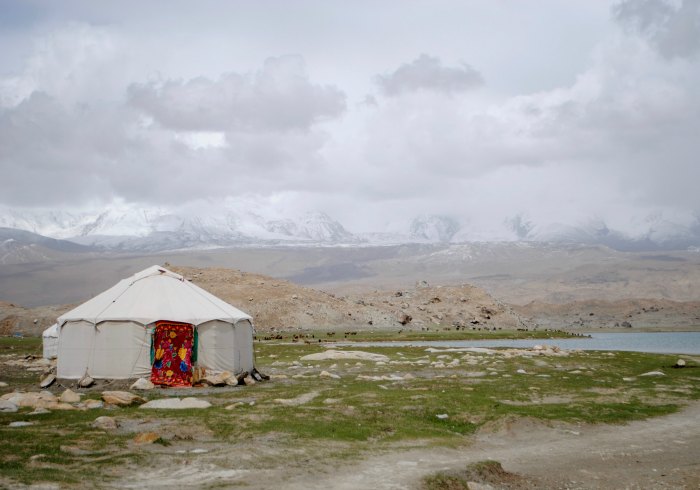
Kyrgyz yurt by Karakul Lake (Photo by Alexandra Boulton)

RELATED READING: 6 Things You Didn’t Know About Xinjiang

It’s as big as France and the ethnic landscape changes a lot as you travel hundreds of miles, deep into Xinjiang. From its architecture, Urumqi could be any large Chinese city and most dwellers are Han, but travel on to Kashgar, which is mostly Uyghur, and you’ll figure out why Xinjiang’s full name is the Xinjiang Uyghur Autonomous Region.

There are 21 million inhabitants, making it more populous than many European countries, such as Belgium, Sweden, or the Netherlands. This is a new development though – a century ago the population hovered at just a few million, but waves of government-led Han migration have led the population to skyrocket to its current figure.

How about languages? What will you hear people speaking in Xinjiang?

There are over 40 languages spoken in Xinjiang. To give you an idea of the diversity we’re talking about, here’s a snapshot of three languages, from three different linguistic families, which aren’t spoken anywhere but in China.

Uyghur (Turkic family)

Uyghur is the Turkic language spoken by ethnic Uyghurs. If you’ve ever been to Turkey, the Uyghur language might sound familiar to you. Being closely related to Turkish, the two languages share a lot of vocabulary, although Uyghur uses the Arabic script.

Why You’ll Never Be Bored In Xinjiang

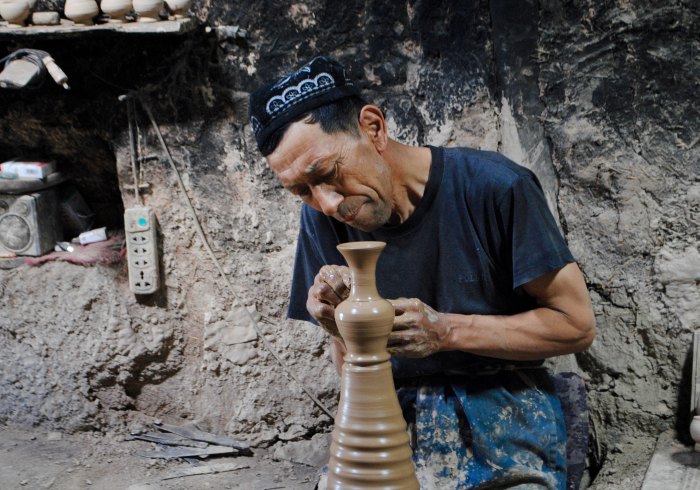
Uyghur master potter at work, Kashgar (Photo by Alexandra Boulton)

RELATED READING: Our Insider’s Guide to Our Silk Road Destinations

Mandarin (Sino-Tibetan)

This, along with Uyghur, is the official language of Xinjiang. As you push west to the boundaries of Xinjiang, you’ll find fewer people speaking Mandarin, even to the point that might sometimes find English more effective to communicate with.

Why You’ll Never Be Bored In Xinjiang

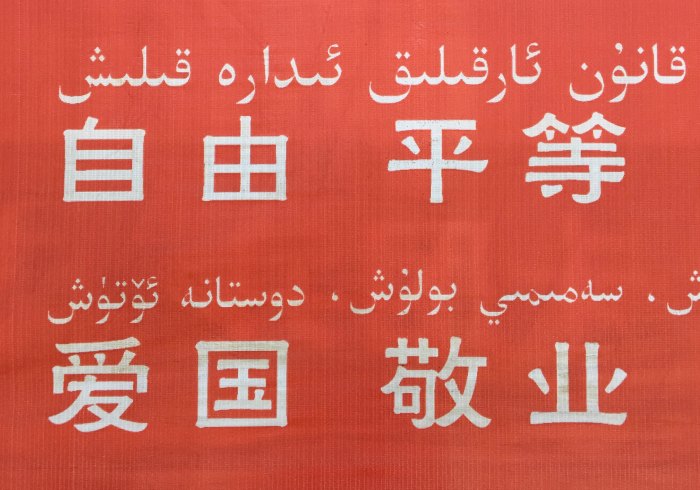
Arabic script and Chinese characters side by side on a propaganda poster (Photo by Alexandra Boulton)

RELATED READING: China’s Secret Foodie Destination

And one for fun…

Sarikoli (Indo-European)

This language is spoken only by Tajiks in China (about 35,000) and has no official written form. If you want to hear this rare language, head down the Karakorum Highway to Tashkurgan.

Why You’ll Never Be Bored In Xinjiang

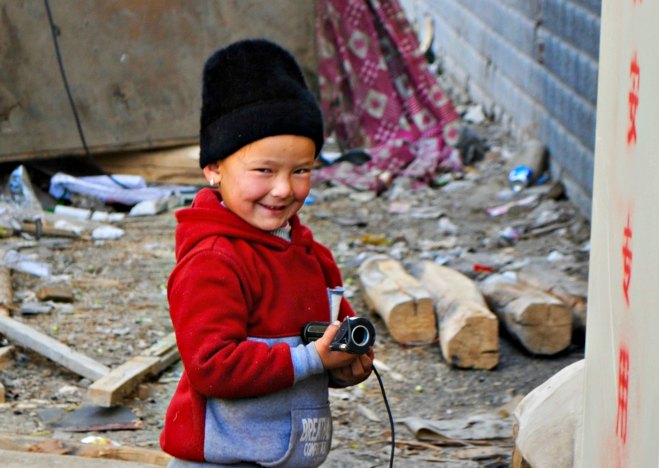
Tajik child, Tashkurgan (Photo by Alexandra Boulton)

RELATED READING: Out West in China’s Rugged Xinjiang Province

Who Has Lived in Xinjiang?

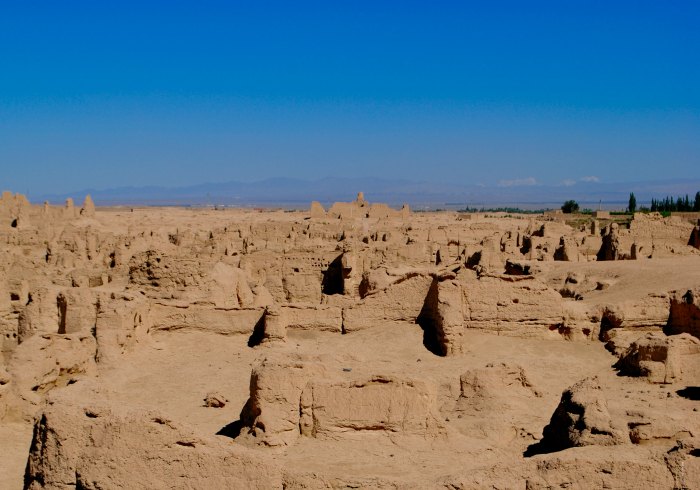
Over the millennia, civilizations have grown in, migrated to, traded with, and invaded the region now called Xinjiang. and different peoples have migrated to and from the area. But they’ve left traces which remain to this day, like the ruins of Jiaohe, a town built by Indo-European Tocharians. Or the Beauty of Loulan: a Europoid mummy around 4000 years old, with clothes, hair, and even eyelashes, all preserved.

Why You’ll Never Be Bored In Xinjiang

Jiaohe Ruins, Turpan (Photo by Alexandra Boulton)

RELATED READING: Islamic Architecture in China – 4 Stunning Cities

The Silk Road didn’t just convey people and goods, it also carried ideas and religions, a legacy of diversity which remains to this day: in the Tuyuq Valley, you can see a Muslim holy site as well as a grotto filled with Buddhist art.  

Why You’ll Never Be Bored In Xinjiang

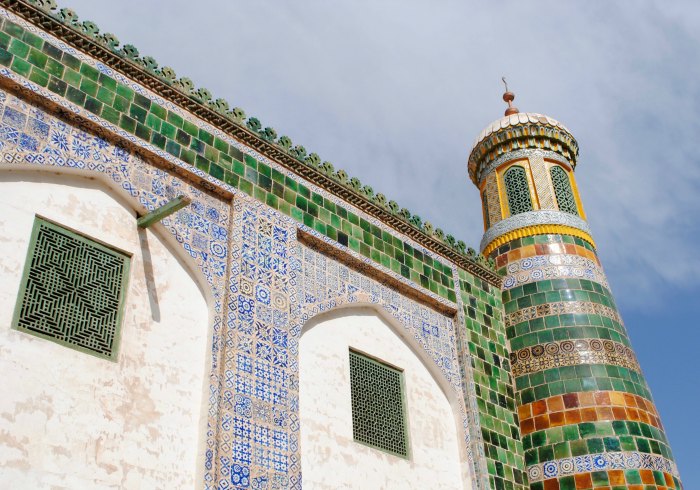
Apak Khoja Mausoleum, Kashgar (Photo by Alexandra Boulton)

This type of cultural fusion is one of the region’s signature attractions. All in all, Xinjiang is a treasure trove of people, history, and culture that is completely unique in China. The melting pot of the Silk Road has created a diverse region waiting for an intrepid adventurer like you, akin to Marco Polo, to explore its spellbinding terrain.

– 

If you’d like to experience Xinjiang’s diversity for yourself, and visit places we recommend in this post, have a look at our Marco Polo’s Silk Road and Northern Xinjiang journeys. 

Top 5 Things to Do around Dali and Lijiang

Yunnan Province—which literally means “South of the Clouds” due to its location just south of the Tibetan Plateau—is home to verdant low-lying valleys, spectacular white-capped mountains, rustic towns and villages, and a lively mix of ethnic minority communities.

Dali and Lijiang are two of our favorite destinations in this province and they are great to visit all year round. Within driving distance of these two small cities alone, you can partake in customs by a myriad of ethnic minority groups, including the Bai, Yi, and Naxi people, and experience some of the most diverse ecology and terrain in China.

Ready to explore? Here are five of our favorite activities in the area.

Making Rushan Cheese with a Local Farmer

Top 5 Things to Do around Dali and LijiangPhoto Credit: Elizabeth Phung (Travels through Dali with a Leg of Ham)
RELATED READING:
A Foodie’s Yunnan Voyage

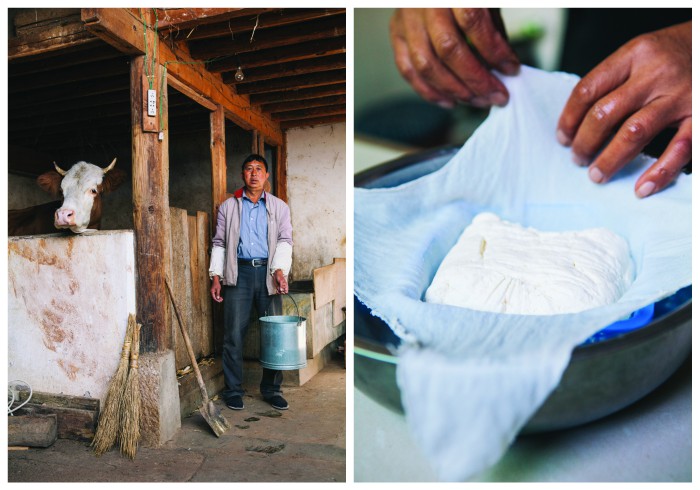
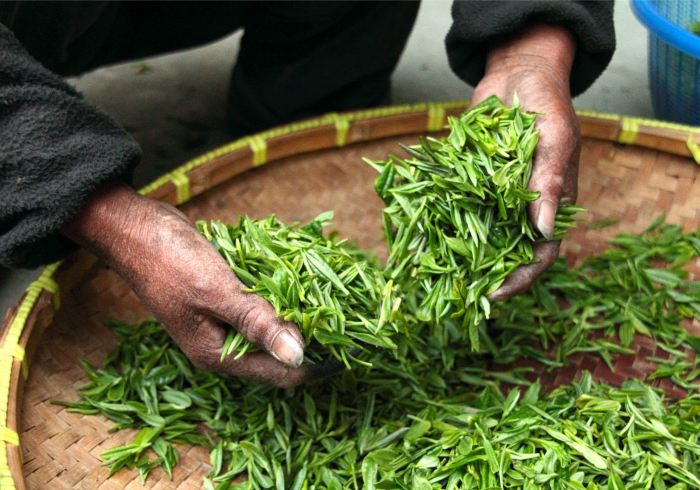
Rushan Cheese is a part of Dali’s unique culinary culture. The literal translation is “milk fan” and it is a cow’s milk cheese made by the Bai minority people. Of the over 1.5 million Bai minority people who live in China, over eighty percent make their home around Dali and their distinct culture has a strong influence on the region. Rushan is a flat cheese which can be fried or grilled and rolled up on a stick for a typical Yunnan treat. 

On the streets, local people like to add flavor and Rushan Cheese is often served with honey, chocolate syrup, fruit jam or sweetened condensed milk. On a AsiaTravel journey, you’ll have the opportunity to learn the traditional methods of making Rushan Cheese with a local farmer turned cheesemonger. As you wait for your delicious cheese snack to cool, chat with the cheesemaker’s wife as she stitches cloth shoes.

In AsiaTravel founder and CEO Mei Zhang’s travelogue and recipe book, Travels through Dali: with a leg of ham, you’ll hear about Mei’s personal encounter with this farmer and he’s even shared a few delicious recipes to try your hand at.

Enjoying a Bai Three-Cup Tea Ceremony

Top 5 Things to Do around Dali and Lijiang

RELATED READING: AsiaTravel CEO and Dali-native Mei Zhang’s Insider Tips to Dali

Again in Dali, the three cup tea ceremony is a tradition of the Bai ethnic group. This ceremony helps to impart the Bai philosophy about how to lead a balanced life. Often performed at marriages and festivals, this ceremony is an important way in which the Bai people honor guests. 

As one might expect, the Bai three-cup tea ceremony comes in three courses of different teas. The first course has a bitter taste. A high quality green tea from Dali is baked in a pottery jar and boiling water is added. The tea is ready to drink when the water has changed to an amber color. The bitter taste reflects that bitterness has to be endured in life to find its true meaning.

The second course is sweeter (to symbolize the nicer things in life) and is served with brown sugar, walnuts, and goat’s cheese seasonings. Finally the third course is the “aftertaste tea”, which is served in a bowl rather than a cup. The locals add pepper, ginger and cinnamon to represent the mix of experiences found in life. There will be time to reflect upon life with your tea and converse with the three-cup tea ceremony hosts.

Selecting Fresh Produce with Auntie Cheng
Top 5 Things to Do around Dali and Lijiang

Photo Credit: Elizabeth Phung (Travels through Dali with a Leg of Ham)
RELATED READING:
Yunnan Food According to Mei Zhang

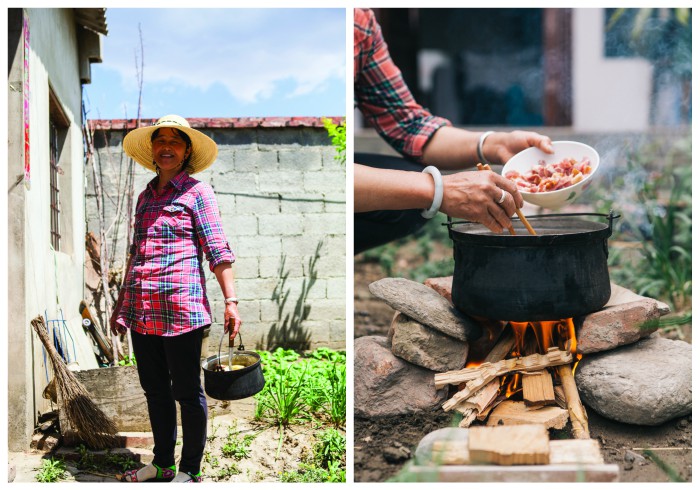
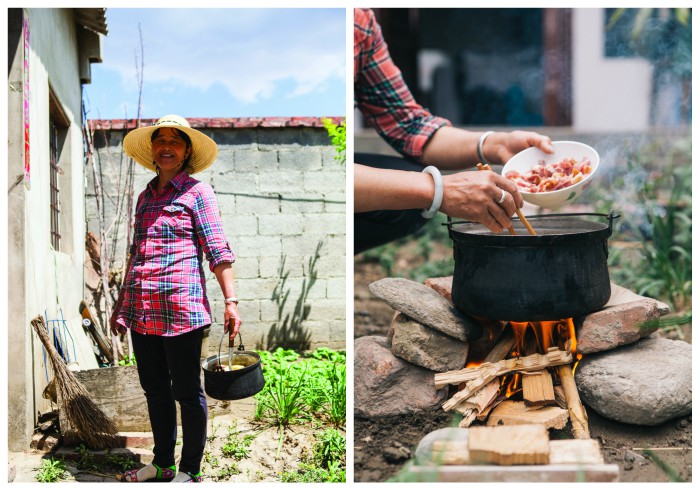
In Dali, we love to pair you with the darling Auntie Cheng, our CEO and founder Mei Zhang’s personal “ayi” in her hometown. An “ayi,” literally translated to mean Auntie, is a traditional Chinese custom of a woman who helps a family with cooking, cleaning, and childcare.

Auntie Cheng will take you to local markets to buy authentic, fresh and local produce. You’ll then return to her home to help her prepare a delicious lunch over a courtyard stove. With Auntie Cheng, you can learn how to properly enjoy the results of your morning’s shopping and cooking according to local custom. Help make a meal and then help eat it – seems like a fair trade off!

Encounter a Village Shaman

Top 5 Things to Do around Dali and Lijiang

Photo Credit: Anthony Tache
RELATED READING:
5 Off-the-Beaten Track Destinations in China

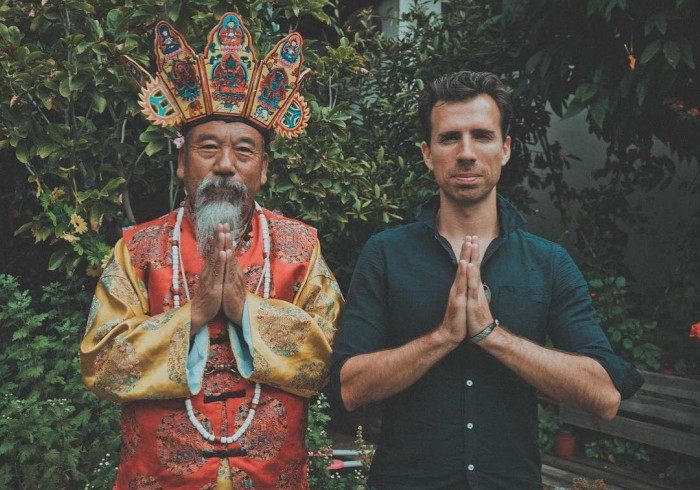
In the Jade Snow Mountain Range, thirty Yi families preserve the ways of their ancestors. Another ethnic minority group of the Yunnan area, the Yi people practice a form of animism led by a a shaman. The village shaman, or Bimo, will welcome you to his village and share his perspective on local life, the challenges posed by development and his animist faith, a religion that predates the arrival of Buddhism in China.

The Bimo is a sacred hereditary office held by one family over centuries. The incumbent is a well-respected scholar who mediates tribal disputes and presides over Yi ceremonies. Your discussion will continue over lunch, which will include “Yi French fries” (pan-fried sliced potatoes), after which the Bimo will conduct a blessing ceremony and pray for your safe travels. This unique experience offers insight into not only their culture but the living history of the Yi people. 


Dinner Party with Local Naxi Ethnic Minority People

Top 5 Things to Do around Dali and Lijiang

RELATED READING: Get a Taste of Local Life in Yunnan’s Minority Villages

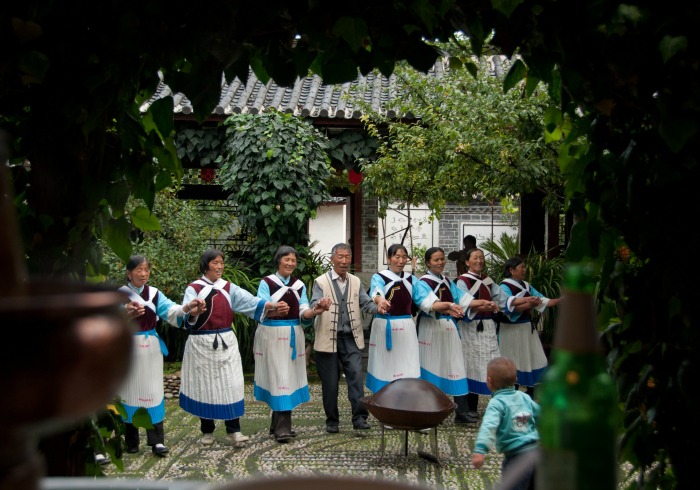
A dinner party is always fun and the Naxi ethnic minority folks from Lijiang are an excellent choice of hosts. Agriculture is the main occupation of the Naxi people, with the chief crops consisting of rice, maize, wheat, potatoes, beans and hemp. There will be plenty of food on the table – and since cotton is also an important local crop, there will be a chance to admire the indigenous dress too.

Your local AsiaTravel guide will help you swap stories and folklore with your hosts in their local dialect and you’ll walk away with a deep understanding of this unique cultural heritage. What a treat!

With its rich artisanal culture and ethnic minority heritage, Dali, Lijiang, and the nearby villages are a great place to slow-down and enjoy the simple things in life: food and budding friendships. There are regular flights to both destinations from most major cities in China but if you have time, we always recommend visiting both. You can start in Dali and drive the 2 hours to Lijiang. You’ll not only be treated to some stunning scenery but you’ll get to stop in Shaxi market town along the way.

We have a number of journeys that will take you to the heart of Yunnan, including a special trip in 2018 led by AsiaTravel founder Mei Zhang. Take a look at our journeys to Dali and Lijiang.

Visit These 5 Hot Destinations in China for 2018 (Before the Rest of the World Catches On)

Things are shaping up for 2018 to be one of the best years to travel to China yet. From recent economic activity shining a new light on ancient crossroads of cultures to UNESCO designating new sights of natural and cultural heritage on distant plateaus, attention is turning to the Middle Kingdom as a great place to visit.

If you’re thinking of visiting China next year, here are five hot destinations to consider. And the best news? We offer knowledgeable local guides and authentic experiences in every one! These are the hottest destinations in China for 2018.

The Silk Road

Visit These 5 Hot Destinations in China for 2018 (Before the Rest of the World Catches On)

The Silk Road hit the headlines this year thanks to the “One Belt, One Road” project also known as The Belt and Road Initiative (BRI). With talk of new and improved trade routes being developed across Asia, much attention has turned to the belt’s ancient roots.

An expansive route leading from China to Europe, travelers along the ancient Silk Road traded much more than sought after goods, they shared religions, foods, languages, and cultures.  Remnants of the ancient Silk Road are still very much alive in China’s northwest and 2018 is the year to see them. Be sure to visit Dunhuang’s Mogao Caves, a system of grottoes that present the largest collection of Buddhist fresco art in the world, and hear fascinating stories of travelers past during a private sunset BBQ in the Taklamakan Desert.

RELATED READING: The Mogao Caves and Other Top Dunhuang Attractions

Tibet

Visit These 5 Hot Destinations in China for 2018 (Before the Rest of the World Catches On)

Tibet is a mysterious region of China and in 2017, AsiaTravel’s Director of Sales set off to research and develop a brand new series of experiences in the region. These will all be ready to go for the 2018 Tibet travel season. On a AsiaTravel tour of Tibet you can now get a health check from a Tibetan medicine master and try your hand at thangka, a Tibetan Buddhist painting on cotton or silk that often depict the life of the Buddha or other deities.

The new Songstam Lhasa Hotel will be also be fully completed and ready for your stay. If you’re visiting Tibet’s second largest urban area, Shigatse (a base from which you can explore Mount Everest), a new Tibetan Boutique Hotel has just opened there that we would highly recommend.

RELATED READING: Peek Inside the New Songtsam Lhasa

Shanghai’s Art Scene

Visit These 5 Hot Destinations in China for 2018 (Before the Rest of the World Catches On)

Shanghai has a fast-growing reputation as a leading art capital in China. The city was even recently praised by Conde Nast Traveler as being ‘the place to be’ for contemporary art lovers.

Two art districts, M50 and Tianzifang, are home to small galleries and the workshops of China’s youngest generation of artists. We just brought on board a new Shanghai contemporary art expert so now is a great time to explore this unexpected side to the city.

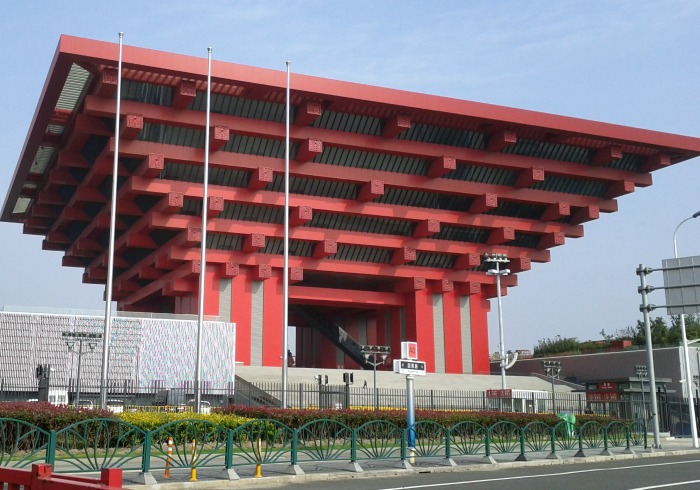
Every two years, Shanghai hosts an art Biennale and the next one will kick off in the Fall of 2018.  The Biennale will be hosted in Shanghai’s iconic China Art Museum (pictured above) and is not to be missed.

RELATED READING: 5 Alternative Must-Sees in Shanghai

Dali

Visit These 5 Hot Destinations in China for 2018 (Before the Rest of the World Catches On)

China’s Yunnan Province is famous for being home to most of the country’s 55 ethnic minorities as well as some incredible natural scenery. Recently though, it’s been the region’s cuisine that everyone is talking about. Highly-acclaimed Vogue magazine declared that Yunnan Cuisine is about to sweep the U.S. so 2018 is definitely the year to visit and try the food at its origin.

Even better, founder and CEO Mei Zhang will lead an expert-led foodies tour to the region in December 2018. Don’t miss out on your space on this exclusive change to jump into the pages of Mei’s first book Travels Through Dali: with a leg of ham.

RELATED READING: AsiaTravel founder and Dali-native Mei Zhang’s Insider Tips to Dali

Hoh Xil

Visit These 5 Hot Destinations in China for 2018 (Before the Rest of the World Catches On)

China’s eastern province of Qinghai is famous for its breath-taking scenery – and arguably Hoh Xil is one of the last untouched natural landscapes in the world. It should now remain that way after recently gaining UNESCO World Natural Heritage status as the largest and highest plateau on earth. Wildlife thrives on the plateau which is home to over 230 species of wild animals including wild yaks, donkeys, Tibetan antelopes, eagles and rare fish.

If this sounds rather off the beaten track, it is! Historically foreign passport holders weren’t allowed to visit the plateau but with the help of some AsiaTravel exclusive access magic, we’ve just finished designing our first trip to the region.

With all these destinations making waves in the travel world, it’s no wonder Lonely Planet named China one of their top ten countries to visit in 2018. Why not come see what all the buzz is about?

If you want to break free of the cookie-cutter experience and visit thrilling destinations like the ones above, let’s start planning your trip. 

The Best Second-Tier Cities in China to Visit

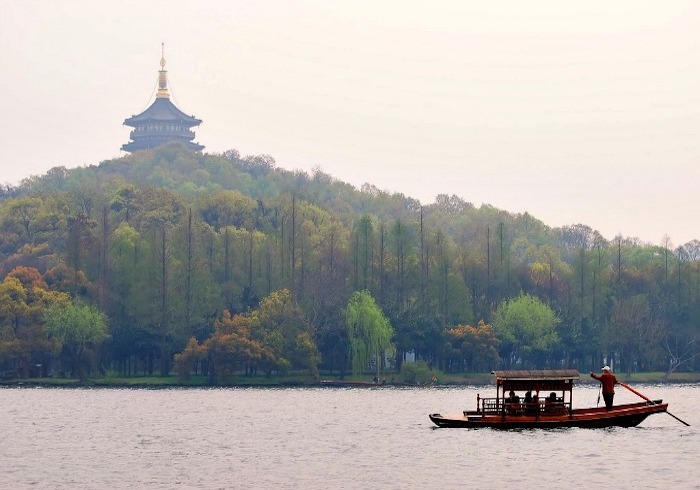
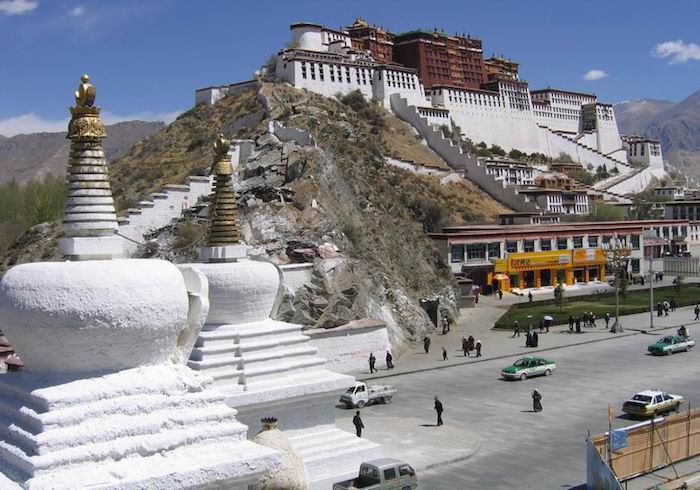
While they may be beyond the bright lights and popular sights of Beijing and Shanghai, a handful of second-tier cities in China pulse with unique character and flare; offering first-tier attractions, including the world’s largest Giant Panda reserve, the foreboding Terracotta Army, the glistening Potala Palace, and the dreamlike West Lake.

Let’s take a look at why some of the country’s second-tier cities should be part of your next China getaway.

The Best Second-Tier Cities in China to Visit

Chengdu

With multiple airlines now offering direct flights from the US to Chengdu, visiting has never been easier. The capital of southwest China’s Sichuan province, Chengdu is renowned for its quaint teahouse culture, volcanic cuisine and possibly the world’s cutest national icon – the Giant Panda.

Chengdu has earned its stripes as a UNESCO City of Gastronomy, so plunge right in with mouth-numbing specialties including Sichuan hotpot, kung pao chicken and mapo tofu, then kick back in one of the city’s low-key teahouses.

The Best Second-Tier Cities in China to Visit

Source: Martha via Flickr 

If you’re looking to dive a little deeper, don’t miss getting your ears cleaned (yes, you heard correct), whilst watching a Sichuan “face-changing” opera, or ask your AsiaTravel guide to arrange a mahjong lesson with the local players in People’s Park.

China’s unmistakable national icon – the giant panda – also call Sichuan home. Located within Chengdu city, the Giant Panda Breeding Research Base offers a chance to learn more about China’s conservation efforts (and maybe see a baby panda or 2 if you’re lucky). We also love to venture out of Chengdu to Dujiangyan Panda Reserve. Here, you can volunteer as panda keepers for the day.

Our Chengdu: Panda Country tour is the perfect way to savor the best that this laid-back, panda-pace city can offer.

Xi’an

Formerly the cosmopolitan capital of the Tang Dynasty (607-907AD) and Eastern terminus of the ancient Silk Road, a glorious history resonates through the city of Xi’an. Its generous helpings of architectural, culinary and religious treasures make Xi’an a city not worth missing.

Reputedly one of the world’s greatest archaeological discoveries, Xi’an’s 7,000-strong Terracotta Army is without a doubt the city’s biggest drawing card. Be left speechless by the sheer size and painstaking detail of this UNESCO world heritage site, built to protect China’s first emperor – Qin Shi Huang – in the afterlife. Whilst you’re there, take advantage of some privileged AsiaTravel access with a site introduction from a museum director.

The Best Second-Tier Cities in China to Visit

Source: Iamgoing via Sina.com 

On a AsiaTravel journey, there’s also so much more to see in Xi’an than just the Terracotta Warriors. We love to immerse you right into the heat of the action. We’ll arrange a meeting with an Imam in the country’s largest mosque and take you to visit the Muslim quarter to try the exotic flavors on offer.

Easily contending with Beijing’s share of imperial glory, check out our Warriors & Emperors tour to take on this historical heavy weight of a city.

Hangzhou

Easily reached from Shanghai via bullet train, Hangzhou was once the playground of emperors, poets and politicians, who all fell under the spell of the city’s tranquil splendor. It’s not hard to see why: the city seems more like a classical Chinese painting than anything in real-life.

The Best Second-Tier Cities in China to Visit

The centerpiece of Hangzhou’s dreamlike beauty is the West Lake. And when you travel with us, you can cycle beneath verdant willows and peach blossoms on its banks, or glide across its calm waters on a private boat.

Hangzhou’s is also famous for its longjing or “dragon well” green tea. Discover how this delicate and simple brew won over successive emperors at the National Tea Museum and then sip your very own cup in the best-kept classical garden in the city.

Infuse yourself in the city’s elegant ambiance with our Hangzhou: Marco Polo’s Paradise on Earth tour.

Lhasa

Meaning “place of the gods,” Lhasa became Tibet’s political, religious and economic center after the fifth Dalai Lama moved the capital here in 1642.

The imposing Potala Palace is the unchallenged jewel of the city. Boasting some 1,000 rooms, building it took 50 years to complete, and the interior is packed with gold-clad chapels and prayer rooms. Though it involves some climbing, prepare yourself for bracing views over the city once you reach the top.

The Best Second-Tier Cities in China to Visit


The hand-slapping and wild gestures of monks deep in religious debate at Drepung Lamasery is also a sight not to miss. Formerly the largest lamasery in Tibet, Drepung is most alive in the summer months. The atmosphere is full of festive cheer as mammoth-sized Buddha portraits are stretched across hillsides, opera performers enchant audiences and Tibetan-style Olympics quicken the pulse.

Our Escape to Lhasa tour will give your soul some much-needed sanctuary in Tibet’s deeply spiritual capital.

With all that in mind, it may be difficult for you to choose from these four diverse and exciting cities, however, one thing is certain: none will disappoint you on your next China adventure.


5 Must-sees in Jingdezhen

The storied city of Jingdezhen in Jiangxi Province is known as the Porcelain Capital of China. In fact, the city has a history of making porcelain so well that people in the West simply named it “fine china” after the country itself.

Porcelain from Jingdezhen’s historical heyday was reserved for China’s imperial family. The first royal pieces were crafted for Emperor Jingde during the Song Dynasty (960–1279 C.E.) and new designs were created and fired in the city’s highly-regarded kilns for each subsequent ruler. You may have seen the blue and white style porcelain that gained popularity in the Yuan Dynasty (1279-1368), or the Qing Dynasty (1644-1911) famille rose style. Jingdezhen’s imperial porcelain is so well-renowned that a rare “chicken cup” – considered the pinnacle of Chinese porcelain craftsmanship – from the Ming Dynasty sold for upwards of 200 million RMB (USD$30.1 million).

Luckily today, you don’t have to be an emperor to visit Jingdezhen. Here are just a few of the intriguing activities that await you in the region:

Gaoling Mountain

For those who love to hike, Gaoling Mountain is an area you’ll want to explore. The kaolin clay used in the city’s famous pottery is sourced here and there are several monuments placed along the trails to celebrate the traditions of the mountain. At the foot of Gaoling Mountain, a small town formed around a shipping port dealing exclusively in the export of clay. Your AsiaTravel guide will introduce you to the people who live there and help you get to grips with local cultures and customs.

5 Must-sees in Jingdezhen

RELATED READING: China’s Best Kept Secret Getaways

Tao Xi Chuan Art District

Though Jingdezhen ceramics were historically more popular and renowned than they are today, an art community that focuses on the crafting of porcelain and pottery still exists in the Tao Xi Chuan Art District. Rising from the ashes of burnt-out factories, you’ll find one of the hippest, ceramic-focused art districts in China. Here, enthusiasts from all over the Middle Kingdom and the world, sell their newest creations. It’s classical porcelain with a contemporary twist.

5 Must-sees in Jingdezhen

RELATED READING: Interview with Ryan LaBar, Ceramic Artist

Jingdezhen – Dragon Pearl Pavilion

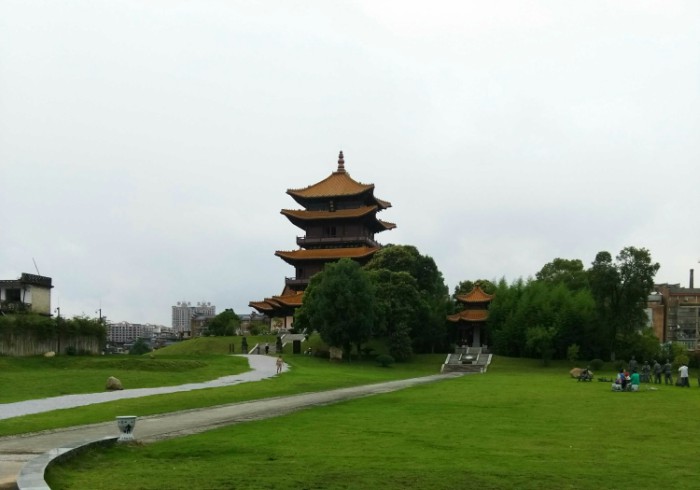
The Dragon Pearl Pavilion, located on top of Mount Pearl, has been a symbol of Jingdezhen for centuries. In the Ming Dynasty it was used as a factory for producing fine porcelain goods and nowadays, there is a small exhibition detailing the city’s history. You may even stumble across an excavation site nearby as archeologists continue to search for, and discover, lost relics of imperial porcelain. 

5 Must-sees in Jingdezhen

RELATED READING: 5 Off-the-Beaten Path Destinations in China

Jingdezhen Ancient Kiln

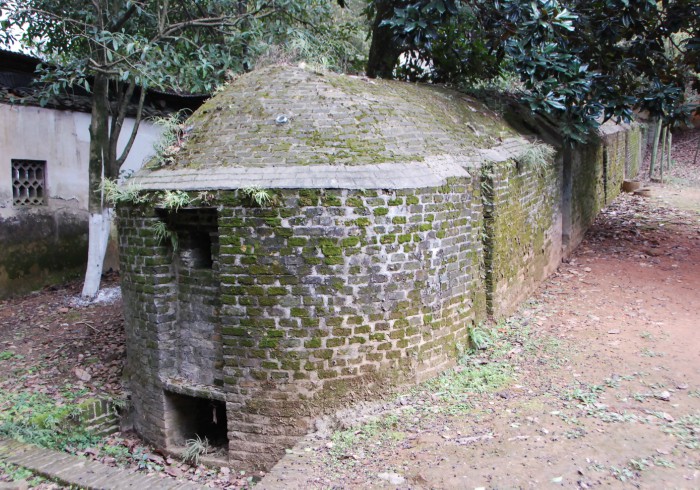
As the name would imply, a number of the traditional kilns used for Jingdezhen’s world-celebrated ceramic work have been preserved through the ages. The Ancient Kiln is one of the best in town and where the emperor’s porcelain itself was fired. Even now, you can find craftsmen hard at work, replicating the techniques passed down to them through the generations. Although the majority of the kilns are no longer in action, you can walk around the structures and imagine what it was like to fire thousands of porcelain objects in one single batch.

5 Must-sees in Jingdezhen

RELATED READING: How to Choose Authentic Jingdezhen Ceramics

A Porcelain Masterclass

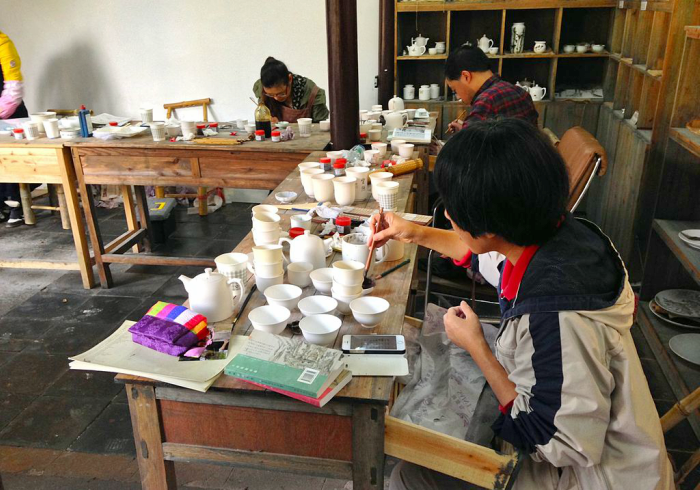
If you’d like to learn more about the art of porcelain then add the Ceramic Folklore Museum to your AsiaTravel Jingdezhen itinerary. In the museum, you’ll be guided through the delicate procedure of making porcelain fit for China’s emperors. If seeing these masters in action inspires you, AsiaTravel can arrange a private pottery class. You’ll learn how to throw your own pot using kaolin clay and then have a chance to paint it once it’s been fired.

5 Must-sees in Jingdezhen

RELATED READING: Our Top Destinations in China for 2017

Jingdezhen is the ideal place to celebrate the history and expertise surrounding clay, pottery, and their related craftsmanship. Make sure to leave some room in your luggage if you decide to plan a trip with us to the porcelain capital! Let’s plan your Jingdezhen: The Art of Porcelain journey together.