Mei’s Tips for Authentic China Travel

China is an increasingly popular travel destination, but many people go about their China vacation all wrong. Mei Zhang was recently featured by travel expert Wendy Perrin, and gave some great insider information on how not to trade in the trip of a lifetime for a circuit tour of the main sites. Check out a few of Mei’s tips below, and head over to wendyperrin.com for the full article.


Mei’s Tips for Authentic China Travel
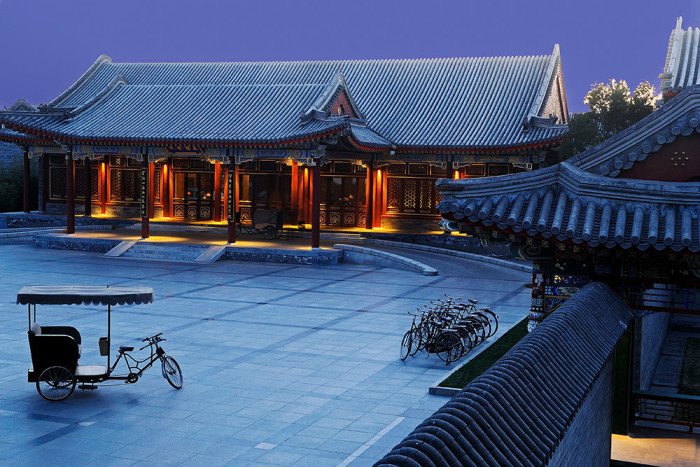
Aman at the Summer Palace – a beautiful secret get away right next to one of China’s top attractions.


Tip 1. Don’t Forget to Pack:

Casual outfits. China in general is very casual—even for dinners in nice restaurants. So bring more casual clothes than you think you’ll need and leave the formalwear at home.


Tip 2. Cheap thrill:

An afternoon at the Aman Summer Palace Resort. It’s connected to the Summer Palace and beautifully designed in traditional Chinese courtyard style. Rooms run from $500 to $800 a night, but for the price of an afternoon tea you can stroll the exquisite and tranquil traditional grounds and enjoy the height of Beijing elegance.


Tip 3. Super Insider tip:

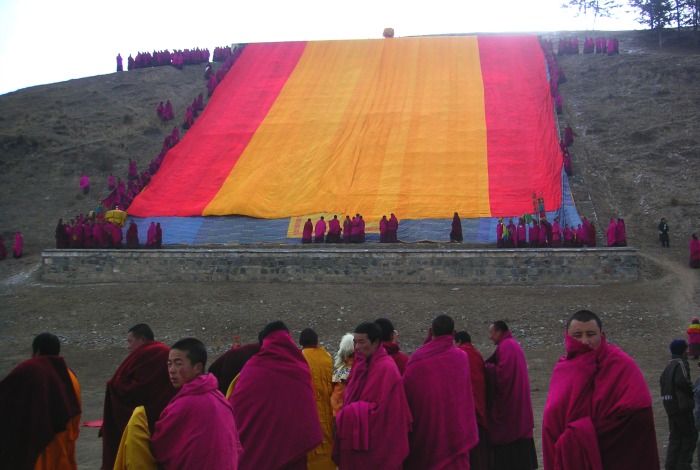
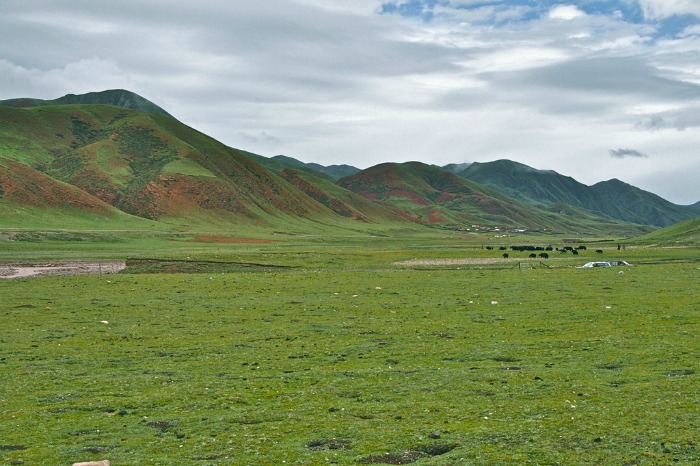
The Tibetan-influenced region that includes Yunnan, Sichuan, and Gansu provinces. Most people don’t know that there is a huge strip of Tibetan culture in these western provinces, along with stunning scenery and rich Tibetan Buddhist history, without the hassle of dealing with occasional Chinese government bans on travel permits to Tibet. You also won’t encounter the kind of crowds here that you’ll see in Lhasa. In these western provinces, you can really get close to the culture, meeting Tibetan families and monks or even finding a place for your own spiritual retreat.


Read the rest of Mei’s China travel tips at wendyperrin.com


Guizhou: an Unexpected Discovery

Last week, AsiaTravel staff member, Annika traveled to Guizhou for the first time. She writes here about what she discovered there.

The one overarching thought that remained with me throughout our Leisure team survey trip in Guizhou was how unexpectedly similar different parts of the world are.

Despite being familiar with our products in the area, I wasn’t sure what awaited me before embarking on our 5-day trip. The destination was rather unknown and the method of travel – private guide and driver – was one I had never experienced before.

And so, in the early hours of a January morning, I embarked on a journey into the unknown.

An unknown that turned out to be remarkably familiar.

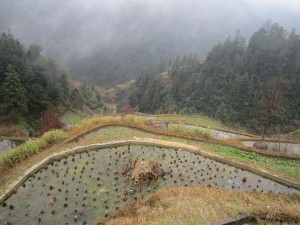
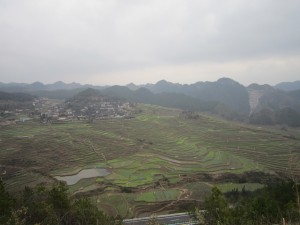
A land where one can hike for hours through agrarian landscapes in complete silence and not encounter a soul.

Guizhou: an Unexpected Discovery

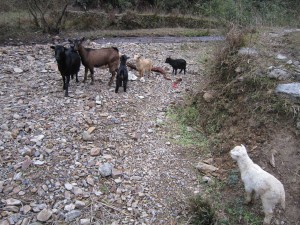
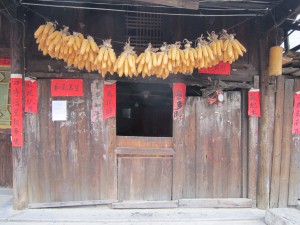
A remote land where docile animals freely roam the countryside and vegetables are left hanging on the sides of houses to dry.

Guizhou: an Unexpected Discovery

Guizhou: an Unexpected Discovery

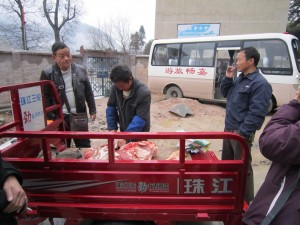
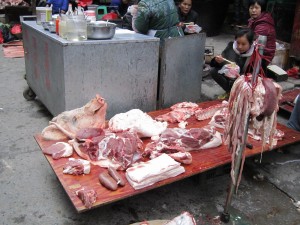
A place where people are connected to the meat they consume instead of first encountering it in sterile packaging.

Guizhou: an Unexpected Discovery

A place where people preserve their own language and way of life.

Guizhou: an Unexpected Discovery

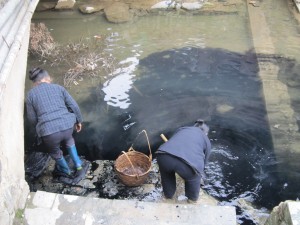
Dong minority women washing their traditionally made indigo-colored cloth


I had been in such a place before, several years previously. Only this was the Faroe Islands, not Guizhou. Despite being worlds apart, the similarities struck me. In the areas surrounding the remote minority villages of Guizhou, goats and cows wander through the calm, bucolic landscapes. Inside the villages, villagers hang corn and radishes outside their houses to dry and eat locally-grown food and meat. In the Faroe Islands, I encountered countless sheep, Icelandic horses, cows, and geese in areas bereft of people. Locals hang whale meat from their roofs to dry and dry whole sheep in sheds. We drove through mountain tunnel after mountain tunnel in Guizhou. The first time I arrived in the Faroe Islands, sheep were sheltering from the rain in the numerous mountain tunnels.

The differences can be said to be equally striking. The gap in development between the two is, of course, huge, as is the difference in culture and language. Guizhou is populated by several minority groups (we encountered the Miao and Dong minorities), all with their own traditional clothing, ways of life, and language. The foliage and landscape are different. The bowls of blood being sold in the local market root you firmly in China and yet the giant pig’s head leads you to recall how they eat sheep’s head in the Faroe Islands.

Guizhou: an Unexpected Discovery

The unexpected similarities and differences are what the discovery of travel is all about.

Guizhou: an Unexpected Discovery

Traveling with a local guide allowed us a level of access and understanding we would not have gained traveling independently. Without a guide in Guizhou, I would never have been welcomed to share a meal (and copious amounts of homemade rice wine) in a Miao villager’s home.

Guizhou: an Unexpected Discovery


This was Guizhou. Where I made an unexpected discovery.

Local Voices: AsiaTravel Gansu Guide, Peter

Peter has been a guide in Western China for more than ten years. He is passionate about the rich culture of the region and has deep knowledge of the intricacies of Tibetan Buddhism. He is originally from Tianshui, in eastern Gansu.

Local Voices: AsiaTravel Gansu Guide, Peter

Tell me about this part of China – what’s it like?

Western China has deep history and culture.

First, there is the Silk Road history. The Silk Road is not just a road, and it was not just for silk. There were many merchants and traders and many things were brought on the road – religion and culture.

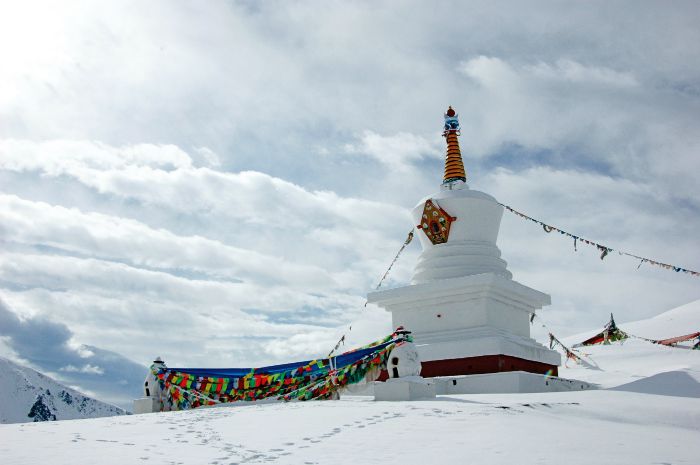
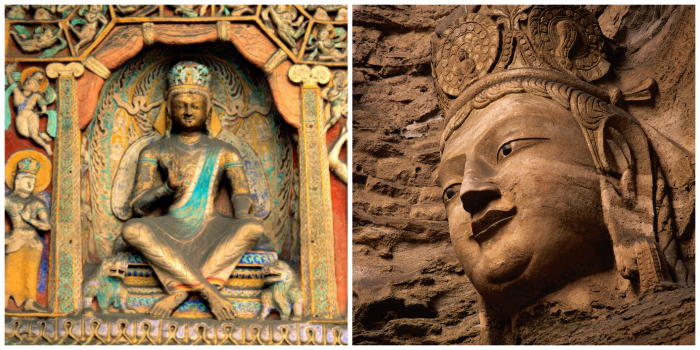
Second, is Chinese Buddhism. Tibetan Buddhism is dominate in this region. Within Tibetan Buddhism, there are three sects. They speak the same languages, but the accent is different. Here in Gansu and Qinghai, it is the Tibetan Amdo Buddhism that is most prominent. Maybe travelers read about these things, but a book is one thing. When they go to the temple they will really see the Buddha, and they will want to know: Why is the face different on this one? Why is this gesture different? They will have many questions.

Local Voices: AsiaTravel Gansu Guide, Peter

Third, there is also the Muslim culture. Linxia is China’s little mecca. There are very old mosques in the Chinese style with Chinese roofs. When I tell my clients that these are mosques and not temples, they are very surprised. Now in all the cities you will see both western mosques and traditional Chinese style mosques. Why? Because these came from different places at different times in history.

What’s your favorite part of this journey?

I’m a culture man. I like Buddhism very much, including the Han Buddhism and the Tibetan Buddhism in this area. I like to explain the different Buddhas and founders, sometimes very slowly, because it is quite complicated.

When’s the best time to visit the area? 

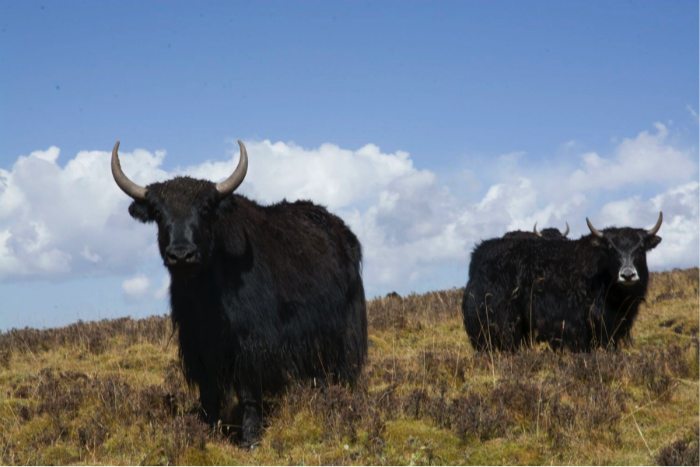
July to September. Before July the grasslands are not green, and most of the year the nomads live in the village because it is so cold. But from July to September, you can see the nomads and their tents and yaks in the grasslands.

Local Voices: AsiaTravel Gansu Guide, Peter
Also, if you come in the fall this year, you can see the Buddhist festival, Milarepa. The festival honors the founder of a sect of Buddhism and is celebrated in many of the monasteries. This year the festival is August 21st, 2015.

What do clients love about this journey?

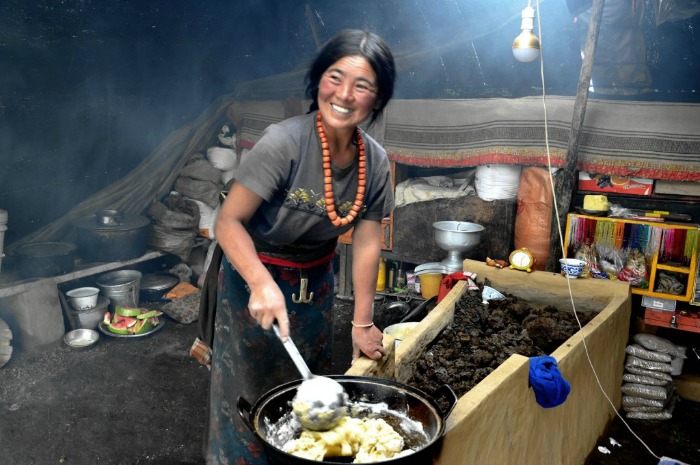
Their favorite thing to see is the country life. My clients have only seen it in pictures, but they’ve never gone inside the houses. Here they will see people’s lives. They will go meet the family. See what is inside their home. Go to see the bed and see how it differs from theirs in their hotel. If lunch or dinner is cooking- what do the local people eat?

Local Voices: AsiaTravel Gansu Guide, Peter

My clients also like to talk with the villagers, and I’ll translate. They will ask: How many yaks in your family? When did you build this house? Was it expensive or not? Are your children in school? What do they play?

Sometimes we will go to the field. In spring visitors can see the wheat. In the northwest, this area, wheat is planted in springtime. In the harvest time, they can see how the wheat is carried back to the village, how it’s ground, and made into noodles.

Local Voices: AsiaTravel Gansu Guide, Peter

What food do you have to try in this region?

We have Tsam Ba. This is made with barley flour and milk, then we put a little bit of salt or sugar and mix it together in the hand. We have it with milk tea and yak butter, (but you don’t have to put the yak butter!).

Sometimes the clients don’t like this, but I always say you should try it, even if you don’t like the smell. I have them try a little bit.

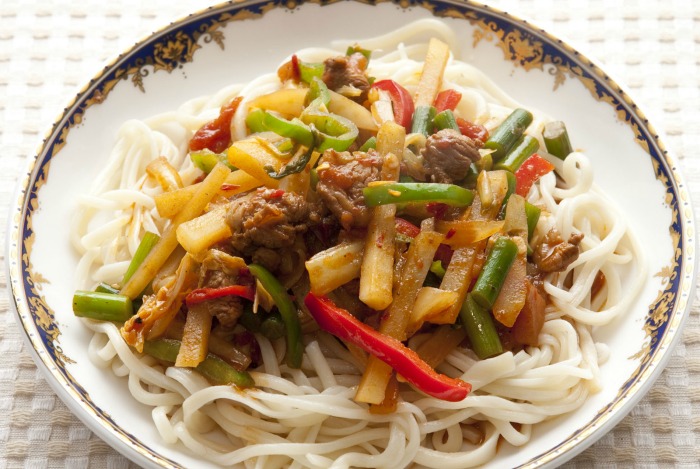
But noodles are the main food. We will make noodles out of many things like wheat flour or corn flour. We make the noodles without using any machines, and we will let the clients try making it themselves.

Do the clients make good noodles?

Sometimes… haha. It’s mostly for learning.

Find out more about our journeys to the Gansu region. Email info@wildchina.com or view a journey.

Unexpected Luxury in the Gansu Wilderness

Just outside the of Labrang, a monastery town in western China’s Gansu province, is a secret so special it’s known to only a few outsiders. This is the Norden Camp, a luxurious accommodation in the heart of western China’s wilderness.

Unexpected Luxury in the Gansu Wilderness

The Landscape and Wildlife

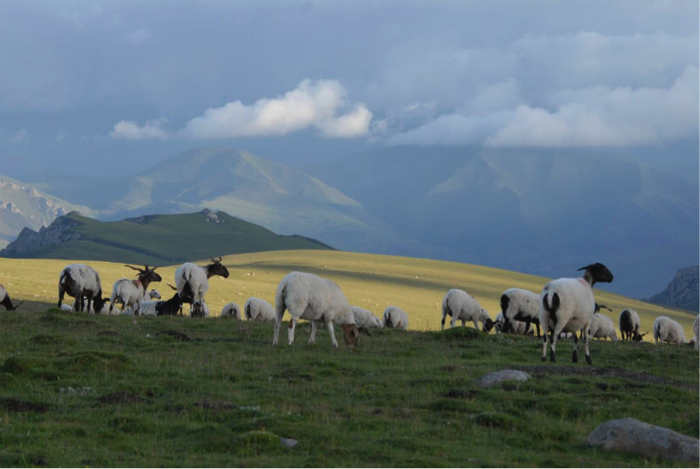
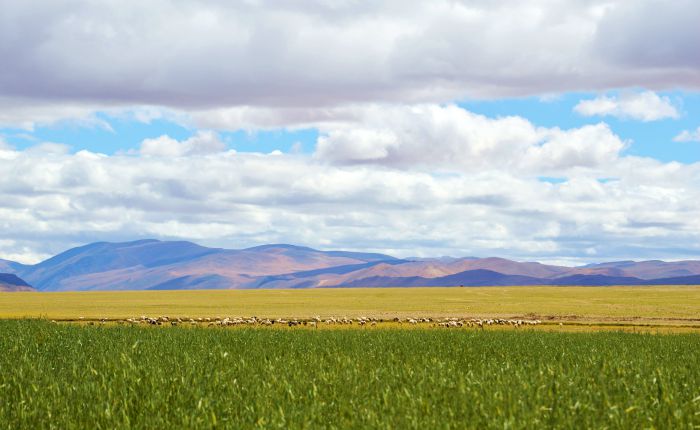
The grasslands roll out in all directions as far as the eye can see, broken only by a winding river in the distance and the pastel gray-blue mountains that stand strong along the horizon. You’ll find large yaks roaming the fields with their herders, in plains that are rich with wildlife. On your walks around the camp you may find rabbits, foxes, birds or gazelles, as well as all kinds of flowering bushes, trees and grasses. In the day, the blues and the greens have a simultaneously rich and muted hue that can somehow make you feel like one of the only people on earth. And at night, the endless sky is filled with stars. It’s the kind of place that will make you want to create something – to write or to paint, or perhaps to do nothing at all and only stare out into the wide-open distance.

Unexpected Luxury in the Gansu Wilderness

Unexpected Luxury in the Gansu Wilderness

The Team

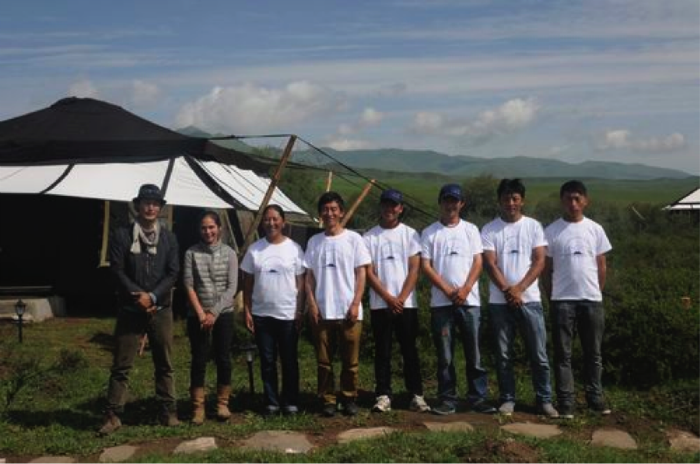
Within this beautiful setting is the friendly crew who love to introduce guests to their homeland. Their manger, Yidam Kyap, is a Tibetan nomad who lived overseas and then returned to establish a place that would make his home comfortable and accessible to outside visitors, while benefiting the local community.

Unexpected Luxury in the Gansu Wilderness

The Tea and Cuisine

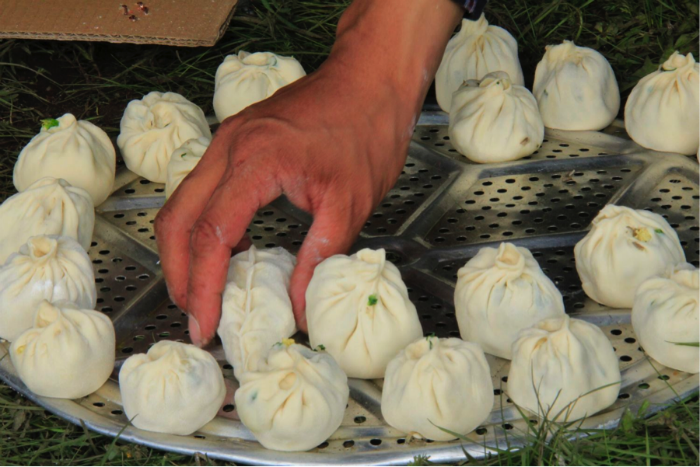
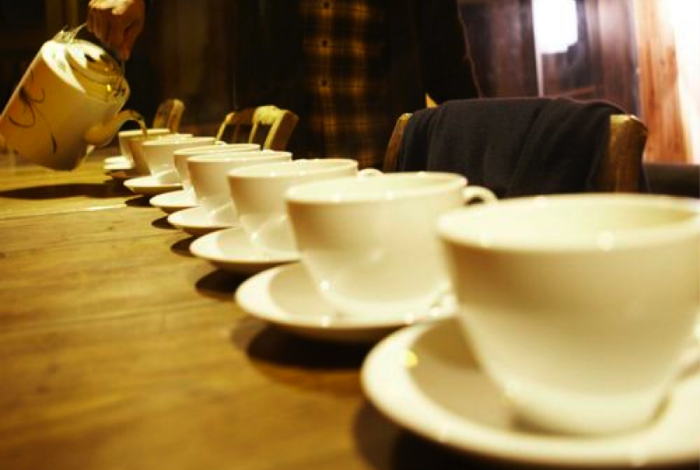
Together this team will introduce you to a delicious, seasonal assortment of food grown in the surrounding area. Yak’s milk, known for its low-lactose content, is made into delicious butter, yogurt and cream. Breads and noodles and lamb and sausages are paired with local herbs, mushrooms and vegetables to make tasty, nutritious meals. And of course, there are many cups of tea to linger over during a long conversation with a new friend.

Unexpected Luxury in the Gansu WildernessUnexpected Luxury in the Gansu Wilderness

The Tents and Cabins

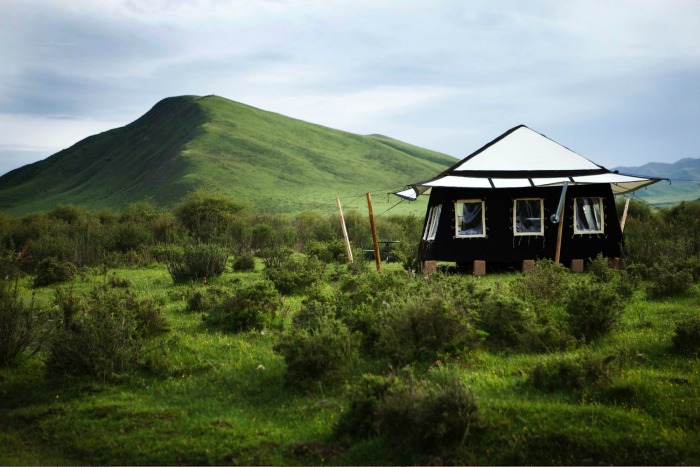
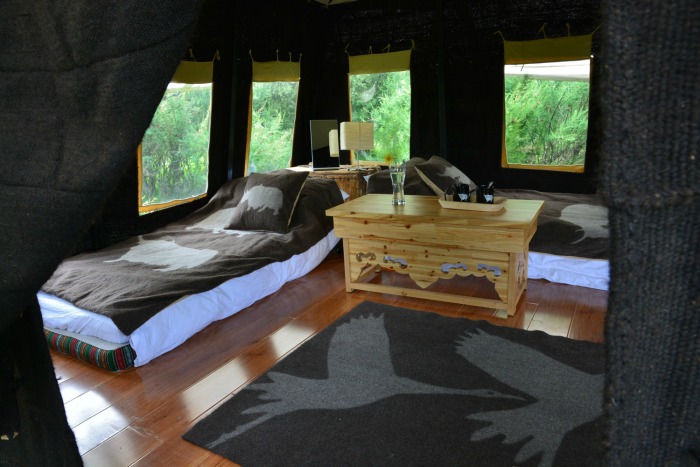
One of the greatest surprises of all in this place so far removed from the world is the height of luxury that you will experience. The tents and cabins allow you to enjoy the rustic surroundings in style and comfort. Each tent or cabin is caringly decorated with hand-crafted furniture and rich yak wool blankets and carpeting. Many of the pieces are chosen from the nearby NGO, Norlha (a treasure in itself that we love to take AsiaTravel travelers to visit). This is a place where you can relax in comfort, while experiencing a natural setting and a way of life that few outside this region may ever see.

Unexpected Luxury in the Gansu Wilderness Unexpected Luxury in the Gansu Wilderness

Find out more about our journeys to the Gansu region. Email info@wildchina.com or view Sacred Buddhist Land.

Out West in China’s Rugged Xinjiang Province

Even for the seasoned China traveler, the ancient Silk Road regions are a place of mystery and surprise. Past civilizations and modern countries have left layer upon layer of cultural influences in this crossroads of global trade. It’s a world that’s hard to define and hard to place.

It’s also a region gone dormant in the outside world’s eyes, that is until recent years. Since being in office, President Xi Jingping has taken a special interest in the area as a corridor for future development. And it’s recently been chosen by China’s National Tourism Board as a highlight travel destination for 2015.

A few years back, I visited Xinjiang – one of the main provinces along the Silk Road – and it was the kind of experience that shows you that you don’t know as much about the world as you think.

Out West in China’s Rugged Xinjiang Province

We flew into Urumqi, and found a city that was partly China, but mixed with elements of a distinctly different world. Parts of the city could have been transplanted straight out of any other big Chinese city, with large multi-story, nondescript apartments and office buildings. Even tiles on the sidewalks were the same as ones you find in Beijing.

But interwoven into the city are signs of central Asian and Islamic influences. From mosques in city squares to alcoves of Uyghur communities, culture, and halal restaurants.

Out West in China’s Rugged Xinjiang Province

Urumqi is China’s western frontier, from here on out west, nothing feels like China anymore. The next stop on my trip was Turpan, an important point on the ancient Silk Road.

Out West in China’s Rugged Xinjiang Province Turpan is a great place to try Xinjiang’s famous melons and grapes. If you go to Xinjiang, you’ll hear a lot about their fruit. I wrote all this talk off until I actually tasted some. How could fruit taste this much better than any other fruit I’d had in my whole life?

Out West in China’s Rugged Xinjiang ProvinceAnother place to visit while in Turpan is the karez irrigation system. The karez is a fascinating feat of ancient engineering that turned the desert into arable farmland. It was a system of vertical wells, linked by miles of underground tunnels. These tunnels tapped into the groundwater supply and drained it into the valley.

We went from Turpan on to Kashgar.

Out West in China’s Rugged Xinjiang Province

I was lucky enough to have visited the Old Town before most of it was destroyed. Still a third of it remains standing now and it is well worth seeing. The Old Town is an intricate network of streets, homes and lives that have been built up over centuries. Walking around and talking with the local families, you could be conversing with someone who’s ancestors once traded China’s porcelain or spices to merchants from far away Europe.

Out West in China’s Rugged Xinjiang ProvinceKashgar is also the place to check out the local bazaar. Though the largest bazaar in the world is in Urumqi, Kashgar’s outdoor bazaar is a truly unique cultural experience.

Out West in China’s Rugged Xinjiang ProvinceOf course I also did what one must do in the desert and rode some camels! It was a fun, but slightly scary experience. You don’t realize just how tall a camel is until you’re riding high up on one along the desert sands.

My final stop in Xinjiang was even further west.

Out West in China’s Rugged Xinjiang Province

We drove for hours up a winding mountain highway towards the Pakistani border. The scenery along the drive was stunning. I’d grown up hiking in the Colorado Rockies, but this was like nothing I’d ever seen. When we arrived at our destination, Karakul Lake, it was hard to know what to do with myself. I was effectively stunned by the chill, by a palette of colors I’d never witnessed before and by the intense quietness of the whole area. It was an incredible end to a journey to China’s west.

Let AsiaTravel prepare a journey that will spark your imagination. Contact us at info@wildchina.com or check out our Silk Road journey.

First time to China – Part 1: Beijing

This week, we’re introducing China to a group of travel professionals from Brazil. It’s the very first time to the Middle Kingdom for most of the group so we’ll be showing them the highlights of this fascinating country, the AsiaTravel way.

Their first three days were spent exploring Beijing. Take a look at all they’ve discovered around the city and check back soon for photos from their next stops:  Xi’an, Guilin and Shanghai.

 First time to China – Part 1: BeijingHere is the whole group, ready for a day of exploring Beijing with their AsiaTravel guide.


First time to China – Part 1: BeijingSpecial transport for our special guests!


First time to China – Part 1: BeijingStanding in Tiananmen Square, with the Forbidden City behind.


First time to China – Part 1: BeijingExploring and discussing the Forbidden City – now an official museum, but once closed to the public for nearly half a millennia.


First time to China – Part 1: BeijingLearning about the intricate details of a Chinese tea ceremony.


First time to China – Part 1: BeijingFirst time to China. First time on the Great Wall!


First time to China – Part 1: BeijingThe iconic Long Corridor at the Summer Palace.


First time to China – Part 1: BeijingJust in time for cherry blossoms that have just bloomed all over the city! These were along the Kunming lake inside the Summer Palace.


First time to China – Part 1: Beijing The travel companions enjoying a surprise afternoon tea at the Aman Summer Palace.

As you can tell, this group is simply delightful and we are having a wonderful time running around China with them. Check back soon for updates from their trip!

 Want to go on your own adventure in China’s capital? Take a look at one of our Beijing itineraries or contact a AsiaTravel travel designer.

The Best Places to See Pandas in Chengdu

Updated: March 26, 2019

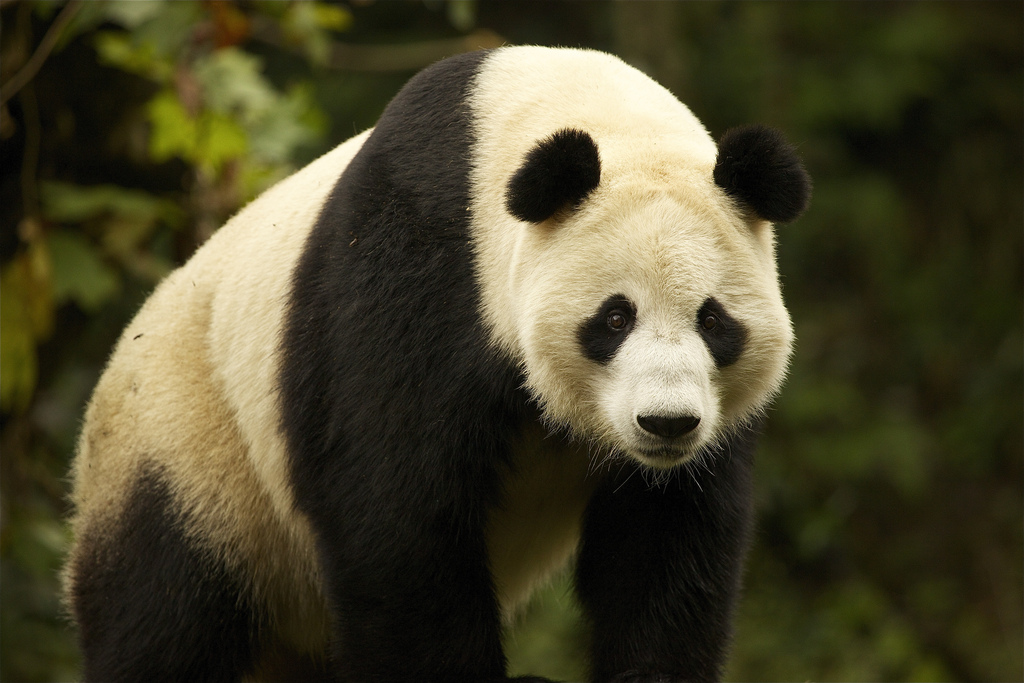
A trip to Sichuan is not complete without seeing China’s cuddly national icon, the giant panda. There are three main options for panda viewing in Chengdu, each with its unique draws. Read on and find out which panda reserve is the best choice for your trip.

The Best Places to See Pandas in Chengdu

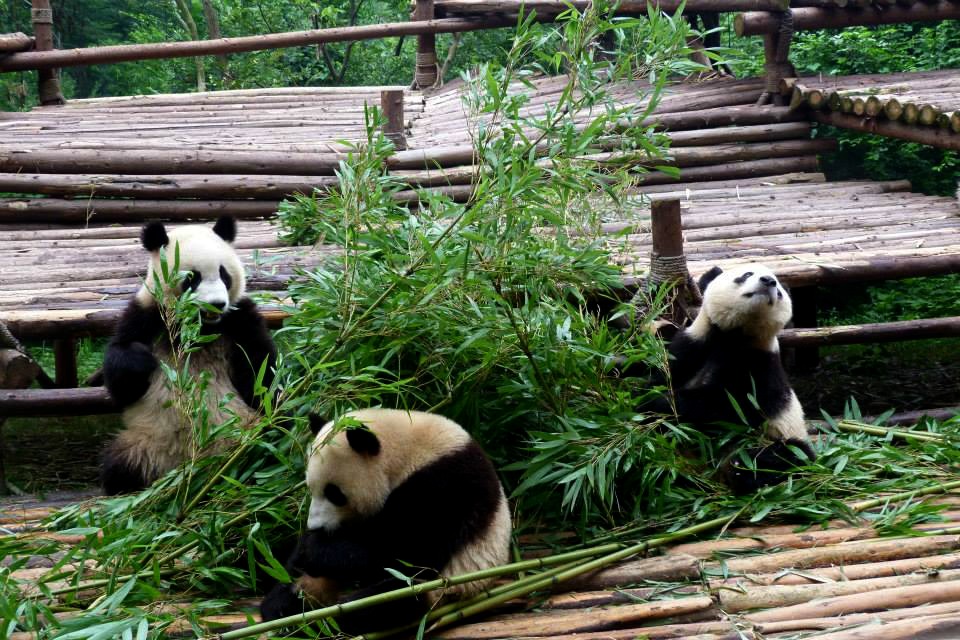
Pandas relaxing at the Chengdu Panda Base. Photo by Jessica Clifton.

RELATED READING: The 4 Most Romantic Places in China

Wherever you decide to go, remember that the best time to visit pandas is in the morning – before 9am if you can manage it. This is when pandas are most active and playful.

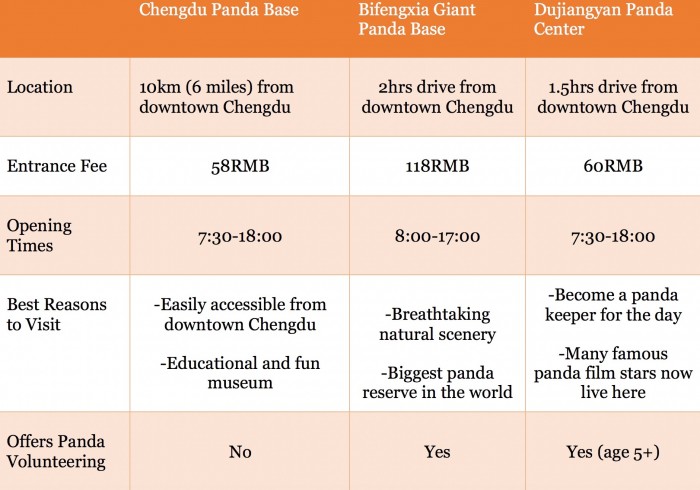
A quick comparison of Chengdu’s panda centers

The Best Places to See Pandas in Chengdu


1. Chengdu Panda Base

Just minutes from downtown Chengdu, the Chengdu Panda Base attracts thousands of visitors every year. This is the best option if you only have an afternoon to spare for your panda visit.

The base began with 6 giant pandas rescued from the wild and after years of successful breeding programs, they now have more than 150 pandas. Visitors will find large, outdoor enclosures which make the center feel a bit less like a zoo. Admittedly, the pandas near the entrance seem a little gloomy under the constant gaze of large groups of tourists, but walk further into the park away from the crowds and you will find contented looking pandas enjoying in their favorite pastimes: sleeping, eating, and occasionally exerting some energy to cheekily push their brother or sister off the branch of a tree.

The Best Places to See Pandas in Chengdu

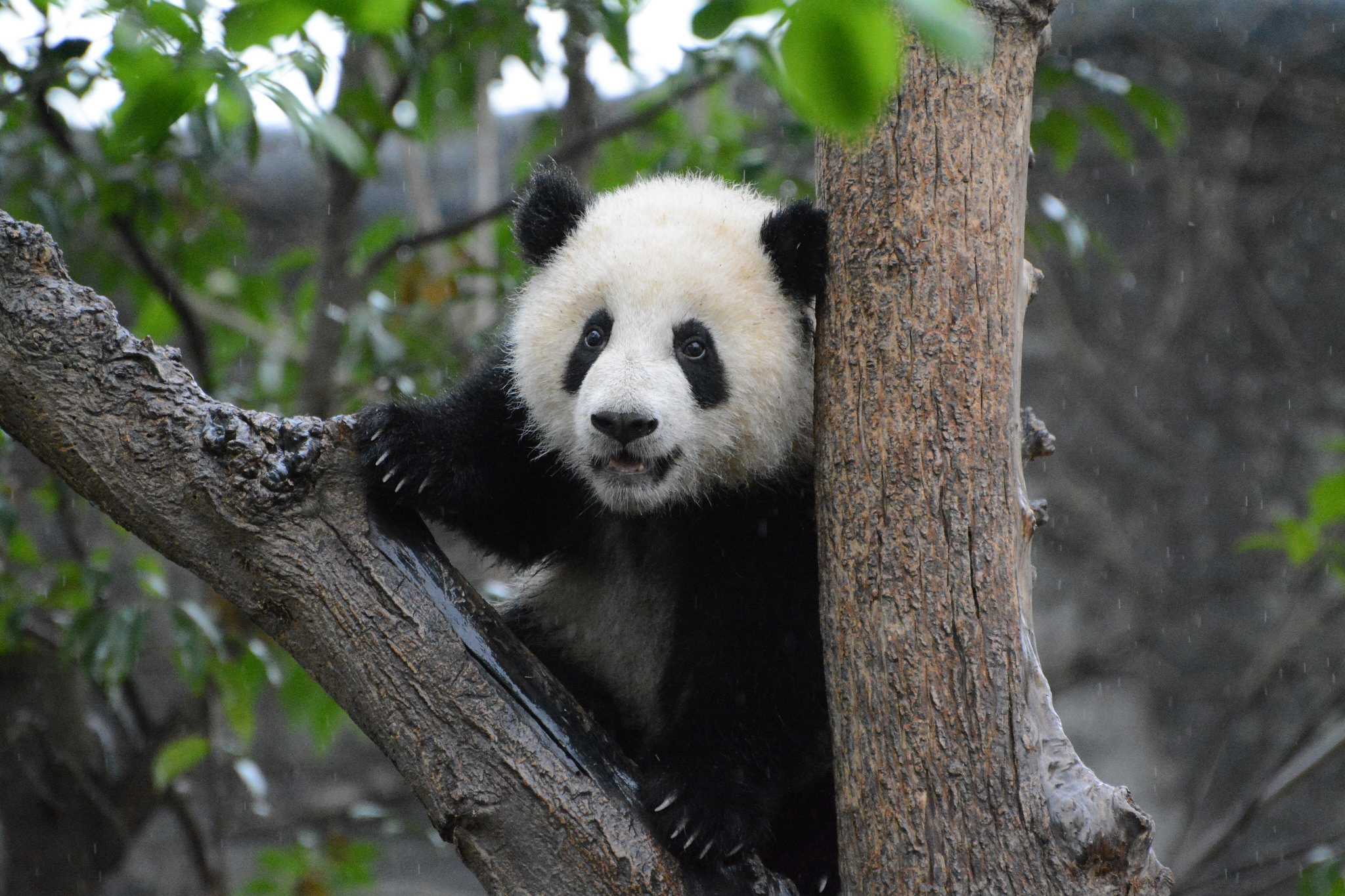
A rainy afternoon at the Chengdu Panda Base. Photo by M. Perdix

RELATED READING: What to Do in Chengdu: Pandas, Hot Pot, and Lazy Days in the Park

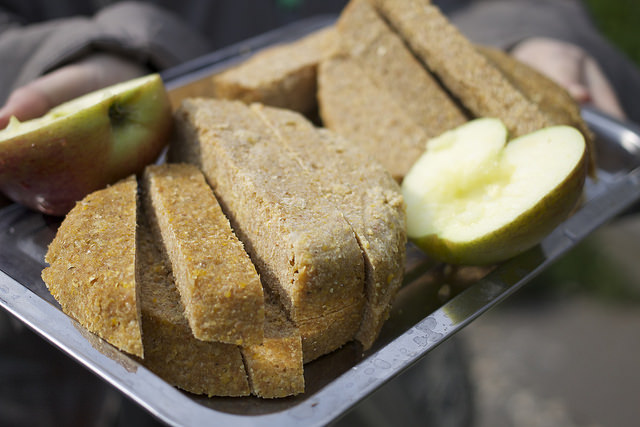
The animals here are well looked after, and once you have taken more than enough pictures of giant pandas doing cute things, you can also visit some of the other endangered animals that the base cares for including red pandas, golden monkeys, and many species of birds. The center promotes the importance of educational tourism, so as you wander around the base and enjoy the on-site museum, you will learn hundreds of interesting panda facts to amuse your with friends when you get home. You can even taste the special, high-protein cakes that the pandas are fed each day.

2. Bifengxia Giant Panda Base 

The Bifengxia Giant Panda Base opened in 2003 and is a two-hour drive outside of Chengdu. You will need to leave a whole day free to make this trip, but it is one of the best places in the world to see this beautiful animal. What awaits you at Bifengxia is a reserve of natural forest coverage and beautiful waterfalls. The pandas are relaxed and happy – getting to chew on bamboo, undisturbed and safe in their own habitat.

The Best Places to See Pandas in ChengduA giant panda at the Bifengxia Base. Photo by M. Jong-Lantink

Many of the Wolong Reserve pandas were relocated here after the 2008 earthquake, so Bifengxia now has the largest collection of giant pandas in the world. This site’s main focus is on research. As such, there is much more going on behind the scenes at this base to learn about and care for the pandas. If you enjoy hiking and want to find out more about efforts to reintroduce pandas into the wild then this is panda reserve is an excellent choice. There is also an adorable panda kindergarten where visitors can spend hours enjoying the young panda’s mischievous antics.

Map of Chengdu’s Panda Centers:

3. Dujiangyan Panda Center

Dujiangyan is the newest panda center in the area and is located about 1.5 hours outside of Chengdu city at the foot of Qingcheng Mountain. The base is smaller than the other two, but its natural environment is similar to the Bifengxia reserve, making it a great location to see giant pandas enjoying their day. The site is closer to Chengdu city than Bifengxia too, so it is a good alternative if you are on a tighter schedule.

Dujiangyan has restarted its volunteer program and visitors over the age of six can now pay to become a Panda Keeper for the day. Participants get to prepare food for the pandas, help clean out their cages, and learn more about these furry friends up close.

The Best Places to See Pandas in ChengduPanda snacks at Dujiangyan. Photo by L.W. Yang.

RELATED READING: Why Are China’s Giant Pandas So Lazy?

If becoming a panda keeper isn’t enough reason to visit, Dujiangyan is now the home to some movie stars too. Fans of Kung Fu Panda may get the chance to see the panda behind the animated hero.

This reserve is only a leisurely bicycle ride away from the brand new Six Senses Resort and Spa. You could spend your days feeding the pandas and then relax in the evenings with a lovely massage in the spa. Qingcheng Mountain is a beautiful place to do some hiking and the small ancient town of Jiezi is close by. It might be worth spending a couple of days exploring the area and enjoying some time away from the city.

Whichever base you choose to visit, the best tip is to make sure your camera has a fully charged battery. Even people who think they have no interest at all in giant pandas will have changed their minds once they have seen this cheeky creature up close. Also, remember that the main objective of these reserves is to protect these beautiful creatures from extinction. Getting the chance to see a giant panda looking happy and relaxed in its natural environment really is an honor and a memory you will treasure.

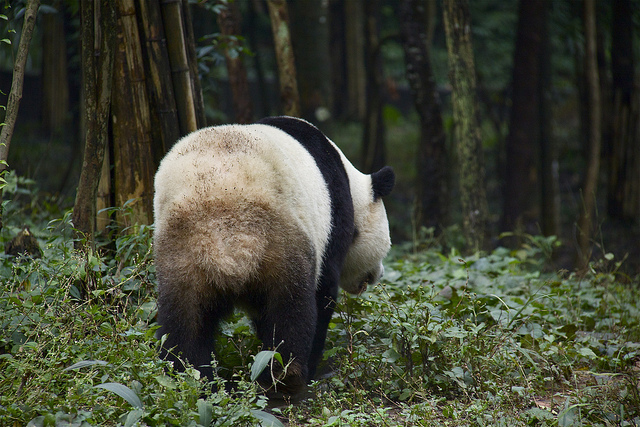
The Best Places to See Pandas in ChengduA panda turns to go. Photo by M. Jong-Lantink

RELATED READING: China’s Hidden Gems for Rest and Relaxation

Last Updated: March 26, 2019

What To Do About Altitude Sickness In Tibet

A journey to Tibet, one of the most remote regions in the world, can be an incredible experience, but you have to be ready to counter the unique atmospheric conditions that characterize the Tibetan plateau. Tibet has an average elevation of 4500 meters, and if you don’t regularly live at high altitude, you altitude sickness could put a real damper on your trip. Here are some things to remember before and during your trip to make your high-altitude Tibet travels more comfortable.

What To Do About Altitude Sickness In Tibet

What is altitude sickness?

Altitude sickness occurs when you cannot get enough oxygen from the air because the “air is thinner” at high altitude. Common symptoms include headaches, nausea, loss of appetite, trouble sleeping, and weariness.

Who’s at risk?

Contrary to popular belief, risk is not affected by training or fitness. Children and adults are both equally susceptible to altitude sickness although travelers over the age of 50 are at slightly lower risk according to the CDC. Note that travelers with heart or lung problems should first consult with their doctor before traveling to Tibet.

What To Do About Altitude Sickness In Tibet5 tips for staying safe

1. Don’t be a hero, get medication

Acetazolamide is a particularly effective treatment for altitude sickness because it does not simply mask the symptoms, but accelerates the body’s acclimatization to high altitude, but it is difficult to obtain in China so we recommend that you visit your doctor in your home country before you travel. There are other medications such as dexamethasone and nifedipine available, but they are usually only recommended by doctors if the patient is allergic to sulfa, a primary ingredient in Acetazolamide. All-natural alternatives such as Ginkgo biloba and Rhodiola rosea do exist but research on their effectiveness is conflicting. For more information on high-altitude medications, visit the CDC or NHS websites.

What To Do About Altitude Sickness In Tibet2. Avoid alcohol and sleeping pills

Don’t do things to make altitude sickness worse. Alcohol and sleeping pills are prime culprits. These are both are respiratory depressants and can make it more difficult for your body to acclimatize. Furthermore, alcohol can dehydrate you and leave you even more vulnerable to the altitude. On that note…

3. Drink lots of water!

Getting dehydrated is probably the worst thing you can do when trying to adjust to a higher altitude, and Tibet’s dry climate makes that an even bigger possibility.  Don’t make altitude symptoms worse – drink up! (and we water!)

4. Don’t forget to eat

Even though altitude sickness can make you loose your appetite, it’s important to keep eating and get your body the energy it needs. Carbohydrates are especially important, as they are a more efficient source of energy than fats or protein and can improve blood oxygenation.

5. Take it easy

This is perhaps the most difficult piece of advice for visitors to follow as there is so much to see and do in Tibet, but on your first couple of days in town, relax. Give your body time to acclimate to its new altitude.

If you have any other questions on traveling to Tibet, contact a AsiaTravel travel designer, and we’ll be happy to help. To begin your journey, view our award-winning Tibet tour.

Art in Modern Beijing: An interview with Peter Wynne, Manager of The Opposite House

Art in Modern Beijing: An interview with Peter Wynne, Manager of The Opposite HouseOver the weekend, The Opposite House played host to AsiaTravel’s inaugural Beshan Gāi bazaar, where artisans converged from around the country to showcase the finest of artisan China. In the lead-up to the event, we met with The Opposite House’s chief host, Area General Manager for Swire Hotels Peter Wynne, to talk art, food, Beijing and strangely…pearl diving.

Lets start by talking about The Opposite House. What was the inspiration behind the architectural design? It is not your usual, run of the mill hotel.

It was built at a time, before the 2008 Olympics, when hotels were opening all the time and they all looked the same. The architecture was designed by Japanese architect Kengo Kuma and his brief was to design something different, unlike any other hotel.

There are so many elements to The Opposite House. It’s a glass jewelry box that opens up into beautifully designed compartmental rooms. The spaces are engaging and intriguing, aesthetically pleasing but not cliché.

The decor is timeless and not too ‘modern’ that it will become obsolete in a few years. And there are also many Chinese elements that are very much part of the architectural design. I think the idea to use both wood and plexiglass for the medicine drawers was ingenious.
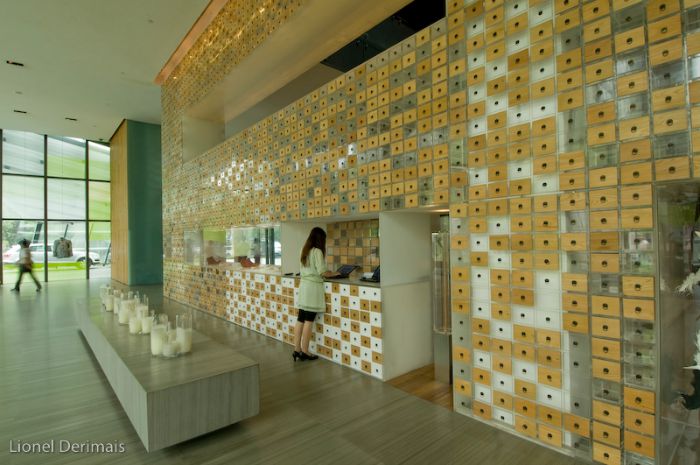
Art in Modern Beijing: An interview with Peter Wynne, Manager of The Opposite HouseOpposite House Lobby. Photo credit: nicelymadeinchina.com

What is your favorite space in the hotel?

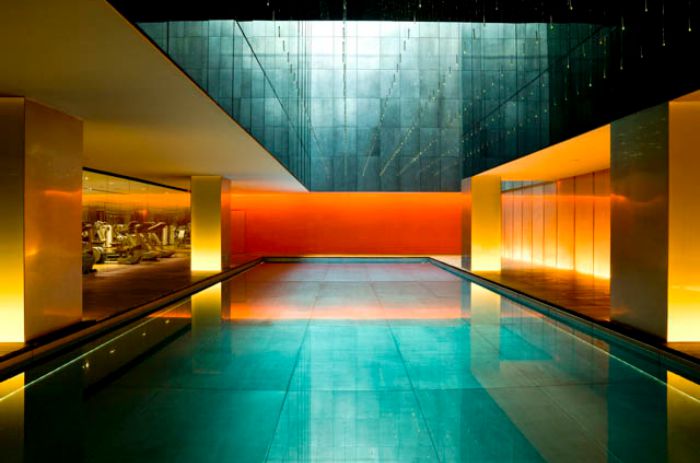
I like them all but I guess the swimming pool is one of my favorite spaces. Shards of light come down through the building to the pool. It’s actually part of the architectural scheme that sunlight lights up the swimming pool even though it’s in the basement. When you stand on the top floor and look down you can see all the way to the pool in the basement. You look down 8 or 9 stories and it’s a masterpiece – Not that I get the chance to go in there very often.
Art in Modern Beijing: An interview with Peter Wynne, Manager of The Opposite House

Swimming pool with natural light from above. Photo credit: nicelymadeinchina.com

Why do many high profile guests choose to stay at The Opposite House rather than the many other 5 star hotels in the area?

The hotel has its own personality and that personality comes from the people that live and breathe the hotel – from the staff in the restaurants to the people who greet you at front desk.

We’re very clear about our people philosophy – we always pick people for their particular personality and the things that make them tick rather than their qualifications and work experience. Personality shines through and gets into the wider market place and that’s what these kinds of celebrities really want.

We are also always striving to keep it current. We always have new ideas and propositions and try to make it fun. It’s got to be fun for the customers but also fun for someone who works here. You have to get up in the morning and look forward to coming to work – even if it is Monday!

The Opposite House is well known for going the extra mile and paying attention to the small details. Can you think of a particular example of this?

There are lots of little tricks. I think one good example is when you normally register at a hotel in China you have to fill in a registration form and then you have to hand your passport over to be scanned. It’s a long, laborious task. What we did in the early days was we had an iPad with a camera so the check in process was made so much easier.
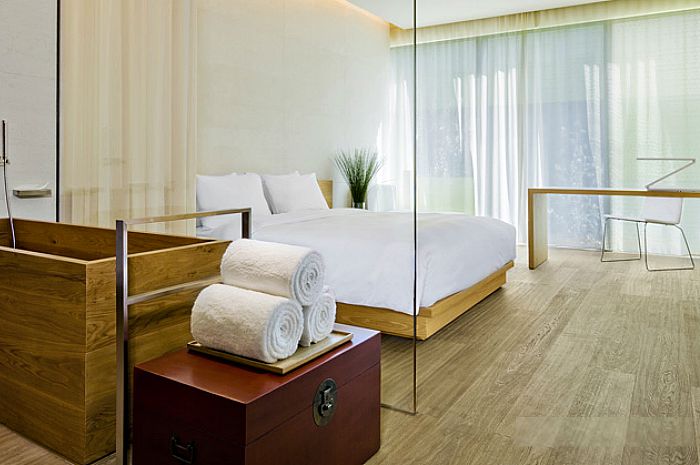
Art in Modern Beijing: An interview with Peter Wynne, Manager of The Opposite House

Modern comfort of an TOH hotel room

There are other details too. Our mini bar is all complimentary. Why hotels would want to charge $5 for a coke is beyond me. The actual base cost of a can of coke is very low but the goodwill you get from it is almost priceless. The same with wifi. We have the highest possible speed, complimentary for guests because that’s what the modern traveler wants. Charging for slow internet is an easy way to annoy customers and ensure that they don’t come back.

Where do you source the art pieces that define The Opposite House?

Some of the permanent pieces have been here since we first opened. We worked with a number of art consultants who purchased art for the hotel. They did a great job because this was pre-2008 and they managed to find a number of pieces that have become synonymous with The Opposite House.

We also do a quarterly installation that can be found in the foyer and the criteria for these installations are very simple – they are all contemporary Chinese art. We are a contemporary hotel, in China so those are the only two limitations. We have been approached by overseas artists and galleries and although we will always entertain ideas, we wish to keep the space for the local art community.

We’ve done video art, sculpture, and installation art. We are not limited to any one gallery or curator. We work with a number of people who know the art scene very well (much better than we do). Our current installation is one of the edgier that we have featured.
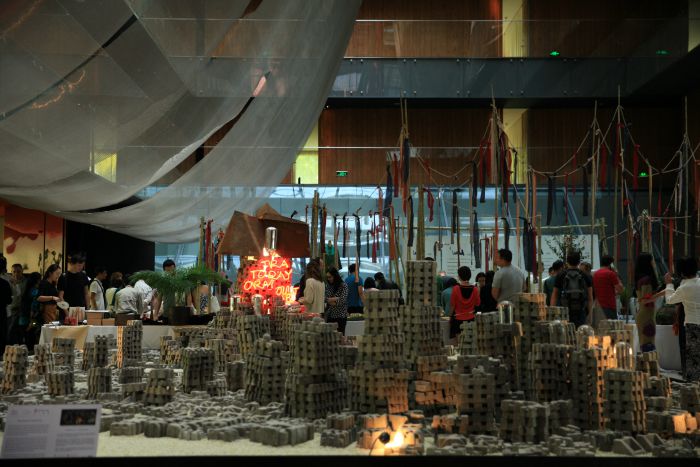
Art in Modern Beijing: An interview with Peter Wynne, Manager of The Opposite HouseTOH’s latest exhibit, with AsiaTravel Beshan Gāi as the backdrop

How do you think the art installations affect the stay of the guests?

I think it has really been part of our branding. People have grown up in past 8 years with The Opposite House knowing that every time they come back there will be something else to engage them. A whole new visual engagement to have and that’s our DNA.

It happened almost by accident actually. Where those installations are, in the original design are meant to be reflecting ponds. Waterproofing wasn’t great in 2007/2008 so they didn’t hold the water very well. Also, in a residential area where there are kids around they can be a liability – they didn’t work practically. So the idea was to level it out, put some art in its place and keep that revolving. People love it.
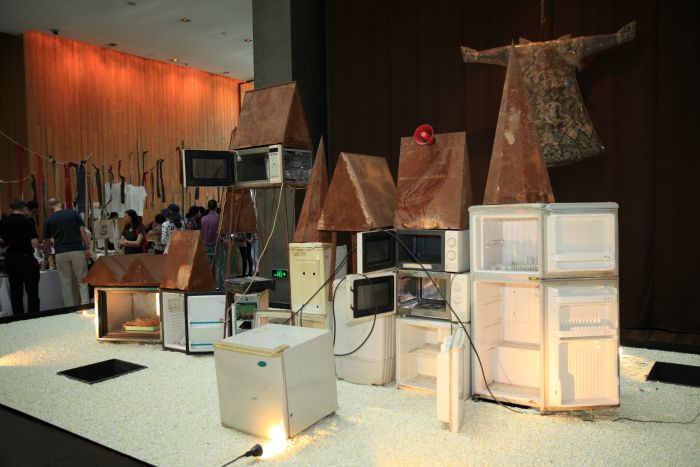
Art in Modern Beijing: An interview with Peter Wynne, Manager of The Opposite HouseTOH’s latest art exhibit, from the Red Gate Gallery

Can you tell us what brought you to Beijing and what keeps you here?

I’ve lived in some pretty remote places. I ran Necker Island for Richard Branson for a couple of years, I’ve worked in the Maldives and in lots of remote, beautiful, idyllic places. These places are perfect for a spending a 2-week honeymoon but it becomes a little more challenging to live there.

In 2004 I got the opportunity to come to Beijing. At the time it seemed like the toughest decision in the world to leave this idyllic island and go to a big city like Beijing, but it was for a hotel that was going to be the host hotel for the Olympics so I couldn’t really say no.

I really enjoy the changes throughout the year in Beijing. You have seasonality here. The city is very creative too and that is something that resonates with the hotel. There has been big progress in art but also technology, fashion and design.

We have a great family life here too. We’ve got three boys and they’re busy, active and love being outside. Beijing is a great place to get that outdoor activity. Beijing is extremely modern, well provided and a great destination. We have a long way to go to get people to engage with the destination – not just the hotels here.

If you werent managing The Opposite House what would you be doing and where would you be?

Hmm… I‘ve got about 10 answers to this question.

I would probably be a marine biologist somewhere on a boat. I was a pearl diver in my younger days in Australia and I probably enjoyed that 12 months of pearl diving as much as any other time in my life.

Living on a boat and out to sea for literally months on end. What you experience is completely different to what you see in big cities like Beijing. I don’t get to dive often now but whenever I am near the sea I like to be in the water.

Ah, so thats why the swimming pool is your favorite space in The Opposite House!

Yep I’m a water guy. I grew up sailing and surfing and later diving so that’s what I like to do. I started traveling when I was 21 with a hospitality degree under my belt and I haven’t really been back since.

Discover Beijing on a private Beijing tour and check out the latest art exhibit at The Opposite House.

 

The Mogao Caves and More Top Dunhuang Attractions

Discover the best of Dunhuang with our guide to this ancient Silk Road trading city. Here are our picks for must-see attractions, best things to eat, as well as some AsiaTravel flourishes to make your journey even more memorable.
— —

The Mogao Caves and More Top Dunhuang Attractions

For monks, merchants, and artists traveling along the legendary Silk Road, the sight of the small and unimposing city of Dunhuang in northern Gansu, hailed a significant crossroads. For those traveling from the East, Dunhuang was their last rest-stop before venturing into the vast and inhospitable Taklaman desert. For those who had already made the treacherous journey, the city marked a return (for the time being) to safer paths. The traditions, temples and Buddhist art that these travelers left behind make Dunhuang one of China’s most culturally rich travel destinations. Here are our tips for getting the most out of your trip:

Must Visit Sites

The Mogao Grottoes

Named a UNESCO World Heritage Site in 1987

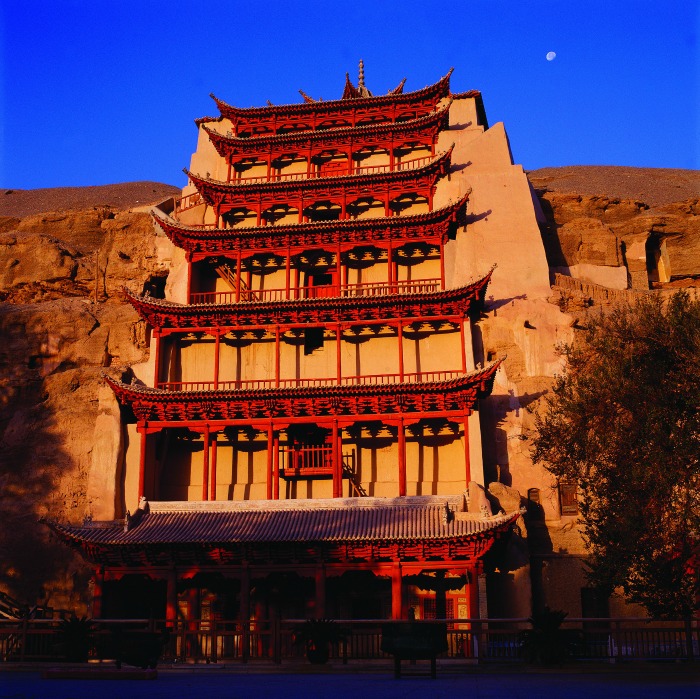
The tens of thousands of paintings and carvings that fill these caves document hundreds of years of life along the Silk Road. You can trace the development of artistic style over the course of time as you move through the caves, and follow the changing forms of Buddhism practiced in the region. The Mogao Grottoes are home to some of the best preserved cave murals in China along with endless intricately detailed frescoes, sculptures and terracotta statues that date back as early as 400AD.

The Mogao Caves and More Top Dunhuang Attractions

Why visit with AsiaTravel? Enjoy private access to caves normally closed to the public accompanied by AsiaTravel Expert Director Wang, the director of the Dunhuang Academy.

The Taklaman Desert and the Mingsha Dunes

Marco Polo made the trip so, so should you

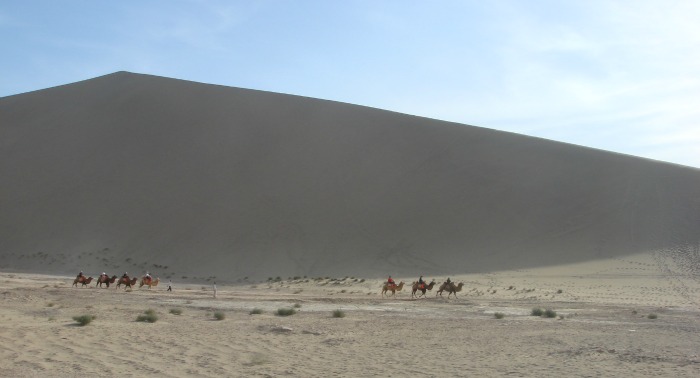
Taklamakan translates literally as “Once you go in, you won’t come out!” and for the Silk Road traders, the path they took through the desert was one the most hazardous parts of their journey. Stand upon the 300m sand dunes that Polo dubbed as the ‘Rumbling sands’ and listen to them ‘roar’ as the wind blows.

The Mogao Caves and More Top Dunhuang Attractions

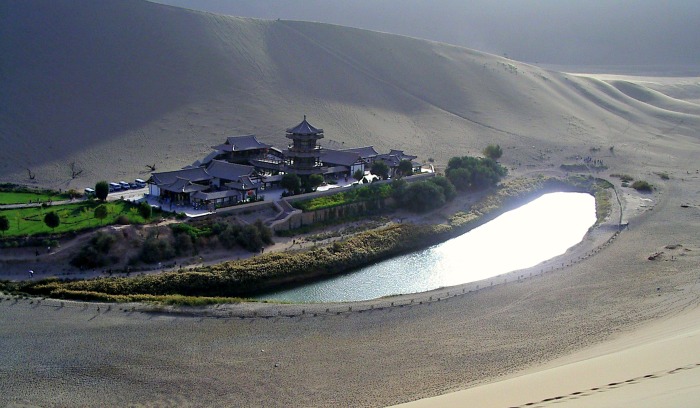
Barter with one of the local camel herders for a ride to the Crescent Moon Lake, a small oasis amid the sand. Known to locals as the ‘First Lake under heaven’ the natural fresh water lake is believed the have existed for over 2,000 years.

The Mogao Caves and More Top Dunhuang Attractions

Why travel with AsiaTravel? Watch the sun go down over Marco Polo’s ‘Rumbling sands’ with a glass of champagne in your hand as your AsiaTravel hosts prepare a delicious private BBQ dinner for you in the desert.

The Yumenguan pass (The Jade Gate)

The ancient gateway to Dunhuang

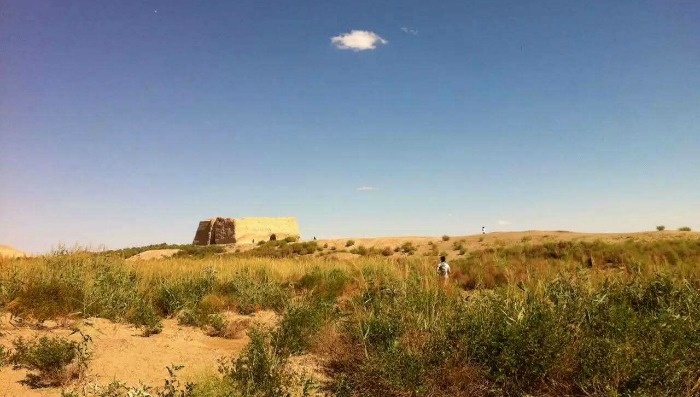
The Yumenguan Pass was located in the westernmost extension of the Great Wall. The wall was built as an ancient stronghold during the Han Dynasty to protect against Hun invasion but the gate came into its own as an important trading post. Every caravan, merchant, trader and their horses traveling to Dunhuang were required to pass through. Today only the small square fortress remains but remnants of the Great Wall can be spotted far into the distance.

The Mogao Caves and More Top Dunhuang Attractions

Why travel with AsiaTravel? Learn more about the area with AsiaTravel Expert William Lindesay, author of “Alone on the Great Wall” and a leader in efforts to preserve the Great Wall.

Must Eat Food

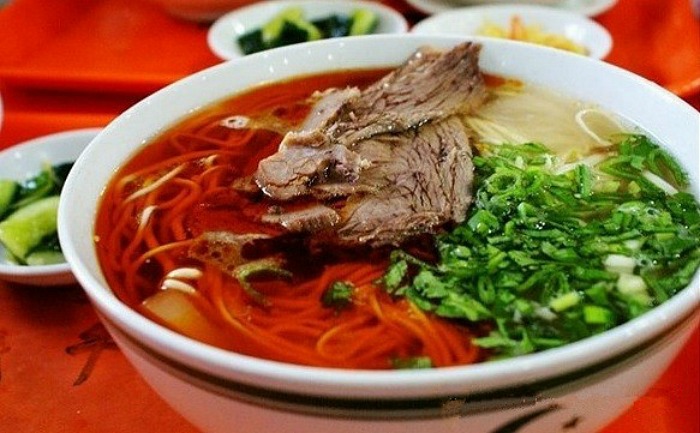
Langzhou Lamian (Hand-pulled noodles)

The province’s most famous cuisine

The Mogao Caves and More Top Dunhuang AttractionsYou can slurp a bowl full at Dunhuang’s night market which serves them up alongside an engaging slice of local life. Get an insider’s look at Dunhuang culture and breathe in the thick aroma of barbecued lamb kebabs before picking up some local wares – many of which will be hand-made right in front of your eyes.
More time in Gansu?

  • • Head south to the Danxia Landform in Zhangye where tectonic activity has created a unique, multi-colored topography
  • • Get off the beaten track and visit the Horse’s hoof temple 马蹄寺. These Tibetan style hanging grottoes offer fewer murals than Mogao Caves but also fewer tourists.
  • • Make your way down to the south of Gansu province, where you can spend a weekend at the luxury camping site, Norden Camps, for a taste of nomadic life on the plains.

Join our August 2016 Silk Road Small Group Tour or venture off on your own tailor made tour of the Silk Road.