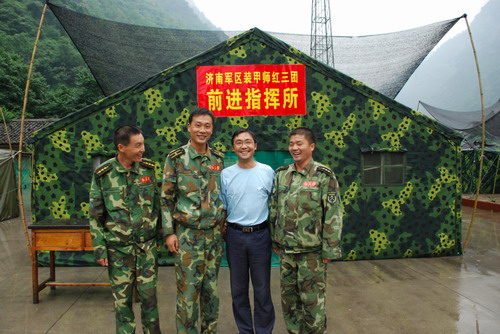
AsiaTravel’s t-shirts arrived at Sichuan’s Mupi Tibetan Village last week. The village is located at, Pingwu county, one of the hardest hit counties from the Sichuan earthquake.

All about China Travel Guide
AsiaTravel’s t-shirts arrived at Sichuan’s Mupi Tibetan Village last week. The village is located at, Pingwu county, one of the hardest hit counties from the Sichuan earthquake.
As Beijing continues to prepare for the 60th Anniversary of the People’s Republic of China on Oct. 1 and the weeklong National Holiday, we are receiving new updates on closures during this period:
– The Forbidden City will be closed from Sept. 30 to Oct. 1.
– On Oct. 1, from 9:30 am to 12:30 pm, the Beijing Capital Airport will cancel all domestic flights, and international flights will be postponed to 12:50 pm.
– From now until Oct. 8, the Tibet Tourism Bureau in Beijing will stop issuing the Tibet travel permit, which is required to enter Tibet. AsiaTravel is working with our local partner in Tibet to remain updated on this matter.
——–
Need more information? Email us at info@wildchina.com.
Climate change often seems like an abstract concept to many of us. But as renowned China scholar Orville Schell writes in “The Thaw at the Roof of the World,” his recent New York Times op-ed, the effects of global warming can be clearly seen in a part of China close to AsiaTravel’s heart: Yunnan province in the southwest.
AsiaTravel recently ran a trip for Orville and a few of his friends from the Asia Society to Yunnan and the Tibetan Plateau so that they could examine these environmental changes up close. As he writes, most people visit Yunnan’s majestic Jade Dragon Snow Mountain for the beautiful views — unaware that the mountain’s Baishui Glacier No. 1 has receded 830 feet over the last 20 years due to climate change. While in the short run, the melting of the glacier will result in plenty of water, in the long run, it will in fact result in water scarcity — a serious issue, given that the glaciers on Jade Dragon Snow Mountain feed water into the uppear reaches of the Yangtze River, a major water resource for much of China.
Given that water resources are already dwindling worldwide, it’s no wonder that conservationists are drawing more and more attention to the pressing need to solve the climate change problem. It certainly becomes much less abstract when you think about the people and lives that will be hugely affected, for the worse, by the environmental changes.
AsiaTravel recently embarked on a series of initiatives to improve local practices in rural areas in southwest China. This is the second of a three part series examining efforts to improve life for those in rural areas and the technologies that enable a better standard of living.
At the upper reaches of the Minjiang river and the edge of the Tibetan plateau sits Shenxi village, the remote home to a group of Chinese villagers. Shenxi village, an hour hike from the nearest paved road, seems a world apart from the rest of civilization. However, the activities of this town profoundly influence the rest of Sichuan province and surrounding areas. Shenxi village sits atop the Sichuan water basin, which stores water runoff from the Himalayas and supplies vital water to Sichuan and regions downriver.
Water cleanliness is a persistent issue for China’s water lifelines that carry snowmelt from the Himalayas eastward to the Pacific Ocean, from which one quarter of China’s population drinks contaminated water every day, according to the United Nations (PDF). These issues with water cleanliness are often the result of unsanitary conditions and practices in human settlements that border major rivers.
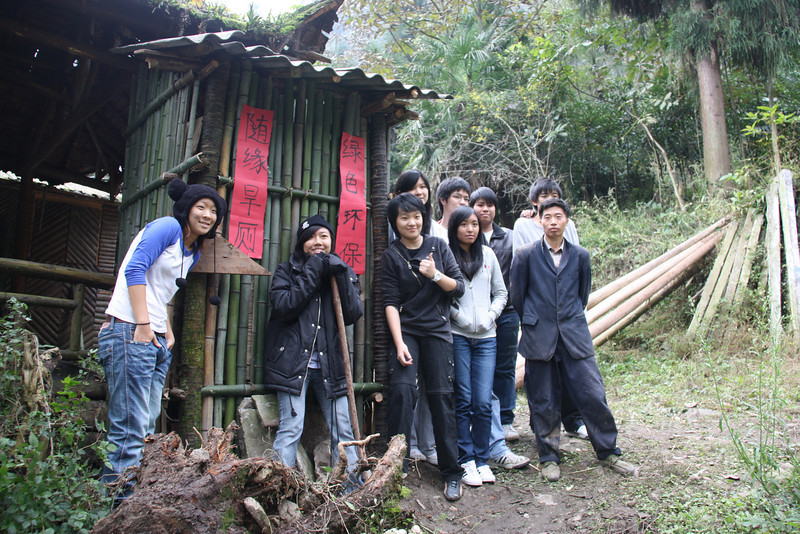
Students and Villager in front of completed toilet
Seperated by only a mountain from the epicenter of last year’s earthquake, Shenxi village was devastated by the damage it inflicted. Aside from the toll on human life, many of the buildings in Shenxi collapsed outright and those still standing suffered heavy damage. Villagers who returned to Shenxi village after the earthquake rebuilt their homes with the limited resources available, and the result was a village that lacked adequate sanitation. AsiaTravel recently completed a three day project building bio-friendly toilets in this area.
Working with WildGrass, an NGO dedicated to providing sanitary living conditions in earthquake stricken areas of Sichuan, AsiaTravel sent a group of high school students to Shenxi village. The students hiked into Shenxi, where the winding mountain road is still in disrepair from the earthquake and certain stretches have disappeared altogether. The students worked together with locals and AsiaTravel staff to build six waterless latrines with self-sterilizing technology for the village.
WildGrass incorporates new technology into their waterless toilets. The toilets are built from bamboo and locally recycled materials, and use underground fermentation with ash from local plants to sterilize the waste. The byproducts are then used as crop bio-fertilizers. These toilets save nearby rivers and the waterbed from waste pollution. Moreover, the toilets provide a resource to the local farmers, who can economize on locally purchased fertilizer. WildGrass is in the process of building these toilets in earthquake ravaged areas of Sichuan.
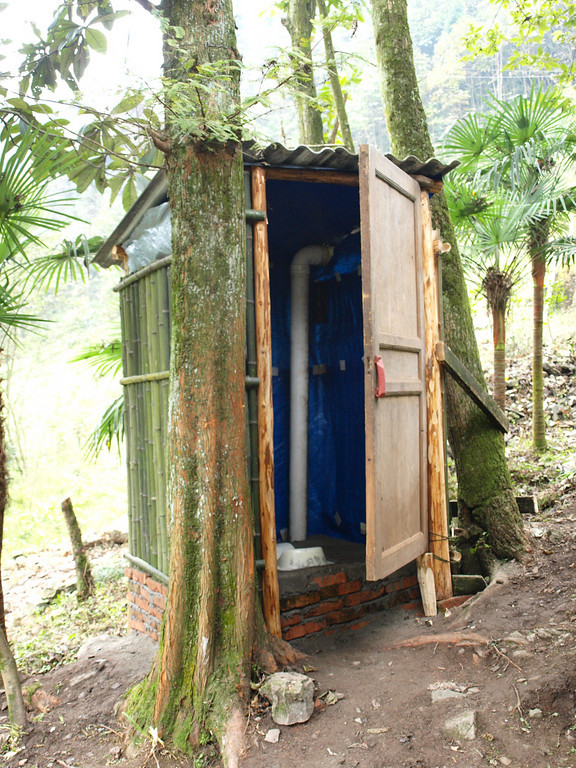
Completed clean technology toilet in Shenxi village
After the project, one of the villagers for whom the students had built a toilet cooked a meal for the students as a show of gratitude. AsiaTravel has another trip planned for a group of students to return to that area in early November.
Without the help of all our friends in Yushu, we would not have had the opportunity or the good fortune to successfully run trips in Qinghai province. They are like family to us, and there is much they can do to help the current situation in Yushu. We need to help them in the hope that they can then help others.
Tashi Maqu Dorje is originally from Yushu and is a former AsiaTravel colleague. At the end of 2006, Tashi left AsiaTravel to pursue a medical degree. One of his greatest attributes is his almost native command of the English language.
During the summer of 2007, he was our local trip planner for the Tibetan Grand Horse Racing Festival and luxury camp in Yushu. He worked closely with AsiaTravel Directors Veronique d’Antras, Sunshine Shang and Paul Moreno in making the trip a reality. He put AsiaTravel in touch with the many people, including his family who worked at our camp in Bartang (around 45 kilometers south of Yushu).
Samdeg is a schoolteacher who has been our camp manager in Yushu and helped in the trekking portion of our trip, setting up the remote camp. His relatives had grazing rights to the land where we set up camp, and our camp gear has been stored in his uncles’s house in Bartang for the past two years.
Samdeg’s family had a house in Yushu near the Rokpa-sponsored Orphanage School. He is a very kind, patient and diligent man, making the daily drive to the village school where he teaches. It was because of this that he was not home in the morning of the quake. His late mother and sister were tragically not as lucky, and he is suffering greatly as a result of these two losses.
Niyma Tenzing is the director and manager of the Rokpa Orphanage School in Yushu. He is instrumental in running and maintaining the orphanage, which cares for around 500 children. A number of graduates from the Orphanage School have attained a proficient degree of English at the University of Xining, and some become Tibetan doctors. A number have also returned to Yushu to further expand and run the orpanage’s activities and education.
In late March, AsiaTravel founder Mei Zhang blogged
about colleague Sunshine’s trip to and future work with an elementary school in Yubeng, a Tibetan village in Yunnan province.
Recently, Sunshine gave us an update on the status of AsiaTravel’s aid to Yubeng.
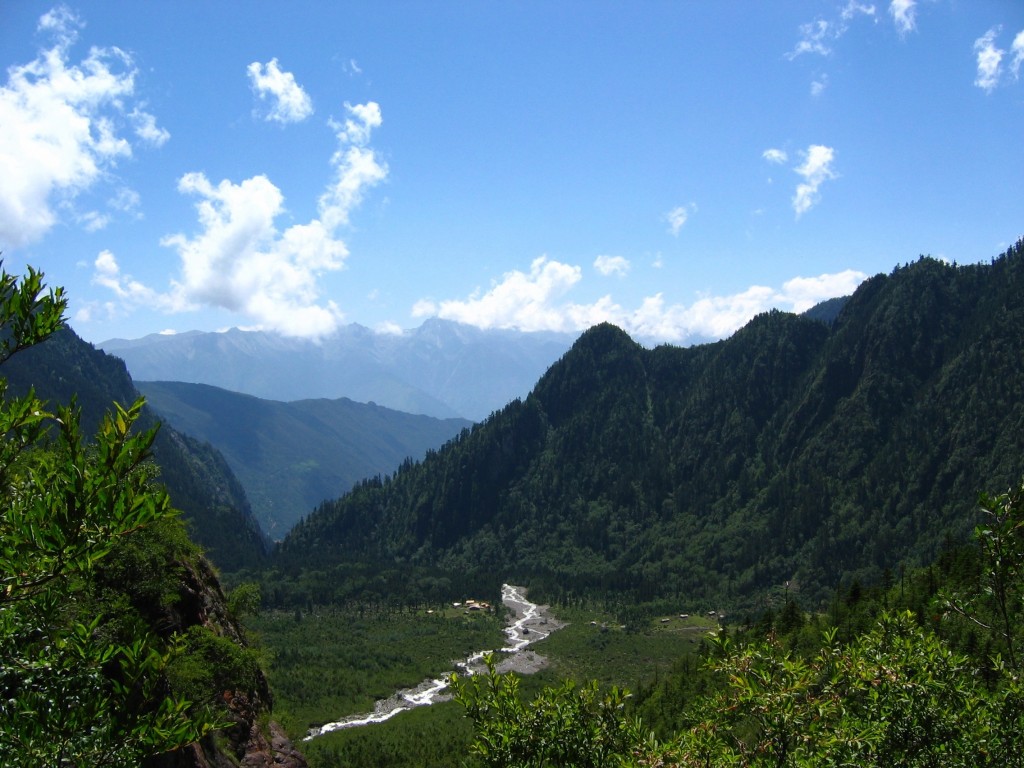
The valley near Yubeng Village
“The books on plants and stones have been just sent out. Thanks to [AsiaTravel colleague] Li Ling’s help, the teachers and kids will have books to learn about different kinds of fish, amphibians, and invertebrates. [AsiaTravel colleague] Catherine also helped to get stone samples – this is wonderful for the kids to tell different stones apart.”
AsiaTravel looks forward to continued support of schools like Yubeng Primary School.
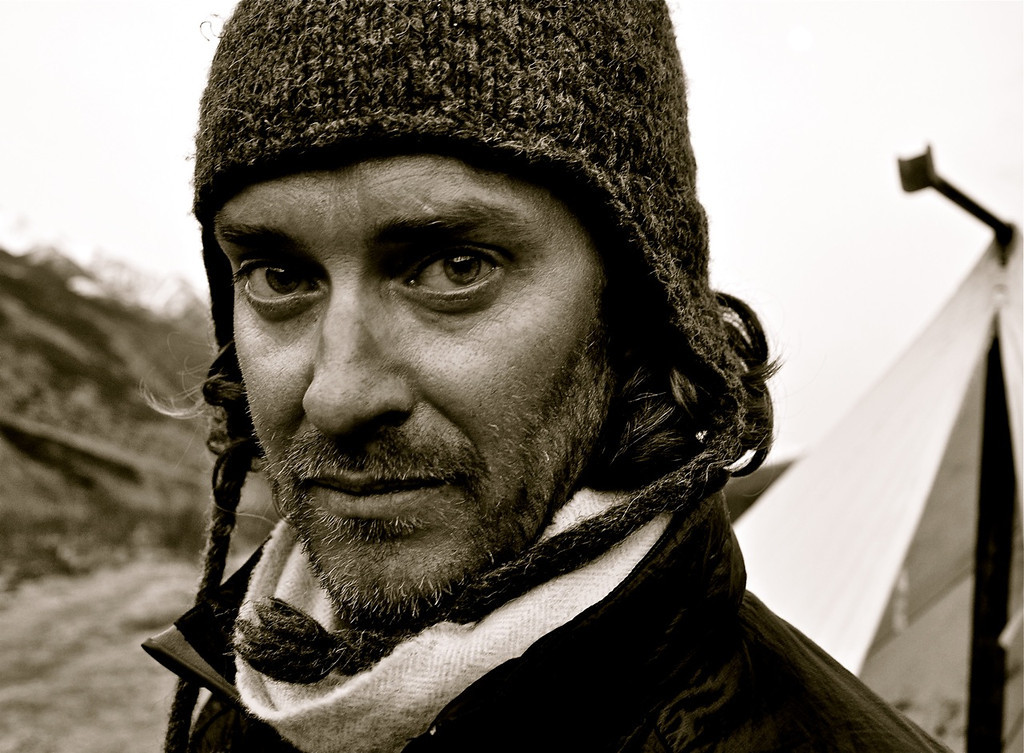
AsiaTravel’s Alex Grieves recently interviewed Jeff Fuchs, the first westerner to traverse the historic Tea Horse Caravan Route, author of The Ancient Tea Horse Road: Travels with the Last of the Himalayan Muleteers, and AsiaTravel expert. The route, which spans from Nepal, through China’s Yunnan province, and finally into Tibet, has for centuries been mysterious to outsiders, at best, but is usually simply unknown.
Fuchs explains his collaboration with AsiaTravel on the series of unique, once-in-a-lifetime journeys on the Road; why this route is profoundly important, historically and culturally; and how Himalayan nomads may be the key to understanding climate change.
WCT: How and why did your interest in the Tea Horse Caravan Trail develop?
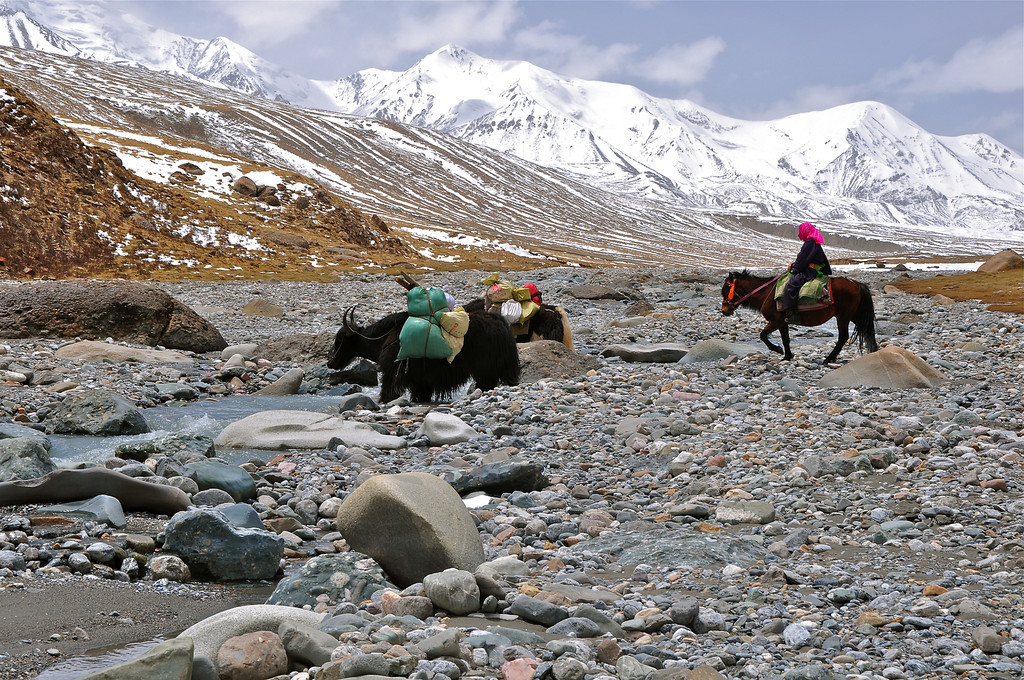
JF: I have always been an avid climber. In 2003, I went on an expedition with a Tibetan guide, Dakpa, from Yunnan who told me about his interest in and passion for the Tea Horse Road, which he knew by another name. Over the next year, we made the pact that we would travel it together. Initially, we found very little written documentation on the route. After completing more research, we realized that its significance likely surpassed that of the Silk Road. The Road linked Tibet to the Middle East and Persia, and within Tibetan tribes one can find Persian DNA as a result. Researching this route opened up new opportunities for me: after demonstrating the importance of the route, I also received a deal from Penguin Books and published a book on the Road, which was great for acknowledging and publicizing the importance of the route. I also later did consulting for National Geographic. The Road also further developed personal interests, primarily mountain climbing and tea.
WCT: Why is the Ancient Tea and Horse Caravan Road such an important route? What do people need to know about the culture and history surrounding this route?
JF: To know the significance of the Road is to understand the importance of tea to Chinese culture and by extension, Asia and the world as well. The origins of tea go back 2,000 years, to the base origins of ancient Chinese tea trees. Minority tribes worshiped tree forests; they had a very tangible identity in the lives of these people. At this time, money lacked any value – the currency of choice was tea.
As such, tea was the main export from Yunnan, which kept dynasties attempting to take over at bay, since the desire for tea was so incredibly strong. Tea was used as an herbal curative element, so it was incredibly important to all, regardless of which dynasty or power with which you were allied. Thus, the route was truly integral to people during the peak of its use.
Travelers to China need to experience the Road to see what one route could do for so many lives, communities, businesses, and alliances. Travelers just don’t see these regions, or these stories, on an average trip. The history, stories and challenges of the Road enable those who travel it to see something real.
WCT: Where did your interest in tea come from?
JF: Tea has always been part of my home life. When I was growing up in Switzerland, my father of Hungarian origins was always experimenting with foods and was a tea lover. He had me drinking Japanese and Taiwanese tea from the age of 12. When I moved to Taiwan in 1999, I became completely obsessed with tea, and began doing advertising and promotional work for a tea company to learn more about it. Later I discovered Banna [Yunnan] and Pu’er [also from Yunnan] tea. I’ve collected teapots and teas for quite some time now, and have expanded my collection to Oolong and other Green teas as well.
WCT: What were the challenges of this route? Surprises? Rewarding aspects?
JF: This route was full of surprises and unexpected challenges, and it was surely an incredible, life-changing experience.
I expected spectacular geography. What I didn’t expect was to discover the profound importance of the route, its legendary impact on cultures that developed alongside it, and how it functioned regularly from the 7th century until the 1950s.
The truly surprising aspect of the trip was the daily combination of intense, breathtaking beauty and imminent danger and hardship. Portions of the route were so simple and untouched, and also so treacherous – I couldn’t believe how arduous the trek must have been for mules carrying tea. Even in May and June, we often walked through meters of snow, so one can imagine how difficult it must have been for the tea horses. The physical danger of the journey was also unexpected. I’ve climbed all my life, but the daily beauty coupled with danger that I encountered on this trip was in a league of its own.
The journey was 5,000 kilometers, and took us 8 months in total. During these 8 months, there were many difficult times. We trekked through the Himalayas during a blizzard in June. We almost lost the youngest member of our group when he slipped and slid down a glacier, and just barely survived with enough friction from his equipment and clothing to stop him from falling to his death. We ended up with severe frostbite and skin problems. We almost lost another group member in a blizzard with 6-feet visibility to a snow tunnel in a crevasse, since we didn’t hear or see him fall. These hardships brought to light the physical dimension of the route, and made us realize how many lives must have been lost over 1,300 years of history.
The true beauty of the route, however, lies in the way in which it linked and unified people through common need – the need for tea. Despite strife and wars, trade never stopped along the route. It kept relationships open and communities sustained. Tea was the unifying element, and without it, the route would not have been as crucial, and would probably not still exist for us to explore.
WCT: It seems that you’ve traveled everywhere throughout your life. Why China, and why China now?
JF: I’ve lived in Yunnan since 2005. For me, China has always represented a mass of information that is only partially understood by the West. There is so much that isn’t promoted and isn’t known, and that doesn’t fall into the stereotypes of how China is perceived. China really has a bit of everything. It’s a massive geographical wonder; you can see every extreme, color and season here. Specifically, I have always been interested in the Himalayas. The eastern part of the range satisfies my passions for mountains and tea, so I am naturally drawn to the area.
It is important to remember that right now, China is continuously opening up and becoming increasing accessible. As it opens up, we can peer in more and see the various faces of China that exist within the country.
WCT: You’ve also spent time documenting a nomadic tribe at 5,000 meters in the Himalayas. Tell me more about that experience.
JF: My intention was to do story on a dying way of life, a cultural piece on nomadic culture and existence. For three weeks, I lived with a family in a community of 8 fierce Tibetan families who possessed Persian ancestry and DNA. These khampa, or eastern Tibetan, nomads are the most traveled of Tibetans.
In the middle of nowhere at 4,800 meters, I experienced every aspect of their lives: their daily rituals, strife, meals, their relationship to nature, everything. At that time, I only spoke minimal Tibetan, and very little in their own dialect. When you live at almost 5 kilometers in the sky, completely isolated, your life revolves around preset rituals. There is no technology; you are completely cut of from the trivia of modern life, and anything that isn’t crucial.
It was difficult at first – it took me a week and a half to get into the rhythm of this life – but it was one of the best experiences of my life. While it is a world of stress and hard work, it is also one of incredible joy. Relationships are very well defined according to natural elements because everything in their life has to do with the weather, including one’s health and the health of one’s yaks.
These nomads are such an enigma because they have chosen to remain so isolated. For this reason, they are, in fact, the true global warming experts. They don’t have terms for these environmental problems as we do, but they know and feel it because of their innate sense of nature. Their intuition allows them to know this. Before we created these terms to frame these issues, they talked about and felt these changes. Their oral histories tell stories of the landscapes as accurately as any historian would.
My experience with the nomads goes to show how important it is to understand people who live on and with the land – regardless of where they are from – and how their perspective can shed light on the state of affairs.
———-
Photo credit: Jeff Fuuchs
Travel along the Tea and Horse Road with Jeff.
Many parts of China can get quite hot in the summertime. But, did you know that there are three cities that are notorious for their heat?
Meet China’s “Three Furnaces” (三大火炉): Wuhan (capital of Hubei province), Nanjing (capital of Jiangsu Province), and Chongqing (a provincial municipality previously a part of Sichuan Province). Incredibly hot, humid and uncomfortable in the summertime, these cities are those from which local Chinese are sure to stay away when vacationing in warmer months of the year.
Given the reputation of these and a number of other Chinese cities in June, July and August, where can travelers beat the heat and experience China differently in the summer?
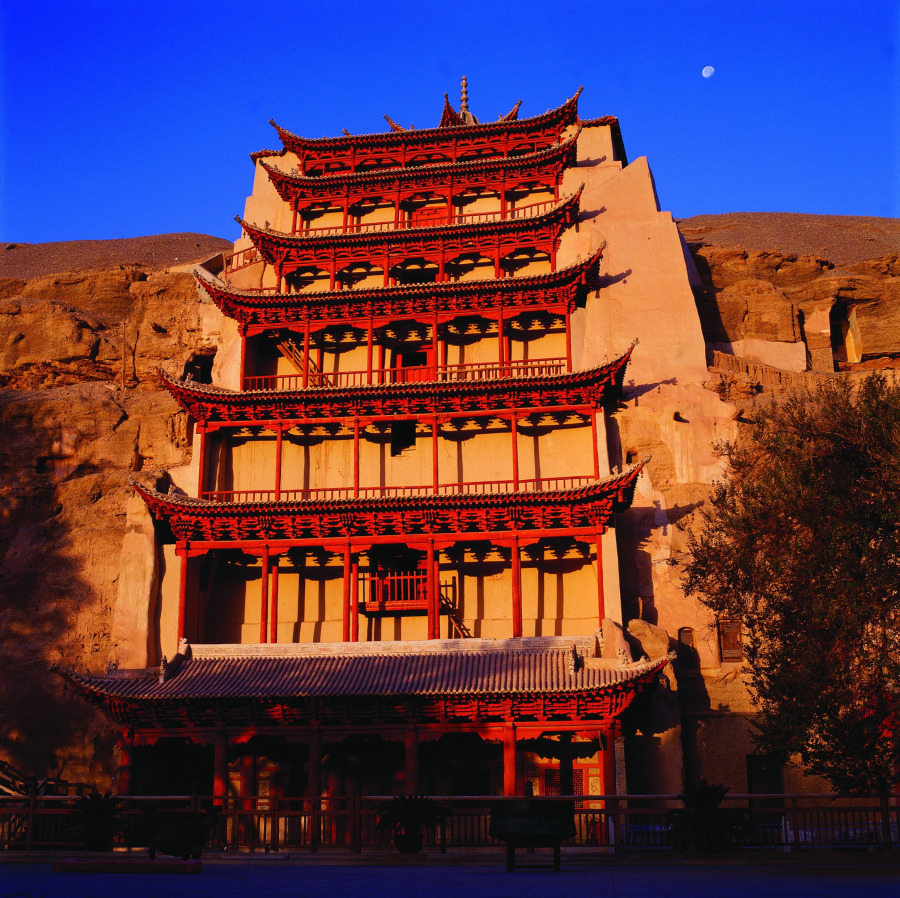
Dunhuang, in China’s northwestern Gansu province, is home to the Mogao Grottoes. Gansu is a pleasant summer destination for travelers to China.
AsiaTravel has three solutions for comfortable warm-weather travel:
Inner Mongolia – Hulunbeier: In Inner Mongolia, experience traditional Mongolian wrestling, archery, and horse racing at a Mongolian Naadam Festival (which literally means “games” in Classical Mongolian). Large cultural influence from Mongolia means that travelers can find Naadam festivals all over this northern Chinese region as well. For the Naadam event best suited to families and groups, visit Hulunbeier in July and August. This is a great way to experience the outdoors, traditional sport and game, and moderate summertime weather in China.
Yunnan – Dali, Lijiang & Zhongdian (Shangri-La): Three of Yunnan’s culturally- and historically-rich towns – Dali, Lijiang and Zhongdian – are generally quite pleasant in the summertime and offer a number of diverse sights to explore. There may be precipitation during this rainy season, but lower temperatures and amazing landscapes more than make up for this. Find more information and ideas by looking at our South of the Clouds itinerary. One word of caution: due to the summer rain, hiking in Yunnan’s Tiger Leaping Gorge at this time is dangerous. AsiaTravel strongly advises against doing so.
Gansu – Dunhuang and Xiahe: Home to a portion of the Silk Road, Gansu boasts dry summers whose temperatures peak in the mid-80s (Fahrenheit). Visit Dunhuang, the main traders’ stop in Gansu along the Road, for the Mogao Grottoes; and Xiahe for Labrang Monastery in the Tibetan Buddhist tradition. Our Marco Polo’s Silk Road: Across the Taklamakan journey has an optional post-trip extension to this area. (We recommend avoiding July and August for the entire trip, since temperatures in the arid desert of Turpan can reach 113°F [45 °C] during the day.)
———-
Want more information on cooler summer destinations in China? Email Alex at alex.grieves@wildchina.com.
Electric blue skies and majestic mountains were a wonderful welcome as I stepped off the plane in Lhasa, Tibet. In early May, as the Manager of Training and Quality Control, I was sent to Lhasa to meet with our local AsiaTravel team to prepare for the 2010 summer season, lead review sessions on our distinctive service standards, and to develop new products and tweak our itineraries to ensure that our AsiaTravel travelers are eating, staying and experiencing the most unique and authentic aspects of Lhasa. AsiaTravel has been working with our local team in Tibet since 2000 and they perfectly understand AsiaTravel – getting off the beaten path and experiencing real Tibetan life and culture.
I know when I look back in the years to come on my trip to Tibet, I will remember staying at the Yabshir Phunkhang. Per Chungdar’s recommendation, I reviewed and stayed at this recently opened boutique hotel that served as the home of the 11th Dalai Lama’s father in the mid-19th century. Elegant Tibetan accents were thoughtfully applied throughout the hotel to create a stylish retreat to relax and catch your breath (literally!) from the 12,000 ft altitude! The delicious Nepalese curry in their well appointed restaurant was the ideal meal after a long day of travel from Beijing, and the setting would be a special location for a private dinner for a larger party.
AsiaTravel is always trying to find locations and activities that no other travel agencies have discovered and on this trip to Lhasa, we definitely scouted some amazing and unique locations. My favorite new find was a Tibetan nunnery roughly a one hour drive from Lhasa. N Shunsel is a nunnery that is rarely visited by non-locals and is a satisfying three hour hike. Walking through the breathtaking valley and getting stunning views of Lhasa in the distance, I knew we had found a special spot that our AsiaTravel clients would greatly enjoy to visit.
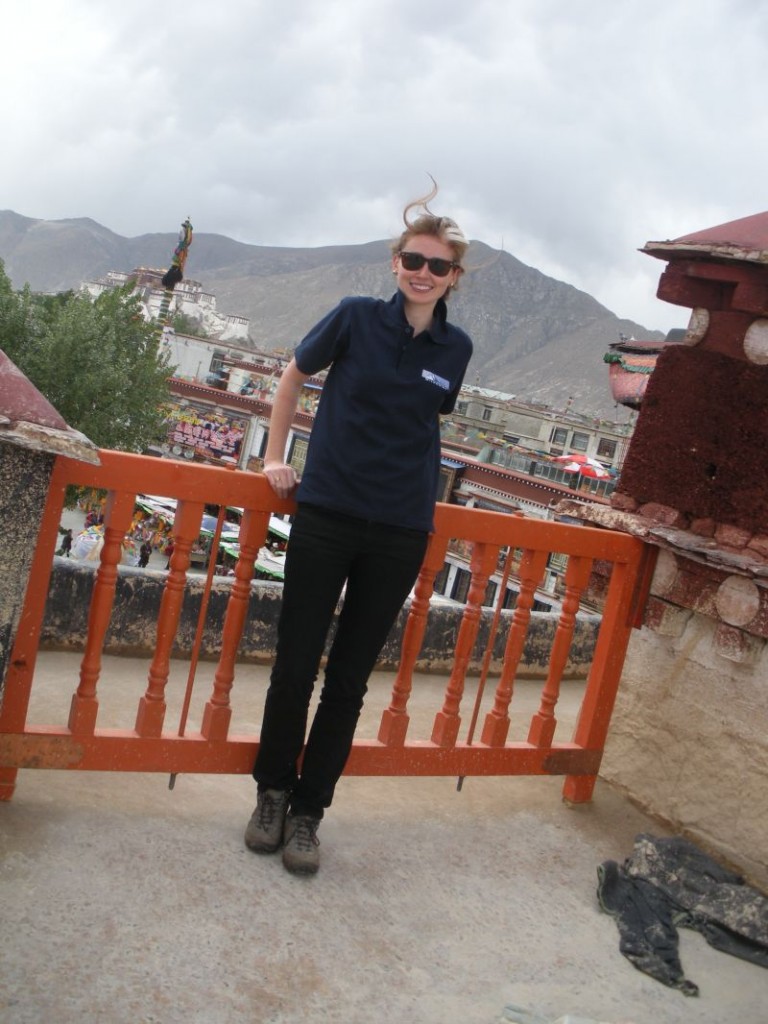
While on the road in Tibet, Nellie pauses to take in the scenery.
While my time in Lhasa was short and busily spent gearing up the guides for the summer season, the colorful prayer flags, the religious atmosphere that pervades every aspect of Tibetan culture, and chilled barley beer will hopefully soon lure me back to Tibet to explore again.
———-
Nellie Connolly is AsiaTravel’s Manager of Guide Training. Learn more about AsiaTravel’s guides.
I just did an interview by email with Chris Horton, Founder / Editor of GoKunming. His questions brought back so many nice memories of Yunnan. Thought I’d share them here:
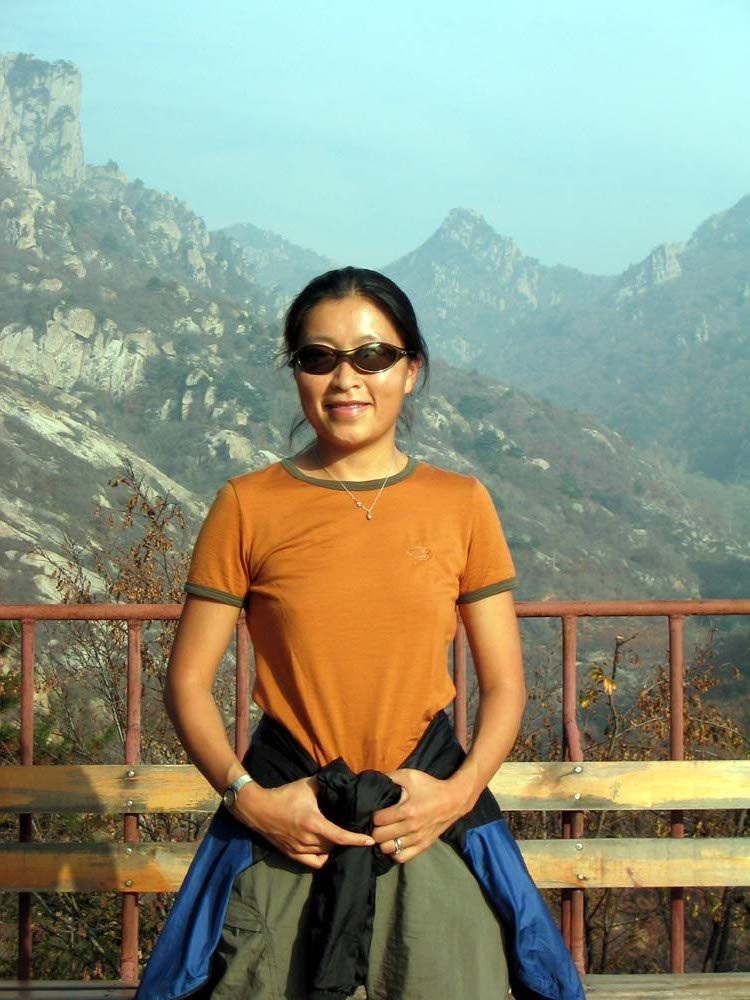
Mei Zhang: Yunnan native, AsiaTravel founder, China travel expert, entrepreneur and mother
Chris Horton (CH): Where in Dali did you grow up? What are some of your strongest memories of that time of your life?
Mei Zhang (MZ): I grew up in Dali until I was 9. That’s when my family moved to Kunming. My memories of that time that keep coming back are many. We used to go to a hot spring for baths near Xiaguan. There are always camellia blooming, and we’d climb the mountain behind the hot spring to pick big white flowers (Rhododendrons as I learned later). There were so many of those white flowers that we’d cook them for dinner! I remember people in Dali loved flowers, there are wild jasmines and other fragrant flowers for sale in the market all the time. Talking about market, that’s my favorite. Many different ethnic people would also come to the market, the Yis or Bais, wearing beautiful clothes, selling fresh vegetables and eggs. I still come back to Yunnan to search for those moments. (By the way, thank you for asking this question, it brought back so many nice memories.)
CH: What was the chain of events that led you from Dali to Harvard?
MZ: If this didn’t happen to me, I wouldn’t have believed events like this would ever happen. So my Dad, who was a worker building the hydropower station in Xiaguan, decided that the best thing he could do for me and my brothers was to give us the best education possible. He moved us to Kunming for better education. When I was testing for high school, he made me apply to the Foreign Languages school affiliated to Yunnan University, hoping that if I couldn’t get into college, at least I’d have some English to be a secretary. I got it, but I cried and cried, believing that he robbed me of the opportunity to become Madam. Currie of China. After that, I got into Yunnan University, studying English and Law. I started taking part time jobs as an interpreter since college to pay for school. Then one day, at an usual official banquet hosted by Yunnan Government for Krung Thai Bank from Thailand, my life changed. The president of the bank decided to give a spontaneous speech. None of the government interpreters were willing to go up to the stage with him, as there was no preparation, no script. They all recommend that I go up onto the stage, as I was the youngest interpreter with nothing to lose. So, I did. After that, the officials from the Bank invited me to sit at their table, and offered me a scholarship I couldn’t resist. The rest is history.
CH: What was the inspiration behind founding Wild China in 2000?
MZ: See here: http://www.wildchina.com/application/assets/img/press/pdfs/World-of-Chinese—See-a-Different-China.pdf
CH: What are the most surprising or amazing places you’ve discovered in China since then?
MZ: There are many, so I’ll just pick a few from memory. I remember seeing the villages near the Yellow Mountains for the first time. I was struck by how beautiful the traditional architecture was, and how much history the places endured, and how sad the current state was – all adults gone to work in the city as migrant workers, with only grandparents and kids left in the village. Guizhou Province also struck me an unbelievable place. It’s also in the Southwest of China, but incredibly poor and lack of development. In a way, it reminds me of the Yunnan I grew up with. Rice terraced fields with ethnic hamlets scattered here and there. Traditional lifestyle that’s so beautiful and the hardship so challenging. That’s the China I knew and loved.
CH: What notable changes have you seen in China’s travel industry since 2000?
MZ: The extraordinary growth of domestic travelers spurred incredible growth in the travel industry. There have been some great advances, for example, I just visited Heshun village near Tengchong in Yunnan. I have to give the development company a lot of credit and respect. I think they did an amazing job keeping the beauty of the place while making it accessible to the general public. The landscaping is beautiful and tastefully done, and the written materials are interesting and well done. There are more and more lodges and hotels that are also tastefully done around the country. These are all great. But, I feel sorry for sites and places that are too quickly run over by tourist crowds. Lijiang old town is a prime example.
CH: How often does Yunnan figure into your clients’ travel plans? What are the most popular destinations?
MZ: Very often. It’s one of our top destinations. Before I traveled the world, I thought I was just biased because I was from Yunnan. Now that I have been to Mt. Everest, South Africa, Italy, Peru, you name it, I know Yunnan IS one of the most extraordinary destinations in the world!
CH: What are your favorite places in Yunnan?
MZ: My favorites are: Cizhong in Diqing, I find the catholic Tibetan cultures fascinating; Shaxi Jianchuan Grottoes, I loved the long history behind the whole Tea and Horse caravan road; Tengchong and Gaoligong Mountain, I love the incredible bio diversity there and the WWII history. I just hiked across Gaoligong from Baoshan to Tengchong last week, and thought it’s one of the most beautiful hikes I have ever had. After the hike, I called Gaoligong Nature Reserve, and told them that I’d sponsor them in publishing a birding book! Look for it, it’s coming out next year.
CH: Wild China has carved out a niche for itself as a provider of sustainable and socially responsible tourism in China for foreigners, do you see these concepts ever becoming important to the domestic tourism market?
MZ: Absolutely, we want to get involved in the domestic tourism market as well, but we have a wait a little bit for the demand to build up more. In the meantime, we are speaking at different forums etc to influence Chinese travelers.
CH: Spending much of your time between Beijing and the US, you’re usually far away from Yunnan… what Yunnan dishes do you miss the most?
MZ: I actually make it to Yunnan a lot! At least twice a year, and spending some solid time in the mountains. Yunnan Rice Noodles (mixian) is probably the one dish I miss most. I am a good cook, so can fabricate most items including suancai (pickled greens) myself, but the noodle is beyond me.
———-
Learn more about Mei Zhang and the AsiaTravel story.
Go to the interview link on GoKunming.