Where the Wild Things Are with Laurence Brahm

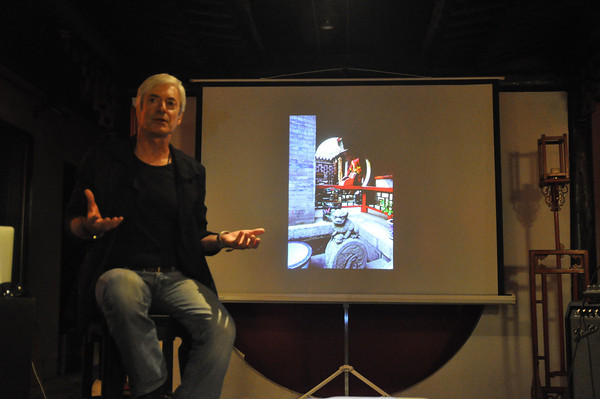
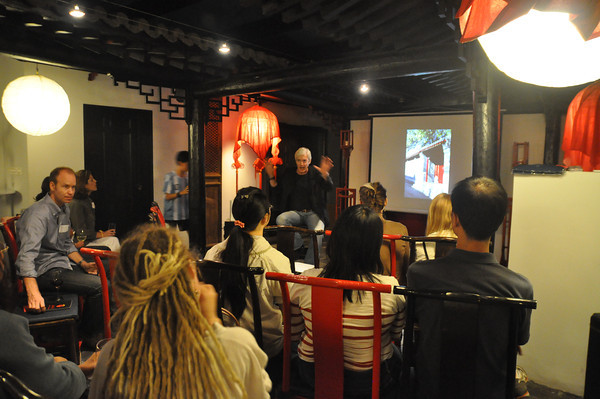
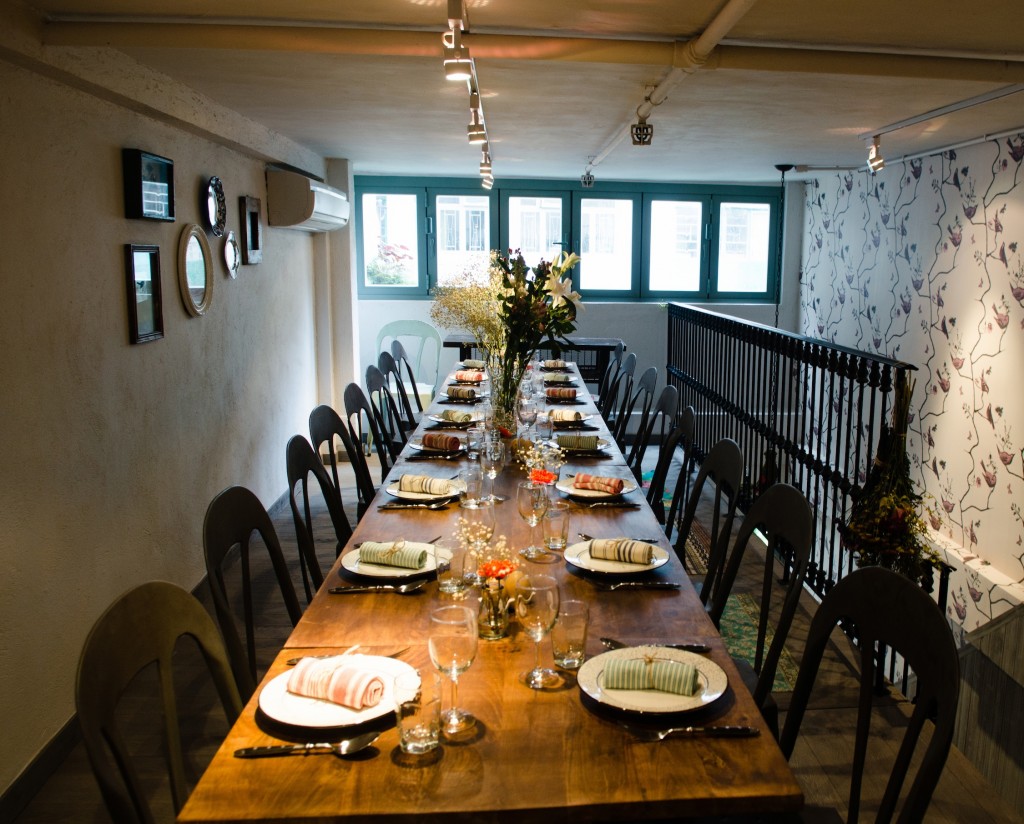
With a cool breeze heralding the beginning of fall, the stage was set for guests to enjoy a beautiful evening at Face Bar for yesterday’s Where the Wild Things Are: A AsiaTravel Series with speaker Laurence Brahm. After having a chance to mingle over cocktails and hors d’oeuvres, guests headed inside as the light began to fade to hear Laurence discuss his experiences working in Asia.

Where the Wild Things Are with Laurence Brahm

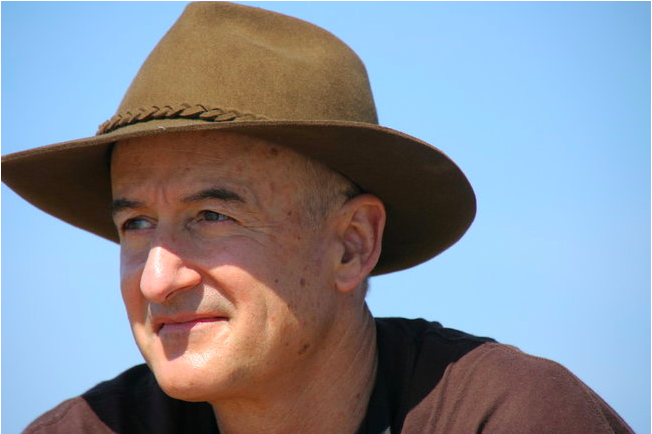
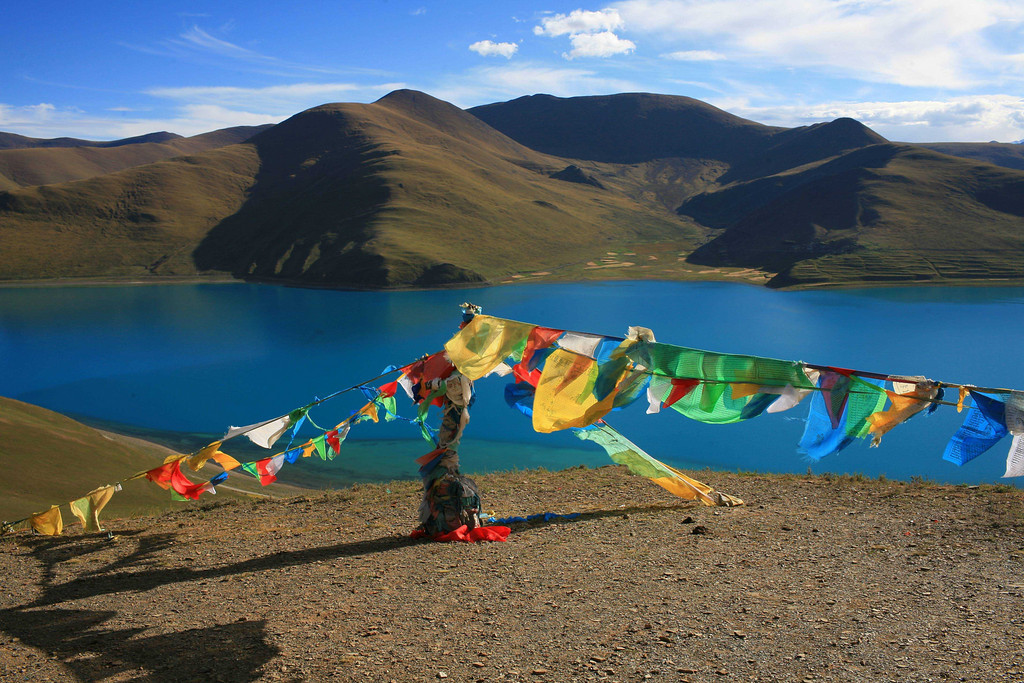
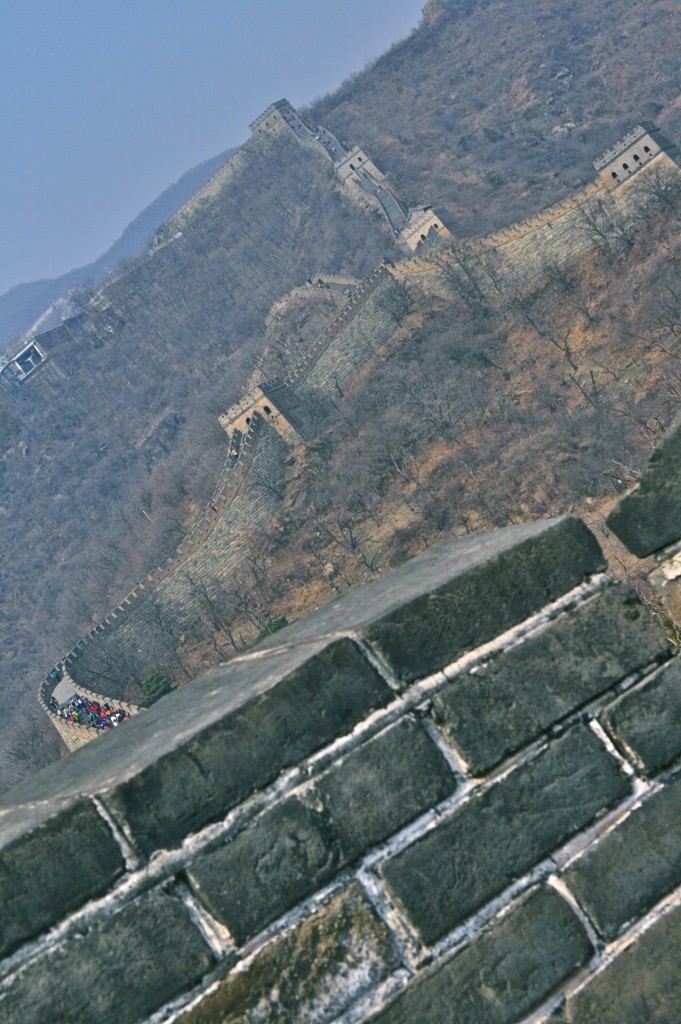
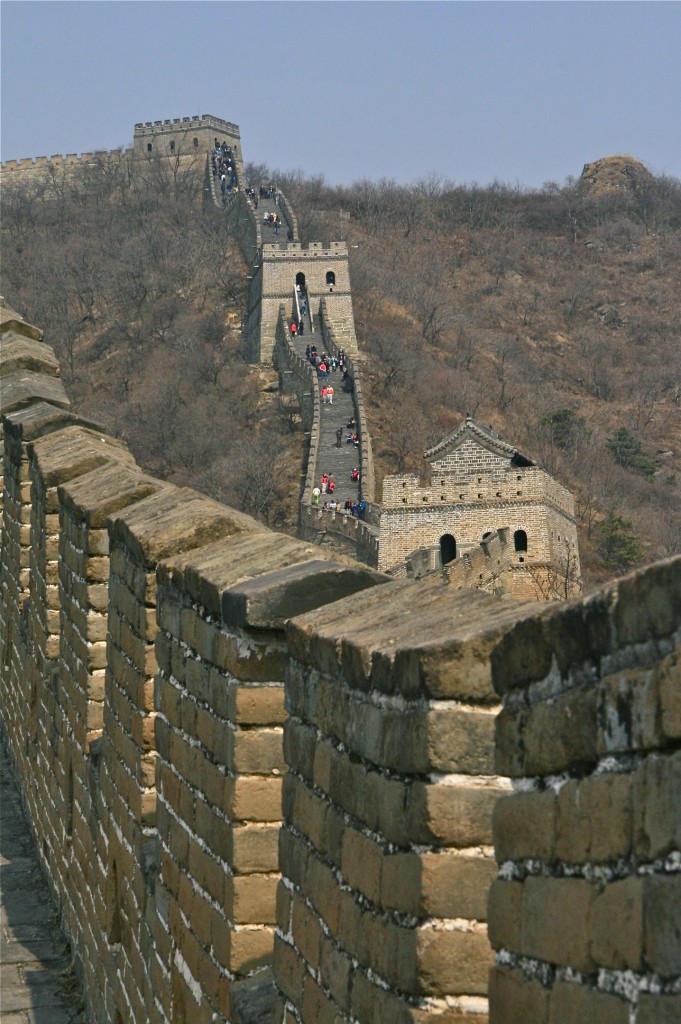
Laurence’s presentation centered about his pursuit of social entrepreneurship in China. Whether it was training disabled Tibetan women to sew puppets and thereby giving them a sense of empowerment, or buying up land around the Great Wall to protect it from being turned into a tourist trap water park, Laurence has been a defender of local heritage. In addition to these projects Laurence also discussed his own hotel group Shambhala Serai. When one guest inquired what level of push-back he had received from the government for his private venture Laurence replied that it has been minimal. Laurence went on to explain that unlike an NGO, which can have financial backing that is harder to pin point, for profit organizations goals are simpler, and therefore less of a concern for the government. Helpful advice for those considering starting a business of their own in China.

Where the Wild Things Are with Laurence Brahm

We will definitely keep an eye on Laurence going forward to see what challenge he tackles next, whatever the issue though we see no reason why he won’t succeed.

———-

Our next Where The Wild Things Are: A AsiaTravel Series will feature food writer and cook Fuchsia Dunlop on October 12th. Stay tuned as full details will be coming out shortly.


New Year’s Eve in the Fragrant Harbor

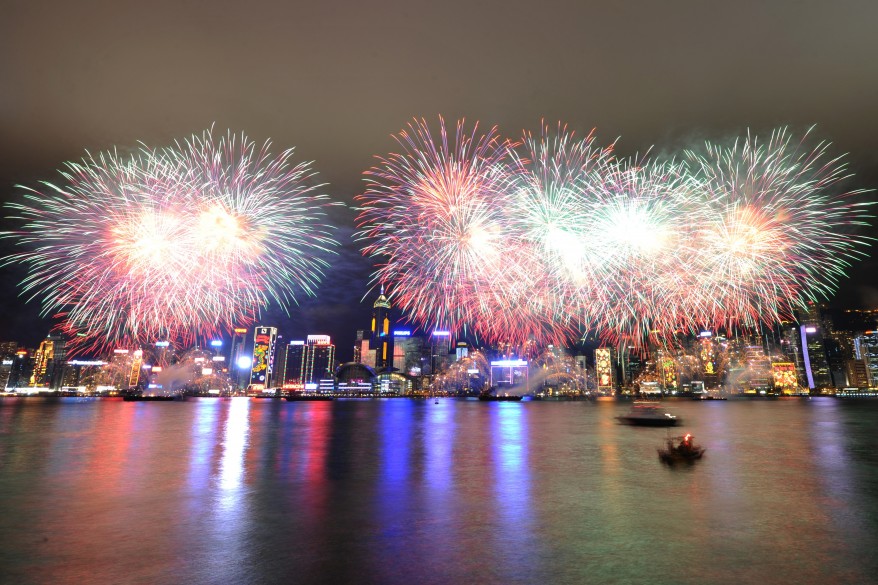
Depending on what city you are in, New Year’s Eve can take on a lot of different shapes. You can watch the ball drop in New York City, join the New Year’s day parade in London, or watch a Tostito chip drop if you are in Tempe, Arizona. While all of these may be impressive, if not amusing, they are nothing like being in Hong Kong to ring in the New Year.

New Year’s Eve in the Fragrant Harbor

It is no coincidence that the city we recommend for popping champagne and watching fireworks is the same one The Economist recognized this year as the best city in the world.  Not only will fireworks never be the same (Hong Kong goes notoriously overboard when planning its celebratory explosive light shows) but Hong Kong truly has something for everyone.

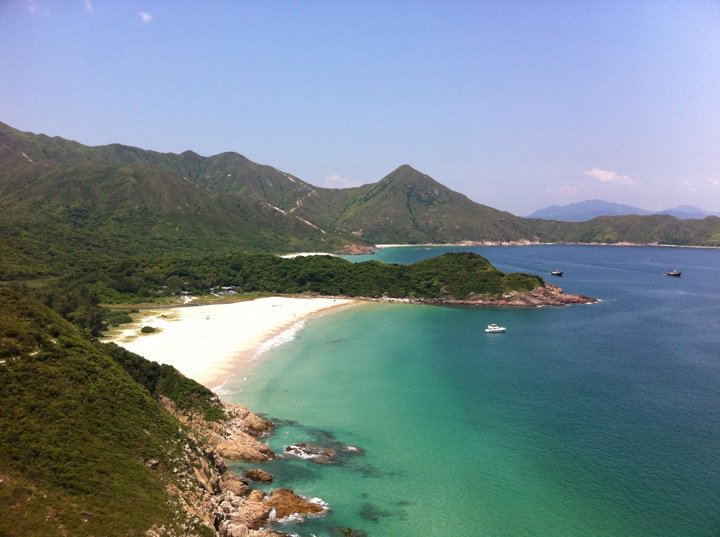
For those who have come from the blustery cold of northern Europe and North America, Asia’s World City offers a relatively warm January 1st, with temperatures between 8-15ºC (46 to 59ºF). Hong Kong ‘s sun stay hot and tropical so this is perfect weather for families to explore hikes around the territory and take the tram up to Hong Kong’s Peak for a beautiful view of the metropolis below. If you are staying on the Island, the Dragon’s Back Hike is a 15-minute cab ride away, while for those staying in Kowloon, Sai Kung Country Park–a true escape from the bustling crowds–can be reached in under half an hour.

New Year’s Eve in the Fragrant Harbor

When evening rolls around there are many locations from which to enjoy the night’s festivities. Reserve a table for yourselves at one of the city’s many restaurants to stage your own party complete with Christmas crackers, confetti, and plenty of Moët & Chandon. An excellent venue for this is The Pawn, and one of our favorites. If you go, trust us on this one and try their fresh seafood–it’s fantastic.  Celebrating New Year’s Eve with the entire family? Rent out a junk to float around Victoria Harbour for a truly singular view when the fireworks burst over head. It will be a reunion to remember.  Of course there are those who celebrate the New Year by traipsing around until the wee hours of the morning, and in this regard Hong Kong never fails to disappoint. Unlike the rest of the year, the buses and subway will run all night long on New Year’s Eve.  The vibrant bar scenes of both Lan Kwai Fong and Wanchai offer places galore–bumping clubs, relaxed lounges, and comfy pubs–just be sure to get there early as lines can build as you close in on midnight.

Make a mid-year resolution to plan a trip to the fragrant harbor this December to start 2013 off right in the shimmering streets of Hong Kong.

———-

If you have questions about travel in Hong Kong, send us an email at info@wildchina.com and we will be happy to assist you.

Photo of fireworks over northern Hong Kong Island by Voice of America.  Photo of Tailongwan (Big Wave Bay, Sai Kung) by AsiaTravel.

Inner Mongolia: On the Edge of History

On China’s northern edge there is a province that combines the wonder of the desert and the beauty of the grasslands for an experience that will take your breath away; this province is called Inner Mongolia. Similar to the legendary landscape of neighboring Mongolia, Inner Mongolia’s open spaces maintain a feeling of timeless tranquility unlike anywhere in China.

Inner Mongolia: On the Edge of History

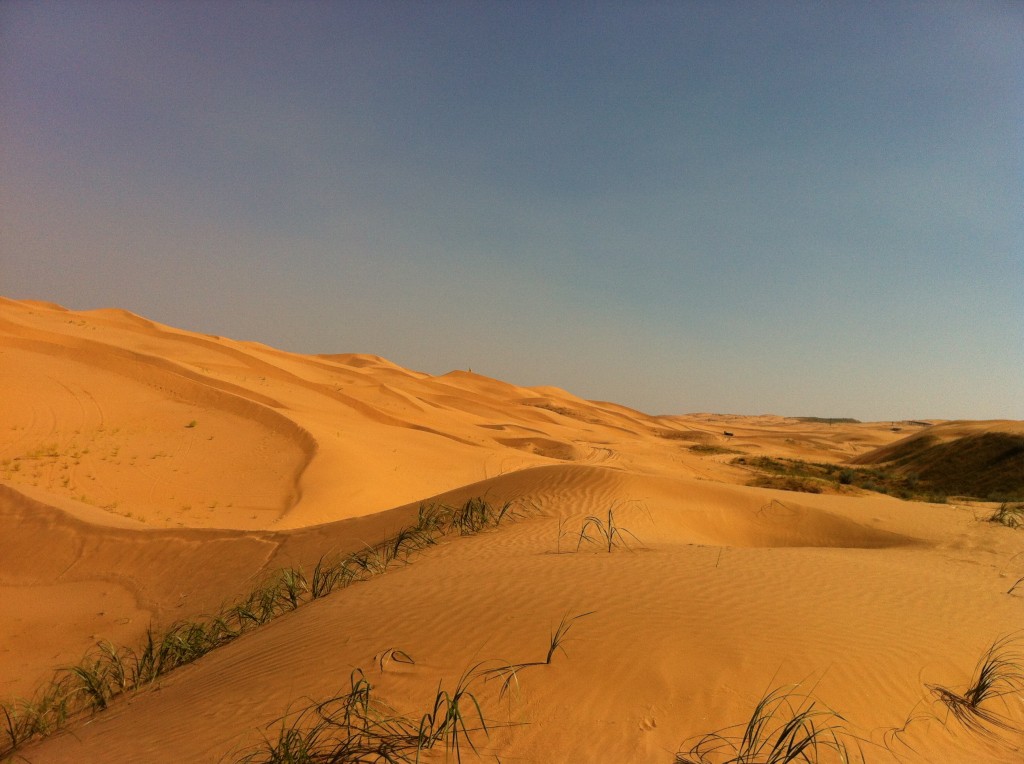
In the desert, atop a sleepy-eyed camel, cross the terrain at the lazy pace of traders who walked these lands hundreds, even thousands of years ago. As the sands whisper and swirl at your feet, imagine that the shapes you see in the distance are pack animals carrying the spices and silks of a foreign land. After disembarking from your camel, head to the grasslands where the surroundings turn from yellow to gentle green.

Inner Mongolia: On the Edge of History

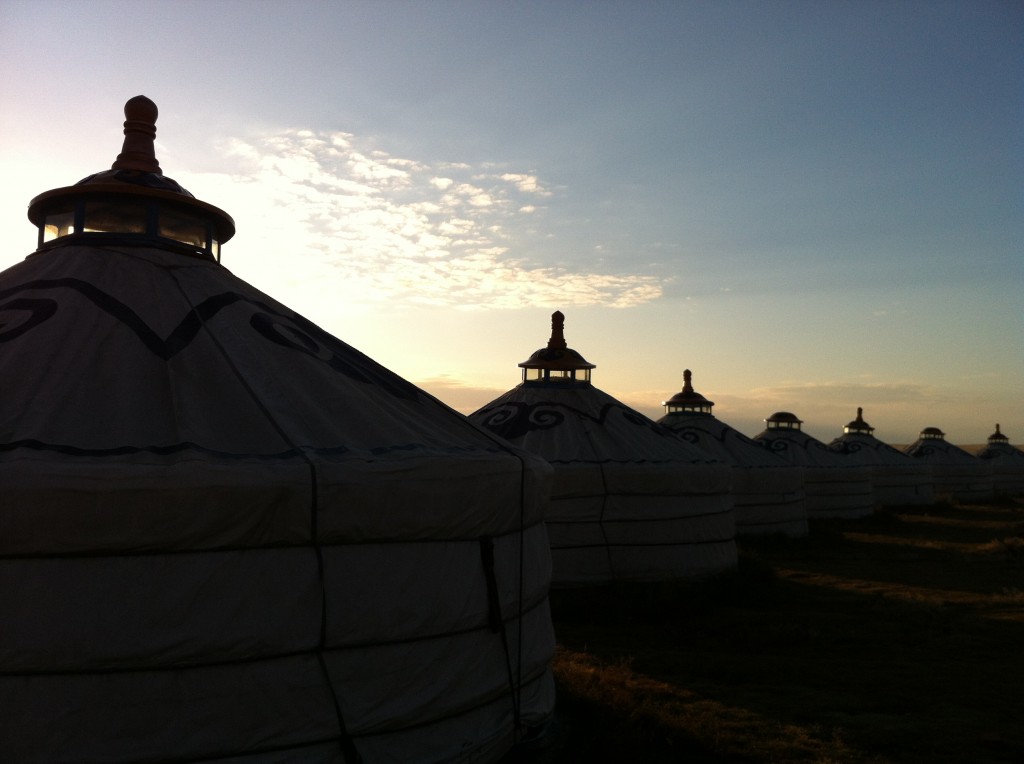
The grasslands provide a similar feeling to the endless deserts of Inner Mongolia, however your view is unimpeded by undulating sand dunes. As your eyes sweep across the horizon, the only reason your field of vision ends is because of the curvature of the earth. Looking into the distance you can almost hear the faraway galloping of the armies of Genghis Khan. After exploring these beautiful surroundings and working up an appetite, turn to the specialty of Inner Mongolia–delightful selections of sizzling, juicy lamb. When the sun fades and the stars begin to shine, climb into the cozy bed of your own personal yurt. Set up amongst the grasses of the steppe, these charming felt tents are the perfect hideaway to retire to for the evening. Best of all is awakening to the sunrise across the endless horizon just on your doorstep.

———-

If you are interested in traveling to Mongolia or Inner Mongolia, send us an email at info@wildchina.com.  We will be happy to assist you.

When the Paparazzi Flock to Guizhou…

When we think of the places paparazzi flock to, we think of red carpet premieres, starlets in designer gowns, and events generally far removed from our day-to-day life. We definitely don’t think of rustic Guizhou province in southern China.  But that is exactly where the paparazzi was. Well, sort of…

This fall, renowned photographer, mountaineer, and AsiaTravel expert Stefen Chow led a high school photography trip down to China’s southwest. In addition to regular photo assignments from Stefen, the students were tasked with acting as the paparazzi at a traditional Miao wedding. Over the course of a week, the students honed a variety of photography skills, from capturing the story of a place, to selling a location, to interviewing their subjects to get the full story behind their shots.

Below is a selection of the students’ work:

When the Paparazzi Flock to Guizhou…

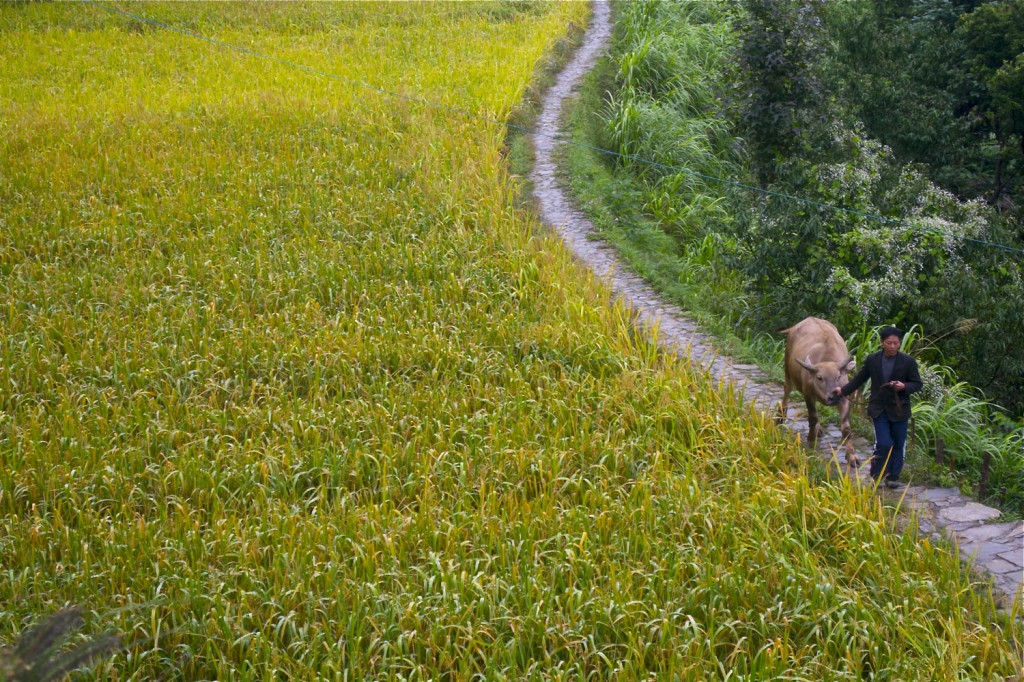
(A villager caring for his ox)

When the Paparazzi Flock to Guizhou…

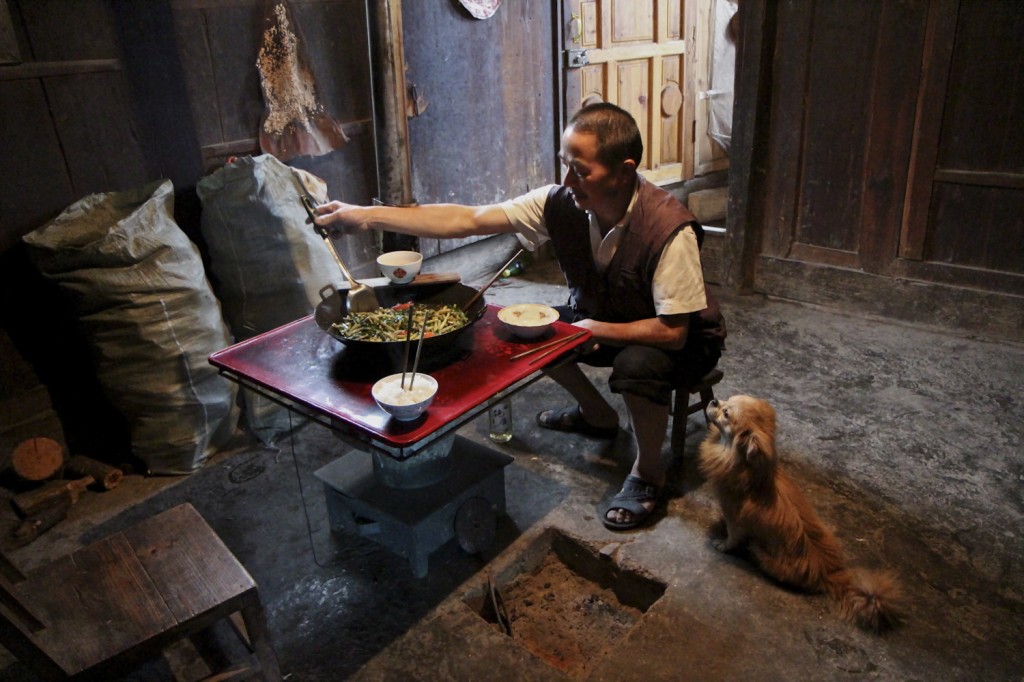
(Student photo of a dog being fed at the table. This gentlemen has fed the dog for over 6 years.)

When the Paparazzi Flock to Guizhou…

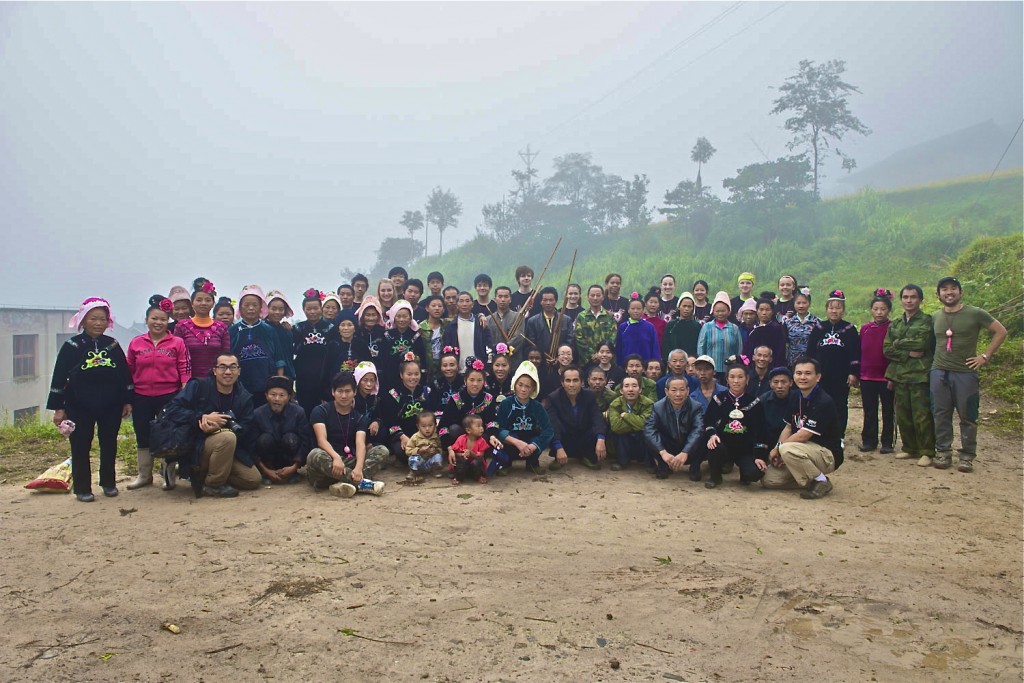
(Group photo following the wedding)

Working with a small, select group of 16 students, Stefen was able to give them personal, one-on-one attention throughout the workshop. Students came with varying levels of experience in photography: while some had bought their cameras just the day before the trip, others had been shooting for more than 2 years. But all of them were united in their assessment of the adventure: simply incredible.

What did Stefen take away from it? He says at the end of the journey, several students told him it had been “the most memorable and impactful experience” of their lives. That’s why he does what he does–being outdoors shows people who they really are, and that first time stays with you forever. We couldn’t agree more. Sounds like the regular paparazzi should think about heading down to Guizhou once in a while.

———-

If you have questions about travel in Guizhou send us an email at info@wildchina.com and we will be happy to assist you.

Galaxy SOHO: Architecture in Beijing

Recently, real estate firm SOHO China unveiled its newest addition to Beijing: the Galaxy SOHO. Rising up above Beijing’s second ring road, the four main buildings look like a cross between eggs and slinkys, and are surprisingly reminiscent of New York City’s Guggenheim Museum. Connected by futuristic walkways and wrapped in sleek, white stripes, standing in the open-air lobby is an otherworldly experience. The brain child of Zaha Hadid Architects, the complex opened to the public amid considerable public interest, excited crowds, and some exotic hairdos. Below are pictures from the event:

Galaxy SOHO: Architecture in Beijing
(Close up of an egg)

Galaxy SOHO: Architecture in Beijing
(The brightly colored ushers)

Galaxy SOHO: Architecture in Beijing
(The rising eggs)

Architecture in China is an area that has recently spawned considerable creativity so if you are an architecture enthusiast, the Middle Kingdom is an excellent place to set your sights.

———-

If you have any questions about travel in China feel free to send us an email at info@wildchina.com and we will be happy to assist you.


The Legend Behind Yunnan’s Famous “Crossing the Bridge Noodles”

When you have a cultural and culinary history as long as China’s, you’ll find that a lot of customs and dishes have legends behind them.

One of our favorites is the touching story of the Yunnan dish, guoqiao mixian (过桥米线) or the “Crossing the Bridge Noodles”:

____

Long ago, just south of the Yunnan city of Mengzixian (蒙自县)….

There was beautiful lake with water as clear as jade. In the center of the lake, there was a small island covered in green bamboo saplings and giant trees whose ancient stalks reached the heavens.

Known for its natural beauty and pleasant atmosphere, the small island drew many neighboring scholars seeking a tranquil place to study for the imperial exams.

Among these scholars was a particularly diligent student who spent many days studying on the island.  Every day, his wife made the long walk to the lake, crossing the bridge to the island to bring him his midday meal.  However, he was frequently so engrossed in his studies that he only remembered to eat long after the food had grown cold.

Due to his irregular eating habits, the scholar became noticeably thin and his warmhearted wife grew very worried.  One day, she had an idea. She butchered a plump hen to make a hot chicken soup, and separately prepared her husband’s favorite local rice noodles, seasonings, and ingredients.

She brought them over the bridge in different bowls, combining them just before he was ready to eat. On it’s own, the chicken broth stayed hot enough to cook the noodles and other ingredients, and created a thin layer of oil that kept the whole bowl piping hot.

It worked. The scholar loved the hot noodle soup, and the wife started crossing the bridge everyday with these bowls.

Eventually, the scholar succeeded in passing the imperial exams and, remembering his wife’s great kindness and hospitality, joked that it was his wife’s wonderful noodles that helped him pass the prestigious and famously difficult exams.

____

“As a result of their unwavering resolve, the husband became an imperial scholar and great honor and satisfaction was brought to the village.”

The Legend Behind Yunnan’s Famous “Crossing the Bridge Noodles”

Photo credit: Google

As you may have guessed, the wife’s daily walk across the bridge to deliver her husband’s meals inspired the name “Crossing the Bridge Noodles”. The story was passed on by word of mouth through the generations and has come to symbolize affection, endearment, and admiration

Like many legends of its kind, this story helps us understand the values and morals of traditional agricultural society in China. For example, the scholar is always described as diligent and hardworking—willing to embrace solitude and hardship in pursuit of good fortune and future.

The wife is considered virtuous and kindhearted for overcoming difficulty and heartache to care for her husband; her delivery of daily hot meals is used to express deep love and affection.

The story often ends with the line, “As a result of their unwavering resolve, the husband became an imperial scholar and great honor and satisfaction was brought to the village.”

Today, guoqiao mixian (过桥米线) is still considered a Yunnan specialty—and it still comes in separate bowls, allowing you to pick your ingredients and add the hot soup yourself. In Yunnan, this dish is so popular that there are restaurant chains that specialize exclusively in varieties of guoqiao mixian. It can be found anywhere from street-side noodle shops to high-end banquet-style restaurants.

If you’re heading down to Yunnan, this dish is definitely worth a try. Who knows, maybe it’ll be all the inspiration you need to finish that next project, or pass that next exam.

Or, if you’re feeling adventurous and want to try your hand at making this dish yourself, here’s a recipe worth trying from the Australian Gourmet Traveler.

_____

Interested in traveling to Yunnan? Check out our sample journey South of the Clouds to get some ideas. No time to fit Yunnan into your China itinerary? Send us an email at info@wildchina.com and we can recommend great Yunnan restaurants in Beijing and Shanghai.


A bakery that has Hong Kong written all over it…

What do you get when you cross a Japanese, a Hong Konger, and a Swede who all love bread? Po’s Atelier.

Located in the ever cosmopolitan city of Hong Kong, Po’s Atelier is, according to its press release, “…a French-Japanese boutique bakery focusing on artisan breads and pastries paired with inspiration from Scandinavia.” Sounds like a delicious combination from our perspective.

A bakery that has Hong Kong written all over it…

Vincent Cheng (Hong Konger) and Jonathan Leijonhufvud (Swede) first started Po’s Atelier as a result of what they perceived as Hong Kong’s “lack of quality bread free of additives and other nasty chemicals.” Though the two come from backgrounds in art direction, design, and photography, they were excited about the challenges of creating a bakery.  They were looking for an opportunity to “present their recipes in a unique yet humble environment”–something of a rarity for bakeries in Hong Kong.

A bakery that has Hong Kong written all over it…

Since opening, Vincent and Jonathan have really enjoyed getting to know the neighborhood and establishing a regular clientele of enthusiastic bread lovers. Customers comments and suggestions are frequently the impetus that brings Jonathan and Vincent back to the drawing board with their designer chef and baker Masami Asano (the Japanese).  And as one might expect, bakery favorites tend to fall along nationality lines…

A bakery that has Hong Kong written all over it…

For Chinese clientele, the top breads are Madame Cheng (a dairy-free loaf baked with fresh homemade soya milk–a recipe passed down from Vincent’s Mom), AOP (Po’s Atelier’s signature brioche made with Grand Fermage butter) and Oolong (also dairy-free, made with Yunnanese oolong tea seed oil and fresh tea leaves). For western customers, subtle tangy sourdough breads and savory grissini take the cake. All patrons though, are fond of the Danish pastries–whether with Valrhona chocolate, escargot, or their special green bean and manuka honey reduction.

A bakery that has Hong Kong written all over it…

This month, Jonathan and Vincent are preparing to open Café Deadend next door which will also feature the humble aesthetic and artisanal delicacies of Po’s Atelier. With plans to begin supplying their breads to a few like-minded eateries in Hong Kong, the only question we still have is when are they coming to Beijing?

A bakery that has Hong Kong written all over it…

———-

If you are interested in travel in China or Hong Kong send us an email at info@wildchina.com and we will be happy to assist you.

Photos provided by Po’s Atelier

AsiaTravel Update: Earthquake in Urumqi


BREAKING – August 30, 2013

At 1:27 p.m. local time, a 5.1-magnitude earthquake was registered by the China Earthquake Networks Center in Urumqi, the capital city of the Xinjiang Uygur Autonomous Region in northwest China.   The epicenter was at a depth of 12 kilometers (approximately 7.5 miles).

As of 3:44 p.m. today, no casualties or injuries have been reported. There are currently no AsiaTravel travelers in the area of the earthquake.

As with all earthquakes of this magnitude and higher, visitors and residents are advised to travel with care and be mindful of aftershocks.

We at AsiaTravel will continue to monitor the situation and provide any updates that become available.

AsiaTravel Update: Earthquake in Urumqi


Cracking the Egg: 6000 Miles Away

Last week Beijing’s beautiful performing arts center “The Egg” welcomed artist Sylvie Guillem‘s latest production ‘6000 miles away.’ Widely recognized as one of the greatest dancers of our time Sylvie’s piece involved three difference parts. The first two were duets while the final act was a solo by the artist herself. A truly remarkable show, Sylvie Guillem’s 6000 miles away is one of many such foreign acts that have been invited to perform in Beijing. Against the backdrop of Beijing’s performing arts center and Tiananmen’s holiday season lights, it was a beautiful evening inside and out. Next time you are in Beijing we would highly recommend you add a peak at Beijing’s dance scene to your journey.

Cracking the Egg: 6000 Miles Away
(Audience filing in)

Cracking the Egg: 6000 Miles Away
(A snapshot of the second act)

Cracking the Egg: 6000 Miles Away
(The Egg at night)

———-

If you have any questions about travel in China send us an email at info@wildchina.com and we will be happy to assist you.


AsiaTravel Update: Earthquake in Yunnan

On Saturday, August 31st, a 5.8-magnitude earthquake occurred China’s southwestern province of Yunnan.  The quake hit the counties of Shangri-La and Deqin, on the border with Sichuan, at 8:04 a.m. local time.

No AsiaTravel travelers have been hurt or seriously affected by the incident.

Local authorities have reported 3 casualties and 50-plus injured, mostly due to landslides caused by the quake.

The roads connecting Shangri-La and Deqin have been blocked by landslides, and the Songtsam Benzilan and Songstam Meili hotels in the area are also temporarily closed due to power outages.

Since Saturday, over 300 aftershocks have been recorded by the China Earthquake Networks Center, with the largest measuring 4.9 on the Richter scale. In the short term, the Tibetan Autonomous Region of Deqin recommend tourists and residents in Shangri-La not visit Tiger Leaping Gorge, Meili Snow Mountain and Yunnan Snub-nosed Monkey National Park.  Local tourism authorities have also shut down some scenic spots to avoid potential risks.

If you are a AsiaTravel traveler and had a trip planned to Shangri-La, one of our travel consultants will be in touch with you or you can email us at: info@wildchina.com.

Much of western China, and its neighboring areas of Central Asia, is prone to earthquakes caused by the impact of the Indian Plate into the Eurasia Plate. Over time, this collision of the Indian and Eurasian plates has lead to the formation of the Himalayan Mountains, the Tibetan Plateau, and the mountains of southwest China, Central Asia and the Hindu Kush.


UPDATE – September 10, 2013:

There are currently no restrictions on traveling to Shangri-La, though access to some of the more remote regions in Yunnan continues to be affected.

If you intend to travel to northern Yunnan–specifically to Meili, Deqin or Weixi, please note that the road heading west from Nixi is currently closed. This restricts access to Songstam Lodges (Meili/Benzilan) and to western Sichuan via Derong. Songstam Meili is scheduled to reopen to the public on September 17th, while Songstam Benzilan will remain closed until further notice. 

If you are planning to visit the Yading nature reserve (Sichuan), the road to Xiangcheng from Shangri-La is open, though it is in poor condition and AsiaTravel does not recommend taking it during this period. In addition, the road between between Tibet and northern Yunnan remains closed.

We are paying close attention to the situation and will continue to provide updates as information becomes available.

AsiaTravel Update: Earthquake in Yunnan