Yunnan and beyond: My interview with Chris Horton of GoKunming

I just did an interview by email with Chris Horton, Founder / Editor of GoKunming. His questions brought back so many nice memories of Yunnan. Thought I’d share them here:


Yunnan and beyond: My interview with Chris Horton of GoKunming

Mei Zhang: Yunnan native, AsiaTravel founder, China travel expert, entrepreneur and mother

Chris Horton (CH): Where in Dali did you grow up? What are some of your strongest memories of that time of your life?
Mei Zhang (MZ): I grew up in Dali until I was 9. That’s when my family moved to Kunming. My memories of that time that keep coming back are many. We used to go to a hot spring for baths near Xiaguan. There are always camellia blooming, and we’d climb the mountain behind the hot spring to pick big white flowers (Rhododendrons as I learned later). There were so many of those white flowers that we’d cook them for dinner! I remember people in Dali loved flowers, there are wild jasmines and other fragrant flowers for sale in the market all the time. Talking about market, that’s my favorite. Many different ethnic people would also come to the market, the Yis or Bais, wearing beautiful clothes, selling fresh vegetables and eggs. I still come back to Yunnan to search for those moments. (By the way, thank you for asking this question, it brought back so many nice memories.)

CH: What was the chain of events that led you from Dali to Harvard?
MZ: If this didn’t happen to me, I wouldn’t have believed events like this would ever happen. So my Dad, who was a worker building the hydropower station in Xiaguan, decided that the best thing he could do for me and my brothers was to give us the best education possible. He moved us to Kunming for better education. When I was testing for high school, he made me apply to the Foreign Languages school affiliated to Yunnan University, hoping that if I couldn’t get into college, at least I’d have some English to be a secretary. I got it, but I cried and cried, believing that he robbed me of the opportunity to become Madam. Currie of China. After that, I got into Yunnan University, studying English and Law. I started taking part time jobs as an interpreter since college to pay for school. Then one day, at an usual official banquet hosted by Yunnan Government for Krung Thai Bank from Thailand, my life changed. The president of the bank decided to give a spontaneous speech. None of the government interpreters were willing to go up to the stage with him, as there was no preparation, no script. They all recommend that I go up onto the stage, as I was the youngest interpreter with nothing to lose. So, I did. After that, the officials from the Bank invited me to sit at their table, and offered me a scholarship I couldn’t resist. The rest is history.

CH: What was the inspiration behind founding Wild China in 2000?
MZ: See here: http://www.wildchina.com/application/assets/img/press/pdfs/World-of-Chinese—See-a-Different-China.pdf

CH: What are the most surprising or amazing places you’ve discovered in China since then?
MZ: There are many, so I’ll just pick a few from memory. I remember seeing the villages near the Yellow Mountains for the first time. I was struck by how beautiful the traditional architecture was, and how much history the places endured, and how sad the current state was – all adults gone to work in the city as migrant workers, with only grandparents and kids left in the village. Guizhou Province also struck me an unbelievable place. It’s also in the Southwest of China, but incredibly poor and lack of development. In a way, it reminds me of the Yunnan I grew up with. Rice terraced fields with ethnic hamlets scattered here and there. Traditional lifestyle that’s so beautiful and the hardship so challenging. That’s the China I knew and loved.

CH: What notable changes have you seen in China’s travel industry since 2000?
MZ: The extraordinary growth of domestic travelers spurred incredible growth in the travel industry. There have been some great advances, for example, I just visited Heshun village near Tengchong in Yunnan. I have to give the development company a lot of credit and respect. I think they did an amazing job keeping the beauty of the place while making it accessible to the general public. The landscaping is beautiful and tastefully done, and the written materials are interesting and well done. There are more and more lodges and hotels that are also tastefully done around the country. These are all great. But, I feel sorry for sites and places that are too quickly run over by tourist crowds. Lijiang old town is a prime example.

CH: How often does Yunnan figure into your clients’ travel plans? What are the most popular destinations?
MZ: Very often. It’s one of our top destinations. Before I traveled the world, I thought I was just biased because I was from Yunnan. Now that I have been to Mt. Everest, South Africa, Italy, Peru, you name it, I know Yunnan IS one of the most extraordinary destinations in the world!

CH: What are your favorite places in Yunnan?
MZ: My favorites are: Cizhong in Diqing, I find the catholic Tibetan cultures fascinating; Shaxi Jianchuan Grottoes, I loved the long history behind the whole Tea and Horse caravan road; Tengchong and Gaoligong Mountain, I love the incredible bio diversity there and the WWII history. I just hiked across Gaoligong from Baoshan to Tengchong last week, and thought it’s one of the most beautiful hikes I have ever had. After the hike, I called Gaoligong Nature Reserve, and told them that I’d sponsor them in publishing a birding book! Look for it, it’s coming out next year.

CH: Wild China has carved out a niche for itself as a provider of sustainable and socially responsible tourism in China for foreigners, do you see these concepts ever becoming important to the domestic tourism market?
MZ: Absolutely, we want to get involved in the domestic tourism market as well, but we have a wait a little bit for the demand to build up more. In the meantime, we are speaking at different forums etc to influence Chinese travelers.

CH: Spending much of your time between Beijing and the US, you’re usually far away from Yunnan… what Yunnan dishes do you miss the most?
MZ: I actually make it to Yunnan a lot! At least twice a year, and spending some solid time in the mountains. Yunnan Rice Noodles (mixian) is probably the one dish I miss most. I am a good cook, so can fabricate most items including suancai (pickled greens) myself, but the noodle is beyond me.

———-

Learn more about Mei Zhang and the AsiaTravel story.

Go to the interview link on GoKunming.


The Ancient Tea Trees of Southern Yunnan

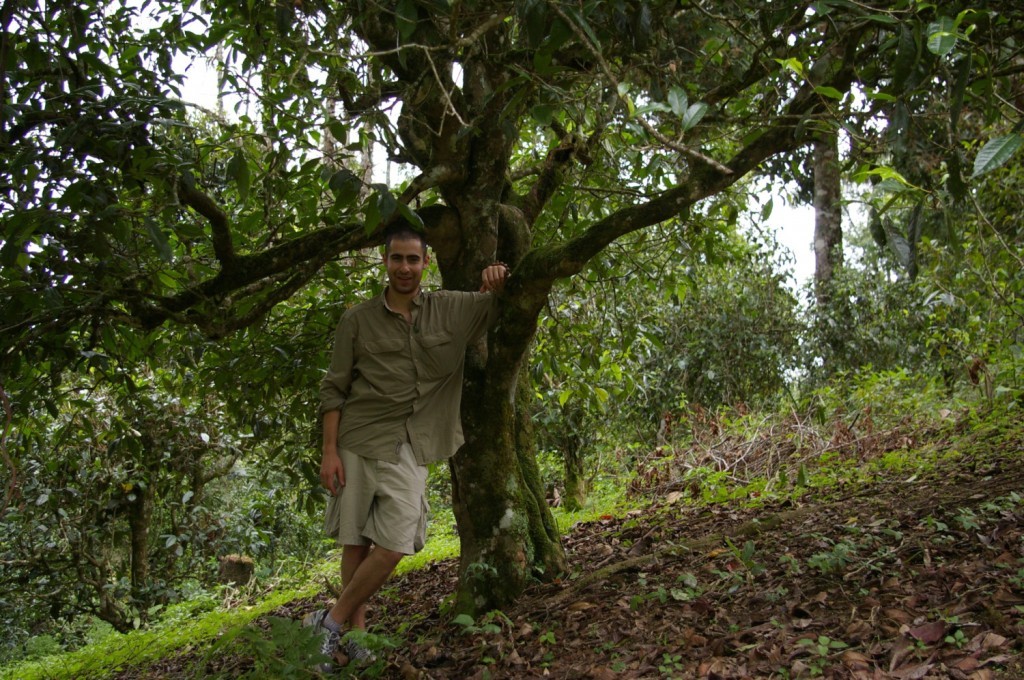
Deep in the heart of Southern Yunnan there exist tea trees unlike any other on Earth. The jungles of Xishuangbanna Dai Autonomous Prefecture and the districts of Simao and Lincang are home to the oldest tea trees in the world. In these regions grow tea trees that range in age from several centuries to over a millennium, and the tea that is made from their leaves is called Pu’er.

Over the past 30 to 50 years, however, the number of these ancient trees has steadily decreased. Since China’s reform and opening up policies were implemented in 1978, the Chinese tea industry has grown rapidly.

In early 2001, the Pu’er market took off. Large corporations moved in and producers and retailers proliferated. Before long, demand couldn’t keep up with supply. Prices inflated and hype ran its wild course. In 2007, the bubble burst and the market crashed, sending many businesses into bankruptcy. Since then, the market has steadied, but the unsustainable industrial approach to agriculture that was initiated during the market’s quick expansion has continued.

With increased demand for Pu’er tea, the industry changed course from quality to quantity. Today, the majority of large corporate players that have a strong-hold on the Pu’er market only produce plantation tea, which is cultivated in monocultures sustained by the use of agricultural chemicals that erode the land, lessen the quality of tea leaves, and sometimes poison people.
Large areas of forest are now being cut away for high yielding tea plantations, and according to one farmer, “Plantation tea in Xishuanbanna didn’t exist until after 1978.”

Nonetheless, many century-old, big leaf tea trees still exist (there are two primary species of tea trees: small leaf and big leaf). These trees have lived for hundreds, some for thousands of years in rich, bio-diverse environments. Now, these trees and environments are nearing a state of endangerment.
The Ancient Tea Trees of Southern Yunnan


Along my travels, I encountered herbicide bottles scattered throughout ancient tea gardens. Herbicides are used to make these gardens look prettier and keep “weeds” away, but they harden the ground and destroy biodiversity. When the surrounding foliage is killed off and the environment is no longer diverse, insects then further target the tea trees. Once the insects begin heavily attacking the tea trees, pesticides are generally the next step. Before long, a once-thriving, bio-diverse environment becomes not too much different from the plantation tea growing on adjacent mountain sides.

When I did find environments that were chemical free, I often came across other disturbing signs of environmental destruction. Many trees are simply over-cultivated. One farmer told me that he harvests his 500 year-old tea trees twice a month for nine months out of the year. When I tasted his tea, it was very weak in flavor and energy compared to teas that don’t come from over-cultivated trees. The same farmer showed me a tree of his that was over 800 years old.

“How often do you harvest this tree?” I asked.
“Once a year,” he replied. “It harvests two kilograms.”

I found it odd that he’d only harvests his prized tree once a year, but his other ancient tea trees he over-harvests. As a result, many of his 500 to 600 year-old trees were showing signs of illness.

In order to increase production, cultivators have begun chopping ancient tea trees in half. By doing so, the tree sprouts more branches and more leaves, allowing the farmer to harvest more tea and earn a higher income. The problem is that chopping a tree in half is not healthy for it, and so this practice is leading to the illness and death of many ancient tea trees.

When these trees die they are gone forever. It took several centuries for them to culminate into their current state and thus it will take several centuries for new trees to reach this level, assuming all other environmental factors are in place.

Saddened by what I saw, I unfortunately did not find any signs of formal protection for the last of the world’s ancient tea trees. With a lack of regulation and a strong emphasis on money, the very trees that filled many farmers and producers’ pockets are being destroyed for the sake of filling them further.

———-

Andrew Stein founded and runs Project Releaf. Funded by a J William Fulbright Research Grant, Andrew takes us on a journey through some of China’s most remote and ancient tea localities. Seeking to better understand the balance between China’s massive economic growth and its rapid environmental deterioration, he analyzes these effects of China’s swift modernization through the lens of China’s deeply-rooted tea industry.
Wedding Hike

For those of us with cross-border marriages, it often involves two weddings to cater to family and friends on each side. My husband and I had gotten married a year earlier in the States, but my grandma wouldn’t take the paper issued by some foreign government as my marriage certificate. It had to be done properly. Her granddaughter had to be married out respectably.


Wedding Hike

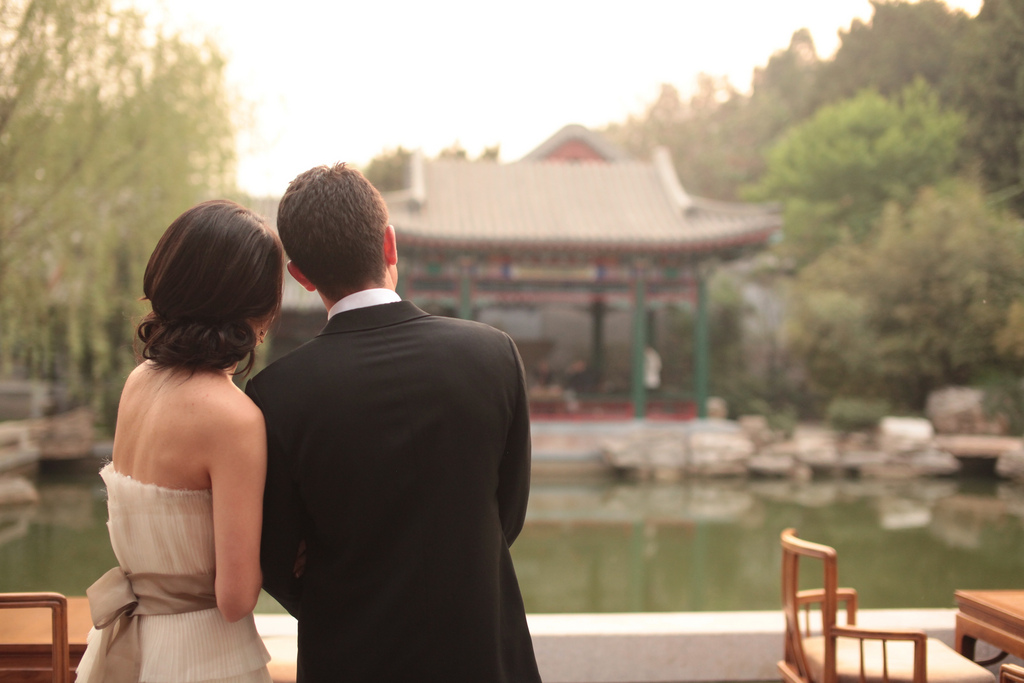
Newlyweds and AsiaTravel clients Kat and Dan enjoy a cross-cultural wedding held in Beijing in May.

So, it was time to plan a wedding in Yunnan.

The logistical challenges of organizing a wedding are many. Starting from the simple most, flowers and wines. I have always had a preference for a western floral arrangement rather than a rigid Chinese bouquet; same with wines. I’d pick a glass of red wine over Maotai (the fancy Chinese white spirit). So I ended up cutting out pictures from wedding magazines, and taking them to the flower market to find a talented florist to do them. Fortunately, Kunming is China’s cut-flower center.

Then it was the wines. It’s no longer an issue today, as you can find many Western wines in Chinese supermarkets. But back then, the only wine import channels were 5-star hotels. So I used them.

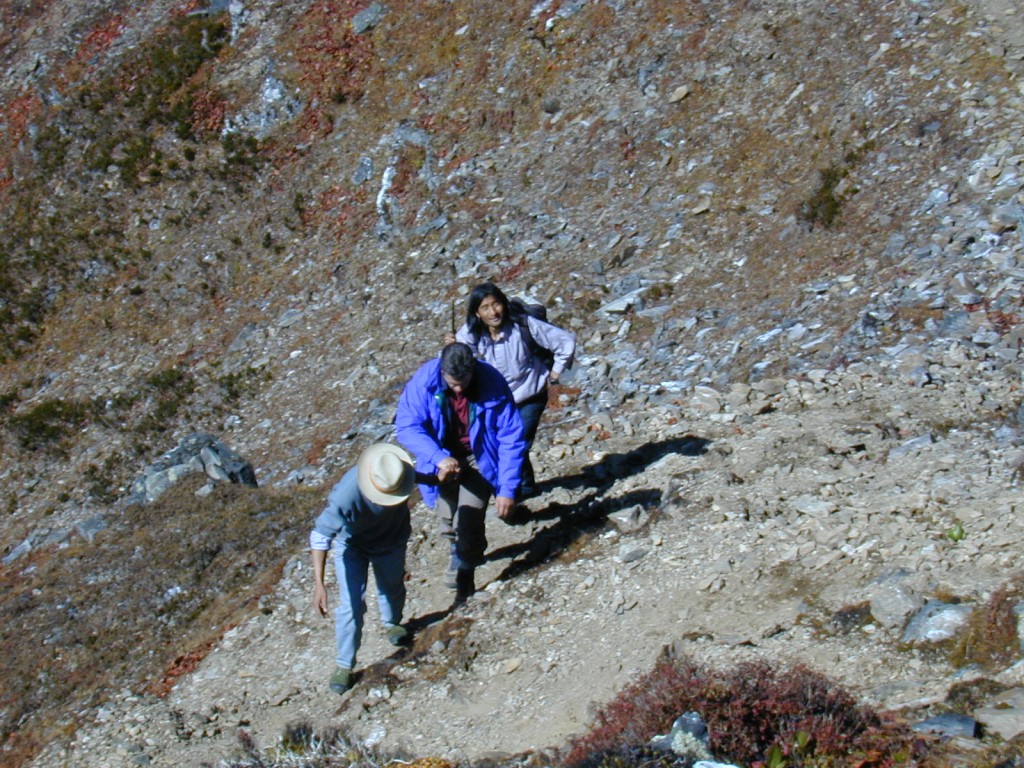
The most fun part was designing activities so that my Chinese relatives and our western friends could mingle. We decided to invite our wedding party on a 9 day journey from theSalween River valley across the snow mountains to the Mekong River valley. My husband’s best man probably didn’t quite expect the hike to be so rigorous at such high altitude (10,000 feet), so he didn’t waste his precious hours to prepare for it. He eventually make it up the mountain top with the help of two Tibetan guide and a donkey.


Wedding Hike

Local Tibetans helped my group and I navigate the Yunnan trek to celebrate my Chinese wedding.

This wedding hike was the first trip organized under AsiaTravel’s brand name. The images from this adventure accompanied me through the first year of AsiaTravel’s creation, as sales aid. It is now one of AsiaTravel’s signature adventure travel to China product: Hiking the 19th Century French Explorer’s Route. It launched our local Tibetan guide into a successful lodge business in Dimaluo village near one of the most beautiful Catholic Tibetan Churches.

The wedding after the hike was probably the best party in my life. Also made my grandma happy.

Nowadays, I go back to Harvard Business School every year to discuss the case study on AsiaTravel, and they ask me if I had any advice for future entrepreneurs. I always say, “Leverage whatever you can, your friends and family as your first clients, and your own wedding as your first product!”

Proof? AsiaTravel now helps other people with their weddings at the beautiful Aman at the Summer Palace! This photo at the top is from a beautiful couple who are AsiaTravel clients.

———-

For more of their photos visit: http://www.flickr.com/photos/30359491@N08/sets/72157624138596972/

What does one do with a brick of tea?

You know what I am talking about – that brick or disc of tea in the velvet box! What do you do with it?

What does one do with a brick of tea?

A few years ago, we were living in LA. My dear father came from Yunnan to stay with us in America for the first time. He brought a few bricks of Yunnan Pu’er tea (普洱沱茶) as gifts for people. Literally, they look like a solid disc or brick that if you get wacked on the head, you’d bleed.

I held him back, telling him that Laowai (Chinese endearment for “foreigners”) really didn’t know how to appreciate tea, and they wouldn’t know what to do with the brick.  Finally, we were going to dinner at this famous screen playwright’s house for dinner, my dad insisted in bringing one brick and presented it to the writer. The writer was very polite and thanked my father. I never went back to ask what he did with it.

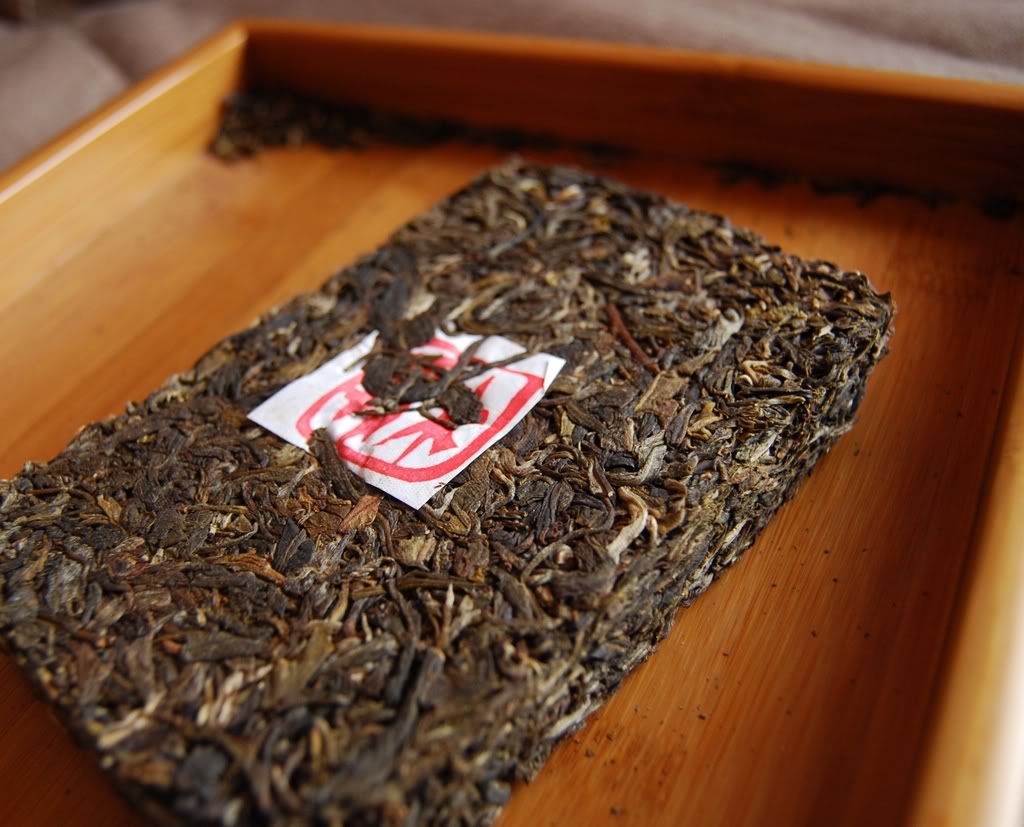
Let’s face it, the brick of tea is packed so dense, that I wouldn’t know what to do with it. It’s too big to boil as one serving of tea; it’s so hard that you need a hammer to break it; it makes a huge mess if you do that! So, all the bricks I have collected still mostly sit on my bookshelf, until yesterday.

What does one do with a brick of tea?

A big background on Pu’er tea, this is one type of tea that Yunnan Province in Southwest China is known for. They brew into a strong dark brown colored tea. But, historically, this tea was always packed on horse backs and carried by caravan trademen over dare-devil terrain onto the Tibetan Plateau. There, they transfer into the famed Tibetan Yak Butter Tea.  Honestly, I prefer drinking Pu’er tea by itself without the yak butter part.  Nevermind my personal taste, Yak butter tea is an essential form of calorie for Tibetans. The transportation route became known as the ancient Tea and Horse Caravan Road. National Geographic magazine ran a beautiful article on this road, but I was hugely offended by the article left out Yunnan.

People from Yunnan still prefer to store tea in the same condensed brick form. In fact, it is said that the older the tea, the more valuable it is. So, many collectors are in search for decade old tea. There are tea connoisseurs in China, as there are wine connoisseurs in the west.

What does one do with a brick of tea?

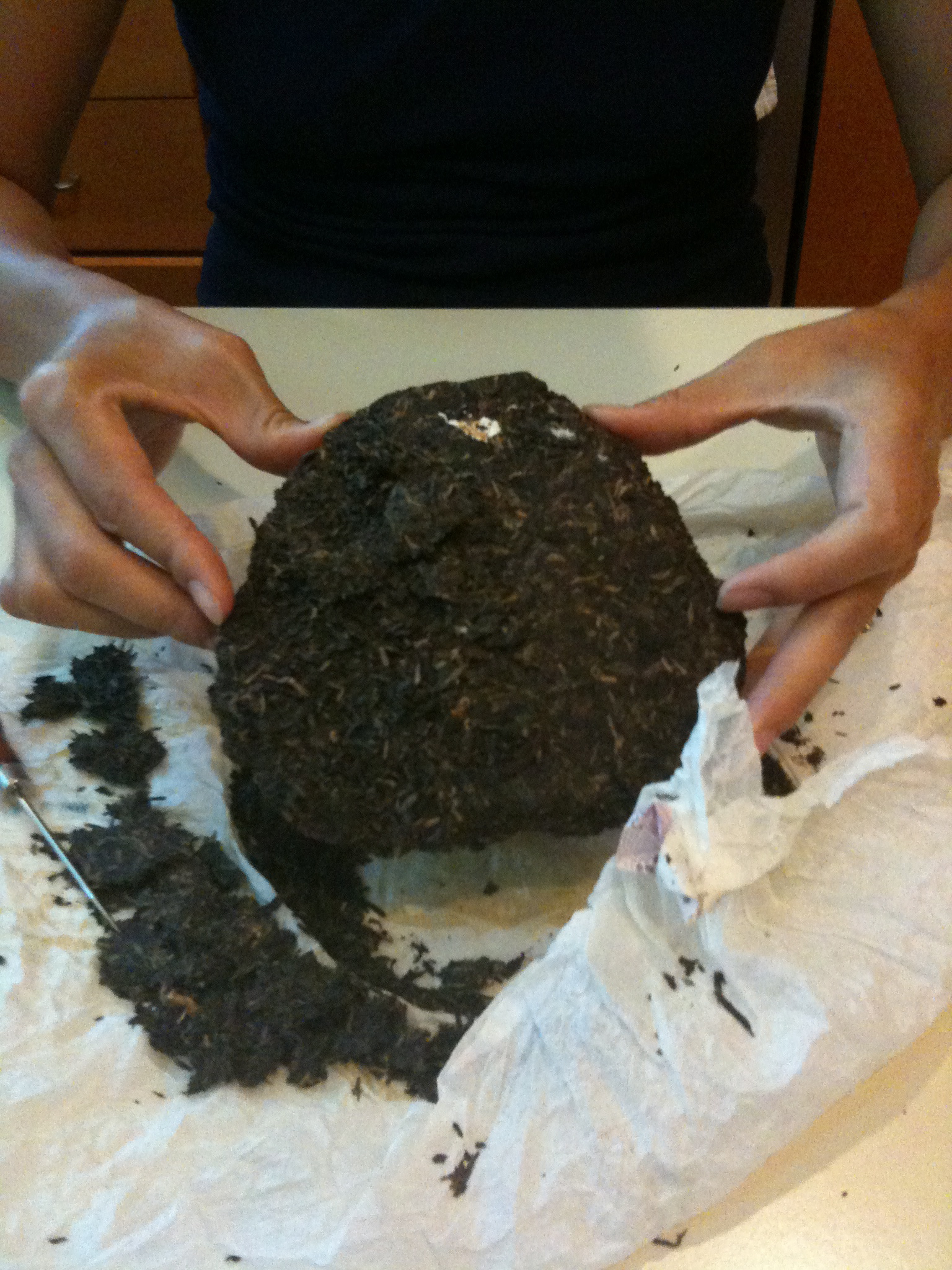
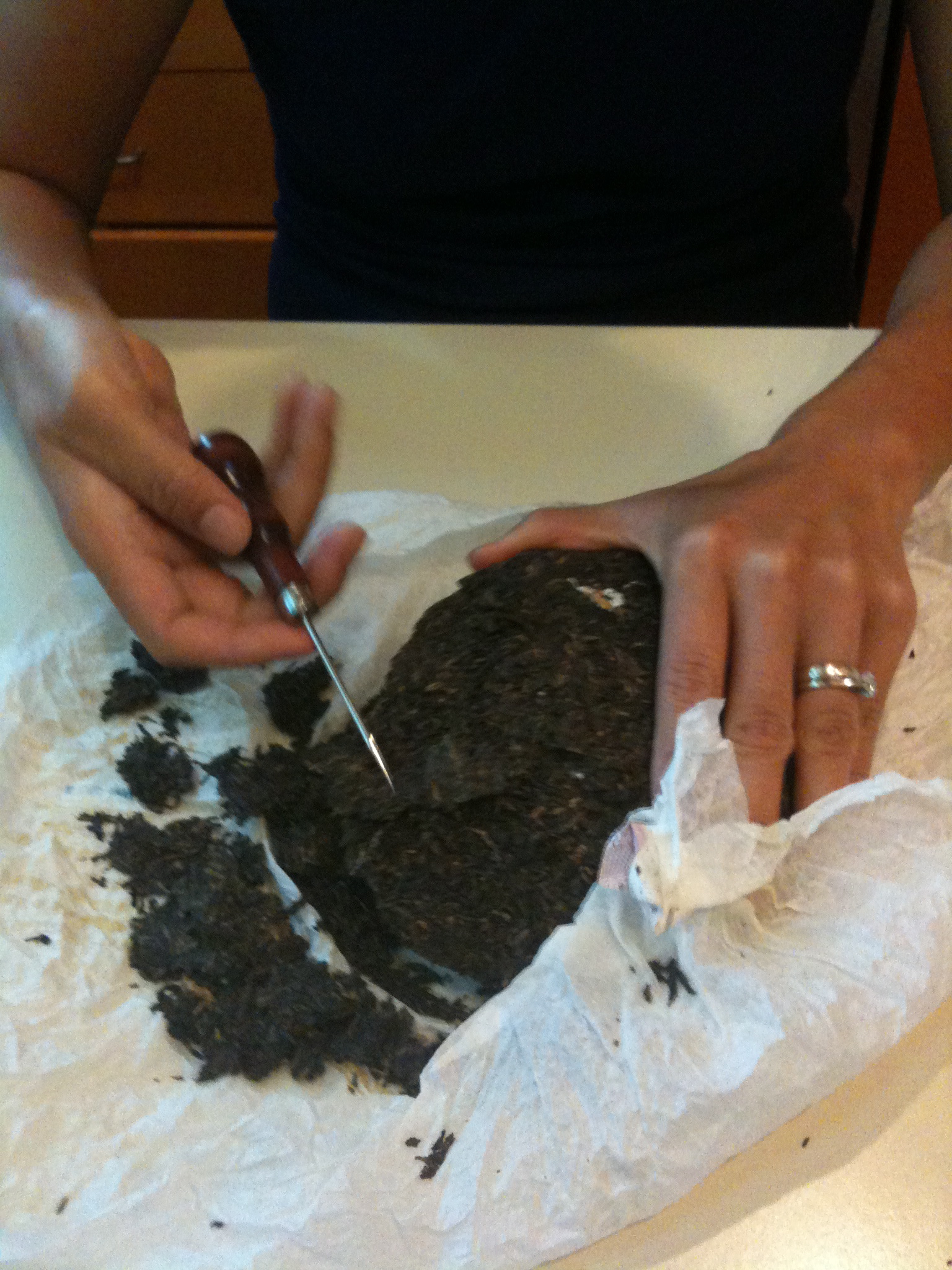
Back in May, I walked into a tiny tea store in Heshun Old town in Tengchong, Yunnan. A young tea salesman told me that I needed a 解茶针,(needle for separating the tea). I had no idea that special equipment was available to do this job. He also explained that the tea brick was pressed together one layer at a time. So, adjust natural tendency to break off a chunk, one should carefully peel layers of tea horizontally.

I took the needle as a treasure and tucked into my purse. Hello?? How stupid is that!! I was caught at the airport security in Tengchong. To my amazement, the airport staff saw it on the imaging screen, and said, “Take the TEA NEEDLE out! It has to go in checked luggage. “Oh, no!” I groaned, knowing very well that I’d loose the needle, as no one had ever bothered to retrieve my check luggage for something like this.

Well, I was in for a surprise. People there knew that I couldn’t do anything with the tea if I didn’t have the proper instrument. So, they found my luggage, and now I have the tea needle in DC!

With tool in hand, I gave it a try yesterday, and was delighted with the result- now in a glass jar for future use. My son was busy playing with my iphone next to me. I tried to explain to him what I was doing, telling him about tea from mom’s hometown.  He simply ignored me. Never mind.

———-

Photo credit: The Half-Dipper

If anyone’s listening, AsiaTravel’s tea journey with Jeff Fuchs is worth the experience.

Press/Media: Your Chance to Visit China with AsiaTravel!

As someone whose first job out of college involved writing for a China-related website, I have a soft spot for writers interested in China. In many ways, China remains a misunderstood place, one whose complexities can only be truly understood and conveyed by those who have  been there. In that spirit, AsiaTravel is excited to officially invite international writers, bloggers and radio / TV hosts to apply to participate in hosted press trips to China this fall.

We’re looking for unique voices that are in sync with the AsiaTravel brand image: premium quality, attentive service and an adventurous spirit. If you produce multimedia content for a luxury adventure travel audience, all the better.

On these press trips, we invite you to experience China the way that our guests do: sipping tea with village elders or shooting hoops with local school kids on a dirt court. This fall, we’ll focus on two trips to southwest China’s Guizhou and Yunnan provinces (you may join just the Guizhou portion, just the Yunnan portion, or both):

1) The Richest Mosaic: Discovering Hidden Minorities of Guizhou (Nov. 6-9, 2010)

We like to think of Guizhou as China’s best-kept secret. A remote province that is still relatively untouched by modern tourism, Guizhou is a must if you want to experience rich ethnic minority culture. On this trip, you’ll hike along ridges of terraced rice paddies from village to village and learn ethnic traditions and craftsmanship.

Curious what Guizhou is like? See for yourself — two of AsiaTravel’s best guides, Billy and Xiao, are featured on our new Vimeo channel, showing what they love most about their home province.

For this press trip, AsiaTravel will provide a car, driver and services of local, English-speaking guides; hotel accommodations; admission fees and activity expenses; meals and drinking water; opportunities to interview village heads and local craftsmen; and free time to explore and conduct interviews on your own.  Please note: you will need to arrange your own international / domestic air to the starting point (Guiyang) and from the ending point (Guiyang).

Press/Media: Your Chance to Visit China with AsiaTravel!

2) The Ancient Tea & Horse Caravan Road: An Expedition with Jeff Fuchs (Nov. 10-16, 2010) 

Yunnan is another one of our favorites, given its stunning natural landscapes and cultural diversity. We’re particularly excited to offer a press trip for our newest journey, one that retraces part of a legendary trade route that remains little known to Western audiences. The Ancient Tea & Horse Caravan Road was a vital route along which Chinese tea was traded for Tibetan horses. On this trip, you’ll travel from Yunnan’s subtropical south in Xishuangbanna, the source of all tea, before heading north up the Road to a former trading post, Shaxi, and further north to Lijiang, a UNESCO World Heritage Site, finally ending in the mountainous Tibetan region of Shangri-La. Along the way, you’ll sample teas at their origin and study the trail’s impact on ethnic minority villagers.

What makes this trip particularly special is the access you’ll have to Jeff Fuchs, the first Westerner to have ever traveled the entire 5,000-kilometer (3,100-mile) route and author of The Ancient Tea Horse Road. Jeff’s passion for exploring off-the-beaten-path locales and local culture is right up our alley, and we’re pleased that he will lead this press trip in addition to the journeys we’re offering our guests.

Press/Media: Your Chance to Visit China with AsiaTravel!

For this press trip, AsiaTravel will provide an economy-class air ticket from Xishuangbanna to Dali; a car, driver and services of Jeff Fuchs and local English-speaking guides; hotel accommodations; admission fees, activity expenses and presentations; meals and drinking water; opportunities to interview Jeff; and free time to explore and conduct interviews on your own. Please note: you will need to arrange your own international / domestic air to the starting point (Xishuangbanna) and from the ending point (Shangri-La).

———-

For more information on either trip, see AsiaTravel’s Press Trips page. To apply, please submit samples of your recent clips (within the past 6 months) and information about your outlet to Anita Narayan at anita.narayan@wildchina.com.

Travels that changed one’s life

Travels that changed one’s life

I was munching on my chicken salad sandwich when my colleague popped into my office, “ Oh, sorry. Here you go. Conde Nast Traveler Magazine issue you’ve been waiting for!”.

I probably didn’t look my best in my small office in an old house on East West Highway.  At least, the munching image didn’t quite live up to the dream brought alive on the cover of the magazine:

“135 Travel Experts who can change your life (Trust Us!)

“FANTASTIC GETAWAYS! Living the Dream in Italy, India, Kenya, Eypt….”

I wiped away the crumbs, and turned the magazine to page 120.  Yes, there I was, for the first time, chosen by Conde Nast’s Wendy Perrin as one of the travel experts for China.

“Zhang wants to show you the “authentic China” beyond anything you’ll read about in guidebooks, and—as a Yunnan Province native, Harvard MBA, and former consultant for The Nature Conservancy—her vast Rolodex of in-country experts in nearly every field can make this happen…and get you farther off the beaten path than any other company can. Her cultural connections run deepest in Southwest China—Yunnan, Szechuan, and Guizhou provinces—where you might find yourself having tea with a practicing shaman, catching a private Naxi music concert at the home of the village head, or camping in luxury mobile tents on the Tibetan Plateau ”

This news reached me last week by email. So, the initial excitement has since settled, but never the less, the pride brought by this listing is still ringing.

It was exactly, almost to the date, 10 years ago that I started AsiaTravel. At that time, I was a couple years out of business school, still owning a couple of black suits that I wore to glassy office buildings in Hong Kong, New York and Beijing. Still was quite used to flying business class.

Somehow, Travel changed my life. I took some time off McKinsey to travel around the world. Puff, 4 months was gone without a blink. I was sitting in the cabin of an oil tanker truck (only choice for a hitchhiker), rocking my way up to the Tibetan Plateau from Kashgar. We rocked and rocked, I fell asleep and woke up. Wow, a whole night was gone. The snow-covered landscape replaced the desert where we started. But the milestones said, 125 km!! A whole night, we covered 80 miles in distanced, but close to 15,000 feet in elevation.

My heart started to beat faster, breathing became more labored, the landscape increasingly looking austere and moonish. The Tibetan antelopes galloped in the distance. I started to cry, for no reason. One was just touched by being so close to pristine nature. I knew there were risks, for me, being the solo woman traveler on that route. But I knew I was one of the lucky few, who had the money, the time, and the right passport (Chinese) to travel to these remote corners of Tibet.

Sometimes, I, woke from sleep in that rocking truck, stared out the window, and asked myself, “What if the truck tumbled over the edge? Is there one thing I would regret for not doing?”

The answer came back loud and clear, “Building my own business”.  That was the beginning of AsiaTravel.

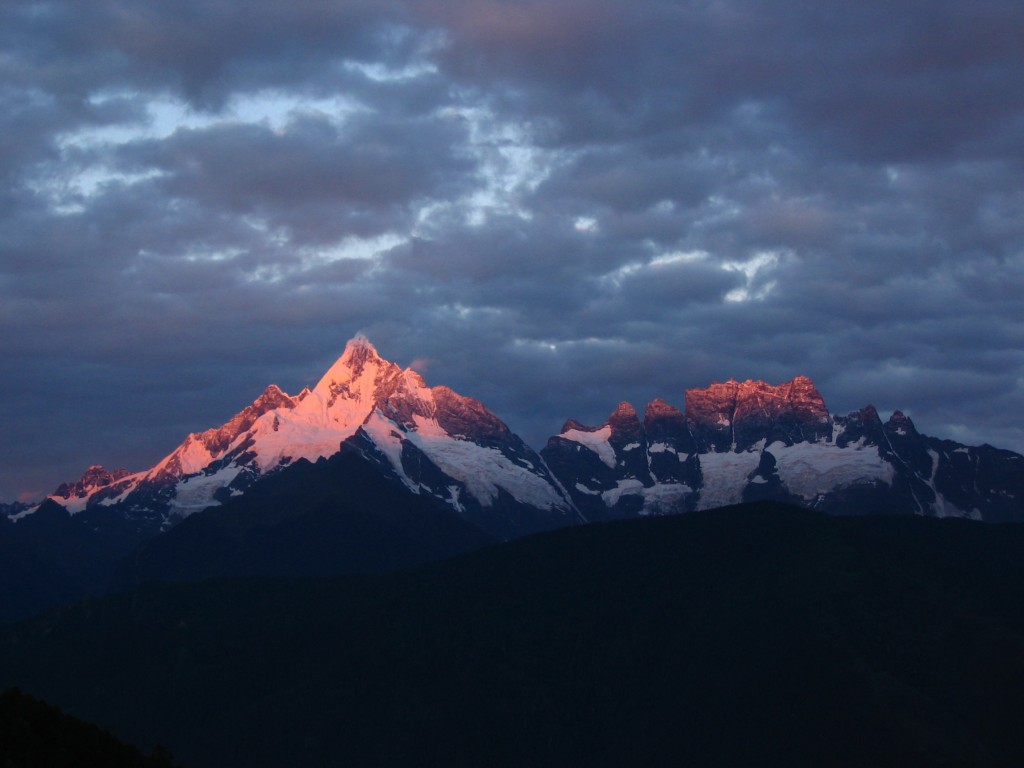
Travel, somehow, has had magic powers over me. I met my husband hiking the sacred pilgrimage trail around Mt. Kawagebo in Yunnan, I took my wedding party to hike from Salween River to the Mekong.

Then travel helped to change other people’s lives.  Recently, two clients got married on a AsiaTravel trip. Two clients got engaged on a AsiaTravel trip. We’ve helped families retrace the Burma Road commemorating their father’s journey in WWII.

After all the years of traveling, I think I am starting to understand the magic of travels. Somehow, when one’s on the road, one’s attention is so outwardly focused, that all you notice are people and things around you. After the outward focus, the inward reflection of oneself is much gentler, and not so judgmental of whether my office is in an old house or a shishi building downtown, or whether my munching is embarrassing.

Travel elevates one above the daily routine, and allows one to see the beauty of other people’s daily routine. One of my favorite moment recently was jogging in front of Shangrila’s Songtsam Lodge, while watching the Tibetan farmers shepherding their cattle to the fields. I am sure they didn’t think of their life was poetic and charming, as it was just hard work. But as a traveler watching them, I was loving that moment. That’s the illusion of distance- distance of reality, distance of geography, and distance of time. That’s probably the art of travel.

Anyway, back to my sandwich. I didn’t think my munching a sandwich at desk was any bit poetic, but more embarrassing. But, I know, give it another 10 years, I will reflect back on this moment, as one of the defining moment of launching AsiaTravel in America.

If this is your first and only time to China, where should you go?

A twitter post responding to a AsiaTravel tweet prompted this blog piece:

@Chinaandbeyond said: “I would trade Yunnan for Gansu or Sichuan, personally RT @AsiaTravel: First and only time to China?”


If this is your first and only time to China, where should you go?

Gobi Desert in Gansu, Dunhuang

Let me decipher this for those who don’t tweet: AsiaTravel recommended a trip that goes to Beijing, Xi’an, Yunnan and Shanghai for those who are traveling to China for the first and only time. That link is a condensed link that goes to our website with the trip details.

Then @Chinaandbeyond account owner Ms. Jessica Marsden shared AsiaTravel’s recommendation to her followers. And she also added her own commentary that she would trade Gansu or Sichuan for Yunnan.


If this is your first and only time to China, where should you go?

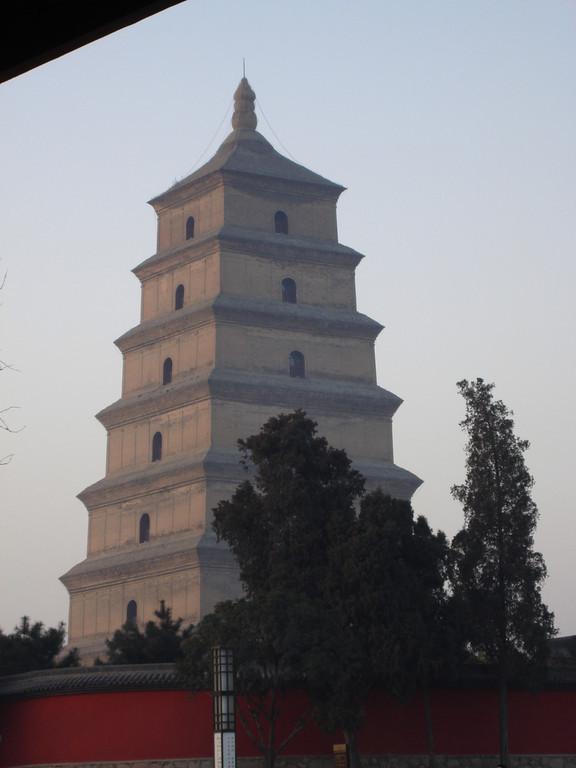
Big Goose Pagoda, Xi’an

What can I say? I am biased! I am from Yunnan, with a virtual identity called @yunnangirl! Everytime when a client calls me, I talk about Yunnan. That’s home to me. I can smell Yunnan if farmers burn the remaining rice stocks in their fields; I can hear Yunnan, even when I overhear visitors at the Smithsonian speak the local dialet; I can taste Yunnan, when I cut up mustard greens to make a jar of Yunnan Suancai pickles. It is in my blood.

And, I happen to be a lucky Wendy Perrin China Specialist, so I get to advise people who are interested in seeing China. Naturally, carrying the tradition of Yunnan hospitality, I want people to visit my home town, visit those villages where I grew up, and taste the spicy and sour cuisine, hike the mountains that I still dream about. More importantly, I want them to meet people of Yunnan.

How would I describe people of Yunnan? 纯朴,勤劳,善良。I am struggling with English equivalents here.  Down to earth, hard working, and kind. The word has a 纯朴 connotation of being on the simple side in Chinese. But, I don’t take offense to that.


If this is your first and only time to China, where should you go?

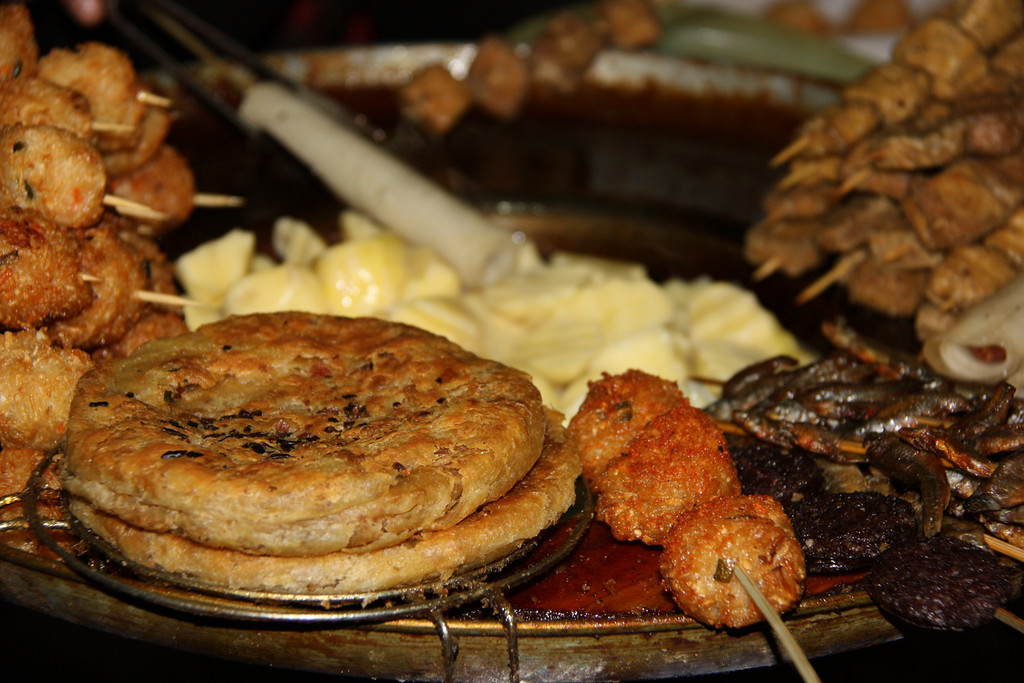
Street Food in Yunnan

People in Yunnan grow up land locked. Generations of locals from various ethnicity carve out their living in small patches of land in between mountains and rivers.  So, either they farm, bent over their knees in the watery rice paddy fields, or they tilt the corn and potato fields on the steep mountains sides. Life in Yunnan has always been hard. The only wealth accumulated there is from trading, with Tibet, with Myanmar, Laos, and Viet Nam. This goes back hundreds of year, and the horse caravan trails bear witness to that.

For some reason though, in places so poor, the locals learned to cook these incrediblely tasty meals. Since the province is tucked between Sichuan to the North, and Laos/Thailand to the South, its cuisine is a lovely blend of those two. Spicy, but not numbing; sour, but without making your mouth pucker. Fresh vegetables and wild mushrooms are blessings.

Hospitality is another side of the Yunnanese that I love. Just recently, I traveled to a small town in Henan Province as a guest of the local government. Upon checking in, the hotel staff said that my ID wasn’t enough but insisted on me identifying the organization that invited me. I didn’t get the full name right, and she wouldn’t check me in. This was 2010? The concept of party/government affiliation trumping personal identity is still in practice in northern China.


If this is your first and only time to China, where should you go?

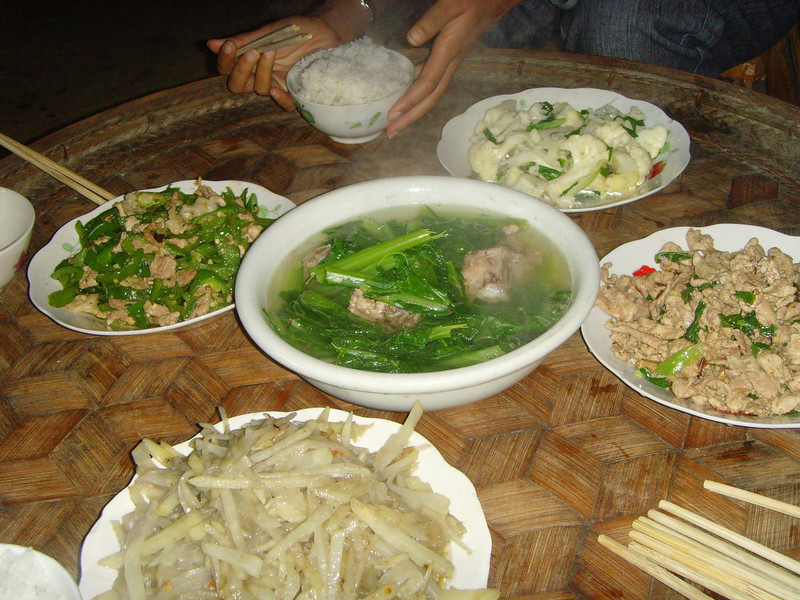
Local Yunnan Dishes

While in Yunnan, they hear my dialect, they’ll watch my luggage for me while I go out to pay the taxi; they’ll fish out my luggage from the behind the conveyer belt so that I can put my tea needle in checked luggage (I talked about this in my earlier blog).

The local villagers in Yunnan still greet you with this, “ 吃了吗?来家里坐!“ “Have you eaten yet? Come visit my house!”

I know — sadly, Lijiang is changing (see our AsiaTravel blog piece on this). That’s all the more reason to visit the hidden treasures of China before they disappear.

AsiaTravel Offers Tents to Qinghai Earthquake Victims

AsiaTravel Offers Tents to Qinghai Earthquake Victims

AsiaTravel wishes to send our deepest condolences to the victims of Wednesday morning’s 7.1-magnitude earthquake in Yushu, Qinghai province (northwestern China, bordering Tibet). Our thoughts are with our local Qinghai partner and his staff as they and their families deal with the aftermaths of this tragedy.

China’s official news service, Xinhua, is currently reporting a death toll of 617, with 313 people missing and 9,110 injured.  A  search and rescue operation is currently underway, with the central government allocating $29.3 million for disaster relief.

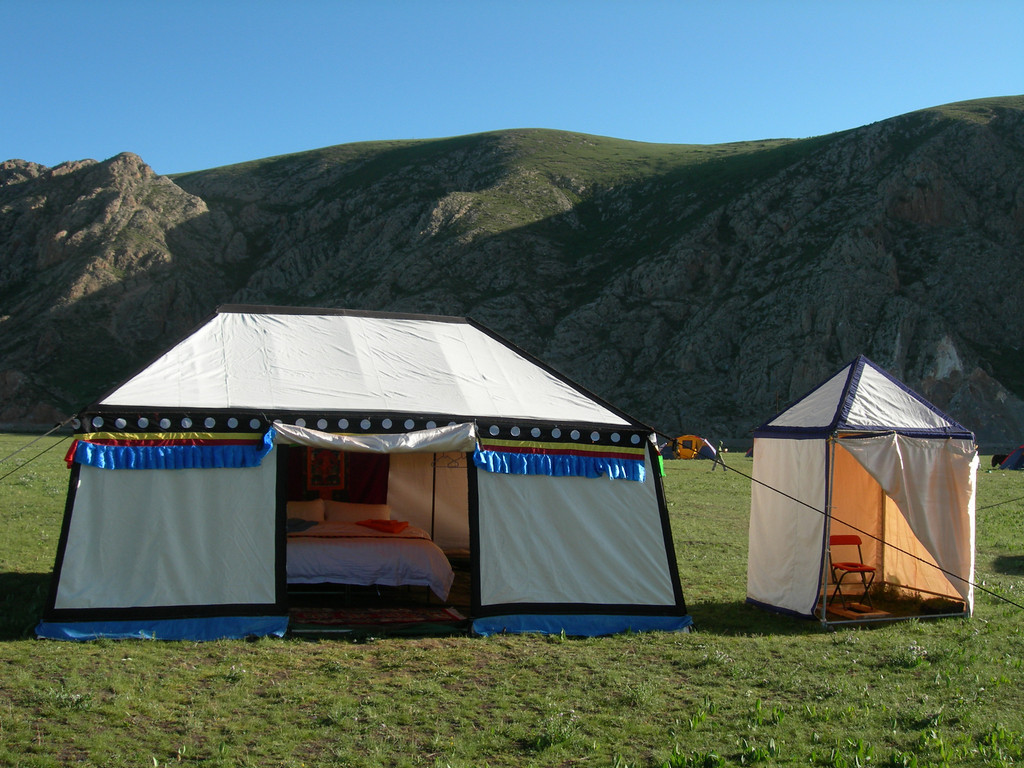
AsiaTravel is also taking action: our eco-friendly camping tents used for our signature Tibetan Yushu Horse Festival journey are now being used in Yushu to house earthquake victims. Our team in China will continue to monitor the situation on the ground and provide updates.

AsiaTravel’s Best of China Awards 2010

It’s been another adventure-filled year at AsiaTravel – venturing to new destinations, revisiting preferred haunts for a second (or third, fourth) time, engaging in rugged hands-on activities, and relaxing in China’s finest luxury spots.

To pay homage to our favorite hotels, sites, and activities in China for the past year, we bring you our 2010 installment of AsiaTravel’s Best of China Awards – a small sampling of the finest that China has to offer, with many new additions (and a few return favorites).

AsiaTravel’s Best of China Awards 2010


Top 5 Hotels

Our top hotels for 2010 showcase China’s finest urban simplicity and rural grandeur. Chosen through an in-depth survey and client feedback process, these prime accommodations represent the best in service standards, environmental commitment, and unique design.

The Langham Hotel, Shanghai * – beautiful art deco style & a superb location

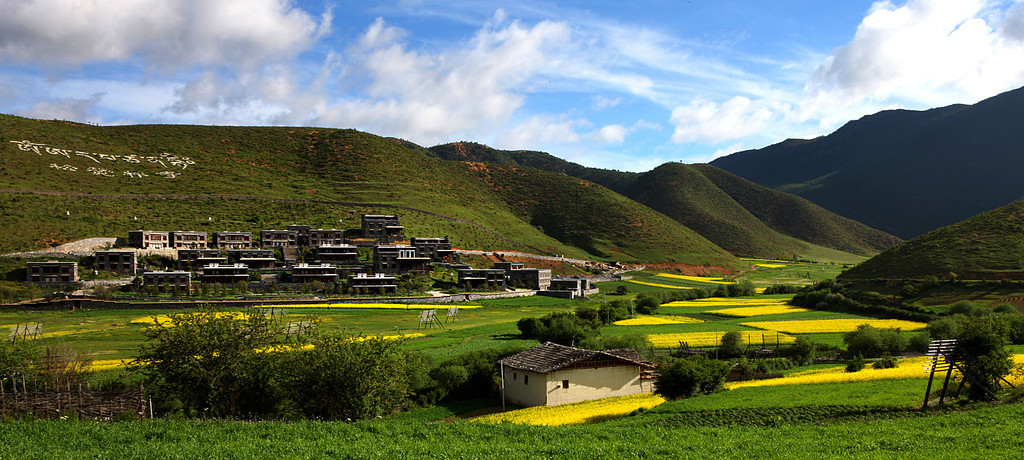
The Linden Centre, Dali – cultural heritage preservation through elegance and innovation

The Opposite House, Beijing * – sustainable modern luxury & unparalleled amenities

The Schoolhouse at Mutianyu, Mutianyu * – an incredibly eco-friendly home-away-from-home nestled near the Great Wall

Songtsam Retreat, Shangri-La – exceptional boutique accommodation in a distinctly Tibetan style

*These properties also won our Best of China Awards for 2009.


AsiaTravel’s Best of China Awards 2010

Songtsam Retreat, Shangri-La

Top 5 Sites

We want our clients to experience China’s most incredible, unique, and unspoiled destinations. Below are our top picks for 2010 that allow for tucked-away adventures and peaceful exploration.

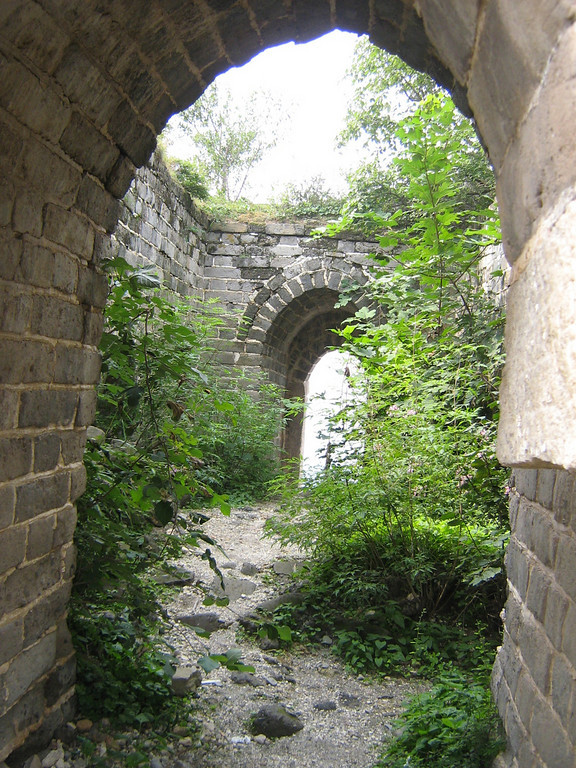
Longquanyu Wild Wall, Beijing – a remote section of the Wall that affords travelers a unique look at China’s most iconic monument

Xi’an Mosque and Snack Street, Xi’anreligious observation and bustling daily life intertwine in the city’s Muslim Quarter

Friday Market, Shaxi – Yunnan’s Yi and Bai minority peoples don their traditional best to trade hard-to-find goods in their mountainous village areas

Tea Plantation, Hangzhou [excursion upon request] – the home of Longjing (Dragon Well) tea in lush Zhejiang province

Wang’s Residence, Pingyao – A Qing Dynasty-era testament to ancient luxury and wealth in Shanxi Province’s ancient walled city


AsiaTravel’s Best of China Awards 2010

Longquanyu Wild Wall, Beijing

Top 5 Activities

Personal, once-in-a-lifetime, and hands-on: we love these activities because they bring our travelers closer to the people of China. These make for fun excursions that go far beyond the tour bus.

Pabongka hike to Chupsang Nunnery and Sera Monastery, Lhasa – a sun-filled, energizing hike is only the prelude to lively monk debates outside of the city

Update: The Pabongka hike has since been discontinued

Overnight in Miao villager’s home, Paika Village – enjoy a spicy home-cooked Guizhou meal and learn about daily minority life and culture in the village known for Lusheng, a traditional Guizhou instrument

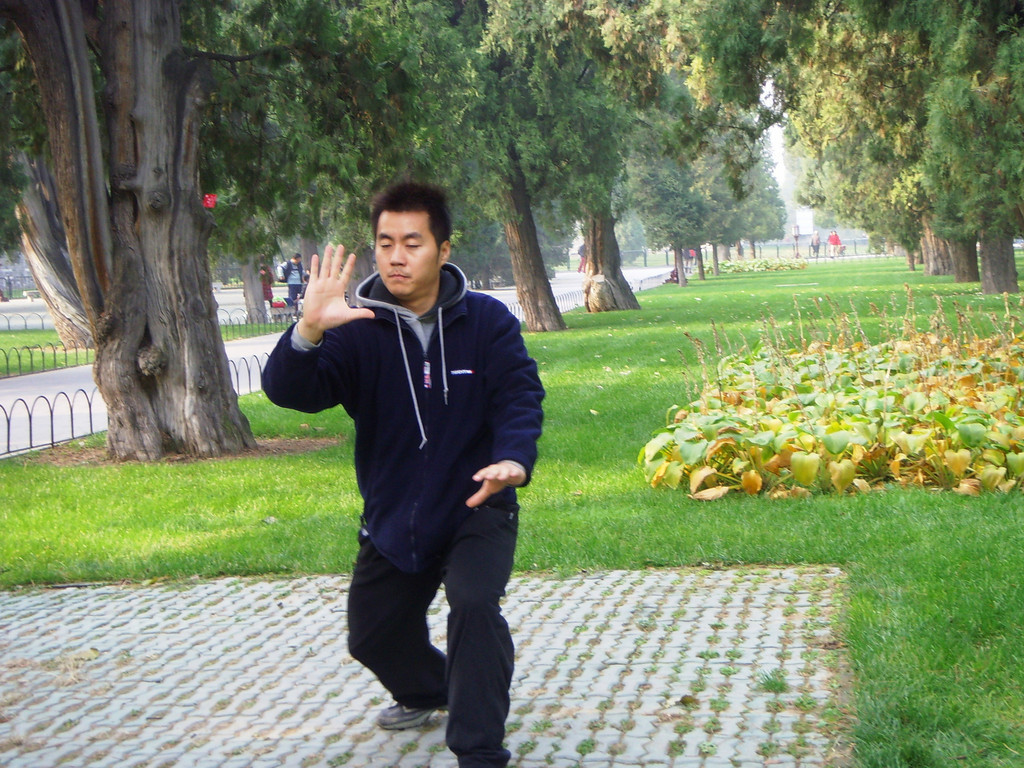
Early morning kungfu lesson at the Temple of Heaven, Beijing – the traditional Temple sets the scene for travelers’ lesson from a master of the widely-practiced martial art

Sister’s Meal Festival, Kaili – young Miao women, dressed in colorful homemade embroidery and silver jewelry, sing and dance in this coming-of-age ritual and matchmaking ceremony

Visit with an Yi minority shaman, Lijiang/Wenhai Valley – learn from this well-respected traditional medicine man about the Yi minority’s animist tradition


AsiaTravel’s Best of China Awards 2010

Early morning kungfu lesson at the Temple of Heaven, Beijing

———-

Miss our top picks from last year? Take a look at our Best of China Awards 2009.

Did we leave out your favorite hotel, site, or activity? Let us know! Send us an email or a tweet.

More Earthquake Updates: Further news, and how you can help

More Earthquake Updates: Further news, and how you can help

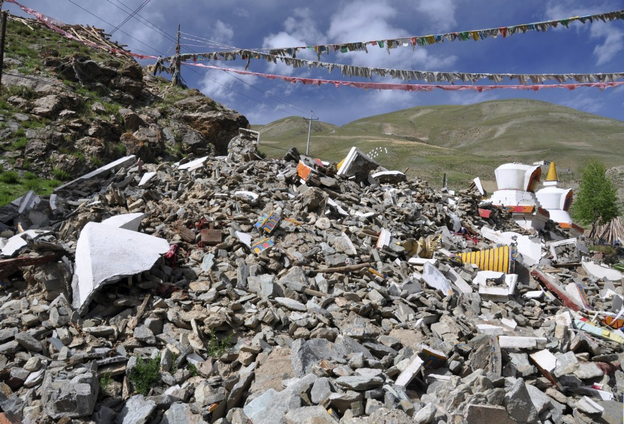
Debris from Trangu Monastery

In recent days, AsiaTravel has been working with our local partners to get on-the-ground knowledge of the Yushu tragedy, and to provide needed supplies and aid.

Since our last post on Yushu, we have been notified of the following:
– AsiaTravel’s Europe Team Director, Veronique, hopes that the truck she helped coordinate to bring supplies to Yushu has arrived to the area. Since the road from Nansheng to Yushu was damaged by the earthquake, traffic has been slower.
– At this point, villages and other local areas outside of Yushu proper need the most aid.
– Volunteers are having some difficulty with relief efforts due to the language barrier and altitude sickness.
– One of our local Yushu partners, who was previously deemed unharmed but was unreachable, has been located and we are cooperating with him to distribute tents.

AsiaTravel has decided to take a three-fold approach to our aid for those suffering in Yushu, which includes two NGOs and aid for our local partners and friends affected by the earthquake.

1) Local partners: we are donating money to purchase medicine for our local partners’ families, in order to better facilitate their and their loved ones’ recovery from this tragedy.

2) Orphans: we are donating money to The Orphanage School, which is run by international NGO Rokpa, to help those children orphaned in the region.

3) Monks: we will also be donating to the Yushu chapter of Himalayan Consensus, an NGO dedicated to ethnic diversity and cultural sustainable development. The coordinator, Laurence Brahm, has sent goods to Damkar monastery where AsiaTravel visits during journeys for the Tibetan Yushu Horse Festival.

How can you get involved in these aid efforts?
– For The Orphanage School/Rokpa, please visit their website and scroll to the bottom of the page on how to give Single and Regular donations online and via mail.
– To donate to Himalayan Consensus or AsiaTravel’s local partners’ families, please email Alex at alex.grieves@wildchina.com with the subject line “Yushu donation.” Alex can provide you with contacts and donation information.

UPDATE: Follow Rokpa’s Yushu Relief blog for up-to-date information on developments in the area.

———-

Photo credit: Land of Snows

Have more questions about the situation in Yushu? Have other news from Qinghai, and ways to help? Please email Alex at alex.grieves@wildchina.com.