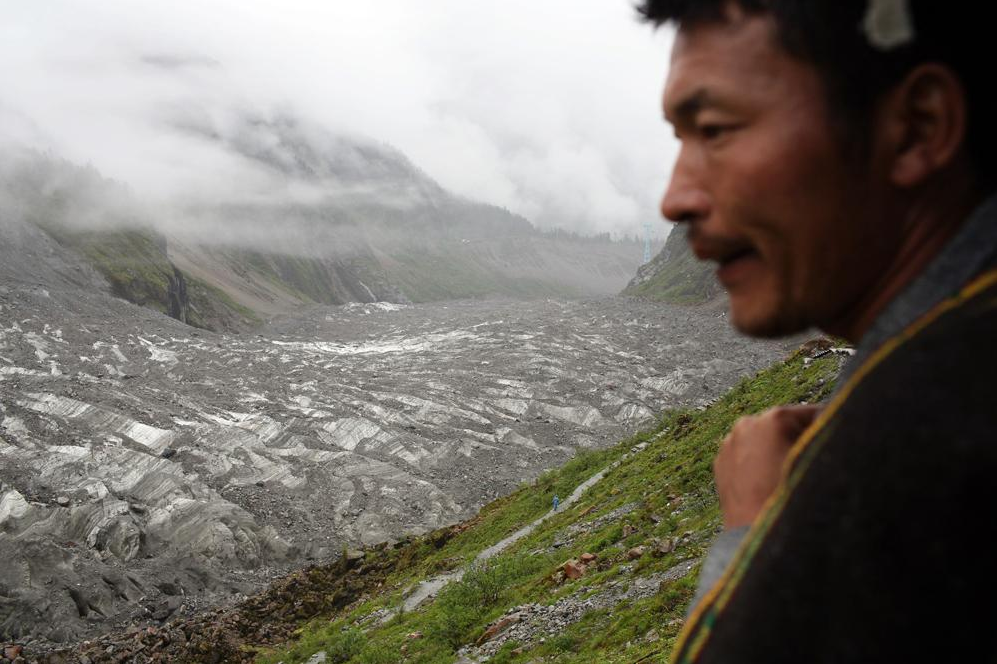
Update from the Field: Travel to Tibet

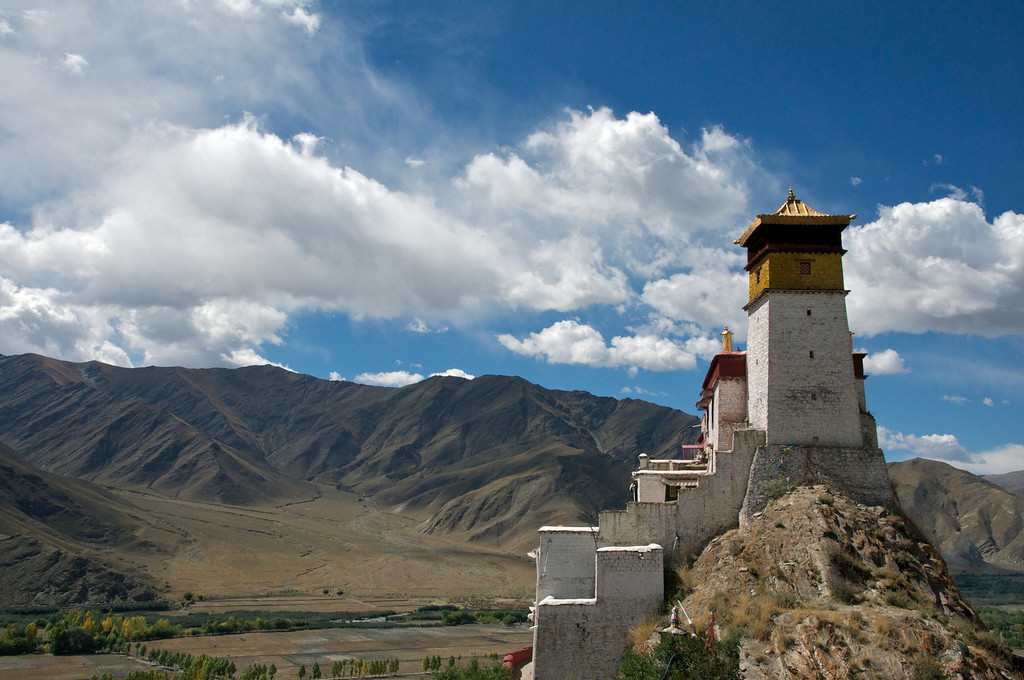
For the past four years, Tibet experiences a hiatus in tourism during the spring.  As we are moving to the end of May, Tibet is slowly opening up again to travelers.  Currently, permits to the autonomous region out west can be granted to groups of 5 or more people of the same nationality.  Thus, it is the perfect time to gather friends and family for a once-in-a-lifetime trip to this spiritual land…

Update from the Field: Travel to Tibet

Our journeys are briefly outlined here in Action Asia magazine, but no matter if it is a trip for your entire family or a group of friends camping out in the Tibetan countryside against the world’s most magnificent mountains, there is certainly something for everyone.

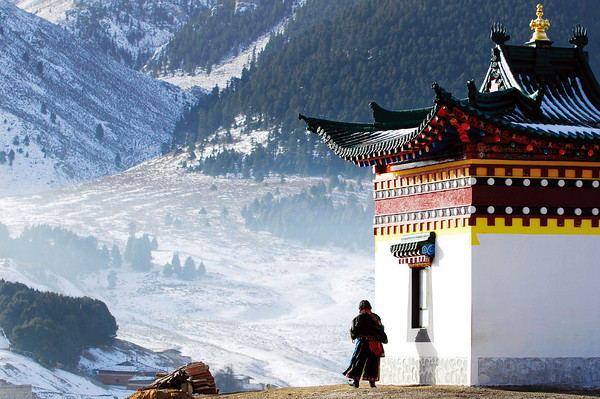
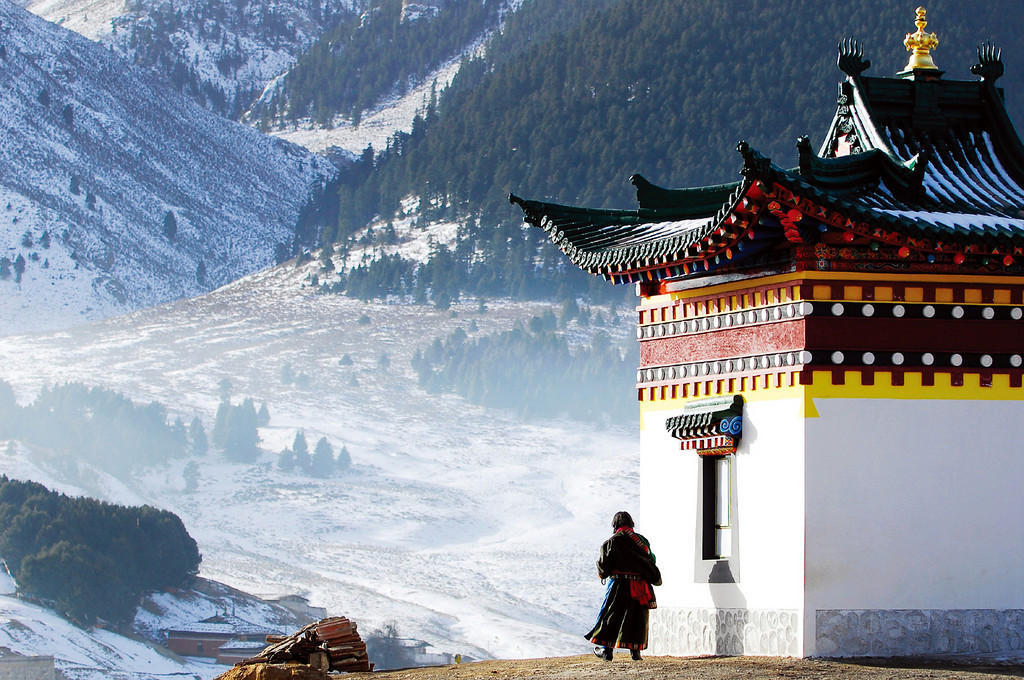
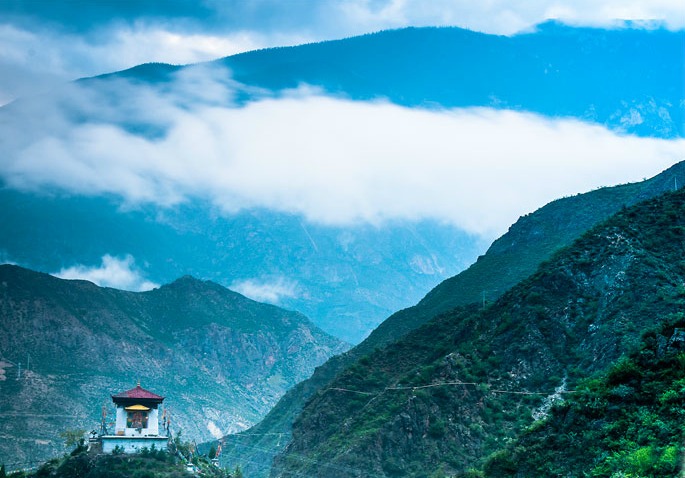
For travelers looking to travel in the Tibetan regions of Sichuan province, Ganze and Dege districts seem to be closed still while Litang and Yading reserves are open to foreigners.  Overland journeys from northwest Yunnan to  southeastern Sichuan are also fine.  For a peek into the lives of monks in these remote monasteries, check out AsiaTravel tour Sacred Buddhist Land.


Update from the Field: Travel to Tibet

————

For more information, contact us at info@wildchina.com


Update: Summer 2012 Travel in Tibet

Earlier today, AsiaTravel received more finalized news that Tibet is temporary closed off to foreign travelers during the month of June.  At present, local authorities are not issuing permits for foreign travelers to visit, although this could change at any moment.

Update: Summer 2012 Travel in Tibet

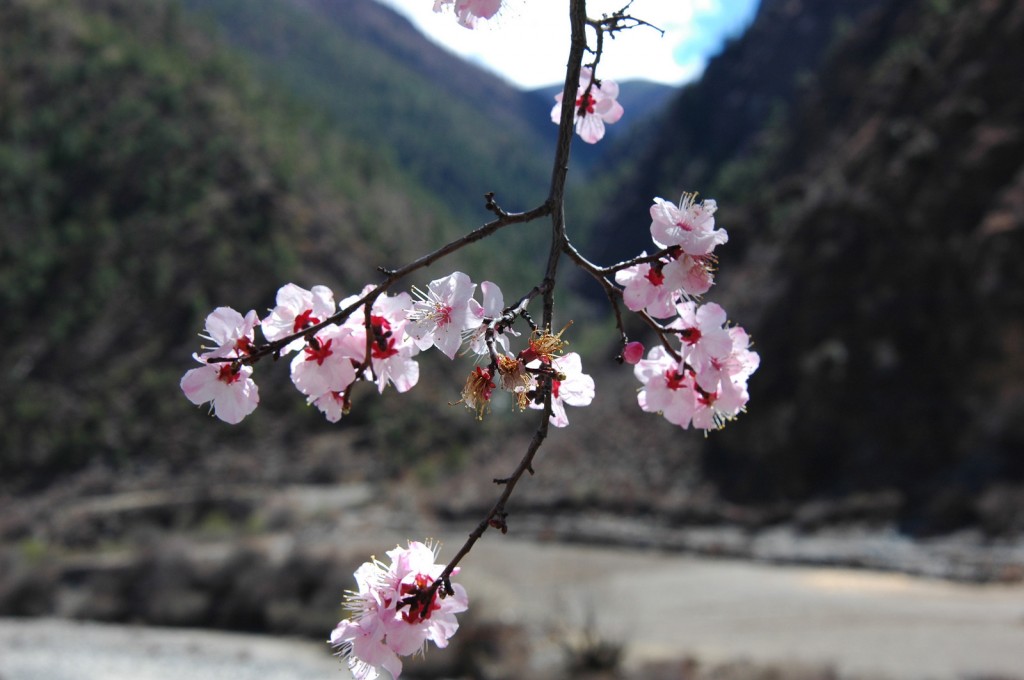
Blossoming flowers outside of Lhasa, Tibet


As many of you may know, in late May AsiaTravel issued a statement explaining the updated regulations– that in order to travel to Tibet a traveler must be in a group of five and all must be same nationality.  However, with today’s latest update, AsiaTravel has canceled all Tibet travel for June 2012. According to our local team in Lhasa, we could possibly learn more about the updated situation for July/August/September by the end of the week.  Stay tuned here to learn more.
Update: Summer 2012 Travel in Tibet

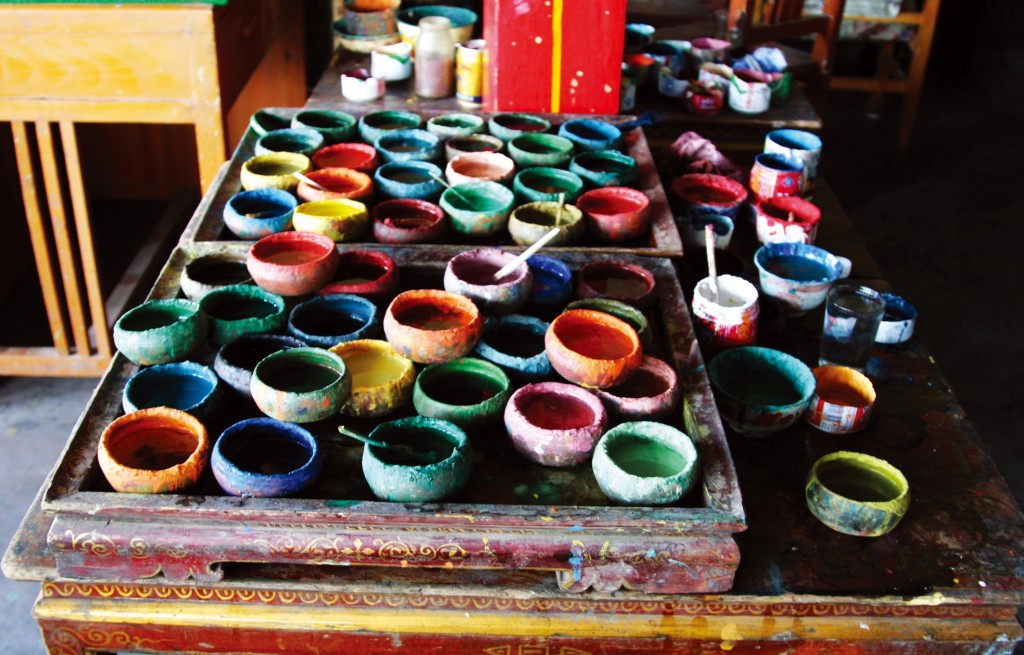
Paint pots for Thangka painting


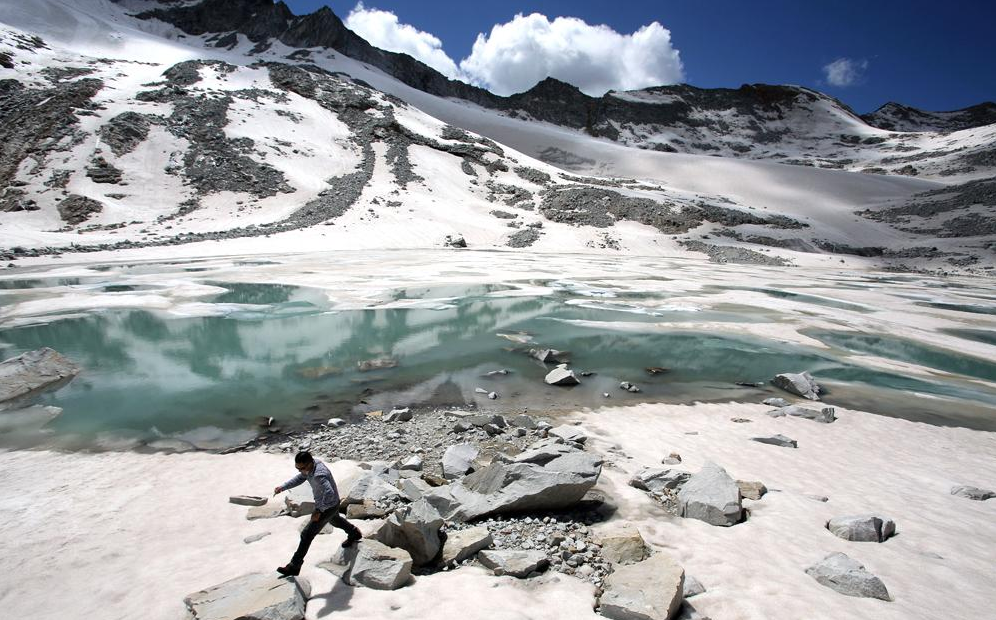
For many who had planned a once in a lifetime trip to Tibet this summer, not all is lost.  For those interested in Tibetan culture as well as stunning– and arguably more remote regions– we are recommending clients to consider  Across the Wild Frontier: Western Sichuan to Yunnan. Head of Leisure Veronique d’Antras says, “This overland expedition goes through some of the most beautiful and rugged Tibetan plateau landscapes: evergreen forests, crystal clear rivers, transparent lakes, glaciated peaks, grasslands with yaks, remote monasteries, horse festivals and Khampa Tibetan traditional culture are found along the road. Take your time to explore.” Explore China’s most dynamic wild west frontier. The Sichuan-Yunnan corridor is one of western China’s most difficult and seldom-traveled passages, but also offers its most inspiring natural scenery. Trek through high mountain passes, hike in alpine forests and along glacial lakes, and watch the sun rise above holy Tibetan Buddhist mountains.
Update: Summer 2012 Travel in Tibet
On this  journey, we travel from Sichuan’s provincial capital, Chengdu, to the Tibetan town of Shangri-La (Zhongdian) in the northwestern corner of Yunnan province. We push deep into the remote mountains of Sichuan’s western region to view some of its most inspiring natural scenery, from the sun rising above holy mountains to the alpine majesties of Yading nature reserve. Along the way, we meet with a living Buddha, trek with local Tibetans and visit many of the largest and most renowned Buddhist monasteries outside of Tibet.
———-
Interested in learning more about travel updates for summer 2012? Stay tuned at AsiaTravel’s blog for the latest news. If you are keen to hear more about Across the Wild Frontier, please contact us at info@wildchina.com.

Access to Tibet Update: Summer 2012

AsiaTravel wanted to share that earlier today we received word that local authorities have begun issuing permits for foreign travelers again. Foreign travelers are now able to secure the necessary visa that will enable them to enter Tibet, and we in fact have clients in Lhasa at the moment. AsiaTravel is very pleased with this news as Tibet in the summer is absolutely stunning. We have many clients who have bespoke tours planned through us this summer and look forward to welcoming them to this diverse and culturally rich region.  AsiaTravel will continue to track the situation on the AsiaTravel blog.

Access to Tibet Update: Summer 2012


———-

Interested in traveling to Tibet? Take a look at Don’t miss Tibet traveling to Tibet this summer for travel tips and ideas. To learn more, please get in touch at info@wildchina.com.

5 items to pack for Abujee Trekking

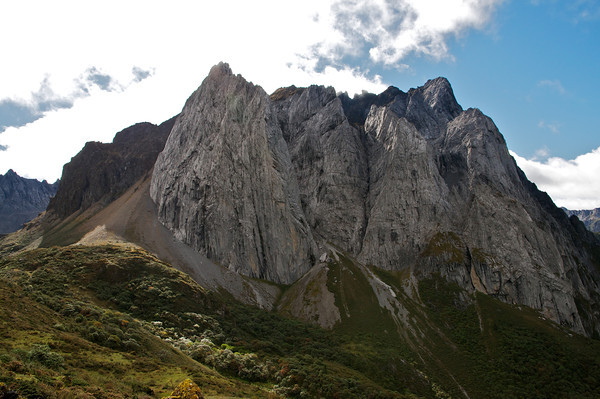
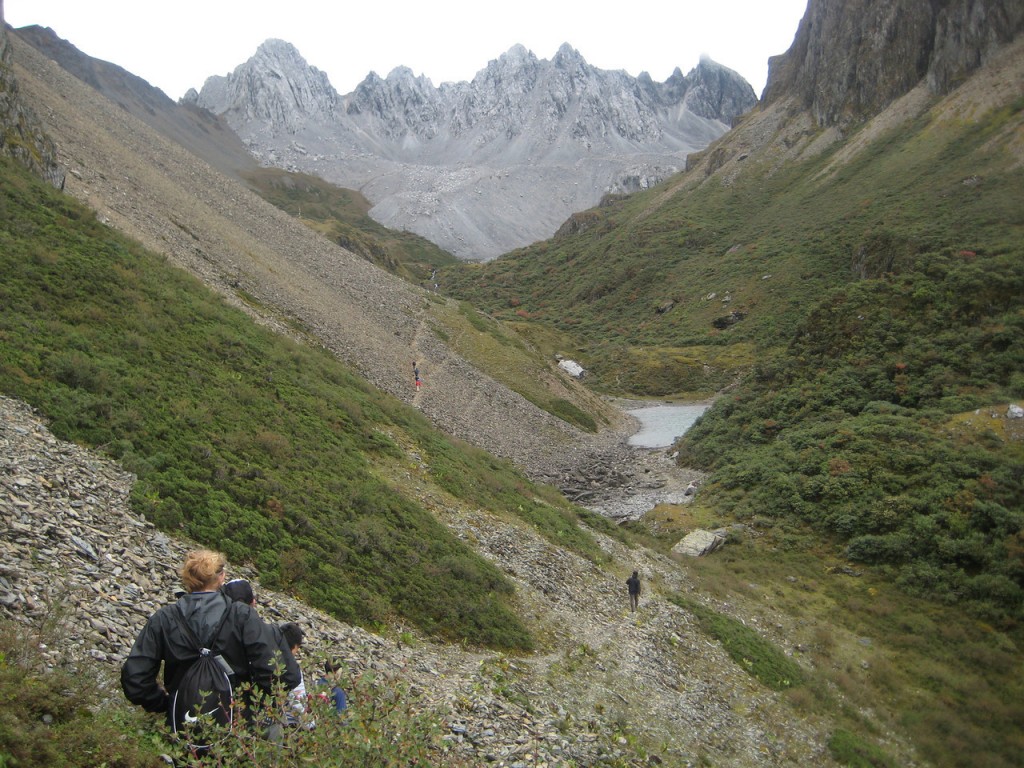
If you’re like us the night before a big trip you’re always asking yourself: “Do I have everything I need?” And with bag fees on airlines always on the rise: “What do I have that I don’t need?” We sat down with David Fundingsland, AsiaTravel’s Head of Educational travel, following his return from 7 days in Abujee, a verdant mountain region in the north of Yunnan. During his time hiking in these isolated mountains and alpine lakes,  David points to 5 items that were essential to the success of his journey.

5 items to pack for Abujee Trekking

Petzl Tikka xp2 Headlamp: On trip, David found his headlamp especially helpful in the Abujee region. For much of the hike, the high canyons cut off the sunlight early in the evening. In such a remote region, there are few clear paths and come dusk, having a good light was key. David has had his Petzl for six years and in all his treks through China, it hasn’t let him down once.

5 items to pack for Abujee Trekking

2) Outdoor Research gaiters: While descending the slopes in the Abujee region, having a pair of gaiters was essential.  Many of the mountains are covered in skree and the gaiters kept rocks from popping into David’s boots.

5 items to pack for Abujee Trekking

3) First Aid kit: AsiaTravel always has a few of these packed on our trips. But David does things a bit differently– in addition to bandages and disinfectant, he also stores all goods he will be using throughout the day, such as sunsceen, in this pouch. This kit is always kept on top of his bag for easy access.

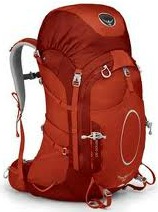
4) 50 liter backpack: In order to carry all his things from camp to camp, David relied on a 50 liter pack from REI. For this 5-7 day trip, having a bag of this size was perfect. Abujee is a region where you get hot while you are on the move but immediately get chilly while stopping for lunch– easy access to multiple layers is crucial.

5 items to pack for Abujee Trekking

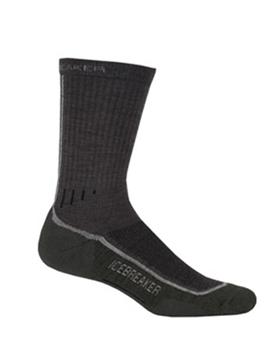
5) Medium weight icebreaker socks: Evenings by Abujee can get chilly and in order to keep his feet warm, David relied on a pair of icebreaker merino socks. David also found his socks essential on the crisp cool mornings when they would begin hiking for the day just as the sun was rising.

5 items to pack for Abujee Trekking———-

If you’re interested in hiking Abujee, contact us at info@wildchina.com. Trips can be customized from 4-13 days in this region.


My Perfect Day in Shangri-La

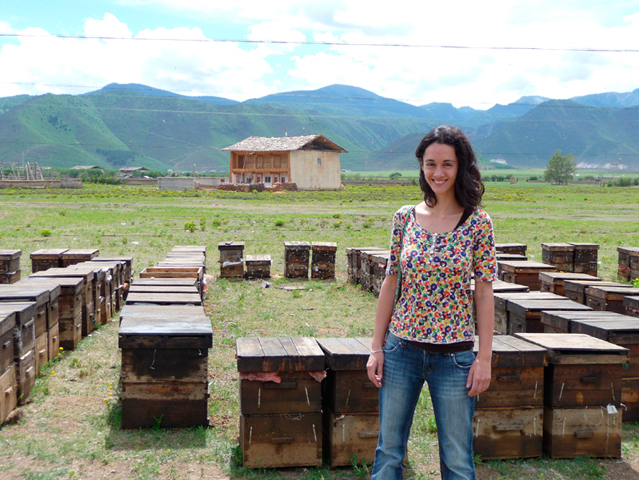
Imagine waking up each morning to the comforting smell of sweet Caravan Breakfast coffee, enjoying a buttery scone with a spoonful of flavorful honeysuckle honey while admiring the mystical valleys of Shangri-la, and ending your day with a relaxing bath using some freshly-made rose magnolia soap. This is the daily routine of Alia Malik, co-founder of Shangri-la Farms, a company founded on promoting an organic and healthy lifestyle.
My Perfect Day in Shangri-La

Alia, her sister Sahra, and brother Safi founded the company with the hopes of helping to improve the quality of life for the rural farmers of Shangri-la, a city located in Yunnan province, which, though rich in biodiversity, is China’s second-poorest region. With a rapidly growing loyal fan base, Shangri-la Farms provides an outlet for these farmers to “connect with the outside world to sell their products,” which include coffee, honey, and a variety of body products.
My Perfect Day in Shangri-La

AsiaTravel is excited to share Alia’s “Perfect Day in Shangri-la”, including her favorite local sites and eateries in this “earthly paradise”:

On a perfect June weekend with the temperature in the low-30° C, (around 86° F) a cool breeze runs through the mountains and a clear blue covers the sky, both of which are harder to find in the more cosmopolitan Beijing. My first impression of the city is embodied in the word “special.” There is no other place in China, and maybe even in the world, like Shangri-la. This beautiful city is unique in that it holds a lot of “feeling”, and although it is occupied by multiple minority groups, there is still a strong sense of community, a unified identity. Local cuisine is delicious and unlike food in the cities, you are mainly eating what has been farmed very nearby and therefore, is less chemically heavy. My personal favorite has to be mian pian, a noodle soup that consists of a locally-flavored broth filled with flat square noodle pieces. With its culturally Tibetan traditions, fantastic eateries, and sensational views, Shangri-la provides an experience that is unavailable in the better-known metropolises of Beijing and Shanghai.
My Perfect Day in Shangri-La

As I wake up in the morning, I breathe in the fresh crisp air and get ready to start off my day with some Western-style comfort food at Somewhere Else Café, whose scrumptious homemade granola and yogurt are both to die for. With some nicely brewed coffee, this is the ultimate breakfast, the best way to energize for a busy day. Then, I enjoy taking a nice walk with my dog up the hill behind my house, from the top of which you can see most of the Shangri-la Valley and sometimes even all the way to the next valley over. I take a moment to fully take in this pristine view and almost always end up having to pinch myself to remind myself that I’m not dreaming. Shangri-la is filled with amazing sites that highlight nature’s beauty, such as the lush green grasslands surrounding the clear water of Napahai Lake.

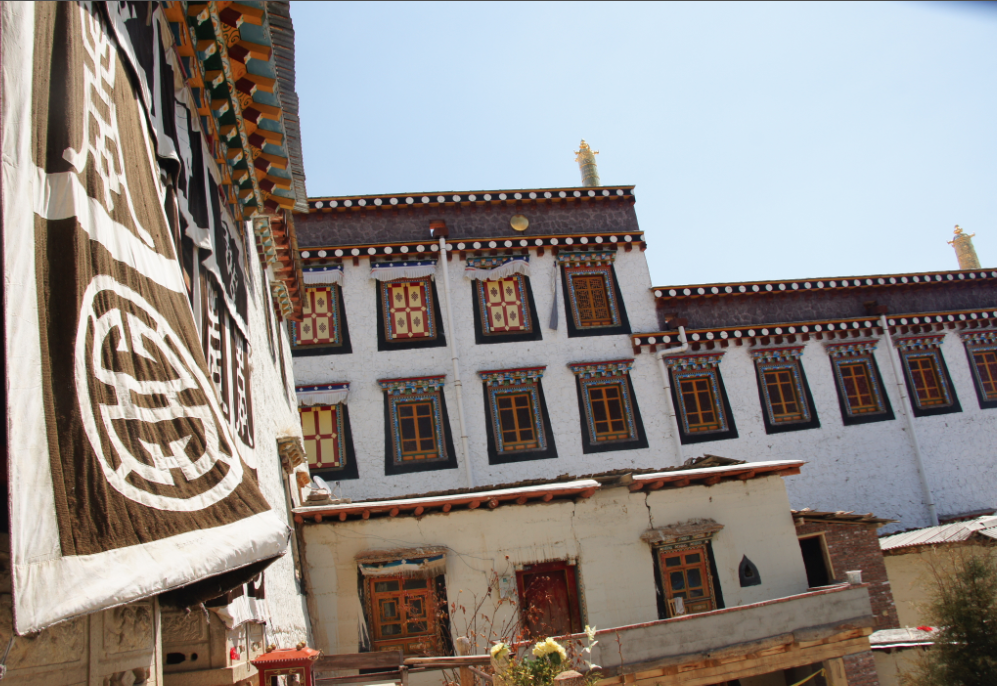
After running some quick errands and getting some work done for the upcoming bottled drinks we have planned for Shangri-la Farms, I head to Karma Café to meet up with a few friends for lunch. The perfect place to catch up with old friends, this eatery, not located in the well-known Old Town, but rather, on a more off-beaten path, embodies the one-of-a-kind atmosphere of Shangri-la. Serving locally-inspired European food with a modern twist, including delicious salads with local walnuts and even yak steak, Karma Café is quickly creating a name for itself not only for its mouth-watering dishes, but wonderful ambiance. After parting with my friends, I head to a local monastery, a must-see when visiting Shangri-la. I personally enjoy the Songstam Monastery, the largest Tibetan Buddhist lamasery in China and a vibrant center of prayer and study. Here, you have the opportunity to first-handedly experience the local culture as you observe monks going about their daily routine. I would then head to the Yunnan Mountain Handicrafts Center to check out some crafts, all of which are locally made and beautifully crafted. I am always up for some shopping!
 

My Perfect Day in Shangri-La

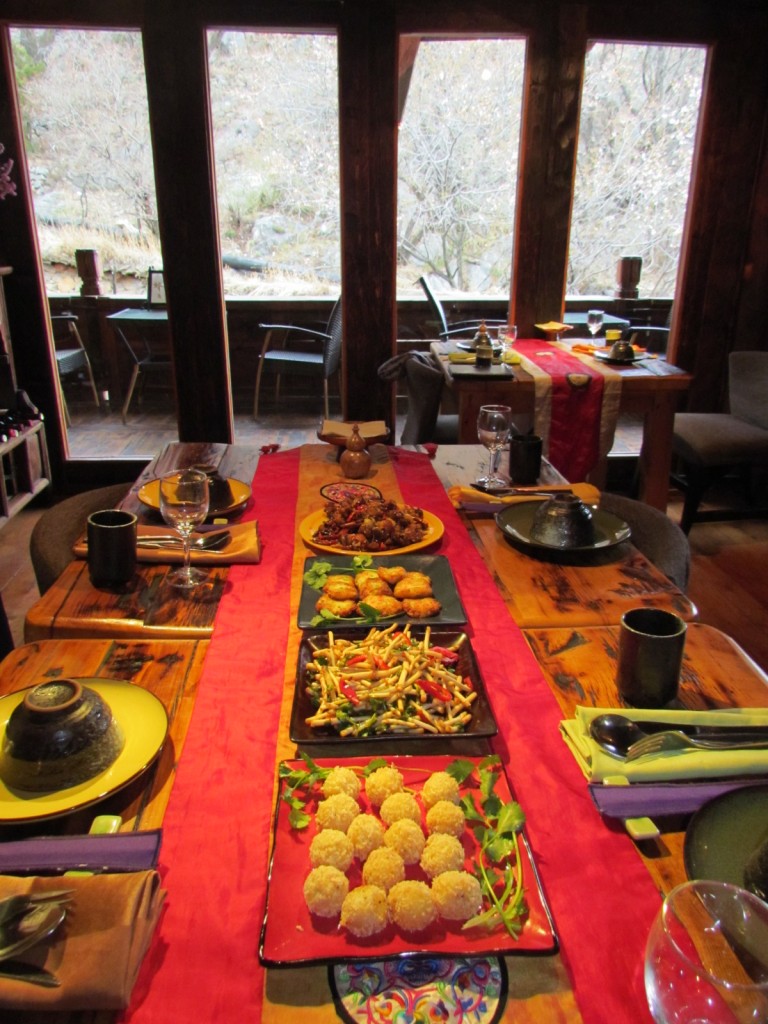
Tara Gallery Cafe

After an adventurous day of exploring Shangri-la, I am famished and ready to enjoy a tantalizing mix of Indian, Himalayan, and Yunnan food at Tara Gallery, including flavorful dishes such as cucumber and three veggie salad, eggplant mousse, and Tibetan dumplings. The personally crafted cuisine at Tara Gallery contains both local Yunnan and Indian flavors and best of all, it’s healthy! So no feeling guilty after indulging in these savory delicacies. Another great option is Arro Khampa, renowned for their French twist on Tibetan cuisine. Not only are their dishes très fantastique, Arro Khampa has great hospitality and is simply a lovely place to while away the evening.

At the end of a long day of exploration, relaxation, and consumption of some of the best Chinese food around, I am exhausted and ready for bed.

———-

Photo credit: Cartier Woman’s Initiative and Chinatravel.net

Are you a diehard java lover interested in trying out Shangri-la Farm’s Caravan Breakfast coffee? Check out a variety of organic, fair trade quality products on their website.

Interested in trying yak steak? Contact AsiaTravel for more information on traveling to Shangri-la.



The Pride of Yunnan

Two weeks ago, AsiaTravel tour leader Nancy accompanied a group of high school students from Yew Chung International School of Beijing on a journey to Yunnan.  Here are a few reflections from the road:

———-

Yunnan, the province in southwest China that we rave about so much, won me over almost as soon as I stepped off the plane.  We were greeted with breezy, spring weather, and the sky was filled with patches of blue that I miss so much living in Beijing.

The Pride of Yunnan

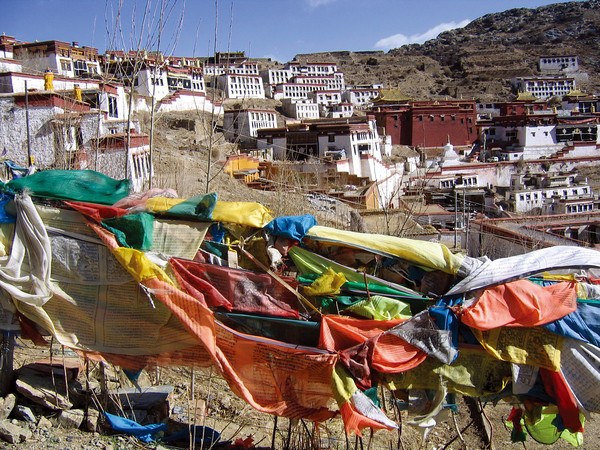
Like Aila Malik mentioned in a previous post, Yunnan just doesn’t really feel like a part of China one typically imagines. I Don’t know why this popped into my mind, but I felt like I had been transported back to the days of Laura Ingalls Wilder except all the characters had changed:  The open prairies were replaced with mountains that shot up into the sky; mud homes were replaced with villages of white-washed houses in green valleys; bonnets and calico were replaced by hot pink hair-wraps and plain brown vests of the Tibetan people. Yet the visible pride of the people and their satisfaction in the hard work of their daily routines seemed the same.

The Pride of Yunnan

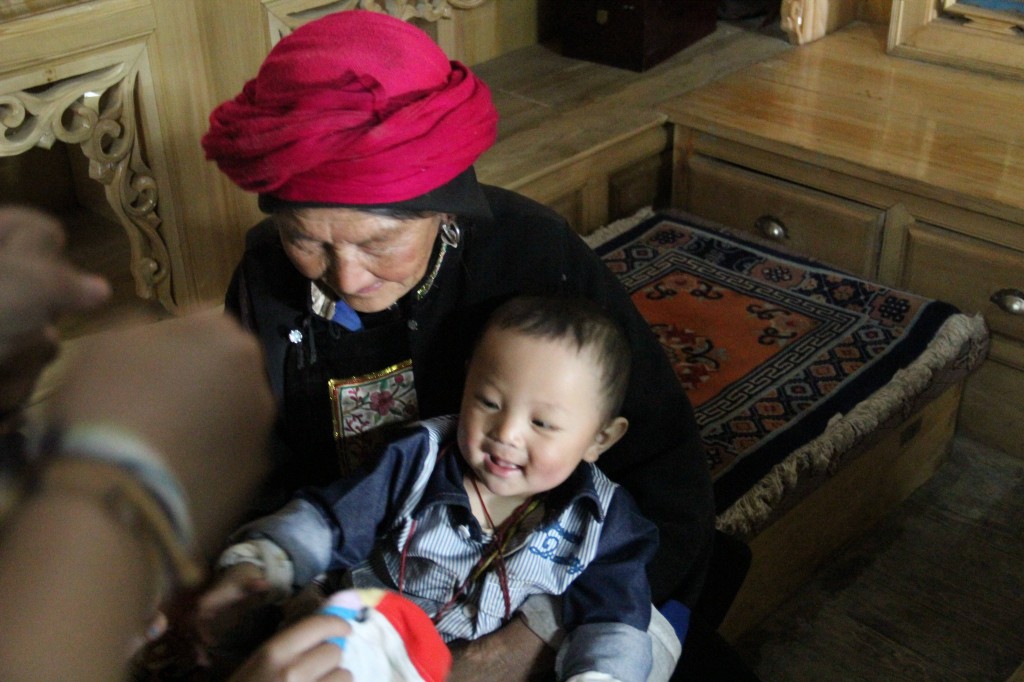
Naxi lady with her grandson

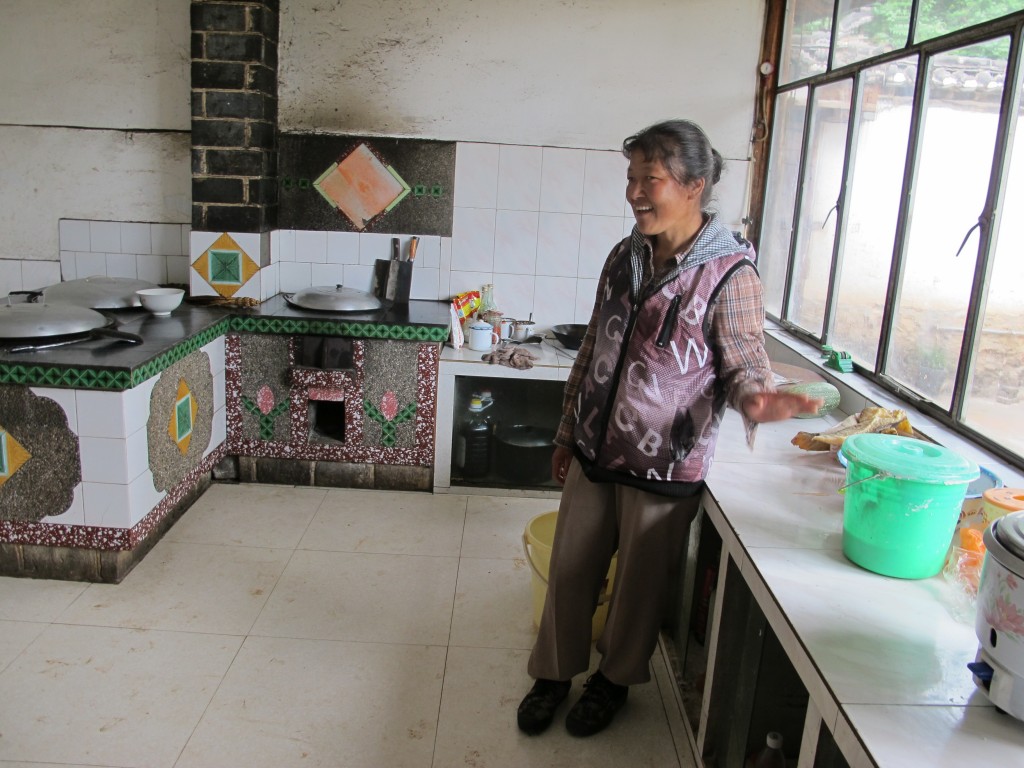
One lady that stood out in particular was the owner of a home that had been a special project for The Nature Conservancy.  The lady, or Ayi as we called her (Ayi literally means “Auntie,” a respectful term in Chinese), graciously invited us in to see how she used bio-gas to fuel her home.  She explained that tanks underneath her home gathered and routed bio-gas from the fields to her kitchen stove.

The Pride of Yunnan

Ayi showing us her bio-gas stove

Setting this up has saved her and her family countless hours of traveling out of the valley, up the mountain and into the forrest to gather wood for fuel.  With the extra time Ayi is able to tend to her gardens thereby creating another source of income.  “Look at all of our grapes!” she exclaimed with a big grin on her face, “I think they’re the best in the market – much better than the expensive ones that are imported.”

The Pride of Yunnan

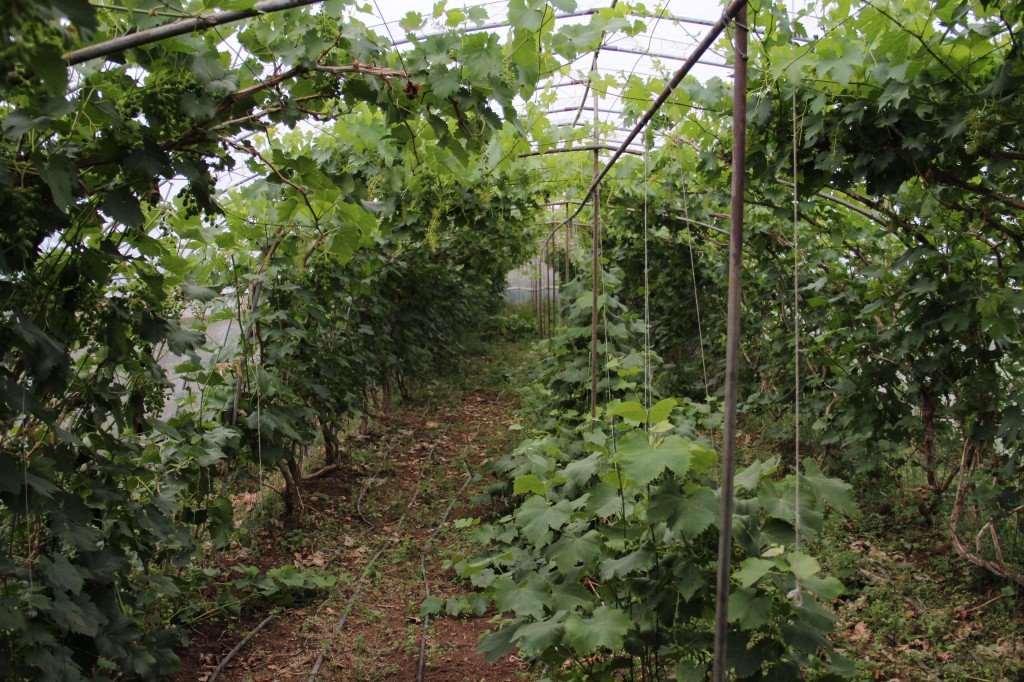
Ayi's greenhouse of grapes

I smiled back and walked away thinking, “This is the real China.”  In the media and in the city where cranes line the skies as skyscrapers are being built left and right, it’s easy to buy into the idea that China is a global superpower.  Looking back at the modest garden and thinking about all of Ayi & her family’s hard work of creating it reminded me of how far the country still has to go before that’s true.  I guess one could say that China is still living in its Laura Ingalls Wilder days…

———-

Photos by Alex & Cherry, AsiaTravel student travelers


Backstage pass to Yunnan

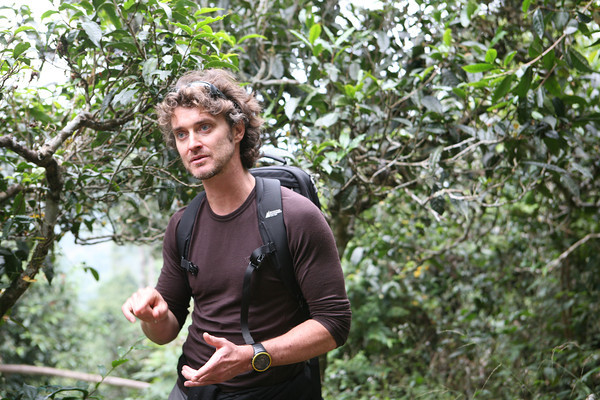
Although AsiaTravel is proud of all its itineraries, it is not every one that has a National Geographic award. One such lucky trip is AsiaTravel’s Tea and Horse Caravan. Recognized in 2012 by National Geographic Traveler as one of 50 Tours of a Lifetime, the Tea and Horse route is truly spectacular. Led by intrepid explorer and AsiaTravel expert Jeff Fuchs (pictured below), the trip’s course takes an uninhibited look at Yunnan province. Year in and year out, Jeff returns to lead this trip so we sat down with him to find out why. He gave us three reasons:

Backstage pass to Yunnan

Unparalleled Access: The path that Jeff takes through Yunnan is one he is intimately familiar with. All along the route, Jeff has cultivated relationships, not only with the locals who live there now, but also with the remaining elders who he notes once “traveled, traded, and gave the ancient journey life.” Jeff has tailored this adventure to cross paths with these individuals, every one of whom is ready to share the oral traditions of their past. Guide books often discuss tired elements of a trip that have long since lost their bite, but Jeff’s ability to speak Tibetan, Mandarin, and Hani open the door for you to enjoy your own original experience. One of Jeff’s favorite aspects of this trip  “is that there is still so much more to dig into, both from a physical sense and from a cultural perspective.”

Backstage pass to Yunnan

Historical significance: The Tea and Horse Caravan route is not simply a trip to China’s countryside–it is a journey through living history. Jeff explains that, “The Tea and Horse Road opens up not only Yunnan’s minority regions, but specifically how those minorities are related to tea, the trade route itself, and how they relate to each other. The route follows a path that has been an ancient pilgrimage, trade, and migration route for over a millennium. As each of the layers of the story of this trade route are uncovered, we see one of the most daunting expeditions on the planet, linking Asia’s eternal green commodity, tea, across a huge width of the Himalayas and beyond.”

Backstage pass to Yunnan

One of a kind landscape: As you are conversing with locals and and studying the history that surrounds you, what will the surroundings be like? Simply stunning. Jeff reveals a slight smile, and his eyes light up, when he tells us he “would happily wither away in a tea swoon in the tea forests of Xishuangbanna. It is there that a sub-tropical and mystical quality creates a slightly calmer pace that puts one in a pleasant state of bliss.” The mood changes considerably as you move into the Himalayas where “the air clears and becomes sharper, the winds start to buzz and thump, and there is a really tangible sense that one is leaving one sanctum and entering into the mountains’ playgrounds.” Lush forest followed by austere mountains set the scene for getting those “WOW” photos to share with friends and family back home.

Backstage pass to Yunnan

If these three reasons are not enough, consider the reviews of two 2011 AsiaTravel travelers Rob and Lynne. Following the expedition they stated, “Getting off the beaten track was number one for us. Jeff and the guides had a unique skill at getting local folk to open up and to share their world with complete strangers.” By the time you finish this trip you won’t feel like strangers, you will feel like you have been walking this route all your life, shoulder to shoulder with those you have met on your journey.

———-

Interested in joining Jeff Fuchs on his next trip to Yunnan? Looking for something else? Send us an email at info@wildchina.com and we will start working on the perfect itinerary for your adventure.

Photos by Jeff Fuchs and Paul Mooney.


Shangri-La Family Style

AsiaTravel featured blogger Chelin Miller catches us up on her recent trip to Yunnan:

The Millers (mum, dad and three daughters) spent a week in Yunnan’s Shangri-La, on a relaxing tour of the ‘Kingdom South of the Clouds’. We stayed at the wonderful Songtsam Lodges. It was a perfect trip to visit a part of China that still has not been spoiled by mass tourism, is off the beaten-track, and yet remains very comfortable. We were surrounded by amazing landscape, easily found activities to keep everyone entertained, and enjoyed friendly people and delicious food. Here are each family member’s favorite moments:

Dad: Turning up to a lodge and being welcomed by smiling, friendly faces – every time! Walking through the rain up the mountains to see the golden monkeys in Baima Nature Reserve.

Shangri-La Family Style

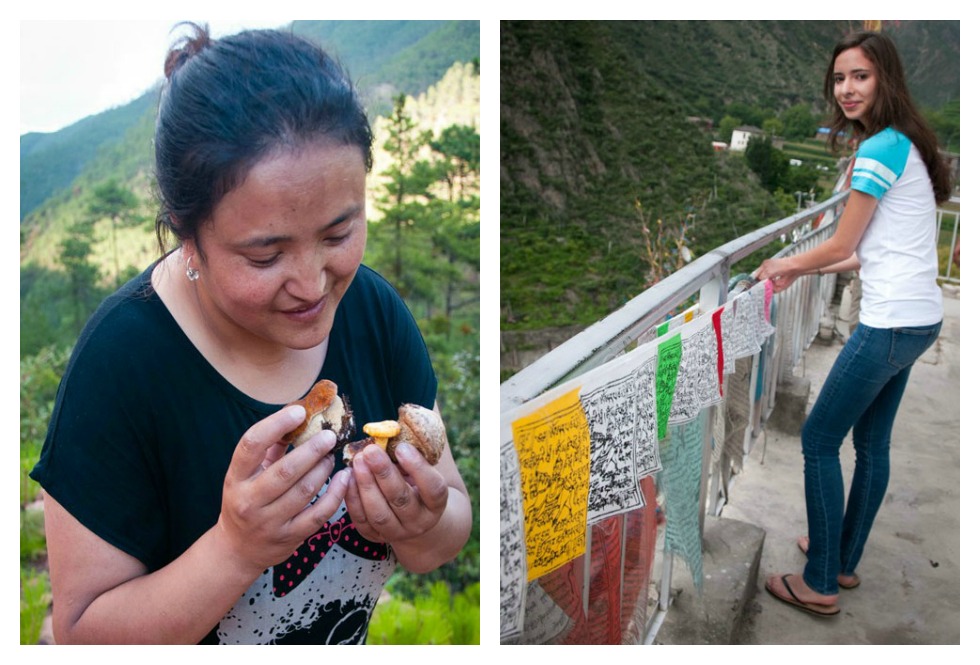
Hannah (17): Hunting mushrooms in the mountainous forests near Benzilan and then BBQ-ing the mushrooms under the stars.

Shangri-La Family Style

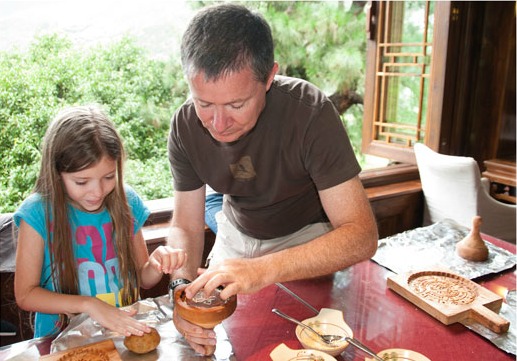
Eli (13): Making moon cakes in Tacheng – and eating them!

Shangri-La Family Style

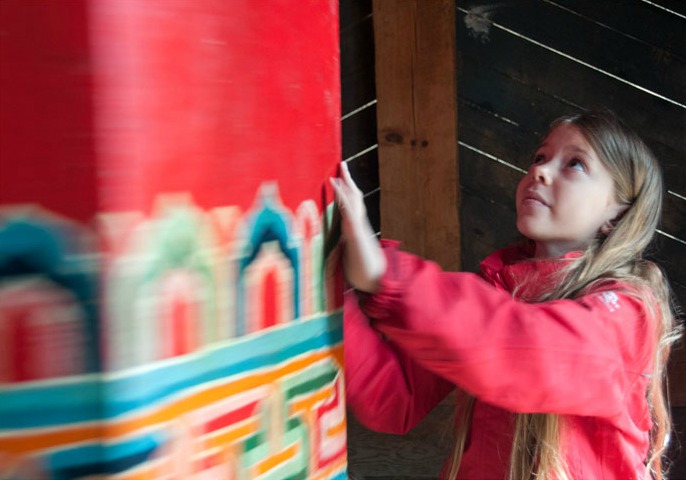
Nina (8): Horse riding in Shangri-La and chanting prayers with our guide, Dolma, who also taught me how to turn the prayer wheel in Tibetan temples.

Shangri-La Family Style

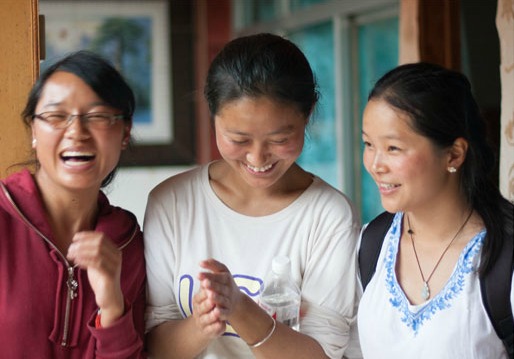
Mum: Getting caught by the rain after picking up watermelons and stopping for shelter at a Naxi household. While waiting for the rain to stop, we sang songs with girls in the lodge, and ate fresh fruit. The best aspect though, was taking wonderful landscape photographs at dawn –in my pajamas, from my bedroom balcony! If you have a chance to come to Yunnan, we can assure you will not regret it.

Shangri-La Family Style

———

If you are interested in travel to Yunnan, we would recommend AsiaTravel’s Cultural Family Vacation, or if you are looking for a little more adventure, check out our Tea and Horse Caravan. If you have something else in mind, send an email at info@wildchina.com and we can begin building the perfect adventure for you.

To read more of Chelin’s blogs click here.

Photos by Chelin Miller.

Western China through the photographer’s lens

When was the last time you took a picture that could change the world? If your name is Sean Gallagher, then the answer could be “yesterday”. In addition to being a AsiaTravel expert, Sean is also an award winning photographer and videographer. Sean’s work has appeared in publications including TIME Magazine, The New York Times, The Globe and Mail, Der Spiegel and National Geographic China. At present, Sean has turned his talents to reporting on the environmental degradation of the Tibetan Plateau for the Pulitzer Center on Crisis Reporting.

Western China through the photographer’s lens

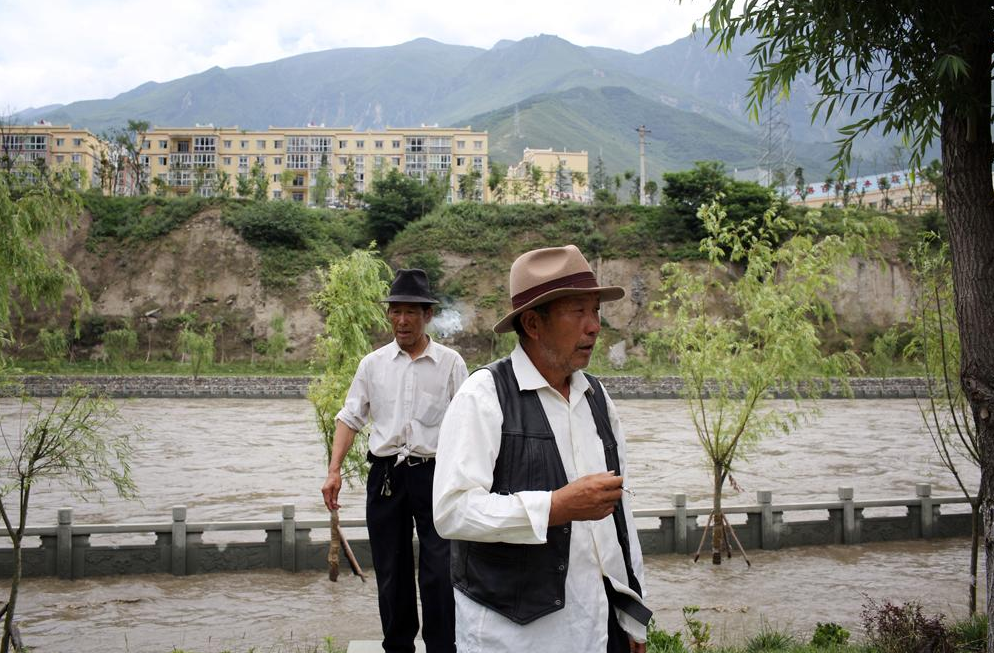
Recently, China has decided to pour considerable energy into the development of its hyrdo-power infrastructure, to the tune of 25,000 dams across the country. With camera in hand, and pen at the ready, Sean has tackled the task of reporting on the effects of this situation. Paragraph by paragraph, snapshot by snapshot Sean is sharing the story he is uncovering with the world. And it is a tragic story. In the midst of the zeal with which China has pursued hydro-power, the effect on the local population has been ignored. Houses, schools, and hospitals have all been completely submerged necessitating the complete reconstruction of some villages to other parts of the country. As communities have been destroyed, the local infrastructure has been crippled forcing young people to depart for the cities looking for work.

Western China through the photographer’s lens

There are no easy solutions to the problems caused by China’s energy needs, but if it weren’t for Sean’s work few would even know what was happening. Would you like to get a taste of looking at the real side of China? This fall, Sean will be heading back to Beijing to lead his Silk Road Photography Trip with AsiaTravel. His journey will traverse the Silk Road’s wind swept planes as he instructs participants on landscape, portrait, and time-lapse photography. Come join Sean in Xinjinag this fall and who knows, tomorrow your pictures may be changing the world.

Western China through the photographer’s lens

———-

Do you have questions about environmental travel in China? Interested in something else? Send us an email at info@wildchina.com and we will be happy to assist you.


Where the Wild Things Are: Next Week

On September 5th, join AsiaTravel for our latest installment of Where the Wild Things Are: A AsiaTravel Series which will feature Asian renaissance man Laurence Brahm. In addition to his many academic and business pursuits in Asia, Laurence is also the founder and CEO of Shambhala Serai, a sustainable cultural and eco-tourism boutique hotel group based in Tibet and Beijing. Stop by Beijing’s Face Bar for drink as Laurence discusses the implications and future of two of his favorite topics: Global Activism and Sustainable Tourism.

Where the Wild Things Are: Next Week

DETAILS:

When -Wednesday, September 5th at 6:30pm

Where– Face Bar  at No. 26 Dong Cao Yuan, Gong Ti Nan Street, Chao Yang District, Beijing, China.

How-The cost for the talk is RMB 80 and includes one drink and light appetizers. Reservations are required. To reserve tickets, please call 6465-6602 ext. 341 or email wherethewildthingsare@wildchina.com

———-

To learn more about our Where the Wild Things are Series please see our past events here.

Photo by courtesy of www.laurencebrahm.com