Apply Now: AsiaTravel 2012 Student Expedition

Since 2001, AsiaTravel has been the leader in cultural immersion and adventure expeditions for student travel in China.  This year, AsiaTravel is thrilled to be leading a select group of 2012 AsiaTravel Student Expedition Explorers to Beijing, Yunnan and Tibet to experience elements of community service, physical challenge and cultural immersion. 

Apply Now: AsiaTravel 2012 Student Expedition


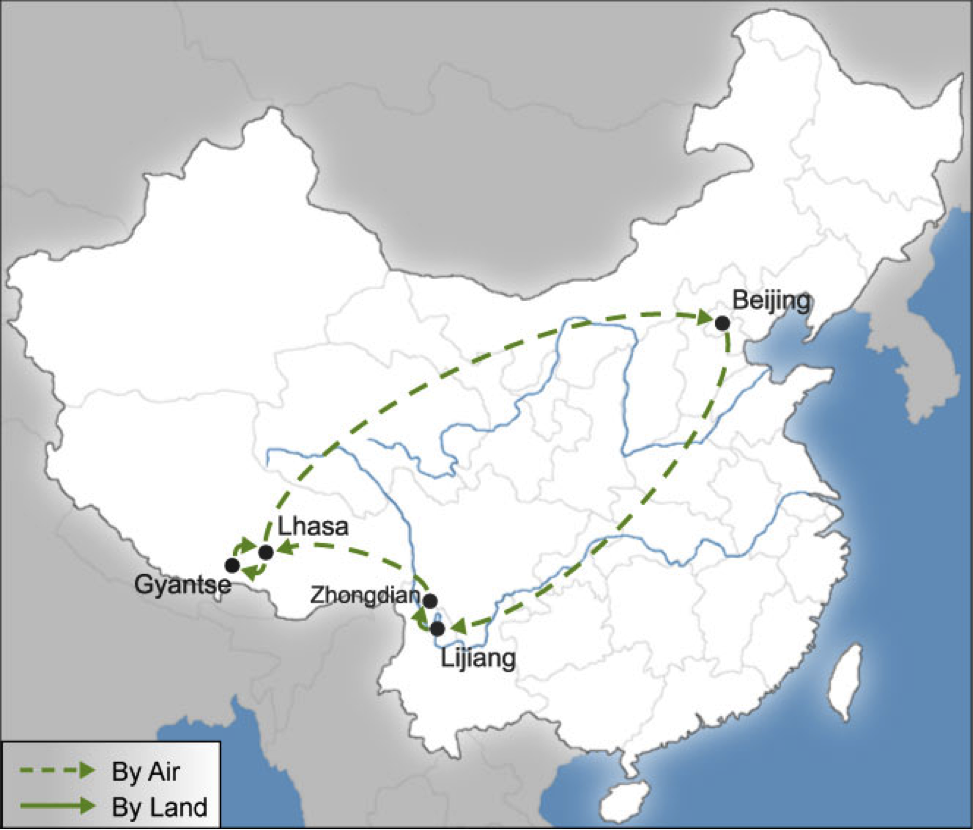
On the 26 day journey, students will climb the Great Wall at Jinshanling, an off-the-beaten path portion of the wall and then spend the night of a lifetime barbequing and camping out alongside one of the wonders of the world. Immerse yourself in the rhythm of life in a small mountain village as you work with local villagers in the rugged and gorgeous southwest province of Yunnan. Spend three days trekking in Tibet, in areas infrequently visited by international travelers.  Expect to complete 40 hours of community service.

Apply Now: AsiaTravel 2012 Student Expedition

Trip Highlights:


  • Wander across the behemoth Tian’anmen Square, stroll through the sprawling Forbidden City, and marvel at China’s most stunning – and deservedly iconic – sites


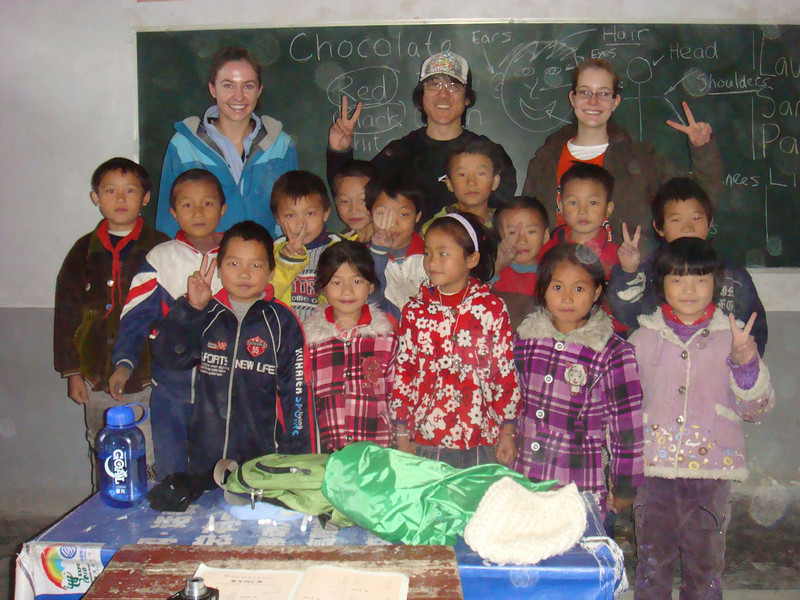
  • There’s more to China than the famous images we can all conjure. Spend an unforgettable morning at Beijing’s Huiling School for the intellectually disabled, exchanging games, activities, and crafts


  • In Old Town Lijiang in Yunnan province, weave between atmospheric cobblestone streets, willow-lined waterways and decorative arched bridges as you explore one of China’s most beautiful cities


  • Roll up your sleeves and get to work helping the proprietor of an eco-lodge in Shangri-la. There’s plenty of landscaping and painting to be done!


  • Do as the Tibetans do: in the far north of Yunnan, we’ll sample the salty Tibetan tea and cheese, dance with a gleeful Tibetan family, master the basics of the Tibetan language, and receive an introduction to the ancient art of Thangka painting


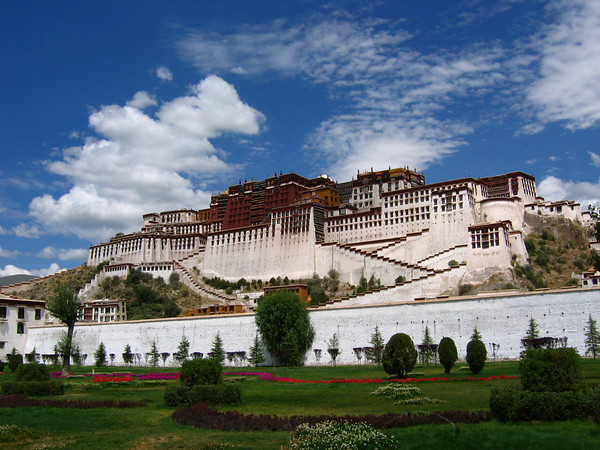
  • Bike a kora around Lhasa, stopping by Jatson Chumig School for a day of service and cultural exchange with the school’s orphans


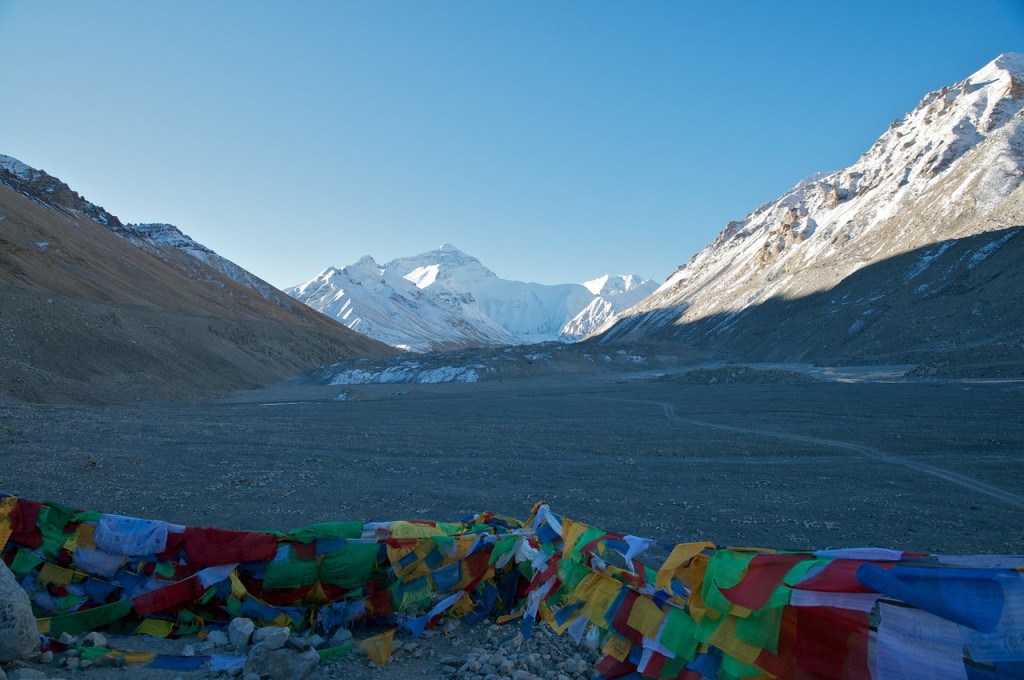
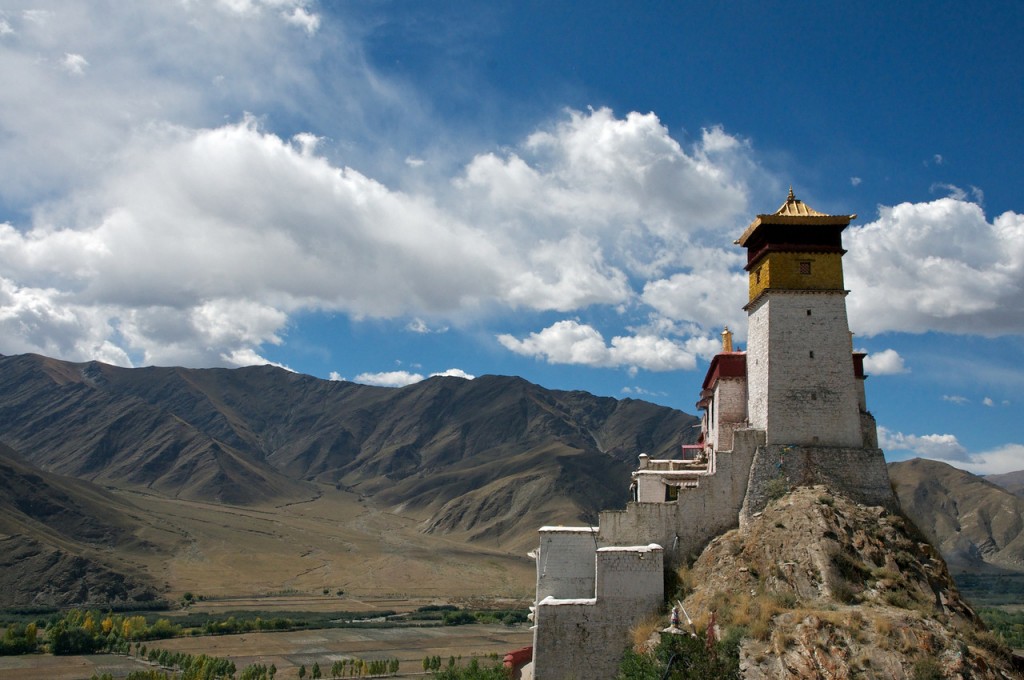
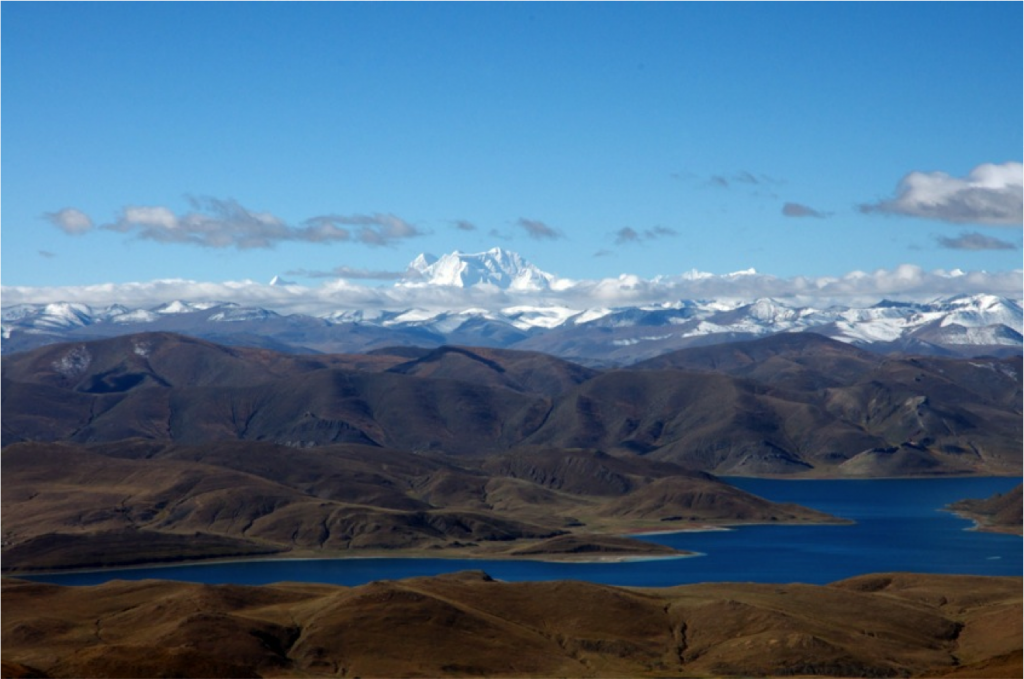
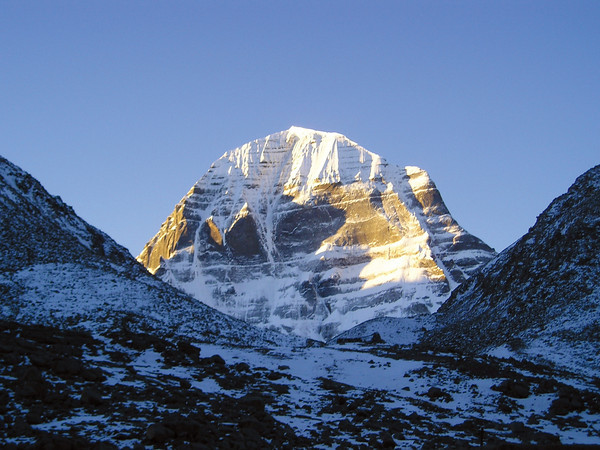
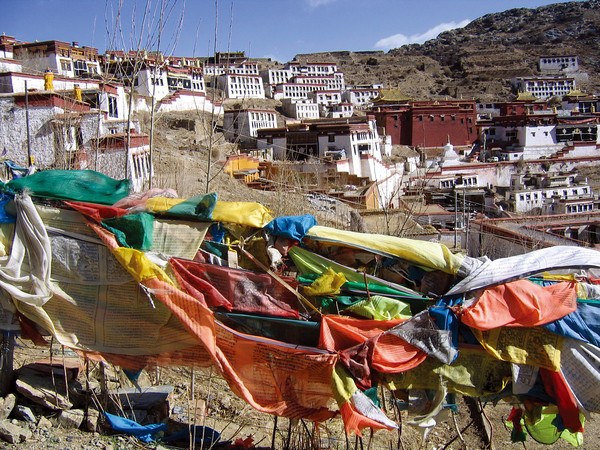
  • Undertake a trek you may never top: three nights of hiking and camping through the Tibetan countryside to the pass of Jeshul La, stopping to explore villages and a monastery before reaching Yamdrok Lake at 14,500 feet, which kisses the sky above with equally blue water


Apply Now: AsiaTravel 2012 Student Expedition


With the assistance of local Beijing, Yunnan and Tibet guides, the trip will be led by Devin Corrigan, a AsiaTravel Manager and experienced tour leader. Devin originally hails from the Boston area and has spent nearly three years living in China.  In addition to his projects in the office, he also leads many of our education trips – a continuation of an interest he developed in college while leading fellow students on hiking and camping excursions near Washington, D.C. In his free time, Devin conducts research work for The New Yorker magazine, devours travel writing, hunts for new sections of the Great Wall to hike, and squeezes in as many trips around Asia as he possibly can. Devin graduated with an honors degree in Chinese language and English literature from Georgetown University.

Apply Now: AsiaTravel 2012 Student Expedition


Tuition:

  • $5,595 (Departure 1: June 30 – July 25, 2012, Departure 2: July 14 – August 8, 2012)


———-

For more questions about the 2012 AsiaTravel Student Expedition and to receive an application, please get in touch at info@wildchina.com. Apply now!


Tibetan Jewelry: Insights from Jeff Fuchs + Chris Buckley

Last week, during a talk at the Capital M Literary Festival, Jeff Fuchs said something that got me thinking: “Tibetans own nothing but masses of land, huge herds and a fortune in rocks”. He was showing us some portrait photographs of the Tibetans he met on his journeys while researching and exploring the Tea and Horse Road that connected China with Tibet. Some of them were displaying beautiful collections of jewelry: necklaces, earrings, rings and trinkets made of turquoise, coral and pearls. These materials can’t possible be found naturally in Tibet. That idea resonated in my mind and I remembered reading something along those lines in Chris Buckley’s recently published book “Living Hands – Tibetan Arts and Artisans”.

Chris Buckley explains that Tibetan men and women often have large collections of  jewelry around their necks, treasured for fun, decoration, as a store of wealth or amulets for protection. They can be beads, zi stones, silver ornaments, amber, ivory, gawu (amulet cases) and thogcha (good luck charms). Some of these objects are made in Tibet or Nepal. Others travelled vast distances and are a testament to ancient trading links for which no written records exist. Pearls and coral were traded from the Mediterranean. Cloudy yellow amber came from the Baltic. Ivory arrived from India. Turqoise and agate were brought in from Afghanistan. Glass beads were traded from India, China and from eastern Europe.

Tibetan Jewelry: Insights from Jeff Fuchs + Chris Buckley

The photograph above is courtesy of Chris Buckley. From the top: turquoise, agate, amber, zi beads, bone and a turquoise+silver hair ornament.

If you are interested in reading more about Jeff Fuchs’ Tea Horse Road Journey, and his love and passion for tea and mountains, visit his website. And for information about Jeff Fuchs’ expeditions with AsiaTravel visit here.

For more information about Chris Buckley’s book; or a previous review of the book on our blog.

———–

Pictures and text from Chelin Miller, AsiaTravel’s expert blogger on the finer things in China.

Save now on Chinese Treasures: Book before April 2nd

Last minute bookers of Chinese Treasures, a thirteen day journey throughout China, will save USD 300 if they book before April 2nd!

Save now on Chinese Treasures: Book before April 2nd

Lijiang, one of the highlights in Yunnan province


China – where the past, present and future can be experienced all in one. If this is your first and only chance to visit China, then this is the trip. Beijing, Xi’an and Shanghai present the classic images of China – imperial palaces stand side by side with skyscrapers. Beautiful Yunnan province in the southwest, known for its ethnic diversity, traditional lifestyles and stunning natural scenery, forms a contrast to the developed parts of China.

Save now on Chinese Treasures: Book before April 2nd

Map of Chinese Treasures itinerary


AsiaTravel Founder Mei Zhang handcrafted this itinerary for her closest friends in 2009. We are now making it available for very small groups of 16 discerning travelers for the first time. Travelers will explore the imperial capitals of Beijing and Xi’an, gaining access to an emperor’s childhood home at the Forbidden City, a largely un-restored section of the Great Wall and the famed Terracotta Warriors Museum. We then go off the beaten path, visiting villages and glaciers in the famed Tibetan area of Shangri-La and the UNESCO World Heritage site of Lijiang. Our journey ends in China’s bustling financial center of Shanghai – the “Paris of the East.”

Save now on Chinese Treasures: Book before April 2nd

Try your hand at Peking Opera in Beijing?

Some of our favorite trip highlights include having dinner with a Tibetan family in Zhongdian (Shangri-La), getting an insider view into the old hutongs of Beijing and an early morning taichi class.

———–

Interested in learning more about Chinese Treasures? Get in touch at info@wildchina.com and one of our AsiaTravel travel consultants would love to answer any of your questions.


China’s Holy Mountain – An Illustrated Journey into the Heart of Buddhism

When I first came across Christoph Baumer’s China’s Holy Mountain – An Illustrated Journey into the Heart of Buddhism, I was impressed by its first quality presentation, abundance of information and beauty of its images. It is said that one should not judge a book by its cover, or its pictures – for that matter, but this work of art, I could not resist, and upon reading it, I was not disappointed.

China’s Holy Mountain – An Illustrated Journey into the Heart of Buddhism

Christoph Baumer is an internationally recognised scholar, leading researcher, photographer and explorer of Central Asia, Tibet and China. He has a background in Philosophy, Psychology and History of Art. Baumer has written other works in related areas: history, religion, archaeology and travel: The Church of the East: An Illustrated History of Assyrian Christianity, 2006 and Traces in the Desert: Journeys of Discovery across Central Asia, 2008. Dr Baumer is President of the Society for the Exploration of EurAsia and a member of the Explorer’s Club, New York, the Royal Asiatic Society and the Royal Geographical Society, London. With such an erudite background it is no surprise that China’s Holy Mountain, An Illustrated Journey into the Heart of Buddhism, bears information of such high quality and is so richly illustrated.

China’s Holy Mountain – An Illustrated Journey into the Heart of Buddhism

During his travels to one of China’s most important Buddhist pilgrimage sites, Mt Wutai (Wutai Shan, Five-Terrace Mountain), Baumer personally visited more than fifty monasteries. In China’s Holy Mountain, Baumer gives a detailed description of the pilgrimage routes to the mountain and its five terraces, as well as an introduction to the history and legends of the monasteries, monks and nuns.
China’s Holy Mountain – An Illustrated Journey into the Heart of Buddhism
China’s Holy Mountain – An Illustrated Journey into the Heart of Buddhism, is a very well organized book, it is written in an understandable style for those with greater knowledge of Buddhism as well as the uninitiated. An abundance of excellent photographs, taken by the author, maps and other illustrative material, make this book not only a wonderful information resource about the philosophical and religious heritage of China, the history of Buddhism and the major schools of Buddhism in China, but also serves as a wonderful spiritual and visual inspiration.

———–

Photos and blog by AsiaTravel’s Chelin Miller.

Where the Wild Things Are: Activism and Sustainable Tourism

AsiaTravel’s latest installment of Where the Wild Things Are: A AsiaTravel Series is going to feature Asian renaissance man Laurence Brahm. Laurence has made a career out of activism and engagement in Asia for over twenty years. In addition to serving as an economic advisor for Laos, Vietnam, Cambodia, Mongolia, and China over the last two decades, Laurence is also the author of over thirty books on Asian topics ranging from Art, to intellectual property, to business. Laurence is the founder and CEO of Shambhala Serai, a sustainable cultural and eco-tourism boutique hotel group based in Tibet and Beijing. Join us for a drink when Laurence discusses the implications and future of two of his favorite topics: Global Activism and Sustainable Tourism.

Where the Wild Things Are: Activism and Sustainable Tourism

DETAILS:

When -Wednesday, September 5th at 6:30pm

Where– Face Bar  at No. 26 Dong Cao Yuan, Gong Ti Nan Street, Chao Yang District, Beijing, China.

How-The cost for the talk is RMB 80 and includes one drink and light appetizers. Reservations are required. To reserve tickets, please call 6465-6602 ext. 341

———-

To learn more about our Where the Wild Things are Series please see our past events here.

Photo by China Whisper

Update from the Field: Travel to Tibet

For the past four years, Tibet experiences a hiatus in tourism during the spring.  As we are moving to the end of May, Tibet is slowly opening up again to travelers.  Currently, permits to the autonomous region out west can be granted to groups of 5 or more people of the same nationality.  Thus, it is the perfect time to gather friends and family for a once-in-a-lifetime trip to this spiritual land…

Update from the Field: Travel to Tibet

Our journeys are briefly outlined here in Action Asia magazine, but no matter if it is a trip for your entire family or a group of friends camping out in the Tibetan countryside against the world’s most magnificent mountains, there is certainly something for everyone.

For travelers looking to travel in the Tibetan regions of Sichuan province, Ganze and Dege districts seem to be closed still while Litang and Yading reserves are open to foreigners.  Overland journeys from northwest Yunnan to  southeastern Sichuan are also fine.  For a peek into the lives of monks in these remote monasteries, check out AsiaTravel tour Sacred Buddhist Land.


Update from the Field: Travel to Tibet

————

For more information, contact us at info@wildchina.com


Update: Summer 2012 Travel in Tibet

Earlier today, AsiaTravel received more finalized news that Tibet is temporary closed off to foreign travelers during the month of June.  At present, local authorities are not issuing permits for foreign travelers to visit, although this could change at any moment.

Update: Summer 2012 Travel in Tibet

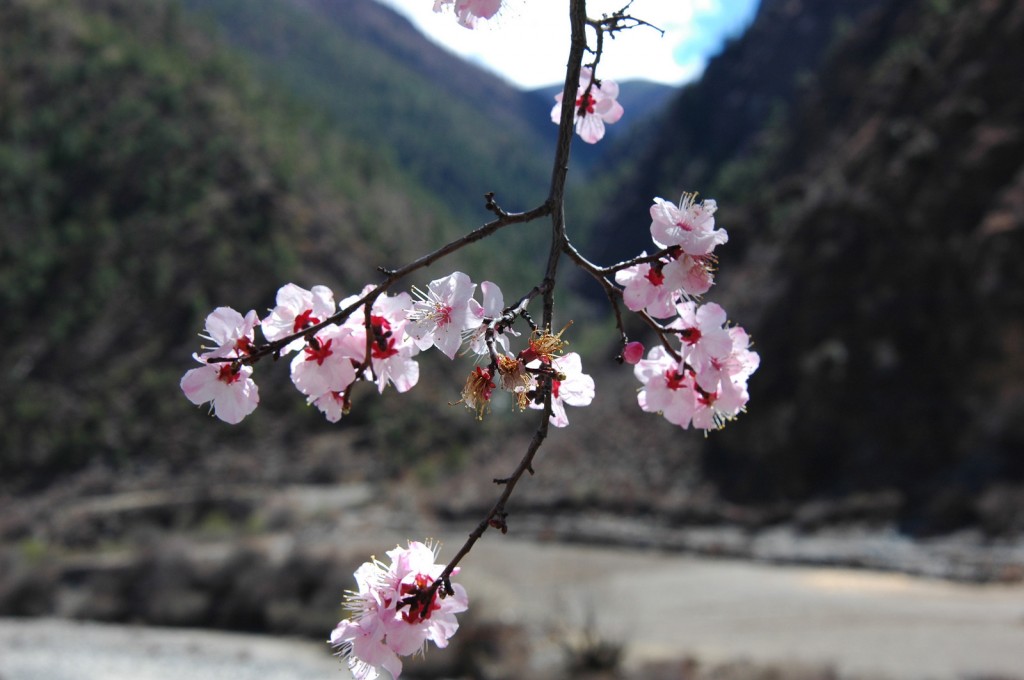
Blossoming flowers outside of Lhasa, Tibet


As many of you may know, in late May AsiaTravel issued a statement explaining the updated regulations– that in order to travel to Tibet a traveler must be in a group of five and all must be same nationality.  However, with today’s latest update, AsiaTravel has canceled all Tibet travel for June 2012. According to our local team in Lhasa, we could possibly learn more about the updated situation for July/August/September by the end of the week.  Stay tuned here to learn more.
Update: Summer 2012 Travel in Tibet

Paint pots for Thangka painting


For many who had planned a once in a lifetime trip to Tibet this summer, not all is lost.  For those interested in Tibetan culture as well as stunning– and arguably more remote regions– we are recommending clients to consider  Across the Wild Frontier: Western Sichuan to Yunnan. Head of Leisure Veronique d’Antras says, “This overland expedition goes through some of the most beautiful and rugged Tibetan plateau landscapes: evergreen forests, crystal clear rivers, transparent lakes, glaciated peaks, grasslands with yaks, remote monasteries, horse festivals and Khampa Tibetan traditional culture are found along the road. Take your time to explore.” Explore China’s most dynamic wild west frontier. The Sichuan-Yunnan corridor is one of western China’s most difficult and seldom-traveled passages, but also offers its most inspiring natural scenery. Trek through high mountain passes, hike in alpine forests and along glacial lakes, and watch the sun rise above holy Tibetan Buddhist mountains.
Update: Summer 2012 Travel in Tibet
On this  journey, we travel from Sichuan’s provincial capital, Chengdu, to the Tibetan town of Shangri-La (Zhongdian) in the northwestern corner of Yunnan province. We push deep into the remote mountains of Sichuan’s western region to view some of its most inspiring natural scenery, from the sun rising above holy mountains to the alpine majesties of Yading nature reserve. Along the way, we meet with a living Buddha, trek with local Tibetans and visit many of the largest and most renowned Buddhist monasteries outside of Tibet.
———-
Interested in learning more about travel updates for summer 2012? Stay tuned at AsiaTravel’s blog for the latest news. If you are keen to hear more about Across the Wild Frontier, please contact us at info@wildchina.com.

Access to Tibet Update: Summer 2012

AsiaTravel wanted to share that earlier today we received word that local authorities have begun issuing permits for foreign travelers again. Foreign travelers are now able to secure the necessary visa that will enable them to enter Tibet, and we in fact have clients in Lhasa at the moment. AsiaTravel is very pleased with this news as Tibet in the summer is absolutely stunning. We have many clients who have bespoke tours planned through us this summer and look forward to welcoming them to this diverse and culturally rich region.  AsiaTravel will continue to track the situation on the AsiaTravel blog.

Access to Tibet Update: Summer 2012


———-

Interested in traveling to Tibet? Take a look at Don’t miss Tibet traveling to Tibet this summer for travel tips and ideas. To learn more, please get in touch at info@wildchina.com.

5 items to pack for Abujee Trekking

If you’re like us the night before a big trip you’re always asking yourself: “Do I have everything I need?” And with bag fees on airlines always on the rise: “What do I have that I don’t need?” We sat down with David Fundingsland, AsiaTravel’s Head of Educational travel, following his return from 7 days in Abujee, a verdant mountain region in the north of Yunnan. During his time hiking in these isolated mountains and alpine lakes,  David points to 5 items that were essential to the success of his journey.

5 items to pack for Abujee Trekking

Petzl Tikka xp2 Headlamp: On trip, David found his headlamp especially helpful in the Abujee region. For much of the hike, the high canyons cut off the sunlight early in the evening. In such a remote region, there are few clear paths and come dusk, having a good light was key. David has had his Petzl for six years and in all his treks through China, it hasn’t let him down once.

5 items to pack for Abujee Trekking

2) Outdoor Research gaiters: While descending the slopes in the Abujee region, having a pair of gaiters was essential.  Many of the mountains are covered in skree and the gaiters kept rocks from popping into David’s boots.

5 items to pack for Abujee Trekking

3) First Aid kit: AsiaTravel always has a few of these packed on our trips. But David does things a bit differently– in addition to bandages and disinfectant, he also stores all goods he will be using throughout the day, such as sunsceen, in this pouch. This kit is always kept on top of his bag for easy access.

4) 50 liter backpack: In order to carry all his things from camp to camp, David relied on a 50 liter pack from REI. For this 5-7 day trip, having a bag of this size was perfect. Abujee is a region where you get hot while you are on the move but immediately get chilly while stopping for lunch– easy access to multiple layers is crucial.

5 items to pack for Abujee Trekking

5) Medium weight icebreaker socks: Evenings by Abujee can get chilly and in order to keep his feet warm, David relied on a pair of icebreaker merino socks. David also found his socks essential on the crisp cool mornings when they would begin hiking for the day just as the sun was rising.

5 items to pack for Abujee Trekking———-

If you’re interested in hiking Abujee, contact us at info@wildchina.com. Trips can be customized from 4-13 days in this region.


My Perfect Day in Shangri-La

Imagine waking up each morning to the comforting smell of sweet Caravan Breakfast coffee, enjoying a buttery scone with a spoonful of flavorful honeysuckle honey while admiring the mystical valleys of Shangri-la, and ending your day with a relaxing bath using some freshly-made rose magnolia soap. This is the daily routine of Alia Malik, co-founder of Shangri-la Farms, a company founded on promoting an organic and healthy lifestyle.

My Perfect Day in Shangri-La

Alia, her sister Sahra, and brother Safi founded the company with the hopes of helping to improve the quality of life for the rural farmers of Shangri-la, a city located in Yunnan province, which, though rich in biodiversity, is China’s second-poorest region. With a rapidly growing loyal fan base, Shangri-la Farms provides an outlet for these farmers to “connect with the outside world to sell their products,” which include coffee, honey, and a variety of body products.

My Perfect Day in Shangri-La

AsiaTravel is excited to share Alia’s “Perfect Day in Shangri-la”, including her favorite local sites and eateries in this “earthly paradise”:

On a perfect June weekend with the temperature in the low-30° C, (around 86° F) a cool breeze runs through the mountains and a clear blue covers the sky, both of which are harder to find in the more cosmopolitan Beijing. My first impression of the city is embodied in the word “special.” There is no other place in China, and maybe even in the world, like Shangri-la. This beautiful city is unique in that it holds a lot of “feeling”, and although it is occupied by multiple minority groups, there is still a strong sense of community, a unified identity. Local cuisine is delicious and unlike food in the cities, you are mainly eating what has been farmed very nearby and therefore, is less chemically heavy. My personal favorite has to be mian pian, a noodle soup that consists of a locally-flavored broth filled with flat square noodle pieces. With its culturally Tibetan traditions, fantastic eateries, and sensational views, Shangri-la provides an experience that is unavailable in the better-known metropolises of Beijing and Shanghai.

My Perfect Day in Shangri-La

As I wake up in the morning, I breathe in the fresh crisp air and get ready to start off my day with some Western-style comfort food at Somewhere Else Café, whose scrumptious homemade granola and yogurt are both to die for. With some nicely brewed coffee, this is the ultimate breakfast, the best way to energize for a busy day. Then, I enjoy taking a nice walk with my dog up the hill behind my house, from the top of which you can see most of the Shangri-la Valley and sometimes even all the way to the next valley over. I take a moment to fully take in this pristine view and almost always end up having to pinch myself to remind myself that I’m not dreaming. Shangri-la is filled with amazing sites that highlight nature’s beauty, such as the lush green grasslands surrounding the clear water of Napahai Lake.

After running some quick errands and getting some work done for the upcoming bottled drinks we have planned for Shangri-la Farms, I head to Karma Café to meet up with a few friends for lunch. The perfect place to catch up with old friends, this eatery, not located in the well-known Old Town, but rather, on a more off-beaten path, embodies the one-of-a-kind atmosphere of Shangri-la. Serving locally-inspired European food with a modern twist, including delicious salads with local walnuts and even yak steak, Karma Café is quickly creating a name for itself not only for its mouth-watering dishes, but wonderful ambiance. After parting with my friends, I head to a local monastery, a must-see when visiting Shangri-la. I personally enjoy the Songstam Monastery, the largest Tibetan Buddhist lamasery in China and a vibrant center of prayer and study. Here, you have the opportunity to first-handedly experience the local culture as you observe monks going about their daily routine. I would then head to the Yunnan Mountain Handicrafts Center to check out some crafts, all of which are locally made and beautifully crafted. I am always up for some shopping!


My Perfect Day in Shangri-La

Tara Gallery Cafe

After an adventurous day of exploring Shangri-la, I am famished and ready to enjoy a tantalizing mix of Indian, Himalayan, and Yunnan food at Tara Gallery, including flavorful dishes such as cucumber and three veggie salad, eggplant mousse, and Tibetan dumplings. The personally crafted cuisine at Tara Gallery contains both local Yunnan and Indian flavors and best of all, it’s healthy! So no feeling guilty after indulging in these savory delicacies. Another great option is Arro Khampa, renowned for their French twist on Tibetan cuisine. Not only are their dishes très fantastique, Arro Khampa has great hospitality and is simply a lovely place to while away the evening.

At the end of a long day of exploration, relaxation, and consumption of some of the best Chinese food around, I am exhausted and ready for bed.

———-

Photo credit: Cartier Woman’s Initiative and Chinatravel.net

Are you a diehard java lover interested in trying out Shangri-la Farm’s Caravan Breakfast coffee? Check out a variety of organic, fair trade quality products on their website.

Interested in trying yak steak? Contact AsiaTravel for more information on traveling to Shangri-la.