Western China through the photographer’s lens

When was the last time you took a picture that could change the world? If your name is Sean Gallagher, then the answer could be “yesterday”. In addition to being a AsiaTravel expert, Sean is also an award winning photographer and videographer. Sean’s work has appeared in publications including TIME Magazine, The New York Times, The Globe and Mail, Der Spiegel and National Geographic China. At present, Sean has turned his talents to reporting on the environmental degradation of the Tibetan Plateau for the Pulitzer Center on Crisis Reporting.

Western China through the photographer’s lens

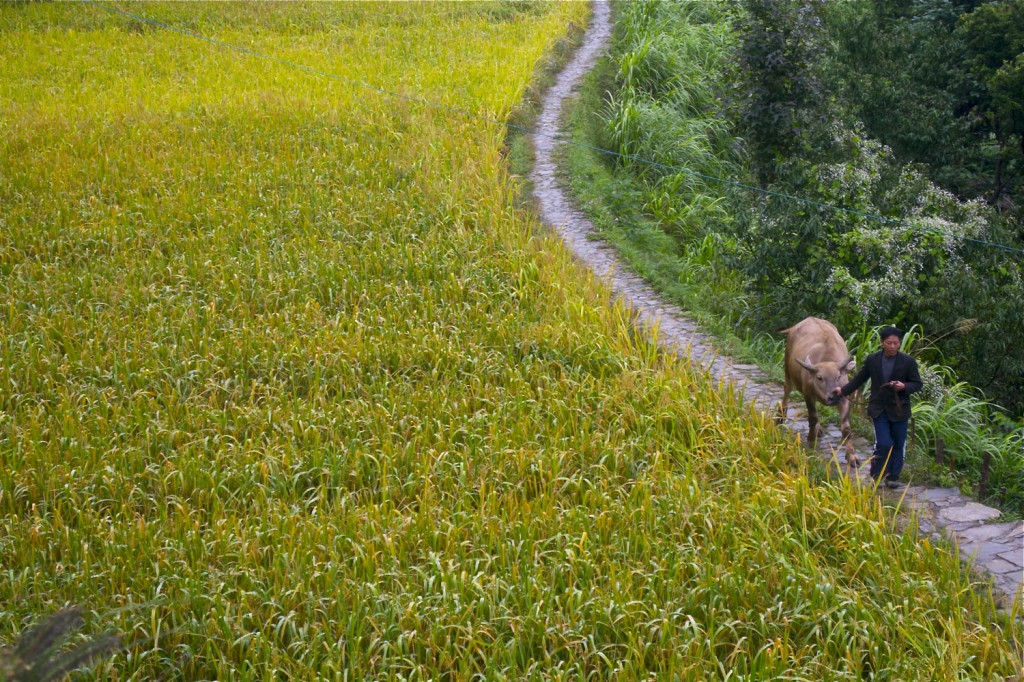
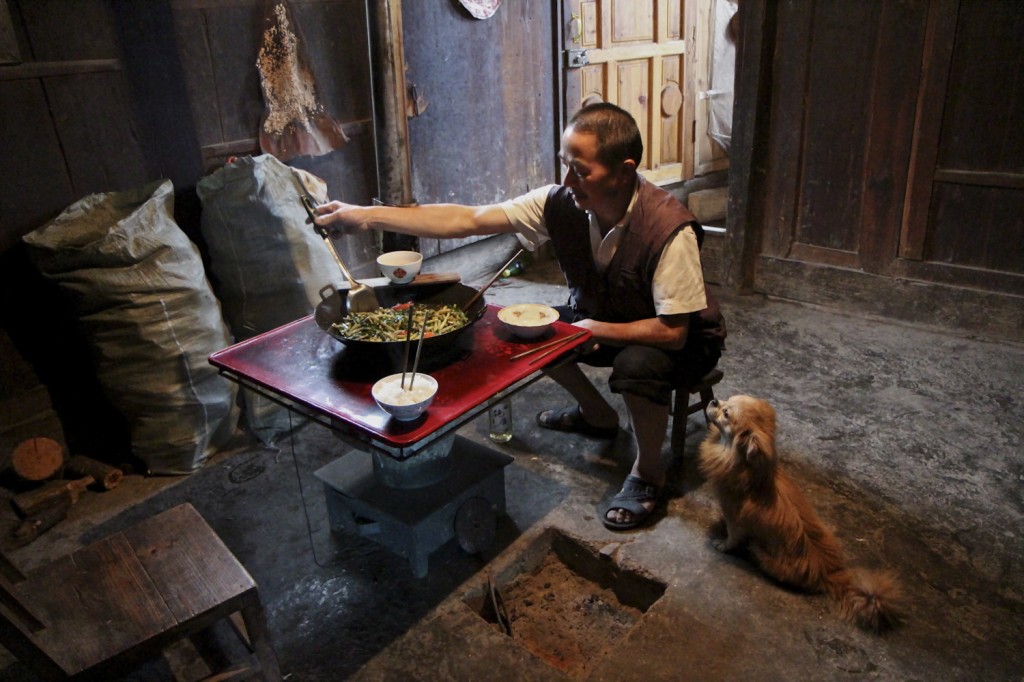
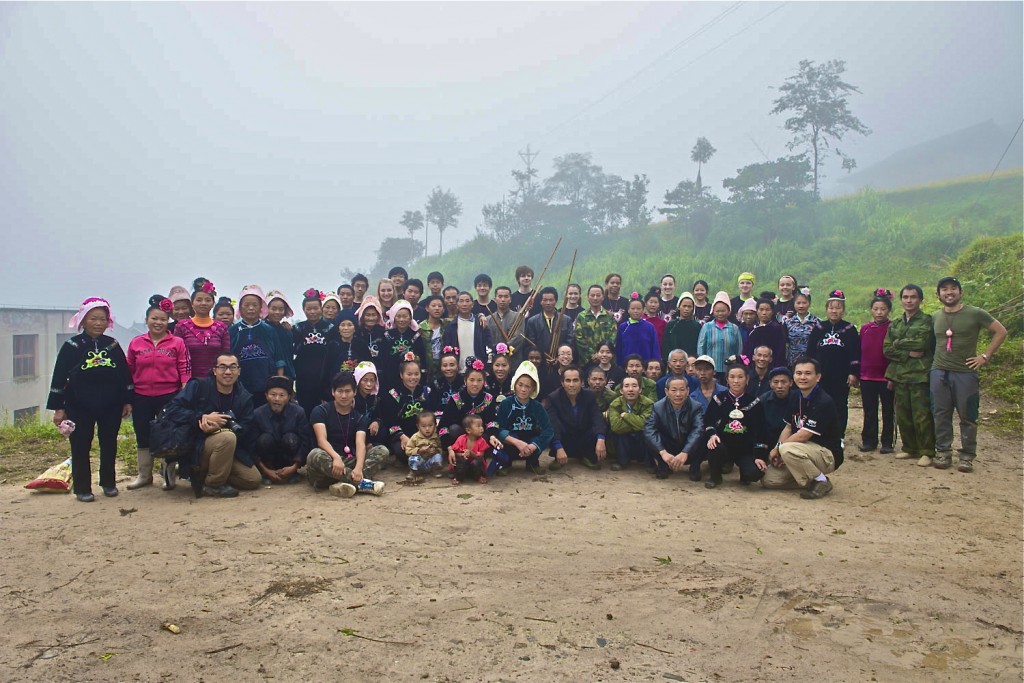
Recently, China has decided to pour considerable energy into the development of its hyrdo-power infrastructure, to the tune of 25,000 dams across the country. With camera in hand, and pen at the ready, Sean has tackled the task of reporting on the effects of this situation. Paragraph by paragraph, snapshot by snapshot Sean is sharing the story he is uncovering with the world. And it is a tragic story. In the midst of the zeal with which China has pursued hydro-power, the effect on the local population has been ignored. Houses, schools, and hospitals have all been completely submerged necessitating the complete reconstruction of some villages to other parts of the country. As communities have been destroyed, the local infrastructure has been crippled forcing young people to depart for the cities looking for work.

Western China through the photographer’s lens

There are no easy solutions to the problems caused by China’s energy needs, but if it weren’t for Sean’s work few would even know what was happening. Would you like to get a taste of looking at the real side of China? This fall, Sean will be heading back to Beijing to lead his Silk Road Photography Trip with AsiaTravel. His journey will traverse the Silk Road’s wind swept planes as he instructs participants on landscape, portrait, and time-lapse photography. Come join Sean in Xinjinag this fall and who knows, tomorrow your pictures may be changing the world.

Western China through the photographer’s lens

———-

Do you have questions about environmental travel in China? Interested in something else? Send us an email at info@wildchina.com and we will be happy to assist you.


Where the Wild Things Are: Next Week

On September 5th, join AsiaTravel for our latest installment of Where the Wild Things Are: A AsiaTravel Series which will feature Asian renaissance man Laurence Brahm. In addition to his many academic and business pursuits in Asia, Laurence is also the founder and CEO of Shambhala Serai, a sustainable cultural and eco-tourism boutique hotel group based in Tibet and Beijing. Stop by Beijing’s Face Bar for drink as Laurence discusses the implications and future of two of his favorite topics: Global Activism and Sustainable Tourism.

Where the Wild Things Are: Next Week

DETAILS:

When -Wednesday, September 5th at 6:30pm

Where– Face Bar  at No. 26 Dong Cao Yuan, Gong Ti Nan Street, Chao Yang District, Beijing, China.

How-The cost for the talk is RMB 80 and includes one drink and light appetizers. Reservations are required. To reserve tickets, please call 6465-6602 ext. 341 or email wherethewildthingsare@wildchina.com

———-

To learn more about our Where the Wild Things are Series please see our past events here.

Photo by courtesy of www.laurencebrahm.com

Where the Wild Things Are with Laurence Brahm

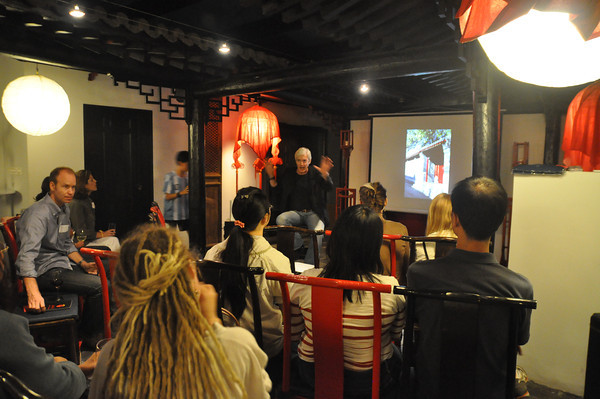
With a cool breeze heralding the beginning of fall, the stage was set for guests to enjoy a beautiful evening at Face Bar for yesterday’s Where the Wild Things Are: A AsiaTravel Series with speaker Laurence Brahm. After having a chance to mingle over cocktails and hors d’oeuvres, guests headed inside as the light began to fade to hear Laurence discuss his experiences working in Asia.

Where the Wild Things Are with Laurence Brahm

Laurence’s presentation centered about his pursuit of social entrepreneurship in China. Whether it was training disabled Tibetan women to sew puppets and thereby giving them a sense of empowerment, or buying up land around the Great Wall to protect it from being turned into a tourist trap water park, Laurence has been a defender of local heritage. In addition to these projects Laurence also discussed his own hotel group Shambhala Serai. When one guest inquired what level of push-back he had received from the government for his private venture Laurence replied that it has been minimal. Laurence went on to explain that unlike an NGO, which can have financial backing that is harder to pin point, for profit organizations goals are simpler, and therefore less of a concern for the government. Helpful advice for those considering starting a business of their own in China.

Where the Wild Things Are with Laurence Brahm

We will definitely keep an eye on Laurence going forward to see what challenge he tackles next, whatever the issue though we see no reason why he won’t succeed.

———-

Our next Where The Wild Things Are: A AsiaTravel Series will feature food writer and cook Fuchsia Dunlop on October 12th. Stay tuned as full details will be coming out shortly.


New Year’s Eve in the Fragrant Harbor

Depending on what city you are in, New Year’s Eve can take on a lot of different shapes. You can watch the ball drop in New York City, join the New Year’s day parade in London, or watch a Tostito chip drop if you are in Tempe, Arizona. While all of these may be impressive, if not amusing, they are nothing like being in Hong Kong to ring in the New Year.

New Year’s Eve in the Fragrant Harbor

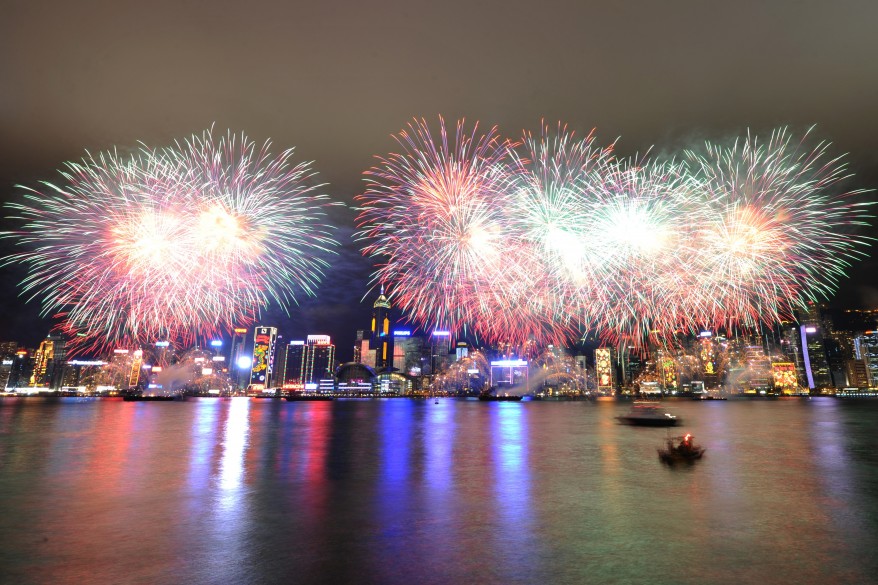
It is no coincidence that the city we recommend for popping champagne and watching fireworks is the same one The Economist recognized this year as the best city in the world.  Not only will fireworks never be the same (Hong Kong goes notoriously overboard when planning its celebratory explosive light shows) but Hong Kong truly has something for everyone.

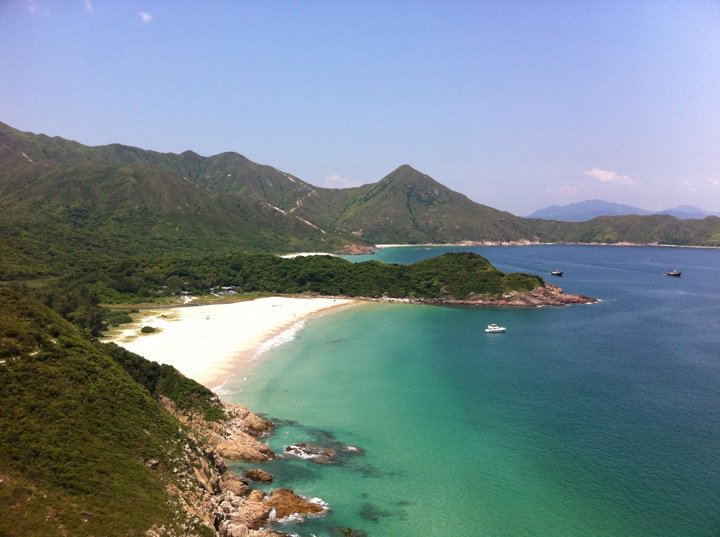
For those who have come from the blustery cold of northern Europe and North America, Asia’s World City offers a relatively warm January 1st, with temperatures between 8-15ºC (46 to 59ºF). Hong Kong ‘s sun stay hot and tropical so this is perfect weather for families to explore hikes around the territory and take the tram up to Hong Kong’s Peak for a beautiful view of the metropolis below. If you are staying on the Island, the Dragon’s Back Hike is a 15-minute cab ride away, while for those staying in Kowloon, Sai Kung Country Park–a true escape from the bustling crowds–can be reached in under half an hour.

New Year’s Eve in the Fragrant Harbor

When evening rolls around there are many locations from which to enjoy the night’s festivities. Reserve a table for yourselves at one of the city’s many restaurants to stage your own party complete with Christmas crackers, confetti, and plenty of Moët & Chandon. An excellent venue for this is The Pawn, and one of our favorites. If you go, trust us on this one and try their fresh seafood–it’s fantastic.  Celebrating New Year’s Eve with the entire family? Rent out a junk to float around Victoria Harbour for a truly singular view when the fireworks burst over head. It will be a reunion to remember.  Of course there are those who celebrate the New Year by traipsing around until the wee hours of the morning, and in this regard Hong Kong never fails to disappoint. Unlike the rest of the year, the buses and subway will run all night long on New Year’s Eve.  The vibrant bar scenes of both Lan Kwai Fong and Wanchai offer places galore–bumping clubs, relaxed lounges, and comfy pubs–just be sure to get there early as lines can build as you close in on midnight.

Make a mid-year resolution to plan a trip to the fragrant harbor this December to start 2013 off right in the shimmering streets of Hong Kong.

———-

If you have questions about travel in Hong Kong, send us an email at info@wildchina.com and we will be happy to assist you.

Photo of fireworks over northern Hong Kong Island by Voice of America.  Photo of Tailongwan (Big Wave Bay, Sai Kung) by AsiaTravel.

China Welcomes Back “Top Secret: The Battle for the Pentagon Papers”


What is more important – national security, or people’s right to be informed?

The screenplay, “Top Secret: The Battle for the Pentagon Papers”, further explores the themes of freedom of press, government secrets, and the role of the judiciary with its inside look at the Washington Post’s decision to publish a study labeled “top secret” that documents the history of the U.S. involvement in Vietnam. The following epic legal battle contended the public’s right to know against the government’s need for secrecy, eventually going on to arguably become one of the most important cases in Supreme Court history.

China Welcomes Back “Top Secret: The Battle for the Pentagon Papers”

We had the chance to talk with Alison Friedman, founder of Ping Pong Productions, a company fashioned around the mission of promoting cultural diplomacy through the performing arts. As a longtime resident of Beijing, Alison has witnessed first-hand the changes in the Chinese mindset regarding censorship, especially amongst the younger generations.

According to Alison, the main reason the screenplay returned to the Middle Kingdom was because although there were some difficulties the first time around, the show was overall a huge success, receiving positive, but more importantly, engaged reactions.


China Welcomes Back “Top Secret: The Battle for the Pentagon Papers”

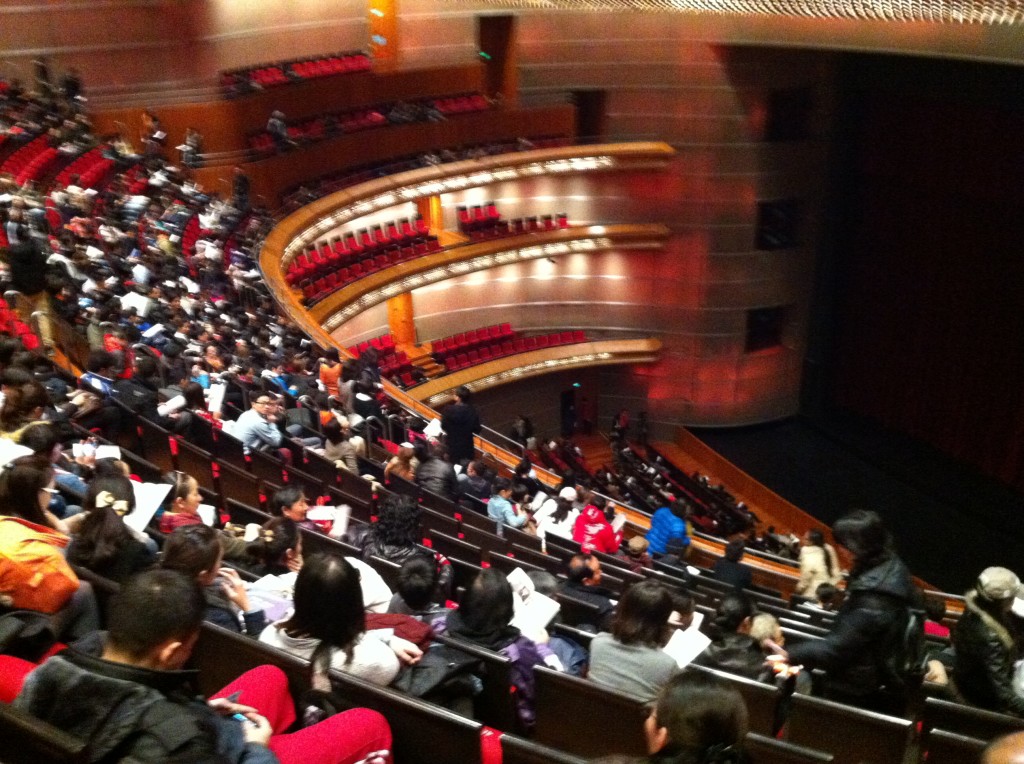
Post-performance discussion on stage at Tianjin Grand Theatre Opera HouseSo what has changed between the first and second tours?

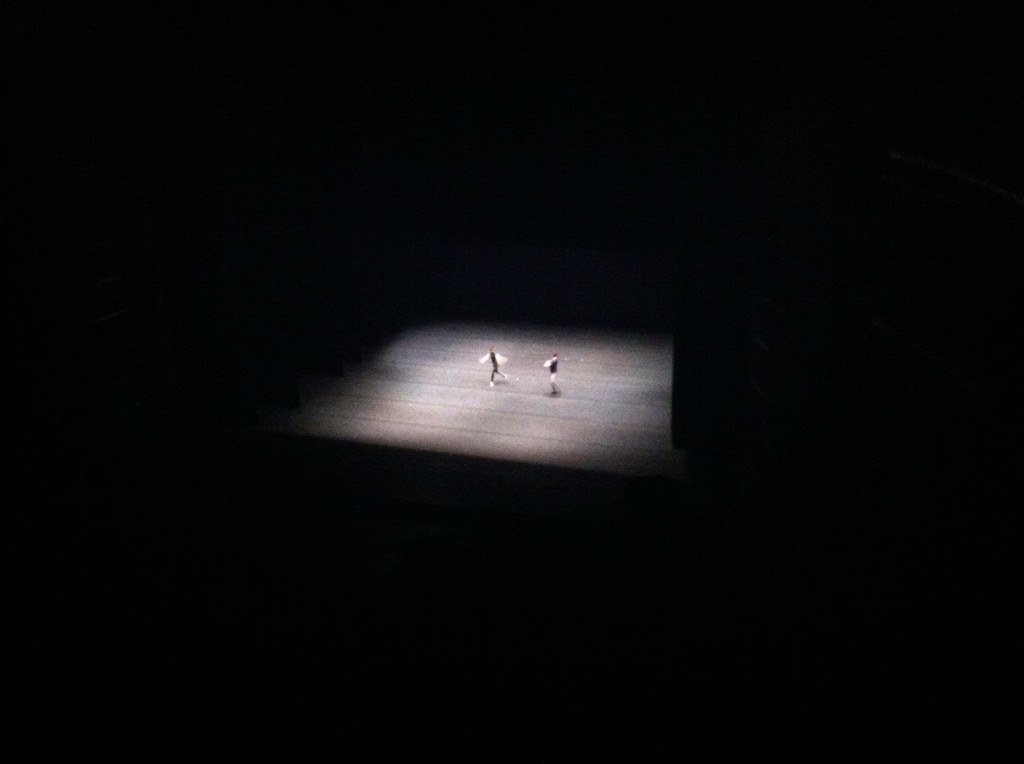
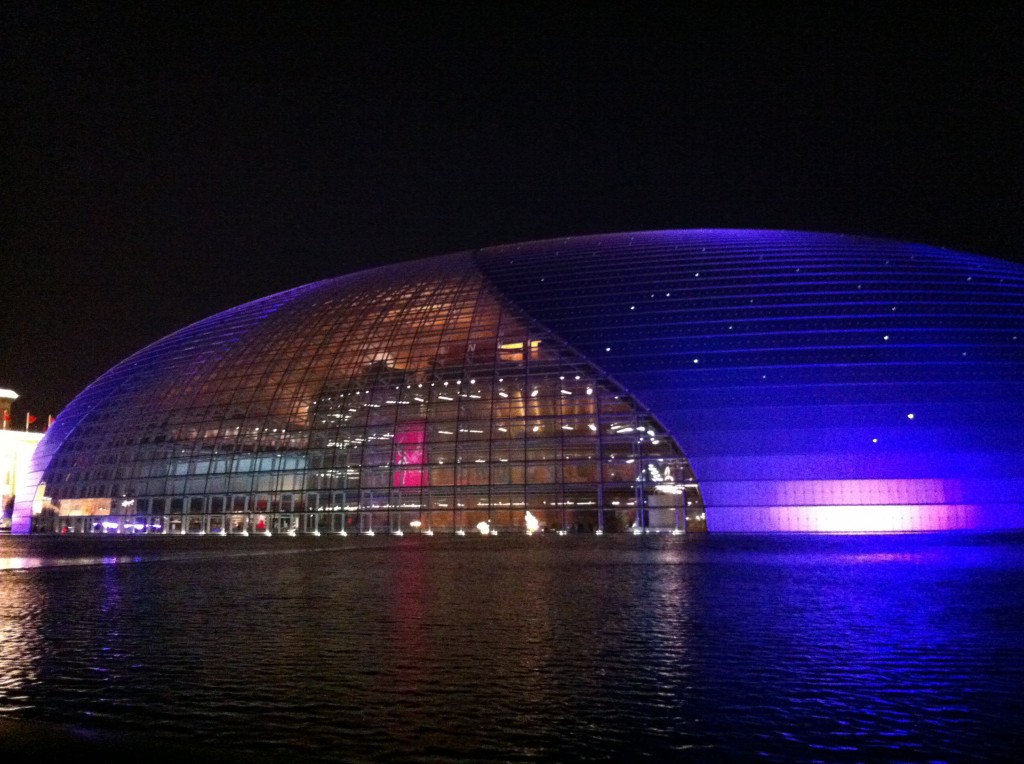
When “Top Secret” came to China a little less than two years ago, they were playing mostly to student audiences in small venue. This time around, with more financial support, especially from the U.S. Embassy, the cast was able to perform in grand theaters in every city they visited, the highlight obviously being the National Center for the Performing Arts (NCPA) in Beijing, the most prestigious venue of its kind in China. Quick fun fact: LA Theater Works is the first American theater company to perform at the NCPA!

Another major difference is the audience – this time around, their viewers are much more mainstream, not simply theatre or journalism-focused spectators. In terms of the reactions that the screen play has received, there has been just as much enthusiasm because the issues discussed are both timeless and universal.

 “[It] is in essence, not simply about the story behind the publishing of the Pentagon Papers… but rather revealing the multi-facets of this complicated subject, forcing its viewers, Chinese and American alike, to raise questions about censorship and the public’s right to know.”

China Welcomes Back “Top Secret: The Battle for the Pentagon Papers”

The cast visiting the Forbidden City

What interested Alison was the demographic of Chinese audiences compared to that of their American counterparts. The show’s popularity amongst younger audiences in China reflects the country’s vibrant theater-attending community, which avidly frequents both domestic and international performances. This highly contrasts the much older demographic (50+) of American audiences, most of whom attended the screenplay because they had lived through this period of U.S. history.


China Welcomes Back “Top Secret: The Battle for the Pentagon Papers”

LATW cast and Ping Pong Productions producer Alison Friedman back stage at the National Center for the Performing Arts with US Ambassador Locke

The organized interaction between the cast and the audience included coordinated discussions in every city, a master class in Suzhou, and a variety of theater workshops in Chongqing. What impressed Alison the most was the level of sophistication and the amount of nuance that the discussions reached. Rather than asking Margaret Colin about her favorite scene in the the popular drama, “Gossip Girl”, the participants were genuinely interested in the substance of the play, often asking the cast about their personal opinions regarding the characters they were playing.

China Welcomes Back “Top Secret: The Battle for the Pentagon Papers”

“Top Secret: The Battle for the Pentagon Papers” is in essence, not simply about the story behind the publishing of the Pentagon Papers or being “pro-” one thing, or “anti-” another, but rather, revealing the multi-facets of this complicated subject, forcing its viewers, Chinese and American alike, to raise questions about censorship and the public’s right to know, both in terms of current and future issues.

—–

First and last photos by Matt Petit, third photo by John Vickery, second and fourth photos by Darren Richardson


The Peninsula Hotel Hong Kong: A Cut Above the Rest

The Peninsula Hotel Hong Kong: A Cut Above the Rest

The Peninsula name has always been equated with luxury and magnificence, and as the brand’s flagship location, the Peninsula Hong Kong is a cut above the rest.


The Peninsula Hotel Hong Kong: A Cut Above the Rest

The Peninsula Hotel Hong Kong: A Cut Above the Rest

The two-phase “landmark room enhancement programme,” commenced in 2012, aimed to transform all 297 of the hotel’s guestrooms.

New room designs offer simplicity and elegance:

The new room designs speak to “Classic Modernity”: tenets of simplicity and chic elegance built with the finest materials and craftsmanship available. Leather finishes and glossy wood detailing create an ambiance of comfort while setting off the room’s warm, neutral color palette (think cream and dark chocolate). Traditional Chinese ink painting served as inspiration for the artistic features – touches of tradition, reminders of the Peninsula Hong Kong’s proud 85-year history.

At the same time, the hotel looks to the future; this renovation has undoubtedly produced the world’s most technologically advanced guestrooms.

The Peninsula Hotel Hong Kong: A Cut Above the Rest

The Peninsula Hotel Hong Kong: A Cut Above the Rest

For your entertainment and enjoyment:

A 46” LED flat-screen TV, a iPod/iPad docking station, surround sound set-up, and noise canceling earphones (not to mention 90 Internet TV channels, 460 Internet radio stations, and a complimentary selection of HD movies). For effortless convenience: an all-in-one fax/printer/photocopier/scanner, a bank of international outlets, free long distance VOIP calls, and complimentary fibre-optic-cable-enhanced high-speed internet.

Really revolutionary, though, is what the upgraded technology allows in terms of personalization. LED touch wall panels allow visitors complete control of their room environments: temperature, lighting, curtains, privacy. The same options are available on the multiple portable tablets included in each room – but the tablets also offer access to restaurant menus, hotel services (including the Peninsula’s signature Rolls-Royce fleet!), the impressive new “PenCities” virtual city guide, live flight status updates, and more. The entire system is synchronized throughout the room and available in 5 languages: English, French, Japanese, and Traditional and Simplified Chinese.The Peninsula Hotel Hong Kong: A Cut Above the Rest

The Peninsula Hong Kong has always been trusted to deliver on its promise of comfort in the midst of splendor, and with this most recent renovation, the hotel has exceeded all hopes and dreams. Take our word for it – or better yet, take our advice and experience the “Great Dame of the Far East” for yourself.

___

All photos by the Peninsula Hong Kong.

Want to stay arrange a stay in the Peninsula? Email info@wildchina.com for more information!

Galaxy SOHO: Architecture in Beijing

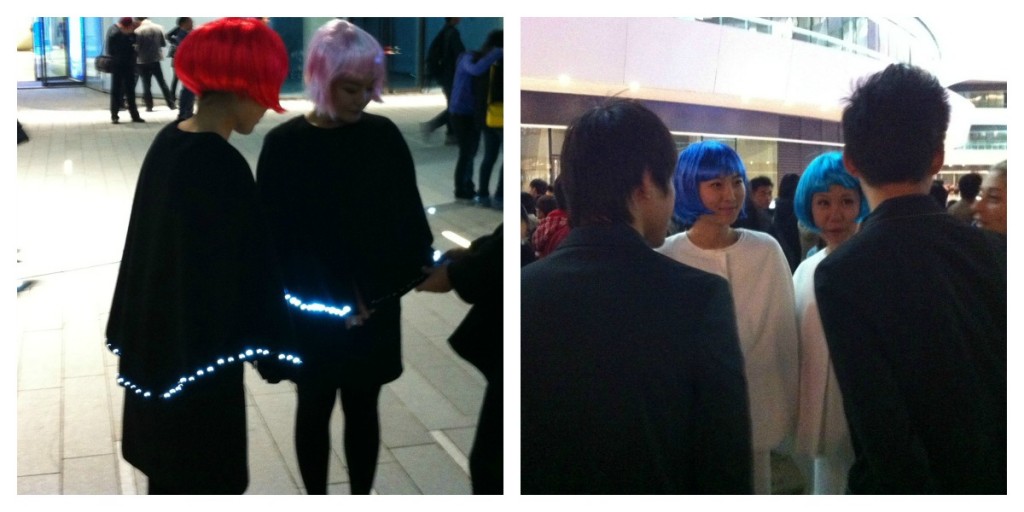
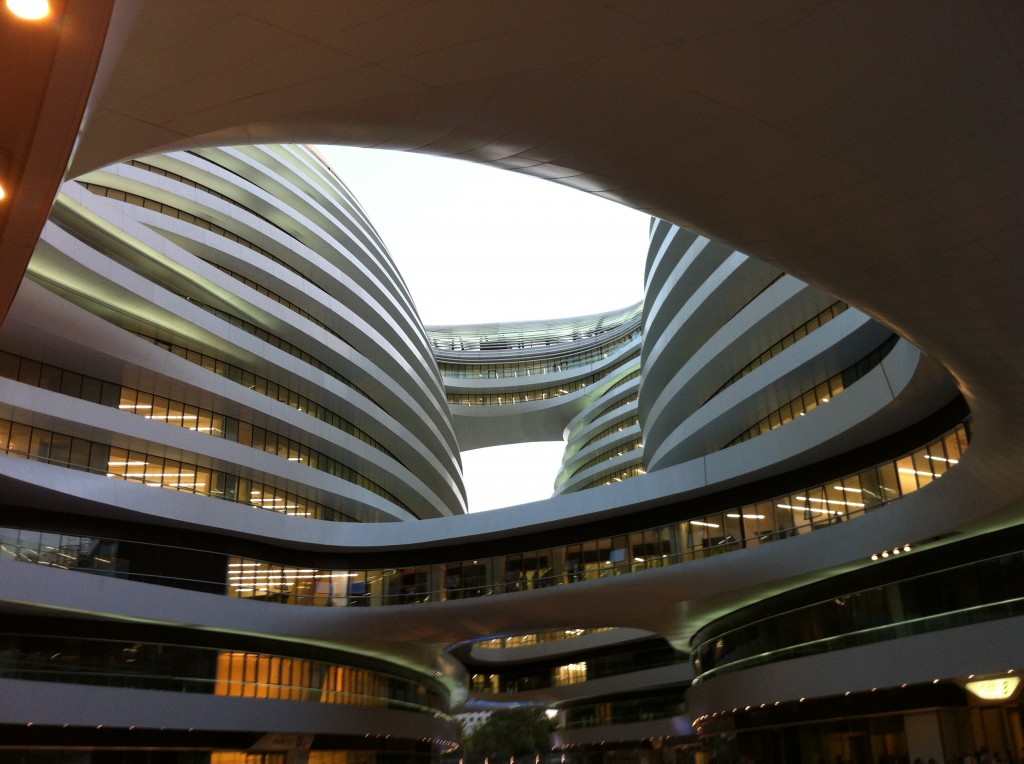
Recently, real estate firm SOHO China unveiled its newest addition to Beijing: the Galaxy SOHO. Rising up above Beijing’s second ring road, the four main buildings look like a cross between eggs and slinkys, and are surprisingly reminiscent of New York City’s Guggenheim Museum. Connected by futuristic walkways and wrapped in sleek, white stripes, standing in the open-air lobby is an otherworldly experience. The brain child of Zaha Hadid Architects, the complex opened to the public amid considerable public interest, excited crowds, and some exotic hairdos. Below are pictures from the event:

Galaxy SOHO: Architecture in Beijing
(Close up of an egg)

Galaxy SOHO: Architecture in Beijing
(The brightly colored ushers)

Galaxy SOHO: Architecture in Beijing
(The rising eggs)

Architecture in China is an area that has recently spawned considerable creativity so if you are an architecture enthusiast, the Middle Kingdom is an excellent place to set your sights.

———-

If you have any questions about travel in China feel free to send us an email at info@wildchina.com and we will be happy to assist you.


The Legend Behind Yunnan’s Famous “Crossing the Bridge Noodles”

When you have a cultural and culinary history as long as China’s, you’ll find that a lot of customs and dishes have legends behind them.

One of our favorites is the touching story of the Yunnan dish, guoqiao mixian (过桥米线) or the “Crossing the Bridge Noodles”:

____

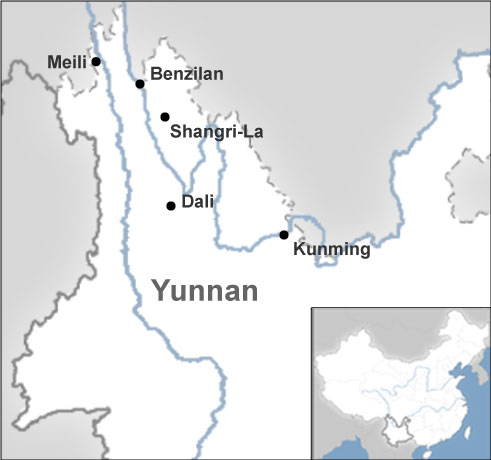
Long ago, just south of the Yunnan city of Mengzixian (蒙自县)….

There was beautiful lake with water as clear as jade. In the center of the lake, there was a small island covered in green bamboo saplings and giant trees whose ancient stalks reached the heavens.

Known for its natural beauty and pleasant atmosphere, the small island drew many neighboring scholars seeking a tranquil place to study for the imperial exams.

Among these scholars was a particularly diligent student who spent many days studying on the island.  Every day, his wife made the long walk to the lake, crossing the bridge to the island to bring him his midday meal.  However, he was frequently so engrossed in his studies that he only remembered to eat long after the food had grown cold.

Due to his irregular eating habits, the scholar became noticeably thin and his warmhearted wife grew very worried.  One day, she had an idea. She butchered a plump hen to make a hot chicken soup, and separately prepared her husband’s favorite local rice noodles, seasonings, and ingredients.

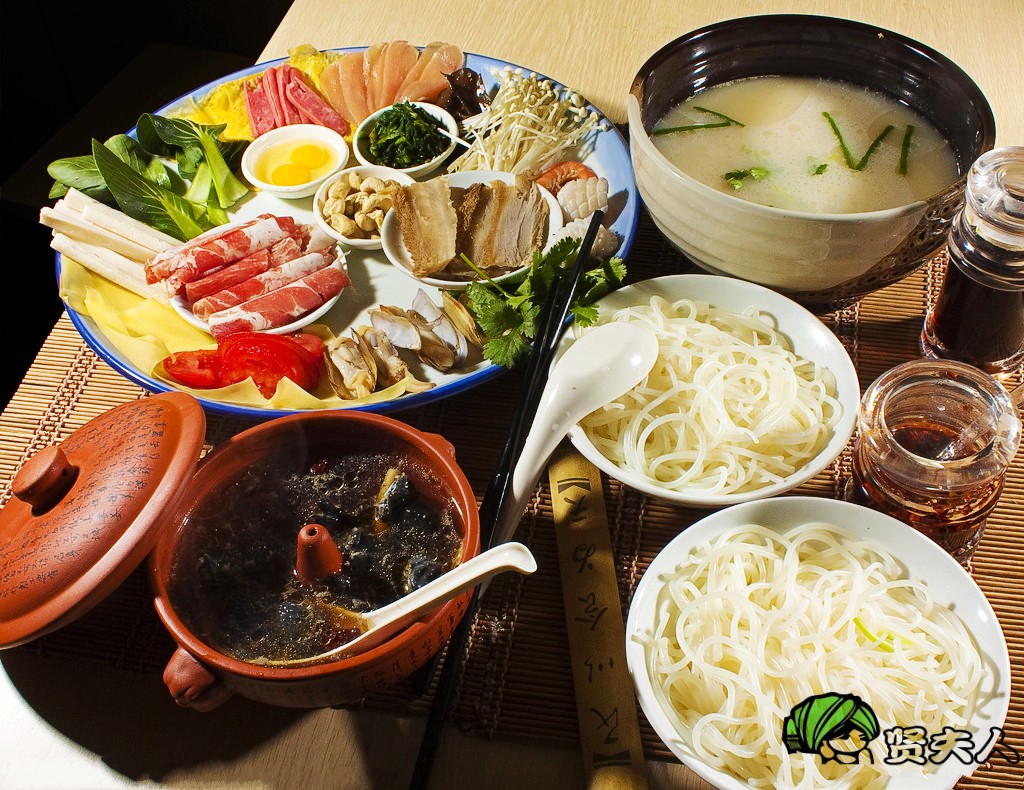
She brought them over the bridge in different bowls, combining them just before he was ready to eat. On it’s own, the chicken broth stayed hot enough to cook the noodles and other ingredients, and created a thin layer of oil that kept the whole bowl piping hot.

It worked. The scholar loved the hot noodle soup, and the wife started crossing the bridge everyday with these bowls.

Eventually, the scholar succeeded in passing the imperial exams and, remembering his wife’s great kindness and hospitality, joked that it was his wife’s wonderful noodles that helped him pass the prestigious and famously difficult exams.

____

“As a result of their unwavering resolve, the husband became an imperial scholar and great honor and satisfaction was brought to the village.”
The Legend Behind Yunnan’s Famous “Crossing the Bridge Noodles”

Photo credit: Google

As you may have guessed, the wife’s daily walk across the bridge to deliver her husband’s meals inspired the name “Crossing the Bridge Noodles”. The story was passed on by word of mouth through the generations and has come to symbolize affection, endearment, and admiration

Like many legends of its kind, this story helps us understand the values and morals of traditional agricultural society in China. For example, the scholar is always described as diligent and hardworking—willing to embrace solitude and hardship in pursuit of good fortune and future.

The wife is considered virtuous and kindhearted for overcoming difficulty and heartache to care for her husband; her delivery of daily hot meals is used to express deep love and affection.

The story often ends with the line, “As a result of their unwavering resolve, the husband became an imperial scholar and great honor and satisfaction was brought to the village.”

Today, guoqiao mixian (过桥米线) is still considered a Yunnan specialty—and it still comes in separate bowls, allowing you to pick your ingredients and add the hot soup yourself. In Yunnan, this dish is so popular that there are restaurant chains that specialize exclusively in varieties of guoqiao mixian. It can be found anywhere from street-side noodle shops to high-end banquet-style restaurants.

If you’re heading down to Yunnan, this dish is definitely worth a try. Who knows, maybe it’ll be all the inspiration you need to finish that next project, or pass that next exam.

Or, if you’re feeling adventurous and want to try your hand at making this dish yourself, here’s a recipe worth trying from the Australian Gourmet Traveler.

_____

Interested in traveling to Yunnan? Check out our sample journey South of the Clouds to get some ideas. No time to fit Yunnan into your China itinerary? Send us an email at info@wildchina.com and we can recommend great Yunnan restaurants in Beijing and Shanghai.

 

A bakery that has Hong Kong written all over it…

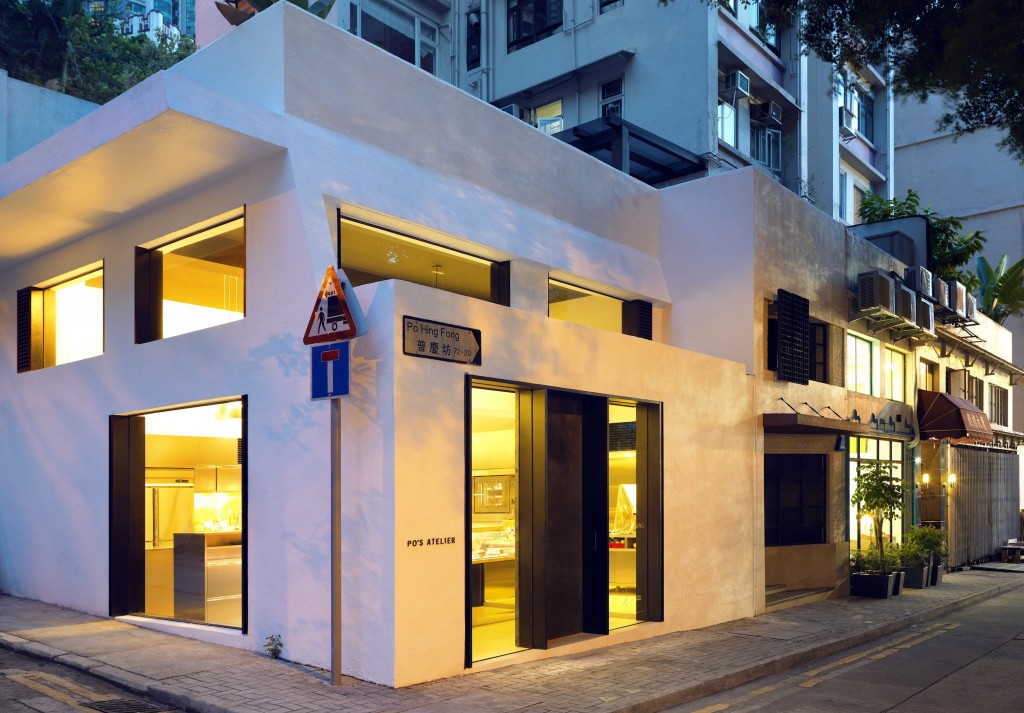
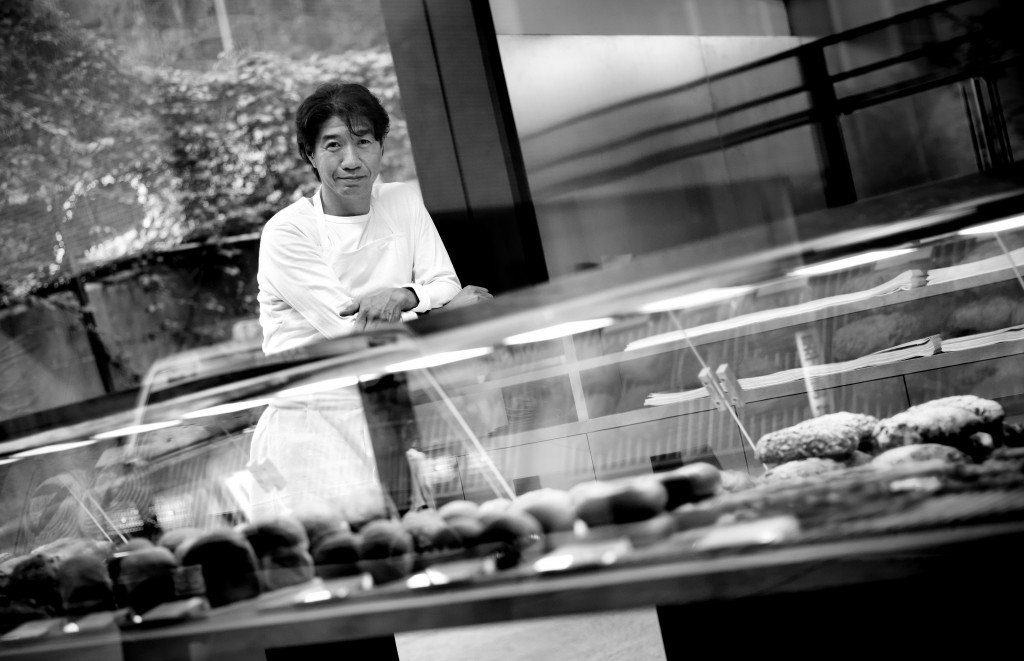
What do you get when you cross a Japanese, a Hong Konger, and a Swede who all love bread? Po’s Atelier.

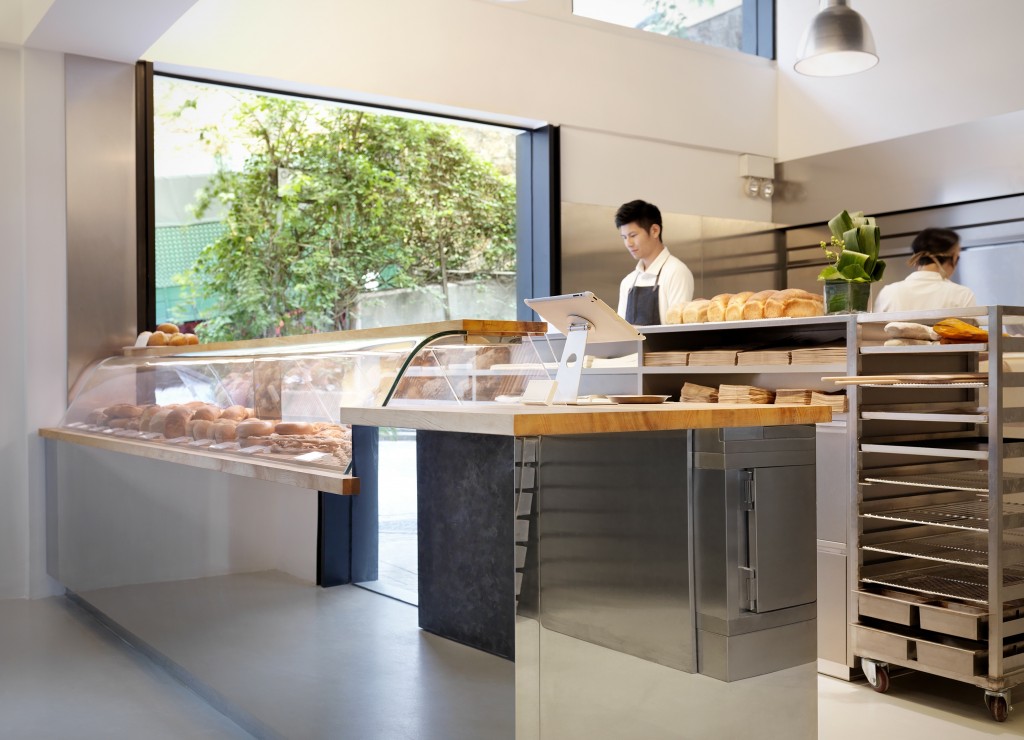
Located in the ever cosmopolitan city of Hong Kong, Po’s Atelier is, according to its press release, “…a French-Japanese boutique bakery focusing on artisan breads and pastries paired with inspiration from Scandinavia.” Sounds like a delicious combination from our perspective.

A bakery that has Hong Kong written all over it…

Vincent Cheng (Hong Konger) and Jonathan Leijonhufvud (Swede) first started Po’s Atelier as a result of what they perceived as Hong Kong’s “lack of quality bread free of additives and other nasty chemicals.” Though the two come from backgrounds in art direction, design, and photography, they were excited about the challenges of creating a bakery.  They were looking for an opportunity to “present their recipes in a unique yet humble environment”–something of a rarity for bakeries in Hong Kong.

A bakery that has Hong Kong written all over it…

Since opening, Vincent and Jonathan have really enjoyed getting to know the neighborhood and establishing a regular clientele of enthusiastic bread lovers. Customers comments and suggestions are frequently the impetus that brings Jonathan and Vincent back to the drawing board with their designer chef and baker Masami Asano (the Japanese).  And as one might expect, bakery favorites tend to fall along nationality lines…

A bakery that has Hong Kong written all over it…

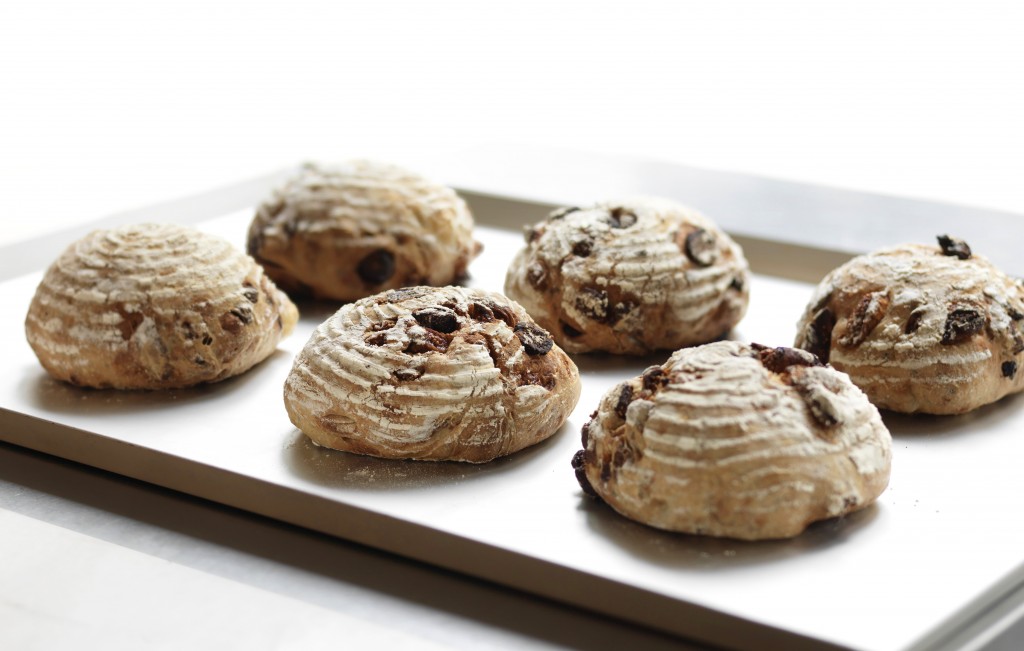
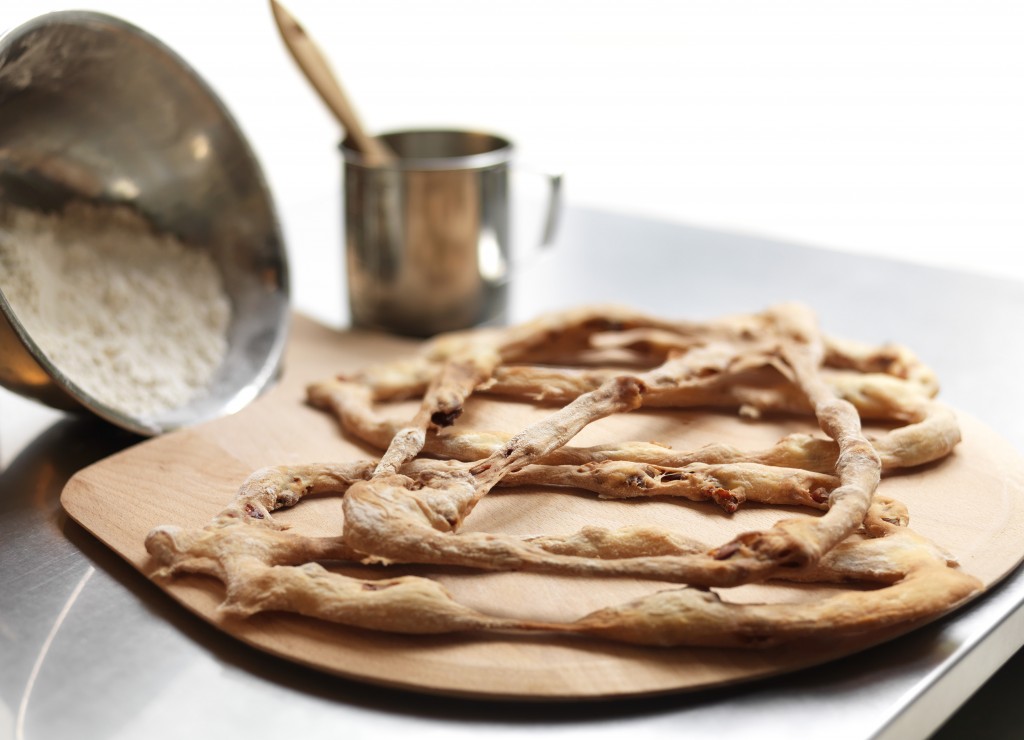
For Chinese clientele, the top breads are Madame Cheng (a dairy-free loaf baked with fresh homemade soya milk–a recipe passed down from Vincent’s Mom), AOP (Po’s Atelier’s signature brioche made with Grand Fermage butter) and Oolong (also dairy-free, made with Yunnanese oolong tea seed oil and fresh tea leaves). For western customers, subtle tangy sourdough breads and savory grissini take the cake. All patrons though, are fond of the Danish pastries–whether with Valrhona chocolate, escargot, or their special green bean and manuka honey reduction.

A bakery that has Hong Kong written all over it…

This month, Jonathan and Vincent are preparing to open Café Deadend next door which will also feature the humble aesthetic and artisanal delicacies of Po’s Atelier. With plans to begin supplying their breads to a few like-minded eateries in Hong Kong, the only question we still have is when are they coming to Beijing?

A bakery that has Hong Kong written all over it…

———-

If you are interested in travel in China or Hong Kong send us an email at info@wildchina.com and we will be happy to assist you.

Photos provided by Po’s Atelier

AsiaTravel Update: Earthquake in Urumqi


BREAKING – August 30, 2013

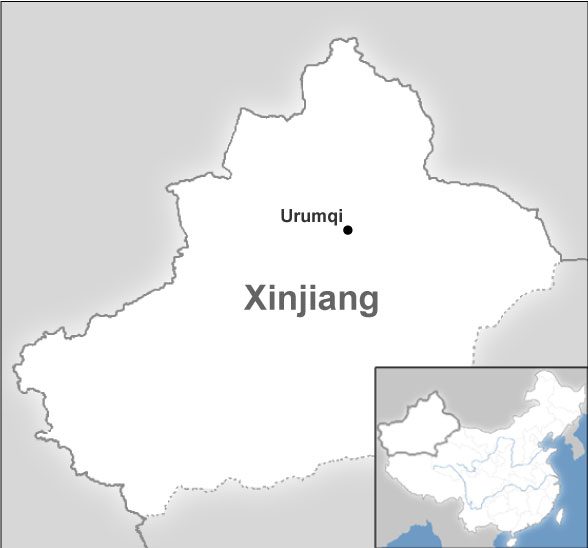
At 1:27 p.m. local time, a 5.1-magnitude earthquake was registered by the China Earthquake Networks Center in Urumqi, the capital city of the Xinjiang Uygur Autonomous Region in northwest China.   The epicenter was at a depth of 12 kilometers (approximately 7.5 miles).

As of 3:44 p.m. today, no casualties or injuries have been reported. There are currently no AsiaTravel travelers in the area of the earthquake.

As with all earthquakes of this magnitude and higher, visitors and residents are advised to travel with care and be mindful of aftershocks.

We at AsiaTravel will continue to monitor the situation and provide any updates that become available.

AsiaTravel Update: Earthquake in Urumqi