
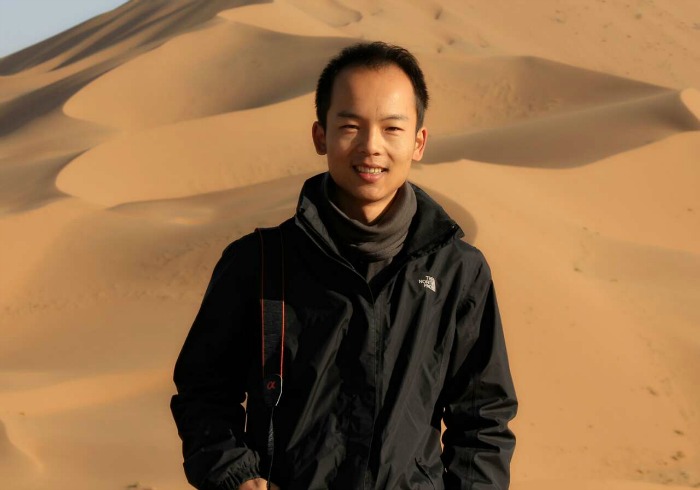
Peter has been a guide in Western China for more than ten years. He is passionate about the rich culture of the region and has deep knowledge of the intricacies of Tibetan Buddhism. He is originally from Tianshui, in eastern Gansu.
Tell me about this part of China – what’s it like?
Western China has deep history and culture.
First, there is the Silk Road history. The Silk Road is not just a road, and it was not just for silk. There were many merchants and traders and many things were brought on the road – religion and culture.
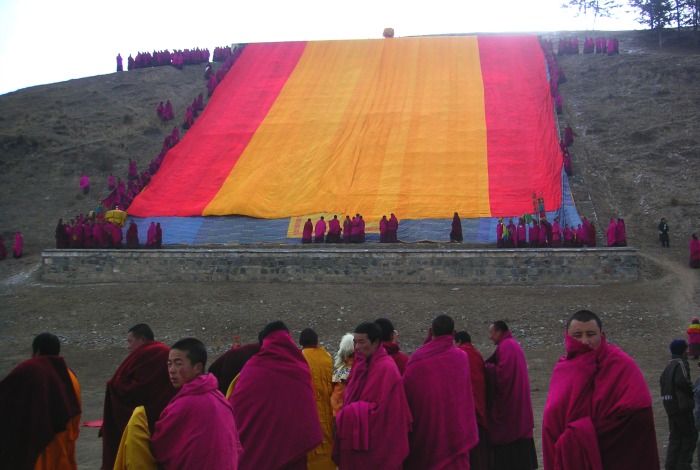
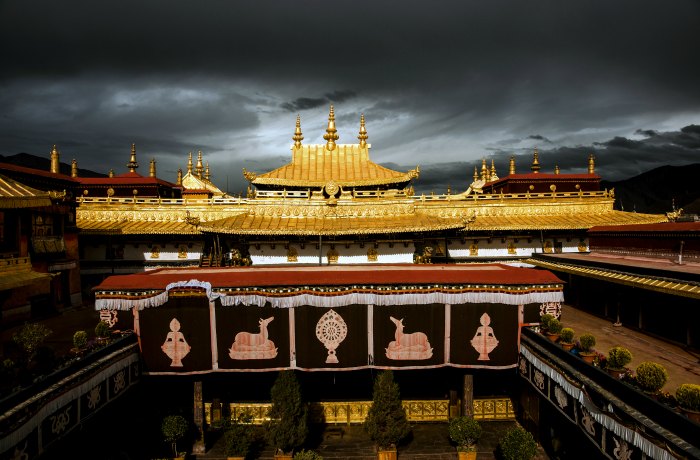
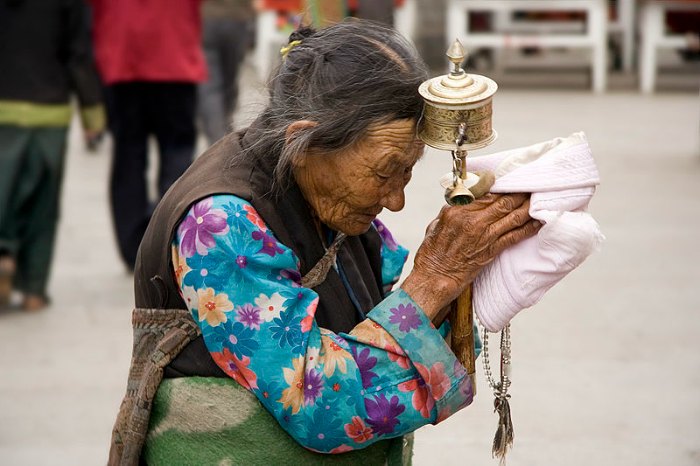
Second, is Chinese Buddhism. Tibetan Buddhism is dominate in this region. Within Tibetan Buddhism, there are three sects. They speak the same languages, but the accent is different. Here in Gansu and Qinghai, it is the Tibetan Amdo Buddhism that is most prominent. Maybe travelers read about these things, but a book is one thing. When they go to the temple they will really see the Buddha, and they will want to know: Why is the face different on this one? Why is this gesture different? They will have many questions.
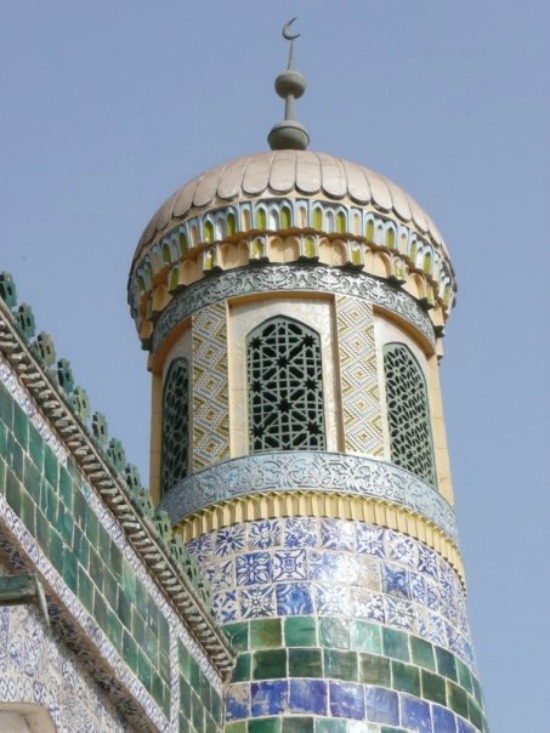
Third, there is also the Muslim culture. Linxia is China’s little mecca. There are very old mosques in the Chinese style with Chinese roofs. When I tell my clients that these are mosques and not temples, they are very surprised. Now in all the cities you will see both western mosques and traditional Chinese style mosques. Why? Because these came from different places at different times in history.
What’s your favorite part of this journey?
I’m a culture man. I like Buddhism very much, including the Han Buddhism and the Tibetan Buddhism in this area. I like to explain the different Buddhas and founders, sometimes very slowly, because it is quite complicated.
When’s the best time to visit the area?
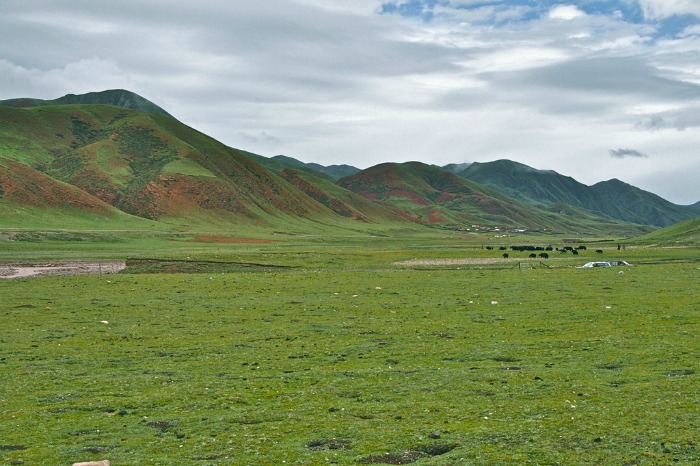
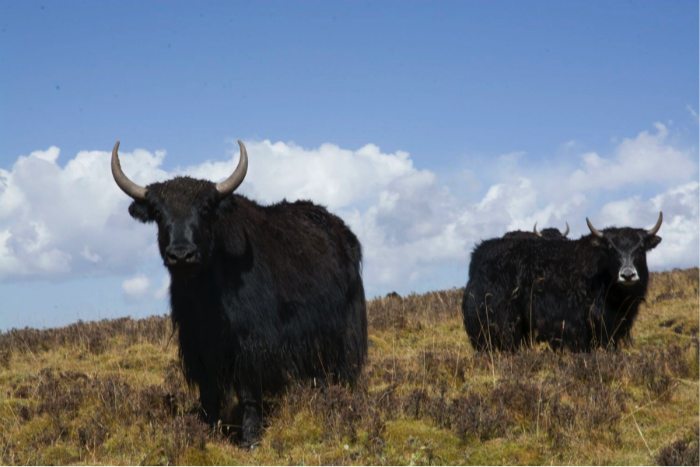
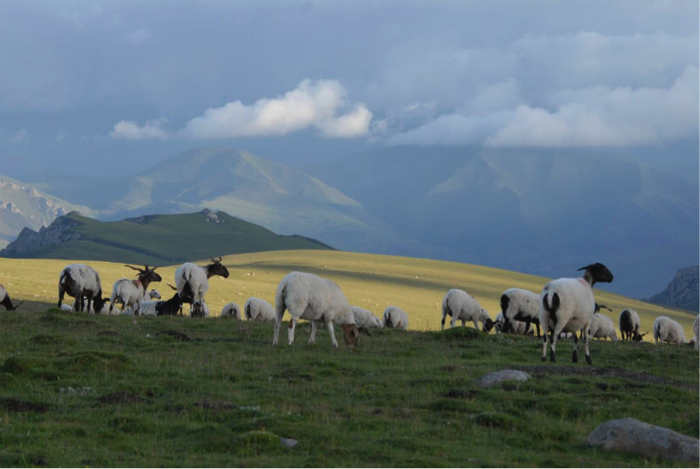
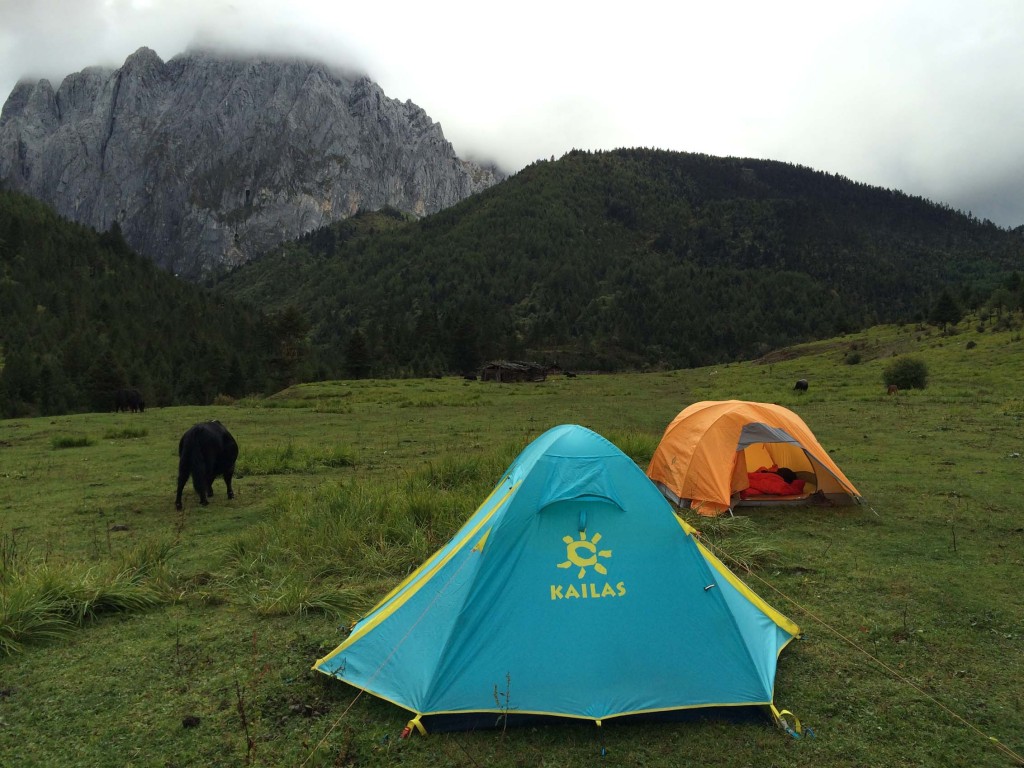
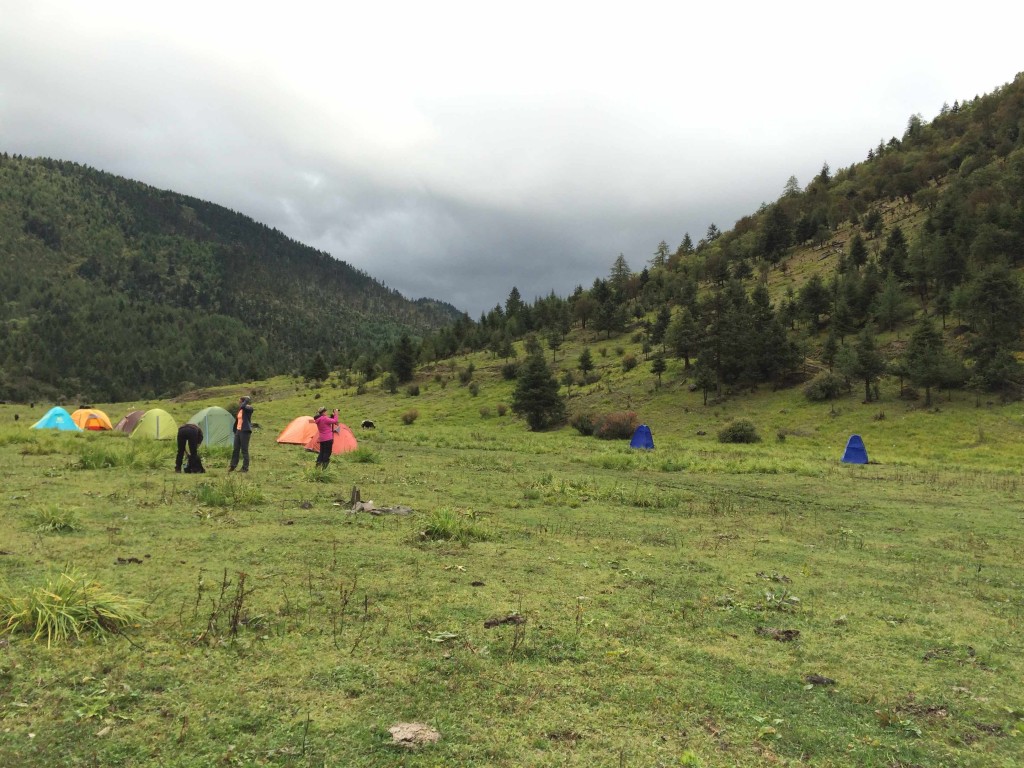
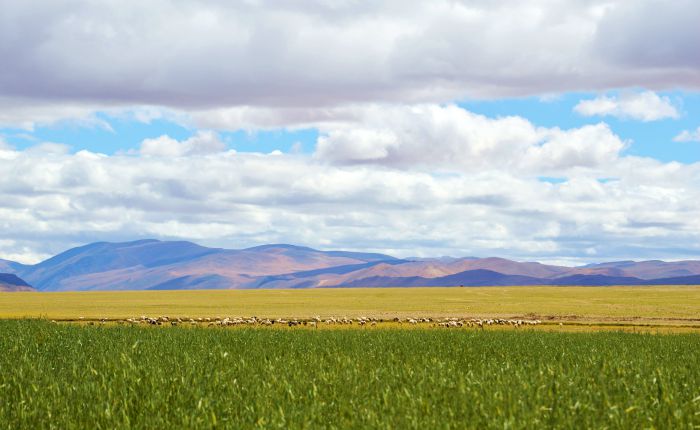
July to September. Before July the grasslands are not green, and most of the year the nomads live in the village because it is so cold. But from July to September, you can see the nomads and their tents and yaks in the grasslands.
Also, if you come in the fall this year, you can see the Buddhist festival, Milarepa. The festival honors the founder of a sect of Buddhism and is celebrated in many of the monasteries. This year the festival is August 21st, 2015.
What do clients love about this journey?
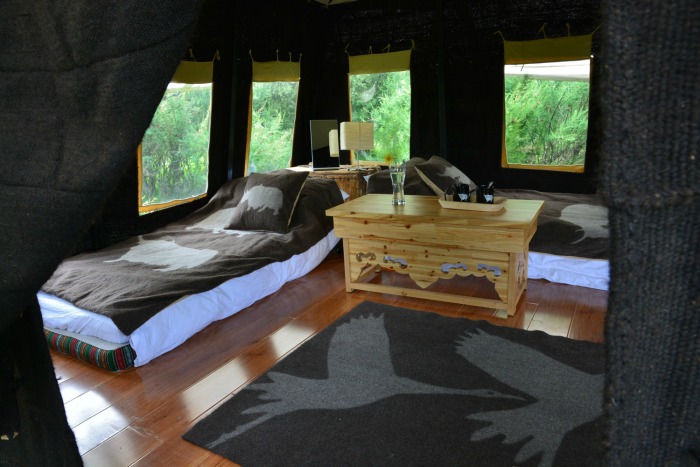
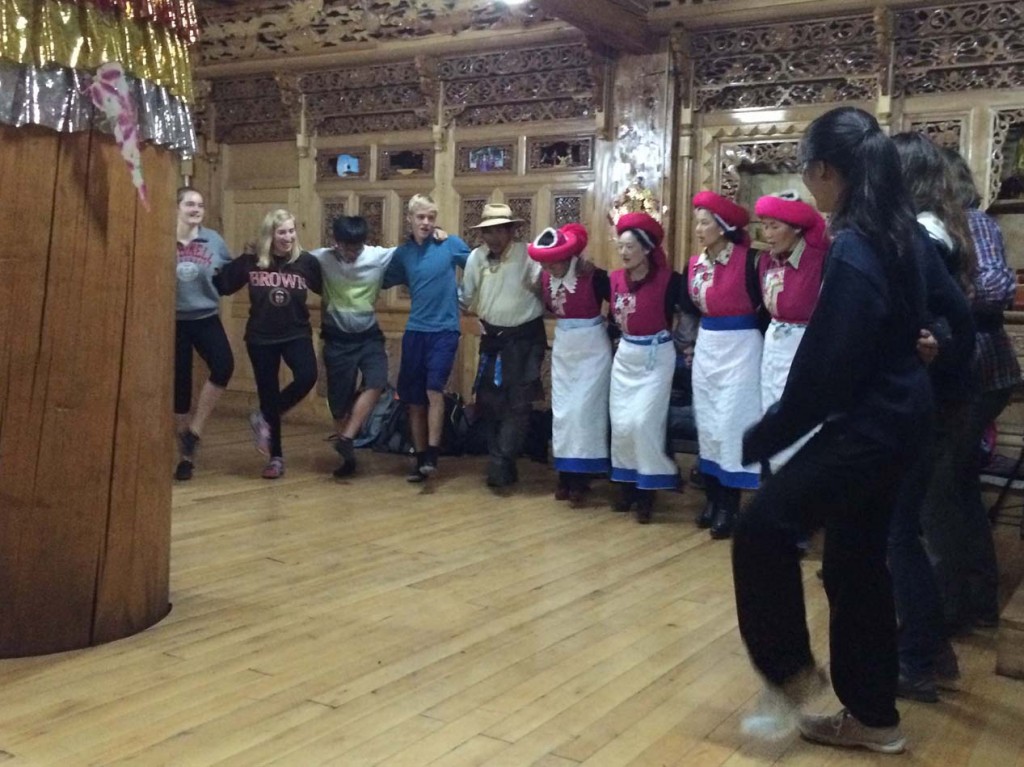
Their favorite thing to see is the country life. My clients have only seen it in pictures, but they’ve never gone inside the houses. Here they will see people’s lives. They will go meet the family. See what is inside their home. Go to see the bed and see how it differs from theirs in their hotel. If lunch or dinner is cooking- what do the local people eat?
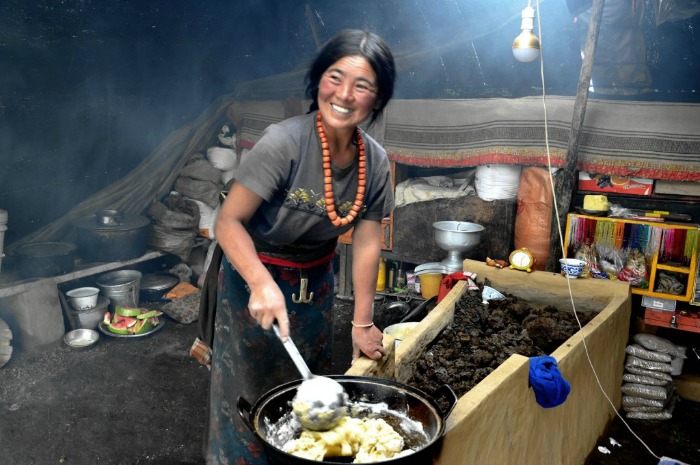
My clients also like to talk with the villagers, and I’ll translate. They will ask: How many yaks in your family? When did you build this house? Was it expensive or not? Are your children in school? What do they play?
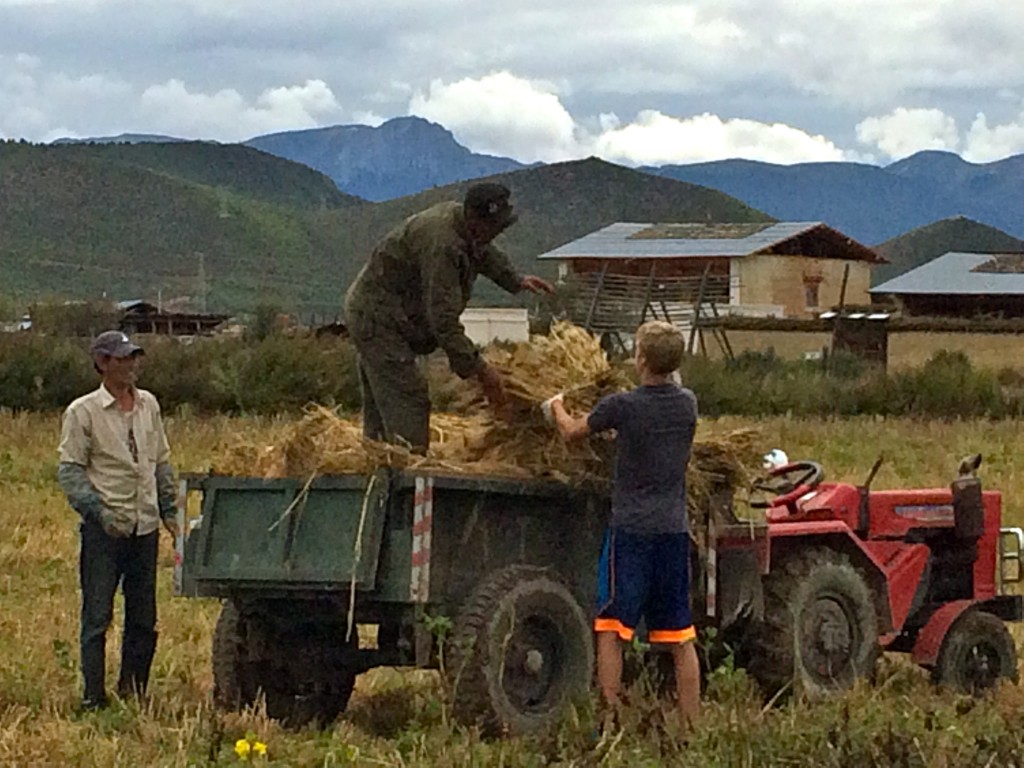
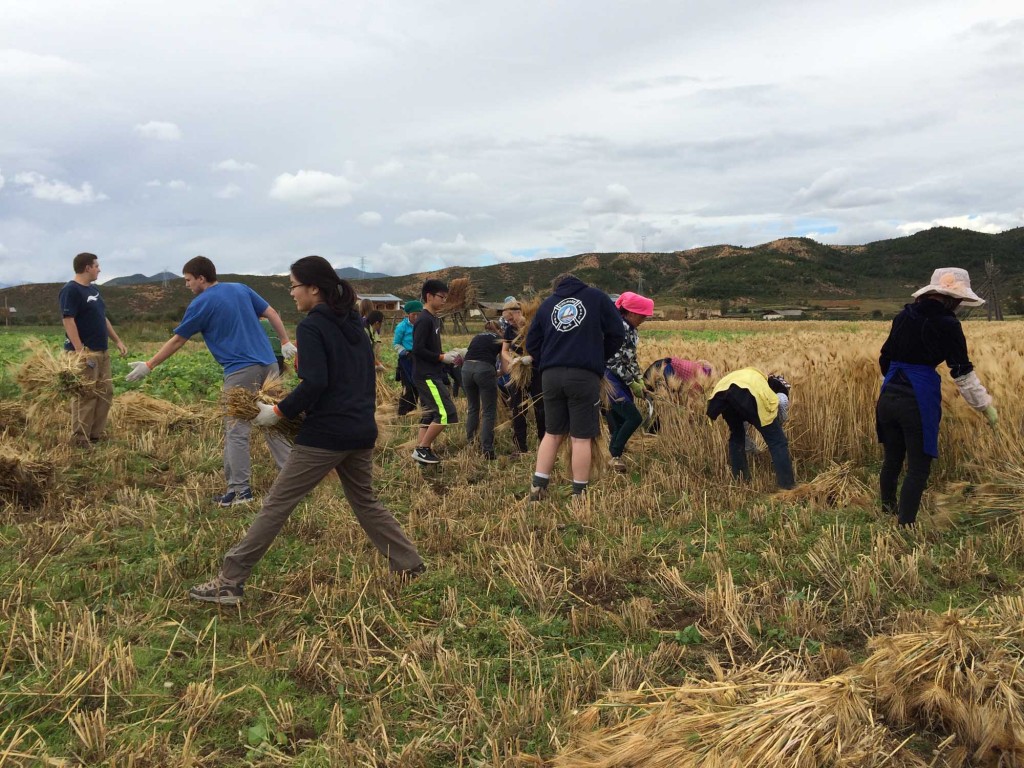
Sometimes we will go to the field. In spring visitors can see the wheat. In the northwest, this area, wheat is planted in springtime. In the harvest time, they can see how the wheat is carried back to the village, how it’s ground, and made into noodles.
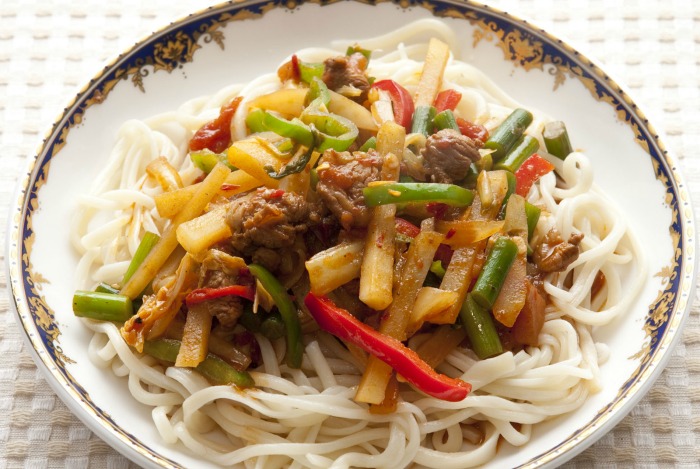
What food do you have to try in this region?
We have Tsam Ba. This is made with barley flour and milk, then we put a little bit of salt or sugar and mix it together in the hand. We have it with milk tea and yak butter, (but you don’t have to put the yak butter!).
Sometimes the clients don’t like this, but I always say you should try it, even if you don’t like the smell. I have them try a little bit.
But noodles are the main food. We will make noodles out of many things like wheat flour or corn flour. We make the noodles without using any machines, and we will let the clients try making it themselves.
Do the clients make good noodles?
Sometimes… haha. It’s mostly for learning.
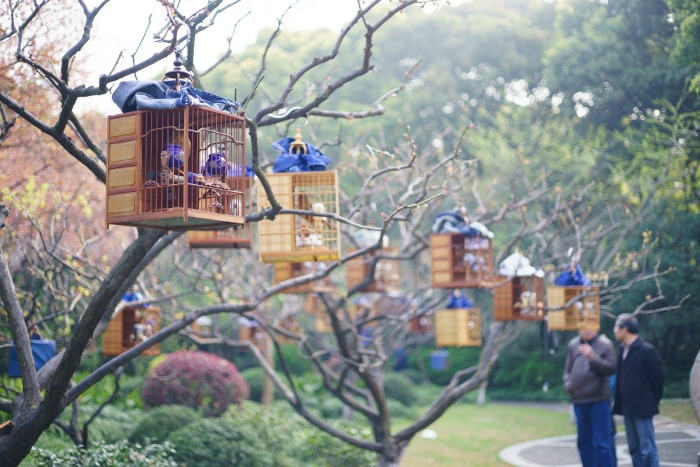
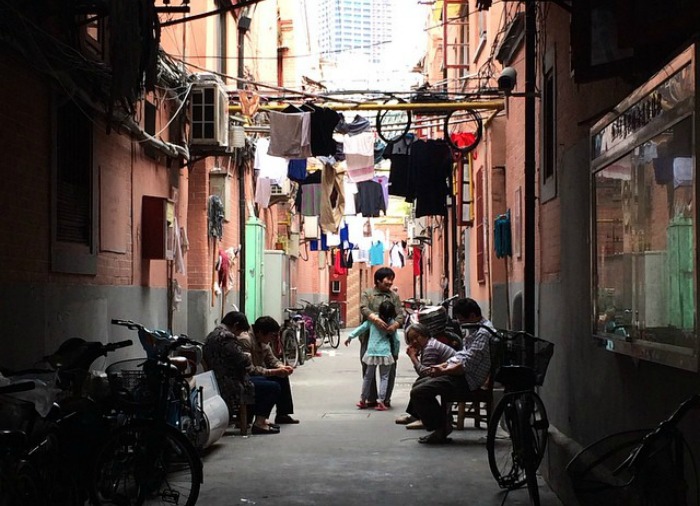 Learn Shanghai’s street stories in the Longtangs
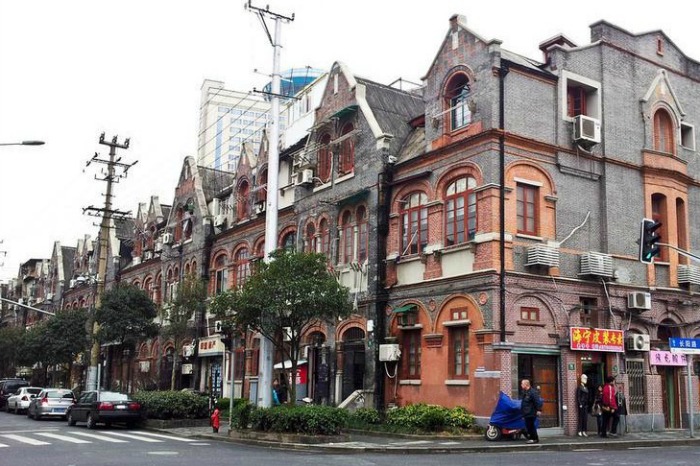 Visit the Jewish Quarter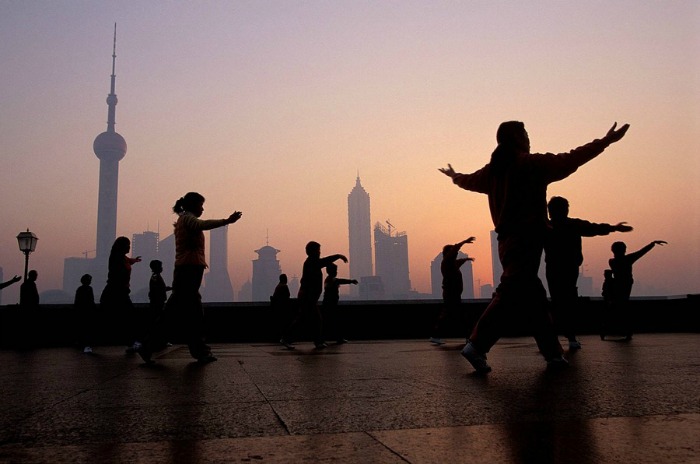
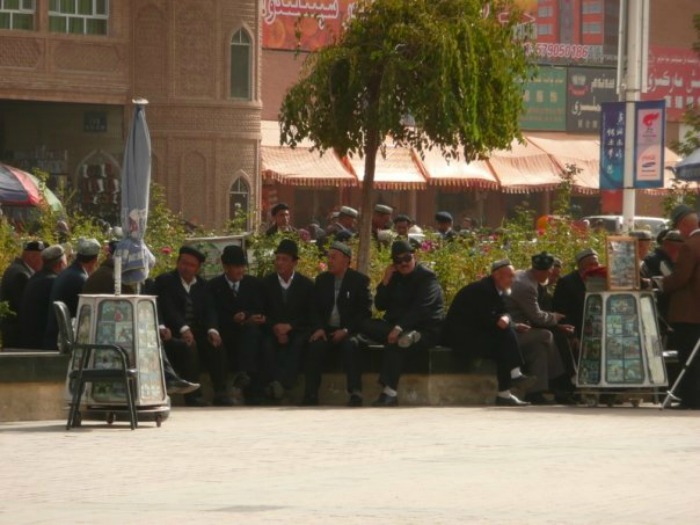
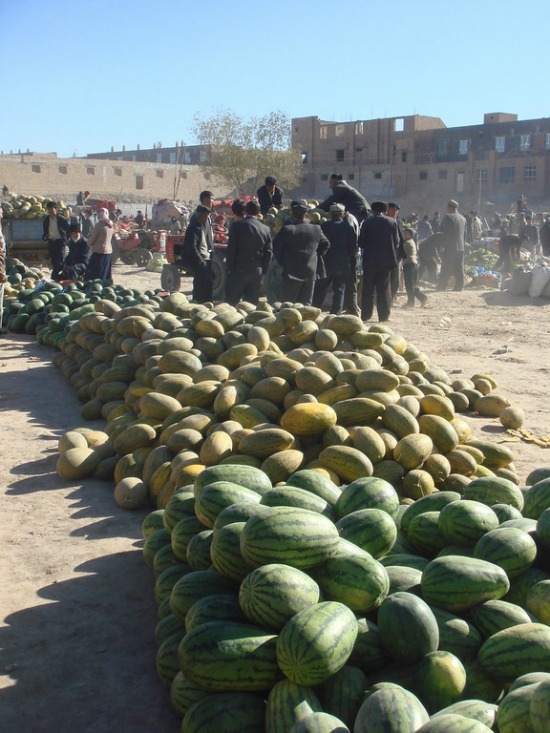 Turpan is a great place to try Xinjiang’s famous melons and grapes. If you go to Xinjiang, you’ll hear a lot about their fruit. I wrote all this talk off until I actually tasted some. How could fruit taste this much better than any other fruit I’d had in my whole life?
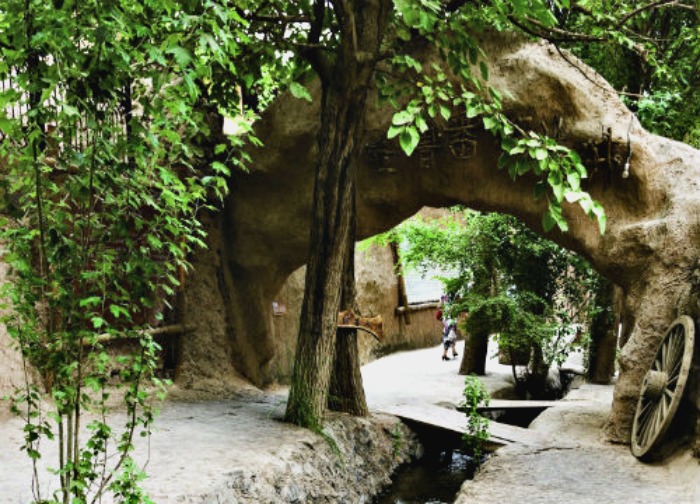 Another place to visit while in Turpan is the karez irrigation system. The karez is a fascinating feat of ancient engineering that turned the desert into arable farmland. It was a system of vertical wells, linked by miles of underground tunnels. These tunnels tapped into the groundwater supply and drained it into the valley.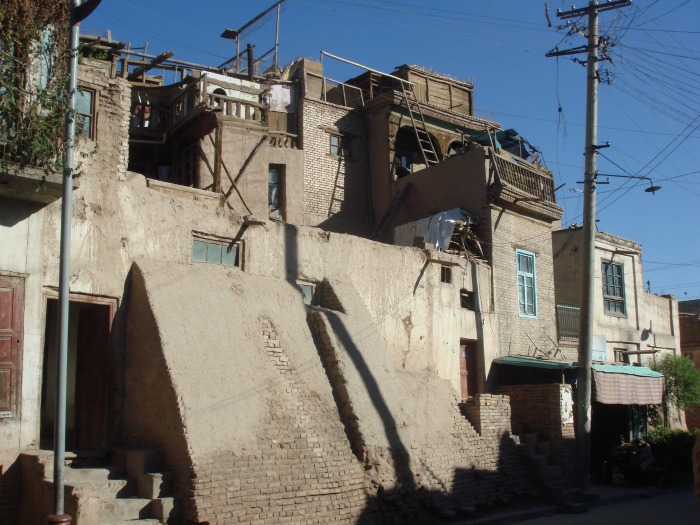
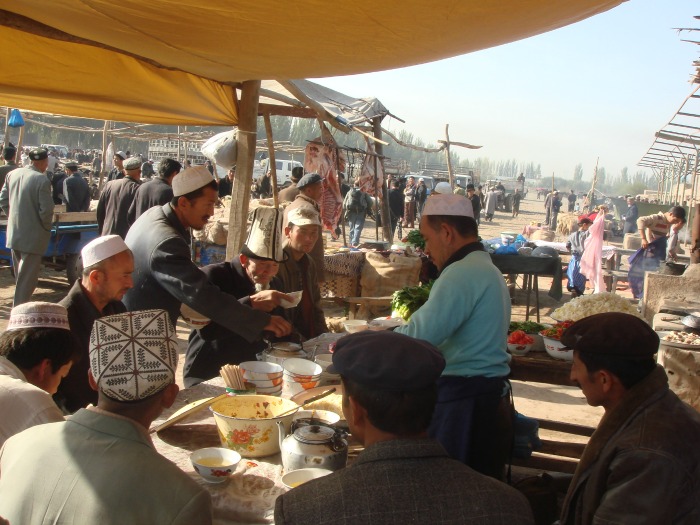 Kashgar is also the place to check out the local bazaar. Though the largest bazaar in the world is in Urumqi, Kashgar’s outdoor bazaar is a truly unique cultural experience.
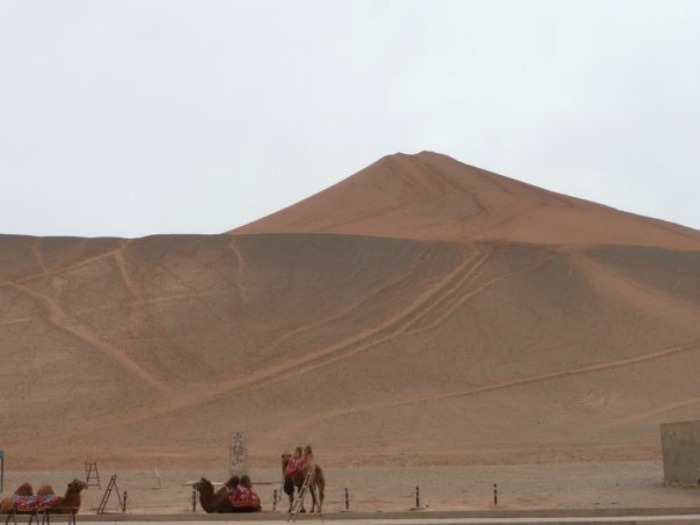 Of course I also did what one must do in the desert and rode some camels! It was a fun, but slightly scary experience. You don’t realize just how tall a camel is until you’re riding high up on one along the desert sands.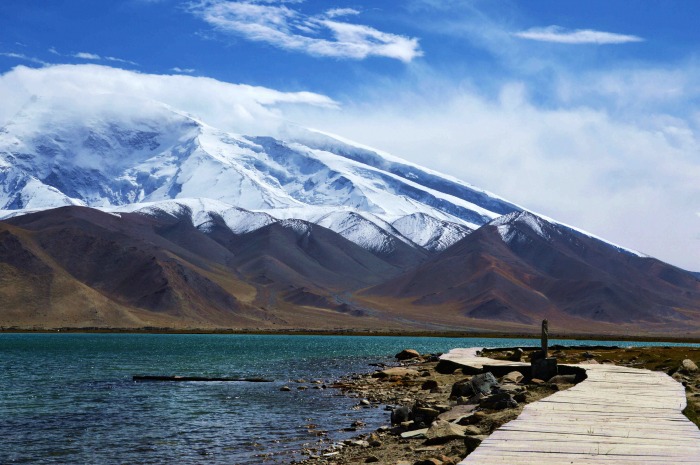
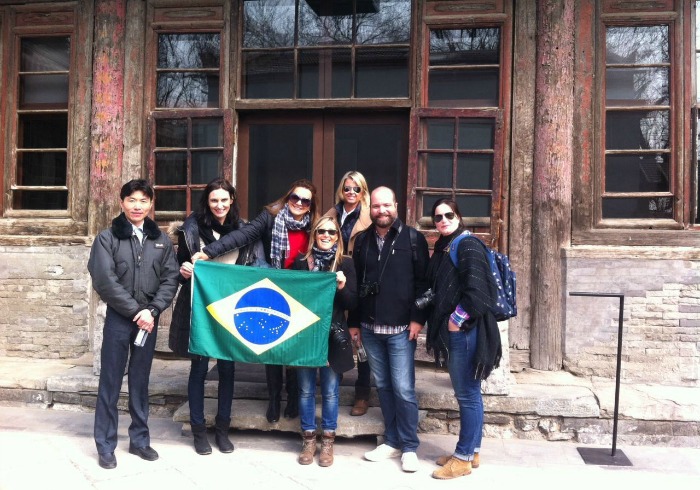 Here is the whole group, ready for a day of exploring Beijing with their AsiaTravel guide.
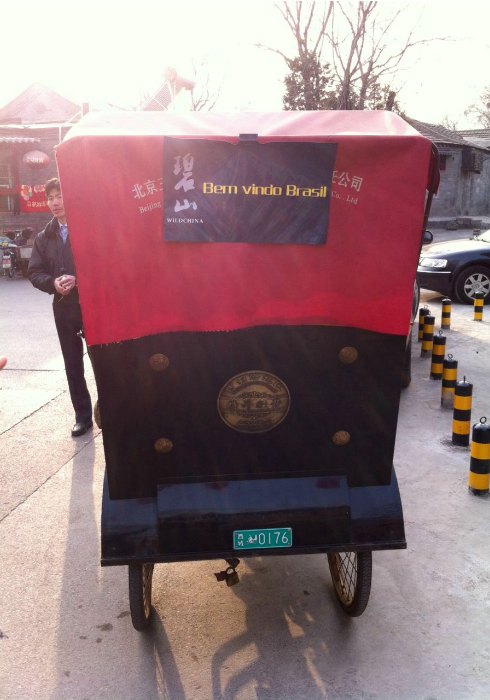 Special transport for our special guests!
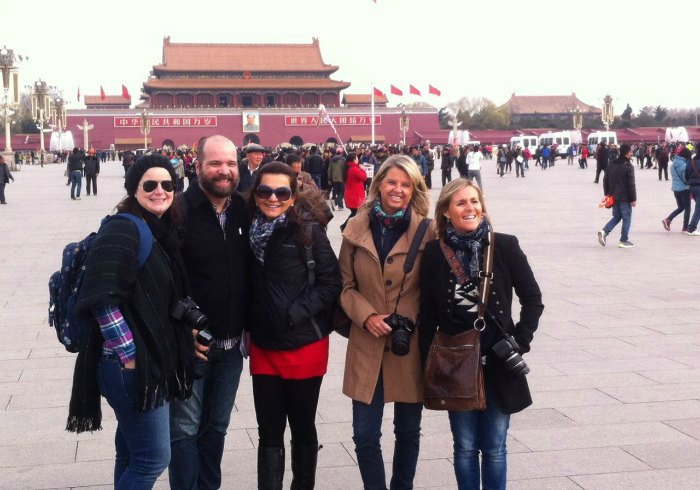 Standing in Tiananmen Square, with the Forbidden City behind.
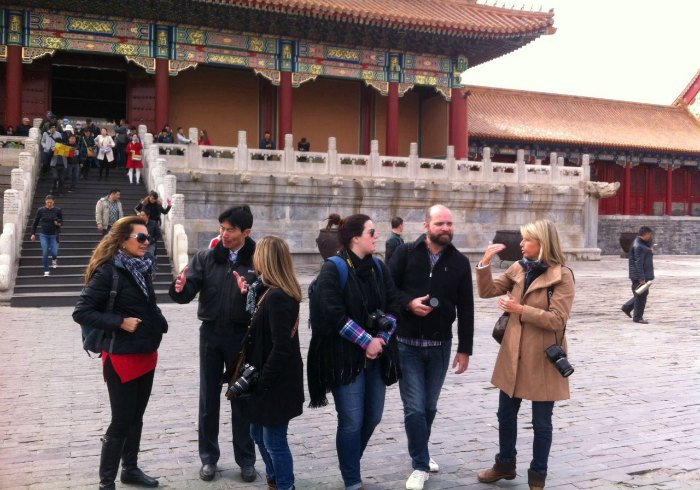 Exploring and discussing the Forbidden City – now an official museum, but once closed to the public for nearly half a millennia.
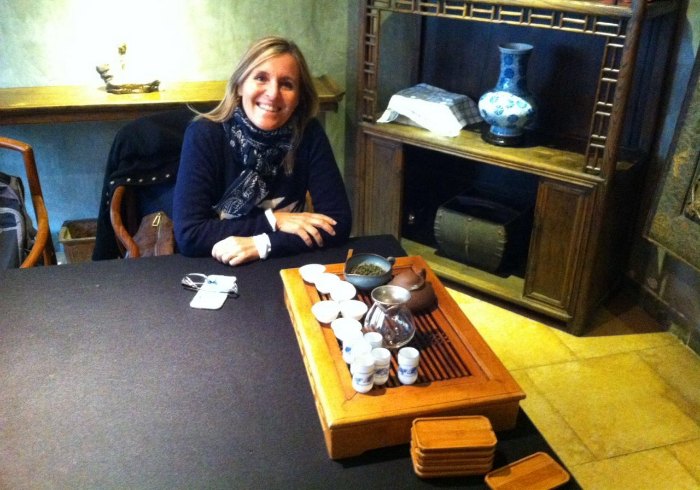 Learning about the intricate details of a Chinese tea ceremony.
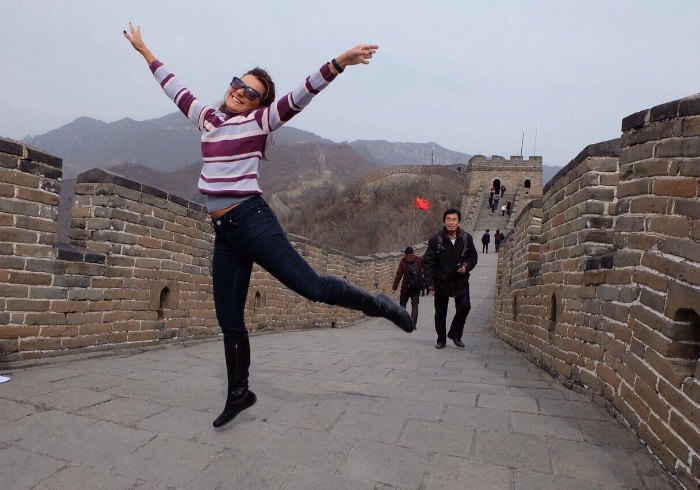 First time to China. First time on the Great Wall!
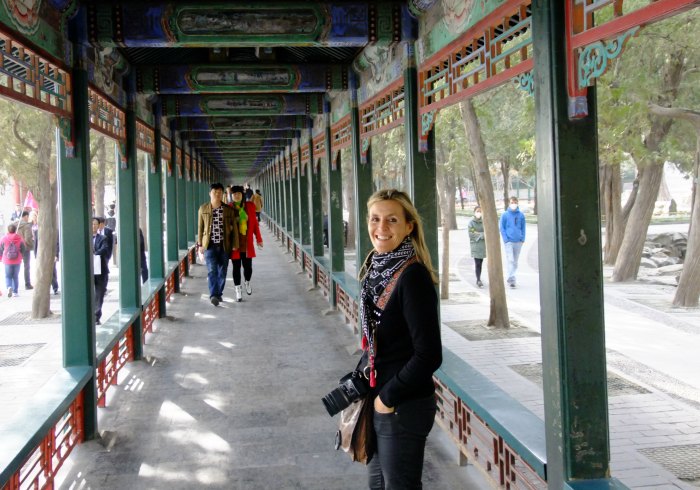 The iconic Long Corridor at the Summer Palace.
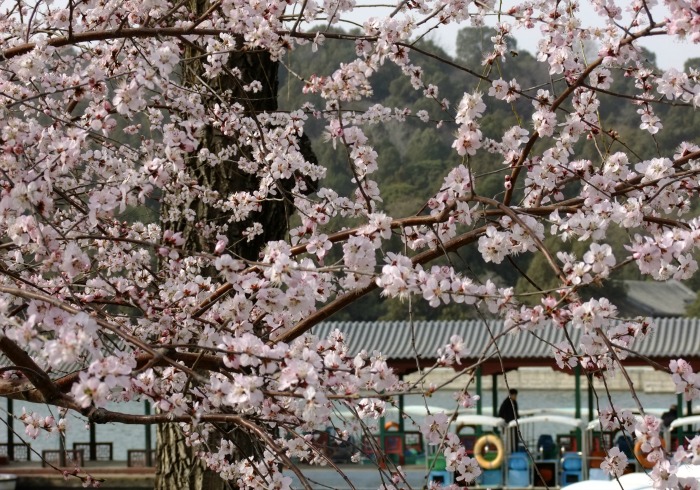 Just in time for cherry blossoms that have just bloomed all over the city! These were along the Kunming lake inside the Summer Palace.
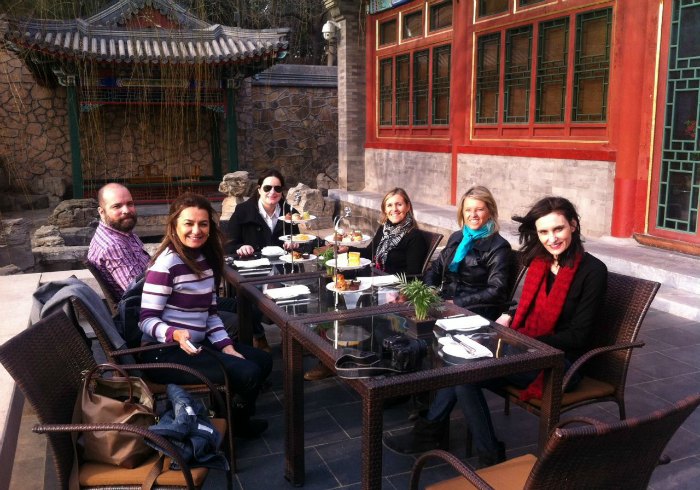 The travel companions enjoying a surprise afternoon tea at the Aman Summer Palace.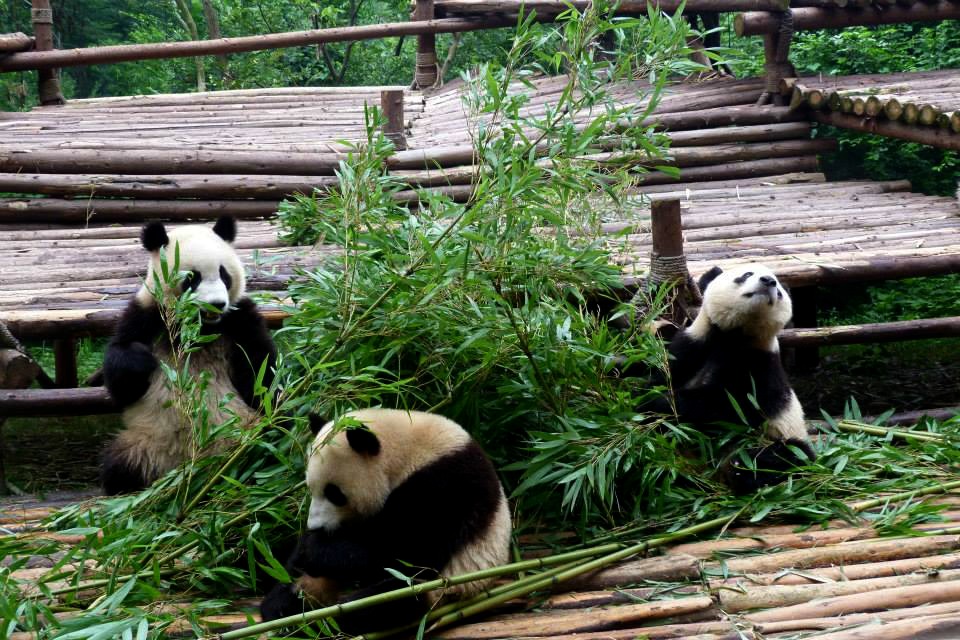
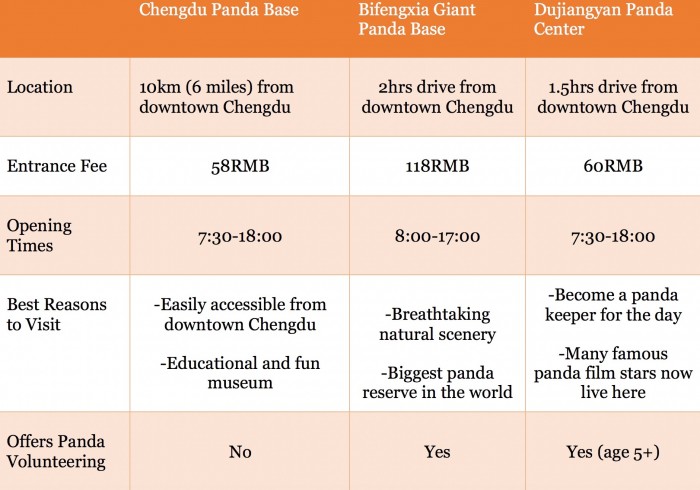
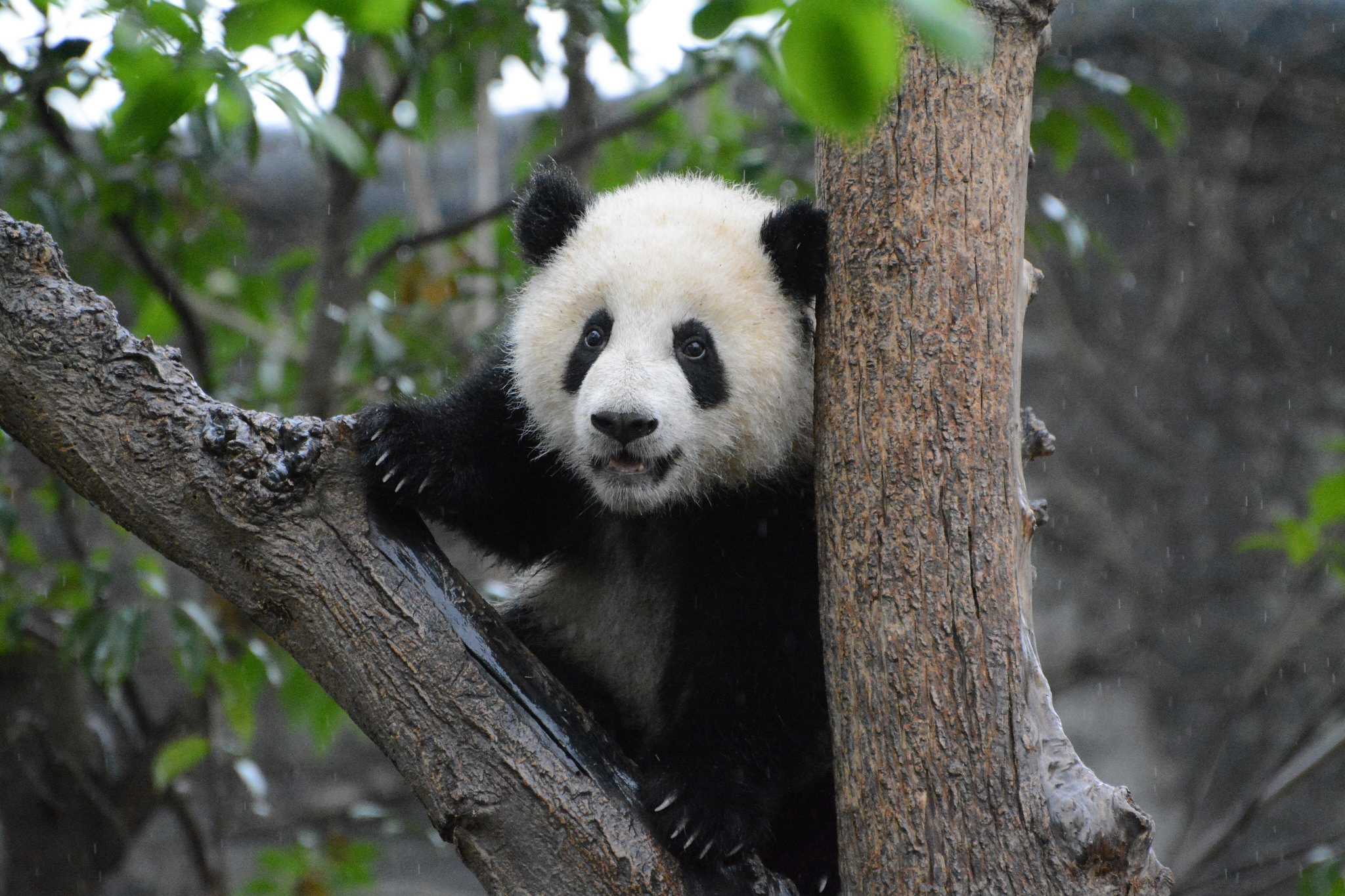
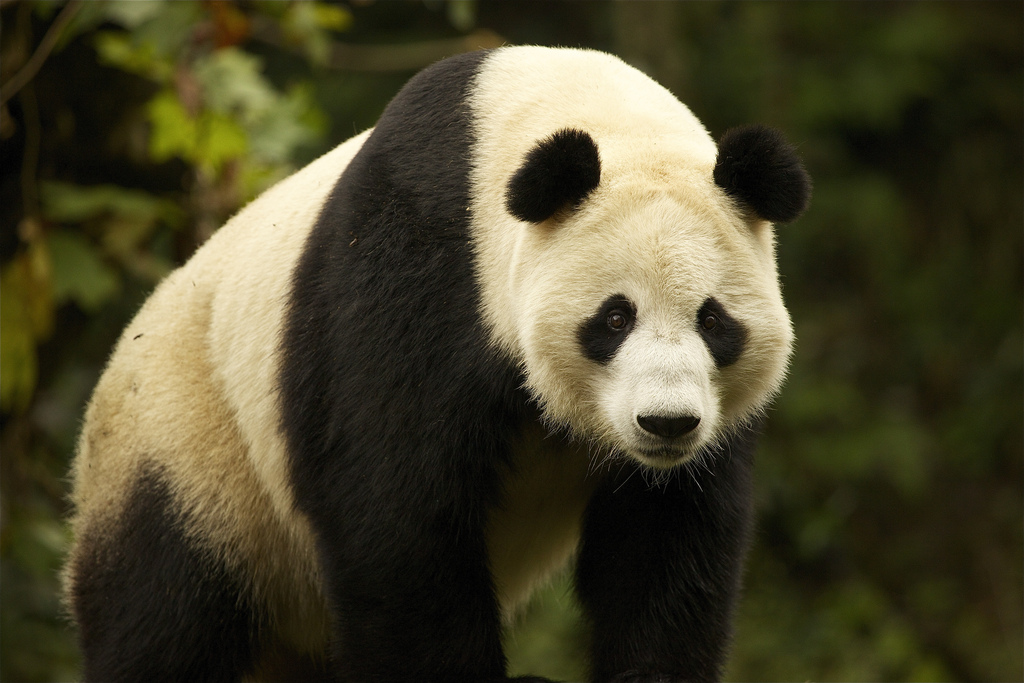 A giant panda at the Bifengxia Base. Photo by M. Jong-Lantink
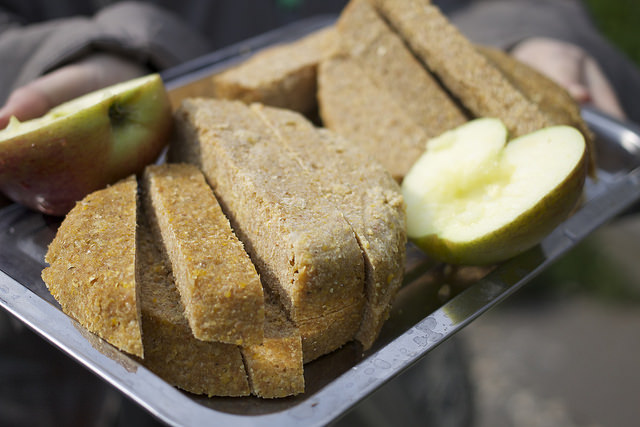 Panda snacks at Dujiangyan. Photo by L.W. Yang.
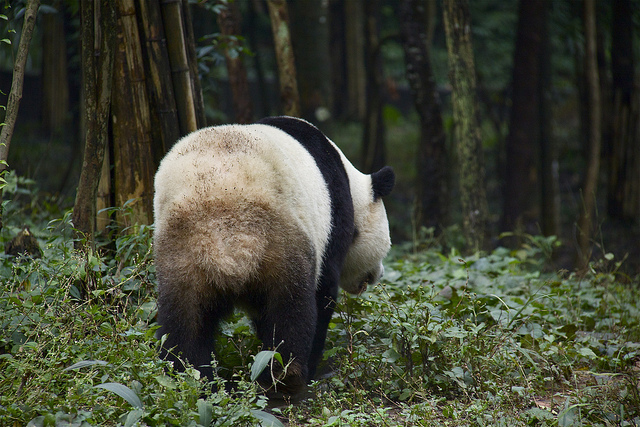 A panda turns to go. Photo by M. Jong-Lantink
 5 tips for staying safe
 2. Avoid alcohol and sleeping pills