
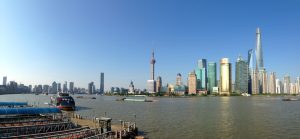
 There are 33 buildings on the Bund, some of which are still expropriated by some units. For example, the Bund No. 13 Customs Building, which was built in the 16th year of the Republic of China (1927), is still the residence of Shanghai Customs; the Bund No. 14 Bank of Communications, is the youngest architecture on the Bund, which was completed in the 37th year of the Republic of China (1948) and has been used by the Shanghai Federation of Trade Unions since its establishment. Others are the headquarters of high-ranking banks and insurance companies and high-end hotels, such as the Bund No.1 Asiatic Building, which was built in 1913; the Nisshin Building, also known as the Maritime Building, was built in the 14th year of the Republic of China (1925), and it was originally the building of Nissin company; The HSBC Building, also known as the City Hall, was built in the 14th year of the Republic of China (1925); the British General Assembly, 110.7-foot bar cabinet is the longest in the East, and now it is the Dongfeng Hotel; The Bund No. 19 Confucius Hotel Building today is the Peace Hotel; the Bund No. 22 Shaxun Building, was built in the 18th year of the Republic of China (1929) and is the tallest building on the Bund, but today it also belongs to the Peace Hotel. The Bund No. 3, No. 6, and No. 18 were refurbished and developed into high-end leisure shopping and entertainment venues, which are the coordinates of Shanghai’s luxury consumption.
The Bund is a landmark in Shanghai. It would be a shame to come to Shanghai without looking at the Bund. The beauty of the Bund can be enjoyed in both the day and night. During the day, you can see the buildings of the country on the edge of Pudong Zhongshan East Road. You can see the modern skyscrapers in Pudong Lujiazui. Beautiful river views can be enjoyed at night.
It is very convenient to go to the Bund. Going down the Nanjing East Road of Metro Line 2, you can take a short walk. You can also drive by car. There are parking lots under the Bund. The Bund can be visited from start to finish. If you have the strength, you can go north to Huangpu Park and Waibaidu Bridge. To the south, you can go to the 16-berth wharf and then all the way to Shanghai Old Street and the Old City Temple. You can buy a tour of Pujiang, or you can spend 4RMB on a ferry boat, which is awesome!
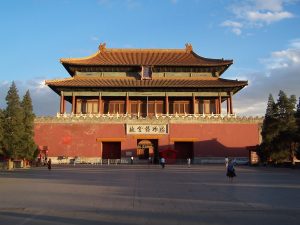 When having a travel to Beijing, The Palace Museum (known as the Forbidden City) is a must-see attraction. Before going there, just have a review on it from other visitors’ experience there.