Yangshuo: Top 7 Things to See & Do

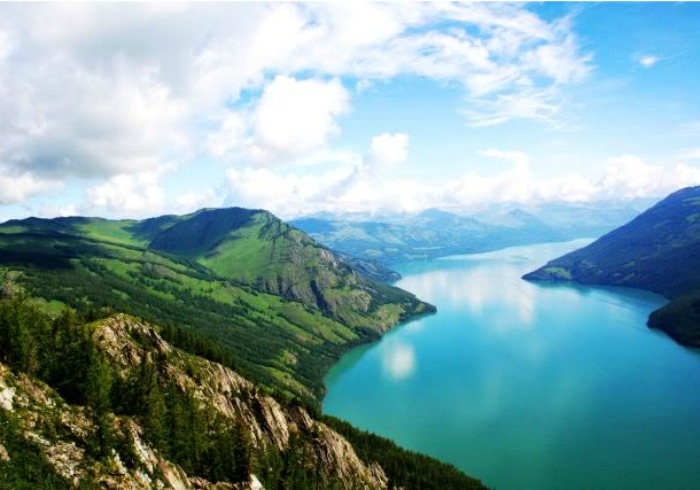
The Chinese regard Yangshuo’s postcard-perfect scenery as “the finest under heaven” rivalling that of even the Great Wall or Terracotta Army – it’s even been emblazoned on the 20 RMB note.

 –

While Yangshuo’s spectacular scenery may be famous, and popular with tourists, the local area remains rich with old world charm. Visiting the region feels like stepping into an ancient Chinese ink painting, a canvas rich with dreamy hues, characterized by towering jade green mountains, sleepy villages and fishermen upon winding rivers. Put simply, this is the wild heart of China.

Here’s 7 things you should see and do in Yangshuo.

Yangshuo: Top 7 Things to See & Do

Biking and Hiking

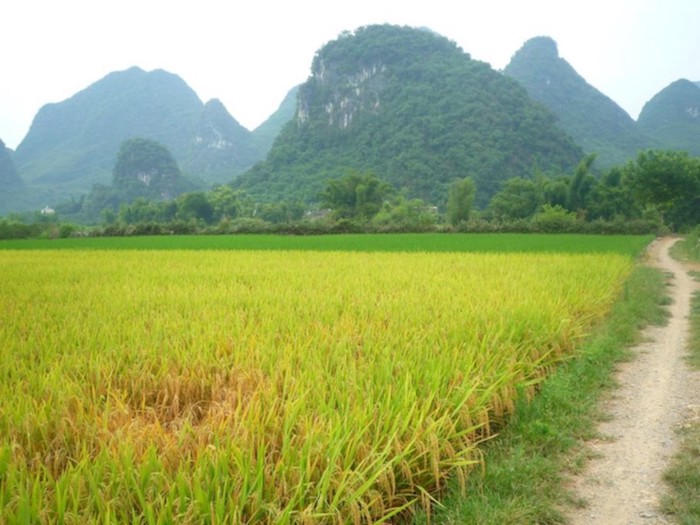
Visitors can easily leave behind the bussed-in tourist crowds and get closer to Yangshuo’s villages on two wheels. Out in the rural areas cars are few and roads are smooth, so biking about guarantees a one-of-a-kind adventure.

Visitors can pedal between the sleepy villages near Liugong, as the Zhuang people, Yangshuo’s prominent ethnic minority, move to the peaceful rhythms of the countryside.

Yangshuo: Top 7 Things to See & Do

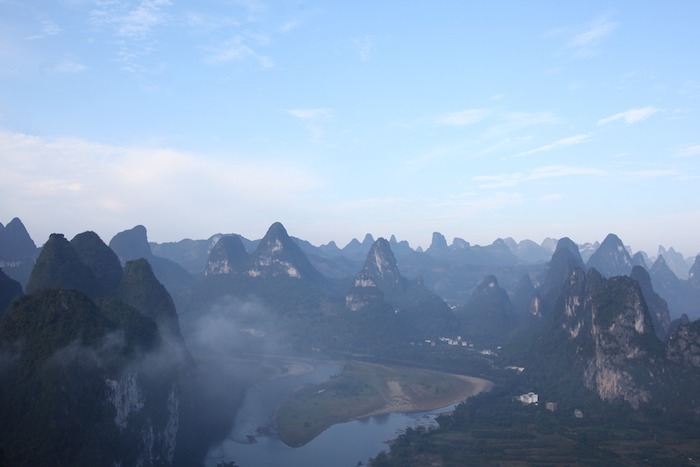
To hike up onto the back of Yangshuo’s karst peaks offers a unique perspective, as most only gaze in awe from below. At first these forested giants appear impossible to climb, but get closer and you’ll see ancient stone steps that lead to jaw dropping panoramas over mist-shrouded peaks and winding rivers.

When you travel with AsiaTravel, you’ll be led through the most off-the-beaten path trails as you bike or hike through the enchanting scenery on our Essence of China tour.

Chinese Cooking Class

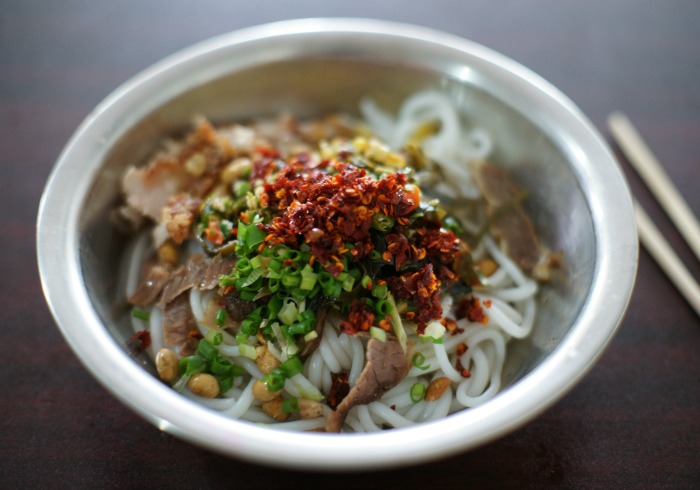
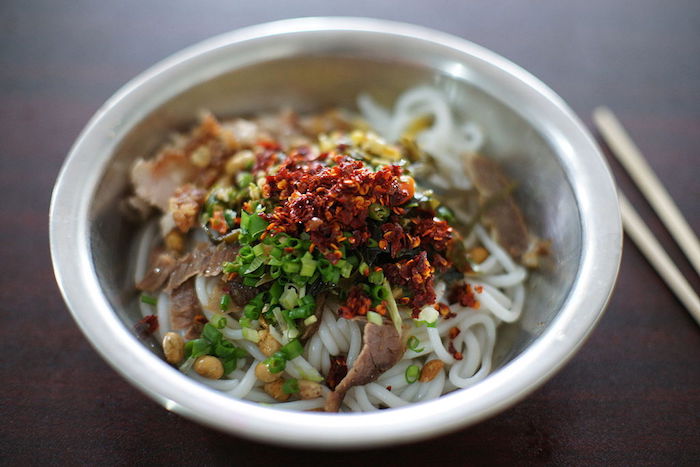
Cuisine in this region of China balances the flavors of its two-world famous neighbors – Sichuan’s volcanic cuisine and the fresh tones of Guangdong. A popular local breakfast staple is rice noodles, which provide just enough kick for a long day of sightseeing.

In Daxu, a 2,000 year-old town famous for its ancient crafts, visitors can stop by a local’s home and learn the art of making soymilk with nothing more than a stone wheel.

Yangshuo: Top 7 Things to See & Do

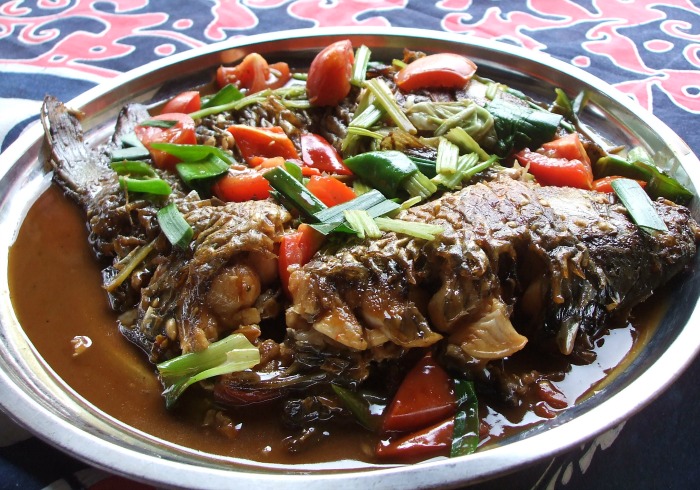
Classic dishes taught in Yangshuo cooking classes feature chicken, pork and a variety of seasonal vegetables. One of our favorites is  jiandan jiao, a simple but mouth-watering dish of steaming dumplings fried in egg.

Aspiring foodies can give their taste buds something to remember in a traditional cooking class taught by local chefs, and using only local ingredients. While you may be taking a break from the outdoors, this zesty cuisine is guaranteed to keep things hot. This one-of-a-kind experience is one of the many cherished moments you can get while traveling with AsiaTravel.  

Li River Cruise

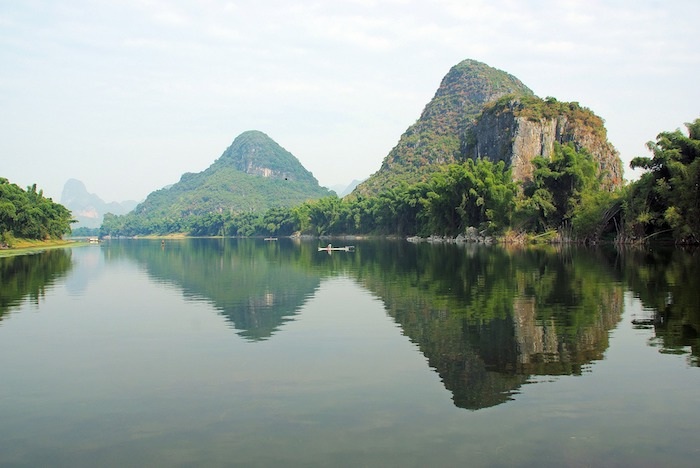
In this lush land of blue and emerald greens, one must-do activity is taking the world-famous cruise down the Li River.

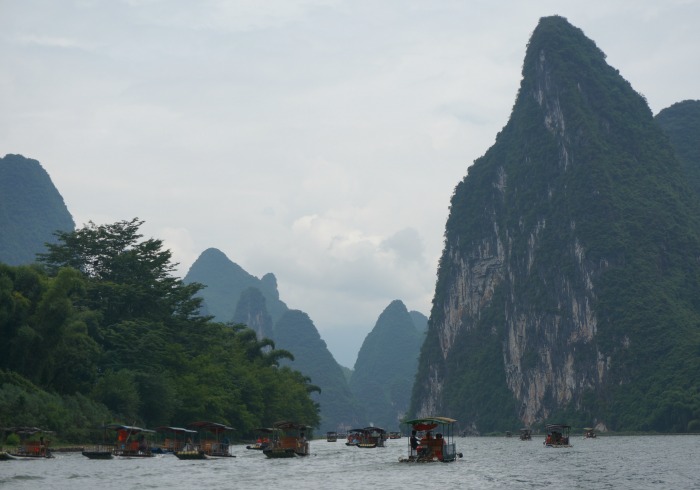
Visitors here are spoiled for choice, as they can enjoy the river from deck of a luxurious cruiser, or take a bamboo raft guided by a local raftsman.

Yangshuo: Top 7 Things to See & Do

While the latter may be slower, it does allow you to slip into the lazy pace of local life. Either way, spellbinding karst mountain scenery awaits visitors on both sides of the river – it’s no surprise that Yangshuo is one of China’s top destinations for newlyweds.

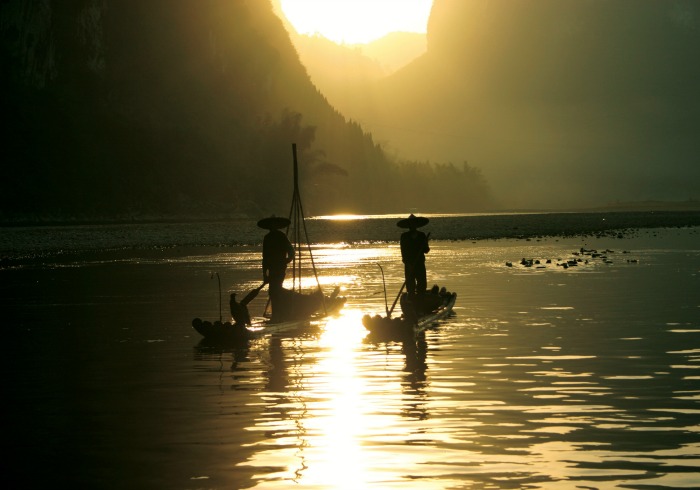
Add a signature AsiaTravel touch and continue your cruise down to the untouched, bucolic countryside around remote Xingping. This is especially beautiful at dusk when locals can be seen fishing with the help of cormorant birds.

Traditional Chinese Medicine House

Another AsiaTravel treat is a visit to a traditional Chinese medicine (TCM) house that is normally only open to the local Yangshuo people. The house’s owner is a licensed TCM doctor who has mastered the treatment of illness using traditional Chinese medicine techniques. 

We’ll arrange a consultation that is normally off limits to visitors. The doctor will feel your pulse, observe your face, check the coats of the tongue and use other TCM strategies for diagnoses. After your consultation, the doctor will suggest Chinese medicines to you from his drawers full of herbs and roots. Your AsiaTravel Guide will be with you every step of the way so you can ask questions to the doctor.

Tai Chi and Kung Fu Classes 

Channeling the natural surroundings into elegant movements, taichi and kungfu are the perfect activities to accompany the landscapes of Yangshuo.

Yangshuo: Top 7 Things to See & Do

On a AsiaTravel journey, you’ll be expertly led through the movements of kungfu or taichi by masters from a local school. These classes take place right next to either the Li or Yuelong Rivers where you can breathe the fresh local air and appreciate the majesty of Yangshuo’s mountains and rivers.

Landscape Painting Classes

With all the inspiring scenery, rediscovering your artistic side is a breeze, thanks to landscape painting classes taught by local professional artists that AsiaTravel will arrange for you. Use traditional Chinese horse or rabbit hair brushes and mo, Chinese ink, to paint the surrounding mountains and rivers onto delicate rice paper.

Yangshuo’s unique geological forms inspired countless poets and artists, embodying an artistic principle of lǜshuǐ qīngshān, meaning “Green hills and blue waters”.

Yangshuo: Top 7 Things to See & Do

Local calligraphy masters help visitors learn all about China’s intricate and mysterious written language with an introductory class to painting Chinese characters. Even if your work isn’t a masterpiece, you’ll leave with a newfound respect for Chinese students all across the country.

Impressions Liusanjie

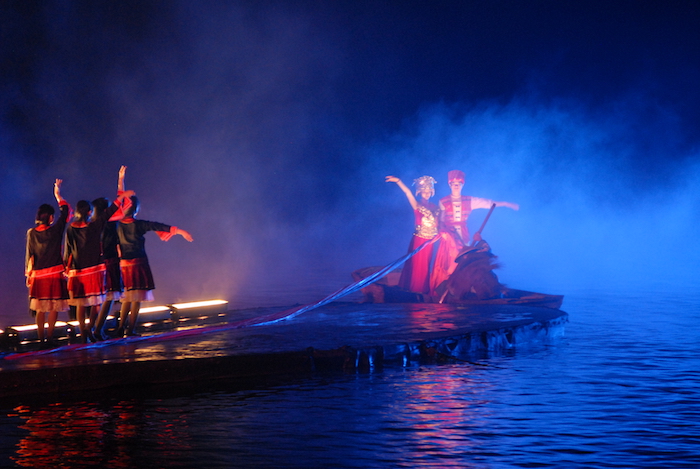
Humans and nature come together each evening with the mesmerizing “Impressions Liusanjie”, a choreographed masterpiece taken from Yangshuo folklore.  

Also known as “Liu’s Third Daughter”, the production features a six-hundred strong cast, and is directed by Zhang Yimou, the mastermind behind the Beijing Olympics opening ceremony.

Yangshuo: Top 7 Things to See & Do

It focuses on the fairytale of a simple peasant girl who used the power of music to defeat tyranny and discover true love. 

Rather than using an enclosed space, the performance takes place on the Li River. The misty karst peaks and the heavens form the world’s largest natural amphitheater, ensuring a unique experience according to the weather and season. Whatever the weather, its theme of man and nature living in harmony provide the perfect way to wrap up a day of marveling at China’s most dreamlike scenery. Don’t worry about booking your own VIP tickets. AsiaTravel will take care of all the details for you.

Get to the heart of China of our Essence of China tour, a unique highlights edit for first-time visitors. From the poetic karst peaks of Yangshuo to the glass and steel towers of cosmopolitan Shanghai, you’ll marvel at the many faces of contemporary China on this multi-sensory adventure.

Silk Road Tours: Our Insider’s Guide to the Top Destinations

Want to make like Marco Polo and explore some of the Silk Road? To help you start planning your voyage along this ancient trade route, we’ve compiled a list of our top destinations.

Despite its name, the Silk Road was in fact a network of countless roads, transporting different goods, ideas and people all across Asia. It’s no exaggeration that it helped lay the foundations for the modern world, by connecting China, Central Asia and Europe.

From its eastern terminus in the ancient Chinese capital of Chang’an – modern-day Xi’an – a mighty ribbon of routes coursed westward, through inhospitable desert, over snowbound mountain passes and vast central Asian steppe land, before reaching the eastern coast of the Mediterranean.

This is the route that Marco Polo took on his epic voyages across Eurasia, and now it’s your turn. Luckily it’s the 21st century and you don’t have to go it alone. On our Silk Road journeys, a local AsiaTravel guide will be with every step of the way, helping you connect with real people and experiences in an authentic and unforgettable way. Here’s how we help you make the most of your journey along this ancient trading route.

Silk Road Tours

Silk Road Tours: Our Insider’s Guide to the Top Destinations

Xi’an: Gateway to the Silk Road

This was where it all began, the capital of Chinese civilization for its first millennia. The city’s ancient walls and narrow streets hark back to a time when it was a hub of cultural, religious, and economic interaction between East and West.

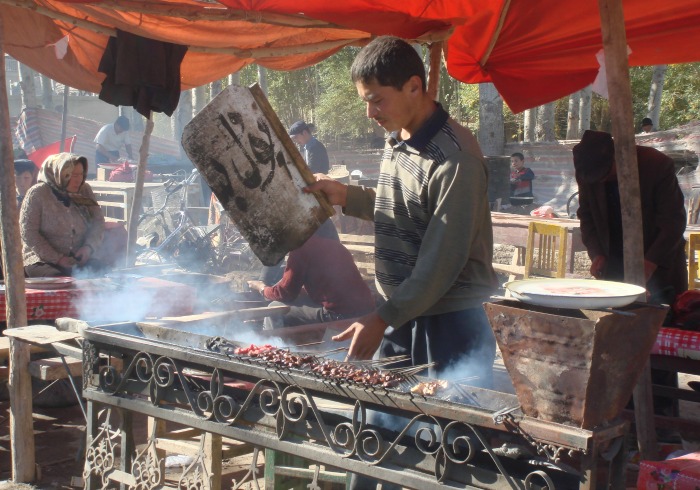
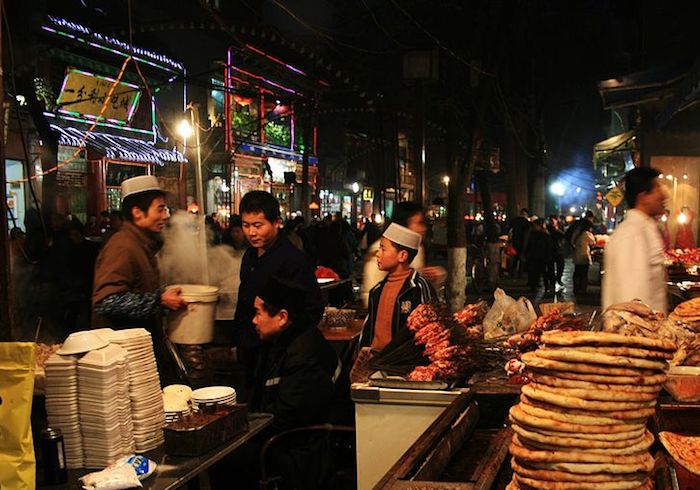
The Muslim Quarter is at the heart of the city’s Chinese-Muslim fusion, and Middle Eastern aromas waft throughout its tightly knit alleyways. Must-tries include lamb kebabs, mutton and bread stew as well as rou jiamo – China’s answer to the hamburger. All of our AsiaTravel Xi’an guides grew up locally so they will know where is best to stop and what delectable dishes to try.

Silk Road Tours: Our Insider’s Guide to the Top Destinations

Source: Batiste Pannetier via Wikimedia Commons

At nighttime, the Muslim Quarter becomes a melting pot of exciting colors, sounds and sights. Visitors can put their bargaining skills to the test with local Hui Muslim merchants and then grab some sizzling local snacks.

After you’ve filled up on local cuisine, escape to an oasis of calm at the Grand Mosque, which sports a fascinating blend of Arab influences alongside Chinese characteristics. Time permitting, AsiaTravel will arrange for you to join in on the daily prayers of the local people and meet with the imam, the leader of the prayers.

If you want to be led by an experienced local guide on a trip that is customized to fit your needs, consider planning a Xi’an Warriors and Emperors tour.

Dunhuang: Blazing Beacon

Dunhuang is a prosperous oasis town on the edge of the Gobi Desert. Its name literally means ‘blazing beacon’ because it was once situated at a crossroads between Chinese civilization and the perilous, ungoverned lands that lay beyond.

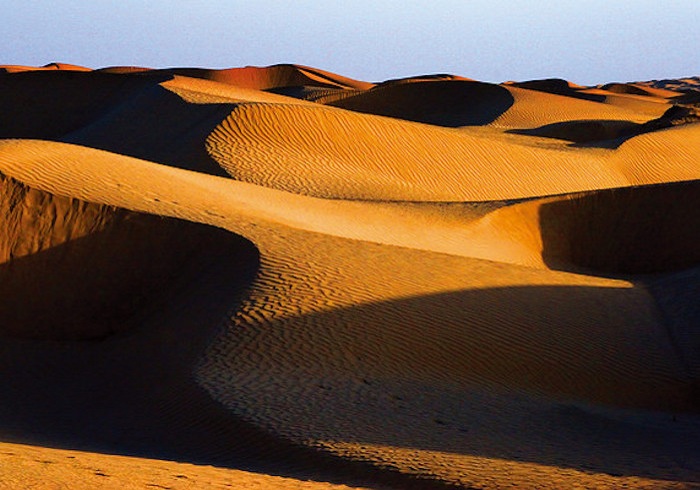
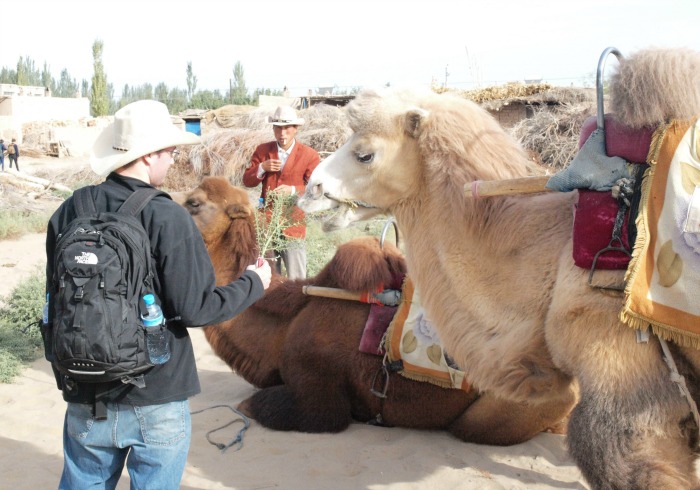
One of the best ways to feel the essence of the Silk Road is by riding its main vehicle – the camel train – into the Gobi desert. On camelback, visitors can scale 300-meter sand dunes named the “rumbling sands”, and listen to them roar in the wind. Then watch the sun set over Crescent Moon Lake, a fresh water oasis thought to have existed for over 2,000 years.


Silk Road Tours: Our Insider’s Guide to the Top Destinations

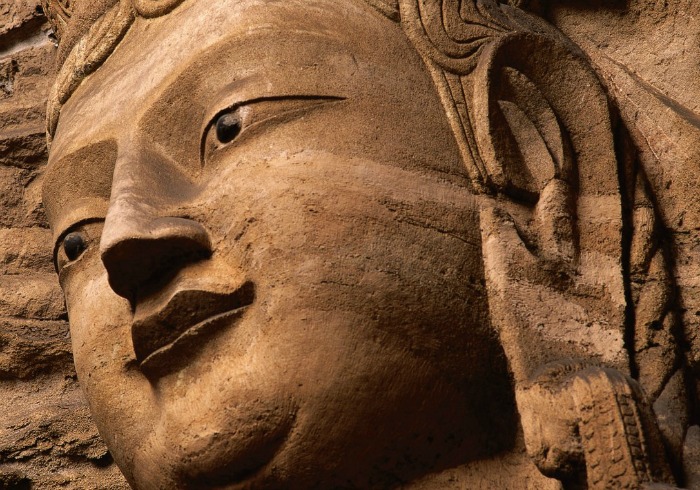
Located just 25km from Dunhuang city, the countless frescoes, sculptures and terracotta statues that fill the Mogao Caves make up the world’s biggest collection of Buddhist art. What remains today is outstanding, and history lovers can trace the development of the Silk Road from 400AD as they move between the caves.

As always, when you travel with AsiaTravel you’ll do Dunhuang the VIP way. Enjoy private access to caves normally closed to the public accompanied by AsiaTravel Expert Director Wang, the director of the Dunhuang Academy. This experience is sure to sing to the archaeologist and adventurer in you.

Turpan: China’s Death Valley

Turpan is located in one of the driest places on earth, however, the city’s ideal position along the Silk Road turned it into a thriving desert outpost, and today it is peppered with fascinating historical relics.

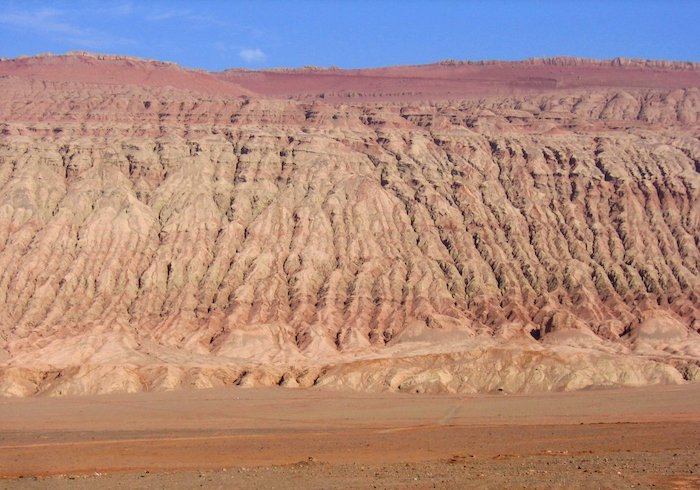
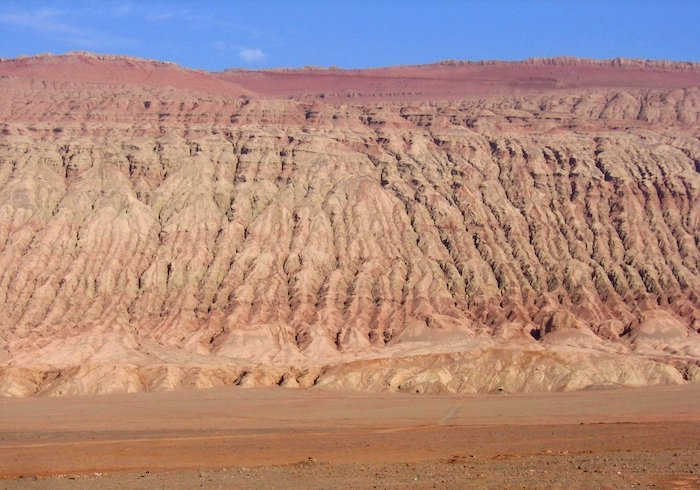
The Flaming Mountains are a range of scorched peaks on the edge of the Taklimakan Desert. Here temperatures can climb to a blistering 160 degrees Farhenheit during summer time, giving the region the “death valley” title it is famous for.

Silk Road Tours: Our Insider’s Guide to the Top Destinations

Source: Colegota

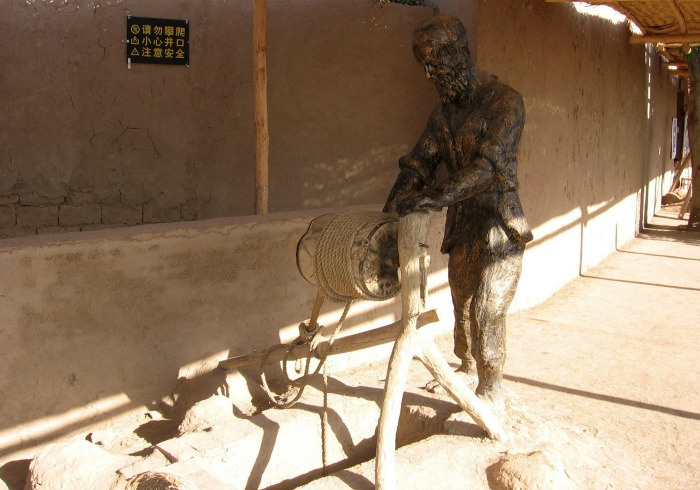
In Turpan you can discover the Karez System, an ingenious method of irrigation that locals used to bring water and prosperity to this once-barren region. Through deep underground canals, the downward flow of groundwater into the Turpan depression could be harnessed, which was then used to create the city’s famed fruit orchards. It quite literally made the desert bloom and a lot of the system is still in use today.

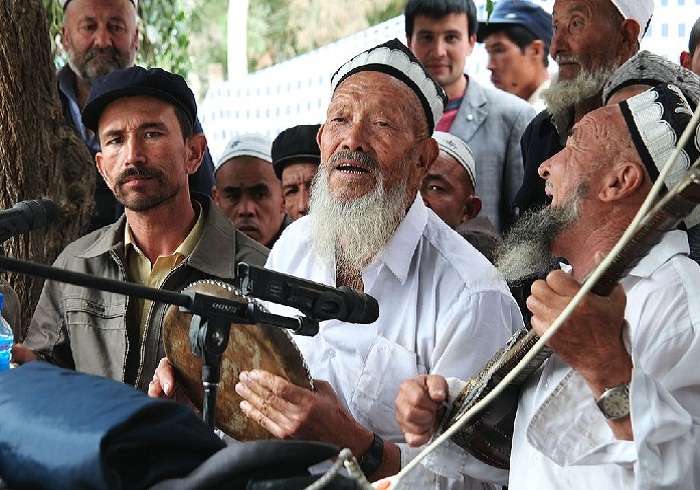
This region is the heartland of the Uighurs, a 10-million-strong group of ethnically Turkic people, many of whom follow Islam, and continue to follow their unique cultural traditions.

If you travel with AsiaTravel, we’ll invite you into a local Uighur household where you can taste the region’s signature juicy grapes. That’ll be sure to quench your thirst after a long day out in China’s Death Valley. Get to know more about Turpan with our guide, Five Things to do in Turpan.

Kashgar: the Silk Road Lives On

Kashgar is China’s westernmost city, and with a look and feel so similar to central Asia that you may wonder if you’re in China at all. It was even used as a stand-in for Kabul during the filming of “The Kite Runner”.

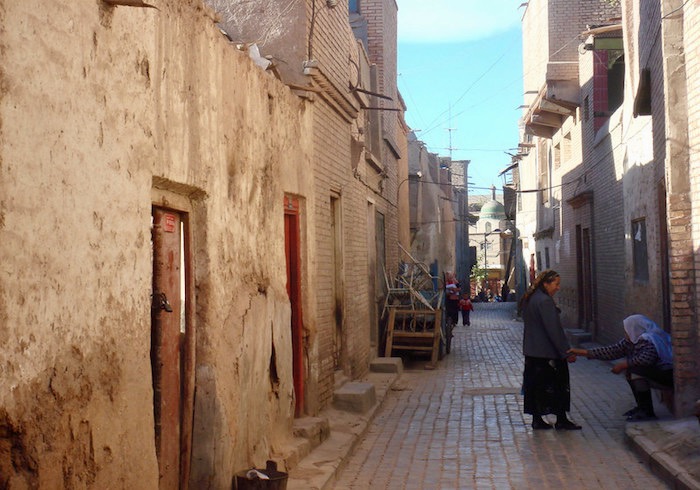
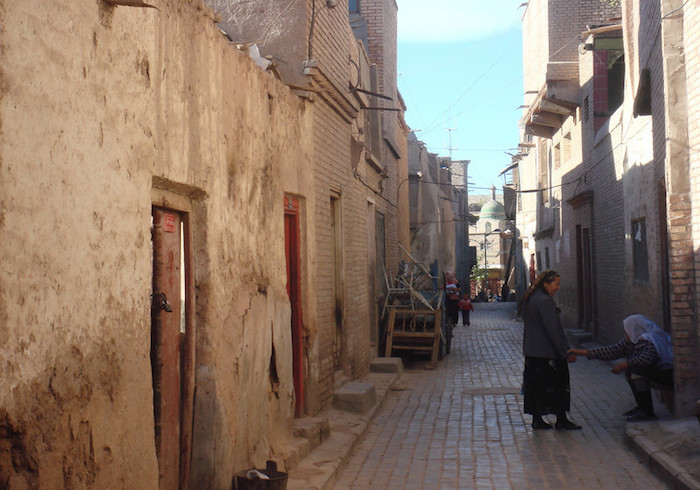
Here visitors can get lost in the fast-disappearing Old Town, a maze of tight alleyways, chancing upon Uighur workshops and 500-year-old mud brick dwellings. 

Silk Road Tours: Our Insider’s Guide to the Top Destinations

Source: AsiaTravel

A riot of sounds and smells can be found at the Sunday Market, which sees hordes of traders descend upon the town, to haggle over seemingly anything with four legs – camels, donkeys, sheep, cows or horses.

Our expert, local guides are the perfect companion as you wander down these ancient alleyways. They’ll be able to introduce you to the local people, strike up spontaneous conversations, and barter for rare Xinjiang carpets.

Trade continues to thrive in Kashgar today, as it has in centuries past, and visiting here feels as if the Silk Road lives on.

Feel the weight of history as you follow in the footsteps of that legendary European adventurer, exploring the multicultural mosaic of people and awe-inspiring landscapes along Marco Polo’s Silk Road tour.

Turpan: Five Things to Do in China’s Death Valley

Labeled as China’s very own Death Valley for its scorching heat and dry landscape, Turpan is actually very much alive with a vibrant ethnic minority culture, China’s equivalent to Mecca, and deserts that bloom.

Located in western China’s Xinjiang Province, Turpan lies around 150 meters below sea level and receives just 4 centimeters of rainfall each year – making it one of the lowest and driest places on the earth’s surface.

Despite this, the city’s ideal position on the ancient Silk Road made it a thriving outpost and melting pot of peoples from all across Asia. Islam has had a strong influence on the region and the ethnic minority Uighur people have inflected the land with their unique blend of Muslim and Chinese influences. This legacy has blessed Turpan with abundant historical relics.

We’ve picked out five attractions that every visitor to the region must see.

What to Do in Turpan

Emin Minaret

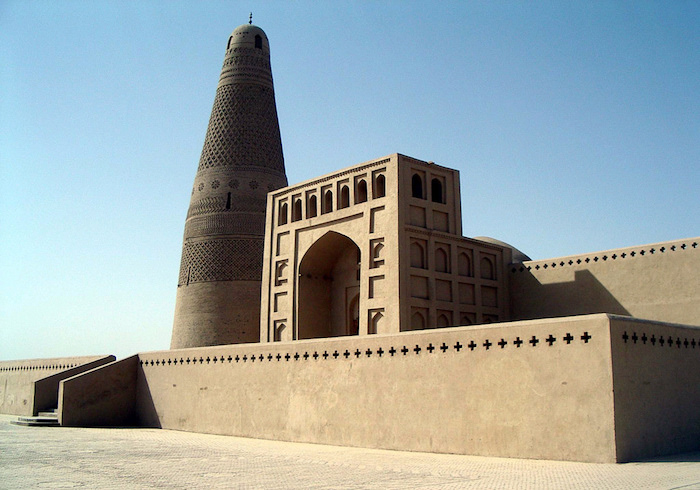
The cone-shape of Emin minaret, or Émǐn tǎ in Mandarin, makes a striking addition to Turpan’s skyline. First built in 1777 during the time of the Qing Dynasty, the minaret was created in honor of Emin Khoja, who with the help of Qing forces wrestled back Turpan from the Dzungar Mongols.

Turpan: Five Things to Do in China’s Death Valley

Source: Ian Burt

While he never lived to see it complete, it stands today as a (rare) 44-meter monument to cooperation between Han Chinese and the native Uyghur ethnic group. Emin Minaret continues to attract scores of visitors and worshippers each day, with an eye-catching blend of Chinese and Islamic architecture.

Being on the outskirts of the city, it is a short 3km trip by taxi, by bike or on foot. While traveling with AsiaTravel, we can help you to organize a two-wheeler so you can get a real feel for the architecture, culture, and people of Turpan.

Jiaohe Ruins

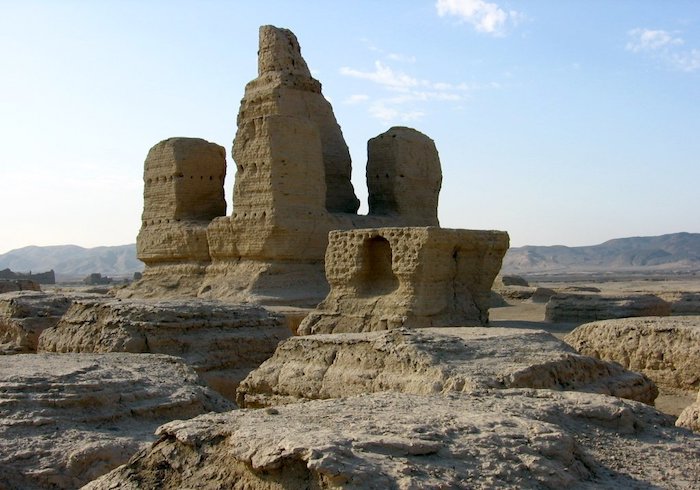
Also known as Jiāohé gùchéng, these ruins are undoubtedly one of the world’s oldest and best-preserved ancient cities, and now an important UNESCO World Heritage Site.

Turpan: Five Things to Do in China’s Death Valley

Source: Colegota

This lost city has witnessed the ebb and flow of different empires and religions, and at one point housed some 7,000 people. Yet when Genghis Khan and his Mongol army reduced the city to rubble sometime after 1209, it was quickly abandoned.

The ruins are home to a “Stupa Grove” of 100 or so Buddhist pagodas, offering a reminder of Buddhism’s earlier influence in Xinjiang. Starkly beautiful, the ruins have a haunting quality, with all life drawn from them by the ravages of time and the scouring winds of central Asia.

Toyuq Village

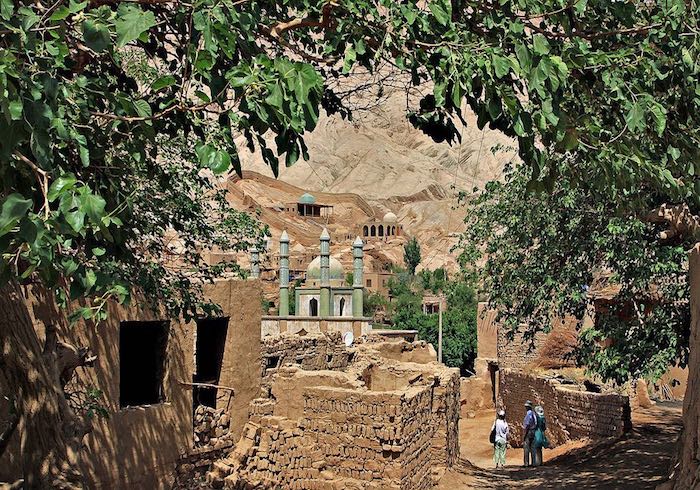
Set in a lush valley that cuts a green path through the bone-dry peaks of the flaming mountains, Toyuq, or Tǔ yù gōu, is a key site of pilgrimage for Xinjiang’s Uyghurs. Nearby tombs contain the remains of – reputedly – the first Uyghur to convert to Islam. Seven trips here are said to equal one trip to Mecca.

Turpan: Five Things to Do in China’s Death Valley

Source: Allen Grey

A sandblasted mosque, simple sandstone houses and cave dwellings possess a timeless quality, and the village’s very hospitable locals ensure ample opportunities to immerse yourself in authentic Uighur culture.

If you travel with AsiaTravel, you’ll even have the opportunity to lodge in a local Uighur household. Be sure to sample the village’s famous grape harvest where a bumper crop of succulent grapes will quench your thirst after a long day in the sun.

Flaming Mountains

The Flaming Mountains are a range of bright red sandstone peaks known by locals as huǒyàn shān. True to form, the peaks can reach temperatures of 70 degrees Celsius during summer time, making it one of the hottest places on earth and living up to the “death valley” title the region is famous for.

Turpan: Five Things to Do in China’s Death Valley

Source: Colegota

With heavily scarred slopes, the mountains give off the look of dancing flames. They were thrust into popular imagination by the classic Chinese novel Journey to the West, in which the monkey king uses a magic fan to extinguish a fire upon the mountains and safely continue his voyage westwards.

China’s largest thermometer presses home how brutal the heat can be here – the soles of your shoes may soften, and you can even try frying an egg in the scorching sands.

Karez System

The Karez system, or Kǎn’erjǐng, is an ingenious underground irrigation system that brought water and prosperity to this parched region. It quite literally made the desert bloom.

By harnessing the flow of groundwater from the nearby Tianshan Mountains into the Turpan depression, water could be gravity-fed through a network of deep canals. Once stored in underground reservoirs it could then be distributed to locals, ensuring a year-round supply for agricultural settlements.

Turpan: Five Things to Do in China’s Death Valley

It’s regarded as one of the three great projects of ancient China, alongside the Great Wall and Grand Canal. Testament to their ingenuity, many of the canals are still in use to this day, and the local museum lets you explore this fascinating feat of engineering that made Turpan what it is today.

Regardless of its moniker, Turpan continues to live on, with a multicultural mosaic of people and awe-inspiring landscapes that await your arrival.

Interested in the many sights of China’s Death Valley, Turpan? Take your curiosity a step further on our Marco Polo’s Silk Road tour where you’ll be able to eat a home-cooked meal with an Uighur family and travel through the desert on camelback.

Five Surreal Landscapes in China

Europe may have been the birthplace of Surrealism but China boasts more fantastical landscapes than the likes of surreal artist Salvador Dali could shake a paintbrush at.

A gravity-defying landscape that inspired the creation of an alien world, glistening rice terraces that form a stairway to heaven or a place that appears as if it’s been lifted straight from the canvas. Welcome to China, a country home to scenery that will push the limits of your imagination.

Five Surreal Landscapes in China

Zhangjiajie

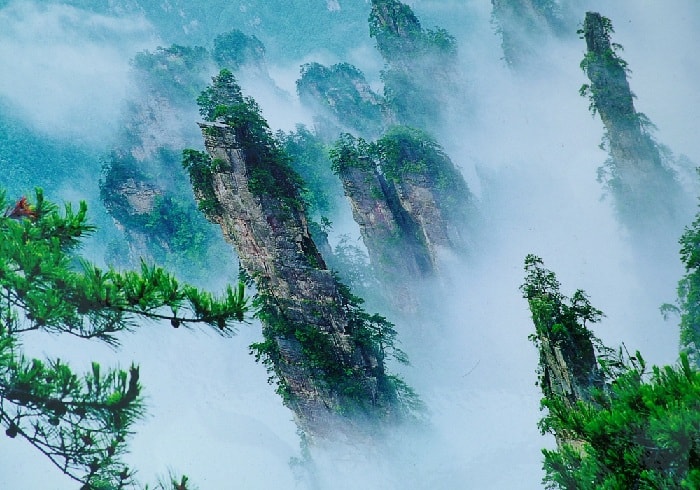
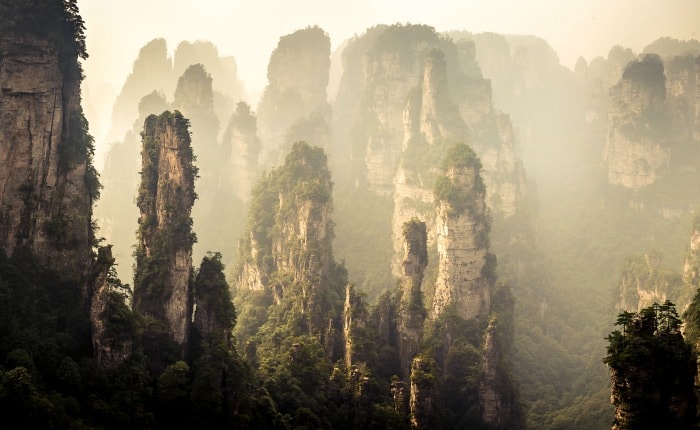
Blue skinned aliens, living in harmony with nature among floating mist-wreathed pillars of rock – this is (reputedly) what the director of blockbuster movie Avatar imagined when he first saw Zhangjiajie in central China’s Hunan Province.

Daybreak offers the most wondrous scenes, as morning mists play about the park’s 3,000 sandstone pillars, giving them a gravity-defying appeal.

Five Surreal Landscapes in China

Hiking through canyons brings visitors close to the park’s macaques, deer and leopards. Rafting and exploring its many caves gives visitors a sense of just how wonderfully unique this place really is.

No stranger to superlatives, Zhangjiajie hosts the highest outdoor elevator in the world, alongside the world’s highest and longest glass bridge, strung a whopping 360 meters over a gorge.

Easily enjoyed in two days, consider China’s Avatar Mountains for an otherworldly weekend adventure.

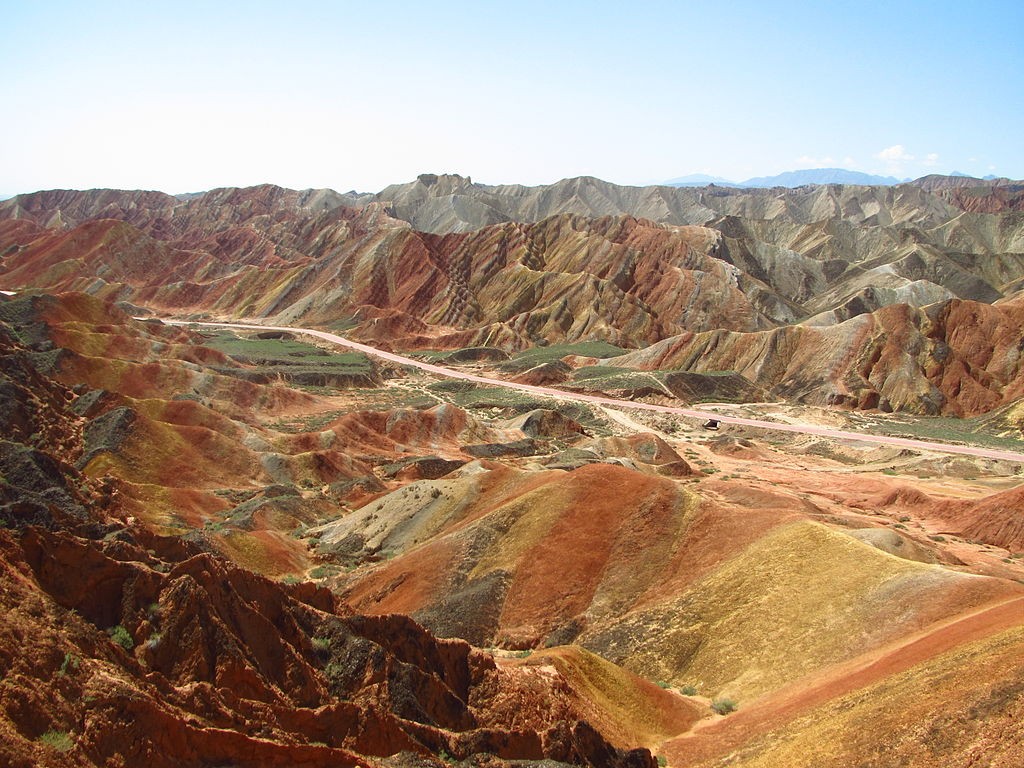
Danxia, Gansu

The unique pork-stripe ridges of Danxia in northwest China’s Gansu are guaranteed to mesmerize, cooked to perfection under the cloudless skies of Gansu province.

Made from layers of sandstone that once lay upon an ocean floor, several million years of geological upheaval and exposure to Gansu’s arid climate have carved out what the Guardian calls “China’s rainbow mountains”.

Five Surreal Landscapes in China

Source: via Wikimedia Commons

Visiting during summertime is recommended, as the geo-park’s rich hues stand out against yellow fields of rapeseed, green mountains and blue skies.

A visit before sunrise or sunset sees the peaks burst into flame, a dazzling kaleidoscope of color, texture and tone.

Contact us about arranging a trip to China’s rainbow mountains.

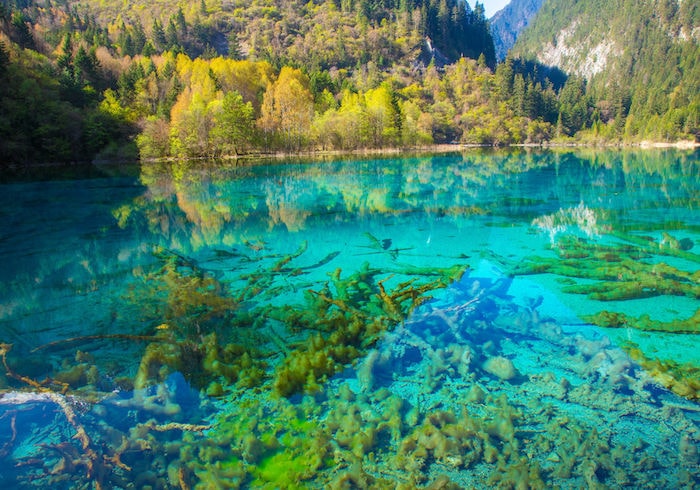
Jiuzhaigou, Sichuan

We’re not blaming you if you mistake Jiuzhaigou for the European Alps or American Rockies – the likeness is uncanny.

Here you can find rushing falls emptying into crystal-clear turquoise lakes, backed by hillsides coated in tall, proud evergreens and framed by snowcapped peaks. Jiuzhaigou offers untouched, natural China at its very best.

Five Surreal Landscapes in China


Unsurprisingly, these hills and mountains are home to China’s richest spread of flora and fauna, from snub-nosed monkeys to the recently reintroduced giant panda, making this a relative Garden of Eden for David Attenborough types.

During autumn, the park’s evergreen trees burn bright orange in their last dance to the summer sun. Hiking trails, horse treks and camping offer ample opportunities to enjoy the season’s greatest spectacle.

Now that the Ritz Carlton hotel chain has opened up a new location in the park, China’s answer to the Alps can be enjoyed in luxury. Join us on our Sichuan’s Natural Wonders tour.

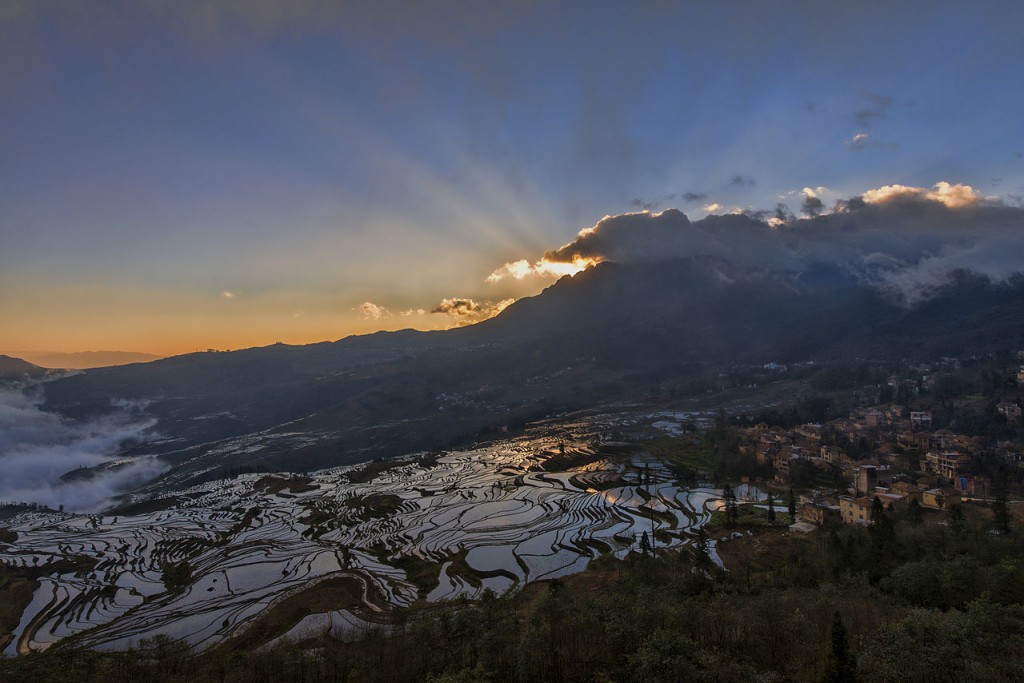
Yuanyang Rice Terraces, Yunnan

Situated in remote southwest China, Yuanyang may be off the beaten path, but it should be on everybody’s itinerary. Here’s why.

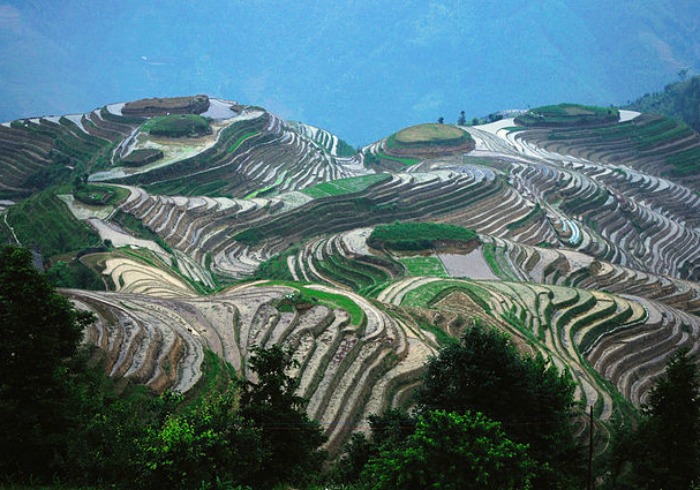
During winter, the region’s thousands of rice paddies fill up with water, creating awe-inspiring reflections; resembling a shimmering stairway to heaven.

Five Surreal Landscapes in China

Source: Wikimedia Commons

This spellbinding landscape can be explored easily on foot, where wallowing water buffalo and rice farmers still go about business in time-forgotten fashion.

Visitors can stay the night in a local minority village, before getting up to see the sunrise and mists dance over this unmistakably Chinese vista.

What’s more, Yunnan Province is now better-connected to the rest of China, thanks to a new high-speed rail link from Shanghai, which has reduced journeys to just ten hours.

Let’s get planning your trip to Yuanyang!

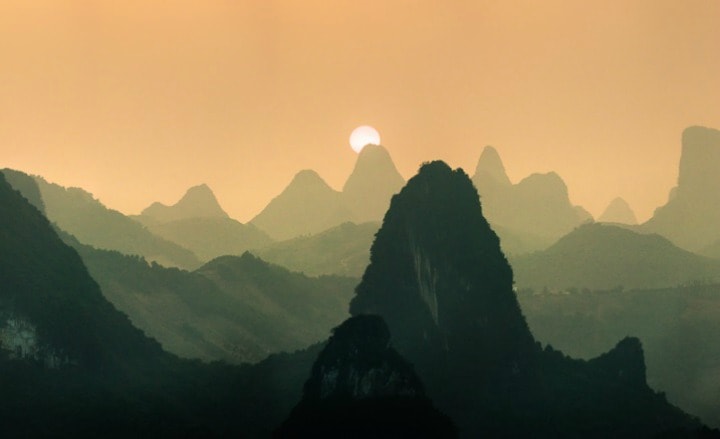
Li River, Guilin

We challenge you not to fall in love with Guilin’s postcard-perfect scenery; regarded in China as “the finest under heaven”.

Meandering down the Li River aboard a bamboo raft, past dreamy jade green peaks or seeing locals fish at dusk near Xingping offer some of the most idyllic and romantic scenes in all of China.


Five Surreal Landscapes in ChinaSource: Carlos Adampol Galindo via Flickr
Riding a bike is the perfect way to get into gear with Guilin’s laid-back tempo, while hiking up onto the backs of the region’s green giants provides a unique perspective from above, rather than below – as most visitors see them.

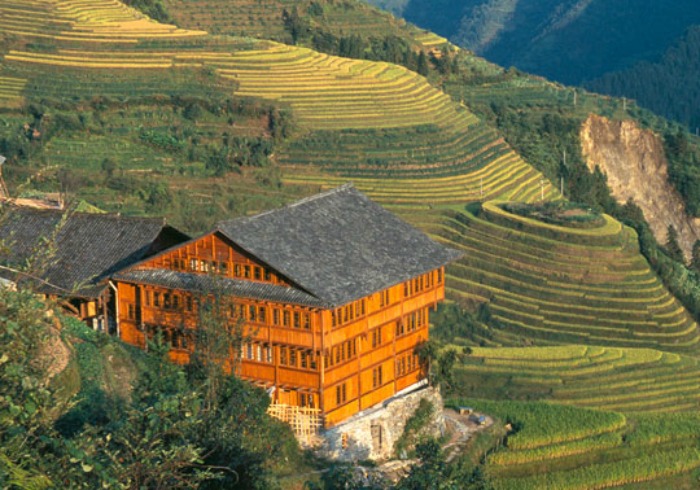
Furthermore, nearby Dragon’s Backbone Rice Terraces offers sublime trekking through China’s agrarian past.

See for yourself with our Old Country Living tour, ranked by National Geographic Travel as “Tour of a Lifetime”. You won’t be able to keep your hands off your camera.

Want to see these surreal landscapes come to life? Speak to us to start planning an unforgettable trip into China’s most surreal landscapes.

Interview: Ryan LaBar, Ceramic Artist

Jingdezhen was the world’s undisputed capital of porcelain for nearly 2,000 years, yet it lay forgotten until the late twentieth century. Now, thanks to redevelopments and a new generation of artists, new life is being breathed into the very place that gave China its name.

Jingdezhen rose to prominence during the Han Dynasty (221–206 BC), crafting fine porcelain ware for China’s emperor and imperial court. Despite their efforts to keep the place secret, fine porcelain found its way onto the Silk Road, and became treasured across the world – at one point, fine china was valued over gold.

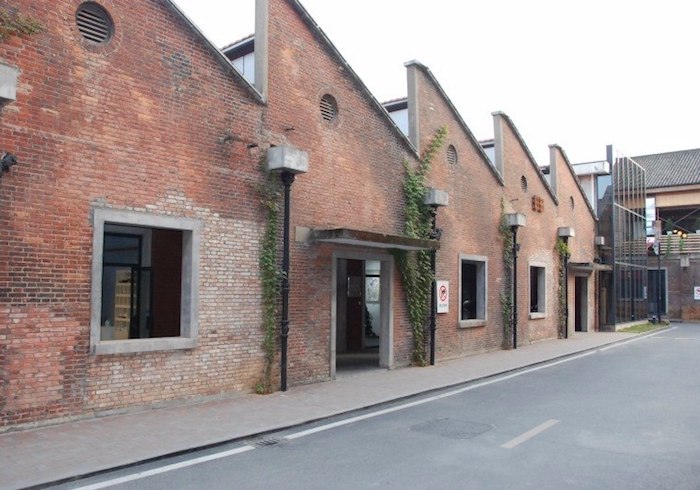
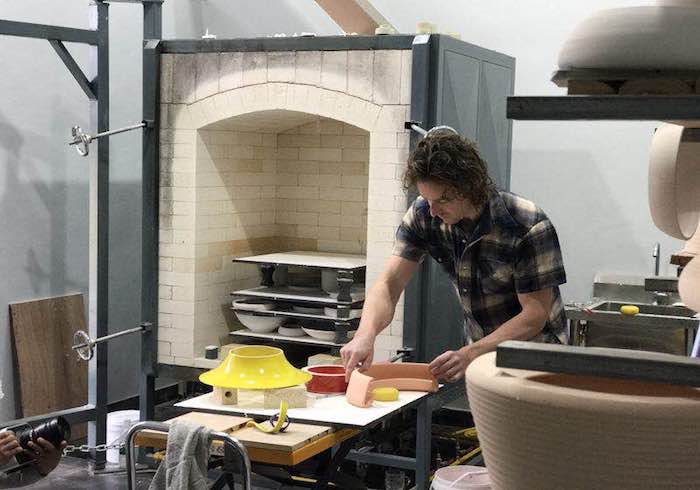
In the last decade, Jingdezhen has risen from the ashes, with renewed interest and increasing numbers of artisans learning the fine craft of porcelain making. These include American ceramic artist Ryan LaBar, who has set up a workshop in Taoxichuan, a bustling arts community at the heart of Jingdezhen’s rebirth. Ryan LaBar is a Pékin Fine Arts represented artist.

Interview: Ryan LaBar, Ceramic Artist

Source: Ryan LaBar

Ryan gave us the lowdown on his work and the city’s contemporary arts scene.

Could you tell us about yourself and your work?

I came here in October 2015, as Taoxichuan was being built and I was invited to work at the International Studio. I then saw the scope of the project, as it was developing for the two months that I was initially here for. I decided to build a studio here because the project was really strong, and the cost of living in Jingdezhen is incredibly cheap compared to Portland, Oregon where I was coming from.

I went to school as an undergraduate to be a doctor, but I realized that wasn’t my passion. So I set out redefine myself by doing something that I truly liked: throwing pots. I slowly developed my work through a series of investigations, experiments and failures.

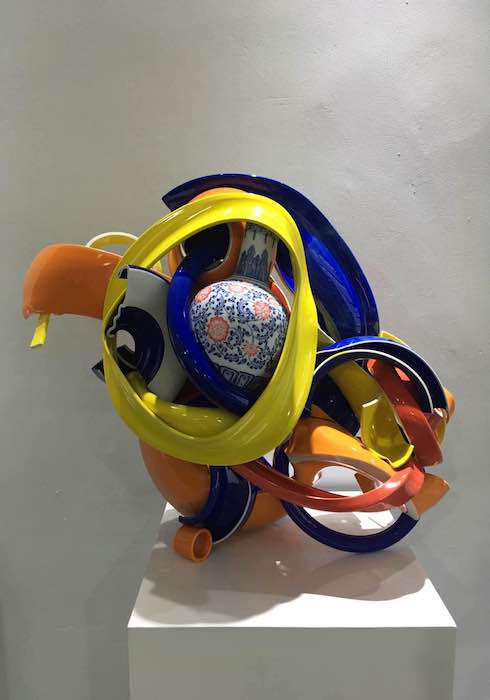
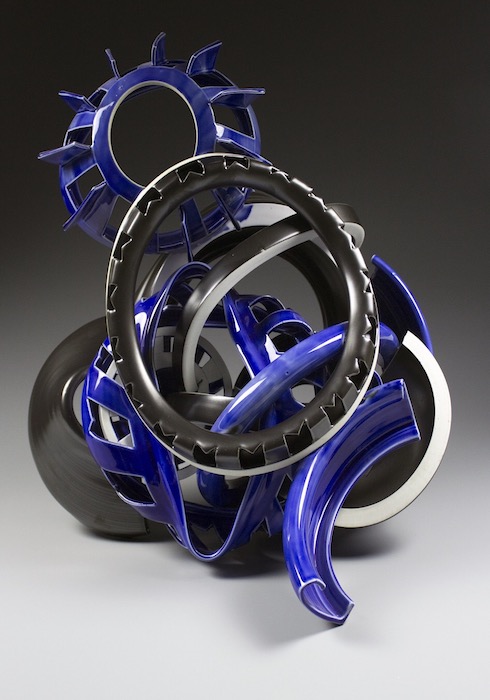
My work comes from a somewhat reductionist way of thinking, which is a way that many biologists look at the world, as they look at the complex systems they break them down into understandable parts. So my work is somewhat like that, I create seemingly complex pieces of work that I consider compositions, more like structural compositions. They’re based on putting small parts together to create a whole.

Interview: Ryan LaBar, Ceramic Artist

Source: Ryan LaBar

What drew you to Jingdezhen?

Part of the reason I’m here is to create a new dialog and open up a fresh perspective in the international ceramics scene. I’m coming to Jingdezhen to show what is possible using traditional materials and techniques, within the mother city of tradition and porcelain; I’m being met with open arms. People are excited to see new work and potential.

Everyone within the field of ceramics knows that China was named after the fine china that was created in Jingdezhen. So I feel like a son returning home to his mother. The history of china and porcelain is very important to me. It attracted me to Jingdezhen, to feel the history, and I’m very much attracted to places that have a creative energy. I consider Taoxichuan a dry riverbed that now water is flowing through again. I feel that energy and flow, and that inspires me everyday at work. So Jingdezhen from a historical perspective and the creative potential that exists, and the fact that it’s economically feasible, all of that drove me here.

As a foreign artist, how do you incorporate Jingdezhen into your work?

I’m working on west meets east, so I’m taking these traditional Chinese vases, that are kind of tchotchke (kitschy souvenirs), so they look like old vases from the Ming Dynasty era, but they’re slip casted and manufactured in quantity, and are very cheap, like 30RMB. I use that as one of the elements in the sculpture, and so my sculpture is wrapping around this old Chinese object that represents the history of ceramics and where it’s come to in the modern time. My work is literally strangling it, embracing it, or just melting and working with it.

Interview: Ryan LaBar, Ceramic Artist

Source: Ryan LaBar

How has Jingdezhen’s history as the porcelain capital of China impacted the contemporary art scene?

That’s an investigation that I’ll be pursuing forty years from now. I don’t think there is very much contemporary art here. But there’s always a sense of marketability here that’s getting in the way of progressive, contemporary ideas. People keep asking me “How can you make this work here?” because no one sees this of value. Their value structure is based on centuries of tradition, which is the quality of glaze.

I haven’t really been moved by contemporary art here, and I hope to be part of creating a contemporary dialog in Jingdezhen. I’m also aware that in order to attract people that are interested in porcelain you have to adhere to some of those traditional value structures. I still value that sort of pristine glaze surface, the technicality of throwing and stuff like that. So for me to use that familiar tchotchke vase, that Ming Dynasty rip-off presents something familiar, and traditional. I think that that is to recognize the existing language and then bring your own language into it, somehow reconciling the two.

I wouldn’t be here if there wasn’t potential for revitalization. I think that the market for contemporary ceramic ware embracing the dialog of traditional ware, has an opportunity here.

How can you see the local scene evolving?

Jingdezhen is a very special place. Right now there is so much outside interest, and the government is helping create all these building projects. They’re putting a lot of attention into Jingdezhen because of its history and China’s namesake is in this city.

Jingdezhen’s getting a facelift, and a lot of people are aware of it. It seems like Jingdezhen is attracting a lot of outside money, and I’m witnessing it, being at the heart of this huge project at Taoxichuan, that I think is at the pinnacle of Jingdezhen’s revitalization. The level of quality that’s gone into this factory area is unlike anything I’ve ever seen, it’s done well. If this is the standard for projects in Jingdezhen then I can’t imagine what Jingdezhen will be like in ten years’ time.

What does the future hold for you?

It depends on what I love doing, which is to sit down at the potter’s wheel. My studio practice is my main drive, and so hopefully I can continue doing this. The more that I can use these projects to populate a dialog, the better. I also show my work in Beijing, Shanghai and Hong Kong, and do talks and workshops around East Asia.

I hope that as I continue my practice, I get more interested parties, and projects that will push me beyond my comfort zone. That will push my work to areas that are beyond what I can think of right now.

Interview: Ryan LaBar, Ceramic Artist

Why would you recommend that people visit Jingdezhen?

To me in Jingdezhen there is a place that’s more “China” than the larger cities. It’s like backcountry China. So as far as attracting tourists here, not only because of its ceramic history, there’s a real China here, and the landscape is beautiful. There’s Sanbao Valley here that’s exquisite, and you’re minutes away from beautiful scenery.

You’re steeped in this juxtaposition of old and new China, so I think it’s a really valuable time for people to visit Jingdezhen to see how it’s changing. Here in Taoxichuan they have strict rules about preservation, somehow keeping the integrity of the old, and to me this is a good sign of the value that’s being placed on the history of China and keeping the culture alive and memorable, but at the same time giving it new breath. So when I say it’s a dry riverbed, they’re not creating a new river, they’re just filling it back up with new water. The old riverbed and beaches are still there, the stratifications that the river has created throughout the years are still visible.

Watch skilled craftsmen sculpt, paint, and fire delicate porcelain wares once fit only for emperors on our Jingdezhen: the Art of Porcelain tour. You’ll also hike into the mountains that once provided the precious clay for the workshops and visit Tao Xi Chuan District yourself.

How to Choose Authentic Jingdezhen Ceramics

In the heart of Jiangxi province, the city of Jingdezhen represents the gilded age of Chinese porcelain making, where for centuries emperors sought the creations of craftsmen from its lands.You’ve probably heard of ‘fine china’ and here is where it got its name! We’ve created a guide to help you choose real, handmade, and authentic Jingdezhen ceramics.

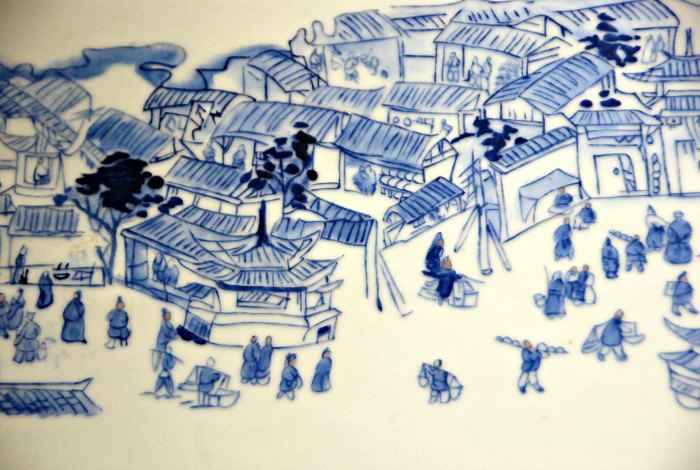
Located in northeastern Jiangxi, the city of Jingdezhen has reigned as the “porcelain capital” of China for close to two millennia. Surrounded by ample natural reserves of pure kaolin, the main ingredient used in pottery clay, the city began producing ceramics as early as the Han Dynasty (221–206 BC). By the Song Dynasty (960-1279), Jingdezhen had turned into a hotbed of workshops and kilns that specially created porcelain ware for the emperor and the imperial court.

How to Choose Authentic Jingdezhen Ceramics


Although the imperial court tried to keep their find a secret, the porcelain trade flourished along the Silk Road through the dynastic ages till the Cultural Revolution put a pause on things. It is only throughout the past decade that artisans have begun to re-learn the trade.

Unfortunately (as with all great things), the city regaining its status as the country’s porcelain capital has meant that some vendors try to pass off low quality, fake ceramics as auction-worthy pieces. Here are our tips for distinguishing the authentic items.

How to Choose Authentic Jingdezhen Ceramics

Wikimedia Commons

How is Jingdezhen porcelain made?

Before you can distinguish the real from the not-so-real, you first need a basic overview of how Jingdezhen ceramics are made.

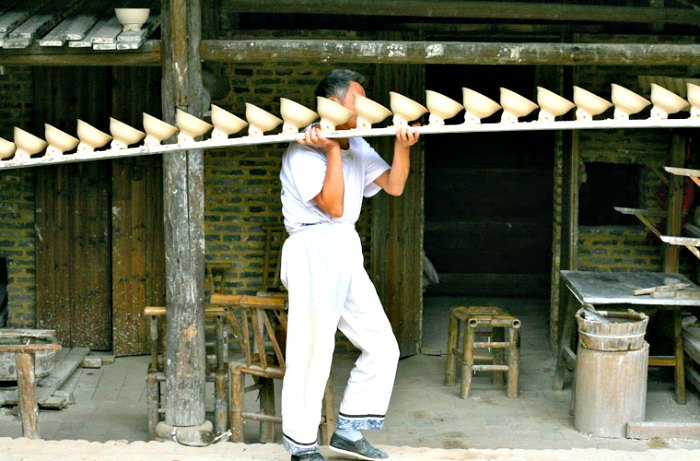
The traditional way of making Jingdezhen porcelain is a lengthy process that begins with the mining of kaolin and white stone, which is then pulverized and purified with water into a homogenous, muddy texture. Care is given to remove foreign particles or loose paste as these would cause flaws in the porcelain. The prepared paste is then press-molded on a potter’s wheel, where it changes shape in the artisan’s hands, lengthening or shortening, contracting or widening, in a variety of shapes.

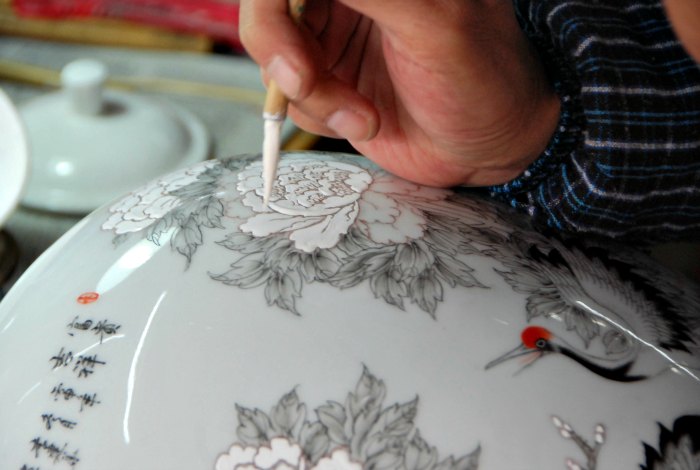
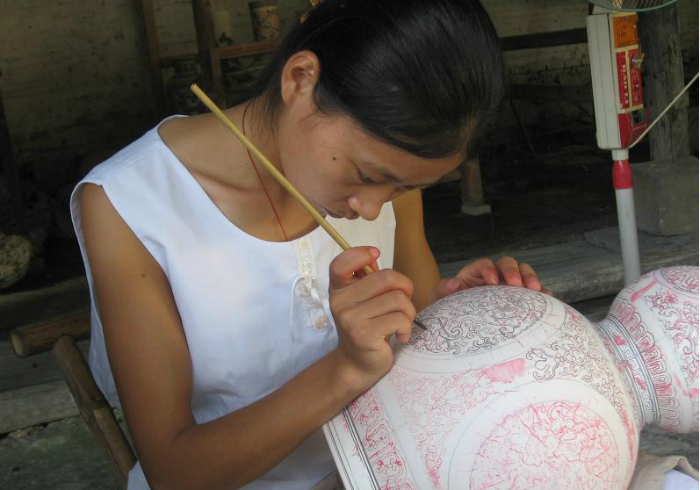
Patterns are carved on the body of the porcelain using bamboo, bone or knives. After glazing, the porcelain is sent to the kiln for firing. The last step involves painting on the porcelain – a further low-firing process enhances the colors of the paint. If the colors of the porcelain are as bright as a mirror, you’re on the right path to finding authentic ceramics.

Another tip for choosing high-quality pieces is the sound they make when you clang them together. True porcelain will sound like a crisp bell when you tap two pieces against each other.

How to Choose Authentic Jingdezhen Ceramics

What would classify as antique Jingdezhen porcelain?

It is generally accepted that Chinese porcelain that can be classified as both ‘antique’ and ‘authentic’ are items that date to the Republican dynasty or earlier. However, there remains no consensus on the exact year the Republican era came to an end. While the Republican era officially ended in 1949, many collectors consider 1930 as the cutoff point.

The creation process has remained largely the same since the Han Dynasty but new materials and technology that appeared along the way has given porcelain from every dynasty an original look and feel. For instance, blue and white porcelain, first produced in the Yuan Dynasty, differs from Song-era Qingbai (青白, meaning “bluish-white”) ware, which is transparent and jade-like.

Another way to determine the date of a porcelain piece is by looking at the marking on the bottom of the item. It typically includes the date or the dynasty in which the piece was crafted, and often gives a clue as to which kiln it was produced at. Although these markings make an excellent starting point for determining an artifact’s authenticity, take this information with a grain of salt and ask your AsiaTravel Guide for their advice – it is all too common for markings to be faked.

How to Choose Authentic Jingdezhen Ceramics

Photo via Flickr

Where to buy your Jingdezhen porcelain?

So you are now ready to purchase your first Jingdezhen porcelain, but where can you find them?

An easy way to find authentic ceramics is to customize one of our brand new AsiaTravel Jingdezhen journeys, where your local AsiaTravel guide will help you explore the ancient kilns located throughout the city. One of our favorites is Guyao kiln – built in 1599. The kiln has become a museum for the craft of porcelain ceramics and here, you will watch trained artisans make the pieces by hand step-by-step. At the conclusion of your visit, you’ll get the chance to buy these pieces right on site. Don’t forget to hear the crisp bell sound as you clang them together! It’s like music to the porcelain-buyer’s ear.

If you want a more contemporary look to your ceramics, wait to make a purchase until you reach Taoxichuan- Ceramic Art Avenue. Built on the same site as a collapsed ceramics factory, this area is now a hip, artsy area where ceramic students set up stalls to sell their latest creations. These students, dressed in the latest fashions from Shanghai, sell their unique wares to showcase what they’ve been working on at the nearby ceramics university.

For antique pieces, it is recommended you buy from a reputable dealer or major auction house. These offer a full refund or trade-in if you are not happy with your purchase. Hop to markets, stalls and e-bay if you enjoy bargain-hunting but as always, shop around, have a feel of the item, look out for mistakes, and always ask your AsiaTravel guide for their advice before settling on a purchase.

Excited to get the insiders look at the art of porcelain making and make some authentic purchases? Let’s start planning your trip to Jingdezhen. Along the way you’ll also get to hike in the mountains where the kaolin clay comes from.

4 Reasons to Visit Hangzhou and Suzhou in Spring

Hangzhou and Suzhou are well known in China for being slices of paradise on Earth. Spring is the perfect time to visit these two cities and here are our top four reasons why.

— 

There’s a famous Chinese saying that translates to, “There is heaven above and there is Suzhou and Hangzhou below.” These two cities are a short, 1-2-hour train ride from Shanghai, making them the perfect respite from big city life. We’d suggest visiting these two cities during the spring and here’s why:

4 Reasons to Visit Hangzhou and Suzhou in Spring

Photo by PS Liu via Flickr

4 Reasons to Visit Hangzhou and Suzhou in Spring

4. Stroll Around West Lake

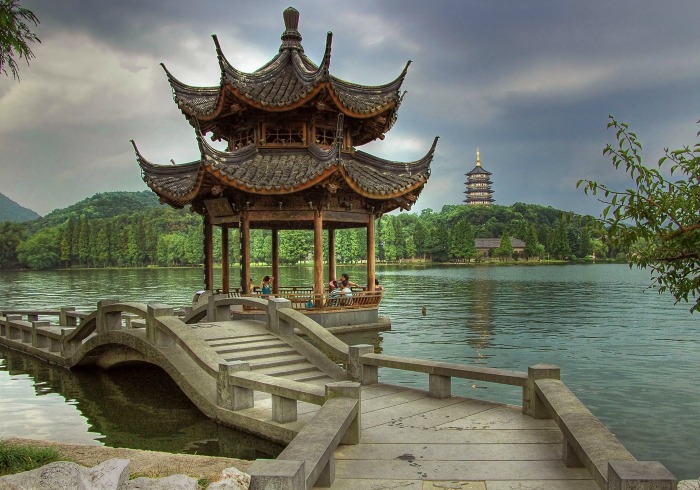
Hangzhou’s West Lake is considered one of the most beautiful sights in all of China and spring is undoubtedly the best time to visit. Verdant weeping willows and lush green hills that surround the lake adds a wondrous beauty to the famous scene. Stroll along the shore and you will smell the sweet scent of peach blossoms. Follow the path down Su Causeway, a 3km-long stone belt that crosses the lake on the west side. Spring turns the causeway into a fairyland of peach blossoms, plum blossoms and spring flowers.

4 Reasons to Visit Hangzhou and Suzhou in SpringPhoto by Xianyi Shen via Flickr

3. Pick Your Own Leaves from the Tea Harvest

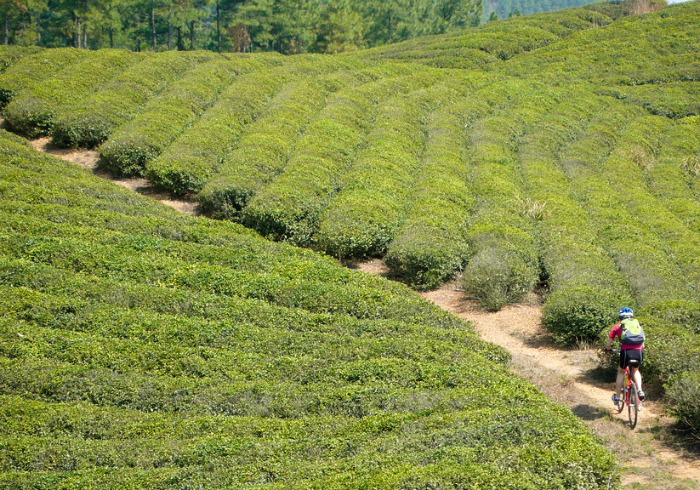
According to legend, Emperor Qianlong loved Hangzhou’s Longjing tea as much as he loved the West Lake. The world-famous tea goes through a strict and elaborate preparation process that has remained largely unchanged since ancient times. Today, you can learn how the imperial tea is made at its source – Longjing Village. April is prime harvesting time so after you’ve studied the process, take part picking leaves in the nearby tea fields.

4 Reasons to Visit Hangzhou and Suzhou in Spring

Photo by PS Liu via Flickr

2. Picnic in a Classical Chinese Garden

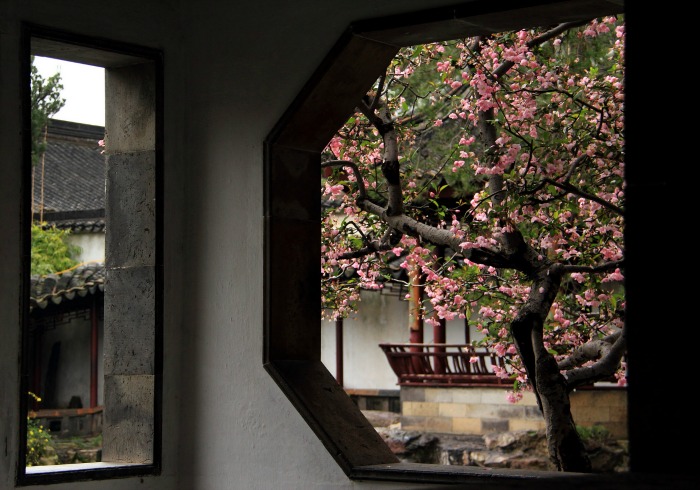
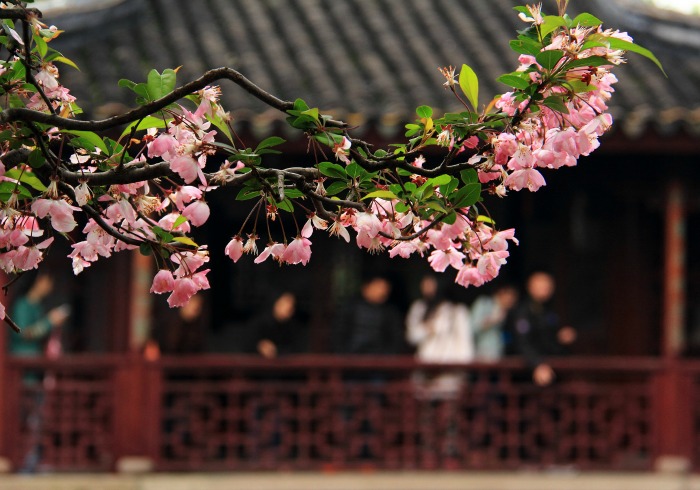
Suzhou is famous for its classical Chinese gardens, the brilliant work of artists who masterfully designed and incorporated elements of nature into physical spaces. In March and April, watch pear blossoms, canola flowers, tulips, and cherry blossoms burst into colorful displays within the gardens. Stroll along the winding pathways and elegant wood corridors of the magnificent Master of Nets Garden, or lay out a picnic basket and bask in the sun on a crisp spring day.

4 Reasons to Visit Hangzhou and Suzhou in SpringPhoto by Yunfan Zhang via Flickr

1. Float Down a Canal

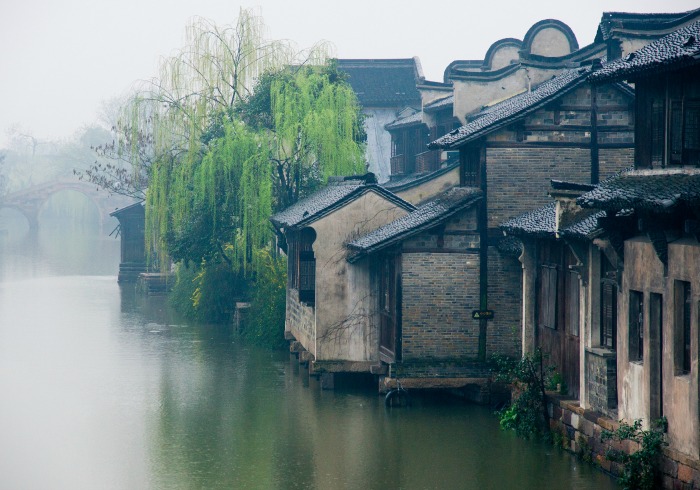
No picture of Hangzhou and Suzhou is complete without a visit to the nearby water towns, where life happens at a slower pace. An hour’s drive from Suzhou, Tongli is a quiet water town which has retained much of its original Song Dynasty appearance. Its canals are lined with traditional buildings that feature whitewashed walls and black roofs and sometimes in spring, mist and drizzle cloaks the town in an ethereal layer. Walk along the paths and old stone bridges or take a peaceful boat ride down the canals for a glimpse into old China.

Have the delicate Spring sights of Hangzhou and Suzhou piqued your fancy? Consider planning a Hangzhou and Suzhou: Heaven on Earth tour with us, and get ready to soak in the splendor of this land.

5 (Alternative) Must-Sees in Beijing

The Forbidden City, the Great Wall, the Temple of Heaven – these places on the Beijing circuit are classics for a reason. But does Beijing have anything to offer the returning visitor or the first-timer who wants to go off-the beaten path?

5 (Alternative) Must-Sees in BeijingPhoto by lara warman via Flickr

At once the imperial seat of past dynasties as well as the bold, new face of modern China, Beijing has come to represent the curious, dichotomy of the nation. Revisit your favorite spots, set out to find new ones, and savor all that the capital city has to offer with these alternative must-sees in Beijing.

Discover mighty Emperor Qianlong’s childhood playground

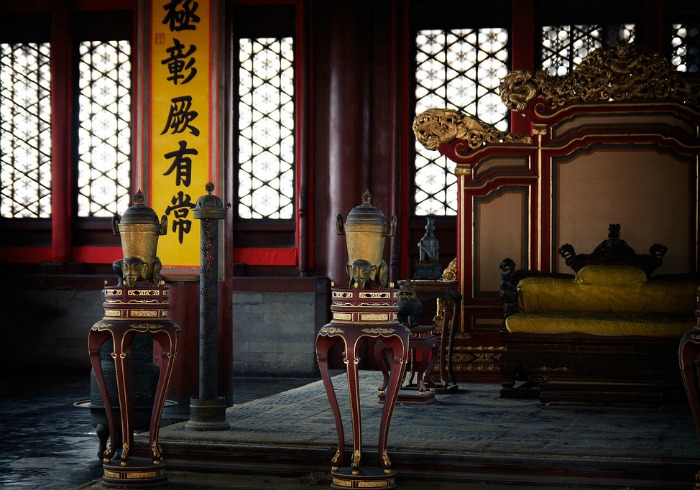
Everyone knows the Forbidden City, but did you know the colorful complex has secret areas that are a little more forbidden than the others? Follow our local expert and step into Emperor Qianlong’s childhood at Chonghua Palace by special permission that most visitors can’t obtain. Palace treasures and furnishings are meticulously preserved and remain in the original arrangement from Qianlong’s time here.

5 (Alternative) Must-Sees in BeijingPhoto by Geoffrey via Flickr

Get to know a cricket-fighter in the hutongs

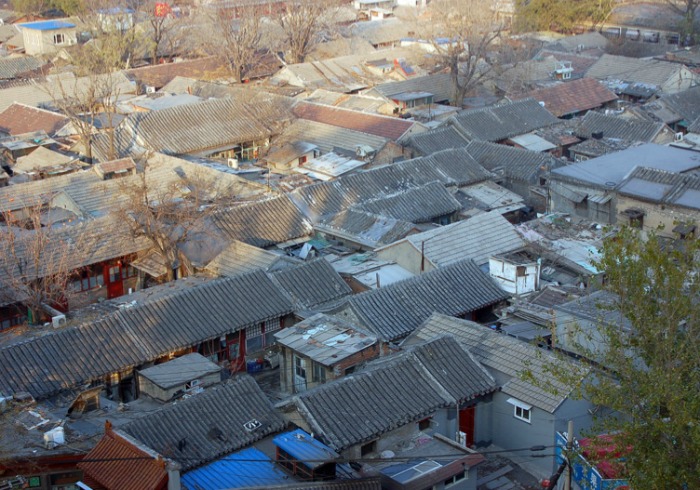
The warren-like formation of narrow alleyways, grey-tiled roofs and old siheyuan (courtyard houses) is Beijing’s beating heart. These centuries-old alleyways are also home to people who still practice a centuries-old game; cricket-fighting. We know a cricket fighter in the hutongs who is an old school champion. On a AsiaTravel Beijing tour you can meet him and watch his demonstrations of how to fight crickets like a pro. There is always something old and new in Beijing’s hutongs that is up to you to discover.

5 (Alternative) Must-Sees in Beijing

Follow in Ai Weiwei’s footsteps at Caochangdi

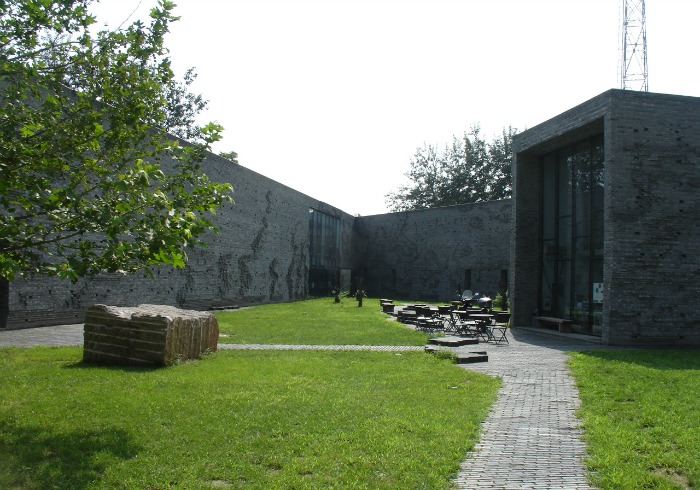
Move over 798, there’s a new art district in town. Legend has it that when Ai Weiwei first moved out and set up his studio in the suburban village in 2000, he inspired other artists to follow suit. More than a decade later, the neighborhood has drastically grown into a thriving arts community, and even hailed as Beijing’s Williamsburg. The Three Shadows Photography Art Centre, designed by Ai himself, is exclusively dedicated to showing works of photography and video art. For contemporary Asian art, head to Pékin Fine Arts, which features solo shows of regional artists as well as collaborations with overseas galleries.

5 (Alternative) Must-Sees in Beijing

Photo by Jan Spacir distributed under a CC BY-SA 3.0 license

Learn how the city was built at Beijing Planning Exhibition Hall

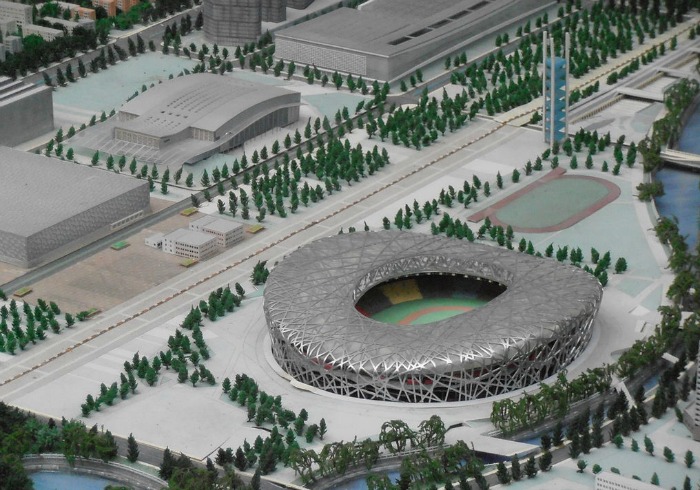
Beijing has a broad selection of museums from the wonderful (the excellent Beijing Capital Museum, for instance) to the whacky (Watermelon Museum or Baijiu Museum, anyone?) A stone’s throw away from Tiananmen Square, the Beijing Planning Exhibition Hall features a scale model of the entire Beijing metropolitan area, as well as informative exhibitions that takes you through the city’s transformation from historical to modern times – look out for the Olympic stadiums plans and the future blueprint for a ‘green’ Beijing.

5 (Alternative) Must-Sees in Beijing

Photo by Shizhao distributed under a CC BY-SA 3.0 license

Get around Beijing by water like an emperor

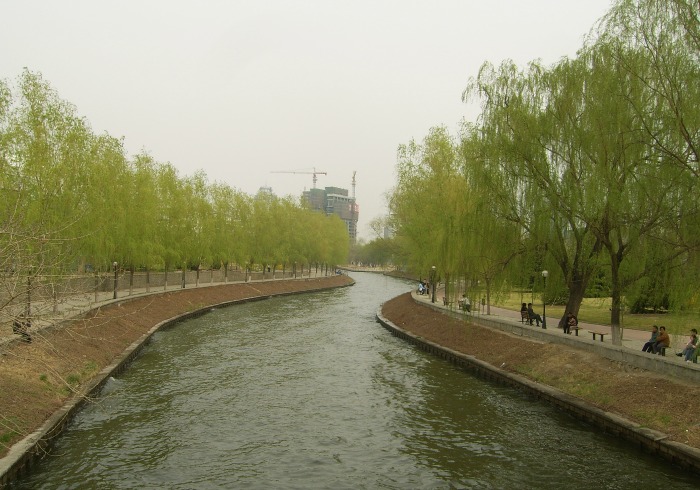
Take a boat ride down the city’s canals on the 700-year-old Changhe River. As an important waterway during the Ming Dynasty, it later became a private waterway used by the Qing imperial family to travel westwards to the Summer Palace during the hot summer months. Starting near Beijing Zoo, the journey takes you through a series of local attractions as well as the beautiful forested grounds of Purple Bamboo Park, before letting you off at the doorstep of the Summer Palace.

Feeling like you’re the type to venture out into the alternative Beijing that many visitors overlook? You can customize your Beijing’s Past & Future tour to go off-the-beaten path. 

Everything You Can Do at Beijing’s Temple of Heaven

Although the Forbidden City garners more attention, the Temple of Heaven is arguably just as grand and beautiful. The historic temple should be a must-see on any Beijing travel itinerary. Here’s why.

Everything You Can Do at Beijing’s Temple of HeavenPhoto by star5112 via Flickr

Built during the Ming Dynasty, the Temple of Heaven Grand Temple Complex served as a vast stage where the emperor (also known as the Son of Heaven 天子) performed solemn rites designed to seek divine clearance and curry favor with Heaven for a year of good harvest.

Taking up a huge chunk of southeastern Beijing, the Temple of Heaven complex is massive – larger than the Forbidden City itself. The Yongle Emperor thought it wise to build the residence of the gods larger than his own. We pride ourselves in being China Experts and Beijing is our home turf, so we did a little local digging to find everything you can do at the Temple of Heaven.


A walk in the park

On the eastern side of the Temple of Heaven is a lush park which serves the dual purpose of being the tourist entrance to the complex grounds as well as the local playground for residents living in the area. Enter from the East Gate 东门 and you will find locals practising taiji, jianzi (Chinese hacky sack), opera singing and the occasional nunchuks.

Among assorted exercise machines, watch elderly men perform impressive calisthenic feats such as bar pullovers and 360° spins – a scene worthy of Muscle Beach. Tip: Retired locals like to rise early and head home before midday. Visiting before 9am will put you in the heart of the action.

Everything You Can Do at Beijing’s Temple of HeavenPhoto by Jason Reibold via Flickr

Play corridor games

Continue walking along the path from the park and you will reach the Long Corridor 长廊,an enclosed passage connecting the Animal Killing Pavilion, Divine Kitchen and Divine Warehouse. During imperial times, sacrificial oxen, sheep, deer and other animals as well as offerings of jade, silk, grains and fruits were prepared under the pavilions and transported to the altars along this corridor.

Today you will find its red frames occupied by locals focusing hard on their game of cards, chess, or perhaps even their knitting.

Everything You Can Do at Beijing’s Temple of HeavenPhoto by Jens Schott Knudsen via Flickr

Learn the art of numbers

Beyond the Long Corridor lies a highlight of the park – the Hall of Prayer for Good Harvests祈年殿. The magnificent structure, featuring triple eaves of a beautiful purplish-blue glaze, is built upon three tiers of marble. The roof is supported by wooden pillars without any nails or cement. The number of pillars is also far from arbitrary; they hold symbolic meanings rooted in Chinese tradition: the four posts in the inner circle represent the four seasons, the twelve along the middle circle represent the 12 months of the calendar, while the 12 along the outer circle represent 12 shichen (an ancient Chinese timing which splits the day into 12 two-hour time periods). This practice of numerology occurs throughout the grounds of the Temple of Heaven.

The geometry of the three-tiered Circular Mound Altar 圜丘坛 revolves around the imperial number nine. Chinese believe odd numbers to possess heavenly significance, with nine representing the highest imperial authority. Its top tier radiates in a pattern of nine rings, each made up of multiples of nine stones. Similarly, the stairs and balustrades are constructed in multiples of nine.

Everything You Can Do at Beijing’s Temple of HeavenPhoto by David Almeida via Flickr

Find out about dynastic science

Wrapped around the Imperial Vault of Heaven 皇穹宇 is a smooth circular wall called the Echo Wall 回音壁, so named because a whisper on one end can be transmitted clearly to the other. In recent years, possibly to protect the wall from increasing crowds, a railing has been installed, so unfortunately, you may not be able to test out it for yourself.

Try out the Triple Echo Stones, three rectangular stones that line the pavement leading to the vault. Using sound wave theory similar to the Echo Wall, you will hear an echo if you stand on the first stone and clap. Two echoes if you stand on the second stone and clap; three echoes if you stand on the third stone.

Everything You Can Do at Beijing’s Temple of Heaven

Photo by Su—May via Flickr


Hear music from imperial courts

Saving the best for the last, the Divine Music Administration is a well-kept secret tucked away in the gardens west of the park. During the Ming and Qing dynasties, it was where officials and musicians trained and rehearsed for sacrificial events. If you’re lucky, you will get to enjoy an aural-visual feast of modern musicians performing renditions of ancient Chinese songs with traditional instruments of gongs, flutes, pipes, drums and clappers.

Does the idea of strolling along the Temple of Heaven complex strike your fancy? Consider planning a Beijing’s Past & Future private tour!

How to Make the Most out of a Trip to the Great Wall

The majesty of the Great Wall is known across the world, and it’s the most iconic sight in all of China. If you’re planning on visiting this world wonder, you won’t want to miss any part of the experience of a lifetime. Here’s how to make the most out of your trip.

How to Make the Most out of a Trip to the Great WallPhoto by Greg Jordan via Flickr

The Great Wall of China is many things – an architectural wonder, a historian’s dream, and, most of all, a superb way to learn China’s stories. A trip to the wall is more than essential if you happen to be in the capital city of Beijing and here’s our guide to making the most out of a trip.

Start early

Regardless of which section of the Great Wall you’re headed for, reach it early if you want to get a head start on the tourist crowds. If you begin your hike at Mutianyu Great Wall, a beautifully restored section visited by First Lady Michelle Obama herself, you will be greeted by Ming-era watchtowers and fortresses snaking across verdant hills.

How to Make the Most out of a Trip to the Great WallResembling teeth, soldiers could walk between these crenelated merlons* 

Something quite rare you wouldn’t see on other parts of the wall: Mutianyu features crenelated merlons on both its inner and outer parapets. This allowed soldiers to fend off invaders on both sides of the wall.

Take a breather at any of the watchtowers, where sentries used to stand guard during ancient times. Opt for a AsiaTravel picnic atop the wall… majestic views guaranteed, along with brunch and champagne. All you need to do is enjoy the bubbly and the feeling of accomplishment of climbing one of the seven wonders of the world.

How to Make the Most out of a Trip to the Great WallPhoto by Keith Roper via Flickr

Go wild

Westwards of Mutianyu lays Jiankou, an untouched section of the wall left reclaimed by nature. Conquer crumbling stones, overgrown bushes and near-vertical wall climbs and be rewarded with epic vistas of clouds rolling across faraway hills. It is as beautiful as it is wild; a stark contrast to Mutianyu’s restored glory. They together form a curious coexistence of the past and present – a quality distinctive of the Middle Kingdom.

Follow our local expert, William Lindesay, for a safe hike at the challenging Jiankou section of the Great Wall.

How to Make the Most out of a Trip to the Great WallPhoto by La Priz via Flickr

Go luxe

A night’s stay at the foot of the Great Wall is a great choice if you wish to get started early for your hike the next morning. Many luxury hotels, at different sections of the wall, offer an experience as splendid as visiting the wall itself.

How to Make the Most out of a Trip to the Great Wall

Brickyard Retreat via company website

One of these is the Brickyard Retreat at Mutianyu Great Wall. Reconstructed from a tile factory built during the Cultural Revolution, the boutique hotel promises uninterrupted views of the wall from every room. The owners are also huge on sustainable tourism.

How to Make the Most out of a Trip to the Great WallPhoto by Michael Davis-Burchat via Flickr

Come back for more

It is easy to fall in love with the awe-inspiring charm of one of the wonders of the world, and it is likely you’ll find yourself back for more. Visit during different seasons for the ever-changing scenery on the wall: the auburn and golden hues of autumn, the snow-blanketed walls and ramparts of winter, or the lush greenery in summer.

If you’re interested in visiting the Great Wall and crossing this ancient marvel off your bucket list, let’s plan your Beijing’s Past & Future trip. For those of you looking to experience other classic China sites, such as the Terracotta Warriors and Chengdu’s Giant Pandas too, our Chinese Treasures is an excellent choice.


Photo Credits:

*The original uploader was Tianxiaozhang at Chinese Wikipedia – Transferred from zh.wikipedia to Commons by Shizhao using CommonsHelper., CC BY-SA 3.0, https://commons.wikimedia.org/w/index.php?curid=10877423