The Most Haunted Places in China

Step into the ghastly past of the world’s oldest civilization and get acquainted with places that will chill you to the bone. These are the most haunted places in China.

With over 5,000 years of history, China’s bound to have a few ghosts waiting in the nooks and crannies. From the wiles of eunuchs in Beijing to deserted mansions in Shanghai, China’s chock full of possible encounters of the spooky kind. Steel your nerves and prepare yourself to be haunted by legends and tales of a paranormal kind.

The Most Haunted Places in China

Wilson Loo Kok Wee via Flickr

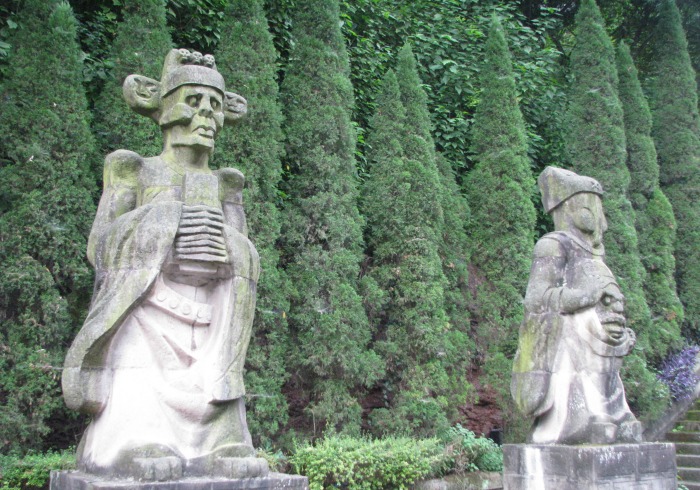
Fengdu Ghost City, Chongqing

Nestled on the banks of the Yangtze River, Fengdu Ghost City’s spooky past dates back over 2,000 years. According to legend, 2 Eastern Han Dynasty imperials officials used Taoist practices to become immortal on nearby Ming mountain. Their names combined to mean “King of Hell” and they dragged all local villages into the underworld.

Today, the area is surrounded by temples and shrines dedicated to the underworld. Visitors can journey through the dark side of traditional Chinese culture with the paintings and sculptures lining the temple walls – each depicting scenes of villagers being tortured for their sins.

If you’re feeling brave, float down the Yangtze River and visit these ancient stone villages on our China Living Heritage Tour.

The Most Haunted Places in China
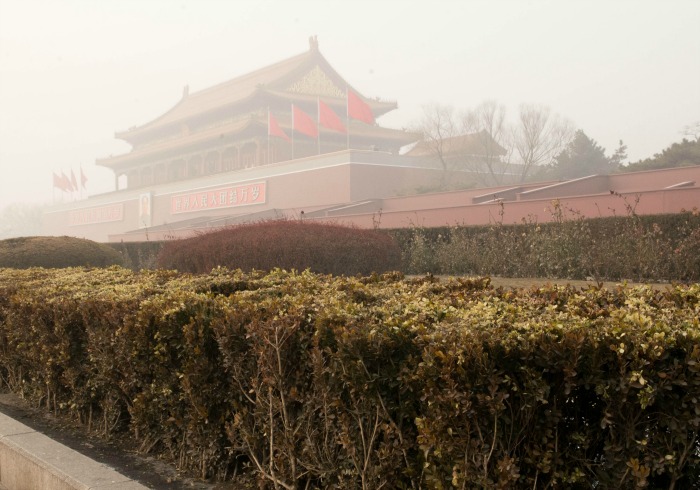
The Forbidden City, Beijing

The Forbidden City is a staple of any tour to China, but did you know that the Imperial Palace is also haunted but its own array of poltergeists and ghosts?

Built over 600 years ago during the Ming and Qing dynasties, the imperial palace saw more than its fair share of executions. Betrayal and disobedience were common and anyone who went against the emperor’s rule was easily removed.

And it wasn’t just the emperor creating Halloween-worthy tales. Jealous concubines, spited servants and envious guards would often poison one another in the most devious of ways and eunuchs went to any length to further their plot for power.

When the palace was opened to the public in the late 1940’s, staff began to notice strange phenomena within the imposing red gates. A woman dressed in white has often been heard sobbing as she strolls around the grounds and as recently as 1995 guards have reported seeing a woman dressed all in black. The story is always the same – the woman turns to speak but has no face. Only black hair shrouds her pale visage.

Not too scared to walk through the same grounds as these ghosts? Consider our Beijing Imperial Day Tour.

The Most Haunted Places in China

Zoe via Flickr

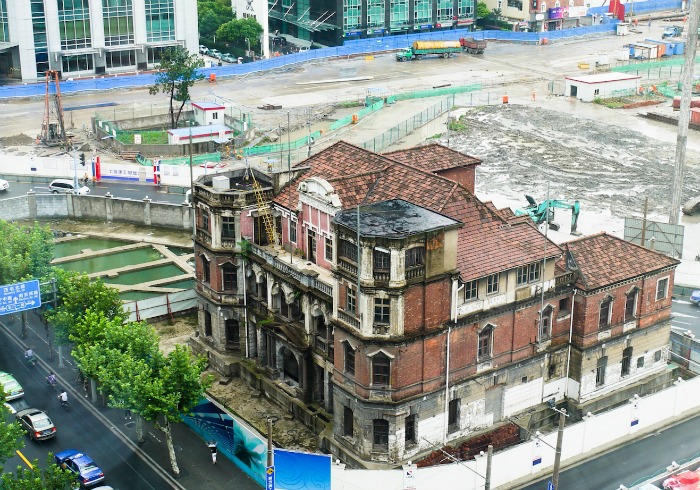
Qiu Mansion, Shanghai

The Qiu brothers began their story as migrant workers in Shanghai. The pair made their fortunes selling paint after World War I and built identical mansions next to one another in the heart of the city. The ornate mansion grounds became home to the brother’s collection of exotic pets: Burmese tigers, peacocks, and even crocodiles roamed the gardens.

At the height of their fame and notoriety, the Qiu brothers mysteriously disappeared. Their mansions fell into disrepair and their gardens became a tangle of barren branches.

Workers at the Four Seasons Hotel, just across the street from Qiu Mansion, have reported hearing and seeing strange animals roaming around the abandoned site. A number of the hotel’s night guards have even received hospital treatment for mysterious “animal bites” – no one knows how the injuries occurred.

Ready to encounter some paranormal pets, customize our Shanghai Highlife tour.

The Most Haunted Places in China

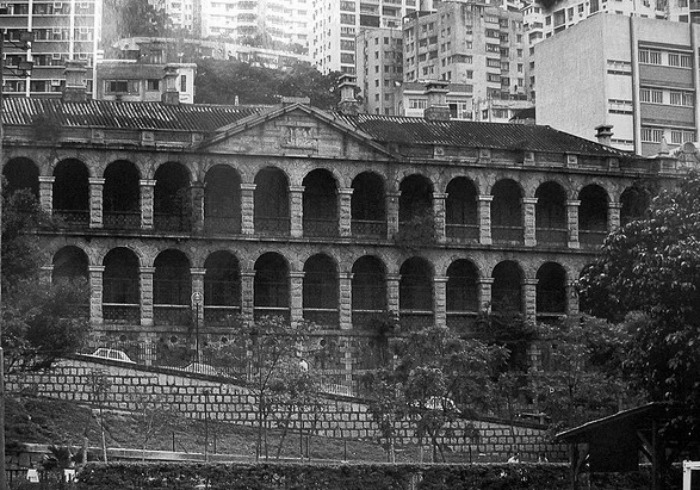
High Street, Hong Kong

With eerie yellow lights casting shadows on dark, empty verandas, the Sai Ying Pun Community Complex is one of the most chilling locales on High Street, Hong Kong and has a frightening history to match.

Originally built in 1892 to house European nurses Sai Ying Pun was, accordingly to urban legend, a common site of execution during WWII. After the war, the complex was turned into an insane asylum. The asylum was abandoned after 2 fires in 1961.

In the dead of the night, it has been said that headless poltergeists and devilish figures roam the corridors of Sai Ying Pun Community Complex – The spirits of murdered victims and unsettled patients calling for revenge.

If these tales don’t spook you out, join us on our Hong Kong: Pearl of the Orient tour.


For those with an interest in the paranormal, China has a closet chock-full of ghosts. Customize one of our city tours to experience the other-worldly haunts of these restless ghosts and you may even go home with your own spooky tales to tell.

Top 3 Hotels on the Bund

A buzzing hub of energy, industry and innovation, Shanghai can be both exhilarating and exhausting, which is why it pays to stay in one of the city’s justifiably famous luxury hotels.

Famous for its roaring ‘20s jazz history, Shanghai today stands as one of the world’s most significant financial centers. As Shanghai grows in stature, more and more global brands are leaving their mark on the city, and finding new ways to deliver luxurious accommodation to their guests.

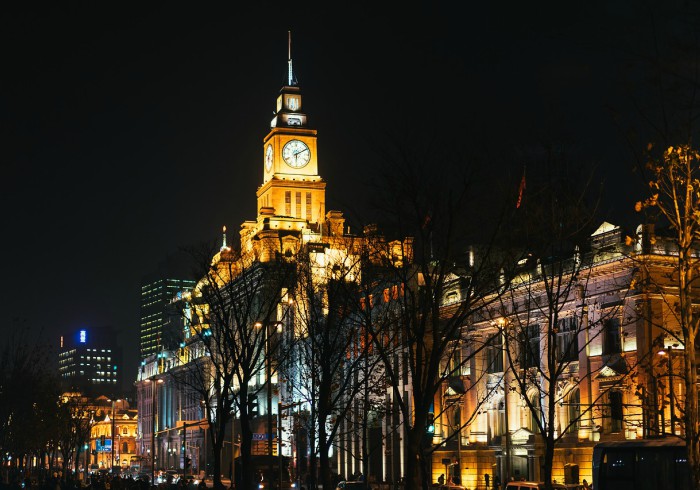
The area known as the Bund is the crème de la crème of Shanghai. Similar to staying on Park Avenue in New York City, the Bund is the embodiment of the city’s high society. To put it plainly, the Bund is where you want to be to make the most of your trip to Shanghai.

To help make your choice easier, here are a few of the best hotels on The Bund:

Top 3 Hotels on the Bund

1. The Peninsula Hotel, Shanghai

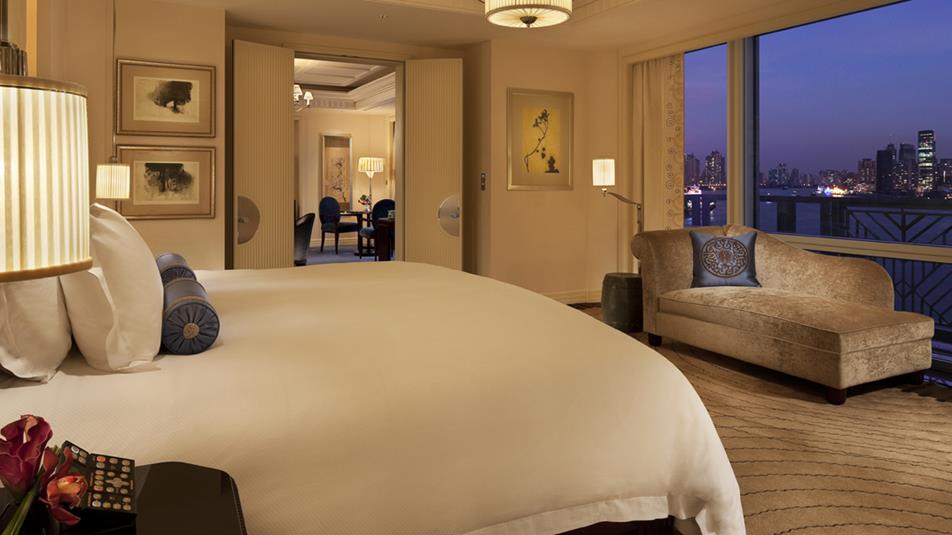
Style and glamour are the watchwords of the Peninsula Hotel’s Shanghai branch. The historic Peninsula hotel was the first new building to be built on the Bund in over seventy years. There hasn’t been new construction since 1932 when the Bank of China was completed.The beautiful colonial style building at the Bund was purposely built from the ground up to house the hotel. Guests will enjoy sweeping views of the iconic Pudong skyline and the Bund from both the rooms and the opulent rooftop bar. Since opening in 2009, The Peninsula Shanghai has gone from award to award, and was voted the Best City Hotel in Asia by readers of Travel + Leisure magazine in 2015.

Top 3 Hotels on the Bund

  • 2. Waldorf Astoria on the Bund

The Waldorf Astoria hotels have been named the greatest of them all by Conrad Hilton, a man who knows his hotels. The Waldorf Astoria on the Bund is actually the first purpose-build Waldorf Astoria Hotel outside of the United States, proving the allure of the Bund. A 12 minute walk from Shanghai’s famous Yu Garden, the Waldorf Astoria in Shanghai embraces the hard won international reputation of the brand for delivering unapologetically grand and luxurious accommodation. Offering stunning views of the Pudong Skyline and a host of impeccable facilities, the Waldorf Astoria on the Bund lives up to its stated goal of combining the history and culture of the celebrated Shanghai Bund with a taste for 21st century sophistication.

Top 3 Hotels on the Bund 3. Fairmont Peace Hotel
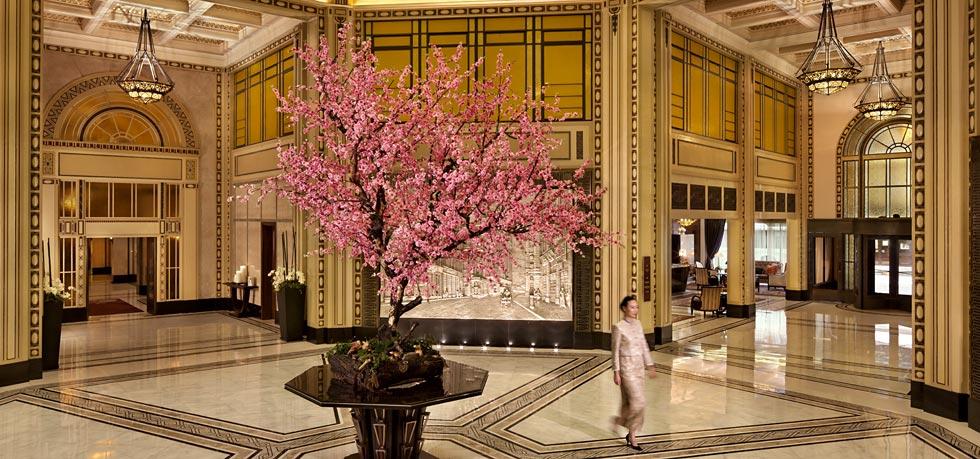
In contrast to the Asia-wide or international brands above, the Fairmont Peace Hotel stands out as an historically Shanghai based institution. Situated on the Bund with breathtaking views and easy access to the city centre, the Fairmont Peace Hotel owes its status as one of the best hotels in Shanghai not only to its location and quality, but also to its history.
At its beginning it was one of the first large skyscrapers built in the Eastern Hemisphere. After the Communist party came to power in 1949, the building was used by the Municipal Finance Committee. Much later, during the Cultural Revolution the hotel was used by the notorious Gang of Four as their headquarters.

The Old Jazz Band of the Hotel was also used as the basis for a movie, “As Time Goes By” a film by Uli Gaulke. After 3 years of renovations between 2007 and 2010, the modern Fairmont Peace Hotel was born.
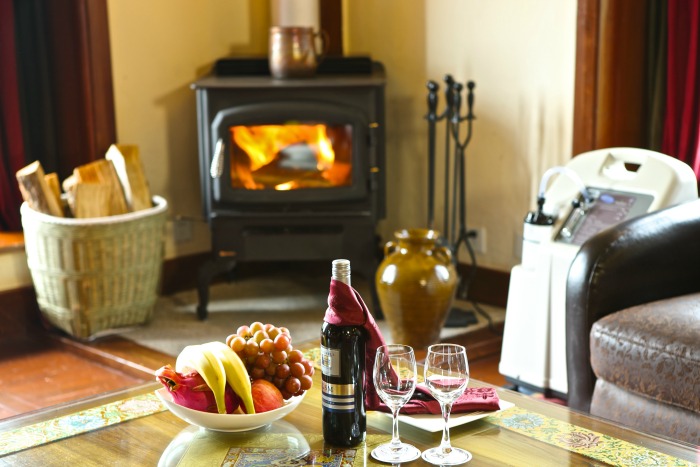
Wanting to book your luxury retreat to Shanghai? Join our Chinese Treasures tour or Shanghai Highlife tour to get a firsthand taste of The Peninsula Hotel.


Top 4 Things to do in Harbin

Harbin’s International Ice Festival draws in tourists from around the world, but this mystical city is worth more than just a day trip. If you stay just a little while longer, you’ll be privy to a whole host of wonderful experiences to complement your frosty voyage to the North.

The capital of China’s northernmost province, Harbin was originally named to mean ‘a place for drying fishing nets’. The city grew from a small rural settlement on the Songhua River and today is heralded as the ‘City of Ice’, home to the world’s largest Ice and Snow festival.

But there is more to Harbin than record-breaking structures made of ice. The city’s parks, winter sports and Russian architecture make it a city where both children and adults can take part in the whimsy and magic of a storybook land.

Harbin International Ice Festival

Top 4 Things to do in Harbin

Ricewind42 via Flickr

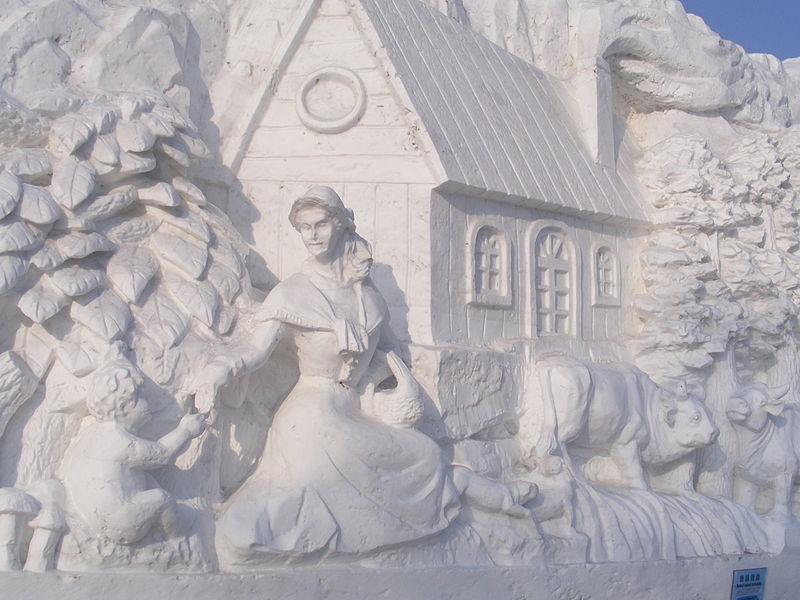
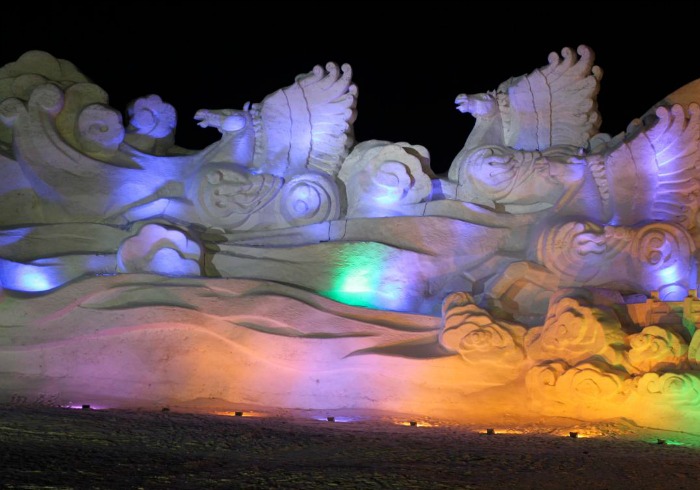
Let’s get the big one out of the way first. From the 5th of January each year until well into February, people from around the world flock to Harbin to witness the famous International Ice Festival. Palaces, sculptures, staircases, lanterns… a whole world of ice that will simply melt away when the weather starts to thaw.

During the festival you’ll be able to see ice sculptures throughout the city, but the two main exhibition areas are the ironically titled Sun Island, and the more appropriately named Ice and Snow World.

Lantern Festival at Zhaolin Park

Top 4 Things to do in Harbin


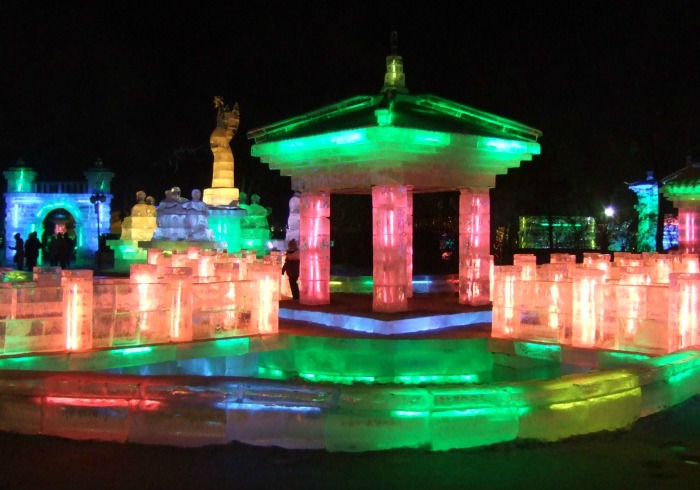
As the day turns into night, ice lanterns begin to shine brightly at Zhaolin Park. They combine the beauty of light and sound as they sway in the winter air and provide the perfect backdrop for an evening stroll. The brilliantly carved ice and snow artworks dotted throughout the park are the work of master craftsmen and shouldn’t be missed on any tour of Harbin.

Harbin City Architecture

Top 4 Things to do in Harbin

Fredrik Rubensson via flickr

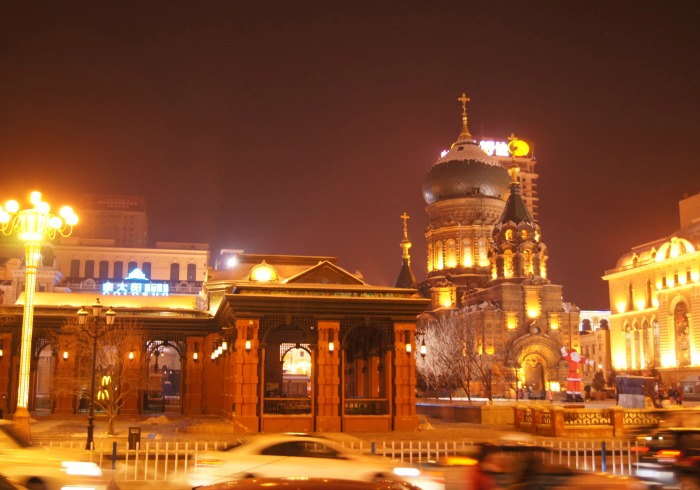
After the Russian Revolution in 1917, many supporters of the tsar fled across the Chinese border and into Harbin. 100 years later and this influence is still very apparent. St. Sophia Cathedral, a stunning Russian orthodox church has come to symbolize the city and the famous Zhongyang Dajie or ‘Central Avenue’ contains several beautiful examples of Baroque and Byzantine architecture.

Harbin’s immaculately restored Jewish Synagogue, a remnant of the time when Harbin was once home to a Jewish population of up to 20,000, is also well worth a visit.

If you’re interested in China’s unexpected Jewish history, customize your own Jewish Tour of China.

Sun Island

Top 4 Things to do in Harbin

Jared Burns via Flickr

Adjacent to the Ice Festival, Sun Island is a great place to take kids to enjoy winter sports such as ice skating. While in summer the landscape is a beautiful waterfall flowing into a pool, during winter the frozen waterfall is sculpted into beautiful shapes and designs. Wander around the grounds and take in the natural beauty.

Grab your winter coat and bundle up for a trip through China’s frosty climes. There’s plenty of things to do in Harbin while you make the most of the icy landscapes. Journey with us on our Harbin: Winter Wonderland tour.

Best Cities to Spend Your New Year’s Eve in China

New Year’s Eve is the perfect time to reflect on the things we have done in the previous year and welcome the beginning of a new one – complete with making new goals and celebrating our achievements. What better way to check something off your bucket list while ringing in the new year than on a destination New Year’s Eve.

Since the Chinese largely follow the lunar calendar, Western New Year isn’t widely celebrated. This means fewer lines, and you can still have a good time in key locations with others who wish to celebrate. We’ve planned 3 itineraries that reflect on the old and welcome the new in some of our favorite destinations across China.

Shanghai

Best Cities to Spend Your New Year’s Eve in China

RELATED READING: 5 (Alternative) ‘Must-Sees’ In Shanghai

Likened to New York City or Paris, Shanghai is one of the most cosmopolitan cities in all of Asia. Visiting for New Year, you’ll have the opportunity to experience the melange of colonial charm and sky-scraping buildings that define modern day Shanghai.

Morning

The perfect beginning to your New Year’s Eve is to wake up bright and early and head out for a signature Shanghainese breakfast. This means ducking into an authentic local restaurant and eating the city’s signature soup dumpling, or xiaolongbao, as they are known in Mandarin. As fresh steam rolls off bamboo baskets, make sure you know the proper way of eating this scrumptious treat: bite the tip off first and suck the soup out before biting into the whole thing. This will save you from soup squirting everywhere!

Next up, get to grips with the city in style as you ride a vintage sidecar through the elegant, tree-lined streets of the French Concession. We’ll arrange everything so you can just sit back and enjoy the ride.

Afternoon

Whether it’s modern art or colonial history that takes your fancy, let us arrange your perfect afternoon with one of our experts in Shanghai. For a taste of unconventional history, you can get to know the Jewish history of China with Dvir Bargal, an internationally acclaimed journalist and documentary filmmaker hailing from Israel. He’ll lead you through Shanghai’s Jewish Ghetto and explain how Shanghai was the last open port for Jewish people escaping Nazi Europe.

Evening

Top off a great day with dinner at one of the city’s great Michelin-starred restaurants. The Yi Long Court at the Peninsula is a great bet right near the Bund.

Then, as the sun begins to set on the final day of the year, it’s the perfect time to hop aboard your private VIP river cruise on the Huangpu River – arranged by AsiaTravel. This gives you a great setting to count down the seconds to new year and enjoy a glass of champagne or apple cider.

With all this history and culture, Shanghai is a great choice for New Year’s even if you’re not the party animal! We visit Shanghai on a number of our longer China journeys or can customize your perfect city getaway.

Hong Kong

Best Cities to Spend Your New Year’s Eve in China

RELATED READING: Top 5 Hotels in Hong Kong

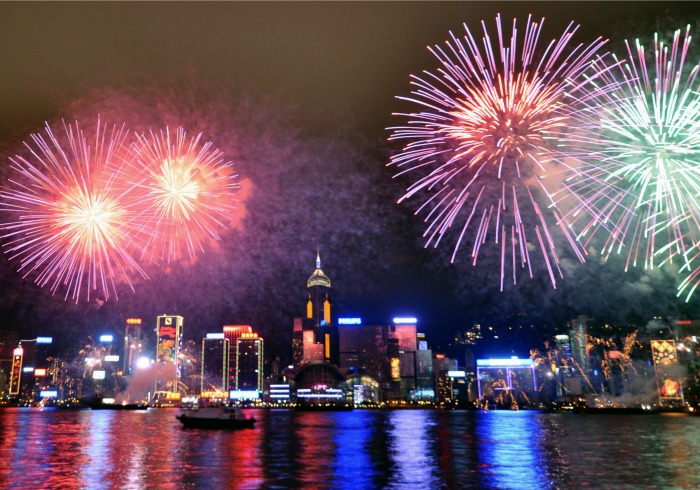
The glittering skyline of Hong Kong might just rival any fireworks show (almost). The glitz and sophistication of the “Pearl of the Orient” is the perfect place to ring in the New Year with a touch of class. Here are some of the high-society activities you can indulge in on our Hong Kong: Pearl of the Orient journey.

Morning

Ready for Hong Kong to take your breath away? Our perfect New Year’s Eve in Hong Kong begins with a light hike up to Victoria Peak where you can drink in the sights of this glamorous city. Then, we suggest slinking down the mountain and heading over to the bygone splendor of the western market, an Edwardian style building that sells arts, crafts and fabric for suits and cheongsam tailoring.

By midday, you’ll probably be feeling a bit peckish so saunter over to one of our favorite street markets on Bonham Strand. These flavorful streets with their abundance of dried seafood and Chinese herbal shops have been operating here for over a hundred years.

Afternoon

After lunch, head over to a hundred-year-old store that is renowned for tailoring hand-made qipao. Here, the shopkeeper can take your measurements and make your own sophisticated qipao to be shipped back home to you. Who knows? Maybe for your next big celebration you’ll sport a handmade qipao with all the refined colonial elegance of Hong Kong stitched into the detail.

Wind down from all the exhilaration with a relaxing afternoon tea at the grand dame of Hong Kong hotels: the Peninsula. Done with the colonial elegance of British tea with the queen, you’ll dine on a tower of canapés, scones, and cakes whilst sipping on some of the port city’s finest tea.

Evening

In the evening, head out on a traditional junk in Victoria Harbor. These slow-moving boats will allow you to rejoice in all the splendor of the New Year. When you book with AsiaTravel, we can arrange a private junk for you, so you can enjoy the show with only those you want around. You can take this cruise at sunset or near the stroke of midnight.

If you’d like to soar to dizzying heights, Hong Kong is also home to a myriad of world-class rooftop bars. On the 118th floor of the Ritz-Carlton Hong Kong, you can find what was the world’s highest bar up until 2010.

Dali

Best Cities to Spend Your New Year’s Eve in China

RELATED READING: AsiaTravel Founder and Dali-Native Mei Zhang’s Insider Tips to Dali

For those who want a slower pace and a spiritual vibe to see in the new year, consider Dali, in Yunnan province. With its relaxed “California-style” attitude and temperate climate, Dali is a laid-back option for a New Year trip.  

Morning

Like our suggestions for Hong Kong, our recommended first activity on New Year’s Eve is a refreshing hike up Cang Mountain. On the slopes of this rustic mountain, visit a tea plantation where you can pick your own tea leaves and learn the whole process of tea-making from bulb to brew.

Afternoon

After a visit to the market and a local lunch, we’ll arrange a truly spiritual experience: a Bai three-cup tea ceremony. The age-old wisdoms imbued in this ceremony have been passed down through the Bai ethnic minority culture through time. You’ll be given 3 different teas, each representing an important part of life. The third and final tea is a mixture of flavors and represents the importance of accepting all that life gives you.

Evening

For dinner, our favorite Auntie Cheng will cook up a storm using the most authentic local ingredients from the area. Around the city, there is a smattering of local villages where various artisanal products are made and with Auntie Cheng, you can learn how to properly enjoy the results according to local custom. Artisanal salt, hand-crafted cheese, and savory Dali ham are just a few of the delicacies you have to try as you celebrate the start of a new year. Get to the heart of Dali on our Artisanal Dali journey.

So the final question you have to ask yourself: Which way do you want to ring in the New Year?

China’s Secret Foodie Destination  

So you’ve tried Chinese food from all over the country – Beijing’s famous street snacks, dim sum from Shanghai, hotpot from Sichuan, perhaps even Yunnanese cheese. But have you ever sampled Xinjiang cuisine?

Never fear, AsiaTravel is about to give you a 6-dish tour of Xinjiang, China’s next biggest foodie destination. On one of our many Silk Road tours, you’ll be able to stop in Xinjiang to try all these sumptuous treats. Get to know more about our Silk Road tours by reading our blog post.

1. Ice Cream

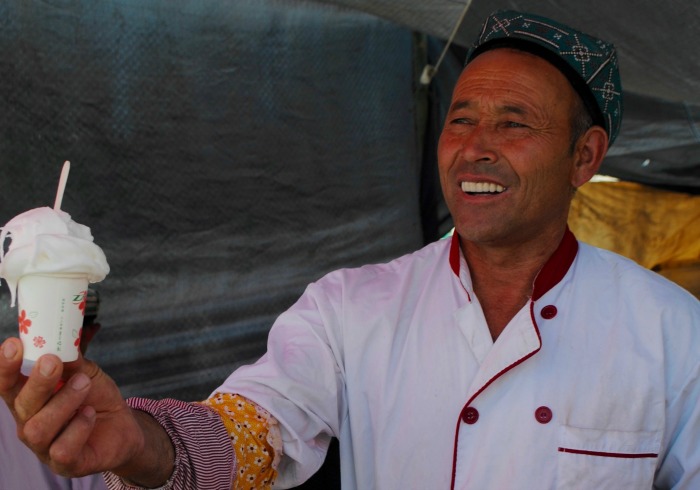
The gelato of Xinjiang, formed from a holy trinity of cream, ice, and sugar. Using a large metal spatula, ice cream vendors manage to pile an impossible amount of ice cream even into the tiniest size of paper cup they’re served in. The most common flavour you’ll find is cream, but on your meanderings through the winding streets of Kashgar, you’ll stumble across a rainbow of pastel-coloured seasonal flavours like pistachio, fig, almond, or melon. Milky and smooth, the ice cream is hand-churned and at around 3RMB a cup, it’s a bargain compared to your local artisanal gelato and just as delicious.

China’s Secret Foodie Destination  

Photo by Alexandra Boulton

2. Polo

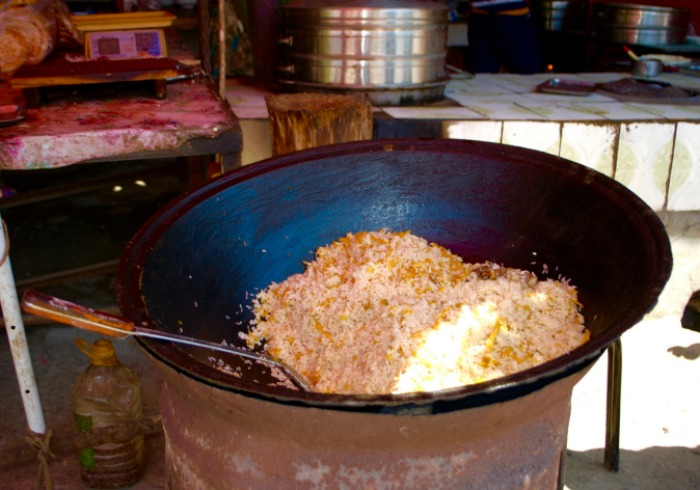
This is a popular dish you’ll find everywhere in Xinjiang. Polo is made of rice slow cooked with slices of carrot and peppers, often studded with fat Xinjiang raisins, and always topped with succulent lamb. Does the name sound familiar? Perhaps you’ve sampled pilaf, a cousin of this dish served all over the Middle East and Central Asia. Although lots of Xinjiang dishes are eaten with chopsticks, locals use a spoon for their polo. In the past, people used to eat this dish with their hands, hence the Chinese name translates as ‘rice eaten with the hands’. If you go to a market for polo, you’ll usually be dining at a long communal table dotted with huge enamel or metal teapots filled with the fragrant local brew. Polo is quite a heavy dish, so a small plate of grated carrot, stirred through with vinegar and spices will usually be served alongside.  

China’s Secret Foodie Destination  

Photo by Alexandra Boulton

3. Pomegranate Juice

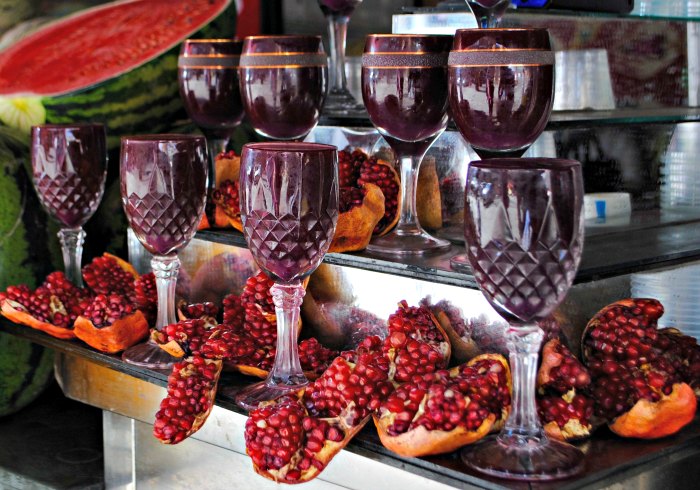
This drink is currently a popular superfood (containing more antioxidants than green tea) in the West, but it’s an old favourite in Xinjiang. Be sure to try a freshly pressed cup of pomegranate juice and look out for the telltale sign of freshness: a pile of pressed pomegranate carcasses. With no added sugar, chemicals or additives, the juice is crisp and refreshing, sweet, with a slight sharpness. A small cup of this refreshing treat will power you through a morning of shopping or sightseeing.  

China’s Secret Foodie Destination  

Photo by Alexandra Boulton

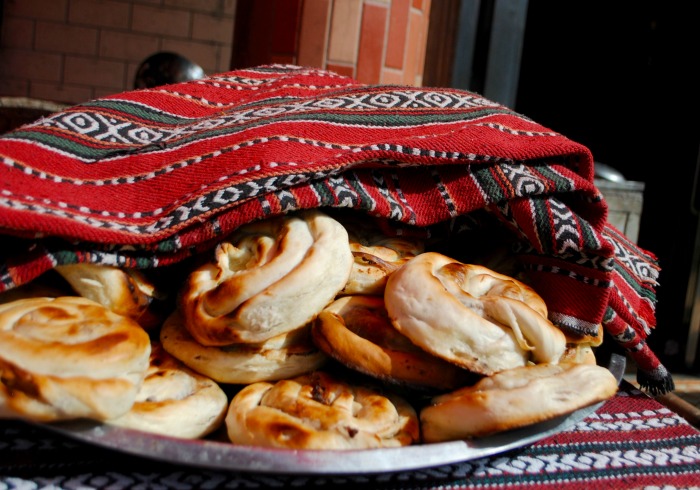
4. Samsa

Baked in a stone oven until crisp, these buns are made of a simple dough of wheat, water and salt, and stuffed with juicy diced lamb and onion. Your samsa will be blistering hot as it comes straight out of the oven so as you wait for it to cool down, make like a local and inspect the base for small stones- they may have escaped from the oven with your parcel. Once you’ve picked them off, watch out for dribbling juices as you bite into your pie. The road to a good samsa is littered with peril, but it’s well worth the journey.

China’s Secret Foodie Destination  

Photo by Alexandra Boulton

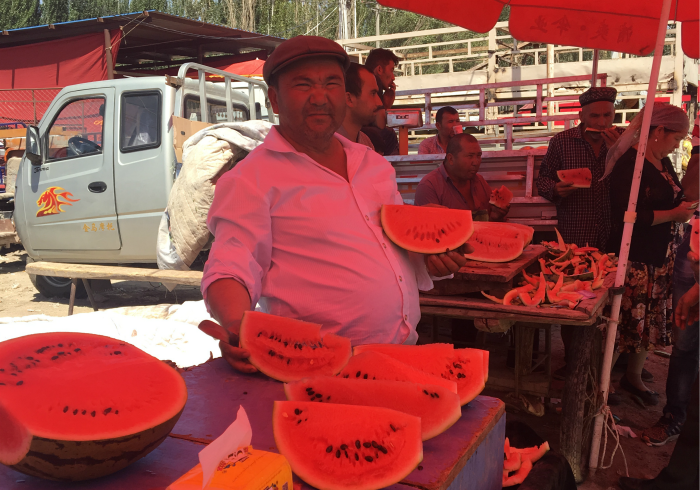
5. Fresh Melon

Go to any market in Xinjiang during the melon season (Summer), and you’ll be overwhelmed by stall-owners selling it by the slice. Throughout China, Xinjiang is known for its sweet and juicy melons, especially the Hami variety. How do you find a melon seller? They’ll usually be surrounded by a pile of melon rinds indicating the number of satisfied customers. This is farm-to-table eating so extreme it skips the table stage: after being picked, the melons are put straight on a truck (or horse-drawn cart) to market. Look out for a melon-seller’s key accessory: a large packet of paper tissues for customers to clean their hands of juices. 

China’s Secret Foodie Destination  

Photo by Alexandra Boulton

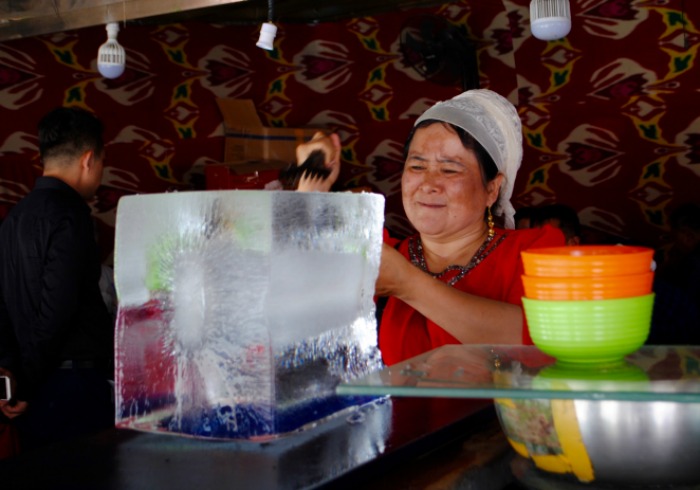
6. Ice Yogurt

Xinjiang’s answer to frozen yogurt. Finish off your meal like a local, with a bowl of iced yogurt. The creamy mixture is spooned into a bowl and chips of ice are added. Light and naturally tangy, you can choose whether or not to add sugar syrup according to taste. You’ll see locals crowding around vendors, sipping away and holding out their bowls for more sugar syrup or ice.

China’s Secret Foodie Destination  

Photo by Alexandra Boulton

You’ll be spoilt for choice eating in Xinjiang. But how will you know where to go for the best ice cream in Kashgar? Where can you picnic in the shade of Turpan grapevines? If you travel with AsiaTravel on a Silk Road journey, you’ll be accompanied by our local guides who know the area better than anyone. They can guide you to the best food and help you converse with vendors to learn how to make your favorite Xinjiang dishes when you get home. They’ll even introduce you to a local family who will invite you home and teach you how to feast Xinjiang-style. 

And of course, travel to Xinjiang isn’t all about food. Let AsiaTravel guide you on your voyage and we’ll take you to see Flaming Mountains made famous by China’s seminal piece of literature, Journey To The West; to feel a cool alpine breeze by the clear waters of Karakul Lake; and wander the ruins of an ancient capital, long abandoned in Xinjiang’s ‘Death Valley’. For more reading about Xinjiang, check out our blog 6 Things You Didn’t Know About Xinjiang.

RELATED READING: Top 10 Xinjiang Dishes

– 

If Xinjiang sounds like your kind of destination, check out the itinerary for our Marco Polo’s Silk Road, or Northern Xinjiang journeys. 

Islamic Architecture in China: 4 Stunning Cities

In 652 AD, Muslim traders and diplomats brought the religion of Islam to China. Today, China boasts a Muslim population of over 23 million and there are 35,000 mosques scattered throughout the vast country. Islamic influence can be found everywhere, from the bustling cities of Beijing and Shanghai to the wild western regions of Xinjiang.

Islamic architecture in China is as rich and varied as the country itself. In China’s desert region of Xinjiang, mosques are built in the more traditional Middle Eastern style, with towering domes and minarets. In China’s more populated east, however, mosques eschew domes in favor of a more traditional style of Chinese architecture. Symmetrically designed, eastern mosques more closely resemble buddhist Pagodas, in the hopes of blending in and winning acceptance from the native population.

From the Great Mosque in Xian through Urumqi and into remotest Xinjiang, this article will briefly introduce you to the style and varieties of Islamic architecture that await your discovery in China. On a AsiaTravel journey, you can customize your tour to swing by these fascinating relics of cultural fusion.

Xi’an – the Oldest Mosque

Islamic Architecture in China: 4 Stunning Cities

RELATED READING: 5 Best Dishes in Xi’an

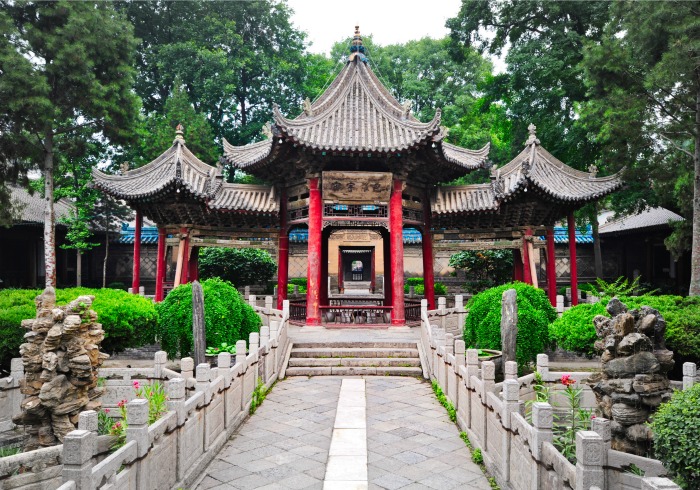
Built during the Tang Dynasty in 742 AD, Xi’an’s Great Mosque is the oldest in China. Constructed in the Chinese style to blend in with existing places of worship, the Great Mosque is almost devoid of the traditional features of a Middle Eastern place of worship. It has no dome, nor traditional minarets, and, aside from some Arabic decorations, little to distinguish its faith of origin.

Today the Great Mosque remains a place of worship for Xi’an’s Chinese speaking Hui minority. Five times a day the Imam calls the local Muslim population to prayer and they travel from the far reaches of the city to gather on the mosque’s carpeted floors. Men and women are separated in accordance with Muslim tradition. 

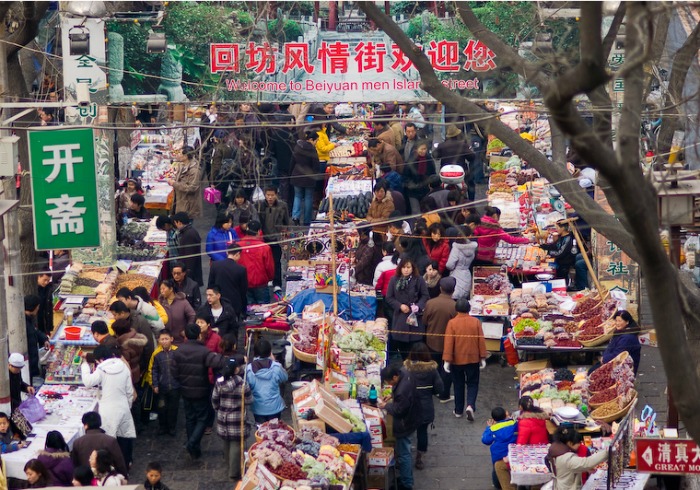
On a WildChia tour to Xi’an, we’ll organize an exclusive audience with the Great Mosque’s Imam. You’ll be free to openly discuss and ask questions about this unique point in Xi’an’s cultural heritage. The Muslim Quarter in Xi’an will also be a highlight where you’ll discover fragrant food stalls and a lively minority culture that celebrates its Islamic heritage.

Already feeling tantalized by the idea of Muslim food? Check out our blog post about the Five Best Dishes in Xi’an. Learn more about our Xi’an tours and get started speaking with a travel designer today.

Urumqi – Where East and West Collide

Islamic Architecture in China: 4 Stunning Cities

Photo credit: Alexandra Boulton

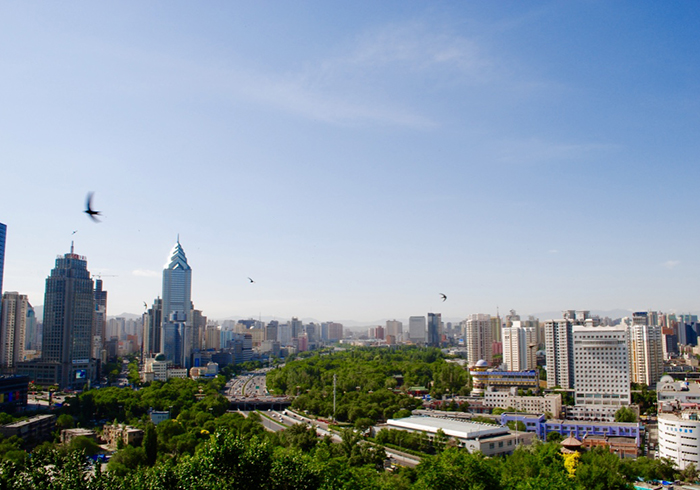
Visit Xinjiang in Northwest China, and you’ll discover China’s largest Islamic population. The provincial capital, Urumqi, is the biggest city in the region and also the most Chinese in style. Many of the city’s mosques are built of wood and maintain the square, symmetrical structure of a pagoda. Others, like the Uighur Beytullah Mosque, are adorned with minarets and domes, not unlike those you would find further west in Saudi Arabia.

Your local AsiaTravel guide will show you around the city’s mosques, giving you insider information about their history and current uses. Today Urumqi is an important land and air travel hub. Before striking out along the Silk Road to Turpan or Kashgar, be sure to visit the legendary Tarim mummies in Urumqi Museum, perhaps jaunt out to the picturesque Heavenly Lake, and get your mutton fix at one of many Central Asian-style kebab vendors. Curious about the capital of Xinjiang? Learn more about the region in our blog post: 6 Things You Didn’t Know about Xinjiang. 

Turpan – The Tallest Minaret in China

Islamic Architecture in China: 4 Stunning Cities

Photo credit: Alexandra Boulton

RELATED READING: Turpan: 5 Things to Do in China’s Death Valley

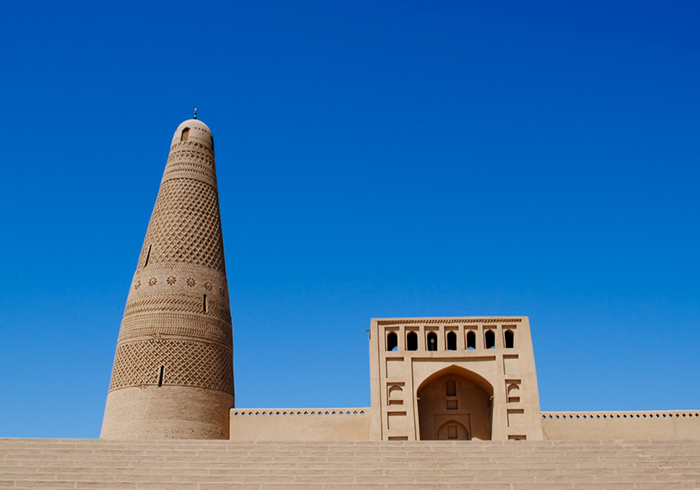
Beside the Uighur mosque in Turpan, a township to the east of Urumqi, towers the Emin Minaret or Imin Ta. Standing at a dizzying 44 meters (144 feet) in height it is the tallest minaret in China. It was constructed in 1777, and although the emperor at the time didn’t live to see it completed, the Emin Minaret stands as a monument to cooperation between Han Chinese and the native Uyghur ethnic group.

The Emin Minaret is an eye-catching blend of Chinese and Islamic architecture. On a AsiaTravel tour of Turpan, we’ll arrange for you to travel by bicycle and get a real feel for the architecture, culture, and people. Get to know more about Turpan in our blog post.

Kashgar – The Largest Mosque in China

Islamic Architecture in China: 4 Stunning Cities

Photo credit: Alexandra Boulton

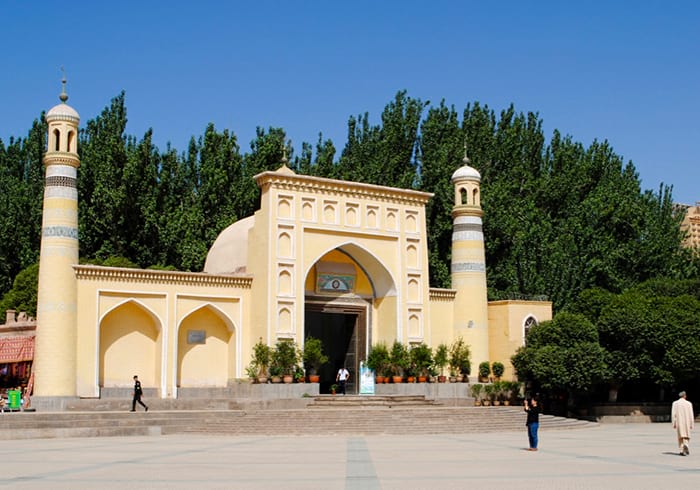
In the ancient city of Kashgar, you’ll find China’s biggest and busiest mosque. The Id Kah Mosque has room for as many as 20,000 worshippers. It was built in 1442 and has a long and storied history. During the Chinese civil war in the 1930s, for example, it was the site of two beheadings as various groups vied for power.

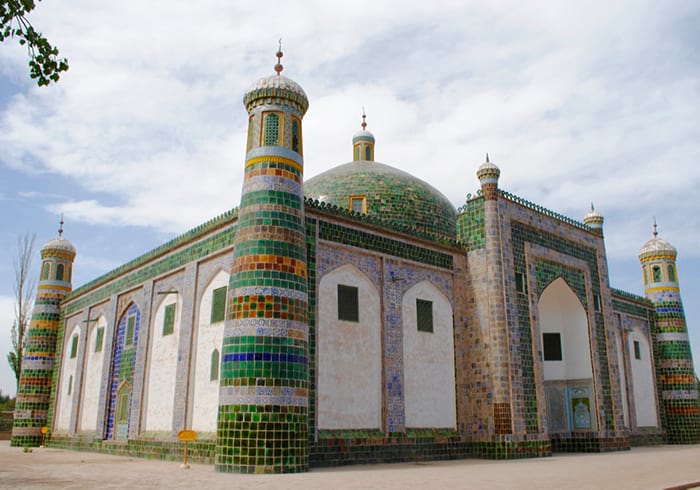
5 kilometers to the North East of Kashgar, you’ll find the Afāq Khoja Mausoleum, the holiest muslim site in Xinjiang. Built in 1640, the centerpiece of the mausoleum is a giant 17 meter doom bordered by four elaborately decorated minarets.

Islamic Architecture in China: 4 Stunning Cities

Photo credit: Alexandra Boulton

RELATED READING: 6 Things You Didn’t Know about Xinjiang

Around Kashgar’s vibrant streets, your AsiaTravel guide can lead you down alleyways and into private homes where you’ll be able to speak to locals directly. While there, witness the art of hand-pulled noodles and try making some for yourself. You’ll be surprised at the rich experiences that await just around the corner of these backroads. Get to know more about Kashgar in our Silk Road Tours: Our Insider’s Guide to the Top Destinations blog post. 

Learn more about Islamic architecture here: Mosques and Islamic Identities in China

Many of China’s Islamic sites lie along the famous Silk Road, the ancient trading route that connected China to Europe. Explore this region and follow in the footsteps of Marco Polo, as you discover some of the most storied and exotic sites in the country. Learn more about our Marco Polo’s Silk Road journey.

4 Best Hotels in Shangri-La

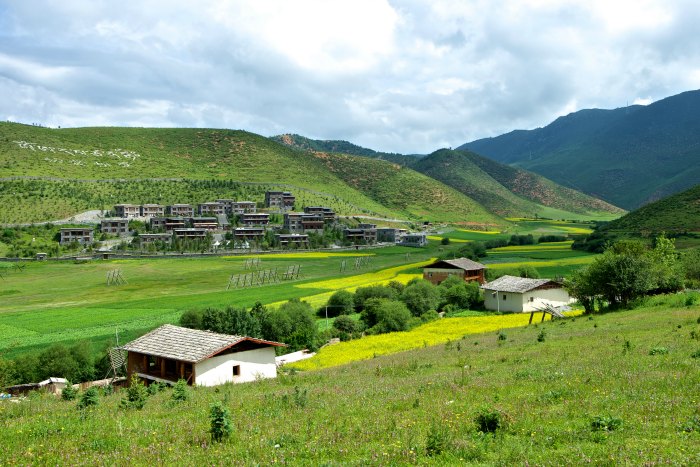
Inspired by the mythical land in James Hilton’s Lost Horizon, the city of Zhongdian officially renamed itself Shangri-La in 2001. And we agree that it’s a great name for this stunning region. Resting on the edge of the Tibetan Plateau, Shangri-La is famed for it’s unprecedented beauty and majesty.

Here at AsiaTravel we make sure your days are filled with authentic, luxury experiences and we don’t want your pleasure to end at your accommodation’s doorway. That’s why we work with the top hotels and resorts across the Middle Kingdom to ensure you’re bathed in the utmost splendor at every turn. 

We also understand that everyone has their own taste and style when it comes to lodgings and that’s why, in each destination we visit, we have a range of options for you to choose from. Let us introduce you to four of our preferred partners in Shangri-La.

Best Hotels in Shangri-La: Homely and Traditional

Songtsam Shangri-La Lodge

4 Best Hotels in Shangri-La

READ THE EXPERIENCE: My Perfect Day in Shangri-La

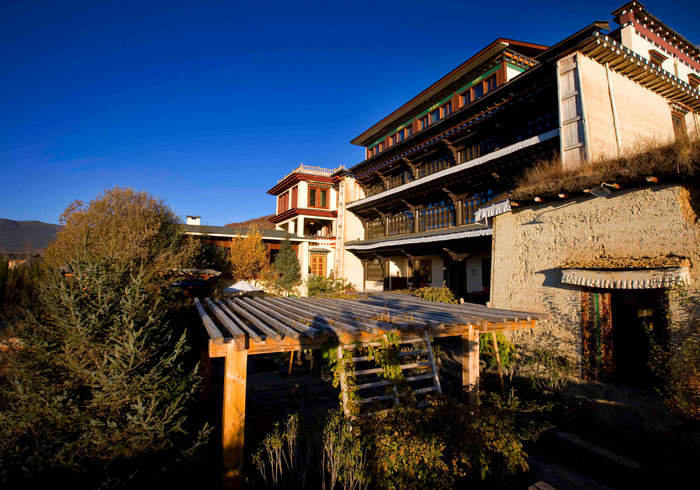
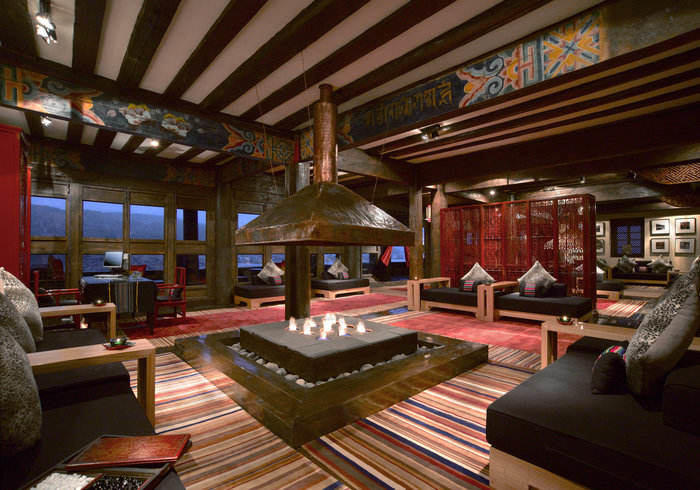
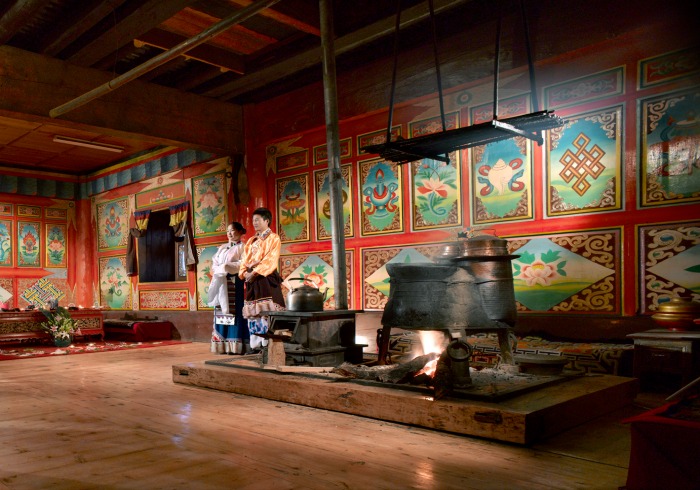
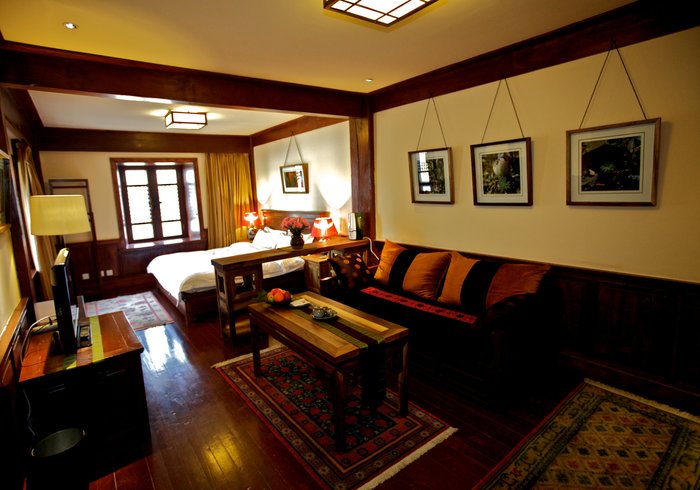
Neighboring the Songzanlin Monastery, the Songtsam Hotel brings you close to the Tibetan way of life. The décor is understated and traditional; helping you to connect with the surrounding village that the founder of the Songtsam Lodges grew up in. It’s evident that this property is close to the heart of the Songtsam brand through the small touches in every room and every stay.

4 Best Hotels in Shangri-La

This unpretentious yet deluxe accommodation won the Trip Advisor Travelers Choice award for 2017 and is set to stay at the top of our list for years to come. If you’d like to plan an itinerary similar to our Fabled Shangri-La journey, booking your tour and accommodation through AsiaTravel will make for a worry-free experience.

What not to miss:

Ride on horseback around the nearby mountains and valleys. The sense of freedom you’ll feel on the back of your mighty steed is ineffable.

Best Hotels in Shangri-La: Authentic Luxury

Songtsam Retreat

4 Best Hotels in Shangri-La

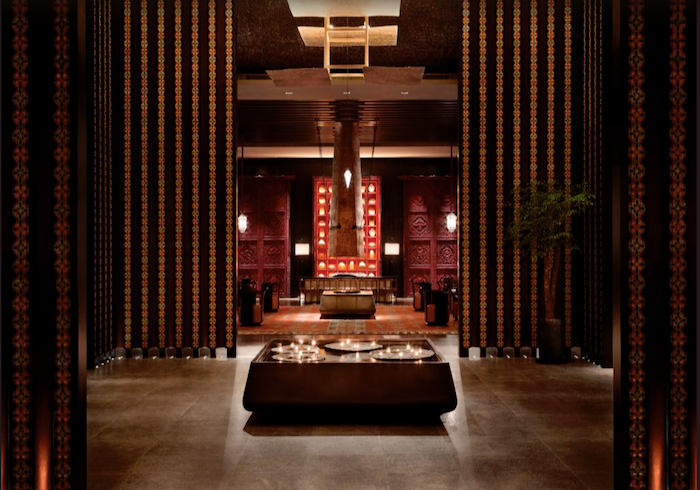
The sister lodging of the Songtsam Shangri-La, The Songtsam Retreat offers the perfect balance of authenticity and luxury. This boutique retreat is nestled in a local Tibetan village and is just a short journey from Diqing Airport. The hand-built hillside lodge is lovingly and thoughtfully merged with its surroundings.

4 Best Hotels in Shangri-La

RELATED READING: The Songtsam Lodges – Retreat into Fabled Shangri-La Valleys

With 75 rooms and a world-class spa, the 21 acres of this resort are enough to house a luxurious portion of this paradise on earth. Enjoy your pick of the Songtsam Lodges, on our AsiaTravel Songtsam Circuit. We work with not just one, but five of the reatreats to provide a unique sensory journey through the Shangri-La valleys.

What not to miss:

Get a Tibetan butter massage in the hotel spa. The health benefits of Tibetan butter are well known in the area and a Tibetan butter massage is said to help your blood circulation.

Best Hotels in Shangri-La: Hideaway Resort & Spa

Banyan Tree Ringha

4 Best Hotels in Shangri-La

This secluded spa and hideaway resort is a celebration of local customs. This resort is the perfect getaway for couples seeking an intimate and romantic haven in paradise.

4 Best Hotels in Shangri-La

Spa treatments are interwoven with local beliefs and hand carved river stones, from the nearby Kopan Monastery, are used in treatments. The Banyan Tree perfectly embodies the AsiaTravel philosophy: authentic flourishes embedded in modern luxury. This is why they’re one of our preferred partners in Shangri-La and we receive special rates when you book through us. Let the experts take this one.

What not to miss:

The “Wisdom Room” is a fully stocked library in the hotel. You’ll get to flick through Tibetan scriptures and try buttermilk tea and mountain walnuts served with organic honey.

Best Hotels in Shangri-La: Modern Magic

Hylandia by Shangri-La

4 Best Hotels in Shangri-La

A new addition to the Shangri-La brand, fittingly opened in the place of its inspiration. In the Hylandia, you will be welcomed to your room with a copy of James Hilton’s Lost Horizon. You’ll also be greeted with vistas of the magical and majestic landscapes described in the book.

4 Best Hotels in Shangri-La

RELATED READING: Venturing Off the Beaten Path in Tibet

Located in the new town but just a short walk from the Old Town, this hotel crafts a union between traditional and modern Tibetan lifestyles. Like the Hylandia, we believe in integrating local customs and modern experiences into a life-changing experiences. Let us do the heavy-lifting and find the hotels that best suit you.

What not to miss:

A Mushroom hunting trek where a local guide teaches you the difference between edible and inedible mushrooms. Afterwards the resort cooks your findings in a hotpot. 

Learn the history of Shangri-La from BBC.

When you book a trip to Shangri-La with AsiaTravel, we make sure you’ll rest easy no matter where you stay. We take all the hassle out of booking your hotel and you’ll take advantage of our preferred partner rates. Get started planning your trip to Shangri-La by talking with one of our expert travel designers.


Top 5 Reasons Why You Should Visit Lhasa

In the center of the breathtaking Tibetan Plateau sits Lhasa; a city blessed with all the mystery, spirituality and majesty of an ancient tale. Whether you traverse its resplendent landscape, reflect on ancient philosophies or spend your time seeking out a new favorite dish, Lhasa will provide you with a remarkable experience.

This post gives a sample of the rich offerings of Lhasa and is a great starting point to plan your own Tibetan Journey with our expert travel designers.

Lhasa Opens your Mind

Top 5 Reasons Why You Should Visit Lhasa

Photo Taken by Director of Sales Jenny Zhao on her Recent Survey Trip of Tibet

Spirituality, religion and philosophy are interwoven into the very fabric of the city; both literally, in the prayer flags draped across temples and figuratively, in their deep roots in the local culture.

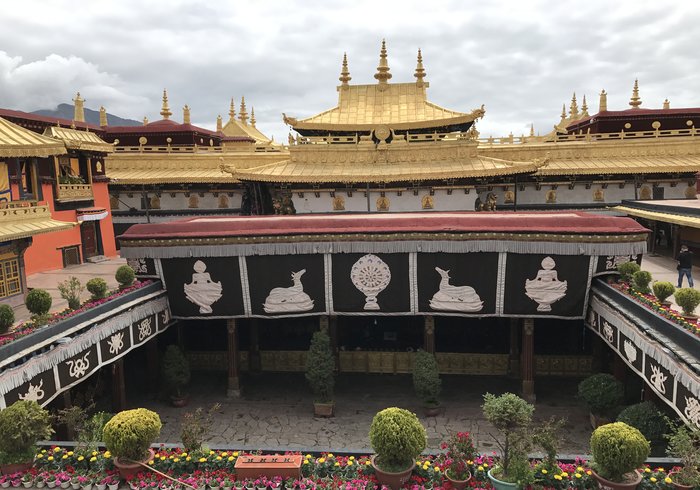
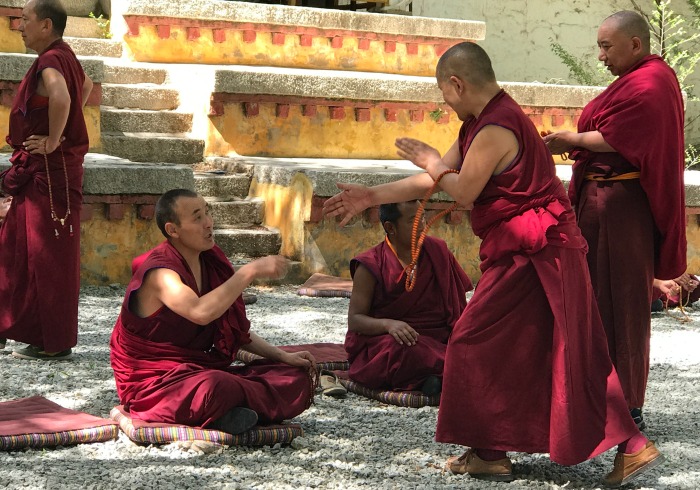
Find your spiritual path in Lhasa by joining pilgrims, present and past, on the Barkhor Street Pilgrimage route; stopping to engage in debate with nuns and philosophize with Buddhist monks. Arrive at the golden Jokhang Temple, revered as the most sacred place in Tibet, or find yourself at the infamous Potala Palace.

Taste Tibet in Lhasa

Top 5 Reasons Why You Should Visit Lhasa

Photo taken by Mar Pages of Once in A Lifetime Journey on her recent trip with AsiaTravel to Tibet

Experience a sensory feast at one of Lhasa’s night markets. The largest, Tianhai Night Market will introduce you to some of the more adventurous local delicacies. Expect to find yak’s blood, the local staple food ‘Tsampa’ and filled ‘Momo.’

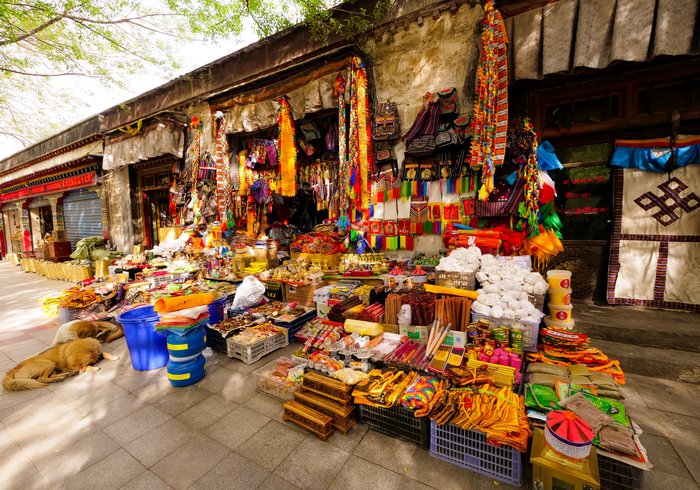
Barkhor Street also transforms from pilgrimage route to night market and is buzzing with activity until the early hours. This is the ideal spot to pick up trinkets and handicrafts to take home.

Both markets will offer you the chance to observe and engage with the Lhasa way of life. While you wander about, your AsiaTravel guide can help you communicate and barter with the locals.

Journey Back in Time in Lhasa

Top 5 Reasons Why You Should Visit Lhasa

Photo Taken by Director of Sales Jenny Zhao on her Recent Survey Trip of Tibet

Lhasa is an ancient city so it’s fitting that it’s home to an abundance of Neolithic artifacts. On a AsiaTravel journey, you’ll visit the Tibet Museum just next to the Potala Palace and delve into the art, architecture, cultural and political history of the region.

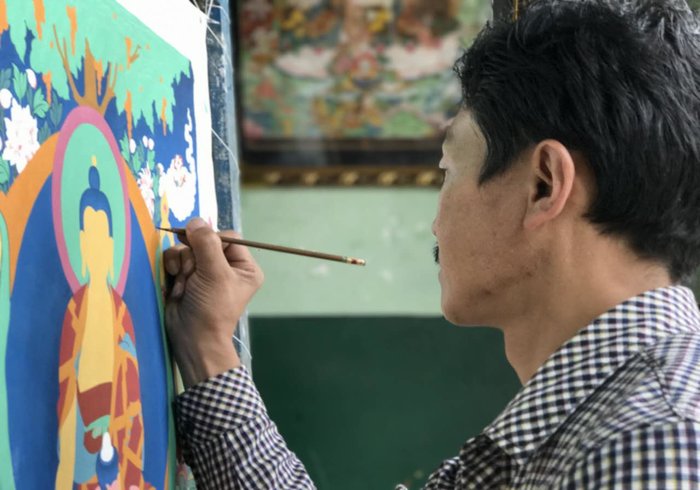
You’ll learn about the ethnography of Tibet in the cultural exhibitions and try your hand at creating a traditional thangka painting.

Celebrate Lhasa’s Culture

Top 5 Reasons Why You Should Visit Lhasa

Photo Taken by Director of Sales Jenny Zhao on her Recent Survey Trip of Tibet

As you weave your way through the night markets, you’ll be drawn in all directions by beautiful traditional clothing and the sounds of ethereal music coming from shops and stalls; don’t let your acquaintance with Tibetan music end here.

Add some more excitement to your journey with a visit to the Langma Opera Halls and take in a show of music, singing, poetry and dance once reserved for only the elite.

Or, if you’re more interested in learning about Tibet’s rural way of life, your AsiaTravel guide can arrange a visit to a local village home. Here you’ll be served sweets, snacks, butter tea, and barley wine. Your guide will introduce you to the Tibetan daily routine and teach you why Tibetan houses are roofed with yak dung.

Embark on an Adventure around Lhasa

Top 5 Reasons Why You Should Visit Lhasa

Photo taken by Mar Pages of Once in A Lifetime Journey on her recent trip with AsiaTravel to Tibet

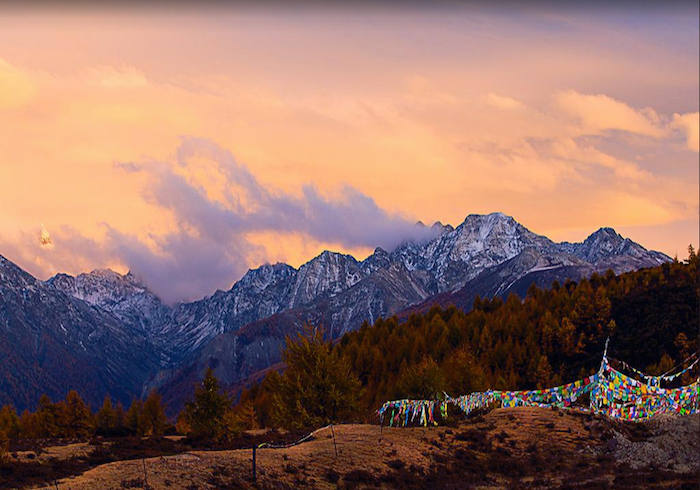
It’s virtually impossible to contemplate Tibet without mental images of majestic mountains and glaciers decorated with colorful prayer flags dancing in the wind. Lhasa is the perfect entry point to the Himalayas with some of it’s most popular as well as challenging trails choosing this elevated city as their base camp.

No matter your hiking experience, there’s a trail that will suit you, and if you prefer a slower pace there are many stationary vantage points for picturesque views.

If this snapshot of Lhasa inspires the adventurer in you, take a deeper look and journey further into Tibet on our Soul of Tibet or our Escape to Lhasa journeys.

6 Things You Didn’t Know about Xinjiang

Travelers to China have probably noticed Xinjiang as the huge northwestern area on the country’s map. Yet despite its size, few know that much about it. The region is wrapped in a fascinating history and is home to a wealth of landscapes and diverse peoples.


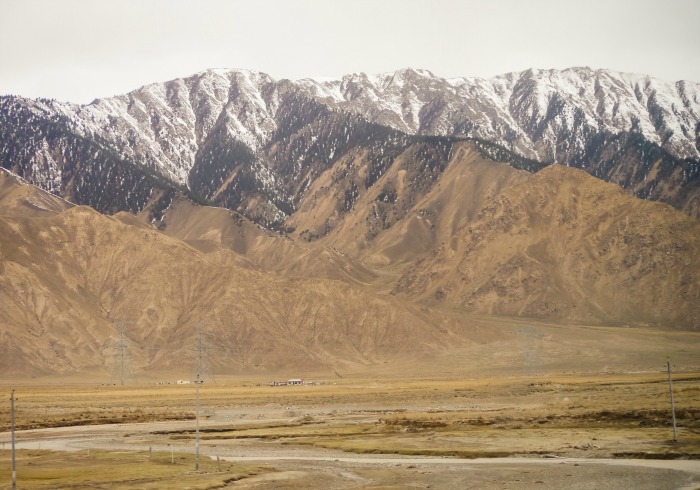
Officially known as the Xinjiang Uyghur Autonomous Region, Xinjiang boasts some of the country’s most stunning mountains and deserts. It’s one of the few places where you can glimpse what Marco Polo would have seen on his epic Silk Road travels and the region remains very ethnically diverse. Muslim, Turkic-speaking Uyghurs make up almost half the population.

We’ve rounded up some other things you might not know about Xinjiang.

6 Things You Didn’t Know about Xinjiang

There is a 2-hour Time Difference

While Urumqi, the provincial capital of Xinjiang may be 2,400 kilometers and two time zones west of Beijing, people (officially) live by Beijing time. This causes some problems when you want to be up during the day and asleep at night. To combat this issue, people in Xinjiang start work at 11am and eat lunch at 2pm, then return home at 7pm. Everything is done 2 hours later.

Han Chinese work on Beijing time, yet many Uyghurs across the region work on Xinjiang time.

6 Things You Didn’t Know about Xinjiang

Xinjiang TV stations adopt different time zones, using Beijing time for their Mandarin-speaking channels, and Xinjiang time for their Uyghur-language broadcasts.

If you travel with AsiaTravel, we’ll make sure you’re on time to every appointment, whether it be dancing with a Uyghur family in a traditional home or eating a delicious Muslim feast you learned to cook with a local chef. We suggest that travelers to Xinjiang stick to Beijing time, as all transportation across the region use this.

Mao Zedong Designed the Jiang Character in Xinjiang (新疆)

It represents the landscape. The lines are mountains and the boxes are farmland. Xinjiang is home to a wealth of landscapes, from evergreen forests and central Asian steppe to snowcapped peaks and scorching deserts.

Mao was right to recognize the region’s awesome geographic features. These include K2, the world’s second-highest peak, as well as the Turpan Depression, which is one of the lowest and driest places on earth.

6 Things You Didn’t Know about Xinjiang

Despite the inhospitably arid climate around the Taklamakan Desert, rich vineyards and fruit orchards flourish at Turpan, home to China’s most famous melon and grape harvests. On a AsiaTravel journey you’ll get to join in on the action, helping to pick grapes and enjoying the fruits of your labor as you go.

Kuqa was Home to China’s Last Royal Family

Kuqa is a thriving Silk Road oasis on the northern edge of the Taklamakan desert, and it was also home to China’s last feudal king.

Dawud Mahsut became king at the age of 14, during the region’s anarchic 1940s. After the founding of the People’s Republic in 1949, he was dethroned and eventually became a senior party official in the local area, having been converted to the communist cause.

6 Things You Didn’t Know about Xinjiang

Today, visitors to Kuqa can learn all about the fascinating king and his ancestors in his former home, the Qiuci Palace.

The Lakes are Full of Legends

Northern Xinjiang is an unspoiled mosaic of placid lakes, Siberian forests and rolling grasslands. Kanas Lake is the area’s stunning centerpiece, and is said to be home to China’s own Loch Ness Monster.

This lake monster is said to drag livestock into its watery lair, and its appearance every few years helps to keep conspiracy theorists excited, and visitors equally fascinated.

6 Things You Didn’t Know about Xinjiang

The lake also has a 2-kilometer-long natural dam made of dead trees. It’s uncertain why the trees didn’t float away after dying, yet locals offer a convenient solution: the trees don’t want to leave their beautiful lake.

The Food is Fantastic

Xinjiang’s cuisine is one of its most pleasant surprises. Lamb kebabs can be found on most street corners, and make a delicious snack when exploring the region’s bustling bazaars and night markets.

Hearty dishes like “big plate chicken”, a mountain of chicken chunks with potatoes, vegetables, are combined with baked bread that softens and melts in your mouth.

6 Things You Didn’t Know about Xinjiang

Echoing its Silk Road history, locals have put their own spin on China’s pulled noodles, as well as pilau rice, a popular central Asian dish. Xinjiang’s hearty and easily spoonable dishes are a delicious world away from other Chinese fare.

On a AsiaTravel journey, you’ll learn how to cook in the house of a real, local family.

It’s Been Featured in Famous Movies

Kashgar’s Old City is one of central Asia’s best examples of traditional Islamic architecture, and because of this “The Kite Runner” was filmed here. Kashgar was used to depict 1970s Kabul, since Afghanistan itself was too unsafe. Filmmakers remarked when it came to shooting the movie, all that needed changing were the street signs.

6 Things You Didn’t Know about Xinjiang

Northern Xinjiang’s “ghost city” near Karamay was also used in the filming of martial arts blockbuster “Crouching Tiger, Hidden Dragon” – the name comes from the sound of the wind whistling through the park’s rock formations.


On our Marco Polo’s Silk Road tour you’ll relive one of history’s greatest journeys across Xinjiang. Through vast deserts and the ruins of lost cities, you’ll glimpse vanishing Kashgar, enjoy Uygur hospitality in Turpan, marvel at mummies in Urumqi, and find enlightenment in Dunhuang’s Mogao Caves. Let’s get started planning your Xinjiang adventure today.

Guilin Tour: Our Insider Advice on What to See, Do, and Eat

The region around the city of Guilin, in Guangxi Province, is chock full of beautiful scenery, things to do, and rare treats to eat. In fact, the area is becoming increasingly popular with tourists and you might be hard-pressed to find a slice of authentic China.

That’s where we come in. On a Guilin tour with AsiaTravel, you’ll be whisked out of the city and away from the cookie cutter itinerary to take part in special, exclusive, and life-changing experiences.

What wonders await you on a Guilin tour like Guilin: Into the Scroll? Here are some of the highlights:

What to See Around Guilin

Guilin Tour: Our Insider Advice on What to See, Do, and Eat

Dragon’s Backbone Rice Terraces

The mesmerizing manmade tiers of the Dragon’s Backbone Rice Terraces undulate across the landscape a short way’s drive from Guilin. These classically Chinese terraces were built over 700 years ago and took about 400 years to complete.

On a AsiaTravel Guilin tour, you can witness the wisdom and ingenuity of the Zhuang minority people who’ve made these terraces home for centuries. We love to guide you at your own pace on a hike along the landscape and while you take in the luscious natural scenery, you’ll also get to know the ethnic minority people you meet along the way. 

.

Guilin Tour: Our Insider Advice on What to See, Do, and Eat

Family Visit in Xiaozhai Village

In the remote village of Xiaozhai, the Yao ethnic minority people maintain their traditional ways of life. The Yao are widely known for their brightly colored textiles and their musical traditions. You may watch as artisanal crafts are taught to the local children or witness groups of women singing and dancing together. Music is a key component of Yao religious ceremonies and storytelling, and you’ll witness this festive magic in the making.

With all the fun working up your appetite, AsiaTravel will arrange for you to visit a family’s home for an informal cooking demonstration and a lunch of typical Yao dishes.

The women of the village will also demonstrate their complicated “flower hair” hairstyles. Traditionally, Yao women only cut their hair once as teenagers and once after they marry.

Guilin Tour: Our Insider Advice on What to See, Do, and Eat

Dong Ethnic Minority Village

Another rare encounter you can have on a AsiaTravel Guilin tour is with the Dong ethnic minority people. From traditional architecture to intricate jewelry and textiles, the villages of the Dong people are well worth a stop over.

In the center of each village, the Dong have built a drum tower using pillars and supporting beams made out of fir tree logs. Mythical beasts such as dragons and phoenixes have been carved atop the pillars to symbolize good luck for the local people.

Where to Stay Around Guilin

Guilin Tour: Our Insider Advice on What to See, Do, and Eat

Li-An Lodge

Li-An lodge is perfectly situated to make the most out of your Guilin tour and is one of our preferred partners for Guangxi Province. Overlooking the magnificent Dragon’s Backbone Rice Terraces, the lodge sits atop a mountain and borders a local ethnic minority village. Li’an lodge was built entirely of wood without using a single nail. The traditional Chinese technique of tongue and groove building was used to create this effect.

The lodge itself was created by Keren Su, a renowned photographer, painter and adventurous world traveler, who hoped to build a retreat where Chinese traditions meet modern luxury. Su built artistry into every detail of Li’an Lodge and nature returned the favor with the views. Year-round, the lodge witnesses the rice terraces change from verdant green, to snow-covered white, to shining yellow with the seasons.

What to Eat in Guilin

Guilin Tour: Our Insider Advice on What to See, Do, and Eat

Guilin Rice Noodles

These noodles are beloved by locals and visitors alike. They are mild, fragrant, and inexpensive, coming round like spaghetti, or flat like ribbons. Accompanying the noodles are the delicious gravy, scallions, fried peanuts or soybeans, and finely sliced pieces of meat. Each chef has their own secret recipe, so the gravy will vary from shop to shop. Locals eat these noodles for any meal of the day. Throw a stone, and you’re likely to hit a rice noodle stand! On a AsiaTravel tour we’ll recommend our favorite rice noodle shop and can even arrange for you to hone your cooking skills in a private cooking lesson.

Guilin Tour: Our Insider Advice on What to See, Do, and Eat

Beer Fish

If you like fish, but not the smell, this dish is for you. This fish is locally caught and then fried in tea seed oil and braised in beer. There are three factors that make this dish really special: first, the carp must be between 1-1.5kg, and have been recently caught in a pristine location; second, it must be cooked in water from the Li River; third, the fish must be cut without scraping any of the scales. Be warned: beer fish is spicy but the flavor is well worth the burn. It is also best enjoyed in the home of a local fisherman. AsiaTravel can arrange this intimate meal for you during your stay.

When considering the scenic locations of China, a Guilin tour should be high on your list of options. The experiences we’ve mentioned above is just a sample of what you will discover. Customize our Essence of China tour to enjoy Guilin as part of a longer China journey or, if you are looking for a shorter trip, check out our Guilin: Into the Scroll tour.