Yangmeizhu Xie Jie: The Best of Transformed Hutongs

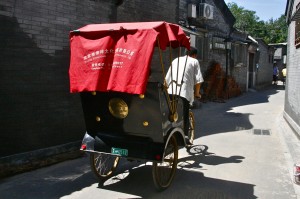
You know you have to hit the hutongs and get a pedi-cab ride, hear about the royal families and institutes that lived in those gray brick-and-tile mansions. But what about the rest of the hutongs, the real ones that old generations of ordinary citizens who lived there and passed it down to their grandchildren and their grandchildren?

We didn’t forget about them! If you are interested in checking out the daily hutong life of modern China, here is the best representation of all transformed hutongs in Beijing. Away from the tourist sites, we present…

YANGMEIZHU XIE JIE– referred as YMZ alley below (direct translation: Skewed Red Bayberry and Bamboo Street)

Yangmeizhu Xie Jie: The Best of Transformed Hutongs

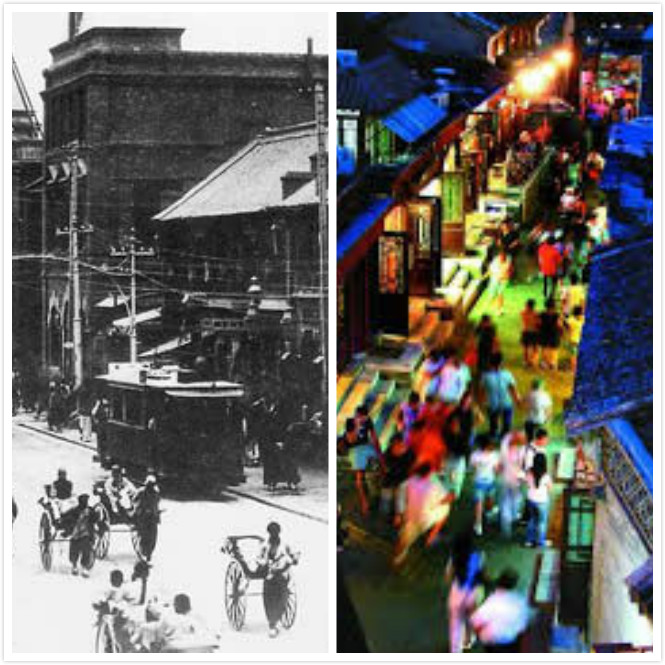
Old & New YMZ alley

Qianmen, as a must-visit tourist site, should give you an idea of how people lived in old China, described in the books of Lisa See. But honestly, Qianmen area has changed so much from what it used to be. Everything looks so… twenty-first-century! There are H&M, Zara and Starbucks lined up on the street. The surrounding area is also much more modern. If you are there, then ditch the artificial facilities and mingle with the culturally rich local lives at YMZ alley.

What can you find here?
YMZ is named after a legend of Mrs. Yang, a very skilled matchmaker and the happy marriages she brought together. The street was then turned into a bevy of famous publishing bureau during the Republic of China era. The mixture of vintage and avant-garde, that’s the difference between YMZ and the other not-so-cool hutongs. You will find independent designers, such as “casual location” and book cover designer studios that exhibit inspiring notebooks from all around the world. These tiny studios and boutiques deliver a positive yet mellow vibe to their native Beijinger neighbors. The residence on YMZ alley also shares their most welcoming tradition, treating these residence-nouveau as their new family members. Arriving at the doorsteps, we look at the YMZ in a whole new, admiring light.

What can you do there?
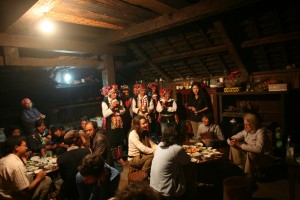
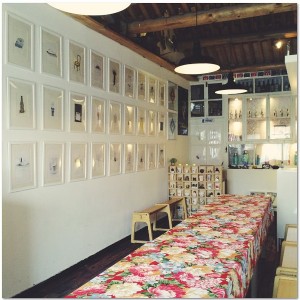
1. No set menu, no named cuisines, book a family dinner at Casual Location with local Chef Jiawen, he will surprise you with his healthy and delicious jiachangcai (home cooking.)
Casual Location 米念, reserve for tailored dinner:158 1030 0334 (two days ahead)

Yangmeizhu Xie Jie: The Best of Transformed Hutongs

Casual Location Dinner Setting

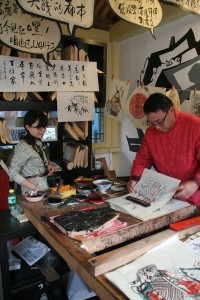
2. Are you a crafty person? If yes, then check out Old Zhang’s Wood-carving New Year Painting. A picture tells a thousand stories. Here you can learn a thousand traditions, urban legends, and bizarre cultural metaphors from all the carving designs.
Reserve with Old Zhang 老张的木板年画 13522641374

Yangmeizhu Xie Jie: The Best of Transformed Hutongs

Old Zhang’s Shop

Why we think it’s cool?
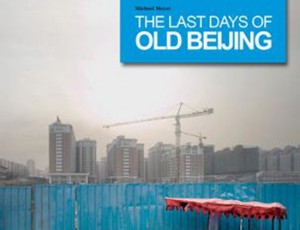
If a laowai (Chinese for “foreigner”) wrote a book about this little alley, you know it’s pretty cool. Michael Meyer, a professor from Pittsburgh University and Peace Corps volunteer, lived in this alley for many years His book, The Last Days of Old Beijing, talked about stories of his neighbors—the 75-year-old granny moving out of the hutong that she lived in for her whole life, urbanites and Gen-Ys advocating the transformation of this old neighborhood, experts and scholars finding the significance of keeping these timeworn establishments.

Yangmeizhu Xie Jie: The Best of Transformed Hutongs

Michael’s Book

With its legendary historical background and all the contemporary creative souls, this hutong is the new up and coming gem of Beijing.

Book a tour with us. Our Classic China series, which range from 11 to 13 days, all include Beijing as a destination. Our next departure is the Chinese Treasure trip that starts from Beijing and ends in Shanghai.

Classic China series:  Family Fun | Soul of Tibet | Chinese Treasures

Our Classic China series fuses our spirit of adventure and sense of luxury with China’s most iconic routes to create distinctive journeys especially designed for first time visitors. Rather than simply catching a glimpse of the Great Wall and Tiananmen Square, we bring you superior access to experts, local experiences, and exclusive venues so you can get beneath the surface and experience China differently. Feed and care for pandas alongside their rangers or practice taichi with locals at the Temple of Heaven. Experience the real China in style with our Classic China journeys.

Photo credits to 时尚廊Trends Lounge


An Update on the Yunnan Earthquake and Our Future Trips

An Update on the Yunnan Earthquake and Our Future Trips

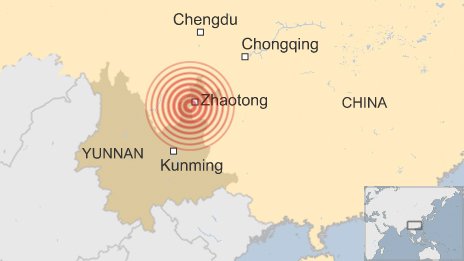
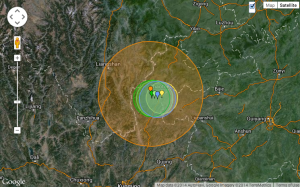
BBC News Provided the Epicenter Map away from Tourists Area

Ludian, a remote county in Northeast Yunnan, experienced a 6.1-magnitude earthquake yesterday. No AsiaTravel travelers or future trips are affected.                   

An Update on the Yunnan Earthquake and Our Future Trips

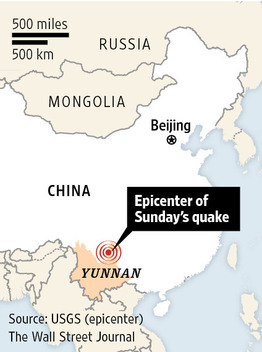
The WSJ Quake Epicenter Ma


On August 3rd, a 6.1-magnitude earthquake struck a rural part of Northeastern Yunnan. The epicenter was in a mountainous region largely covered by agricultural lands, far from the tourist centers of Dali and Lijiang in the South. No AsiaTravel traveler or future trips will be affected by the earthquake.There have been reports of at least 381 casualties so far. We hope more lives can be saved through the rescue effort.

A total of 7,000 rescuers are working on disaster relief. Among those, 5,000 soldiers belonging to the People’s Liberation Army (PLA) from Chengdu are searching for more survivors and moving villagers out of the region. Government troops and the Red Cross Society of China also reacted immediately, distributing thousands of relief supplies and equipment. Relief goods were quickly handed out to people in the affected area. The surrounding villages and neighboring provinces have suffered a lesser degree of damage.

If you have an upcoming trip with us to Yunnan, Sichuan, or Guizhou, your AsiaTravel travel consultant will get in touch with you.

Please do not hesitate to get in touch if you have any questions or concerns. We will continue to monitor the situation closely.

An Update on the Yunnan Earthquake and Our Future Trips

Google Geological Map of the Epicenter

For more latest news about the earthquake:
Xinhua | BBC | The Wall Street Journal | U.S. Geological Survey

China Travel Tips: Top 3 Hotels in Chengdu, Sichuan

When you plan your trip to China, you probably don’t have Chengdu, Sichuan in your top destinations list. Why go? It’s a wonderful place to pamper pandas, eat spicy food and walk through scenic UNESCO World Heritage Sites, all while staying comfortably in our Top 3 Hotels.

Chengdu: an international hub

Far from being inhabited by just pandas and peppers, Sichuan’s capital Chengdu is China’s fourth largest city, named by Forbes as one of the next decade’s fastest-growing cities. Designated by UNESCO as Asia’s first City of Gastronomy, the city hosted the 2013 Fortune Global Forum which saw world leaders and CEOs meet.

Where to stay? Our top 3 hotels

The Six Senses Qing Cheng lies at the gateway to the Taoist Qingcheng Mountain, a UNESCO World Heritage Site north of Chengdu. With its 111 suites, Six Senses has a luxury village theme with design and landscaping that reflect the surrounding natural area. This resort is very close to a new panda base and research center where you play with the resident pandas.

The Anantara Emei Resort & Spa is located at the base of the Buddhist Mount Emei, a UNESCO World Heritage Site south of Chengdu. This resort has 90 rooms and 60 suites, an outdoor pool, manmade lake, and international cuisine. Anantara Emei is a tranquil oasis, the perfect place to put your feet up and play mahjong after a hiking excursion. As a day tour, the world’s largest stone-carved Buddha at Leshan is also accessible from the resort.

The Ritz-Carlton Chengdu is located bang in the middle of downtown Chengdu, offering panoramic views of its historic center, Tianfu Square, which used to be the site of the Imperial Palace. Now, the square sprays water from its fountains in time to music twice a day and is watched over by a towering statue of Chairman Mao. This is a super luxurious hotel with 353 rooms, including over 50 suites, all with high-end facilities – including intelligent toilets!

How to get there?

United Airlines just started a nonstop service from San Francisco, putting Chengdu up there with Beijing and Shanghai. Chengdu is also served by a number of airlines including British Airways, Etihad, Air France/KLM, Cathay Pacific, and Lufthansa.

When to visit?

All year round.

If this sounds appealing to you, contact us at info@wildchina.com for more information about our Sichuan tours.


Unexpected Luxury in the Gansu Wilderness

Just outside the of Labrang, a monastery town in western China’s Gansu province, is a secret so special it’s known to only a few outsiders. This is the Norden Camp, a luxurious accommodation in the heart of western China’s wilderness.

Unexpected Luxury in the Gansu Wilderness

The Landscape and Wildlife

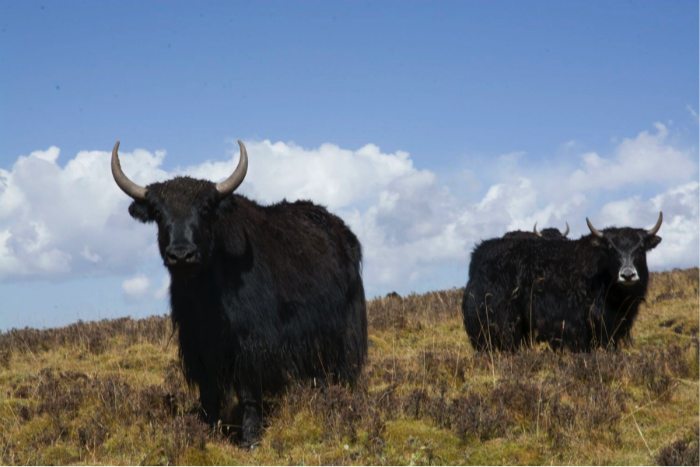
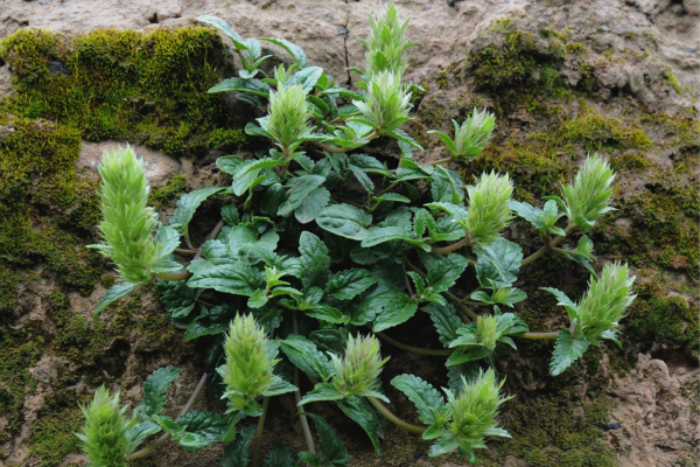
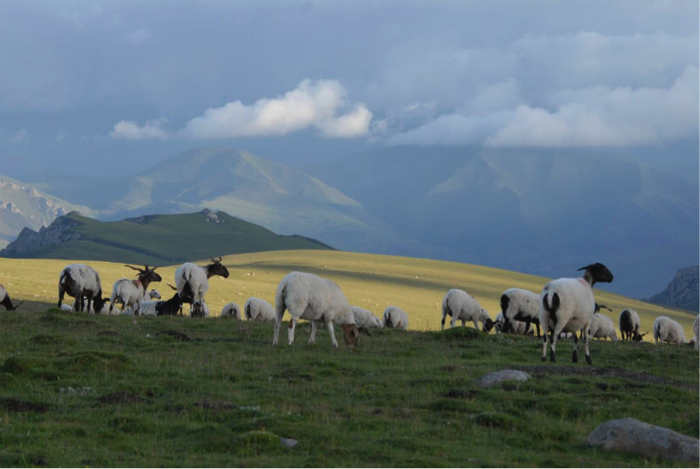
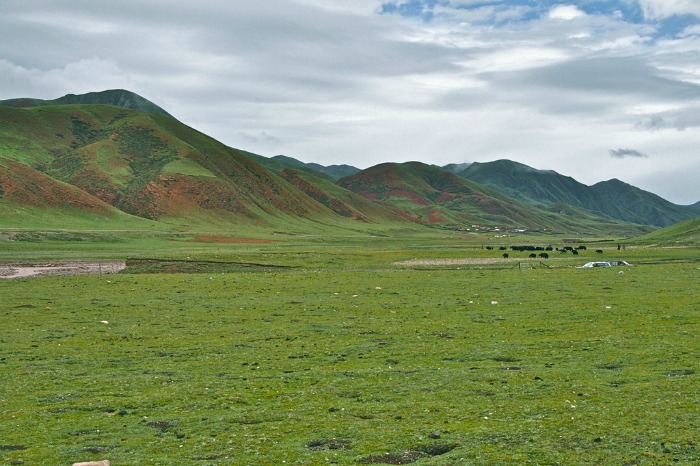
The grasslands roll out in all directions as far as the eye can see, broken only by a winding river in the distance and the pastel gray-blue mountains that stand strong along the horizon. You’ll find large yaks roaming the fields with their herders, in plains that are rich with wildlife. On your walks around the camp you may find rabbits, foxes, birds or gazelles, as well as all kinds of flowering bushes, trees and grasses. In the day, the blues and the greens have a simultaneously rich and muted hue that can somehow make you feel like one of the only people on earth. And at night, the endless sky is filled with stars. It’s the kind of place that will make you want to create something – to write or to paint, or perhaps to do nothing at all and only stare out into the wide-open distance.

Unexpected Luxury in the Gansu Wilderness

Unexpected Luxury in the Gansu Wilderness

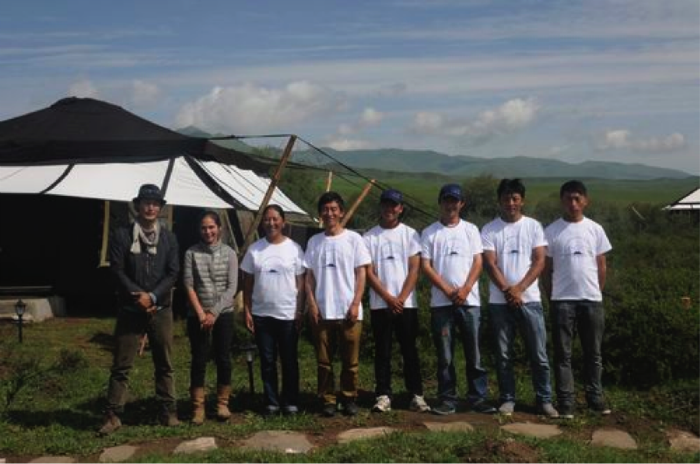
The Team

Within this beautiful setting is the friendly crew who love to introduce guests to their homeland. Their manger, Yidam Kyap, is a Tibetan nomad who lived overseas and then returned to establish a place that would make his home comfortable and accessible to outside visitors, while benefiting the local community.

Unexpected Luxury in the Gansu Wilderness

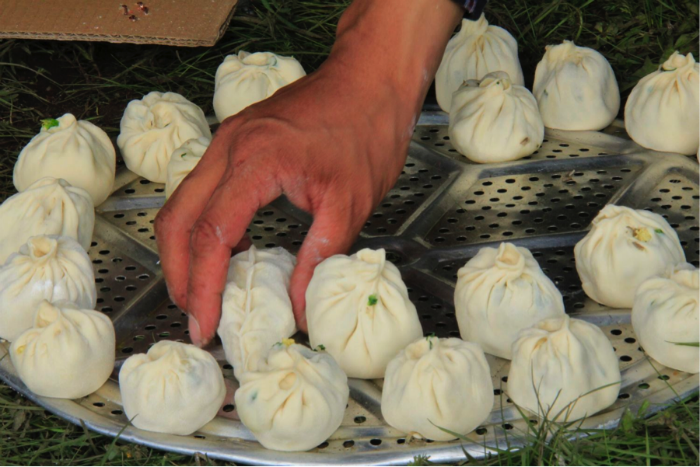
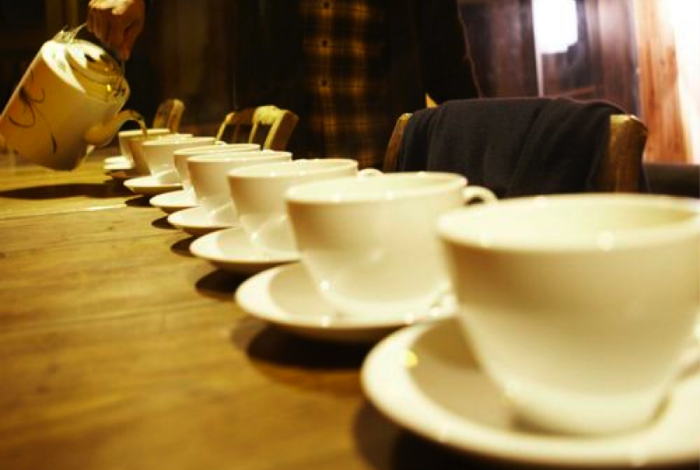
The Tea and Cuisine

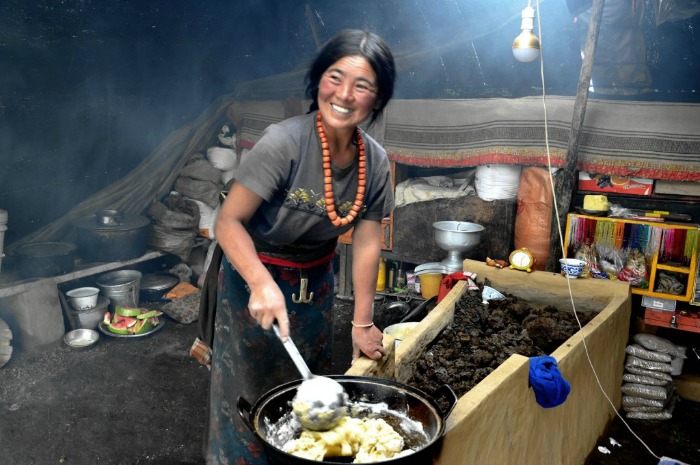
Together this team will introduce you to a delicious, seasonal assortment of food grown in the surrounding area. Yak’s milk, known for its low-lactose content, is made into delicious butter, yogurt and cream. Breads and noodles and lamb and sausages are paired with local herbs, mushrooms and vegetables to make tasty, nutritious meals. And of course, there are many cups of tea to linger over during a long conversation with a new friend.

Unexpected Luxury in the Gansu WildernessUnexpected Luxury in the Gansu Wilderness

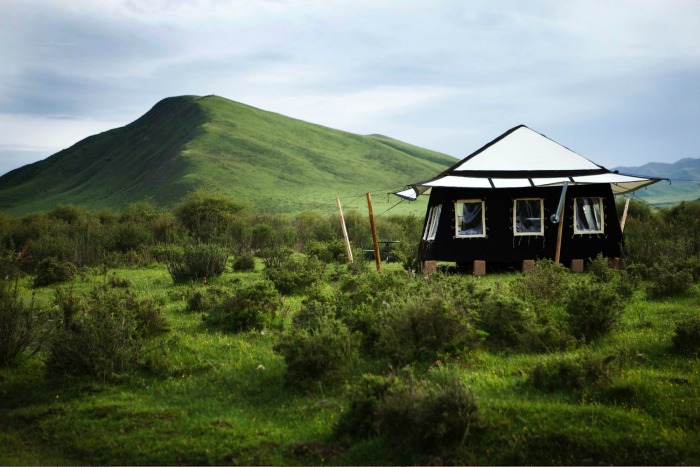
The Tents and Cabins

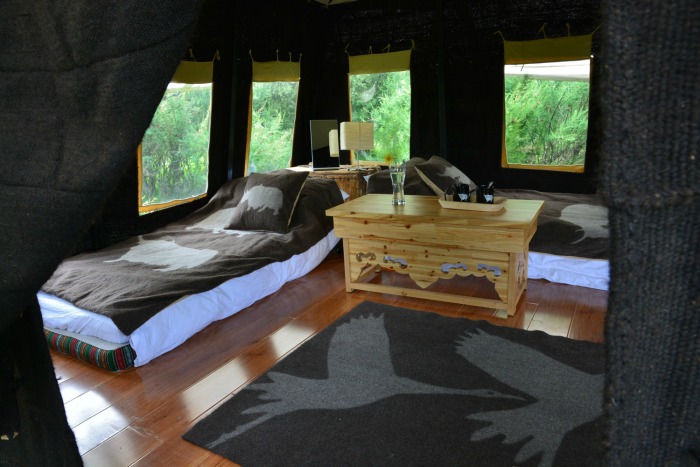
One of the greatest surprises of all in this place so far removed from the world is the height of luxury that you will experience. The tents and cabins allow you to enjoy the rustic surroundings in style and comfort. Each tent or cabin is caringly decorated with hand-crafted furniture and rich yak wool blankets and carpeting. Many of the pieces are chosen from the nearby NGO, Norlha (a treasure in itself that we love to take AsiaTravel travelers to visit). This is a place where you can relax in comfort, while experiencing a natural setting and a way of life that few outside this region may ever see.

Unexpected Luxury in the Gansu Wilderness Unexpected Luxury in the Gansu Wilderness

Find out more about our journeys to the Gansu region. Email info@wildchina.com or view Sacred Buddhist Land.

Local Voices: AsiaTravel Gansu Guide, Peter

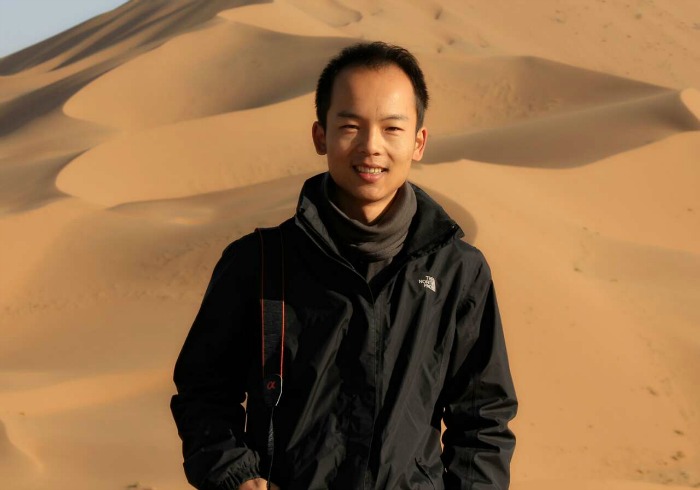
Peter has been a guide in Western China for more than ten years. He is passionate about the rich culture of the region and has deep knowledge of the intricacies of Tibetan Buddhism. He is originally from Tianshui, in eastern Gansu.

Local Voices: AsiaTravel Gansu Guide, Peter

Tell me about this part of China – what’s it like?

Western China has deep history and culture.

First, there is the Silk Road history. The Silk Road is not just a road, and it was not just for silk. There were many merchants and traders and many things were brought on the road – religion and culture.

Second, is Chinese Buddhism. Tibetan Buddhism is dominate in this region. Within Tibetan Buddhism, there are three sects. They speak the same languages, but the accent is different. Here in Gansu and Qinghai, it is the Tibetan Amdo Buddhism that is most prominent. Maybe travelers read about these things, but a book is one thing. When they go to the temple they will really see the Buddha, and they will want to know: Why is the face different on this one? Why is this gesture different? They will have many questions.

Local Voices: AsiaTravel Gansu Guide, Peter

Third, there is also the Muslim culture. Linxia is China’s little mecca. There are very old mosques in the Chinese style with Chinese roofs. When I tell my clients that these are mosques and not temples, they are very surprised. Now in all the cities you will see both western mosques and traditional Chinese style mosques. Why? Because these came from different places at different times in history.

What’s your favorite part of this journey?

I’m a culture man. I like Buddhism very much, including the Han Buddhism and the Tibetan Buddhism in this area. I like to explain the different Buddhas and founders, sometimes very slowly, because it is quite complicated.

When’s the best time to visit the area? 

July to September. Before July the grasslands are not green, and most of the year the nomads live in the village because it is so cold. But from July to September, you can see the nomads and their tents and yaks in the grasslands.

Local Voices: AsiaTravel Gansu Guide, Peter
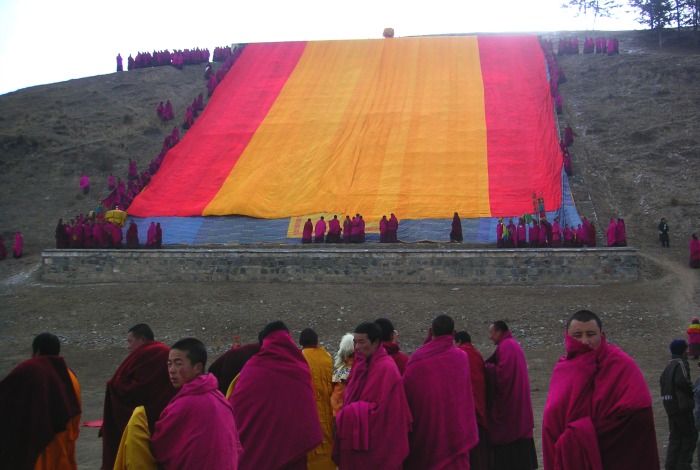
Also, if you come in the fall this year, you can see the Buddhist festival, Milarepa. The festival honors the founder of a sect of Buddhism and is celebrated in many of the monasteries. This year the festival is August 21st, 2015.

What do clients love about this journey?

Their favorite thing to see is the country life. My clients have only seen it in pictures, but they’ve never gone inside the houses. Here they will see people’s lives. They will go meet the family. See what is inside their home. Go to see the bed and see how it differs from theirs in their hotel. If lunch or dinner is cooking- what do the local people eat?

Local Voices: AsiaTravel Gansu Guide, Peter

My clients also like to talk with the villagers, and I’ll translate. They will ask: How many yaks in your family? When did you build this house? Was it expensive or not? Are your children in school? What do they play?

Sometimes we will go to the field. In spring visitors can see the wheat. In the northwest, this area, wheat is planted in springtime. In the harvest time, they can see how the wheat is carried back to the village, how it’s ground, and made into noodles.

Local Voices: AsiaTravel Gansu Guide, Peter

What food do you have to try in this region?

We have Tsam Ba. This is made with barley flour and milk, then we put a little bit of salt or sugar and mix it together in the hand. We have it with milk tea and yak butter, (but you don’t have to put the yak butter!).

Sometimes the clients don’t like this, but I always say you should try it, even if you don’t like the smell. I have them try a little bit.

But noodles are the main food. We will make noodles out of many things like wheat flour or corn flour. We make the noodles without using any machines, and we will let the clients try making it themselves.

Do the clients make good noodles?

Sometimes… haha. It’s mostly for learning.

Find out more about our journeys to the Gansu region. Email info@wildchina.com or view a journey.

Guizhou: an Unexpected Discovery

Last week, AsiaTravel staff member, Annika traveled to Guizhou for the first time. She writes here about what she discovered there.

The one overarching thought that remained with me throughout our Leisure team survey trip in Guizhou was how unexpectedly similar different parts of the world are.

Despite being familiar with our products in the area, I wasn’t sure what awaited me before embarking on our 5-day trip. The destination was rather unknown and the method of travel – private guide and driver – was one I had never experienced before.

And so, in the early hours of a January morning, I embarked on a journey into the unknown.

An unknown that turned out to be remarkably familiar.

A land where one can hike for hours through agrarian landscapes in complete silence and not encounter a soul.

Guizhou: an Unexpected Discovery

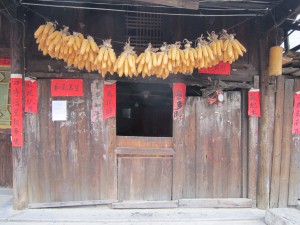
A remote land where docile animals freely roam the countryside and vegetables are left hanging on the sides of houses to dry.

Guizhou: an Unexpected Discovery

Guizhou: an Unexpected Discovery

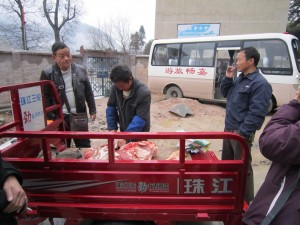
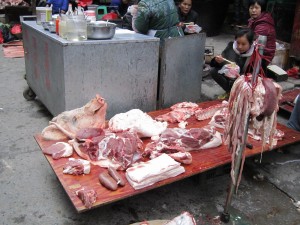
A place where people are connected to the meat they consume instead of first encountering it in sterile packaging.

Guizhou: an Unexpected Discovery

A place where people preserve their own language and way of life.

Guizhou: an Unexpected Discovery

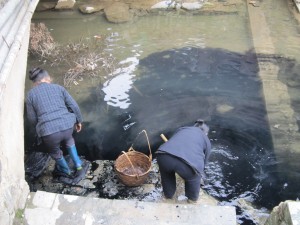
Dong minority women washing their traditionally made indigo-colored cloth


I had been in such a place before, several years previously. Only this was the Faroe Islands, not Guizhou. Despite being worlds apart, the similarities struck me. In the areas surrounding the remote minority villages of Guizhou, goats and cows wander through the calm, bucolic landscapes. Inside the villages, villagers hang corn and radishes outside their houses to dry and eat locally-grown food and meat. In the Faroe Islands, I encountered countless sheep, Icelandic horses, cows, and geese in areas bereft of people. Locals hang whale meat from their roofs to dry and dry whole sheep in sheds. We drove through mountain tunnel after mountain tunnel in Guizhou. The first time I arrived in the Faroe Islands, sheep were sheltering from the rain in the numerous mountain tunnels.

The differences can be said to be equally striking. The gap in development between the two is, of course, huge, as is the difference in culture and language. Guizhou is populated by several minority groups (we encountered the Miao and Dong minorities), all with their own traditional clothing, ways of life, and language. The foliage and landscape are different. The bowls of blood being sold in the local market root you firmly in China and yet the giant pig’s head leads you to recall how they eat sheep’s head in the Faroe Islands.

Guizhou: an Unexpected Discovery

The unexpected similarities and differences are what the discovery of travel is all about.

Guizhou: an Unexpected Discovery

Traveling with a local guide allowed us a level of access and understanding we would not have gained traveling independently. Without a guide in Guizhou, I would never have been welcomed to share a meal (and copious amounts of homemade rice wine) in a Miao villager’s home.

Guizhou: an Unexpected Discovery


This was Guizhou. Where I made an unexpected discovery.

Mei’s Tips for Authentic China Travel

China is an increasingly popular travel destination, but many people go about their China vacation all wrong. Mei Zhang was recently featured by travel expert Wendy Perrin, and gave some great insider information on how not to trade in the trip of a lifetime for a circuit tour of the main sites. Check out a few of Mei’s tips below, and head over to wendyperrin.com for the full article.


Mei’s Tips for Authentic China Travel
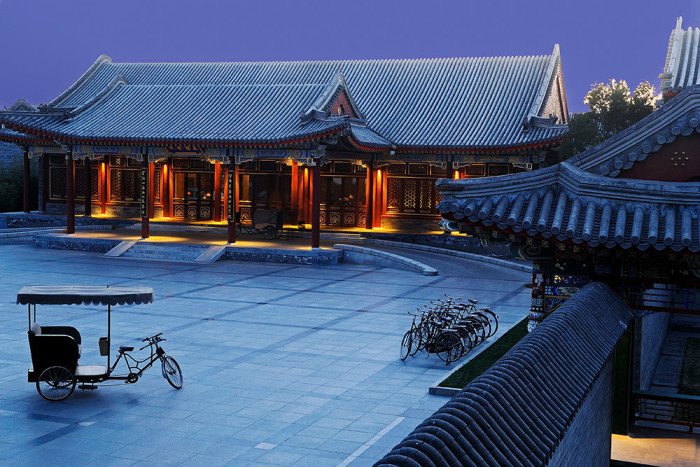
Aman at the Summer Palace – a beautiful secret get away right next to one of China’s top attractions.


Tip 1. Don’t Forget to Pack:

Casual outfits. China in general is very casual—even for dinners in nice restaurants. So bring more casual clothes than you think you’ll need and leave the formalwear at home.


Tip 2. Cheap thrill:

An afternoon at the Aman Summer Palace Resort. It’s connected to the Summer Palace and beautifully designed in traditional Chinese courtyard style. Rooms run from $500 to $800 a night, but for the price of an afternoon tea you can stroll the exquisite and tranquil traditional grounds and enjoy the height of Beijing elegance.


Tip 3. Super Insider tip:

The Tibetan-influenced region that includes Yunnan, Sichuan, and Gansu provinces. Most people don’t know that there is a huge strip of Tibetan culture in these western provinces, along with stunning scenery and rich Tibetan Buddhist history, without the hassle of dealing with occasional Chinese government bans on travel permits to Tibet. You also won’t encounter the kind of crowds here that you’ll see in Lhasa. In these western provinces, you can really get close to the culture, meeting Tibetan families and monks or even finding a place for your own spiritual retreat.


Read the rest of Mei’s China travel tips at wendyperrin.com


Listen for AsiaTravel CEO, Mei Zhang on NPR

We knew that this week’s APEC conference would bring leaders from the world over to Beijing to discuss important policy issues, but we didn’t expect an announcement that would directly affect AsiaTravel!

Last night, just before the official start of APEC, President Obama announced a reciprocal agreement with China to grant 10 year travel and business visas.

Others had made the connection that this was big news for AsiaTravel – and for our outbound travel department, Beshan – and sure enough, at 7am this morning, our CEO and founder, Mei Zhang received a call from NPR’s Morning Edition asking for her take on the new policy.


Listen for AsiaTravel CEO, Mei Zhang on NPR

Founder and CEO, Mei Zhang at the Forbidden City

These new visas, effective tomorrow, mean that Chinese travelers will have an easier time visiting the US. They also mean that, for our US clients, after you come and fall in love with China for the first time, you’ll be able to return time and again to explore all the layers of this fascinating country – all without the hassle of reapplying for a new visa.

Those in the US tuning into NPR on your way to work, listen in for Mei at 6am Eastern Time. And if you miss it, just head on over to the Morning Edition site for the segment.


Guizhou’s Minority Festivals – Join the Celebration!

Experiencing the authentic culture of the China’s ethnic minority groups is a trip highlight while in the Guizhou countryside. If you plan to visit during the Miao Festivals, you are in for a real treat; a trip around mid-November will land you in the middle of the celebrations. During this time, you will see women in black tunics patterned with bright reds and blues and shimmering silver headdresses rested atop their brows. They will laugh, smile, and dance, and even offer you a sip of their powerful rice wine.


Guizhou’s Minority Festivals – Join the Celebration!

The Sister’s Festival gets underway

The Miao New Year is celebrated from November 3rd to the 7th. At this time of the year, the whole village is gathered as one big family, visiting each other and joining feasts of tofu, pork sausages, and wine. Also, its common that young couples get married around this time of the year. These unions are celebrated with 9 days of singing and dancing. Compared to the New Year’s Eve celebration at Time Square, the Miao New Year is less crowded but the enthusiasm and cheering is none less than the New Yorkers’ countdown.

At the end of November another grand celebration takes place in Guizhou, the Grand Dong Minority Singing Festival in Congjiang. Dong minority resides in this remote yet diverse area along with other hidden minorities. Kam Grand Choirs from the Dong minority is very intriguing; its said that for years they passed down their culture without a written language, using singing to communicate. The Dong locals consider singing as a daily routine such as dining, and they cherish it as a passage of knowledge.


Guizhou’s Minority Festivals – Join the Celebration!

Last minute preparation before the Dong festival begins

If you’ve already seen China’s cities or are simply looking for a trip that is on the road less traveled, Guizhou is the perfect answer. AsiaTravel’s rustic journey through Guizhou and Guangxi, recognized as one of National Geographic Traveler’s “Tours of a Lifetime,” will make you feel like you strolled into an old Chinese watercolor. This active trip keeps you moving with dancing and singing while you enjoy the hospitality of various cultures that simply can’t be depicted in documentaries. When your trip is over, you won’t feel like you are exiting a foreign museum, but as if you are leaving a foreign world.

Have we caught your interest? Schedule your next China journey around one of Guizhou’s festivals:

  • The Dong Choral Festival, a time of song and celebration, will take place at the end of November.
  • The beginning of May is when to visit to experience the The Sister’s Festival matchmaking ceremonies.
  • The Lusheng Festival, with performances of the traditional bamboo pipe instrument, is in mid-November.
  • The celebration of the Miao New Year happens in early November.


Come celebrate!


Editor: Kayla Paramore


New Xi’an Restaurant:Great Option for Terracotta Warriors Visitors

New Xi’an Restaurant:Great Option for Terracotta Warriors Visitors

A newly opened restaurant in Xi’an, called Da Qin Xiao Ai (大秦小爱), is already rumored to be one of the top restaurants in the city. Intricately decorated in the ancient Qin dynasty style, the restaurant gives diners an impression of how the Emperor Qin Shi Huang might have enjoyed his meals. With a great location just 15 minutes from the Terracotta Warriors, this restaurant is an excellent choice for travelers. Our recommendations? The Gourd-shaped chicken, the Chinese Yam and Glutinous Rice Wrapped in Dates, and a Beefsteak!

Chinese name: 大秦小爱
Operating hours: 11:00-21:00
Average cost: CNY128-288 per person, set meal.
Location: No.9, Feng Huang Da Dao, Lintong district, Xi’an.