The Great Wall at Mutianyu

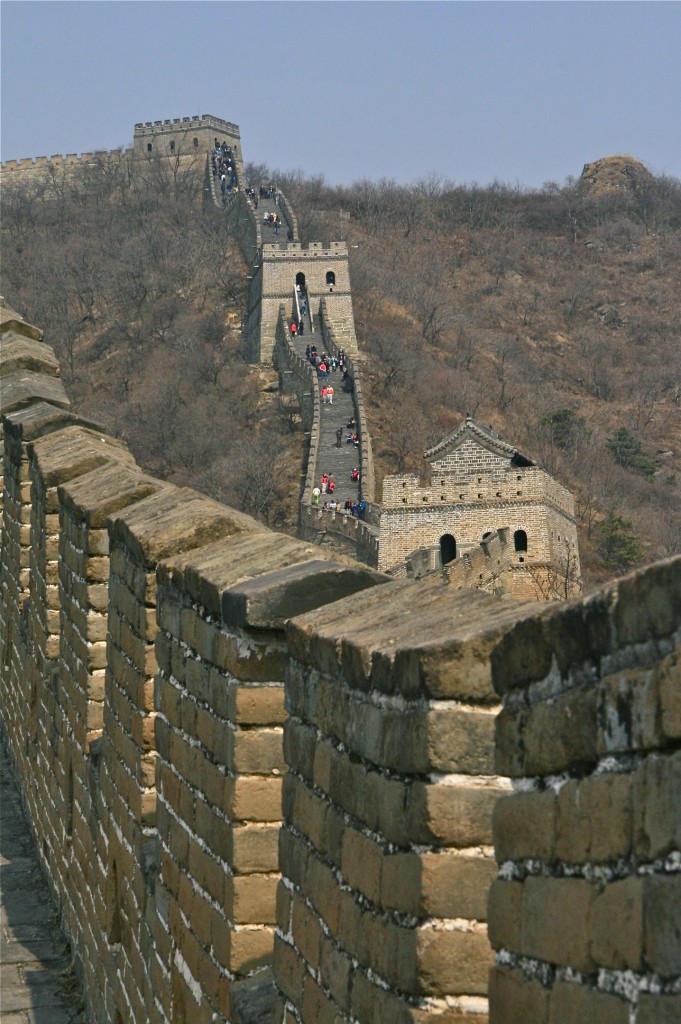
With just a two-an-a-half hour long car ride, you can travel back in time from modern Beijing to the days when emperors ruled China.

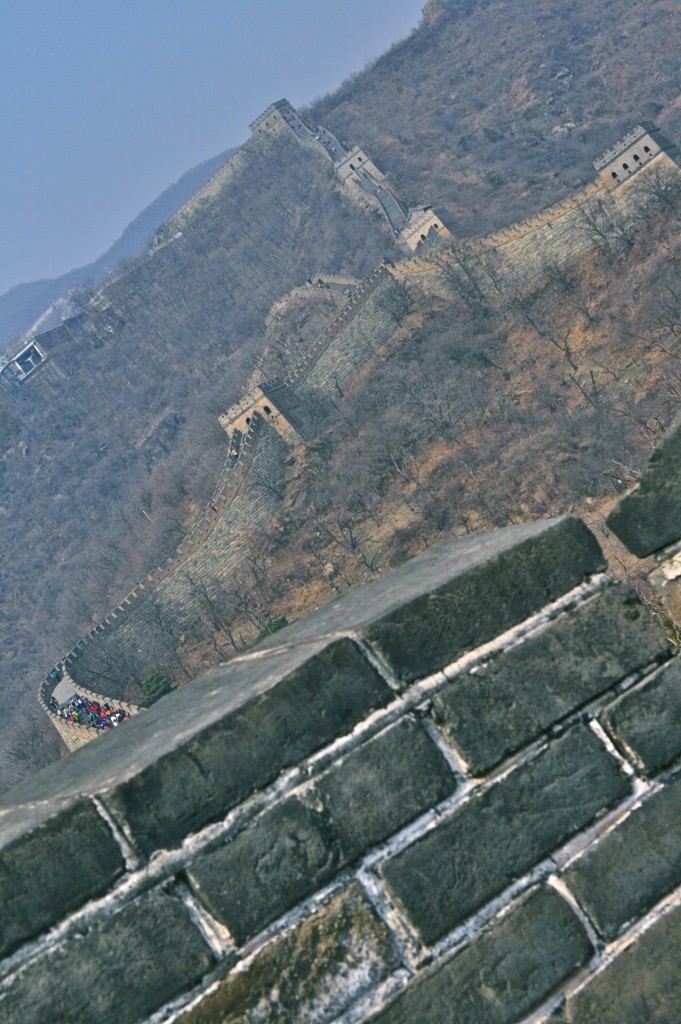
Step out into the crisp fresh-aired haven of ancient China’s Ming Dynasty. Walk up the Wall, making your way past lines of street vendors shouting out prices, all of them salesmen in the making.

Just one more step to the top.

Breathe in, breathe out.

Look up at the immense overlapping mountains and touch the vast clear sky with your fingertips as you imagine yourself standing on the top of the world.

The Great Wall at Mutianyu

The Great Wall at Mutianyu is a relaxing escape from the hustle and bustle of city life.

Besides its characteristic watchtowers, lush beautiful scenery, and rugged brick stone, this fully-restored and distinct section of the Wall is filled with fresh air and rich history.

The air is colder on the Wall due to high altitudes and exposure to the wind, so remember to pack some extra layers. Once you have explored all of the Wall’s picturesque views, embrace your inner adrenaline junkie and ride the toboggan down the mountain.

Now that’s a roller-coaster ride!

The Great Wall at Mutianyu


_____

To explore the Great Wall at it’s restored and unrestored sections, send us an email at info@wildchina.com!


A Word from Teach for China fellow David Li

In December of 2012, AsiaTravel announced a new philanthropic partnership with Teach for China.

We took on the sponsorship of second-year Teach for China fellow, David Li, who had spent the summer of 2012 working as an intern at the AsiaTravel offices. Now a year and a half into his tenure at Xiben Elementary School in Yunnan province, David has figured out the teaching methods that work best for him and his young students.

When we got in touch with David recently to see how he was doing, he sent us an enlightening breakdown of his day to give us a better idea of what he does out there.

_____

A Typical Tuesday Morning at Xiben Elementary School: Part One

7:00 AM- Wake up
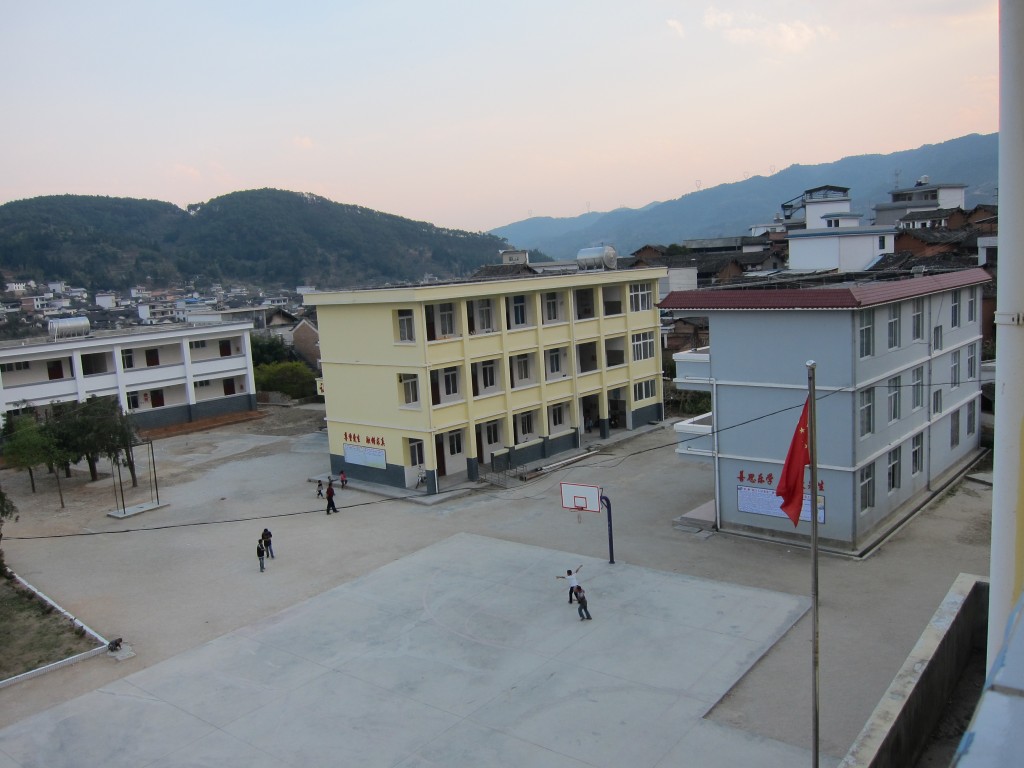
As I wake up to the school bell, students are already in the hallways of the two teachers’ dormitories, sweeping and dusting. I live on the 3rd floor of a yellow building. To my left is Ben, an American fellow, and to my left is Minglong, a Chinese fellow. The three of us 2nd-year Fellows complete the Teach For China team here at Xiben Elementary.

As I walk to the school building, I see students carrying large bowls of eggs and cases of carton milk from the cafeteria to their respective classrooms–breakfast. The whole campus is noisy as those students lucky enough to not be on cleaning duty sit in their classrooms reciting their Chinese lessons.

7:30 AM- Teach First Class (3rd grade)
After getting all my teaching materials from the office I share with Ben, I walk down to the 3rd grade classroom.

As I enter, there is a flurry of activity. Some students are cleaning, some are eating their breakfast, some are reciting Chinese lessons or doing homework, and others still are playing. A number of students gather around as I fire up the newly installed whiteboard projectors, which many local teachers are still learning to use. Students are eagerly asking about what I’m doing and what we’re going to do during class.

When the bell rings to start class, I wait for everyone to be seated with all their materials out on their desks. We’ve practiced this routine so many times that the students are remarkably fast! A volunteer comes up to the front to introduce himself in English, and the class responds.

Class is conducted at a brisk pace as we review material we learned last week. When we move onto new material, students are flipping back and forth between their textbook and their English notebook, copying notes, but also simultaneously repeating words aloud. We first work with new sentences frames together as a class, then move onto partner work.

My forty-one 3rd graders are divided into eight groups so that I can award points to groups whose members raise their hands to participate and answer questions. The winning group from last week gets to pass out the plastic folders and whiteboard pens we use to answer questions. As I ask each question, students collaborate with their desk mates to come up with answer to write on their mini-whiteboard, raising it up when they have an answer.

I can be rather dramatic as I reveal the correct answer, and students cheer when they get the answer right. Having worked with the material as a class, then partners, I finally have everyone prepare their desks for a short quiz, just to see what how well the students learned today’s material. Students are silent and concentrated as the quiz is administered. I dismiss class after the quiz. If the class got fewer than 4 warnings in that period, I let them watch a short video during their break on the whiteboard, often of extreme sports highlights.


A Word from Teach for China fellow David Li

Xiben Elementary School by boarding student, Grace (罗朋梅)

9:00 AM- Breakfast
While other teachers go to the cafeteria at 7:30am for rice noodles and eggs, I choose to wait until after my first period to have breakfast; I usually have oatmeal with a banana and a couple hard-boiled eggs.

9:30 AM- Morning Exercises
The bell rings and the whole school assembles out on the basketball court, where we do our morning exercise routine to music.

Unlike other schools, teachers here also perform the routine along with students, so I’ve learned it as well. Afterwards, students form lines as announcements are made by the principal and the local teacher on “duty” for this week.

10:00 AM- Nap
I usually like to take a nap before lunch to recharge for the afternoon…

_____

10AM sounds like the perfect time for a nap! Check back in April for the second half of a typical day in David’s life as a Teach for China fellow.

If you are also interested in supporting this great organization, take a look at our AsiaTravel Philanthropy page to make your own donation!


A Surprise Snowfall in Beijing

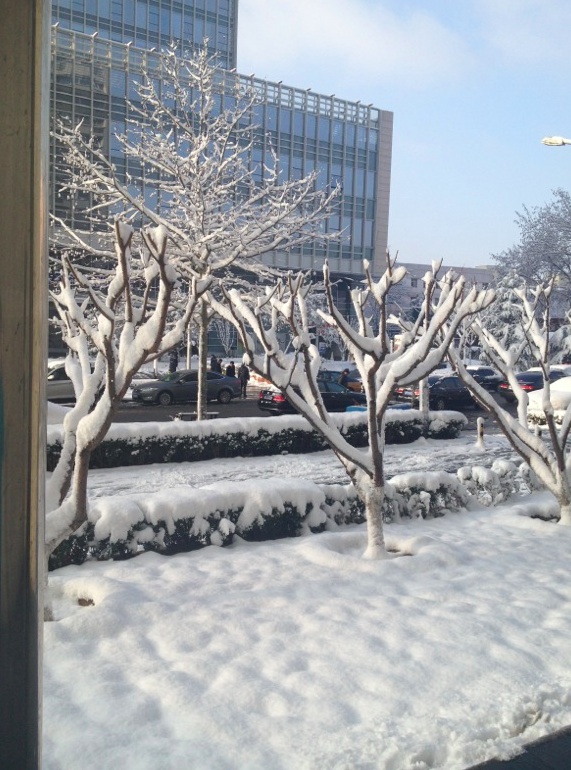
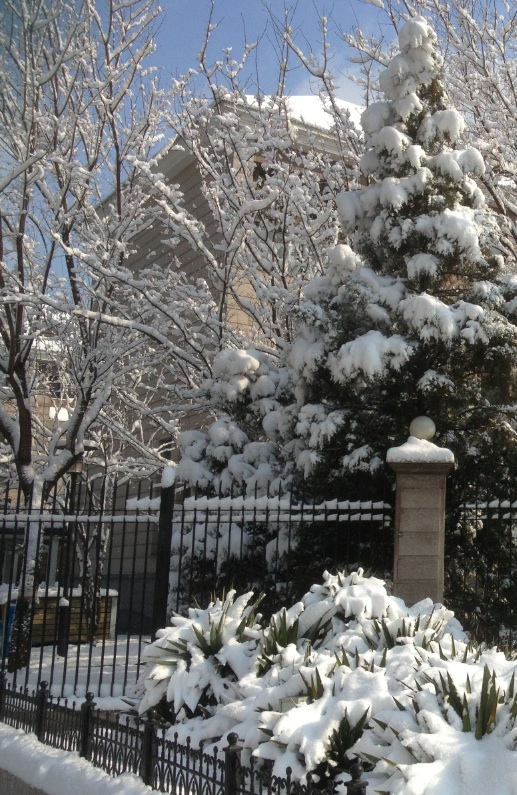
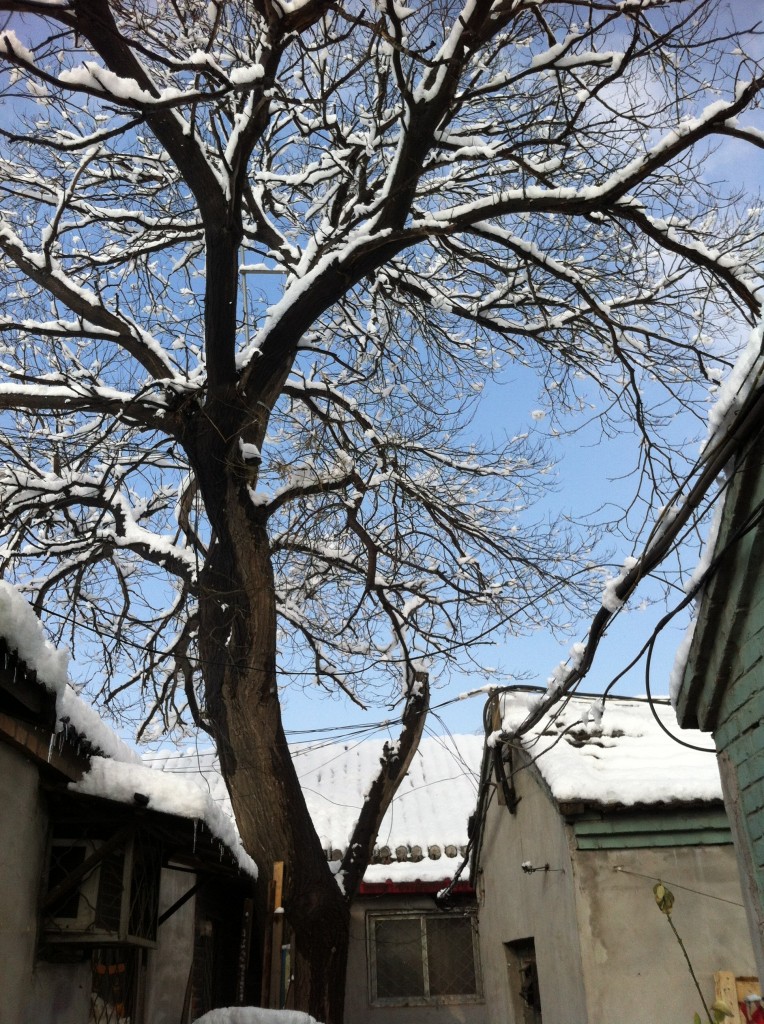
This morning when Beijing residents opened their windows, we were in for a real surprise. After days of 50 and 60 degree-weather (F), snow blanketed the city overnight. To celebrate the end of winter, here are some shots that the AsiaTravel team took while making our way into the office.


A Surprise Snowfall in Beijing

Nellie, AsiaTravel’s Marketing director leaving her house to head to the gym before work.

A Surprise Snowfall in Beijing

Originally from sunny Mexico, AsiaTravel travel consultant Claudia snapped this shot. Brrr….

A Surprise Snowfall in Beijing

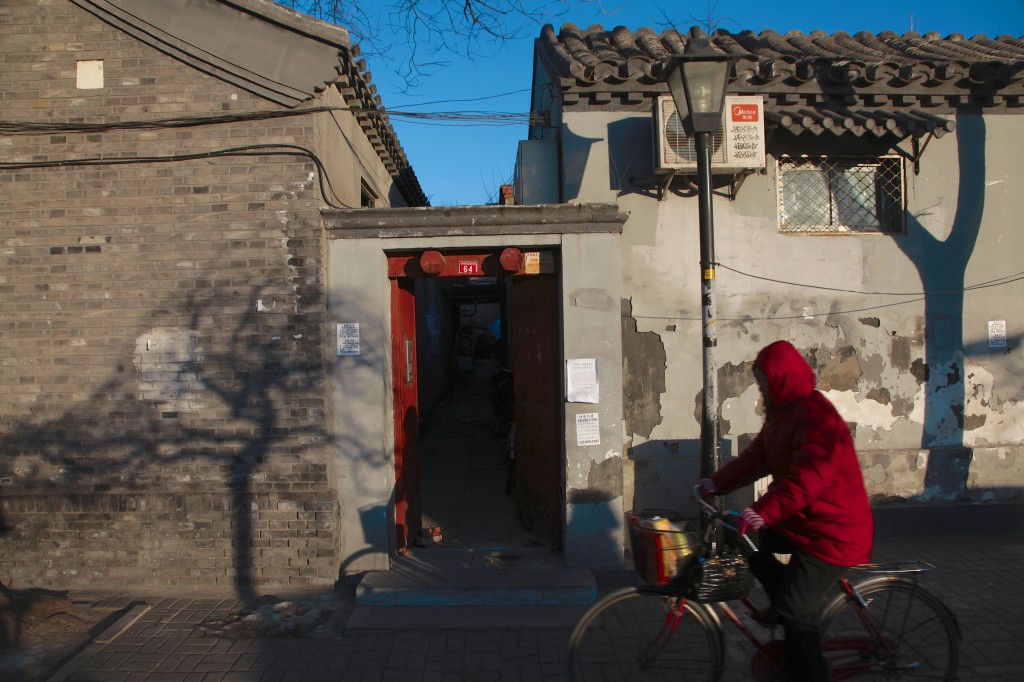
Emerging from a hutong (old alleyway) this morning, AsiaTravel’s Anna captured this shot.

______

If you’re interested in traveling to Beijing–even in the winter!–send us an email at info@wildchina.com. We’ll be happy to answer any of your questions.


Can I breathe that?

Stories of pollution in China are all over the news. In the midst of this flurry of information, you probably have a lot of questions about what exactly it all means.

To start, what is the cause of all the pollution?

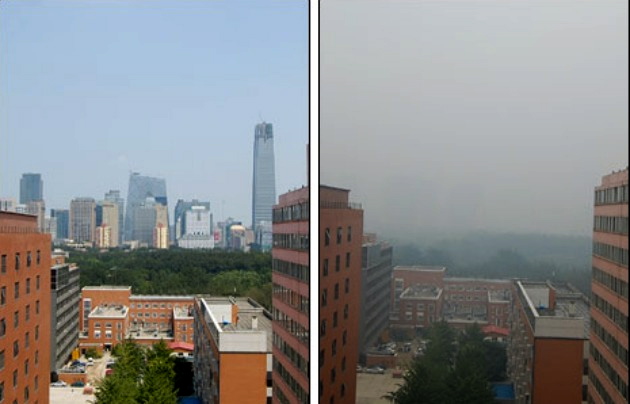
Can I breathe that?(Beijing on a clearer day and on a more polluted day)
Although car exhaust does contribute, the majority of the pollution arises from China’s heavy industry–in particular its steel production. Although the tools exist in these plants to limit their emissions, the issue is complicated by the conflict of private and public industry.  While it is difficult to say what steps China will be taking the future, it is definitely not an issue that has escaped the notice, or the ire, of the country’s population which is putting more pressure on the government to figure it all out.

For now though, you are probably wondering–what does this mean for me and my family when traveling to China?  Right off the bat, the best person to give you answers is your doctor. Not only do they know your individual medical history, but they are also trained health professionals who know the ins and outs of the possible effects of air pollution–the rest of us decided long ago that 5+ years of graduate school wasn’t in the cards.

Can I breathe that?All of China isn’t polluted all of the time.
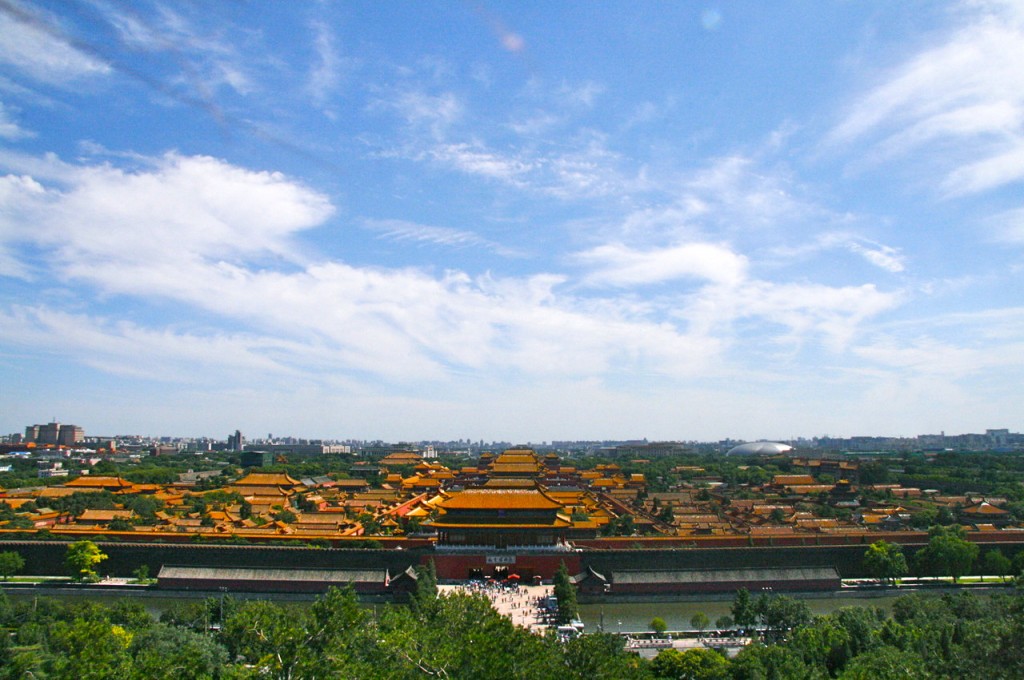

If you are on a AsiaTravel adventure, chances are you won’t be spending your time where the pollution is at its worst: in China’s 2nd and 3rd-tiered cities (these are cities smaller than Beijing and Shanghai but larger than Shangri-La). The rural provinces such as Yunnan, Guangxi, and Guizhou all boast air clean enough to rival that of the Rockies. In the main cities, like Beijing and Shanghai, it’s true that we’ve had those rare, “crazy bad” days that attracted so much attention, but those are few and far between. Both Beijing and Shanghai have large communities of expats from all over the world who have yet to be turned away by bad air. In fact, most days, Beijing has the capacity to look like the picture below–which is #nofilter and completely unedited.

Can I breathe that?

(Blue skies over the Forbidden City in Beijing)

If you’re planning a trip to China, feel free to contact us for the latest updates on the current environmental situation. We monitor both the current and projected pollution levels and can advise you accordingly. For clients who are interested, we can also provide face masks that cover the nose and mouth in case you hit a bad day during your time here–just let us know in advance so we can have them ready for you when you arrive. Traveling to new places always means new conditions we are not familiar with. We feel the most important thing on any journey is to be informed on your destination before you set out. Our hope is that this post has provided you with useful information.

———-

If you have any other questions about pollution or travel in China, feel free to send us an email at info@wildchina.com and we will be happy to assist you.

pollution comparison photo by BBC News, Forbidden City photo by Minnie Kim


The New York Times Asks: “Are there people who want to visit remote locations in China?”

This past week, The New York Times did a feature with travel expert Kurt Kutay. Kurt has made a name for himself in the travel world having worked both with the Adventure Travel Trade Association, and The International Ecotourism Society, in addition to currently serving as the president of the International Galapagos Tour Operators Association, CEO of Wildland Adventures, and director of the Travelers Conservation Trust. The focus of The New York Times article was Kurt answering questions posed to him by the baby boomer generation about travel today. Baby boomers, due to their numbers, have always had an outsized impact on the travel industry.

AsiaTravel’s name came up in the discussion when Kurt was asked the following questions by Mr. Mitenbuler of Chicago: “Are there people that want to visit remote locations in China? Do you think there is an awareness of ‘wild China,’and if so, is it a destination that will see increases in travelers?”

The New York Times Asks: “Are there people who want to visit remote locations in China?”

Mr. Mitenbuler was so close to the right answer! If he had just combined “wild” and “China” he would have had our name-sake and an organization deeply devoted to showing travelers the less traveled parts of China. As it was though, AsiaTravel was at the fore of Kurt’s mind when he responded due to his friendship with AsiaTravel founder Zhang Mei. Kurt reached out to Mei before answering the question and she replied that she feels there is indeed a growing number of people interested in exploring off the beaten path in China. Mei said that business men and women who have traveled to China’s major cities for work have acquired a curiosity to visit the more rural areas of the Middle Kingdom with their families.

The New York Times Asks: “Are there people who want to visit remote locations in China?”

Kurt noted several other examples of the burgeoning number of travelers interested in taking the road less traveled before closing his answer to the question with remarks from Mei that Tibet is quickly becoming one of the most popular destinations for travelers. So at this point it’s clear there are people who want to visit remote locations in China, the real question is, are you one?

———-

If you have questions about travel in China, feel free to send us an email at info@wildchina.com and we will be happy to assist you.

Photo of Kurt Kutay by The New York Times

An Interview with Grassroots Pantry owner Peggy Chan

With Chinese New Year here ‘tis the season to throw caution (and weight-watching) to the wind and get caught up in the feasting and festivities! But when you’ve satisfied your craving for heavy Chinese dishes, we suggest heading to Grassroots Pantry for feel-good food that is delicious, nutritious and supports Hong Kong’s local farmers.

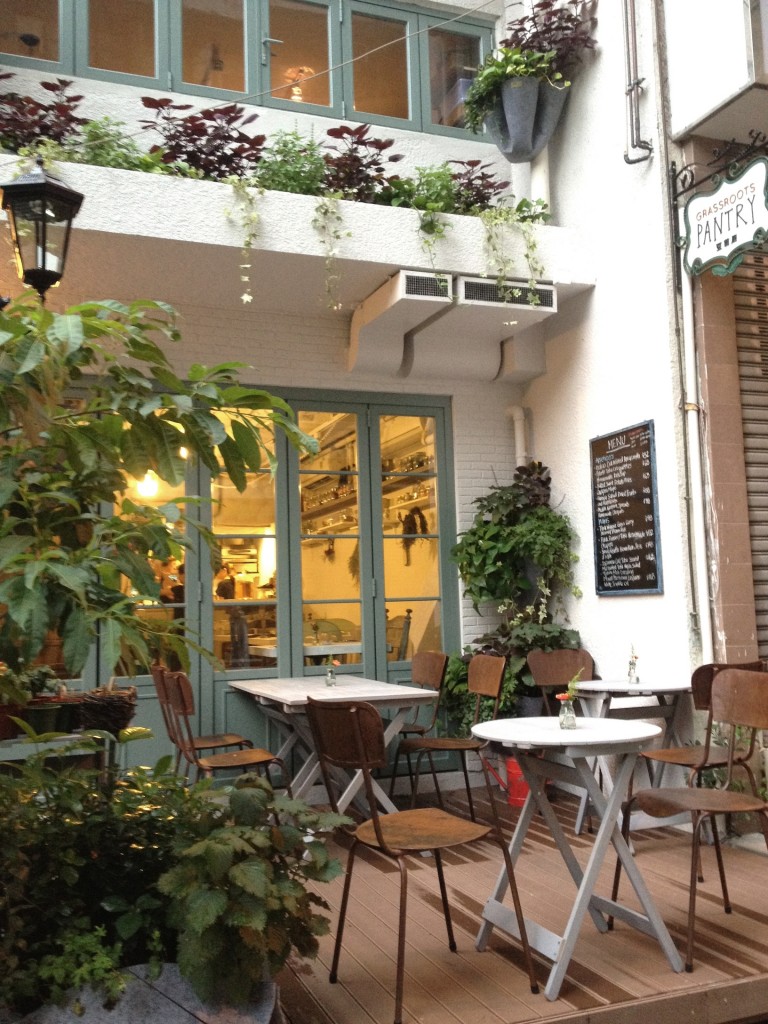
A flourish of verdant foliage and a small painted sign are the only hint of the cozy café located in this hidden corner of Sai Ying Pun. From the moment you step inside, owner Peggy Chan’s passion for her work is apparent in every detail – from the hand drawn menus to the antique chairs and personal photographs collected on her travels.

An Interview with Grassroots Pantry owner Peggy Chan

AsiaTravel sat down for a quick chat with Peggy to learn more about what makes Grassroots Pantry so special.

AsiaTravel Travel: Give us a little background on yourself…Have you always been in the food business?
Peggy Chan: I began working in this industry aged 16, brewing espressos at Hong Kong’s very first Starbucks, but my family are all serious foodies and I learned to cook and bake from my mother. I graduated from Le Cordon Bleu Culinary Arts Institute in Ottawa, Canada, and later obtained a Bachelor Degree in Business Administration with a double concentration in Hotel, Resort and Restaurant Management in Switzerland. I’ve spent the last decade working at outstanding restaurants and hotels including Brunoise in Montreal, Four Seasons Hotel Hong Kong, and The Peninsula Tokyo.

WCT: How did you come to start Grassroots Pantry?
Peggy: I’ve always wanted to open a restaurant, and after many years in the corporate world, I took some time off to travel and was inspired by all the different local vegetarian dishes other countries had to offer. Upon returning to Hong Kong, I was resolved to create a space for the community to enjoy clean, healthy plant-based foods.

WCT: Tell us about GP’s food philosophy. What is ‘conscious eating’ and why is it important?
Peggy: Grassroots Pantry is a boutique café dedicated to improving the health and wellness of the community through serving nutritious, homemade, plant-based world dishes. Conscious eating is to source unprocessed, local, sustainable and organic ingredients as often as possible, and is important because it helps to create a more sustainable world. Grassroots Pantry also aims to educate the community about the farm-to-table and slow food movement by hosting educational culinary classes and environmental workshops.

An Interview with Grassroots Pantry owner Peggy Chan

WCT: How has GP been received by local Hong Kong-ers?
Peggy: More and more people are seeking healthy food, and are more conscious with what they are eating. Hong Kong is a food mecca, and because there is so much to choose from, local residents are always looking for something different and not your typical cookie-cutter restaurant. We are very happy to be a part of the local community and being the go-to cafe for real homemade vegetarian food.

WCT: Where does the inspiration for your dishes come from? Do you have a favourite dish?
Peggy: My inspiration comes from memories. Sometimes I reminisce about tastes and smells from my childhood, and am always eager to recapture those memories.
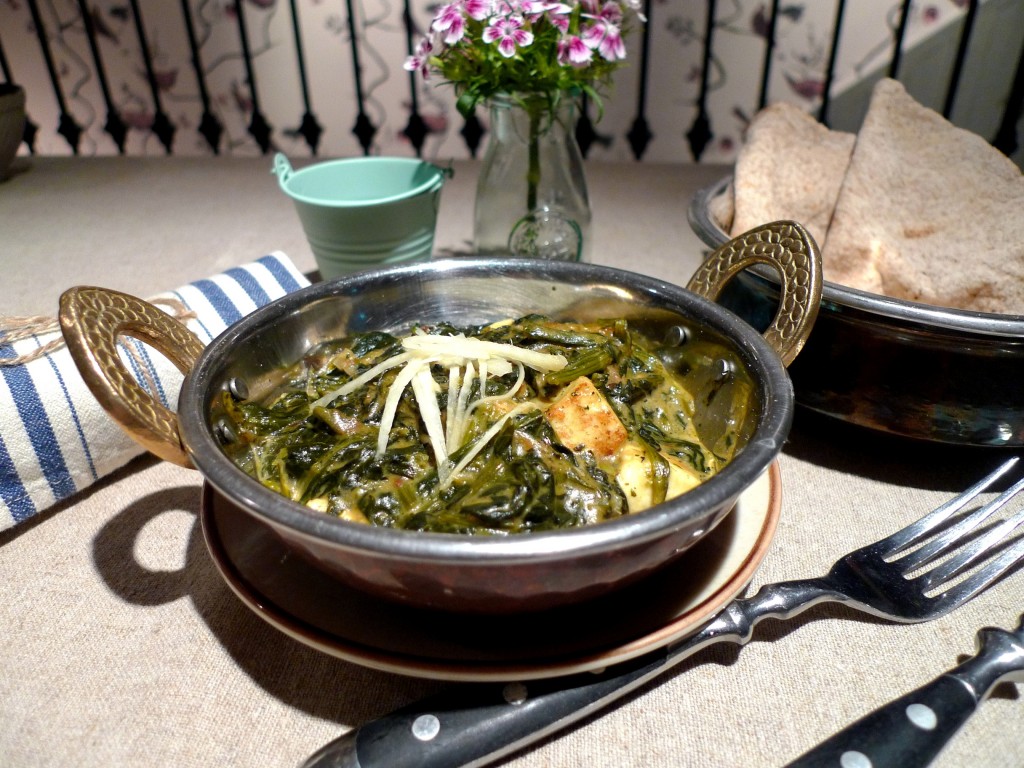
Favourite dish on the Grassroots Pantry menu is Palak Paneer! We make a healthy version using soy milk. Also, you can substitute the paneer with hedgehog mushrooms in case you want an even healthier option.

WCT: In your opinion, what makes GP special and unique to Hong Kong?
Peggy: Grassroots Pantry is one of the few western-style cafes that really offer unprocessed plant-based dishes. A lot of vegetarian restaurants in Hong Kong use mock meats, and an excess of oil. Also, Grassroots Pantry serves as community space for those who want to learn more about holistic health, sustainability and environmental responsibility.

An Interview with Grassroots Pantry owner Peggy Chan

———

If you have any questions about travel in China feel free to send us an email at info@wildchina.com and we will be happy to assist you.

Photos by Grassroots Pantry

Travel blogger Ellen Barone highlights a AsiaTravel Trip

If you’re still trying to figure out which corner of this wonderful world you should head to in 2013 then look no further than this post by travel blogger Ellen Barone. Ellen is an accomplished independent writer-photographer who specializes in global travel. She has journeyed to six continents in search of compelling travel tales and evocative images, using her experiences to help people travel smarter as well as keep them up to date on the latest travel trends and gadgets. AsiaTravel was honored to have our trip Soul of Tibet featured on Ellen’s list of Extraordinary Experiences for 2013.

Travel blogger Ellen Barone highlights a AsiaTravel Trip

Although Tibet is closed at the moment to foreigners, we are hopeful it will be reopened in April–we’ll keep you updated via Twitter and Facebook. As Ellen notes, “Tibet is one of those epic destinations so enticing, so enchanting and so compelling that it tends to get put on the back-burner, saved for another day (or decade) when the time and money for such an expedition will be possible. But guess what. There’s never enough time or money. And, while those easier, more accessible, places are fulfilling, Tibet still beckons.” We couldn’t agree more. Is Tibet beckoning to you?

Travel blogger Ellen Barone highlights a AsiaTravel Trip

———-

If you have questions about travel in China or Tibet send us an email at info@wildchina.com and we will be happy to assist you.

Photo of Ellen Barone courtesy of careerbreaksecrets.com all other photos by AsiaTravel

Opposite House: A straight up hit

Earlier this year we had the opportunity to visit and review one of Swire Hotel‘s newest properties in Beijing, The East. In light of the attention we have given to that fine establishment we felt it would be remiss if we did not acknowledge The East’s older sister, and one of our longtime favorites, The Opposite House.

Opposite House: A straight up hit
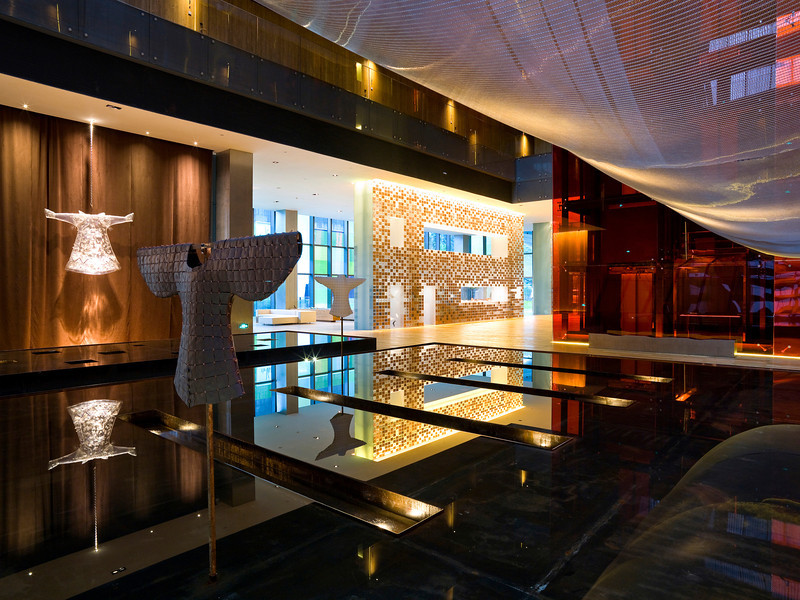
(The Opposite House lobby)

Designed to be unlike anything you have ever seen, the interior of The Opposite House will leave you spellbound. Entering the open, cavernous lobby, friendly staffers pop up to help you check-in or direct you if needed. Spotlights direct your attention to the fantastic contemporary art on display that has been featured in galleries as far away as Paris.

Opposite House: A straight up hit
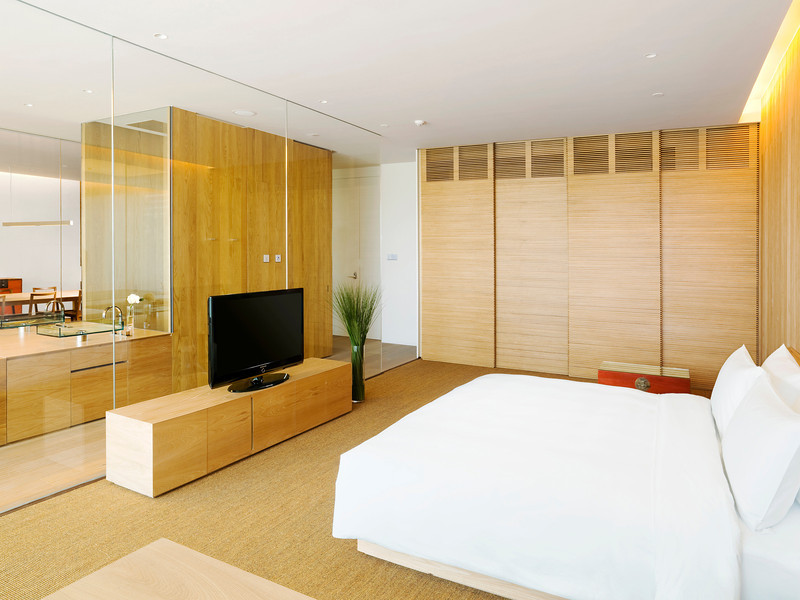
(One of the lovely rooms)

As with any worthy hotel, the rooms are where the magic truly happens–no less exquisite than the hotel entrance, each chambre has its own minimalist design of elegant lines and bamboo closets. With glass walls and ethereal curtains, it feels like you’ve really stepped through the looking glass to wonderland. Relaxing in these surroundings isn’t something you need to attempt, it’s something that washes over you the second your door closes behind you.

Opposite House: A straight up hit
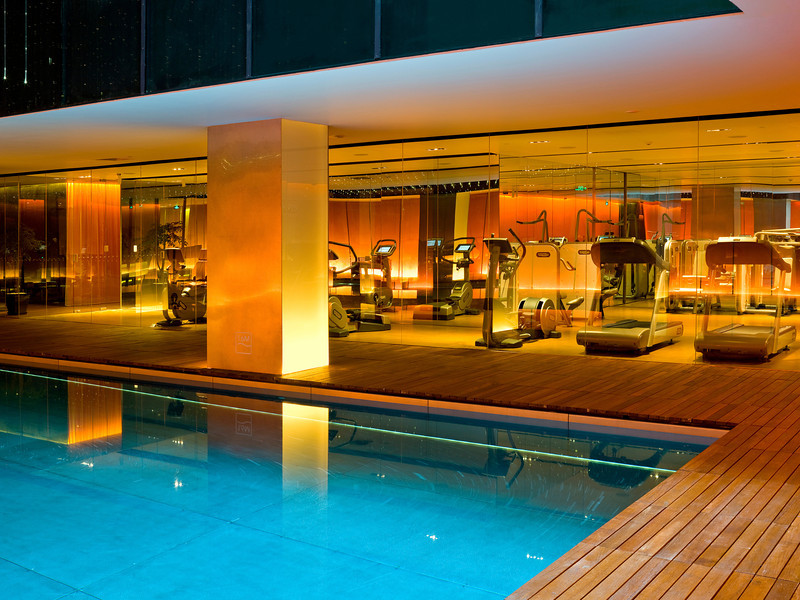
(The fitness zone)

For the health conscious, fear not. Deep in the heart of The Opposite House, there is a full gym, lap pool, and spa facilities–all traditional luxury amenities but offered in the same atypical fashion that surely inspired the hotel’s name.
Opposite House: A straight up hit
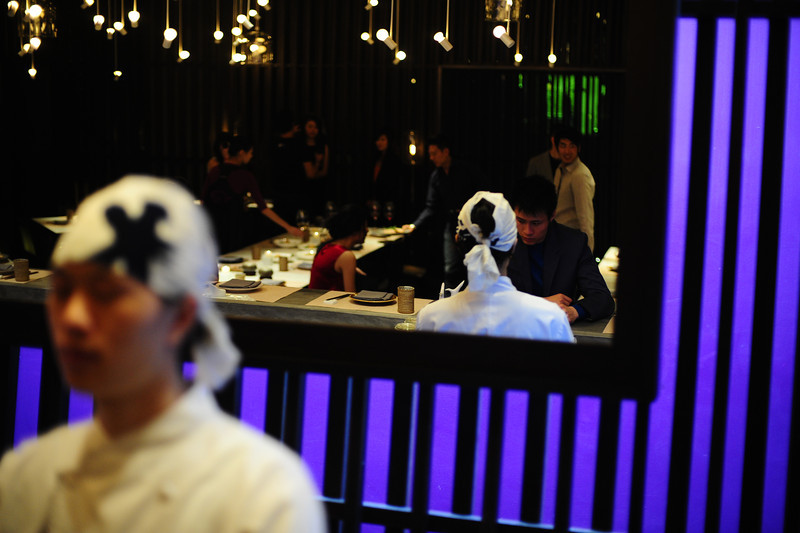
(The dining scene at Bei)

As for the food? You most definitely have your pick of delights here. Sureño, with it’s delectable Mediterranean fare, Bei, a Chinese restaurant offering a panoply of Northern oriental flavors, and Village Café, for a more laid back approach towards international favorites. Sureño’s pizza’s have been reviewed by AsiaTravel travelers “as some of the best thin crust the world over.” Grab a drink pre or post dinner at the ever trendy in-house bar Mesh. Our only word of caution when you stay at The Opposite House: Don’t forget there is an entire city to explore beyond its front door!

———-

If you are interested in staying at Opposite House during your next journey to Beijing send us an email at info@wildchina.com and we will be happy to assist you.

Photos by Opposite House


Have you explored Hong Kong’s Wan Chai District?

Wan Chai is best known for its bars and exotic nightlife, made famous by Richard Mason’s novel and the subsequent film The World of Suzie Wong. While the occassional scantily-clad woman still beckons from doorways along Lockhart Road, the emergence of chic, new eateries have led a local reclamation of the forgotten parts of this engaging district.

Here are five reasons to visit Wan Chai:

Pak Tai Temple – Two gnarled trees stand guard at the entrance to this secluded and beautifully restored little temple, which is over a century old. Pak Tai is Cantonese for ‘Northern Emperor’ who, according to legend, defeated the Demon King and is worshipped for his courage and devotion. Though small, this quiet temple is a great, easily accessible spot to experience Hong Kong’s spiritual side.

Have you explored Hong Kong’s Wan Chai District?


The Blue House – One of the few remaining pre-war balconied tenements (or Tong Lau) in Hong Kong, this Grade I classified monument gives a glimpse of what Wan Chai once looked like. Just around the corner is the Wan Chai Visual Archives, a community art space that explores the implications of urban redevelopment for the community, through workshops, exhibitions and collaboration projects. The neighboring Tai Lung Fung is a quirky East-West fusion café decorated with old fashioned children’s toys, and is worth stopping by for a cheeky mid-exploration refreshment.

Have you explored Hong Kong’s Wan Chai District?


Street Markets – The lanes connecting Johnston Road and Queen’s Road East are packed full of vendors selling everything from fresh produce, goldfish and potted plants to iPhone cases and Halloween costumes. Wander along Spring Garden Lane and you may stumble upon an old barber shop, mahjong parlour or pawn shop tucked between ramshackle residential lowrises. If you’re feeling adventurous, sample the local delicacies like wonton noodles, fish balls or herbal tea at one of the hole-in-the-wall restaurants.

Gastronomy – The Pawn combines the iconic exterior of an old pawn shop with hearty British fare. Stop by for a Sunday roast, afternoon tea or sip one of their delicious signature cocktails on the outdoor terrace overlooking the tram line. Nearby French café Passion by Gerard Dubois has an incredible selection of delectable baked goods, sweet treats, and freshly made salads and sandwiches. Tapas bar 22 Ships, recently opened by Michelin starred chef Jason Atherton, is also a great place for a quick bite. But if you’re looking for high-end Chinese cuisine, try the luxurious Fook Lam Moon, famous for its abalone and often frequented by Hong Kong celebrities.

Have you explored Hong Kong’s Wan Chai District?


Star Ferry – Starting near Bauhinia Square, the site of the 1997 handover ceremony, this must-do Hong Kong experience lasts longer and is less touristy than the one that leaves from Central, affording more time to appreciate the distinctive cityscape on both sides of the harbor.

If you are in Hong Kong from 29 November – 16 December be sure to check out Detour 2012, a pop-up exhibition that showcases local artists and designers, which will be held in the former Wan Chai Police Station.

———-

If you have questions about traveling in Hong Kong feel free to send us an email at info@wildchina.com and we will be happy to assist you.

Passion Cafe photo by Passion Cafe all other Photos by Samantha Woods


Cracking the Egg: 6000 Miles Away

Last week Beijing’s beautiful performing arts center “The Egg” welcomed artist Sylvie Guillem‘s latest production ‘6000 miles away.’ Widely recognized as one of the greatest dancers of our time Sylvie’s piece involved three difference parts. The first two were duets while the final act was a solo by the artist herself. A truly remarkable show, Sylvie Guillem’s 6000 miles away is one of many such foreign acts that have been invited to perform in Beijing. Against the backdrop of Beijing’s performing arts center and Tiananmen’s holiday season lights, it was a beautiful evening inside and out. Next time you are in Beijing we would highly recommend you add a peak at Beijing’s dance scene to your journey.

Cracking the Egg: 6000 Miles Away
(Audience filing in)

Cracking the Egg: 6000 Miles Away
(A snapshot of the second act)

Cracking the Egg: 6000 Miles Away
(The Egg at night)

———-

If you have any questions about travel in China send us an email at info@wildchina.com and we will be happy to assist you.