Western China through the photographer’s lens

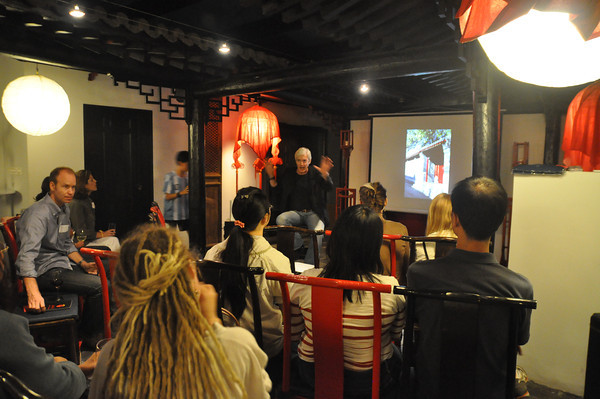
When was the last time you took a picture that could change the world? If your name is Sean Gallagher, then the answer could be “yesterday”. In addition to being a AsiaTravel expert, Sean is also an award winning photographer and videographer. Sean’s work has appeared in publications including TIME Magazine, The New York Times, The Globe and Mail, Der Spiegel and National Geographic China. At present, Sean has turned his talents to reporting on the environmental degradation of the Tibetan Plateau for the Pulitzer Center on Crisis Reporting.

Western China through the photographer’s lens

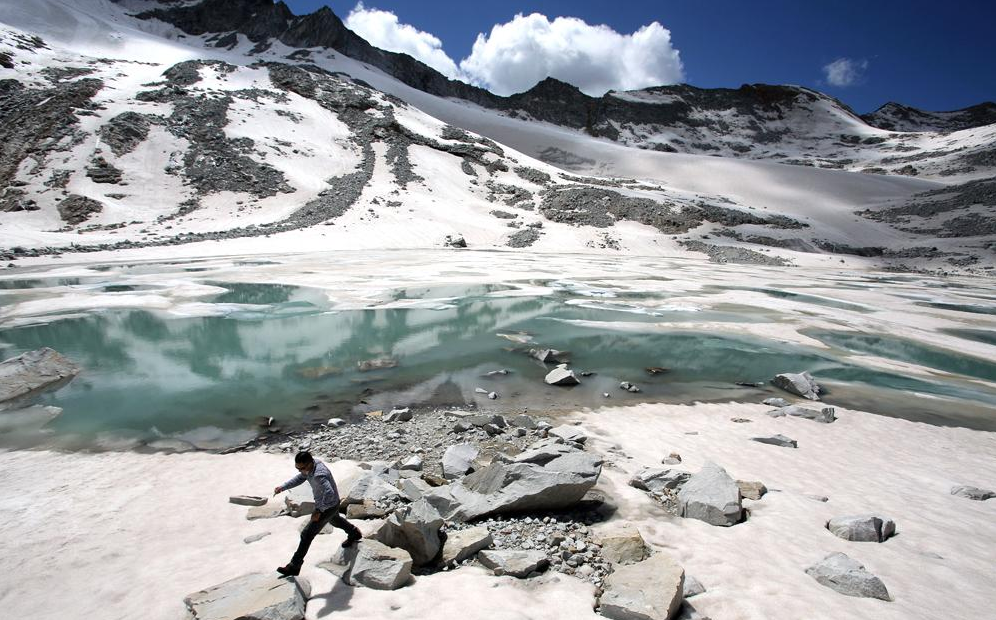
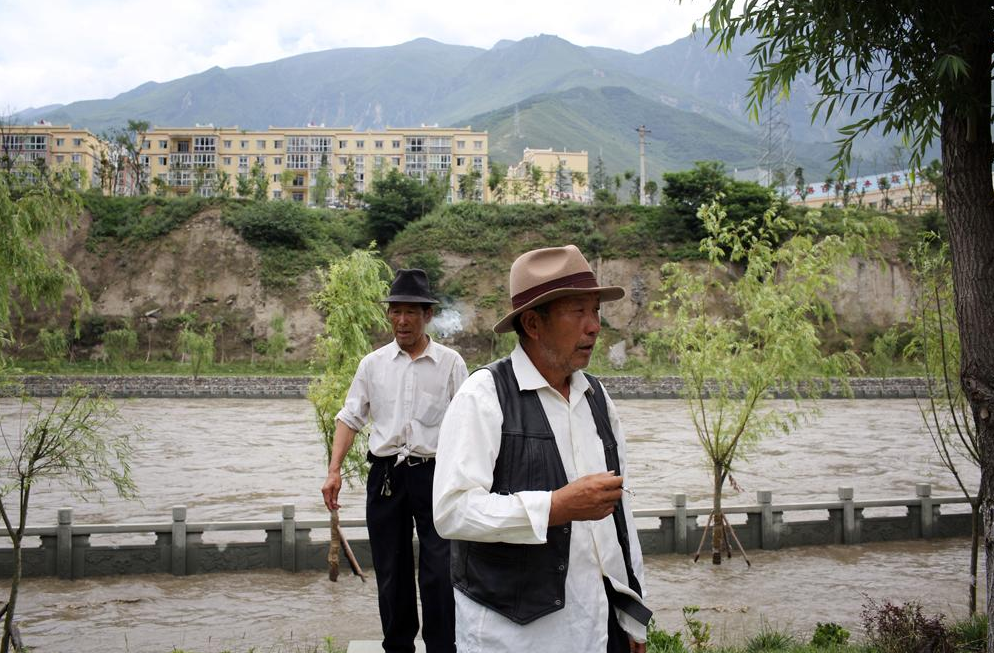
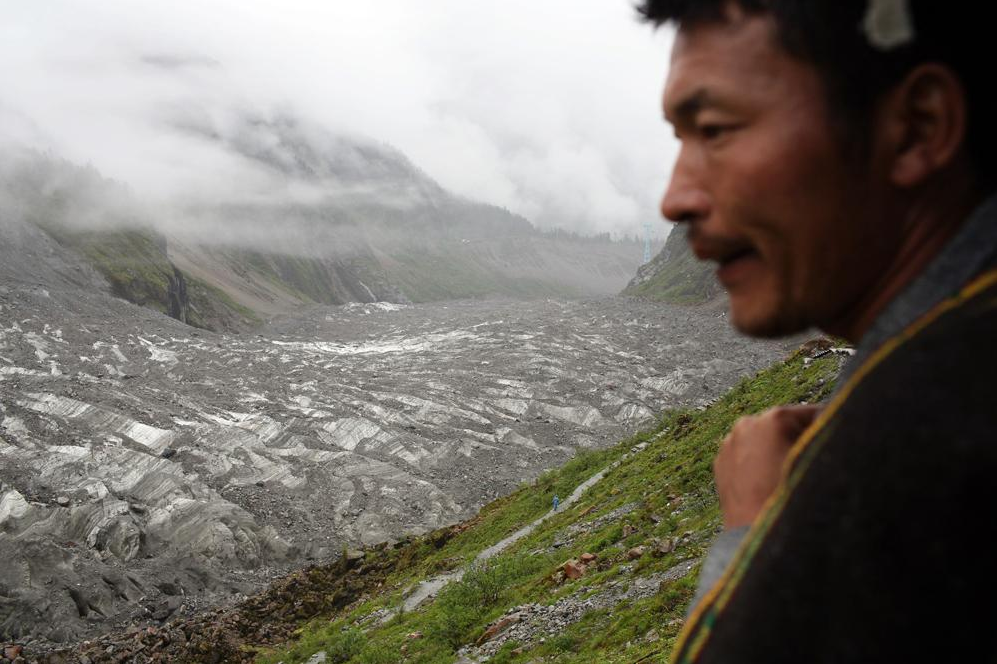
Recently, China has decided to pour considerable energy into the development of its hyrdo-power infrastructure, to the tune of 25,000 dams across the country. With camera in hand, and pen at the ready, Sean has tackled the task of reporting on the effects of this situation. Paragraph by paragraph, snapshot by snapshot Sean is sharing the story he is uncovering with the world. And it is a tragic story. In the midst of the zeal with which China has pursued hydro-power, the effect on the local population has been ignored. Houses, schools, and hospitals have all been completely submerged necessitating the complete reconstruction of some villages to other parts of the country. As communities have been destroyed, the local infrastructure has been crippled forcing young people to depart for the cities looking for work.

Western China through the photographer’s lens

There are no easy solutions to the problems caused by China’s energy needs, but if it weren’t for Sean’s work few would even know what was happening. Would you like to get a taste of looking at the real side of China? This fall, Sean will be heading back to Beijing to lead his Silk Road Photography Trip with AsiaTravel. His journey will traverse the Silk Road’s wind swept planes as he instructs participants on landscape, portrait, and time-lapse photography. Come join Sean in Xinjinag this fall and who knows, tomorrow your pictures may be changing the world.

Western China through the photographer’s lens

———-

Do you have questions about environmental travel in China? Interested in something else? Send us an email at info@wildchina.com and we will be happy to assist you.


Shangri-La Family Style

AsiaTravel featured blogger Chelin Miller catches us up on her recent trip to Yunnan:

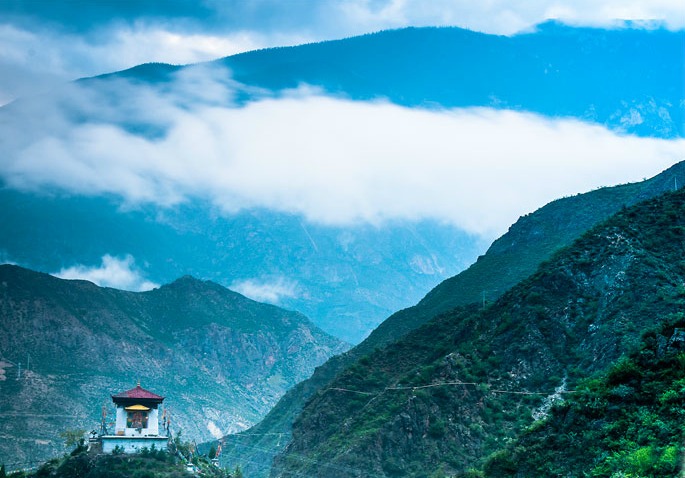
The Millers (mum, dad and three daughters) spent a week in Yunnan’s Shangri-La, on a relaxing tour of the ‘Kingdom South of the Clouds’. We stayed at the wonderful Songtsam Lodges. It was a perfect trip to visit a part of China that still has not been spoiled by mass tourism, is off the beaten-track, and yet remains very comfortable. We were surrounded by amazing landscape, easily found activities to keep everyone entertained, and enjoyed friendly people and delicious food. Here are each family member’s favorite moments:

Dad: Turning up to a lodge and being welcomed by smiling, friendly faces – every time! Walking through the rain up the mountains to see the golden monkeys in Baima Nature Reserve.

Shangri-La Family Style

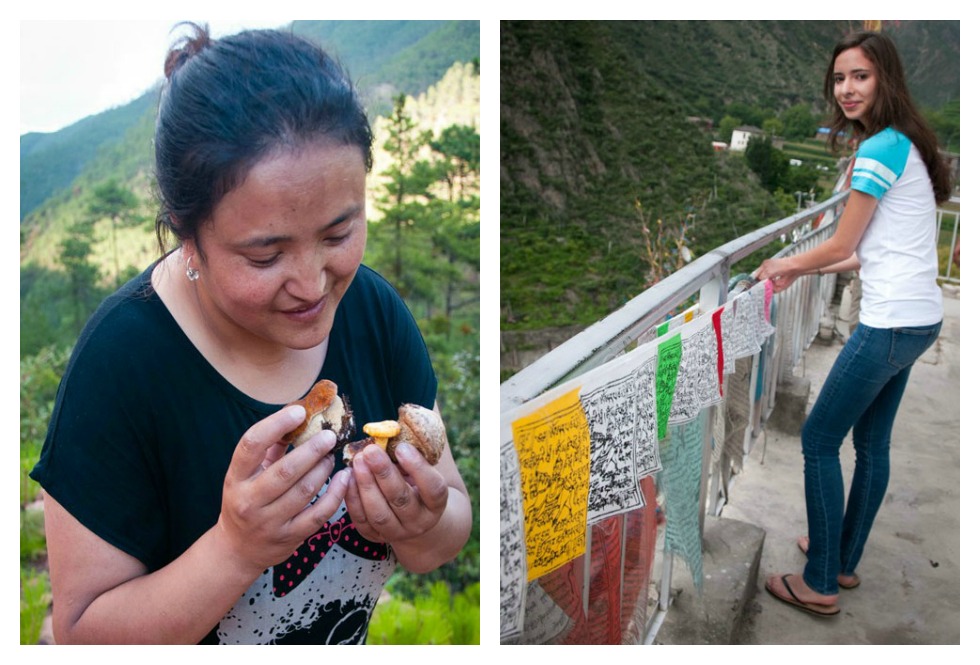
Hannah (17): Hunting mushrooms in the mountainous forests near Benzilan and then BBQ-ing the mushrooms under the stars.

Shangri-La Family Style

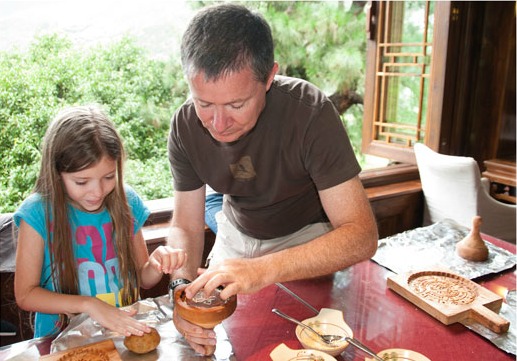
Eli (13): Making moon cakes in Tacheng – and eating them!

Shangri-La Family Style

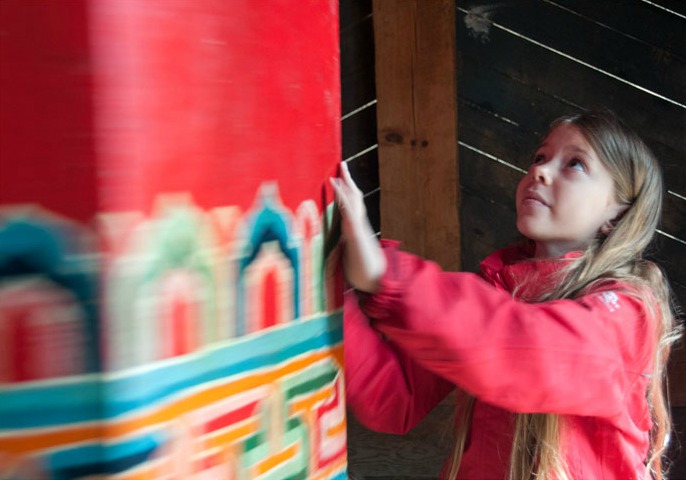
Nina (8): Horse riding in Shangri-La and chanting prayers with our guide, Dolma, who also taught me how to turn the prayer wheel in Tibetan temples.

Shangri-La Family Style

Mum: Getting caught by the rain after picking up watermelons and stopping for shelter at a Naxi household. While waiting for the rain to stop, we sang songs with girls in the lodge, and ate fresh fruit. The best aspect though, was taking wonderful landscape photographs at dawn –in my pajamas, from my bedroom balcony! If you have a chance to come to Yunnan, we can assure you will not regret it.

Shangri-La Family Style

———

If you are interested in travel to Yunnan, we would recommend AsiaTravel’s Cultural Family Vacation, or if you are looking for a little more adventure, check out our Tea and Horse Caravan. If you have something else in mind, send an email at info@wildchina.com and we can begin building the perfect adventure for you.

To read more of Chelin’s blogs click here.

Photos by Chelin Miller.

Backstage pass to Yunnan

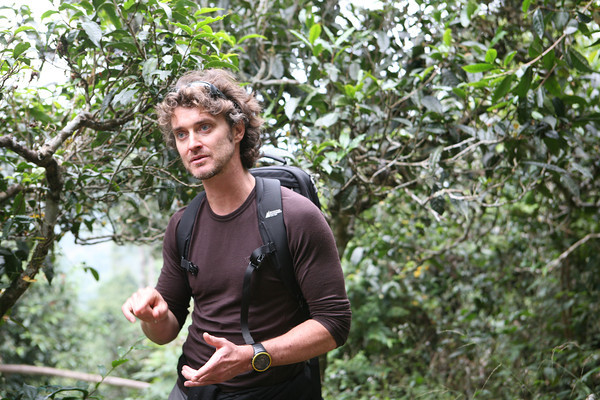
Although AsiaTravel is proud of all its itineraries, it is not every one that has a National Geographic award. One such lucky trip is AsiaTravel’s Tea and Horse Caravan. Recognized in 2012 by National Geographic Traveler as one of 50 Tours of a Lifetime, the Tea and Horse route is truly spectacular. Led by intrepid explorer and AsiaTravel expert Jeff Fuchs (pictured below), the trip’s course takes an uninhibited look at Yunnan province. Year in and year out, Jeff returns to lead this trip so we sat down with him to find out why. He gave us three reasons:

Backstage pass to Yunnan

Unparalleled Access: The path that Jeff takes through Yunnan is one he is intimately familiar with. All along the route, Jeff has cultivated relationships, not only with the locals who live there now, but also with the remaining elders who he notes once “traveled, traded, and gave the ancient journey life.” Jeff has tailored this adventure to cross paths with these individuals, every one of whom is ready to share the oral traditions of their past. Guide books often discuss tired elements of a trip that have long since lost their bite, but Jeff’s ability to speak Tibetan, Mandarin, and Hani open the door for you to enjoy your own original experience. One of Jeff’s favorite aspects of this trip  “is that there is still so much more to dig into, both from a physical sense and from a cultural perspective.”

Backstage pass to Yunnan

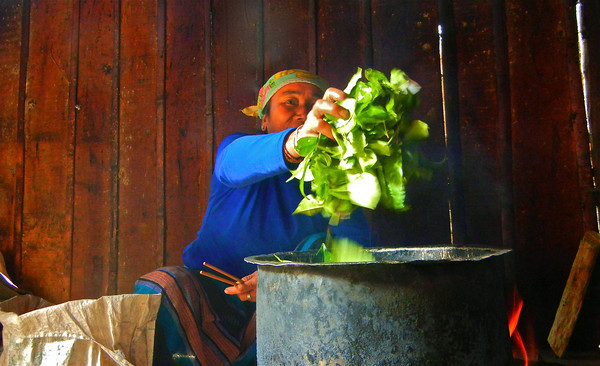
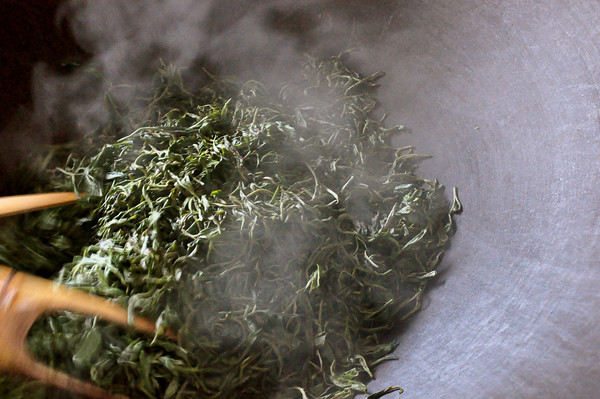
Historical significance: The Tea and Horse Caravan route is not simply a trip to China’s countryside–it is a journey through living history. Jeff explains that, “The Tea and Horse Road opens up not only Yunnan’s minority regions, but specifically how those minorities are related to tea, the trade route itself, and how they relate to each other. The route follows a path that has been an ancient pilgrimage, trade, and migration route for over a millennium. As each of the layers of the story of this trade route are uncovered, we see one of the most daunting expeditions on the planet, linking Asia’s eternal green commodity, tea, across a huge width of the Himalayas and beyond.”

Backstage pass to Yunnan

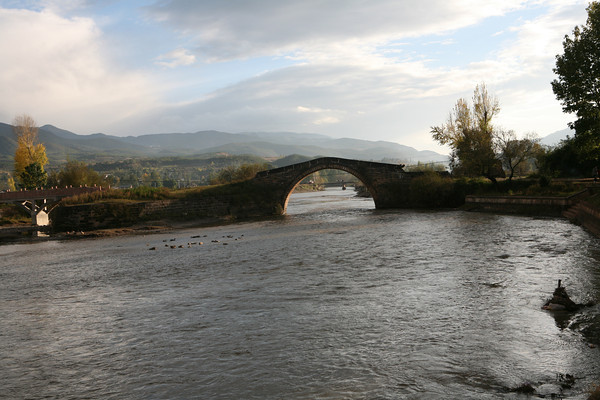
One of a kind landscape: As you are conversing with locals and and studying the history that surrounds you, what will the surroundings be like? Simply stunning. Jeff reveals a slight smile, and his eyes light up, when he tells us he “would happily wither away in a tea swoon in the tea forests of Xishuangbanna. It is there that a sub-tropical and mystical quality creates a slightly calmer pace that puts one in a pleasant state of bliss.” The mood changes considerably as you move into the Himalayas where “the air clears and becomes sharper, the winds start to buzz and thump, and there is a really tangible sense that one is leaving one sanctum and entering into the mountains’ playgrounds.” Lush forest followed by austere mountains set the scene for getting those “WOW” photos to share with friends and family back home.

Backstage pass to Yunnan

If these three reasons are not enough, consider the reviews of two 2011 AsiaTravel travelers Rob and Lynne. Following the expedition they stated, “Getting off the beaten track was number one for us. Jeff and the guides had a unique skill at getting local folk to open up and to share their world with complete strangers.” By the time you finish this trip you won’t feel like strangers, you will feel like you have been walking this route all your life, shoulder to shoulder with those you have met on your journey.

———-

Interested in joining Jeff Fuchs on his next trip to Yunnan? Looking for something else? Send us an email at info@wildchina.com and we will start working on the perfect itinerary for your adventure.

Photos by Jeff Fuchs and Paul Mooney.


AsiaTravel Update: Earthquake in Yunnan

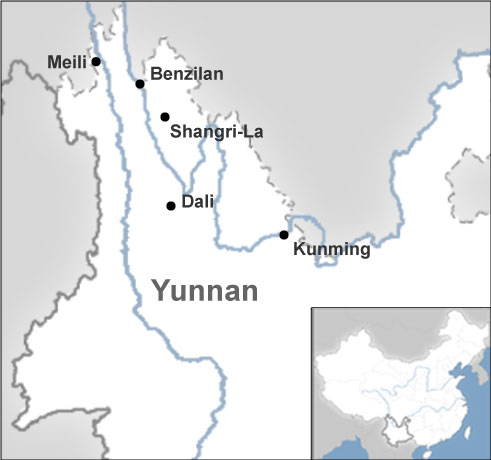
On Saturday, August 31st, a 5.8-magnitude earthquake occurred China’s southwestern province of Yunnan.  The quake hit the counties of Shangri-La and Deqin, on the border with Sichuan, at 8:04 a.m. local time.

No AsiaTravel travelers have been hurt or seriously affected by the incident.

Local authorities have reported 3 casualties and 50-plus injured, mostly due to landslides caused by the quake.

The roads connecting Shangri-La and Deqin have been blocked by landslides, and the Songtsam Benzilan and Songstam Meili hotels in the area are also temporarily closed due to power outages.

Since Saturday, over 300 aftershocks have been recorded by the China Earthquake Networks Center, with the largest measuring 4.9 on the Richter scale. In the short term, the Tibetan Autonomous Region of Deqin recommend tourists and residents in Shangri-La not visit Tiger Leaping Gorge, Meili Snow Mountain and Yunnan Snub-nosed Monkey National Park.  Local tourism authorities have also shut down some scenic spots to avoid potential risks.

If you are a AsiaTravel traveler and had a trip planned to Shangri-La, one of our travel consultants will be in touch with you or you can email us at: info@wildchina.com.

Much of western China, and its neighboring areas of Central Asia, is prone to earthquakes caused by the impact of the Indian Plate into the Eurasia Plate. Over time, this collision of the Indian and Eurasian plates has lead to the formation of the Himalayan Mountains, the Tibetan Plateau, and the mountains of southwest China, Central Asia and the Hindu Kush.


UPDATE – September 10, 2013:

There are currently no restrictions on traveling to Shangri-La, though access to some of the more remote regions in Yunnan continues to be affected.

If you intend to travel to northern Yunnan–specifically to Meili, Deqin or Weixi, please note that the road heading west from Nixi is currently closed. This restricts access to Songstam Lodges (Meili/Benzilan) and to western Sichuan via Derong. Songstam Meili is scheduled to reopen to the public on September 17th, while Songstam Benzilan will remain closed until further notice. 

If you are planning to visit the Yading nature reserve (Sichuan), the road to Xiangcheng from Shangri-La is open, though it is in poor condition and AsiaTravel does not recommend taking it during this period. In addition, the road between between Tibet and northern Yunnan remains closed.

We are paying close attention to the situation and will continue to provide updates as information becomes available.

AsiaTravel Update: Earthquake in Yunnan

AsiaTravel Update: Earthquake in Urumqi


BREAKING – August 30, 2013

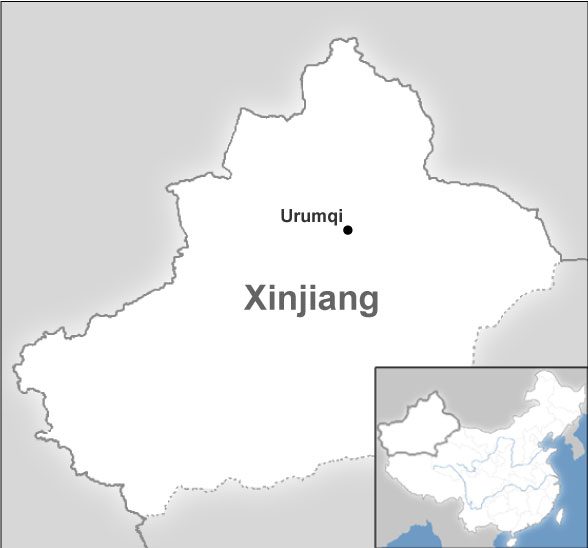
At 1:27 p.m. local time, a 5.1-magnitude earthquake was registered by the China Earthquake Networks Center in Urumqi, the capital city of the Xinjiang Uygur Autonomous Region in northwest China.   The epicenter was at a depth of 12 kilometers (approximately 7.5 miles).

As of 3:44 p.m. today, no casualties or injuries have been reported. There are currently no AsiaTravel travelers in the area of the earthquake.

As with all earthquakes of this magnitude and higher, visitors and residents are advised to travel with care and be mindful of aftershocks.

We at AsiaTravel will continue to monitor the situation and provide any updates that become available.

AsiaTravel Update: Earthquake in Urumqi


The Legend Behind Yunnan’s Famous “Crossing the Bridge Noodles”

When you have a cultural and culinary history as long as China’s, you’ll find that a lot of customs and dishes have legends behind them.

One of our favorites is the touching story of the Yunnan dish, guoqiao mixian (过桥米线) or the “Crossing the Bridge Noodles”:

____

Long ago, just south of the Yunnan city of Mengzixian (蒙自县)….

There was beautiful lake with water as clear as jade. In the center of the lake, there was a small island covered in green bamboo saplings and giant trees whose ancient stalks reached the heavens.

Known for its natural beauty and pleasant atmosphere, the small island drew many neighboring scholars seeking a tranquil place to study for the imperial exams.

Among these scholars was a particularly diligent student who spent many days studying on the island.  Every day, his wife made the long walk to the lake, crossing the bridge to the island to bring him his midday meal.  However, he was frequently so engrossed in his studies that he only remembered to eat long after the food had grown cold.

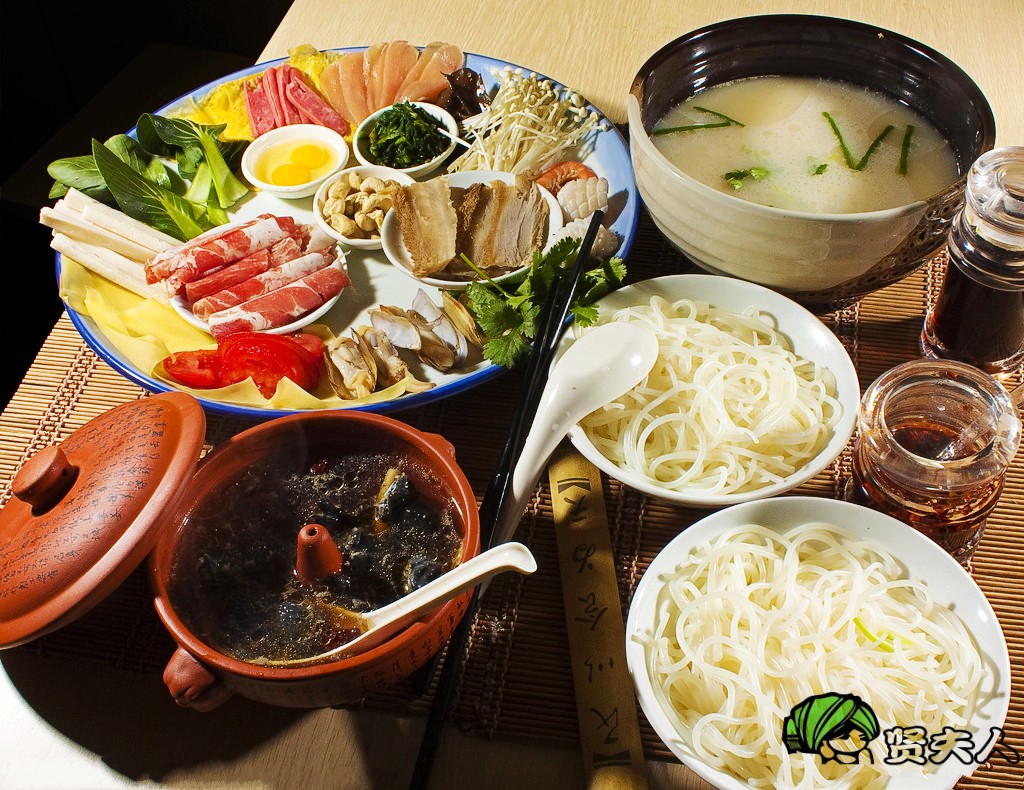
Due to his irregular eating habits, the scholar became noticeably thin and his warmhearted wife grew very worried.  One day, she had an idea. She butchered a plump hen to make a hot chicken soup, and separately prepared her husband’s favorite local rice noodles, seasonings, and ingredients.

She brought them over the bridge in different bowls, combining them just before he was ready to eat. On it’s own, the chicken broth stayed hot enough to cook the noodles and other ingredients, and created a thin layer of oil that kept the whole bowl piping hot.

It worked. The scholar loved the hot noodle soup, and the wife started crossing the bridge everyday with these bowls.

Eventually, the scholar succeeded in passing the imperial exams and, remembering his wife’s great kindness and hospitality, joked that it was his wife’s wonderful noodles that helped him pass the prestigious and famously difficult exams.

____

“As a result of their unwavering resolve, the husband became an imperial scholar and great honor and satisfaction was brought to the village.”
The Legend Behind Yunnan’s Famous “Crossing the Bridge Noodles”

Photo credit: Google

As you may have guessed, the wife’s daily walk across the bridge to deliver her husband’s meals inspired the name “Crossing the Bridge Noodles”. The story was passed on by word of mouth through the generations and has come to symbolize affection, endearment, and admiration

Like many legends of its kind, this story helps us understand the values and morals of traditional agricultural society in China. For example, the scholar is always described as diligent and hardworking—willing to embrace solitude and hardship in pursuit of good fortune and future.

The wife is considered virtuous and kindhearted for overcoming difficulty and heartache to care for her husband; her delivery of daily hot meals is used to express deep love and affection.

The story often ends with the line, “As a result of their unwavering resolve, the husband became an imperial scholar and great honor and satisfaction was brought to the village.”

Today, guoqiao mixian (过桥米线) is still considered a Yunnan specialty—and it still comes in separate bowls, allowing you to pick your ingredients and add the hot soup yourself. In Yunnan, this dish is so popular that there are restaurant chains that specialize exclusively in varieties of guoqiao mixian. It can be found anywhere from street-side noodle shops to high-end banquet-style restaurants.

If you’re heading down to Yunnan, this dish is definitely worth a try. Who knows, maybe it’ll be all the inspiration you need to finish that next project, or pass that next exam.

Or, if you’re feeling adventurous and want to try your hand at making this dish yourself, here’s a recipe worth trying from the Australian Gourmet Traveler.

_____

Interested in traveling to Yunnan? Check out our sample journey South of the Clouds to get some ideas. No time to fit Yunnan into your China itinerary? Send us an email at info@wildchina.com and we can recommend great Yunnan restaurants in Beijing and Shanghai.

 

The Peninsula Hotel Hong Kong: A Cut Above the Rest

The Peninsula Hotel Hong Kong: A Cut Above the Rest

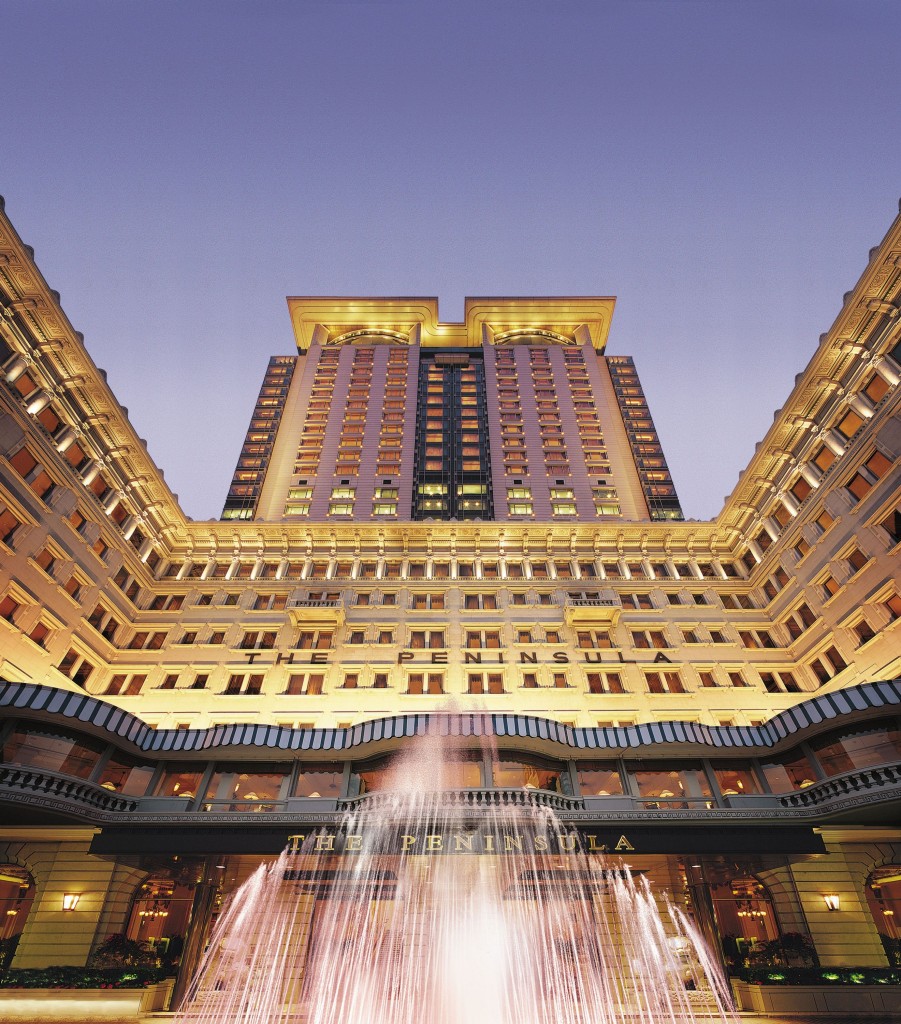
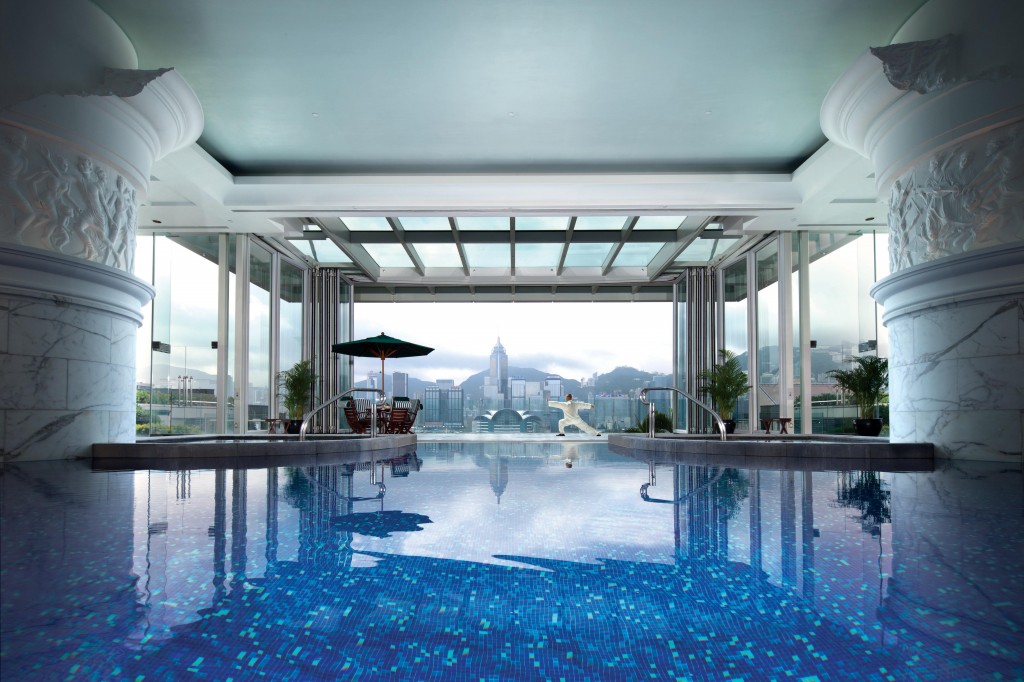
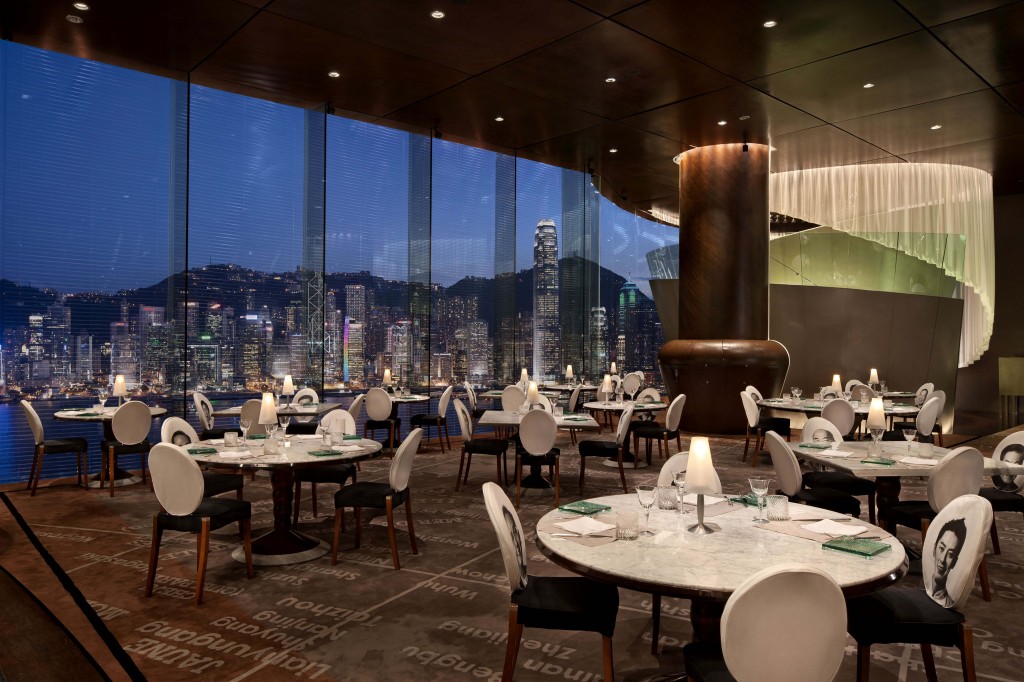
The Peninsula name has always been equated with luxury and magnificence, and as the brand’s flagship location, the Peninsula Hong Kong is a cut above the rest.


The Peninsula Hotel Hong Kong: A Cut Above the Rest

The Peninsula Hotel Hong Kong: A Cut Above the Rest

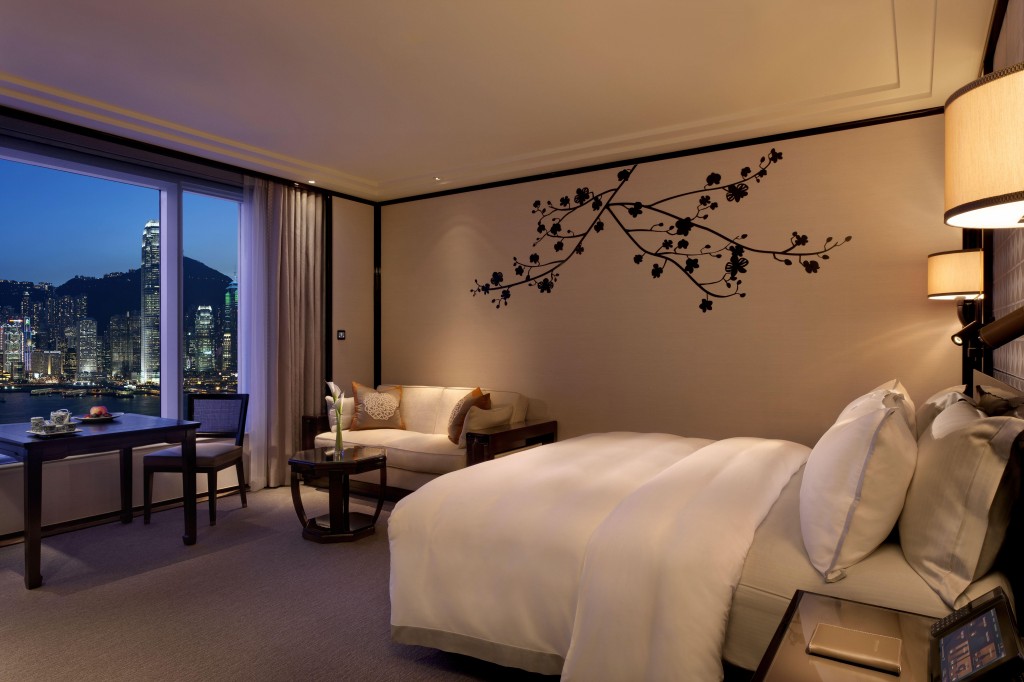
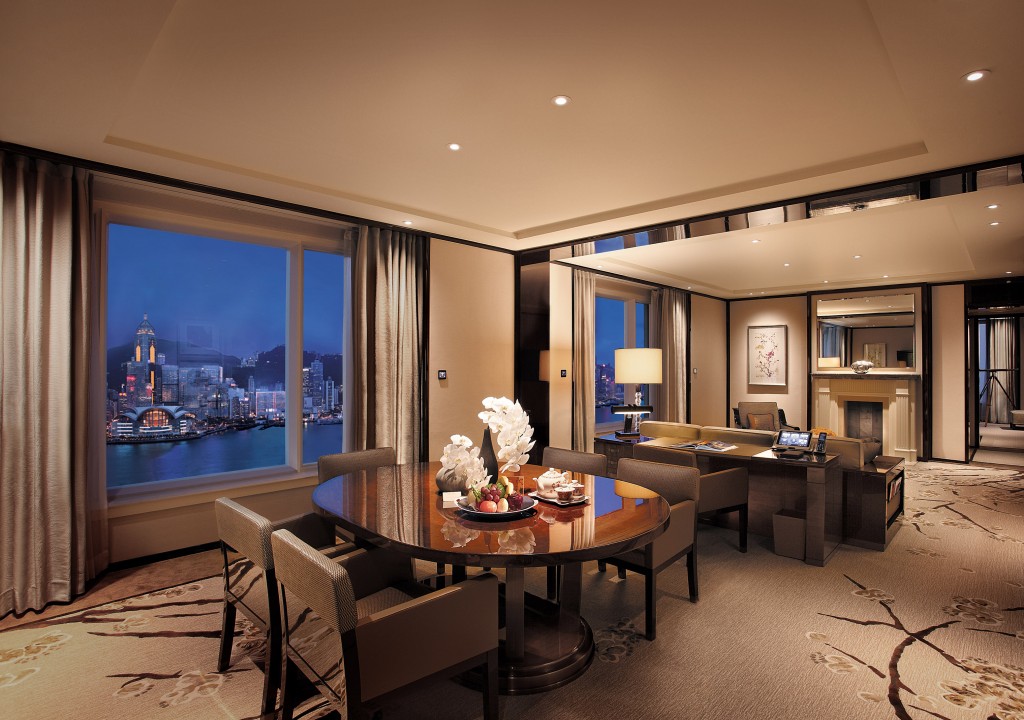
The two-phase “landmark room enhancement programme,” commenced in 2012, aimed to transform all 297 of the hotel’s guestrooms.

New room designs offer simplicity and elegance:

The new room designs speak to “Classic Modernity”: tenets of simplicity and chic elegance built with the finest materials and craftsmanship available. Leather finishes and glossy wood detailing create an ambiance of comfort while setting off the room’s warm, neutral color palette (think cream and dark chocolate). Traditional Chinese ink painting served as inspiration for the artistic features – touches of tradition, reminders of the Peninsula Hong Kong’s proud 85-year history.

At the same time, the hotel looks to the future; this renovation has undoubtedly produced the world’s most technologically advanced guestrooms.

The Peninsula Hotel Hong Kong: A Cut Above the Rest

The Peninsula Hotel Hong Kong: A Cut Above the Rest

For your entertainment and enjoyment:

A 46” LED flat-screen TV, a iPod/iPad docking station, surround sound set-up, and noise canceling earphones (not to mention 90 Internet TV channels, 460 Internet radio stations, and a complimentary selection of HD movies). For effortless convenience: an all-in-one fax/printer/photocopier/scanner, a bank of international outlets, free long distance VOIP calls, and complimentary fibre-optic-cable-enhanced high-speed internet.

Really revolutionary, though, is what the upgraded technology allows in terms of personalization. LED touch wall panels allow visitors complete control of their room environments: temperature, lighting, curtains, privacy. The same options are available on the multiple portable tablets included in each room – but the tablets also offer access to restaurant menus, hotel services (including the Peninsula’s signature Rolls-Royce fleet!), the impressive new “PenCities” virtual city guide, live flight status updates, and more. The entire system is synchronized throughout the room and available in 5 languages: English, French, Japanese, and Traditional and Simplified Chinese.The Peninsula Hotel Hong Kong: A Cut Above the Rest

The Peninsula Hong Kong has always been trusted to deliver on its promise of comfort in the midst of splendor, and with this most recent renovation, the hotel has exceeded all hopes and dreams. Take our word for it – or better yet, take our advice and experience the “Great Dame of the Far East” for yourself.

___

All photos by the Peninsula Hong Kong.

Want to stay arrange a stay in the Peninsula? Email info@wildchina.com for more information!

China Welcomes Back “Top Secret: The Battle for the Pentagon Papers”


What is more important – national security, or people’s right to be informed?

The screenplay, “Top Secret: The Battle for the Pentagon Papers”, further explores the themes of freedom of press, government secrets, and the role of the judiciary with its inside look at the Washington Post’s decision to publish a study labeled “top secret” that documents the history of the U.S. involvement in Vietnam. The following epic legal battle contended the public’s right to know against the government’s need for secrecy, eventually going on to arguably become one of the most important cases in Supreme Court history.

China Welcomes Back “Top Secret: The Battle for the Pentagon Papers”

We had the chance to talk with Alison Friedman, founder of Ping Pong Productions, a company fashioned around the mission of promoting cultural diplomacy through the performing arts. As a longtime resident of Beijing, Alison has witnessed first-hand the changes in the Chinese mindset regarding censorship, especially amongst the younger generations.

According to Alison, the main reason the screenplay returned to the Middle Kingdom was because although there were some difficulties the first time around, the show was overall a huge success, receiving positive, but more importantly, engaged reactions.


China Welcomes Back “Top Secret: The Battle for the Pentagon Papers”

Post-performance discussion on stage at Tianjin Grand Theatre Opera HouseSo what has changed between the first and second tours?

When “Top Secret” came to China a little less than two years ago, they were playing mostly to student audiences in small venue. This time around, with more financial support, especially from the U.S. Embassy, the cast was able to perform in grand theaters in every city they visited, the highlight obviously being the National Center for the Performing Arts (NCPA) in Beijing, the most prestigious venue of its kind in China. Quick fun fact: LA Theater Works is the first American theater company to perform at the NCPA!

Another major difference is the audience – this time around, their viewers are much more mainstream, not simply theatre or journalism-focused spectators. In terms of the reactions that the screen play has received, there has been just as much enthusiasm because the issues discussed are both timeless and universal.

 “[It] is in essence, not simply about the story behind the publishing of the Pentagon Papers… but rather revealing the multi-facets of this complicated subject, forcing its viewers, Chinese and American alike, to raise questions about censorship and the public’s right to know.”

China Welcomes Back “Top Secret: The Battle for the Pentagon Papers”

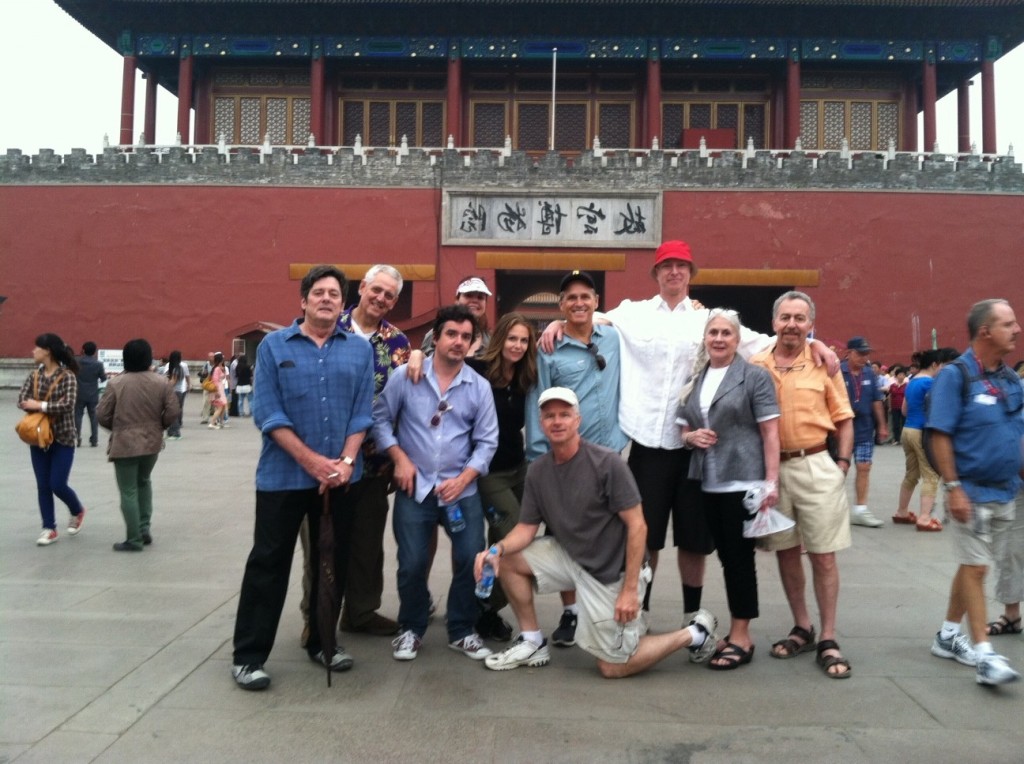
The cast visiting the Forbidden City

What interested Alison was the demographic of Chinese audiences compared to that of their American counterparts. The show’s popularity amongst younger audiences in China reflects the country’s vibrant theater-attending community, which avidly frequents both domestic and international performances. This highly contrasts the much older demographic (50+) of American audiences, most of whom attended the screenplay because they had lived through this period of U.S. history.


China Welcomes Back “Top Secret: The Battle for the Pentagon Papers”

LATW cast and Ping Pong Productions producer Alison Friedman back stage at the National Center for the Performing Arts with US Ambassador Locke

The organized interaction between the cast and the audience included coordinated discussions in every city, a master class in Suzhou, and a variety of theater workshops in Chongqing. What impressed Alison the most was the level of sophistication and the amount of nuance that the discussions reached. Rather than asking Margaret Colin about her favorite scene in the the popular drama, “Gossip Girl”, the participants were genuinely interested in the substance of the play, often asking the cast about their personal opinions regarding the characters they were playing.

China Welcomes Back “Top Secret: The Battle for the Pentagon Papers”

“Top Secret: The Battle for the Pentagon Papers” is in essence, not simply about the story behind the publishing of the Pentagon Papers or being “pro-” one thing, or “anti-” another, but rather, revealing the multi-facets of this complicated subject, forcing its viewers, Chinese and American alike, to raise questions about censorship and the public’s right to know, both in terms of current and future issues.

—–

First and last photos by Matt Petit, third photo by John Vickery, second and fourth photos by Darren Richardson


Beijing’s Vanishing Heart

This past weekend, we sat down with journalist and photographer Jojje Olsson to talk about a bit of Beijing’s heritage.

_____

In 2007, Jojje Olsson came to China. He’d just won a university competition, and his prize covered the flight. He planned to study Chinese in Beijing for one semester. He ended up staying for good.

It was a coincidence, he says, and it was another coincidence that led him to the path he walks now. While looking for housing in 2010, he visited almost 30 potential residences around Beijing before finding an apartment in Langjia hutong. Before, he hadn’t know much about hutongs (胡同) – Beijing’s traditional living quarters that date back to the 13th century, comprised of narrow grey-bricked alleyways, slanting tile roofs, and square siheyuan courtyards – but after moving in, he became fascinated. “It has really, really cool surroundings, nice neighbors, nice environment… people living life in the street.”

Beijing’s Vanishing Heart

He met Hou Lei, a Beijing native, back in 2007, and they have been close friends ever since. Hou Lei lived in a hutong when he was young, but his family was eventually forced to move out. Their hutong home was destroyed.

Curious, Jojje wanted to learn more. His research found surprisingly few accurate sources on the historical landmarks, but what he did uncover is nothing short of horrifying.

Beijing’s Vanishing Heart

Of the 7000-8000 hutongs that originally existed in Beijing, about 90% have been destroyed. Even as late as the 1980’s, the winding lanes filled the city, but now, they only exist within the 2nd Ring Road.

There, in the heart of Beijing, is where the land is worth the most. In a cruel twist of irony, it’s also where the residents are the poorest.

Many take advantage of that, razing the hutongs to build towering residential complexes and expensive restaurants. Those who are forced out are compensated very little – not nearly enough to find housing within the city. Instead, the families who have lived together for generations are scattered, typically outside the fifth or sixth ring roads, or out of Beijing altogether.

China’s tourism boom in recent years have also impacted the hutongs.

Before the 2008 Olympics, the city accelerated the destruction of hutongs to make room for the necessary sports venues and other infrastructure. Even today, there are plans to tear down the hutongs around the Drum Tower to make a large square capable of accommodating a larger tourist flow. Some of the hutongs being demolished are considered protected areas, and yet the violation fines are low and the regulations are not strictly enforced. Alternatively, the hutongs themselves are being turned into attractions, like Nanluoguxiang (南锣鼓巷). In these case, the structures are preserved; authenticity is not.

This is yet another complication: most hutongs lack modern amenities such as central heating, fast internet, and toilets. Truly authentic hutongs are not ideal living spaces by today’s standards. Jojje knows Beijing residents who consider the alleyways “slums” not worth protecting, and though surveys show that a significant majority of hutong residents wish to continue living there, most of the youth would rather move elsewhere. They don’t have the emotional attachments that the elderly do – the last generation who truly knows what it was like before.

After all, the hutongs are so much more than buildings; they’re communities, and they represent a community-based lifestyle that has existed for centuries.

“It’s more about the social fabric,” Jojje emphasizes again and again, “Neighbors who know each other, playing mah-jongg on the streets. It’s about the people and it’s about the atmosphere.”

And yet, if the buildings are destroyed, that culture, the atmosphere, and the people must go, as well.

 Beijing’s Vanishing Heart

Jojje and Hou know that there is no simple solution to this conundrum, but they do have a plan. They want to extensively document the remaining hutongs – selecting 8 to focus on – in photos and interviews, in a book, along with maps, histories, and other facts, to remedy the lack of information out there. They call their project “The last hutongs of Beijing,” and have set up a page on indiegogo for funding.  If they reach their goal of $3,000 by 11:59 PT on June 21st, they will also create a website about the hutongs, including updates on each street’s demolition/reconstruction status – they’re being destroyed so rapidly that it’s hard to keep track.

 Beijing’s Vanishing Heart

That’s the goal, in the end, “to try to get people… not necessarily engaged in protecting the hutongs” – efforts to do so are scarce; perhaps that’s too much to ask for – “but enlightened.” Awareness is the first step, and hopefully dialogue will follow.

Jojje ­­recalls a relatable situation from his homeland, Sweden; many of the city’s old quarters were razed in the 1950’s during an extensive urban renewal project. “Back then, no one saw the value in protecting the old buildings, but then in the 80’s and 90’s, people were having big regrets, like why did we destroy our city? So I think it would be good if Beijing can learn a lesson from that.”

Beijing’s Vanishing Heart

_____

If you would like to learn more or donate to “The last hutongs of Beijing,” visit their webpage here. Their fundraising campaign ends on June 21st!

For more literature on the destruction of the hutongs, Jojje recommends The Last Days of Old Beijing by Michael Meyer.

Interested in seeing the hutongs for yourself? Send us an email at info@wildchina.com!

All photos credited to Jojje Olsson.

Venturing off the beaten path in Tibet

Tibet is located in the heart of the Himalayas, and is one of the world’s most hidden and valuable treasures.

Traveling to Tibet can take you back in time to the Guge Kingdom’s ancient civilization, give you the chance to hike up the remote, arduous, and scenic black peaks of sacred Mt. Kailash and amble along the towering, fortress-like crisp white walls of the Potala Palace.

Venturing off the beaten path in Tibet

Northern Yunnan is also home to many Tibetans–some of whom have made the spectacular panoramas of Abujee their home.

Khunu, a yak wool clothing company that sources its material from Tibet, was founded on the combination of an audacious spirit, the appreciation for far off cultures, and the desire to develop functional and fashionable products of the highest quality while facilitating direct and equitable market access for isolated Tibetan villages.

The word “Khunu” represents the name given to the first true Mongolian dynasty a thousand years prior to the rise of the legendary Ghengis Khan in the 13th century. Vast, majestic scenery populated by a hardy people who respect and live in harmony with their environment embodies what this brand is about.

For us at AsiaTravel, Tibet is a must-see for any adventurous spirit.

Here are few ways to venture off the beaten path and delve into the spirit of Tibet:

1) Guge Kingdom –

Venturing off the beaten path in Tibet

Photo credit: China Daily

For the history-loving explorer with the desire to go above and beyond the typical itinerary, AsiaTravel recommends an expedition to the remarkable Lost Kingdom of Tibet. This is an opportunity to see unforgettable sights that are as far away from coastal eastern China as you can get.

Immerse yourself in the far western area’s mysticism and beauty to unearth the hidden sites and artifacts of Tibet’s ancient civilization.

Walk in the shade of the pyramid-shaped Tholing Monastery and breathe in the crisp fresh air in front of an uninterrupted view of the Himalayan border stretching between India, Tibet, and Nepal. Head past Lake Mansarovar to the Ruins of the Guge Kingdom for a historic site steeped in mystery.

2) Abujee –

Venturing off the beaten path in Tibet


Meaning “delight” and “wonder”, the name Abujee perfectly embodies the beautifully serene, uncluttered landscape of this mountainous Tibetan region of northwestern Yunnan.

Known to few, the picturesque scenery of Abujee offers snow-capped mountains, lush forests, and deep, clear lakes. An area sacred to the nomadic Yi and Naxi ethnic minorities in the area, travelers to this remote region are treated to a private experience away from the prying eyes and jostling crowds of coastal China.

Make your way past sacred temples, mountainous terrain, nomadic settlements, and above the tree line towards breathtaking views.

3) Mt. Kailash –

Venturing off the beaten path in Tibet


Situated in a far western corner of one of the most remote plateaus in Asia, Mt. Kailash (at a height of at 6,638 meters/21,778 feet) is a striking peak in the Himalayan mountains of western Tibet.

It has long been a sacred pilgrimage destination for no fewer than four major religions: Hinduism, Buddhism, Jainism and Bön.

The peak has a recognizable deep black tint and symmetrical diamond-like shape. With a surrounding landscape that is rugged and dry, Mt. Kailash overlaps the crystalline streams of several lakes, including the vast Lake Manasarovar.

Stop by isolated monasteries and take the time to savor the endless horizon and staggering snow-capped peaks. Camp out each night under the stars in the company of annual pious pilgrims who walk around the mountain for good fortune.

_____

Is your interest piqued? Send us an email at info@wildchina.com for more information on traveling to Tibet!