My Perfect Day in Shangri-La

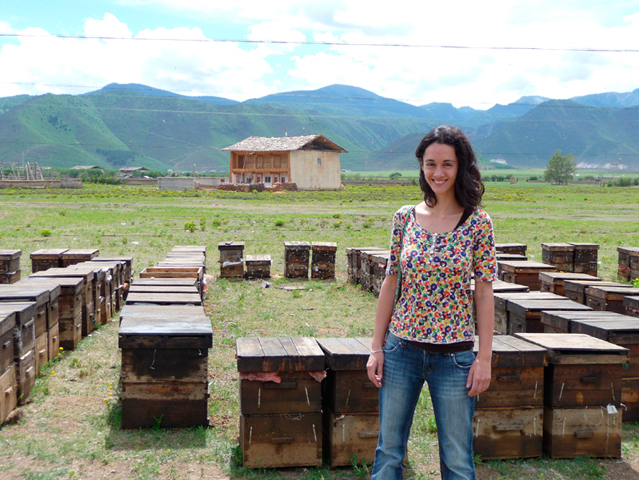
Imagine waking up each morning to the comforting smell of sweet Caravan Breakfast coffee, enjoying a buttery scone with a spoonful of flavorful honeysuckle honey while admiring the mystical valleys of Shangri-la, and ending your day with a relaxing bath using some freshly-made rose magnolia soap. This is the daily routine of Alia Malik, co-founder of Shangri-la Farms, a company founded on promoting an organic and healthy lifestyle.
My Perfect Day in Shangri-La

Alia, her sister Sahra, and brother Safi founded the company with the hopes of helping to improve the quality of life for the rural farmers of Shangri-la, a city located in Yunnan province, which, though rich in biodiversity, is China’s second-poorest region. With a rapidly growing loyal fan base, Shangri-la Farms provides an outlet for these farmers to “connect with the outside world to sell their products,” which include coffee, honey, and a variety of body products.
My Perfect Day in Shangri-La

AsiaTravel is excited to share Alia’s “Perfect Day in Shangri-la”, including her favorite local sites and eateries in this “earthly paradise”:

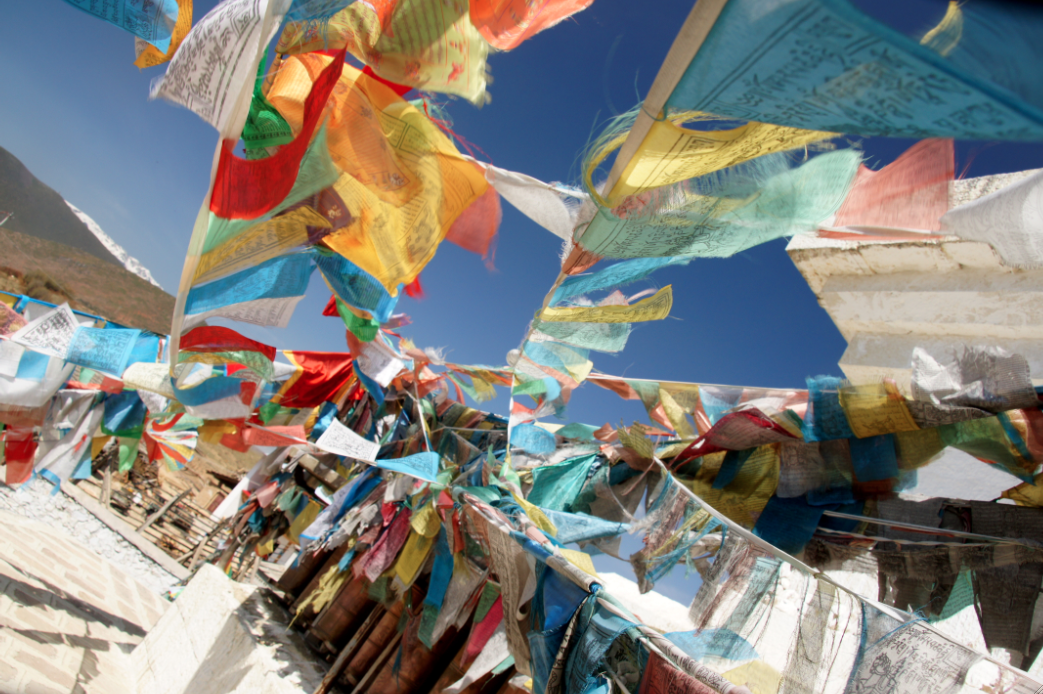
On a perfect June weekend with the temperature in the low-30° C, (around 86° F) a cool breeze runs through the mountains and a clear blue covers the sky, both of which are harder to find in the more cosmopolitan Beijing. My first impression of the city is embodied in the word “special.” There is no other place in China, and maybe even in the world, like Shangri-la. This beautiful city is unique in that it holds a lot of “feeling”, and although it is occupied by multiple minority groups, there is still a strong sense of community, a unified identity. Local cuisine is delicious and unlike food in the cities, you are mainly eating what has been farmed very nearby and therefore, is less chemically heavy. My personal favorite has to be mian pian, a noodle soup that consists of a locally-flavored broth filled with flat square noodle pieces. With its culturally Tibetan traditions, fantastic eateries, and sensational views, Shangri-la provides an experience that is unavailable in the better-known metropolises of Beijing and Shanghai.
My Perfect Day in Shangri-La

As I wake up in the morning, I breathe in the fresh crisp air and get ready to start off my day with some Western-style comfort food at Somewhere Else Café, whose scrumptious homemade granola and yogurt are both to die for. With some nicely brewed coffee, this is the ultimate breakfast, the best way to energize for a busy day. Then, I enjoy taking a nice walk with my dog up the hill behind my house, from the top of which you can see most of the Shangri-la Valley and sometimes even all the way to the next valley over. I take a moment to fully take in this pristine view and almost always end up having to pinch myself to remind myself that I’m not dreaming. Shangri-la is filled with amazing sites that highlight nature’s beauty, such as the lush green grasslands surrounding the clear water of Napahai Lake.

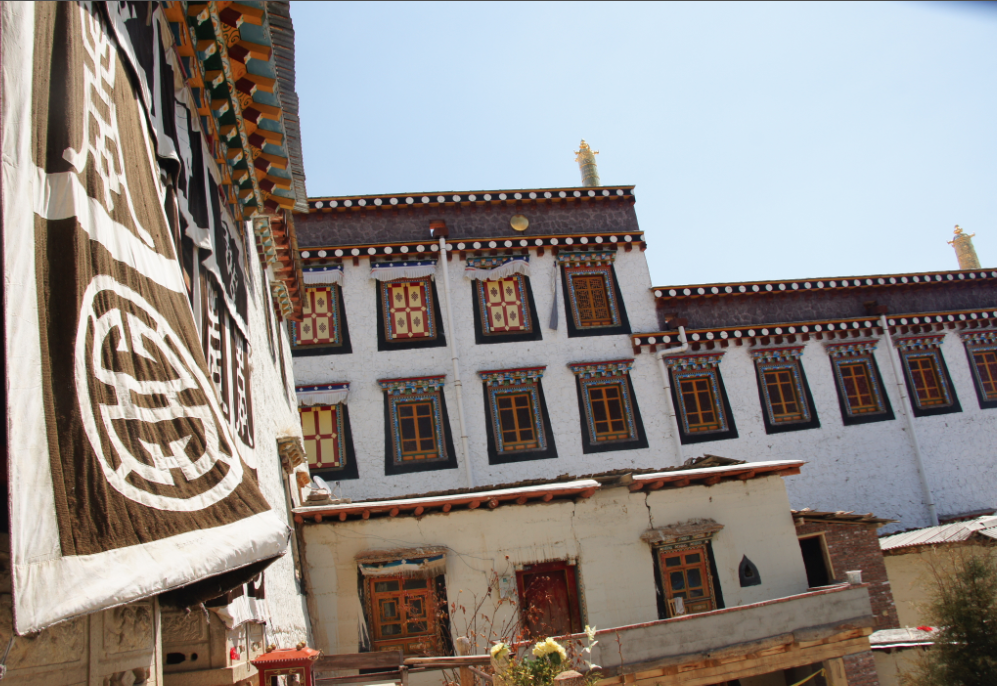
After running some quick errands and getting some work done for the upcoming bottled drinks we have planned for Shangri-la Farms, I head to Karma Café to meet up with a few friends for lunch. The perfect place to catch up with old friends, this eatery, not located in the well-known Old Town, but rather, on a more off-beaten path, embodies the one-of-a-kind atmosphere of Shangri-la. Serving locally-inspired European food with a modern twist, including delicious salads with local walnuts and even yak steak, Karma Café is quickly creating a name for itself not only for its mouth-watering dishes, but wonderful ambiance. After parting with my friends, I head to a local monastery, a must-see when visiting Shangri-la. I personally enjoy the Songstam Monastery, the largest Tibetan Buddhist lamasery in China and a vibrant center of prayer and study. Here, you have the opportunity to first-handedly experience the local culture as you observe monks going about their daily routine. I would then head to the Yunnan Mountain Handicrafts Center to check out some crafts, all of which are locally made and beautifully crafted. I am always up for some shopping!
 

My Perfect Day in Shangri-La

Tara Gallery Cafe

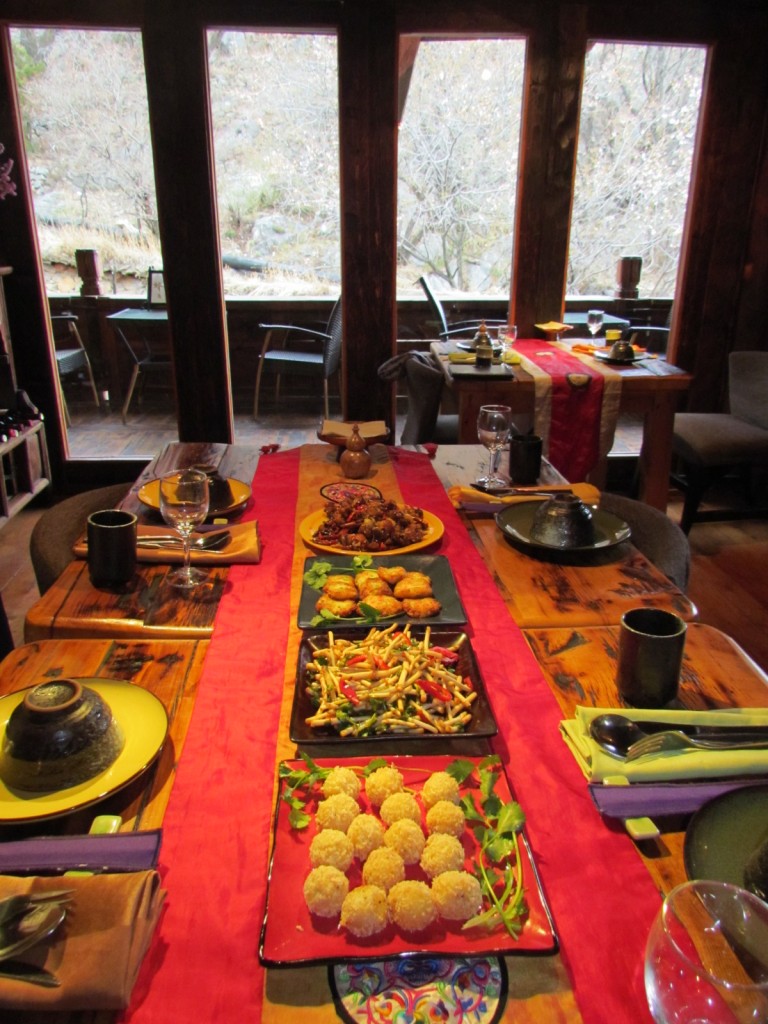
After an adventurous day of exploring Shangri-la, I am famished and ready to enjoy a tantalizing mix of Indian, Himalayan, and Yunnan food at Tara Gallery, including flavorful dishes such as cucumber and three veggie salad, eggplant mousse, and Tibetan dumplings. The personally crafted cuisine at Tara Gallery contains both local Yunnan and Indian flavors and best of all, it’s healthy! So no feeling guilty after indulging in these savory delicacies. Another great option is Arro Khampa, renowned for their French twist on Tibetan cuisine. Not only are their dishes très fantastique, Arro Khampa has great hospitality and is simply a lovely place to while away the evening.

At the end of a long day of exploration, relaxation, and consumption of some of the best Chinese food around, I am exhausted and ready for bed.

———-

Photo credit: Cartier Woman’s Initiative and Chinatravel.net

Are you a diehard java lover interested in trying out Shangri-la Farm’s Caravan Breakfast coffee? Check out a variety of organic, fair trade quality products on their website.

Interested in trying yak steak? Contact AsiaTravel for more information on traveling to Shangri-la.



5 items to pack for Abujee Trekking

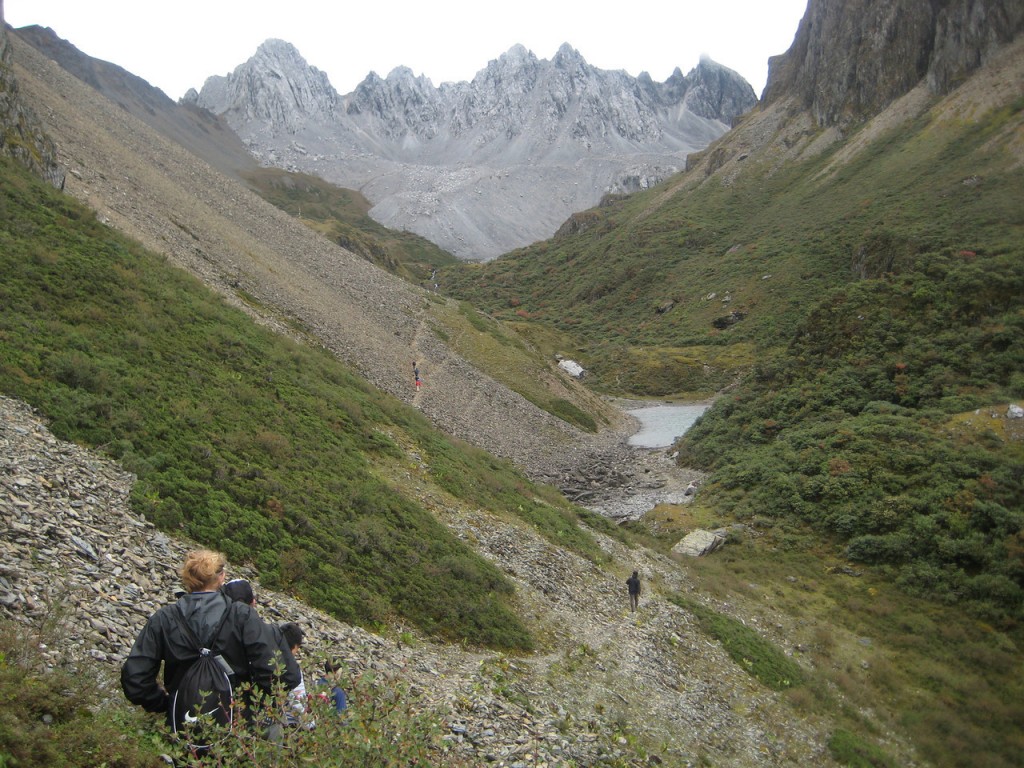
If you’re like us the night before a big trip you’re always asking yourself: “Do I have everything I need?” And with bag fees on airlines always on the rise: “What do I have that I don’t need?” We sat down with David Fundingsland, AsiaTravel’s Head of Educational travel, following his return from 7 days in Abujee, a verdant mountain region in the north of Yunnan. During his time hiking in these isolated mountains and alpine lakes,  David points to 5 items that were essential to the success of his journey.

5 items to pack for Abujee Trekking

Petzl Tikka xp2 Headlamp: On trip, David found his headlamp especially helpful in the Abujee region. For much of the hike, the high canyons cut off the sunlight early in the evening. In such a remote region, there are few clear paths and come dusk, having a good light was key. David has had his Petzl for six years and in all his treks through China, it hasn’t let him down once.

5 items to pack for Abujee Trekking

2) Outdoor Research gaiters: While descending the slopes in the Abujee region, having a pair of gaiters was essential.  Many of the mountains are covered in skree and the gaiters kept rocks from popping into David’s boots.

5 items to pack for Abujee Trekking

3) First Aid kit: AsiaTravel always has a few of these packed on our trips. But David does things a bit differently– in addition to bandages and disinfectant, he also stores all goods he will be using throughout the day, such as sunsceen, in this pouch. This kit is always kept on top of his bag for easy access.

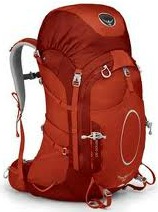
4) 50 liter backpack: In order to carry all his things from camp to camp, David relied on a 50 liter pack from REI. For this 5-7 day trip, having a bag of this size was perfect. Abujee is a region where you get hot while you are on the move but immediately get chilly while stopping for lunch– easy access to multiple layers is crucial.

5 items to pack for Abujee Trekking

5) Medium weight icebreaker socks: Evenings by Abujee can get chilly and in order to keep his feet warm, David relied on a pair of icebreaker merino socks. David also found his socks essential on the crisp cool mornings when they would begin hiking for the day just as the sun was rising.

5 items to pack for Abujee Trekking———-

If you’re interested in hiking Abujee, contact us at info@wildchina.com. Trips can be customized from 4-13 days in this region.


Access to Tibet Update: Summer 2012

AsiaTravel wanted to share that earlier today we received word that local authorities have begun issuing permits for foreign travelers again. Foreign travelers are now able to secure the necessary visa that will enable them to enter Tibet, and we in fact have clients in Lhasa at the moment. AsiaTravel is very pleased with this news as Tibet in the summer is absolutely stunning. We have many clients who have bespoke tours planned through us this summer and look forward to welcoming them to this diverse and culturally rich region.  AsiaTravel will continue to track the situation on the AsiaTravel blog.

Access to Tibet Update: Summer 2012


———-

Interested in traveling to Tibet? Take a look at Don’t miss Tibet traveling to Tibet this summer for travel tips and ideas. To learn more, please get in touch at info@wildchina.com.

Update: Summer 2012 Travel in Tibet

Earlier today, AsiaTravel received more finalized news that Tibet is temporary closed off to foreign travelers during the month of June.  At present, local authorities are not issuing permits for foreign travelers to visit, although this could change at any moment.

Update: Summer 2012 Travel in Tibet

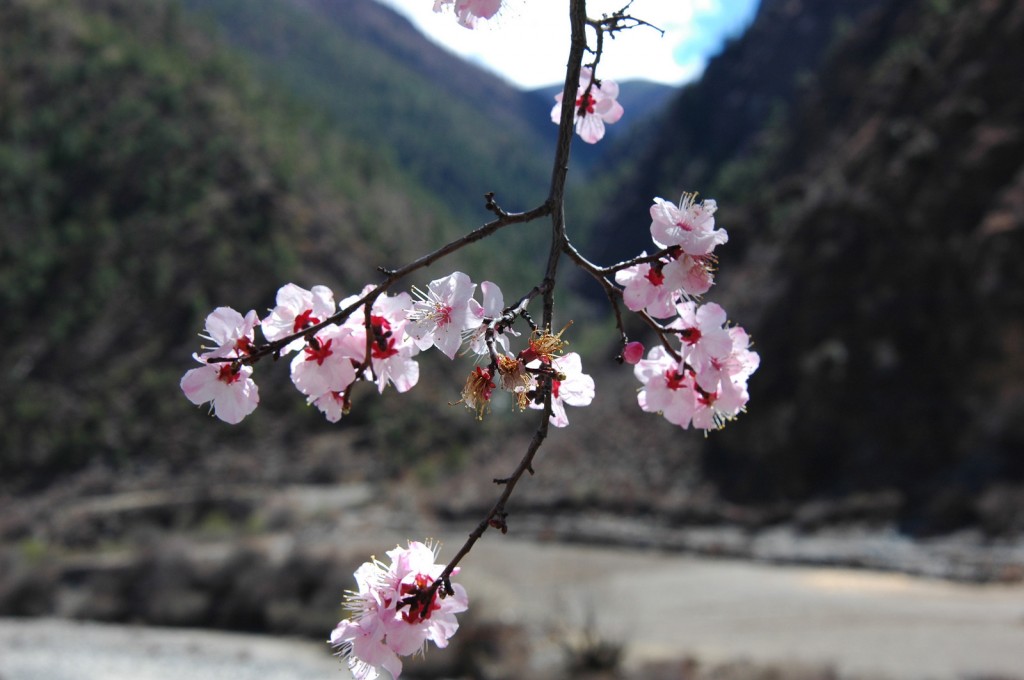
Blossoming flowers outside of Lhasa, Tibet


As many of you may know, in late May AsiaTravel issued a statement explaining the updated regulations– that in order to travel to Tibet a traveler must be in a group of five and all must be same nationality.  However, with today’s latest update, AsiaTravel has canceled all Tibet travel for June 2012. According to our local team in Lhasa, we could possibly learn more about the updated situation for July/August/September by the end of the week.  Stay tuned here to learn more.
Update: Summer 2012 Travel in Tibet

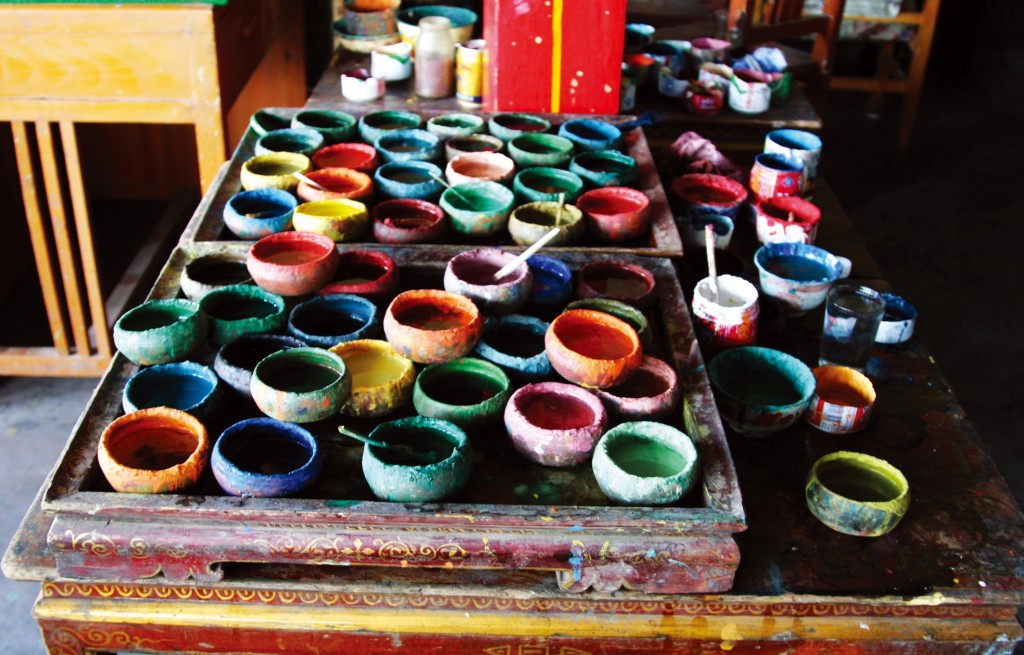
Paint pots for Thangka painting


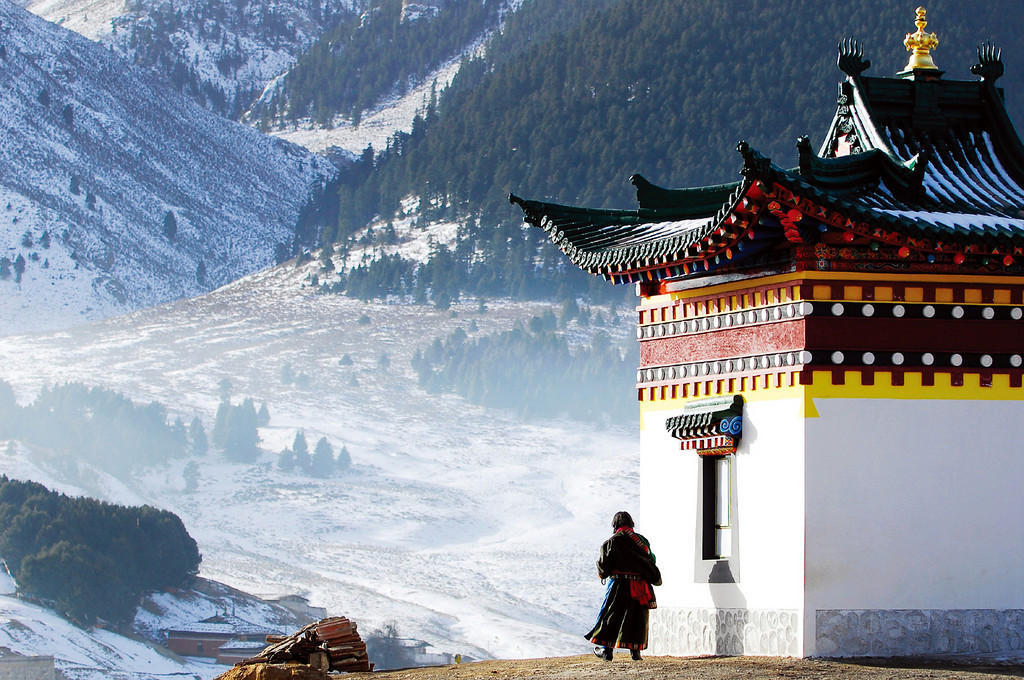
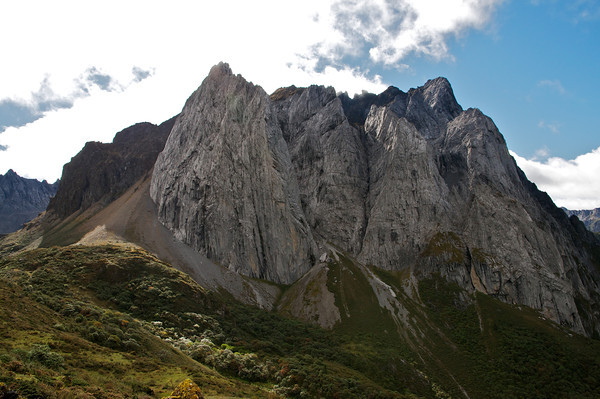
For many who had planned a once in a lifetime trip to Tibet this summer, not all is lost.  For those interested in Tibetan culture as well as stunning– and arguably more remote regions– we are recommending clients to consider  Across the Wild Frontier: Western Sichuan to Yunnan. Head of Leisure Veronique d’Antras says, “This overland expedition goes through some of the most beautiful and rugged Tibetan plateau landscapes: evergreen forests, crystal clear rivers, transparent lakes, glaciated peaks, grasslands with yaks, remote monasteries, horse festivals and Khampa Tibetan traditional culture are found along the road. Take your time to explore.” Explore China’s most dynamic wild west frontier. The Sichuan-Yunnan corridor is one of western China’s most difficult and seldom-traveled passages, but also offers its most inspiring natural scenery. Trek through high mountain passes, hike in alpine forests and along glacial lakes, and watch the sun rise above holy Tibetan Buddhist mountains.
Update: Summer 2012 Travel in Tibet
On this  journey, we travel from Sichuan’s provincial capital, Chengdu, to the Tibetan town of Shangri-La (Zhongdian) in the northwestern corner of Yunnan province. We push deep into the remote mountains of Sichuan’s western region to view some of its most inspiring natural scenery, from the sun rising above holy mountains to the alpine majesties of Yading nature reserve. Along the way, we meet with a living Buddha, trek with local Tibetans and visit many of the largest and most renowned Buddhist monasteries outside of Tibet.
———-
Interested in learning more about travel updates for summer 2012? Stay tuned at AsiaTravel’s blog for the latest news. If you are keen to hear more about Across the Wild Frontier, please contact us at info@wildchina.com.

Update from the Field: Travel to Tibet

For the past four years, Tibet experiences a hiatus in tourism during the spring.  As we are moving to the end of May, Tibet is slowly opening up again to travelers.  Currently, permits to the autonomous region out west can be granted to groups of 5 or more people of the same nationality.  Thus, it is the perfect time to gather friends and family for a once-in-a-lifetime trip to this spiritual land…

Update from the Field: Travel to Tibet

Our journeys are briefly outlined here in Action Asia magazine, but no matter if it is a trip for your entire family or a group of friends camping out in the Tibetan countryside against the world’s most magnificent mountains, there is certainly something for everyone.

For travelers looking to travel in the Tibetan regions of Sichuan province, Ganze and Dege districts seem to be closed still while Litang and Yading reserves are open to foreigners.  Overland journeys from northwest Yunnan to  southeastern Sichuan are also fine.  For a peek into the lives of monks in these remote monasteries, check out AsiaTravel tour Sacred Buddhist Land.


Update from the Field: Travel to Tibet

————

For more information, contact us at info@wildchina.com


When the Paparazzi Flock to Guizhou…

When we think of the places paparazzi flock to, we think of red carpet premieres, starlets in designer gowns, and events generally far removed from our day-to-day life. We definitely don’t think of rustic Guizhou province in southern China.  But that is exactly where the paparazzi was. Well, sort of…

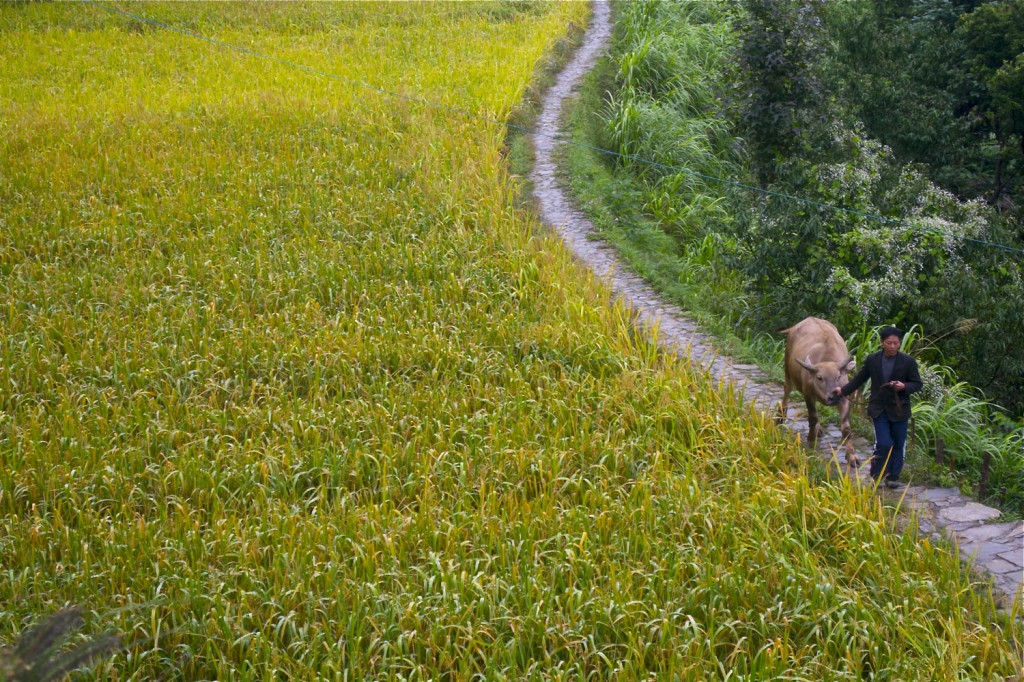
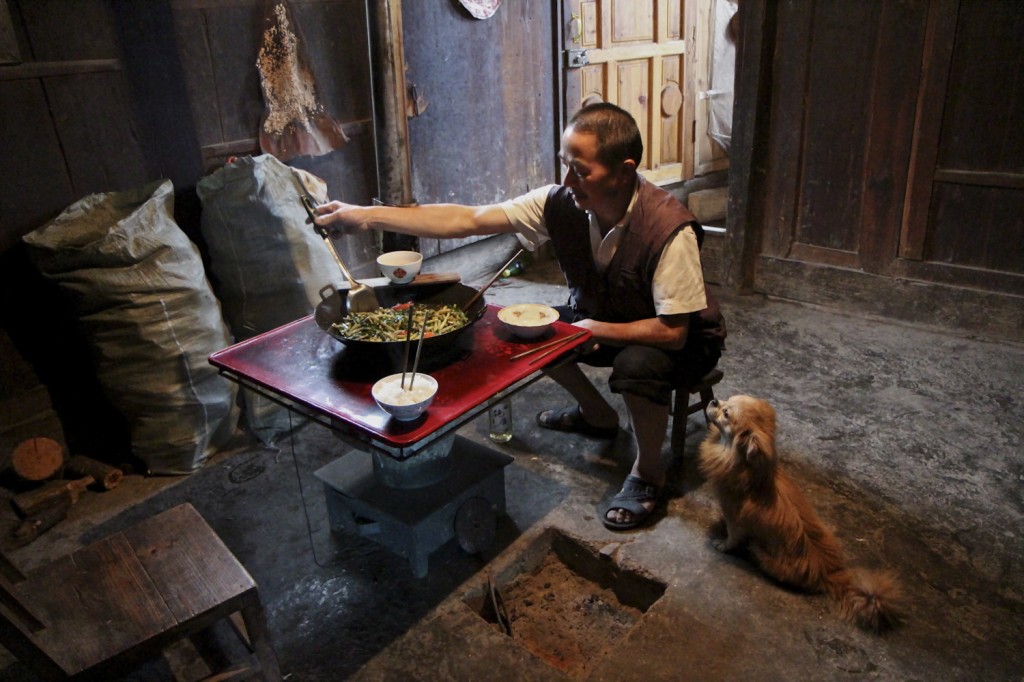
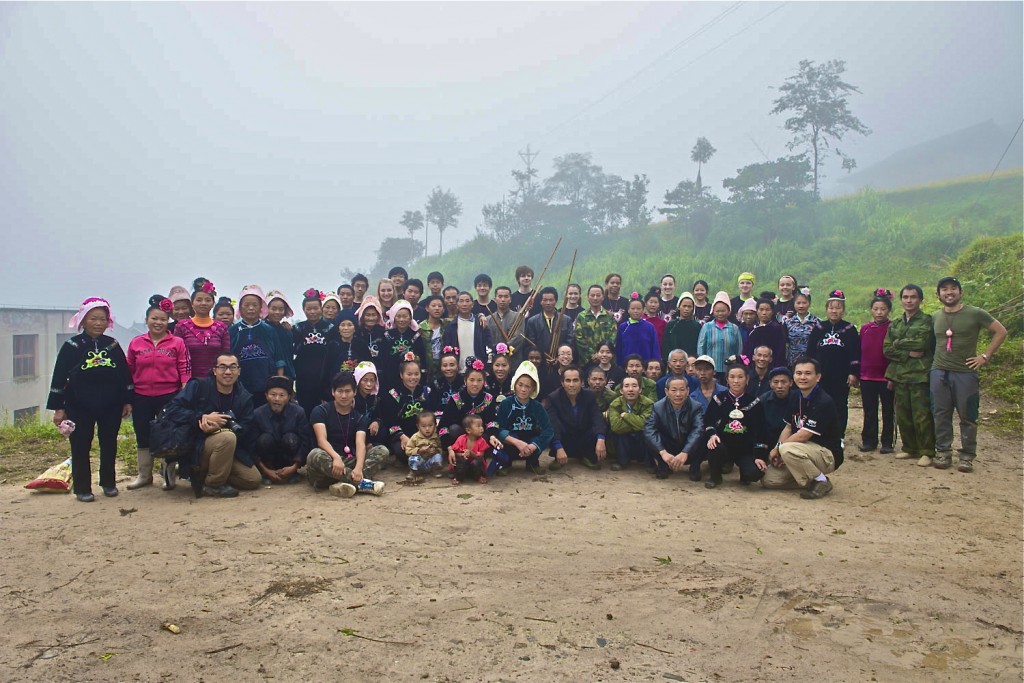
This fall, renowned photographer, mountaineer, and AsiaTravel expert Stefen Chow led a high school photography trip down to China’s southwest. In addition to regular photo assignments from Stefen, the students were tasked with acting as the paparazzi at a traditional Miao wedding. Over the course of a week, the students honed a variety of photography skills, from capturing the story of a place, to selling a location, to interviewing their subjects to get the full story behind their shots.

Below is a selection of the students’ work:

When the Paparazzi Flock to Guizhou…

(A villager caring for his ox)

When the Paparazzi Flock to Guizhou…

(Student photo of a dog being fed at the table. This gentlemen has fed the dog for over 6 years.)

When the Paparazzi Flock to Guizhou…

(Group photo following the wedding)

Working with a small, select group of 16 students, Stefen was able to give them personal, one-on-one attention throughout the workshop. Students came with varying levels of experience in photography: while some had bought their cameras just the day before the trip, others had been shooting for more than 2 years. But all of them were united in their assessment of the adventure: simply incredible.

What did Stefen take away from it? He says at the end of the journey, several students told him it had been “the most memorable and impactful experience” of their lives. That’s why he does what he does–being outdoors shows people who they really are, and that first time stays with you forever. We couldn’t agree more. Sounds like the regular paparazzi should think about heading down to Guizhou once in a while.

———-

If you have questions about travel in Guizhou send us an email at info@wildchina.com and we will be happy to assist you.

Inner Mongolia: On the Edge of History

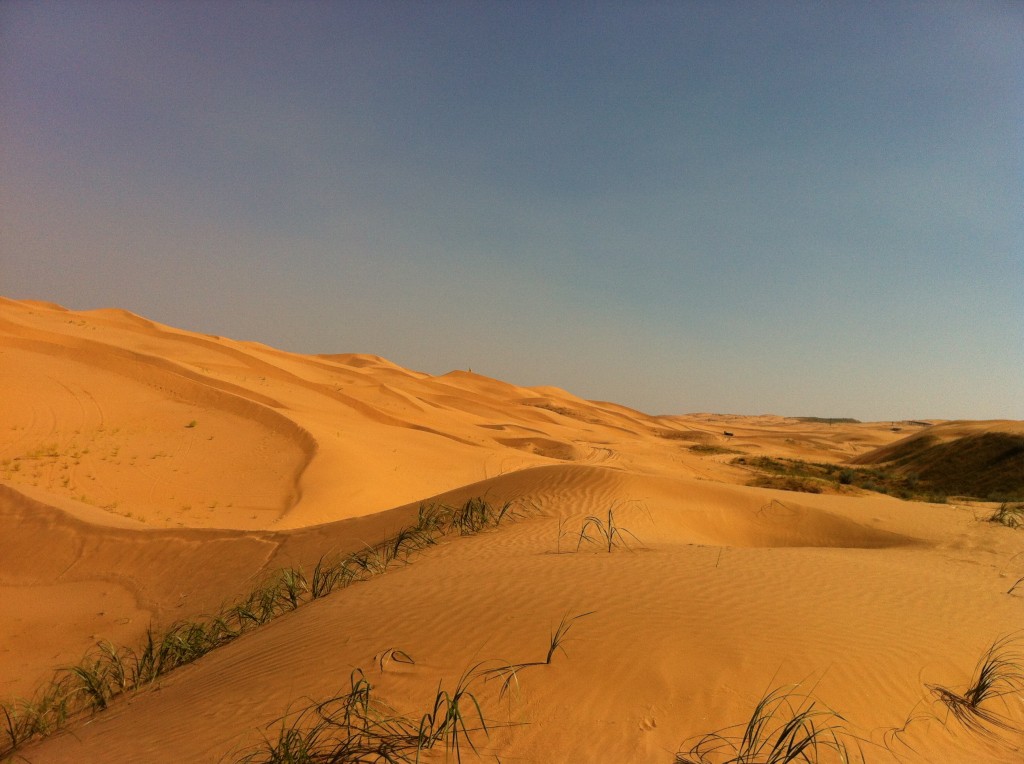
On China’s northern edge there is a province that combines the wonder of the desert and the beauty of the grasslands for an experience that will take your breath away; this province is called Inner Mongolia. Similar to the legendary landscape of neighboring Mongolia, Inner Mongolia’s open spaces maintain a feeling of timeless tranquility unlike anywhere in China.

Inner Mongolia: On the Edge of History

In the desert, atop a sleepy-eyed camel, cross the terrain at the lazy pace of traders who walked these lands hundreds, even thousands of years ago. As the sands whisper and swirl at your feet, imagine that the shapes you see in the distance are pack animals carrying the spices and silks of a foreign land. After disembarking from your camel, head to the grasslands where the surroundings turn from yellow to gentle green.

Inner Mongolia: On the Edge of History

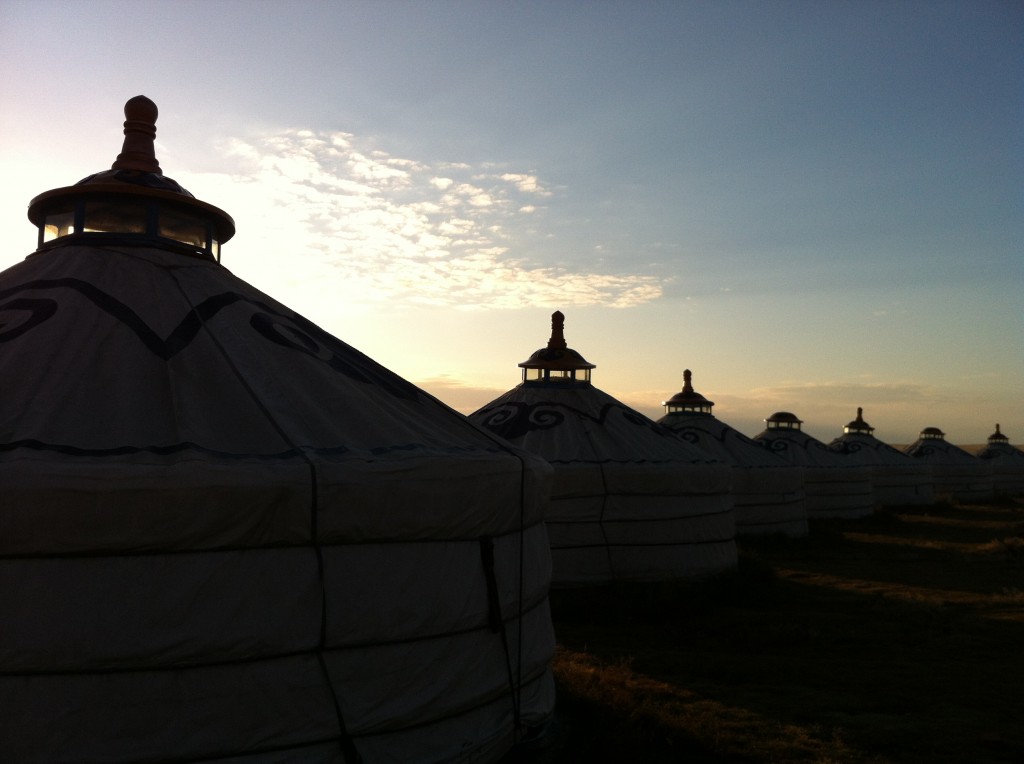
The grasslands provide a similar feeling to the endless deserts of Inner Mongolia, however your view is unimpeded by undulating sand dunes. As your eyes sweep across the horizon, the only reason your field of vision ends is because of the curvature of the earth. Looking into the distance you can almost hear the faraway galloping of the armies of Genghis Khan. After exploring these beautiful surroundings and working up an appetite, turn to the specialty of Inner Mongolia–delightful selections of sizzling, juicy lamb. When the sun fades and the stars begin to shine, climb into the cozy bed of your own personal yurt. Set up amongst the grasses of the steppe, these charming felt tents are the perfect hideaway to retire to for the evening. Best of all is awakening to the sunrise across the endless horizon just on your doorstep.

———-

If you are interested in traveling to Mongolia or Inner Mongolia, send us an email at info@wildchina.com.  We will be happy to assist you.

New Year’s Eve in the Fragrant Harbor

Depending on what city you are in, New Year’s Eve can take on a lot of different shapes. You can watch the ball drop in New York City, join the New Year’s day parade in London, or watch a Tostito chip drop if you are in Tempe, Arizona. While all of these may be impressive, if not amusing, they are nothing like being in Hong Kong to ring in the New Year.

New Year’s Eve in the Fragrant Harbor

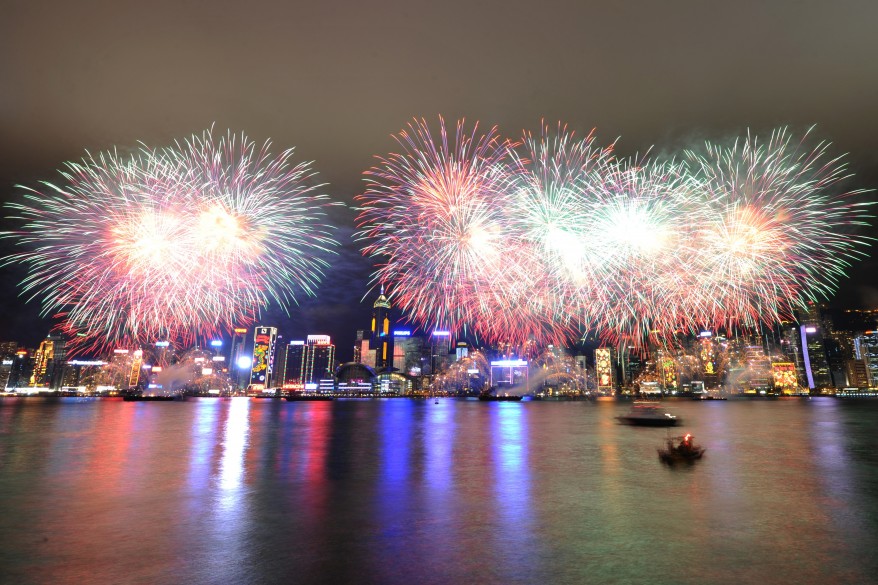
It is no coincidence that the city we recommend for popping champagne and watching fireworks is the same one The Economist recognized this year as the best city in the world.  Not only will fireworks never be the same (Hong Kong goes notoriously overboard when planning its celebratory explosive light shows) but Hong Kong truly has something for everyone.

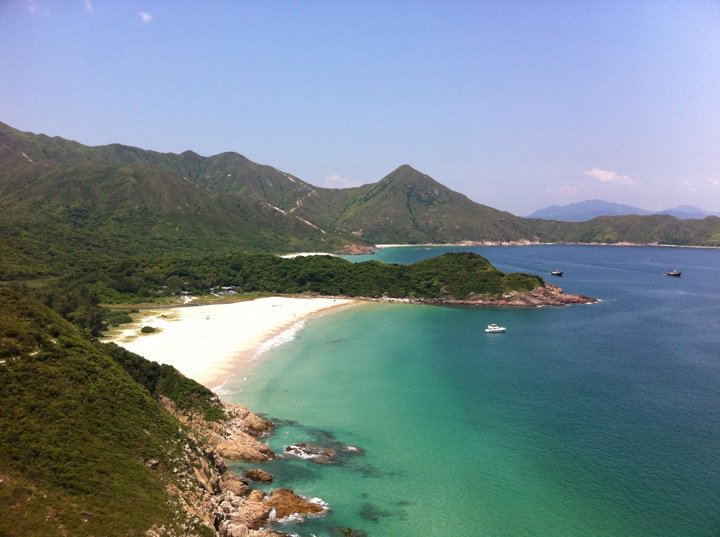
For those who have come from the blustery cold of northern Europe and North America, Asia’s World City offers a relatively warm January 1st, with temperatures between 8-15ºC (46 to 59ºF). Hong Kong ‘s sun stay hot and tropical so this is perfect weather for families to explore hikes around the territory and take the tram up to Hong Kong’s Peak for a beautiful view of the metropolis below. If you are staying on the Island, the Dragon’s Back Hike is a 15-minute cab ride away, while for those staying in Kowloon, Sai Kung Country Park–a true escape from the bustling crowds–can be reached in under half an hour.

New Year’s Eve in the Fragrant Harbor

When evening rolls around there are many locations from which to enjoy the night’s festivities. Reserve a table for yourselves at one of the city’s many restaurants to stage your own party complete with Christmas crackers, confetti, and plenty of Moët & Chandon. An excellent venue for this is The Pawn, and one of our favorites. If you go, trust us on this one and try their fresh seafood–it’s fantastic.  Celebrating New Year’s Eve with the entire family? Rent out a junk to float around Victoria Harbour for a truly singular view when the fireworks burst over head. It will be a reunion to remember.  Of course there are those who celebrate the New Year by traipsing around until the wee hours of the morning, and in this regard Hong Kong never fails to disappoint. Unlike the rest of the year, the buses and subway will run all night long on New Year’s Eve.  The vibrant bar scenes of both Lan Kwai Fong and Wanchai offer places galore–bumping clubs, relaxed lounges, and comfy pubs–just be sure to get there early as lines can build as you close in on midnight.

Make a mid-year resolution to plan a trip to the fragrant harbor this December to start 2013 off right in the shimmering streets of Hong Kong.

———-

If you have questions about travel in Hong Kong, send us an email at info@wildchina.com and we will be happy to assist you.

Photo of fireworks over northern Hong Kong Island by Voice of America.  Photo of Tailongwan (Big Wave Bay, Sai Kung) by AsiaTravel.

Where the Wild Things Are with Laurence Brahm

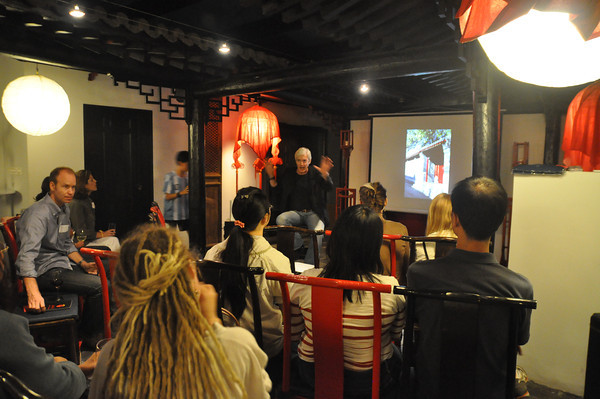
With a cool breeze heralding the beginning of fall, the stage was set for guests to enjoy a beautiful evening at Face Bar for yesterday’s Where the Wild Things Are: A AsiaTravel Series with speaker Laurence Brahm. After having a chance to mingle over cocktails and hors d’oeuvres, guests headed inside as the light began to fade to hear Laurence discuss his experiences working in Asia.

Where the Wild Things Are with Laurence Brahm

Laurence’s presentation centered about his pursuit of social entrepreneurship in China. Whether it was training disabled Tibetan women to sew puppets and thereby giving them a sense of empowerment, or buying up land around the Great Wall to protect it from being turned into a tourist trap water park, Laurence has been a defender of local heritage. In addition to these projects Laurence also discussed his own hotel group Shambhala Serai. When one guest inquired what level of push-back he had received from the government for his private venture Laurence replied that it has been minimal. Laurence went on to explain that unlike an NGO, which can have financial backing that is harder to pin point, for profit organizations goals are simpler, and therefore less of a concern for the government. Helpful advice for those considering starting a business of their own in China.

Where the Wild Things Are with Laurence Brahm

We will definitely keep an eye on Laurence going forward to see what challenge he tackles next, whatever the issue though we see no reason why he won’t succeed.

———-

Our next Where The Wild Things Are: A AsiaTravel Series will feature food writer and cook Fuchsia Dunlop on October 12th. Stay tuned as full details will be coming out shortly.


Where the Wild Things Are: Next Week

On September 5th, join AsiaTravel for our latest installment of Where the Wild Things Are: A AsiaTravel Series which will feature Asian renaissance man Laurence Brahm. In addition to his many academic and business pursuits in Asia, Laurence is also the founder and CEO of Shambhala Serai, a sustainable cultural and eco-tourism boutique hotel group based in Tibet and Beijing. Stop by Beijing’s Face Bar for drink as Laurence discusses the implications and future of two of his favorite topics: Global Activism and Sustainable Tourism.

Where the Wild Things Are: Next Week

DETAILS:

When -Wednesday, September 5th at 6:30pm

Where– Face Bar  at No. 26 Dong Cao Yuan, Gong Ti Nan Street, Chao Yang District, Beijing, China.

How-The cost for the talk is RMB 80 and includes one drink and light appetizers. Reservations are required. To reserve tickets, please call 6465-6602 ext. 341 or email wherethewildthingsare@wildchina.com

———-

To learn more about our Where the Wild Things are Series please see our past events here.

Photo by courtesy of www.laurencebrahm.com