AsiaTravel Book Review: Living Hands: Tibetan Arts and Artisans

Here is a recent blog from Chelin Miller, AsiaTravel’s own yummy mummy blogger.  Here she talks about a fantastic new book on Tibetan Arts and Artisans.  Makes everyone at AsiaTravel want to add a Tibetan rug to their Christmas wish list!

———-

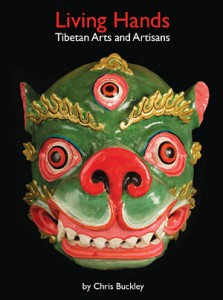
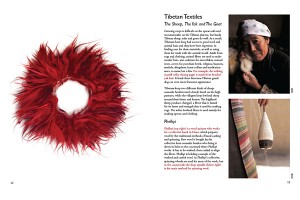
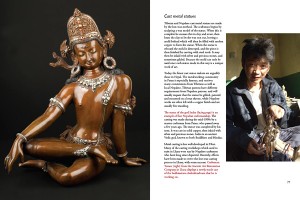
Living Hands: Tibetan Arts and Artisans, a book by Chris Buckley is an inspiring book. It gives an insightful description of the various aspects of Tibetan Arts and Crafts, about which there is so little written.


AsiaTravel Book Review: Living Hands: Tibetan Arts and Artisans

From weavers, dyers, metalworkers and thangka painters to mask makers, sculptors and carpenters. We can appreciate Chris Buckley’s passion for Tibet not only in the beautiful images (both by the author and by Mimi Kuo), but also in the knowledgeable description of each craft. But Living Hands is much more than a book about crafts. Because by portraying the artisans’ personal stories and anecdotes, their art comes to life; we feel closer to understanding their history, traditions and emotions. What drives them to create such beautiful objects: necessity, divine inspiration? Where do they source their materials? How did their techniques evolve through time and changing circumstances? What were these objects used for? How are modernity and globalisation affecting their traditional way of life?


AsiaTravel Book Review: Living Hands: Tibetan Arts and Artisans

I’ve had the privilege of meeting Chris Buckley personally and attending some of his talks about Chinese antiques in Beijing. He is one of the friendliest people I have ever come across, who will open up his home and share his collections, expertise and love for art and tradition. He is also an excellent photographer, designer and researcher, with a humanitarian drive to promote the preservation of Tibetan artisan products. To this end, in 2005 he established the Tanva Weaving workshop in Lhasa, helping to enhance the quality and value of rugs produced and sold by Tibetan weavers.

AsiaTravel Book Review: Living Hands: Tibetan Arts and Artisans


In September 2011 his gallery in Beijing, Torana, received a design award from Elle Decoration magazine for their colorshade rug range.  Living Hands: Tibetan Arts and Artisans is currently available direct from Torana Gallery in Europlaza, Beijing. The book will soon be available through Amazon.


———

For additional questions, please do not hesitate to get in touch at info@wildchina.com.

What is AsiaTravel thankful for in 2011?

Earlier today, we sat down with some of the AsiaTravel team and asked them what they were thankful for this Thanksgiving.  Today we share with you some of their  thoughts on what makes them thankful in 2011.

Gloria Guo, one of AsiaTravel’s most sought after travel consultants, is thankful for her recent trip to Tibet.  She spent close to two weeks using her AsiaTravel travel grant (a grant for employees who have worked at AsiaTravel for 3 years) to explore Lhasa as well as remote mountain regions.  Her travels took her to see Mt. Everest, an experience she will never forget!


What is AsiaTravel thankful for in 2011?

Mt. Everest at sunset


Max Stein, one of AsiaTravel’s Princeton-in-Asia fellows, is thankful for his opportunity to move to Beijing following his graduation from Colorado College. Max has assisted in leading AsiaTravel trips to locations such as Henan province to take kungfu classes at the Shaolin Temple and to Yunnan Province where he assisted with one of AsiaTravel’s newest trips, Abujee: Tibetan Trek in Yunnan.


What is AsiaTravel thankful for in 2011?

Max Stein on Shan Mountain in Henan Province


Fred He, one of AsiaTravel’s super star guides, is thankful for his family and the support that they give him. Fred travels on AsiaTravel trips for much of the year, and he is glad that he always has someone checking in on him.


What is AsiaTravel thankful for in 2011?

Fred He


From everyone at AsiaTravel, Happy Thanksgiving.

Traveler’s Voice: Sacred region in Shangri-la

The following post was written by a student from Concordia International School Shanghai who traveled with AsiaTravel to Abujee in September 2011.

———-

Trekking amidst the tranquility and nature that is Abujee, a sacred region in Shangri-la, Yunnan, was a rewarding experience that garnered many new friends and beautiful memories. On this trip, our group studied aspects of Buddhism through a visit to a monastery and a private meeting with a lama, a spiritual leader. Interaction with the local horsemen also allowed us insight into Tibetan culture and lifestyle. On a particular night, we were warmly welcomed into the home of a Tibetan friend of our guides’ for dinner, where we sampled the delightfully explosive yak butter tea and enjoyed their traditional song and dance, which we reciprocated with a hilarious rendition of the “Hokey-pokey”.”

Traveler’s Voice: Sacred region in Shangri-la


After chilling in town and a “leisurely” hike on the first day, we began our trek on the barely-touched-by-foreigners path to Abujee. The physical demands of the trail called for mutual encouragement and individual strength that drew the group closer, both to each other and to the majestic terrain of Shangri-la. Through sweat, burning muscles, and the amazing leadership of Jeff “The-Guy-with-the-hair” Fuchs, Sonam “Beast” Geleg, and AsiaTravel’s David and Max, many of us surprised ourselves with our own ability to push onward and succeed.

Traveler’s Voice: Sacred region in Shangri-la


Amidst games of Big Two, sing-offs, campfires, and appalling encounters with monstrous bugs, we laughed and learned and grew. Thus were born “Goat-girl”, “Sugar-boy”, “Falcwynn”, and the sophisticated and refined game of “Abububall”.

Traveler’s Voice: Sacred region in Shangri-la

On that dreaded last day, each one of us looked wistfully at the distant mountains, waving goodbye with a bittersweet smile and a heavy heart, reluctant to leave the place that would henceforth cause us to smile fondly.

And so, I ruefully conclude that the trip was a lot like this passage—a process both fun and funny, albeit a tad trying at times, and regretfully, much, much too short.

———-

This young student traveled with AsiaTravel in September of 2011.  For journeys to Abujee, check out our website here or contact us at info@wildchina.com.

Tang’ Roulou: Nostalgic, bucolic French design with a Chinese influence

Tang’ Roulou was founded in Beijing in 2007 as a brand of clothes and accessories for children. French designers Amélie Peraud and Pierre-Yves Babin, have a passion for all things Chinese and this is reflected in their authentic, hand-crafted, unique creations. Together, Amélie and Pierre-Yves form a perfect creative symbiosis, they understand and complement each other and work harmoniously seeking perfection. Their products are a true reflection of their passion and love for beauty and craftsmanship. As I looked around their boutique shop in Sanlitun, Amélie told me the inspiration behind some of the items. Each design is created with patience and tender love and care, in an attempt to revive the timeless traditions that our grandmothers used to live by.

Tang’ Roulou: Nostalgic, bucolic French design with a Chinese influence

It all began when Amélie started making very personal gifts for her friends in France: She designed blankets for their babies, which she had sewn here in China by a local seamstress. Her designs were very well received and Amélie felt very encouraged, so Tang’ Roulou was born. The same attention to detail from the starting days is carried on to the present.

“Dragons, phoenix and goldfish from Asian imaginary dance joyfully in a setting of dots, stripes and flowers, enhanced with a retro touch – sometimes daring but always elegant”.

Tang’ Roulou: Nostalgic, bucolic French design with a Chinese influence

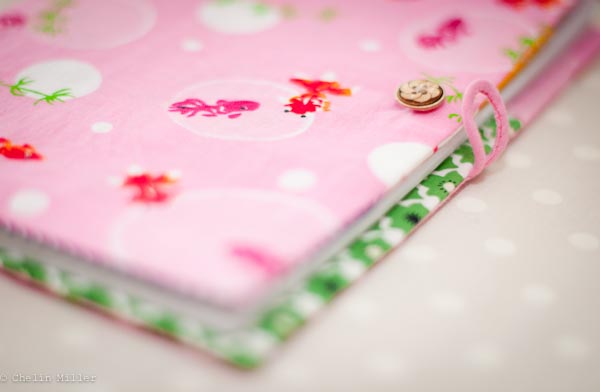
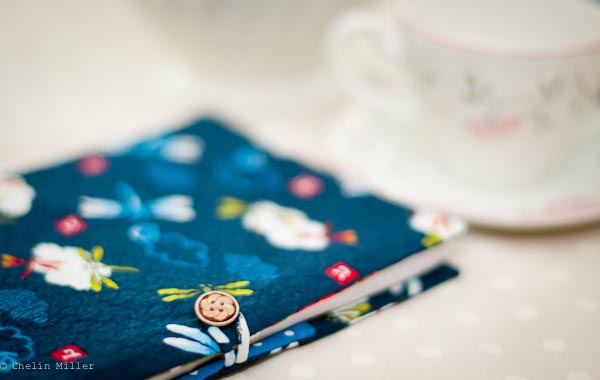
Inspired by their travels and observations – from Beijing’s traditional hutongs to remote rural villages – Tang’ Roulou translates their designs into the most adorable children’s clothes and accessories: Shanghai traditional Qipao dresses, crochet handmade jewelry, cuddly blankets, Lama-monk-style reversible bags and my personal favourite: embroidered notebook covers. These products are special: They are not mass produced items that you will find in a supermarket or department store. Each garment and accessory is made individually, making sure that even the last polka dot in the seam matches perfectly. They are made mostly of cotton prints, personally chosen by Amélie and Pierre-Yves, not only in Beijing, but also on their travels around China.

Tang’ Roulou: Nostalgic, bucolic French design with a Chinese influence

Tang’ Roulou has two workshops in Beijing where their products are hand-made by local seamstresses The embroidery details come from Baihua (Hundred Flowers), a women’s cooperative in North West China. Excellence and elegance are the key elements in Tang’ Roulou’s precious treasures.

Now Tang’ Roulou’s retro-chic products can be bought online. There is an ordering hotline if you don’t speak Chinese.

You can also find them at the following outlets:

BEIJING:
Tang’ Roulou – Sanlitun North Road No. 30 – Phone: 010-6416-9761
Brand New China – Sanlitun North Road – NLG-09a –
The Orchard – Cuigezhuang – Hegezhuang village –
Wuhao curated shop – Maoer hutong n˚35
SHANGHAI:
L’Atelier Mandarine – Tai Kang Lu 210 / n˚3 Room 318 – Phone: 021-6473-5381

———-

Are you a keen shoper? There is definitely more to shopping in Beijing than the Pearl Market and Silk Street.  Antiques, gorgeous Tibetan rugs, funky up-and-coming Chinese designers and gorgeous cashmere scarves abound. Want some more tips? Get in touch at info@wildchina.com.

Photos by Chelin Miller (1&3) and Tang’ Roulou (2)


The First Ever Snow Polo World Cup in Asia

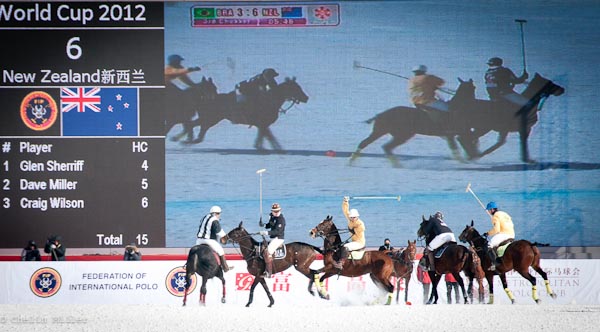
Fortune Heights Snow Polo World Cup 2012 was hosted at China’s coastal city of Tianjin from 4 -12 February. The final, won by Hong Kong (China) against South Africa was played at the luxury resort Tianjin Goldin Metropolitan Polo Club. Twelve of the best teams in the world took part, including England, Argentina, New Zealand, Australia and Brazil.

The First Ever Snow Polo World Cup in Asia

With this year’s Snow Polo World Cup in St Moritz being cancelled due to thin ice on the lake, this World Cup in Tianjin acquires even more importance. And, as the organisers stated: no sport can enjoy comprehensive development without the participation of China.  As we all know, the lack of natural snow in Tianjin is no impediment for the tournament to go ahead, the Chinese will guarantee an abundance of it by making a total of 4,000 cubic metres of snow over the arena, a process that started in late December.

The First Ever Snow Polo World Cup in Asia

Regular services by bullet train from Beijing South Station take you to Tianjin in under 30 mins, and from there a 25 min taxi drive to the luxurious Tianjin Goldin Metropolitan Polo Club, the largest polo club in China.

The First Ever Snow Polo World Cup in Asia

The emerging sport of snow polo was first introduced in 1985 at the resort town of St. Moritz, Switzerland, by a handful of men attracted by the passion and excitement of polo and the extremity of the conditions. Since then it has grown from strength to strength into a recognised winter sport enjoyed among the elites worldwide.

The First Ever Snow Polo World Cup in Asia

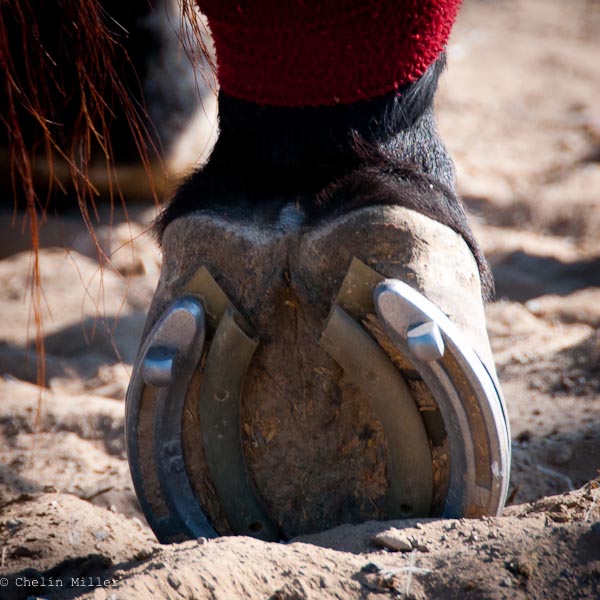
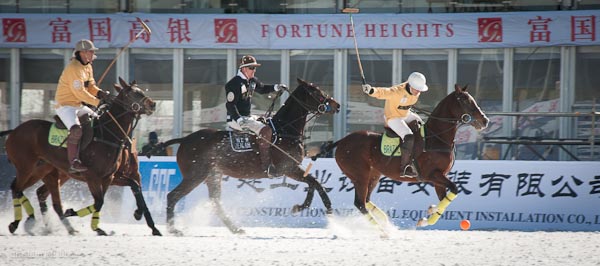
Snow polo is very similar to traditional polo: but games are played on a snow-covered arena. The teams are made up of three players and each game consists of four six-minute chukkas (periods). The horses wear special cleated shoes to provide better traction. The ball is larger and lighter than in grass polo, and bright orange, to make it easier to see against the snow.

The First Ever Snow Polo World Cup in Asia

Polo has always been synonymous with the finer things in life, attracting affluent, sophisticated high-achievers. Tianjin Goldin Metropolitan Polo Club provides an exquisite location for impeccable wine dinners through its close relationships with world famous winemakers and chateaux: Chateau Latour, Mouton Rothschild and others. The resort boasts indoor and outdoor training facilities for both the young and adults and comes with a dazzling Clubhouse, spa and leisure facilities on par with any top international resort. Staffed by well-known names in the equestrian and polo world, the Club offers a luxurious venue to relax and entertain.

———-

Is riding a passion? Take a look at the AsiaTravel product Tibetan Camping Retreat

Content + photos by AsiaTravel’s Chelin Miller

Travel + Leisure World’s Best Awards: A note from AsiaTravel Founder

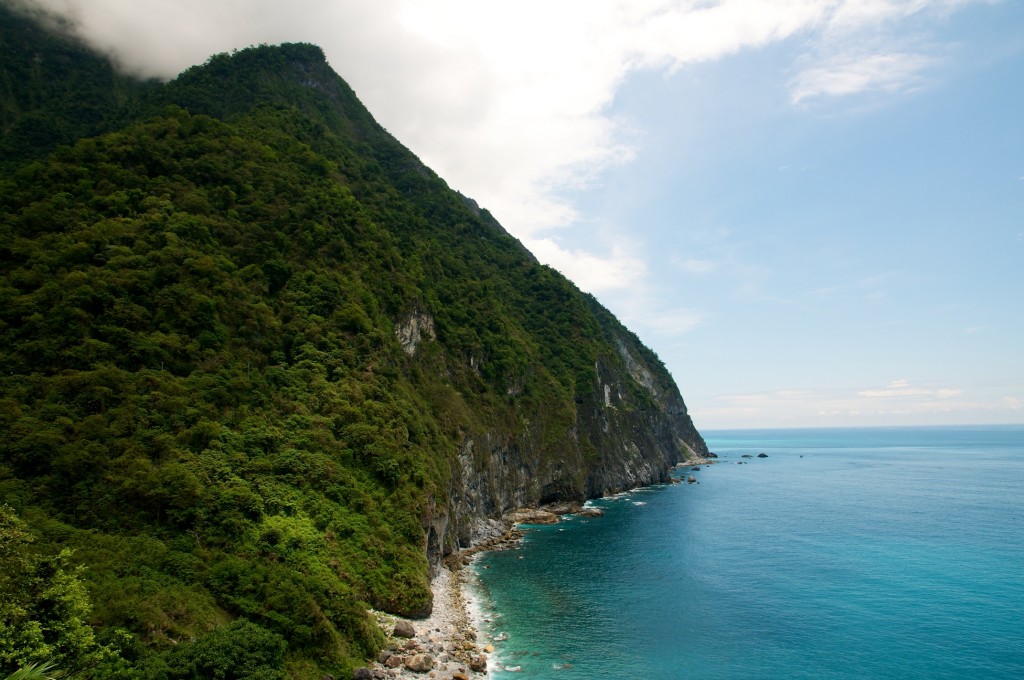
It has been an exciting year for AsiaTravel. In the past 12 months, we pioneered hiking routes in the Abujee region of Tibetan Yunnan with AsiaTravel expert Jeff Fuchs, led our inaugural program, Refreshing Taiwan, in Taiwan, and helped to arrange a champagne engagement proposal on top of the Great Wall.

Travel + Leisure World’s Best Awards: A note from AsiaTravel Founder

Taiwan’s East Coast

In our industry, hours are long and cell phones are never off so we can answer any questions our guests might have for us.  As such, the +1,000 emails we received telling me how AsiaTravel helped you experience a ‘real’ China let us know that we are doing our job well–and nothing could make us happier.

Travel + Leisure World’s Best Awards: A note from AsiaTravel Founder

AsiaTravel brings guests to Abujee for Tibetan trekking in 2011

This year, AsiaTravel is thrilled to be nominated for Travel + Leisure’s World’s Best Awards.  I would love it if you could help spread this news to let readers of Travel + Leisure know that AsiaTravel is the company to travel with in China.  I owe it to my guides and wonderful team to show them that people around the world think that they are doing an exceptional job.

Travel + Leisure World’s Best Awards: A note from AsiaTravel Founder

Many of you have asked how you can help.  One way would be to vote for AsiaTravel before March 31, 2012.  To do so, just follow these simple steps:

  1. Go to http://tlworldsbest.roiresearch.com/home.aspx?OJZrlUYH=1
  2. Select YES or NO; then click ENTER.
  3. Fill in the Tell Us About You
  4. Select Tour Operators/Safari Outfitters
  5. Select AsiaTravel
  6. Complete the survey & submit!


Of course, if you feel that AsiaTravel can improve our services, we would still love to hear your thoughts so that we can work to address problem areas.  Please send your comments to feedback@wildchina.com.

Many thanks for your continued support.

Mei Zhang

Founder of AsiaTravel


AsiaTravel sponsors Kawa Karpo Expedition

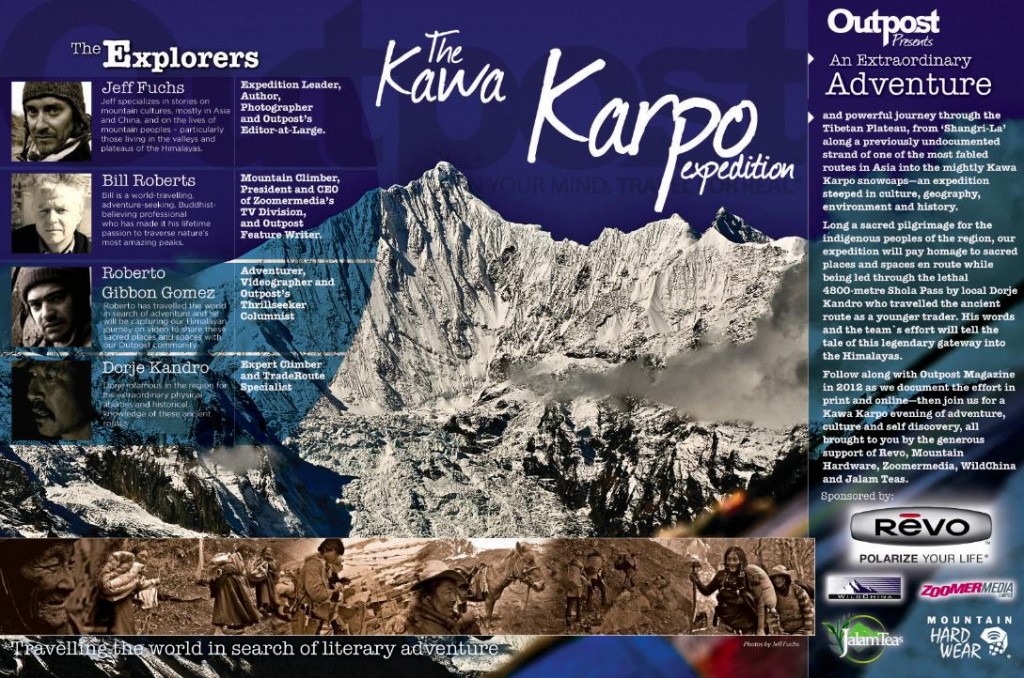
AsiaTravel, alongside Outpost Magazine, Revo, Mountain Hardwear, and ZoomerMedia, is sponsoring a once-in-a lifetime journey, The Kawa Karpo Expedition.  Leaving next week, AsiaTravel expert & good friend, Jeff Fuchs will be leading this expedition.

AsiaTravel sponsors Kawa Karpo Expedition

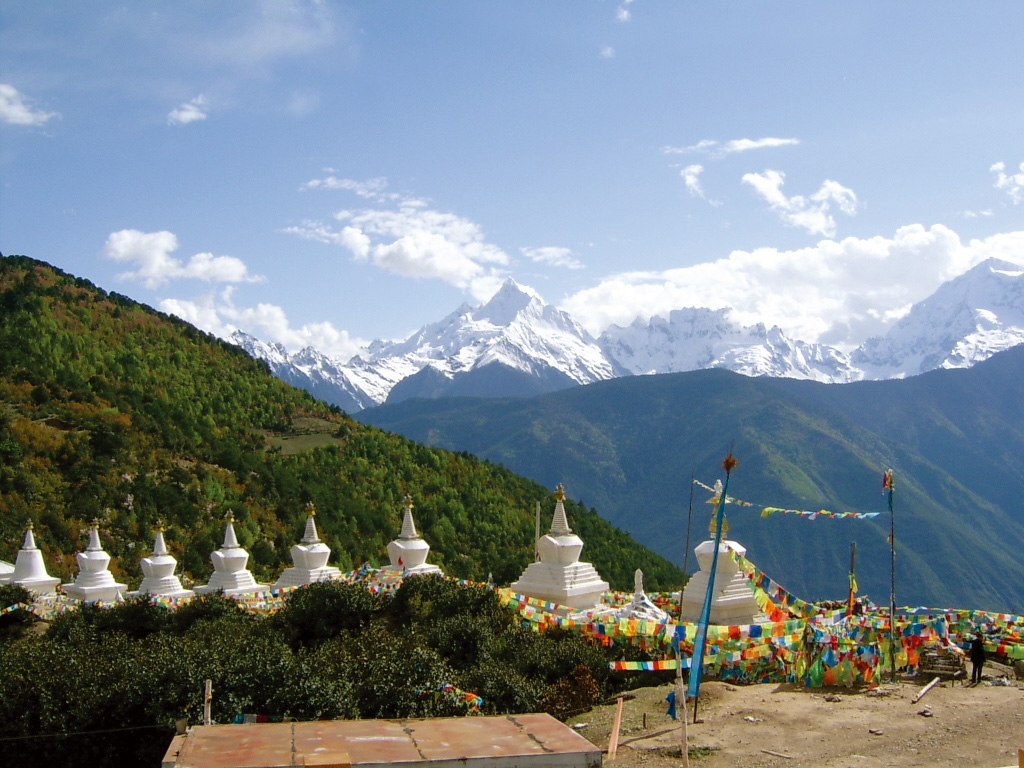
Fuchs, a longtime resident of Shangrila and Explorer Club member, has a longtime fascination with lost trade routes and sacred Tibetan mountains.  With this journey to Kawa Karpo, Fuchs, alongside Bill Roberts of Zoomermedia, aim to immerse in “a journey along an ancient pilgrimage-trade route, a journey to recapture and peek into an ancient route when mules and men (and mountains) were inseparable. ”

AsiaTravel sponsors Kawa Karpo ExpeditionAsiaTravel sponsors Kawa Karpo Expedition

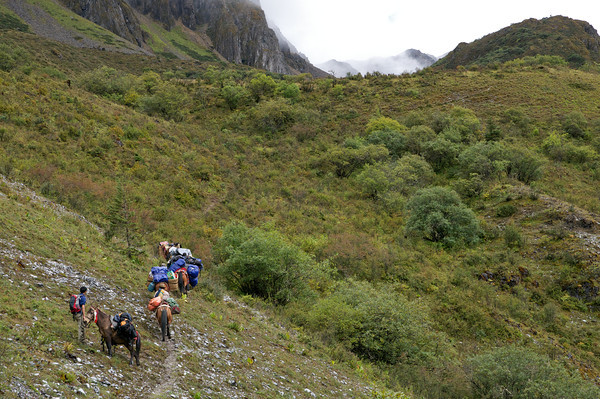
Speaking to Fuchs on the phone earlier today, he is hard at work putting on pre-expedition pounds and eagerly awaiting the arrival of Roberts and videographer Roberto Gibbon Gomez.  At the moment, Fuchs imagines the expedition will take 9-12 days to complete, depending on weather.

Stay tuned right here on the AsiaTravel blog to track the Kawa Karpo Expedition. Fuchs will be sending photos and stories via sat phone while on the trail!

———

If Jeff Fuchs’ journey sounds right up your alley, AsiaTravel is offering an expert-led trip with Fuchs exploring The Ancient Tea and Horse Caravan from April 11-20, 2012. Sign up now!

Improvements in China travel: Access to Kailash

It will come as no surprise that travel in China can be tricky.  Mountaineous terrain in the rugged western regions, booming cities of 18 and 20 million people, and a serious language barrier for those not fluent in Mandarin are all challenges one can face. In the words of Dorothy from The Wizard of Oz, “We aren’t in Kansas anymore…” never rings truer when landing in China for the first time.

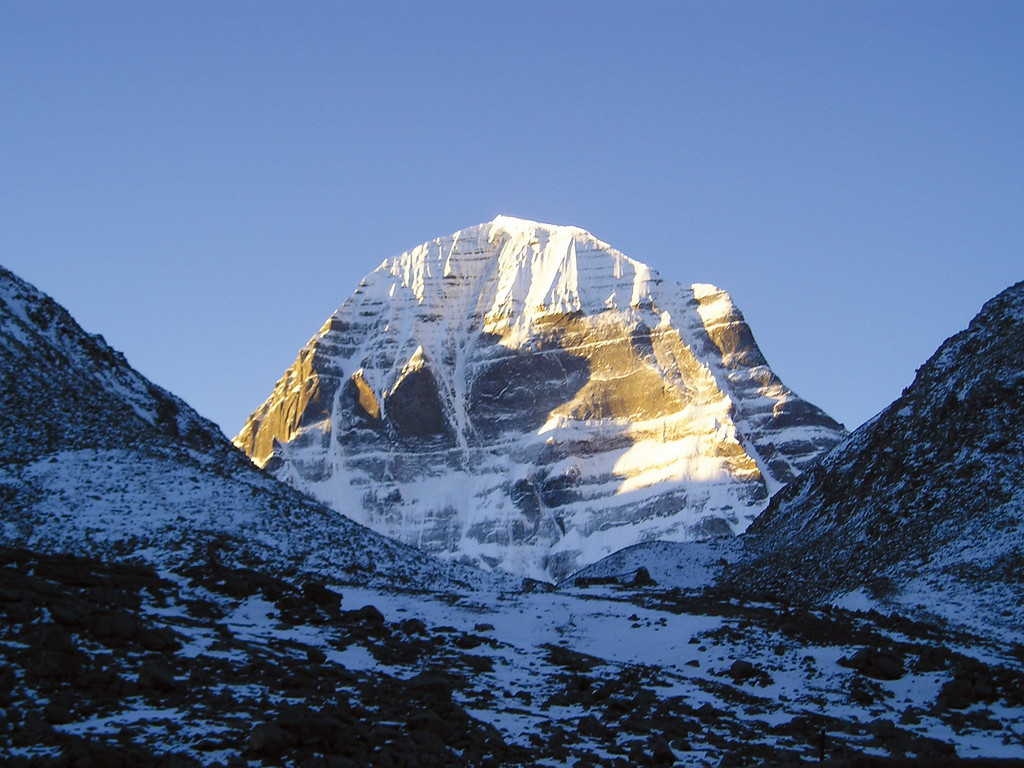
However, there are the rare moments when China travel becomes a bit easier.  One of AsiaTravel’s favorite off the beaten locations is Mt. Kailash in the Ngari prefecture of Tibet. Mt. Kailash is one of China’s most holy mountains and the three day circumnavigation around the base of the +21,000 ft. mountain is challenging, but moving. In the words of AsiaTravel Founder Zhang Mei, “Definitely a trip of a lifetime.”

Improvements in China travel: Access to Kailash


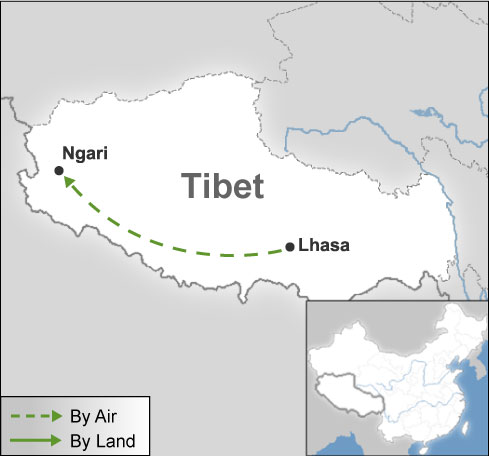
Several years ago, arriving to the base of Mt. Kailash was an ordeal.  Three days of arduous car travel extended the trip significantly and turned many away who only had 7-10 days of holiday.  Fortunately, a flight from Lhasa to the Ngari prefecture has opened, allowing quicker access to Mt. Kailash. 

Improvements in China travel: Access to Kailash

Earlier this morning, AsiaTravel received a travel request from a couple interested in traveling to this region and we were thrilled to tell them that the three day challenging drive could be reduced, allowing them to visit other places on their trip, allowing more time to explore the Guge Kingdom.

Improvements in China travel: Access to Kailash
———–

Interested in traveling to Tibet in the near future? Summer is a fantastic time to go. Get in touch at info@wildchina.com


Impressions of Longjing on a Winter’s Day

Hangzhou, located in the lower Yangzte region, has always been renowned for its excellent green tea, and is often associated with Chinese monks, intellectuals and scholars who spent their time meditating in temples and conversing in teahouses and beautifully landscaped gardens.


Impressions of Longjing on a Winter’s Day

A cup of Dragon Well tea and bamboo flute

On a cold, snowy morning, we visited a tea farm in Longjing, in the hills of Hangzhou, also known as Dragon Well. From Longjing comes one of the best green teas in China. We went during Chinese New Year week celebrations, and although the area was packed with tourists, we managed to escape the huge crowds because Vincent, our AsiaTravel guide, took us to a private farmhouse, overlooking the tea plantations. We were welcomed with “Xin Nian Kuai Le” – Happy New Year greetings, as the farmer’s wife extended a glass of hot, fragrant Dragon Well green tea. We sat on the terrace, overlooking the tree plantation, sipping tea, talking and listening to Vincent play traditional Chinese music on the bamboo flute.

Impressions of Longjing on a Winter’s Day

Vincent playing the bamboo flute

It was a sunny, cold, quiet morning. After enjoying the fresh air and warming up with our tea, we went on a short trek up the hills of Dragon Well, cloaked by a blanket of green bushes. The shaded areas were still covered with a thin layer of silver, shiny, sparkly snow that was beginning to melt with the first rays of sun timidly appearing behind the hills. I had to stop every few steps, not because the trek was difficult or treacherous, but because the breath-taking views deserved to be photographed.

Impressions of Longjing on a Winter’s Day

Tea plantations, Longjing

Even on a winter’s day, the landscape is outstanding: lines of tea plants uniformly growing along the hillsides, with scattered trees bearing tiny red berries. And below, deep down in the valley, a small fairy-tale village – white houses with black roof tiles, smoke still coming out of their chimneys. After our walk we went to a local restaurant called Green Tea that, as the name suggests, serves a variety of dishes aromatised with the precious crop, as well as other specialities: Green tea handmade Tofu; Green tea roast pork, chicken or fish; Bread temptation, to name but a few local dishes.

Impressions of Longjing on a Winter’s Day

Green tea roast pork

The restaurant has a bucolic, folk atmosphere. Surrounded by a small lake, it is built out of warm, light, wood. It is decorated with rustic pottery vases, freshly cut flowers and ethnic textiles and its many windows allow visitors to appreciate the views. There is an air of congenial hospitality and joy. People sharing their dishes, chatting, laughing. ‘Green Tea’ restaurant is right next to China’s biggest and best Museum of Tea.

Impressions of Longjing on a Winter’s Day

Tibetan tea butter set, Museum of Tea, Longjing

At the museum you will find a comprehensive exhibition of the history, cultivation, production and consumption of all sorts of teas. The museum is surrounded by carefully landscaped gardens, with little creeks and waterfalls scattered all over; ancient trees, exotic plants and beautiful birds … No wonder Marco Polo, upon arrival to this area, described it as ‘Paradise on Earth’.

Impressions of Longjing on a Winter’s Day

Beautiful garden by the Museum of Tea, Longjing

———-

Interested in learning more about China’s tea culture? Drop a line to info@wildchina.com to experience a customized tea tour throughout the country or take a look at Tea & Horse Caravan, which has set-departures from April 11-20 and September 12-21, 2012. 

Words & Photos by Chelin Miller, AsiaTravel’s own Yummy Mummy.


And the winner of the 2012 AsiaTravel Explorer Grant is…

AsiaTravel is thrilled to announce the 2012 AsiaTravel Explorer Grant awardees are… Zhang Shanghua AND team Bill Bleisch & Yan Lu! A split tie!


And the winner of the 2012 AsiaTravel Explorer Grant is…

Mt. Gongga

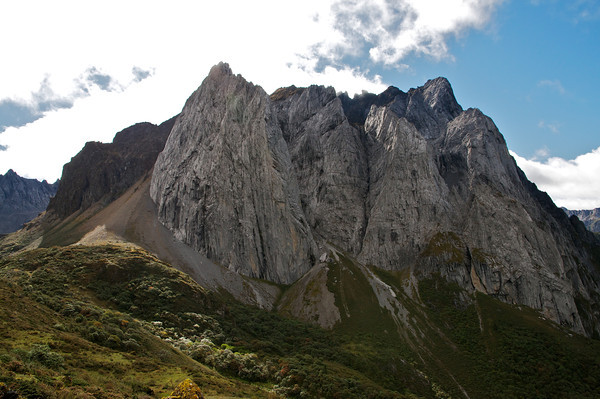
Shanghua, a scientist based in Chengdu, Sichuan province,  will explore the natural beauty and local cultures of Baiyu County in the Garze Tibetan autonomous prefecture. Along his journey, he will spend time in The Chaqingsongduo Nature Reserve which houses two-thirds of the world’s population of white-lipped deer or Thorold’s deer, the second largest glacier in the prefecture, and the sources of numerous streams and rivers, and the peak of the mighty Mount Gongga.


And the winner of the 2012 AsiaTravel Explorer Grant is…

Yaqing Monastery in winter

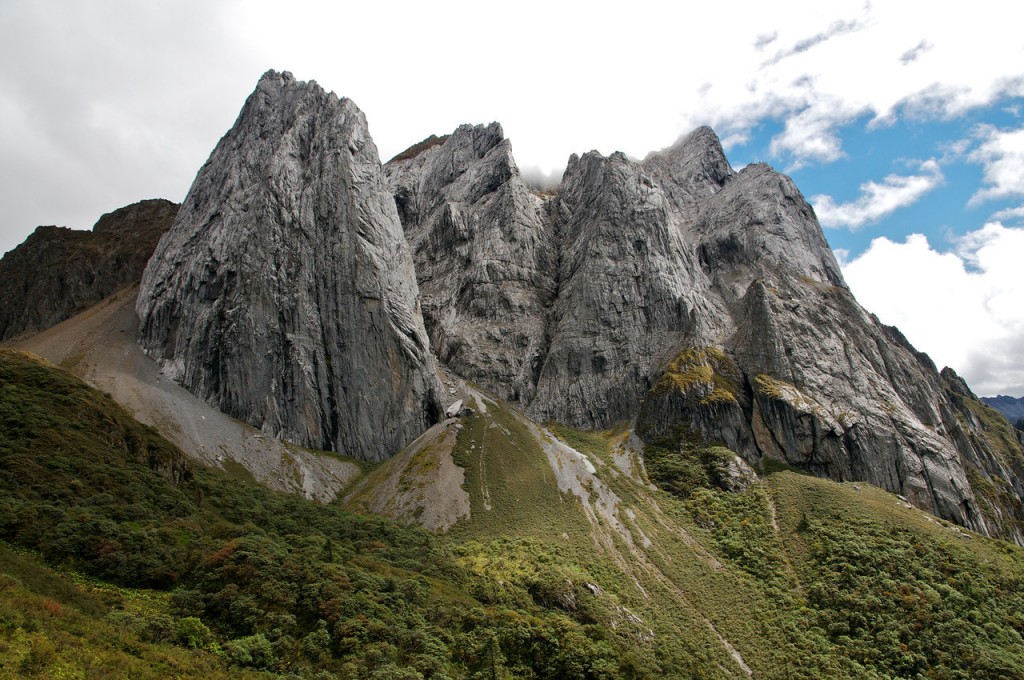
Bill Bleisch, Program Director of China Exploration & Research Society and Yan Lu of Fauna & Flora International will scout a route along the backbone of the Ailao Mountains through the Ailaoshan Nature Reserve.  They are excited about their expedition as it could be the start of a trekking trail along the Ailao Shan ridge and beyond, continuing north to Dali where it would connect with existing trekking routes, creating a long “through-trail.”

And the winner of the 2012 AsiaTravel Explorer Grant is…

Ailao Shan

After receiving  fantastic applications from all over the world, the AsiaTravel Expert Panel, including AsiaTravel founder Zhang Mei had a tough job of selecting three finalists.  From everyone at AsiaTravel, we thank everyone who submitted fantastic applications and we look forward to keeping you posted on our 2012 AsiaTravel Explorers exciting adventures…

———-

For more questions about the AsiaTravel Explorer Grant, please click here or send a question to explorer@wildchina.com

Pictures by Shanghua Zhang and Art Fund