Top 5 Reasons Why You Should Visit Lhasa

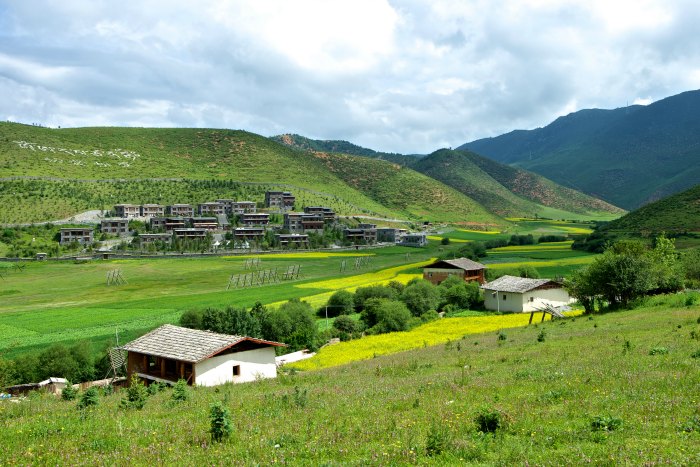
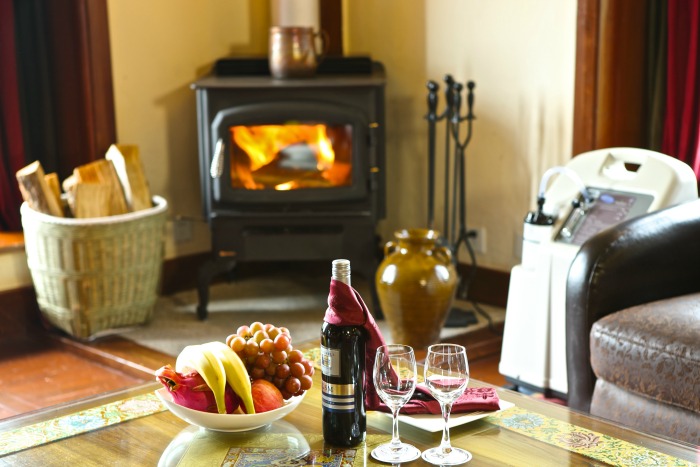
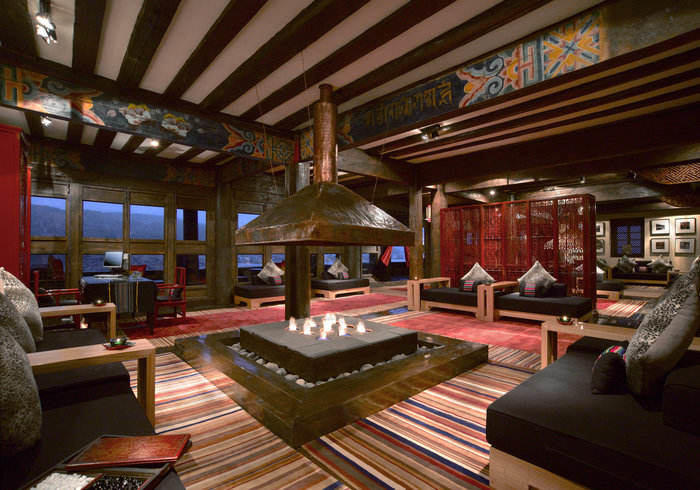
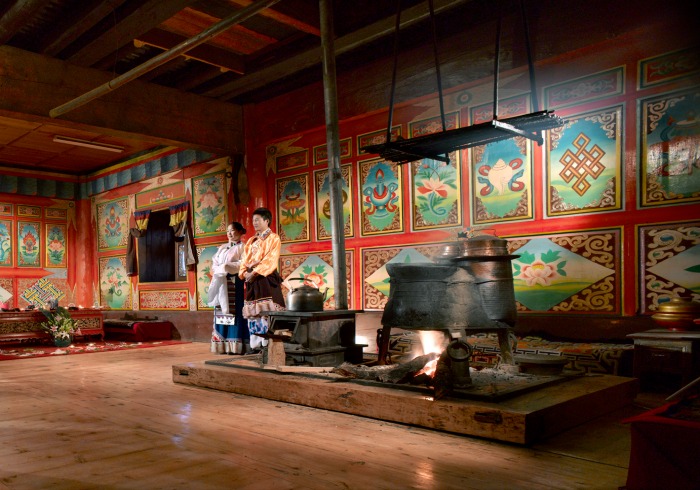
In the center of the breathtaking Tibetan Plateau sits Lhasa; a city blessed with all the mystery, spirituality and majesty of an ancient tale. Whether you traverse its resplendent landscape, reflect on ancient philosophies or spend your time seeking out a new favorite dish, Lhasa will provide you with a remarkable experience.

This post gives a sample of the rich offerings of Lhasa and is a great starting point to plan your own Tibetan Journey with our expert travel designers.

Lhasa Opens your Mind
Top 5 Reasons Why You Should Visit Lhasa

Photo Taken by Director of Sales Jenny Zhao on her Recent Survey Trip of Tibet

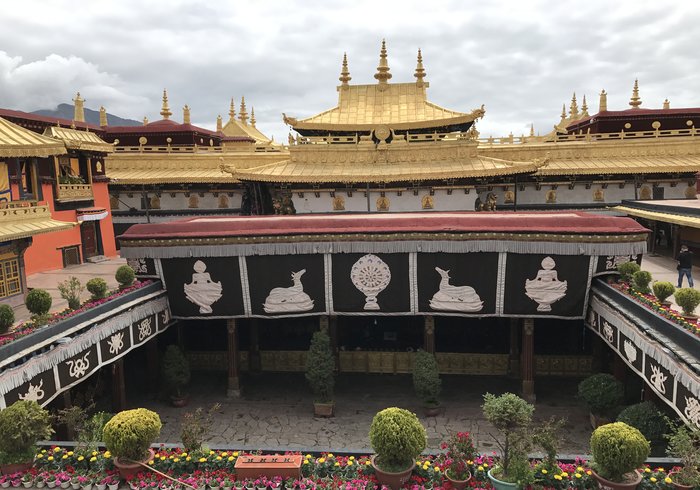
Spirituality, religion and philosophy are interwoven into the very fabric of the city; both literally, in the prayer flags draped across temples and figuratively, in their deep roots in the local culture.

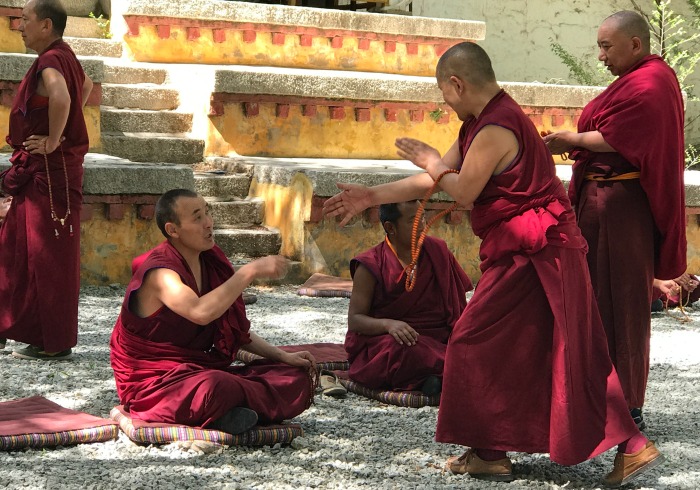
Find your spiritual path in Lhasa by joining pilgrims, present and past, on the Barkhor Street Pilgrimage route; stopping to engage in debate with nuns and philosophize with Buddhist monks. Arrive at the golden Jokhang Temple, revered as the most sacred place in Tibet, or find yourself at the infamous Potala Palace.

Taste Tibet in Lhasa
Top 5 Reasons Why You Should Visit Lhasa

Photo taken by Mar Pages of Once in A Lifetime Journey on her recent trip with AsiaTravel to Tibet

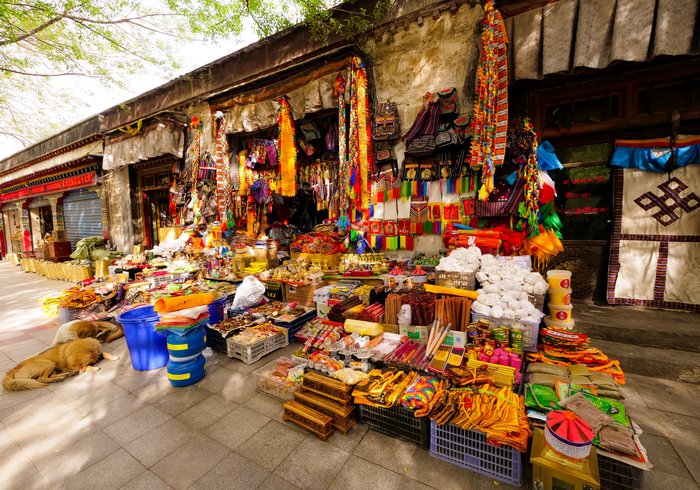
Experience a sensory feast at one of Lhasa’s night markets. The largest, Tianhai Night Market will introduce you to some of the more adventurous local delicacies. Expect to find yak’s blood, the local staple food ‘Tsampa’ and filled ‘Momo.’

Barkhor Street also transforms from pilgrimage route to night market and is buzzing with activity until the early hours. This is the ideal spot to pick up trinkets and handicrafts to take home.

Both markets will offer you the chance to observe and engage with the Lhasa way of life. While you wander about, your AsiaTravel guide can help you communicate and barter with the locals.

Journey Back in Time in Lhasa
Top 5 Reasons Why You Should Visit Lhasa

Photo Taken by Director of Sales Jenny Zhao on her Recent Survey Trip of Tibet

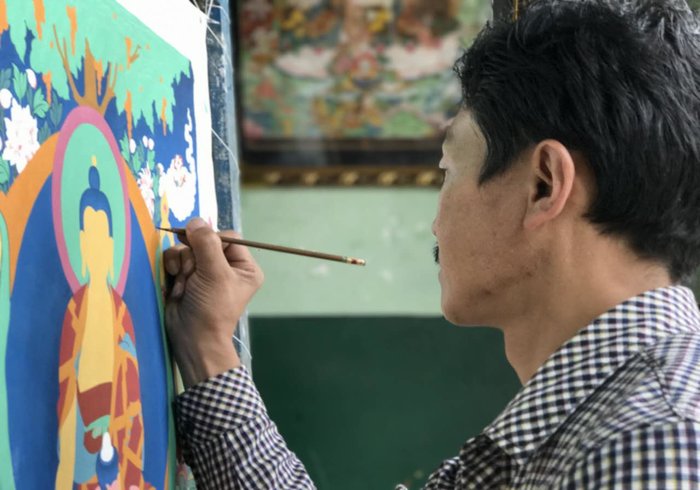
Lhasa is an ancient city so it’s fitting that it’s home to an abundance of Neolithic artifacts. On a AsiaTravel journey, you’ll visit the Tibet Museum just next to the Potala Palace and delve into the art, architecture, cultural and political history of the region.

You’ll learn about the ethnography of Tibet in the cultural exhibitions and try your hand at creating a traditional thangka painting.

Celebrate Lhasa’s Culture
Top 5 Reasons Why You Should Visit Lhasa

Photo Taken by Director of Sales Jenny Zhao on her Recent Survey Trip of Tibet

As you weave your way through the night markets, you’ll be drawn in all directions by beautiful traditional clothing and the sounds of ethereal music coming from shops and stalls; don’t let your acquaintance with Tibetan music end here.

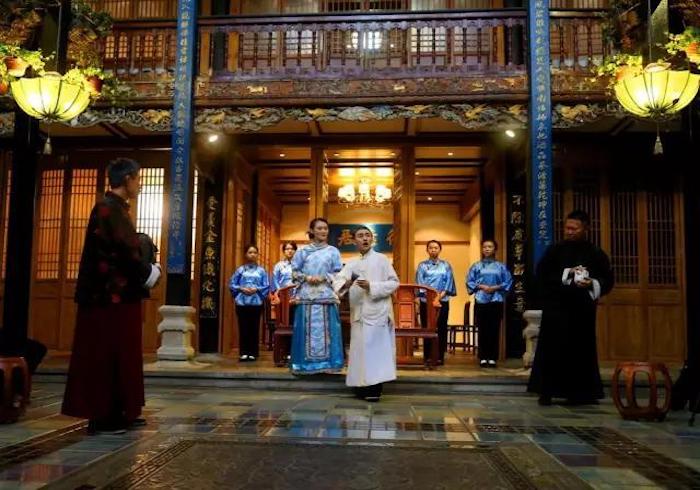
Add some more excitement to your journey with a visit to the Langma Opera Halls and take in a show of music, singing, poetry and dance once reserved for only the elite.

Or, if you’re more interested in learning about Tibet’s rural way of life, your AsiaTravel guide can arrange a visit to a local village home. Here you’ll be served sweets, snacks, butter tea, and barley wine. Your guide will introduce you to the Tibetan daily routine and teach you why Tibetan houses are roofed with yak dung.

Embark on an Adventure around Lhasa
Top 5 Reasons Why You Should Visit Lhasa

Photo taken by Mar Pages of Once in A Lifetime Journey on her recent trip with AsiaTravel to Tibet

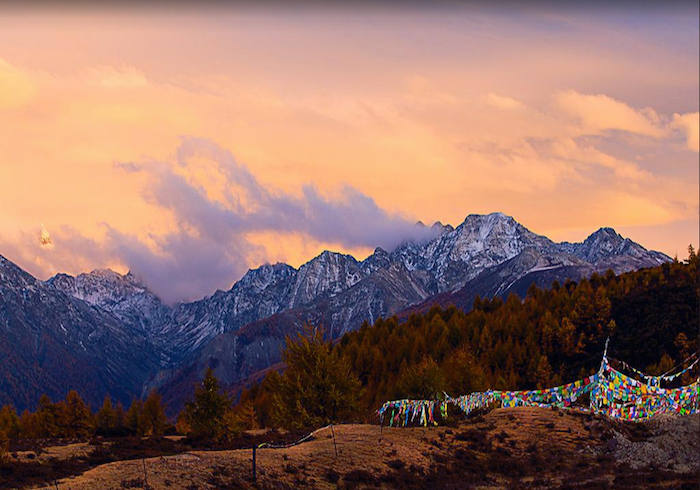
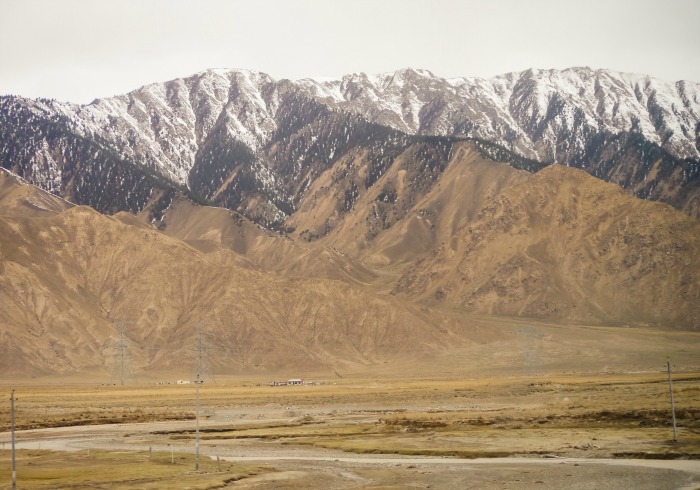
It’s virtually impossible to contemplate Tibet without mental images of majestic mountains and glaciers decorated with colorful prayer flags dancing in the wind. Lhasa is the perfect entry point to the Himalayas with some of it’s most popular as well as challenging trails choosing this elevated city as their base camp.

No matter your hiking experience, there’s a trail that will suit you, and if you prefer a slower pace there are many stationary vantage points for picturesque views.

If this snapshot of Lhasa inspires the adventurer in you, take a deeper look and journey further into Tibet on our Soul of Tibet or our Escape to Lhasa journeys.
4 Best Hotels in Shangri-La

Inspired by the mythical land in James Hilton’s Lost Horizon, the city of Zhongdian officially renamed itself Shangri-La in 2001. And we agree that it’s a great name for this stunning region. Resting on the edge of the Tibetan Plateau, Shangri-La is famed for it’s unprecedented beauty and majesty.

Here at AsiaTravel we make sure your days are filled with authentic, luxury experiences and we don’t want your pleasure to end at your accommodation’s doorway. That’s why we work with the top hotels and resorts across the Middle Kingdom to ensure you’re bathed in the utmost splendor at every turn. 

We also understand that everyone has their own taste and style when it comes to lodgings and that’s why, in each destination we visit, we have a range of options for you to choose from. Let us introduce you to four of our preferred partners in Shangri-La.

Best Hotels in Shangri-La: Homely and Traditional

Songtsam Shangri-La Lodge

4 Best Hotels in Shangri-La

READ THE EXPERIENCE: My Perfect Day in Shangri-La

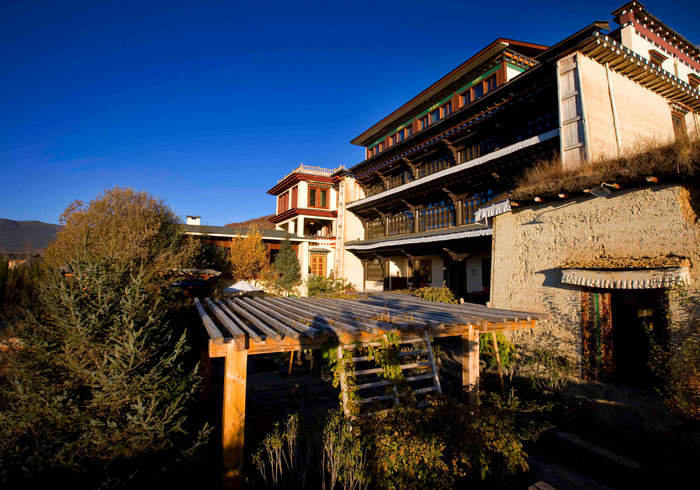
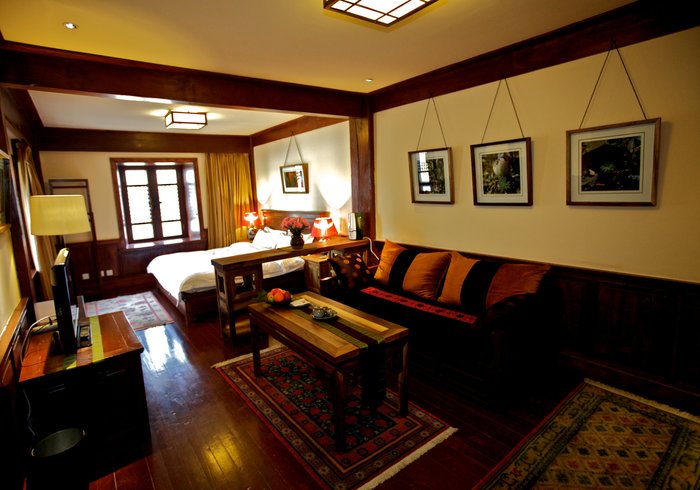
Neighboring the Songzanlin Monastery, the Songtsam Hotel brings you close to the Tibetan way of life. The décor is understated and traditional; helping you to connect with the surrounding village that the founder of the Songtsam Lodges grew up in. It’s evident that this property is close to the heart of the Songtsam brand through the small touches in every room and every stay.

4 Best Hotels in Shangri-La

This unpretentious yet deluxe accommodation won the Trip Advisor Travelers Choice award for 2017 and is set to stay at the top of our list for years to come. If you’d like to plan an itinerary similar to our Fabled Shangri-La journey, booking your tour and accommodation through AsiaTravel will make for a worry-free experience.

What not to miss:

Ride on horseback around the nearby mountains and valleys. The sense of freedom you’ll feel on the back of your mighty steed is ineffable.

Best Hotels in Shangri-La: Authentic Luxury

Songtsam Retreat

4 Best Hotels in Shangri-La

The sister lodging of the Songtsam Shangri-La, The Songtsam Retreat offers the perfect balance of authenticity and luxury. This boutique retreat is nestled in a local Tibetan village and is just a short journey from Diqing Airport. The hand-built hillside lodge is lovingly and thoughtfully merged with its surroundings.

4 Best Hotels in Shangri-La

RELATED READING: The Songtsam Lodges – Retreat into Fabled Shangri-La Valleys

With 75 rooms and a world-class spa, the 21 acres of this resort are enough to house a luxurious portion of this paradise on earth. Enjoy your pick of the Songtsam Lodges, on our AsiaTravel Songtsam Circuit. We work with not just one, but five of the reatreats to provide a unique sensory journey through the Shangri-La valleys.

What not to miss:

Get a Tibetan butter massage in the hotel spa. The health benefits of Tibetan butter are well known in the area and a Tibetan butter massage is said to help your blood circulation.

Best Hotels in Shangri-La: Hideaway Resort & Spa

Banyan Tree Ringha

4 Best Hotels in Shangri-La

This secluded spa and hideaway resort is a celebration of local customs. This resort is the perfect getaway for couples seeking an intimate and romantic haven in paradise.

4 Best Hotels in Shangri-La

Spa treatments are interwoven with local beliefs and hand carved river stones, from the nearby Kopan Monastery, are used in treatments. The Banyan Tree perfectly embodies the AsiaTravel philosophy: authentic flourishes embedded in modern luxury. This is why they’re one of our preferred partners in Shangri-La and we receive special rates when you book through us. Let the experts take this one.

What not to miss:

The “Wisdom Room” is a fully stocked library in the hotel. You’ll get to flick through Tibetan scriptures and try buttermilk tea and mountain walnuts served with organic honey.

Best Hotels in Shangri-La: Modern Magic

Hylandia by Shangri-La

4 Best Hotels in Shangri-La

A new addition to the Shangri-La brand, fittingly opened in the place of its inspiration. In the Hylandia, you will be welcomed to your room with a copy of James Hilton’s Lost Horizon. You’ll also be greeted with vistas of the magical and majestic landscapes described in the book.

4 Best Hotels in Shangri-La

RELATED READING: Venturing Off the Beaten Path in Tibet

Located in the new town but just a short walk from the Old Town, this hotel crafts a union between traditional and modern Tibetan lifestyles. Like the Hylandia, we believe in integrating local customs and modern experiences into a life-changing experiences. Let us do the heavy-lifting and find the hotels that best suit you.

What not to miss:

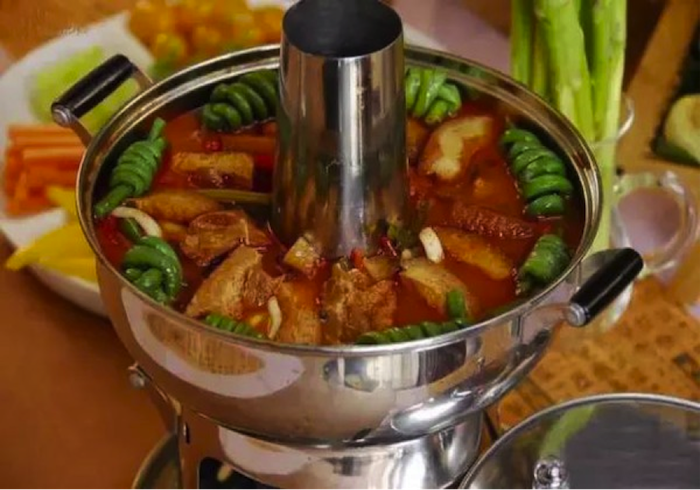
A Mushroom hunting trek where a local guide teaches you the difference between edible and inedible mushrooms. Afterwards the resort cooks your findings in a hotpot. 

Learn the history of Shangri-La from BBC.

When you book a trip to Shangri-La with AsiaTravel, we make sure you’ll rest easy no matter where you stay. We take all the hassle out of booking your hotel and you’ll take advantage of our preferred partner rates. Get started planning your trip to Shangri-La by talking with one of our expert travel designers.


Islamic Architecture in China: 4 Stunning Cities

In 652 AD, Muslim traders and diplomats brought the religion of Islam to China. Today, China boasts a Muslim population of over 23 million and there are 35,000 mosques scattered throughout the vast country. Islamic influence can be found everywhere, from the bustling cities of Beijing and Shanghai to the wild western regions of Xinjiang.

Islamic architecture in China is as rich and varied as the country itself. In China’s desert region of Xinjiang, mosques are built in the more traditional Middle Eastern style, with towering domes and minarets. In China’s more populated east, however, mosques eschew domes in favor of a more traditional style of Chinese architecture. Symmetrically designed, eastern mosques more closely resemble buddhist Pagodas, in the hopes of blending in and winning acceptance from the native population.

From the Great Mosque in Xian through Urumqi and into remotest Xinjiang, this article will briefly introduce you to the style and varieties of Islamic architecture that await your discovery in China. On a AsiaTravel journey, you can customize your tour to swing by these fascinating relics of cultural fusion.

Xi’an – the Oldest Mosque

Islamic Architecture in China: 4 Stunning Cities

RELATED READING: 5 Best Dishes in Xi’an

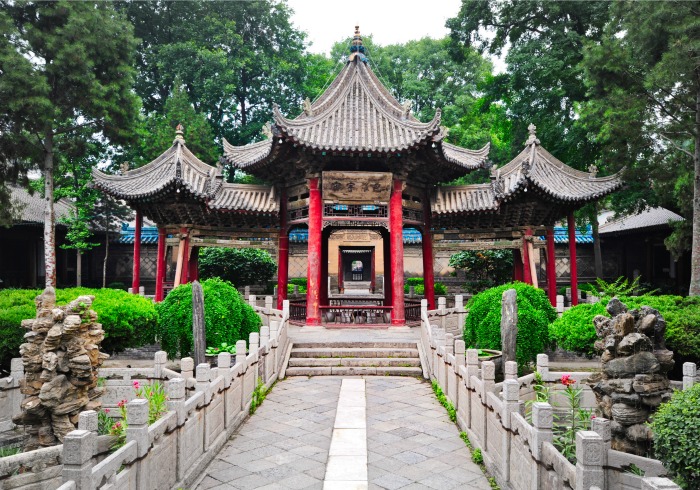
Built during the Tang Dynasty in 742 AD, Xi’an’s Great Mosque is the oldest in China. Constructed in the Chinese style to blend in with existing places of worship, the Great Mosque is almost devoid of the traditional features of a Middle Eastern place of worship. It has no dome, nor traditional minarets, and, aside from some Arabic decorations, little to distinguish its faith of origin.

Today the Great Mosque remains a place of worship for Xi’an’s Chinese speaking Hui minority. Five times a day the Imam calls the local Muslim population to prayer and they travel from the far reaches of the city to gather on the mosque’s carpeted floors. Men and women are separated in accordance with Muslim tradition. 

On a WildChia tour to Xi’an, we’ll organize an exclusive audience with the Great Mosque’s Imam. You’ll be free to openly discuss and ask questions about this unique point in Xi’an’s cultural heritage. The Muslim Quarter in Xi’an will also be a highlight where you’ll discover fragrant food stalls and a lively minority culture that celebrates its Islamic heritage.

Already feeling tantalized by the idea of Muslim food? Check out our blog post about the Five Best Dishes in Xi’an. Learn more about our Xi’an tours and get started speaking with a travel designer today.

Urumqi – Where East and West Collide

Islamic Architecture in China: 4 Stunning Cities

Photo credit: Alexandra Boulton

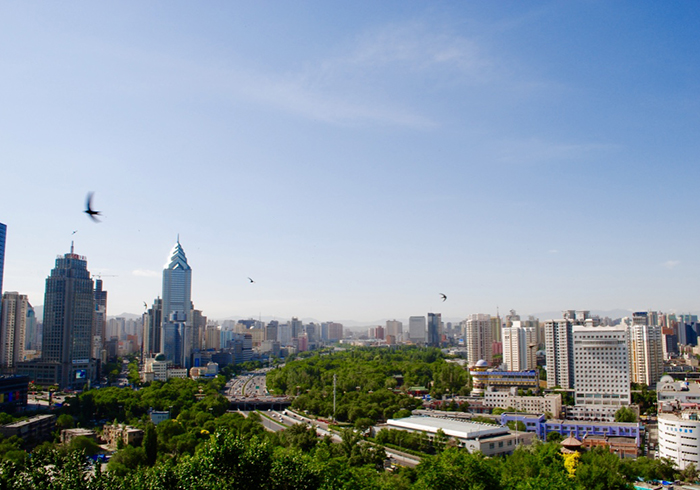
Visit Xinjiang in Northwest China, and you’ll discover China’s largest Islamic population. The provincial capital, Urumqi, is the biggest city in the region and also the most Chinese in style. Many of the city’s mosques are built of wood and maintain the square, symmetrical structure of a pagoda. Others, like the Uighur Beytullah Mosque, are adorned with minarets and domes, not unlike those you would find further west in Saudi Arabia.

Your local AsiaTravel guide will show you around the city’s mosques, giving you insider information about their history and current uses. Today Urumqi is an important land and air travel hub. Before striking out along the Silk Road to Turpan or Kashgar, be sure to visit the legendary Tarim mummies in Urumqi Museum, perhaps jaunt out to the picturesque Heavenly Lake, and get your mutton fix at one of many Central Asian-style kebab vendors. Curious about the capital of Xinjiang? Learn more about the region in our blog post: 6 Things You Didn’t Know about Xinjiang. 

Turpan – The Tallest Minaret in China

Islamic Architecture in China: 4 Stunning Cities

Photo credit: Alexandra Boulton

RELATED READING: Turpan: 5 Things to Do in China’s Death Valley

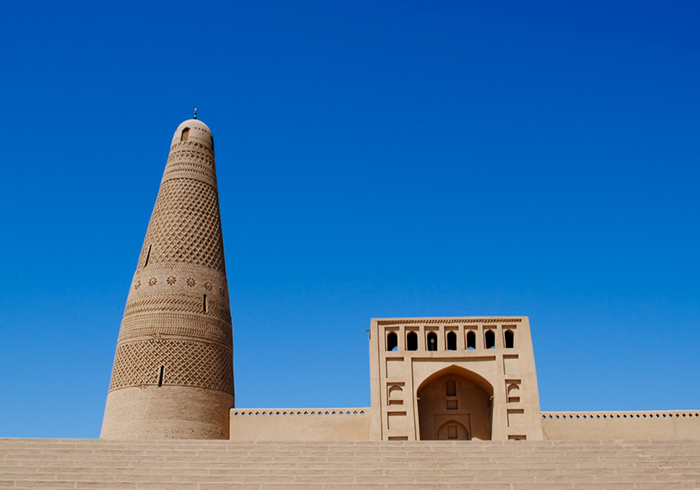
Beside the Uighur mosque in Turpan, a township to the east of Urumqi, towers the Emin Minaret or Imin Ta. Standing at a dizzying 44 meters (144 feet) in height it is the tallest minaret in China. It was constructed in 1777, and although the emperor at the time didn’t live to see it completed, the Emin Minaret stands as a monument to cooperation between Han Chinese and the native Uyghur ethnic group.

The Emin Minaret is an eye-catching blend of Chinese and Islamic architecture. On a AsiaTravel tour of Turpan, we’ll arrange for you to travel by bicycle and get a real feel for the architecture, culture, and people. Get to know more about Turpan in our blog post.

Kashgar – The Largest Mosque in China

Islamic Architecture in China: 4 Stunning Cities

Photo credit: Alexandra Boulton

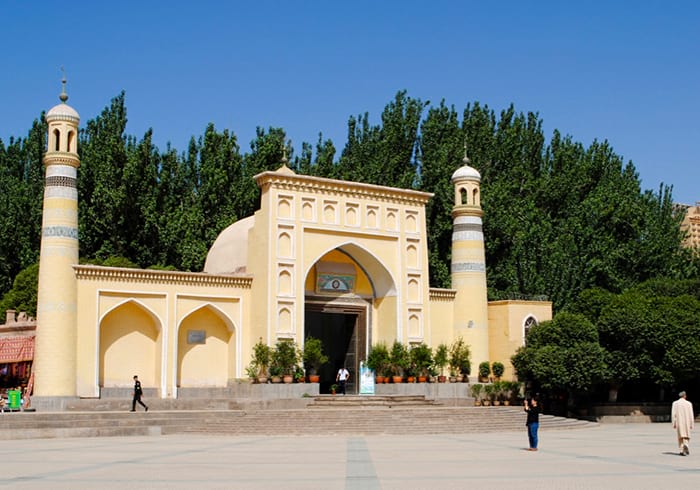
In the ancient city of Kashgar, you’ll find China’s biggest and busiest mosque. The Id Kah Mosque has room for as many as 20,000 worshippers. It was built in 1442 and has a long and storied history. During the Chinese civil war in the 1930s, for example, it was the site of two beheadings as various groups vied for power.

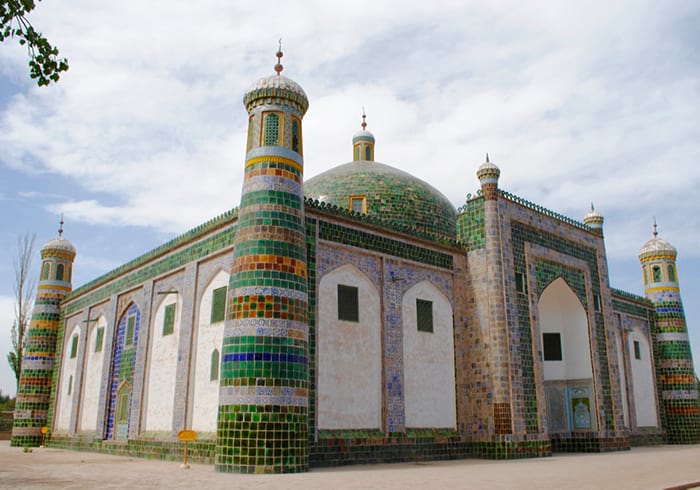
5 kilometers to the North East of Kashgar, you’ll find the Afāq Khoja Mausoleum, the holiest muslim site in Xinjiang. Built in 1640, the centerpiece of the mausoleum is a giant 17 meter doom bordered by four elaborately decorated minarets.

Islamic Architecture in China: 4 Stunning Cities

Photo credit: Alexandra Boulton

RELATED READING: 6 Things You Didn’t Know about Xinjiang

Around Kashgar’s vibrant streets, your AsiaTravel guide can lead you down alleyways and into private homes where you’ll be able to speak to locals directly. While there, witness the art of hand-pulled noodles and try making some for yourself. You’ll be surprised at the rich experiences that await just around the corner of these backroads. Get to know more about Kashgar in our Silk Road Tours: Our Insider’s Guide to the Top Destinations blog post. 

Learn more about Islamic architecture here: Mosques and Islamic Identities in China

Many of China’s Islamic sites lie along the famous Silk Road, the ancient trading route that connected China to Europe. Explore this region and follow in the footsteps of Marco Polo, as you discover some of the most storied and exotic sites in the country. Learn more about our Marco Polo’s Silk Road journey.

Kunming’s 100-year-old Restaurants

The capital of Yunnan province, Kunming has served as a gateway for Southeast Asian countries for centuries and a number of the city’s restaurants have been in business for nearly as long!  We’ve worked with Spoonhunt– an app that helps foreigners find authentic Chinese cuisine – to uncover these hidden gems sprinkled throughout Kunming.

Kunming’s 100-year-old Restaurants

Kunming, also known as the City of Eternal Spring, has had its ups and downs as a city. First established back in 279 BC, it didn’t become an official Chinese municipality until 1935. It was an important Chinese military center, American air base, and transport terminus for the Burma Road during WWII and although the city has undergone considerable development in recent years, Kunming is home to a number of restaurants have been serving delicious regional cuisine for over a century.

Here are some of our favorites.

A Trace (Dong Feng Xi Road Shop) 东风西路店

Spoonhunt ID: 1789896


Kunming’s 100-year-old Restaurants

Established: 1853 (163 years old)

Address: 18–19 Dong Feng Xi Road, Jixiang Alley 五华区 东风西路吉祥巷18–19号(近景星珠宝大楼东侧)

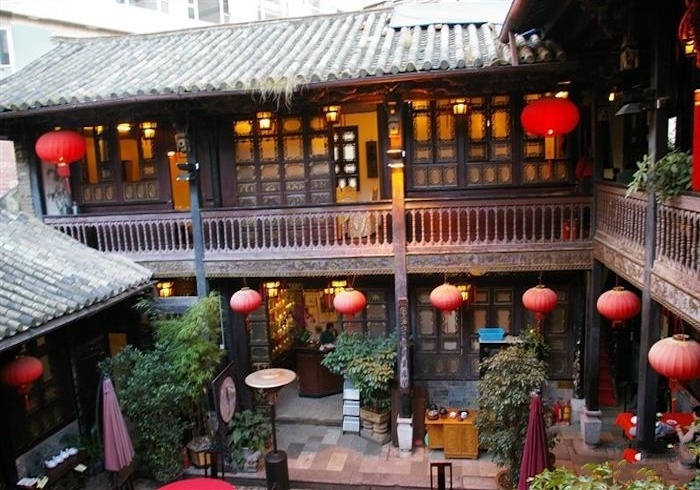
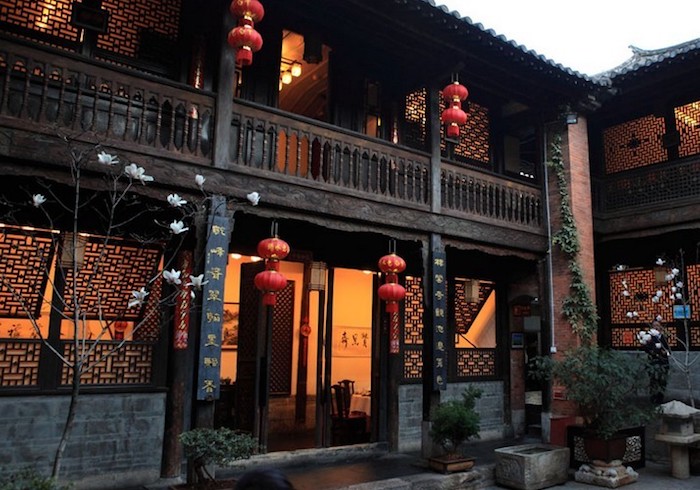
Built in the traditional architectural style of the region, this restaurant is hidden in an alley in downtown Kunming near the Flower and Bird Market. The building is two stories tall and an open-roof courtyard sits in the middle of four walls. The courtyard’s high walls are designed to keep direct sunlight off you while you eat and the style is reminiscent of the aristocratic lifestyle during the Qing Dynasty.

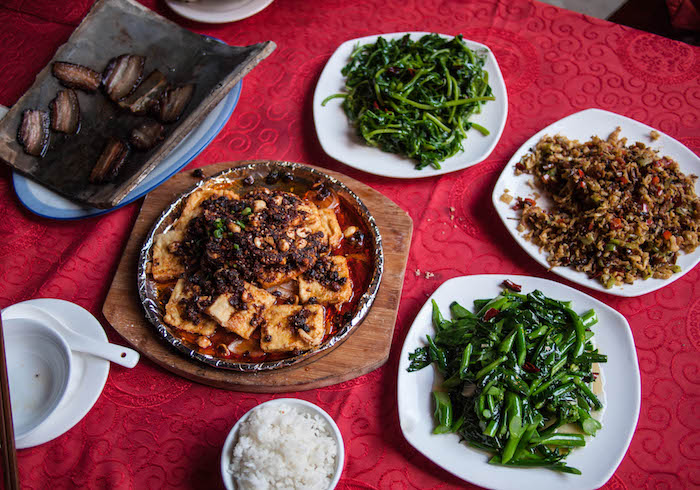
With outdoor seating, you can take advantage of the beautiful, temperate weather in Yunnan all while enjoying classics like steamed chicken, thin sliced barbecue and baby melons. For the more adventurous eaters, try the pig trotters for a real local specialty. If you go at night, your meal will be lit by the shimmering lanterns strung up on the overarching roofs and wooden bannisters.

Kunming’s 100-year-old Restaurants


Yun He Xiang 云和祥

Kunming’s 100-year-old Restaurants

Spoonhunt ID: 1790042

Established: 1904 (112 years old)

Address: 36 Xiangyun Street, Renhe Xiang Courtyard 南屏片区 祥云街仁和祥宅院36号

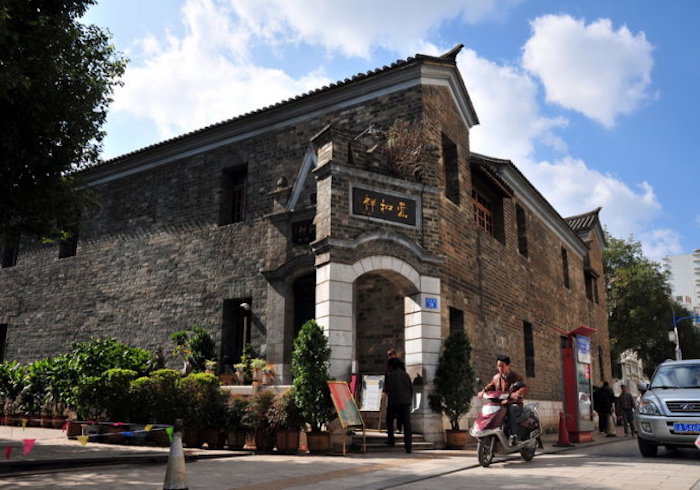
While the exterior may look plain, the interior of Yun He Xiang features a bright, open dining room decorated with elegant wooden furniture. Located in the heart of Kunming, this restaurant is widely considered to be situated in the last original courtyard house in the city. Originally, the building served as a mansion for former military official Zhang Chong. Today, the restaurant serves as a fascinating glimpse into Kunming food culture.

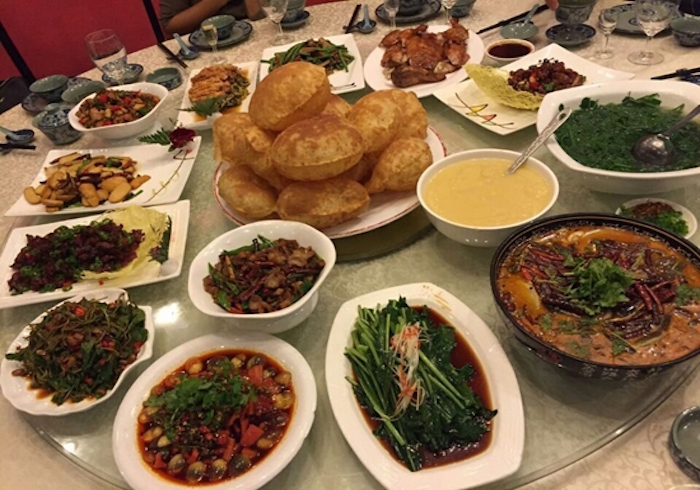
Yun He Xiang is so popular with locals that some devoted customers eat dinner there 4-5 times a week, so it can get pretty crowded. Their entire staff is dedicated to recreating a traditional Yunnan dining experience from the service down to the food for locals and foreigners alike. Their specialties include crispy skin roast duck, Dali hot and sour fish and pagoda rice (a must-try!).


Kunming’s 100-year-old Restaurants


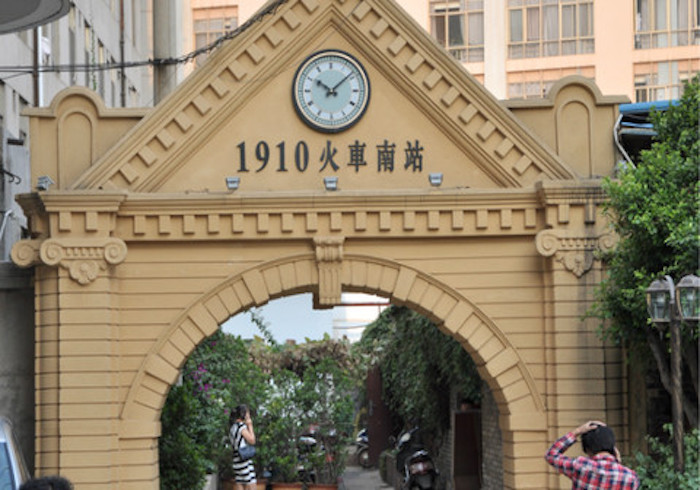
1910 South Train Station 1910南站

Spoonhunt ID: 1789890

Kunming’s 100-year-old Restaurants

Established: 1910 (106 years old)

Address: 8 Houxin Street, Nanzhan Pian District 南屏片区后新街8号

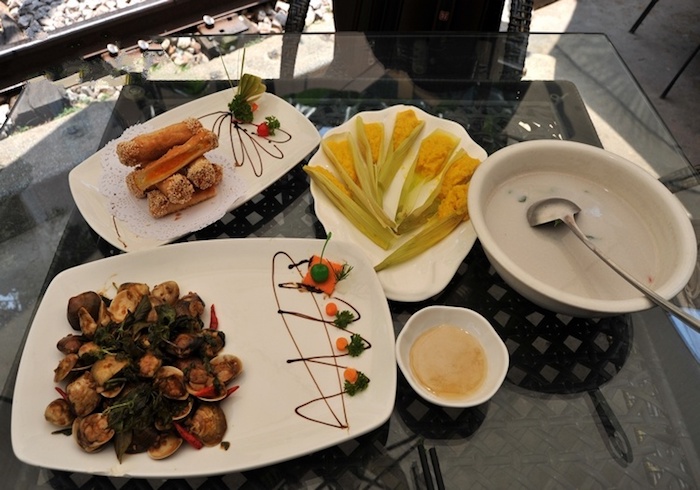
If you couldn’t guess from the name, this building was originally a train station office. With many different themed decorations, including train tracks, lights and figures, you’ll be fully immersed Yunnan’s rail history at 1910 South Train Station. But this restaurant isn’t your run-of-the-mill themed restaurant that leaves its appeal up to the décor.

This restaurant is a great place for tasty and modern Yunnan food, even with its seafoam green-painted walls. Yunnan is known for its massive variety of wild mushrooms, so you can expect lots of dishes that feature them. But you won’t be limited to fungi; their specialties include Yunnan Mashed Potatoes, Ham and Mushrooms, and Spicy Beef with Corn.


Kunming’s 100-year-old Restaurants


Shiping Hall 石屏会

Spoonhunt ID: 1789919

Kunming’s 100-year-old Restaurants

Established: 1700s (over 300 years old)

Address: 24 South Cuihu Road, Zhonghe Alley 翠湖南路中和巷24号

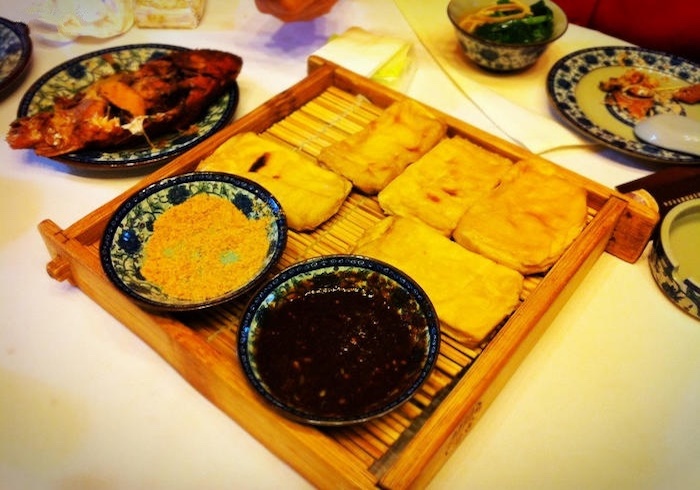
The oldest restaurant on this list is Shiping Hall. There is no exact date that marks its opening, but we do know this restaurant has been around for over 300 years. Located just south of Green Lake, dining in Shiping Hall makes you feel like you’re in ancient China. Pictures of former emperors line the walls and if sitting in the courtyard isn’t your thing, you can book a private room on the upper terrace overlooking the beautiful old-style courtyard below.

But don’t be fooled by its 300+ year existence, this restaurant is up-to-date with IPad menus and reasonable prices. Locally grown Pu’Er tea leaves come with unlimited water refills the food is elegantly presented from the Shiping Potatoes and Mushrooms to the Chili Fish and Tofu.


Kunming’s 100-year-old Restaurants


De Yi Ju 得意居

Spoonhunt ID: 1790299

Kunming’s 100-year-old Restaurants

Established: 1916 (100 years old)

Address: Jinbi Road, Golden Horse Jade Chicken Pedestrian Street JB3–6–1 五华区 金碧路金马碧鸡广场步行街区JB3–6–1号(近动漫城)

De Yi Ju is the pinnacle of traditional Kunming buildings and restaurants. Established just at the end of the Qing Dynasty, this restaurant sports high wooden steps, a stone door, red interior and Qing style bricks. In the Qing Dynasty, it was used as a private kitchen for wealthy families and now, the restaurant honors its extensive history with the old pictures and stories that line the walls.

The large space can be rented out for weddings and events, but on a regular day, it serves over 120 Yunnan style dishes to its customers while they enjoy a traditional Guzheng (Chinese zither instrument) performance. All of the dining takes place in private rooms instead of at public tables to carry on the original dining experience from when it first opened its doors.


Kunming’s 100-year-old Restaurants

Want to find these restaurants in Kunming and check out all of the history these places have to offer? Download the Spoonhunt app for your phone, where you can search Chinese restaurants, see English menus and even order with the waiter! Go to www.spoonhunt.com to download the app and get writing a list of ‘must-try’ restaurants to show your AsiaTravel guide. If you want explore more of Yunnan than just Kunming, consider our Yunnan Gastronomic Tour with award-winning food writer Fuchsia Dunlop. Travel throughout the province and learn to shop, eat and cook like a local.

China’s Secret Foodie Destination  

So you’ve tried Chinese food from all over the country – Beijing’s famous street snacks, dim sum from Shanghai, hotpot from Sichuan, perhaps even Yunnanese cheese. But have you ever sampled Xinjiang cuisine?

Never fear, AsiaTravel is about to give you a 6-dish tour of Xinjiang, China’s next biggest foodie destination. On one of our many Silk Road tours, you’ll be able to stop in Xinjiang to try all these sumptuous treats. Get to know more about our Silk Road tours by reading our blog post.

1. Ice Cream

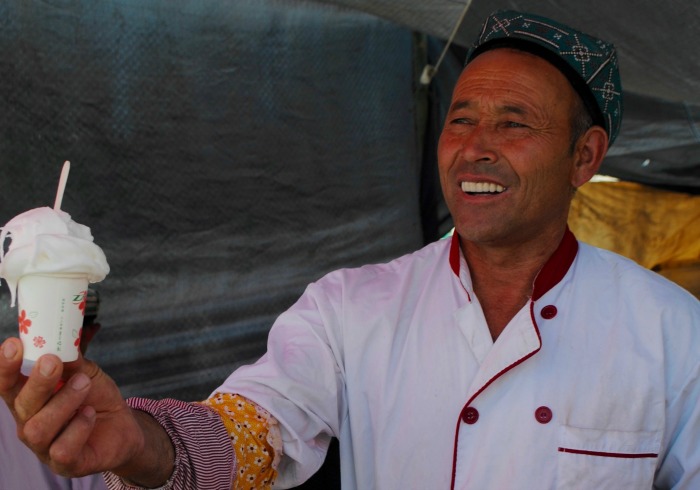
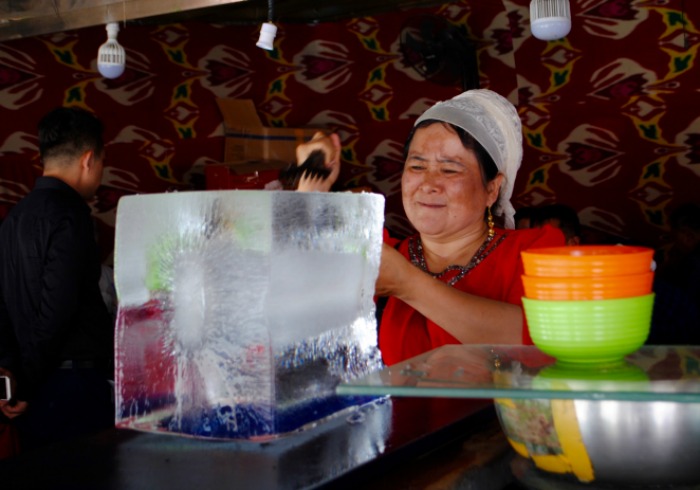
The gelato of Xinjiang, formed from a holy trinity of cream, ice, and sugar. Using a large metal spatula, ice cream vendors manage to pile an impossible amount of ice cream even into the tiniest size of paper cup they’re served in. The most common flavour you’ll find is cream, but on your meanderings through the winding streets of Kashgar, you’ll stumble across a rainbow of pastel-coloured seasonal flavours like pistachio, fig, almond, or melon. Milky and smooth, the ice cream is hand-churned and at around 3RMB a cup, it’s a bargain compared to your local artisanal gelato and just as delicious.

China’s Secret Foodie Destination  

Photo by Alexandra Boulton

2. Polo

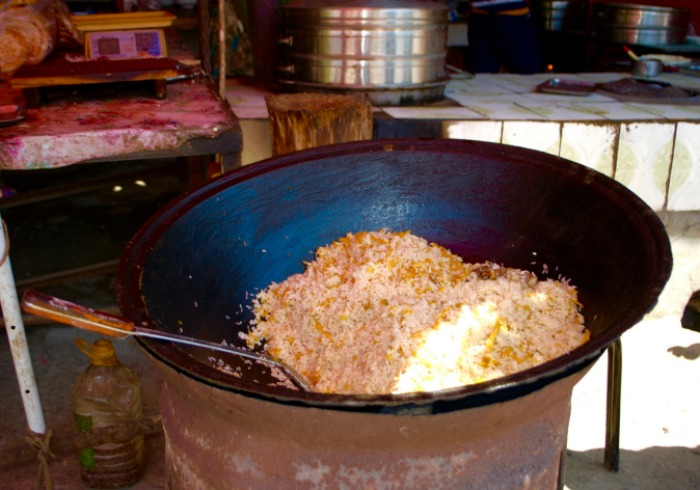
This is a popular dish you’ll find everywhere in Xinjiang. Polo is made of rice slow cooked with slices of carrot and peppers, often studded with fat Xinjiang raisins, and always topped with succulent lamb. Does the name sound familiar? Perhaps you’ve sampled pilaf, a cousin of this dish served all over the Middle East and Central Asia. Although lots of Xinjiang dishes are eaten with chopsticks, locals use a spoon for their polo. In the past, people used to eat this dish with their hands, hence the Chinese name translates as ‘rice eaten with the hands’. If you go to a market for polo, you’ll usually be dining at a long communal table dotted with huge enamel or metal teapots filled with the fragrant local brew. Polo is quite a heavy dish, so a small plate of grated carrot, stirred through with vinegar and spices will usually be served alongside.  

China’s Secret Foodie Destination  

Photo by Alexandra Boulton

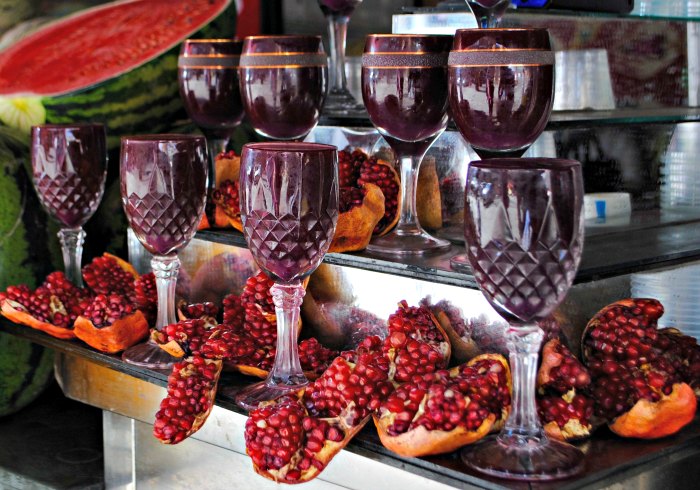
3. Pomegranate Juice

This drink is currently a popular superfood (containing more antioxidants than green tea) in the West, but it’s an old favourite in Xinjiang. Be sure to try a freshly pressed cup of pomegranate juice and look out for the telltale sign of freshness: a pile of pressed pomegranate carcasses. With no added sugar, chemicals or additives, the juice is crisp and refreshing, sweet, with a slight sharpness. A small cup of this refreshing treat will power you through a morning of shopping or sightseeing.  

China’s Secret Foodie Destination  

Photo by Alexandra Boulton

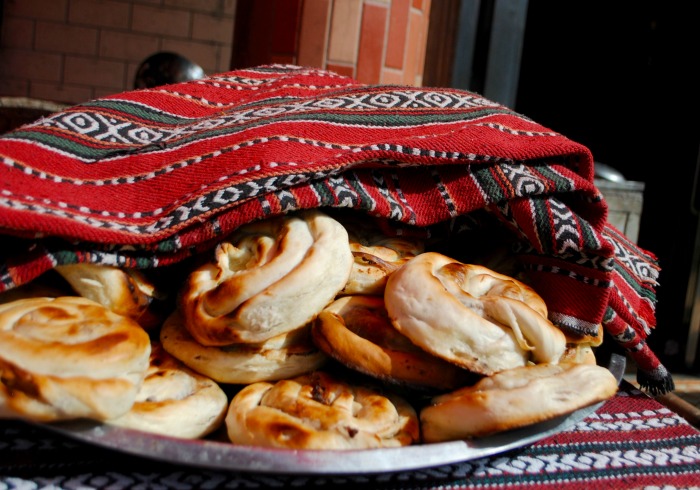
4. Samsa

Baked in a stone oven until crisp, these buns are made of a simple dough of wheat, water and salt, and stuffed with juicy diced lamb and onion. Your samsa will be blistering hot as it comes straight out of the oven so as you wait for it to cool down, make like a local and inspect the base for small stones- they may have escaped from the oven with your parcel. Once you’ve picked them off, watch out for dribbling juices as you bite into your pie. The road to a good samsa is littered with peril, but it’s well worth the journey.

China’s Secret Foodie Destination  

Photo by Alexandra Boulton

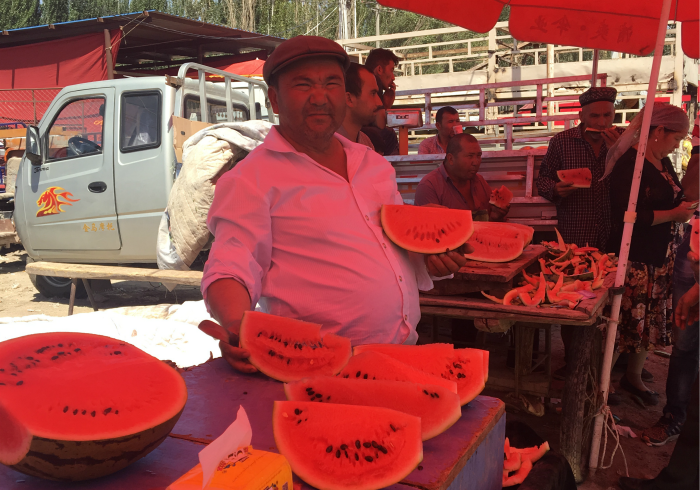
5. Fresh Melon

Go to any market in Xinjiang during the melon season (Summer), and you’ll be overwhelmed by stall-owners selling it by the slice. Throughout China, Xinjiang is known for its sweet and juicy melons, especially the Hami variety. How do you find a melon seller? They’ll usually be surrounded by a pile of melon rinds indicating the number of satisfied customers. This is farm-to-table eating so extreme it skips the table stage: after being picked, the melons are put straight on a truck (or horse-drawn cart) to market. Look out for a melon-seller’s key accessory: a large packet of paper tissues for customers to clean their hands of juices. 

China’s Secret Foodie Destination  

Photo by Alexandra Boulton

6. Ice Yogurt

Xinjiang’s answer to frozen yogurt. Finish off your meal like a local, with a bowl of iced yogurt. The creamy mixture is spooned into a bowl and chips of ice are added. Light and naturally tangy, you can choose whether or not to add sugar syrup according to taste. You’ll see locals crowding around vendors, sipping away and holding out their bowls for more sugar syrup or ice.

China’s Secret Foodie Destination  

Photo by Alexandra Boulton

You’ll be spoilt for choice eating in Xinjiang. But how will you know where to go for the best ice cream in Kashgar? Where can you picnic in the shade of Turpan grapevines? If you travel with AsiaTravel on a Silk Road journey, you’ll be accompanied by our local guides who know the area better than anyone. They can guide you to the best food and help you converse with vendors to learn how to make your favorite Xinjiang dishes when you get home. They’ll even introduce you to a local family who will invite you home and teach you how to feast Xinjiang-style. 

And of course, travel to Xinjiang isn’t all about food. Let AsiaTravel guide you on your voyage and we’ll take you to see Flaming Mountains made famous by China’s seminal piece of literature, Journey To The West; to feel a cool alpine breeze by the clear waters of Karakul Lake; and wander the ruins of an ancient capital, long abandoned in Xinjiang’s ‘Death Valley’. For more reading about Xinjiang, check out our blog 6 Things You Didn’t Know About Xinjiang.

RELATED READING: Top 10 Xinjiang Dishes

– 

If Xinjiang sounds like your kind of destination, check out the itinerary for our Marco Polo’s Silk Road, or Northern Xinjiang journeys. 
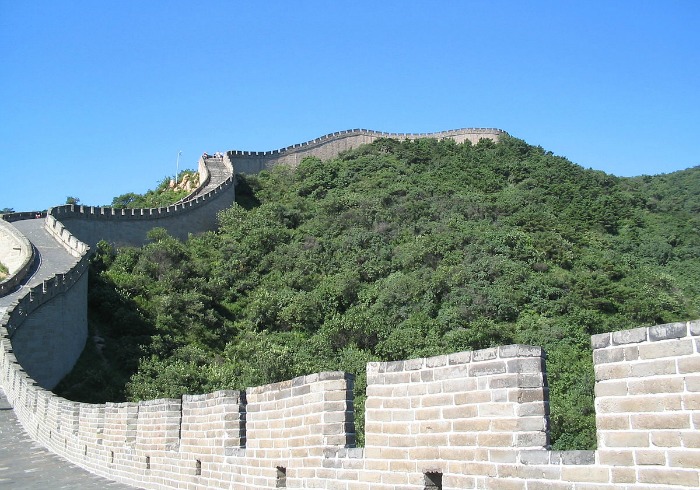
How to Make the Most out of a Trip to the Great Wall

The majesty of the Great Wall is known across the world, and it’s the most iconic sight in all of China. If you’re planning on visiting this world wonder, you won’t want to miss any part of the experience of a lifetime. Here’s how to make the most out of your trip.

How to Make the Most out of a Trip to the Great WallPhoto by Greg Jordan via Flickr

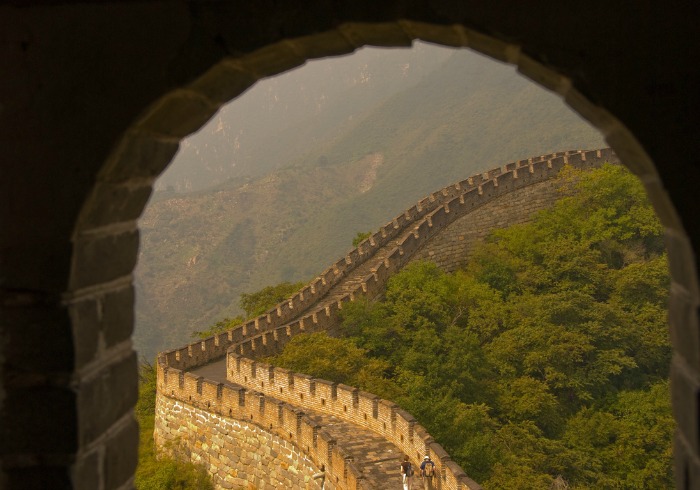
The Great Wall of China is many things – an architectural wonder, a historian’s dream, and, most of all, a superb way to learn China’s stories. A trip to the wall is more than essential if you happen to be in the capital city of Beijing and here’s our guide to making the most out of a trip.

Start early

Regardless of which section of the Great Wall you’re headed for, reach it early if you want to get a head start on the tourist crowds. If you begin your hike at Mutianyu Great Wall, a beautifully restored section visited by First Lady Michelle Obama herself, you will be greeted by Ming-era watchtowers and fortresses snaking across verdant hills.

How to Make the Most out of a Trip to the Great WallResembling teeth, soldiers could walk between these crenelated merlons* 
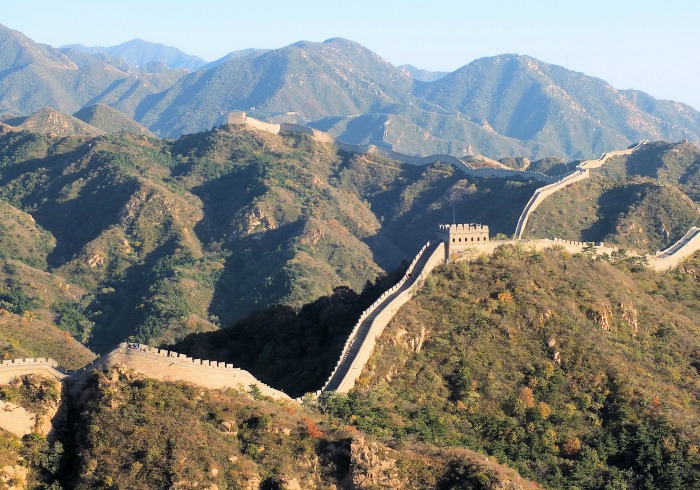
Something quite rare you wouldn’t see on other parts of the wall: Mutianyu features crenelated merlons on both its inner and outer parapets. This allowed soldiers to fend off invaders on both sides of the wall.

Take a breather at any of the watchtowers, where sentries used to stand guard during ancient times. Opt for a AsiaTravel picnic atop the wall… majestic views guaranteed, along with brunch and champagne. All you need to do is enjoy the bubbly and the feeling of accomplishment of climbing one of the seven wonders of the world.

How to Make the Most out of a Trip to the Great WallPhoto by Keith Roper via Flickr

Go wild

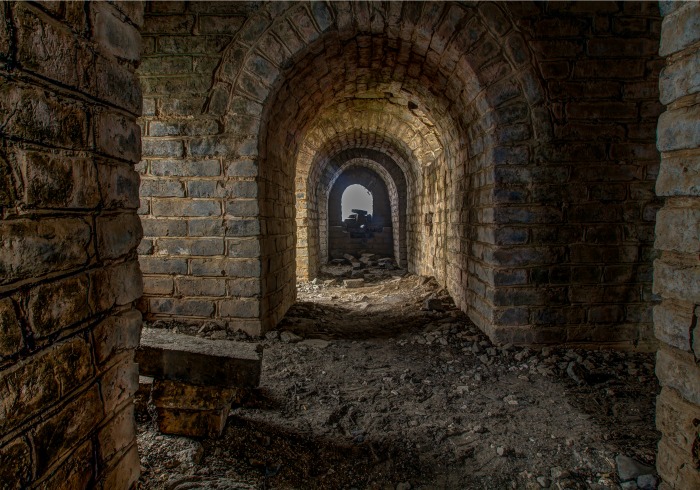
Westwards of Mutianyu lays Jiankou, an untouched section of the wall left reclaimed by nature. Conquer crumbling stones, overgrown bushes and near-vertical wall climbs and be rewarded with epic vistas of clouds rolling across faraway hills. It is as beautiful as it is wild; a stark contrast to Mutianyu’s restored glory. They together form a curious coexistence of the past and present – a quality distinctive of the Middle Kingdom.

Follow our local expert, William Lindesay, for a safe hike at the challenging Jiankou section of the Great Wall.

How to Make the Most out of a Trip to the Great WallPhoto by La Priz via Flickr

Go luxe

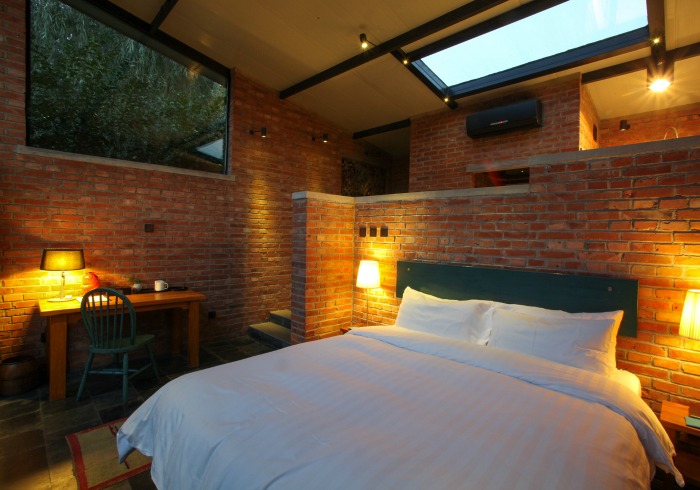
A night’s stay at the foot of the Great Wall is a great choice if you wish to get started early for your hike the next morning. Many luxury hotels, at different sections of the wall, offer an experience as splendid as visiting the wall itself.

How to Make the Most out of a Trip to the Great Wall

Brickyard Retreat via company website

One of these is the Brickyard Retreat at Mutianyu Great Wall. Reconstructed from a tile factory built during the Cultural Revolution, the boutique hotel promises uninterrupted views of the wall from every room. The owners are also huge on sustainable tourism.

How to Make the Most out of a Trip to the Great WallPhoto by Michael Davis-Burchat via Flickr
Come back for more

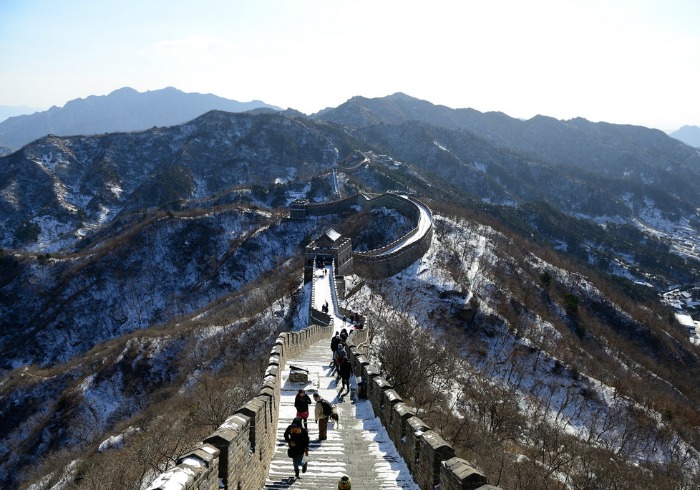
It is easy to fall in love with the awe-inspiring charm of one of the wonders of the world, and it is likely you’ll find yourself back for more. Visit during different seasons for the ever-changing scenery on the wall: the auburn and golden hues of autumn, the snow-blanketed walls and ramparts of winter, or the lush greenery in summer.

If you’re interested in visiting the Great Wall and crossing this ancient marvel off your bucket list, let’s plan your Beijing’s Past & Future trip. For those of you looking to experience other classic China sites, such as the Terracotta Warriors and Chengdu’s Giant Pandas too, our Chinese Treasures is an excellent choice.


Photo Credits:

*The original uploader was Tianxiaozhang at Chinese Wikipedia – Transferred from zh.wikipedia to Commons by Shizhao using CommonsHelper., CC BY-SA 3.0, https://commons.wikimedia.org/w/index.php?curid=10877423

Best Cities to Spend Your New Year’s Eve in China

New Year’s Eve is the perfect time to reflect on the things we have done in the previous year and welcome the beginning of a new one – complete with making new goals and celebrating our achievements. What better way to check something off your bucket list while ringing in the new year than on a destination New Year’s Eve.

Since the Chinese largely follow the lunar calendar, Western New Year isn’t widely celebrated. This means fewer lines, and you can still have a good time in key locations with others who wish to celebrate. We’ve planned 3 itineraries that reflect on the old and welcome the new in some of our favorite destinations across China.

Shanghai

Best Cities to Spend Your New Year’s Eve in China

RELATED READING: 5 (Alternative) ‘Must-Sees’ In Shanghai

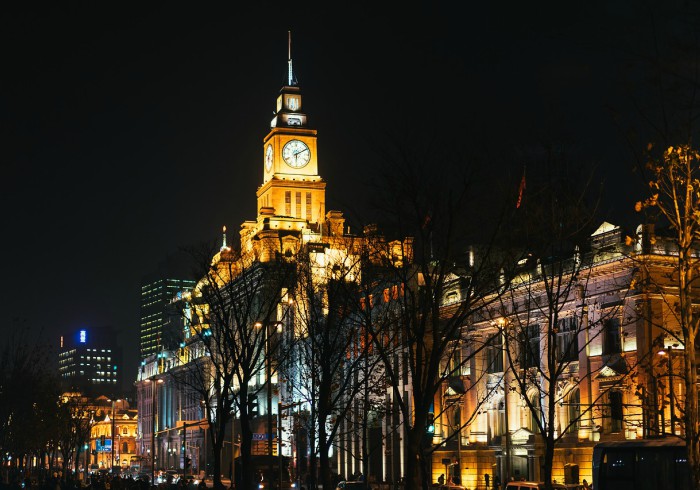
Likened to New York City or Paris, Shanghai is one of the most cosmopolitan cities in all of Asia. Visiting for New Year, you’ll have the opportunity to experience the melange of colonial charm and sky-scraping buildings that define modern day Shanghai.

Morning

The perfect beginning to your New Year’s Eve is to wake up bright and early and head out for a signature Shanghainese breakfast. This means ducking into an authentic local restaurant and eating the city’s signature soup dumpling, or xiaolongbao, as they are known in Mandarin. As fresh steam rolls off bamboo baskets, make sure you know the proper way of eating this scrumptious treat: bite the tip off first and suck the soup out before biting into the whole thing. This will save you from soup squirting everywhere!

Next up, get to grips with the city in style as you ride a vintage sidecar through the elegant, tree-lined streets of the French Concession. We’ll arrange everything so you can just sit back and enjoy the ride.

Afternoon

Whether it’s modern art or colonial history that takes your fancy, let us arrange your perfect afternoon with one of our experts in Shanghai. For a taste of unconventional history, you can get to know the Jewish history of China with Dvir Bargal, an internationally acclaimed journalist and documentary filmmaker hailing from Israel. He’ll lead you through Shanghai’s Jewish Ghetto and explain how Shanghai was the last open port for Jewish people escaping Nazi Europe.

Evening

Top off a great day with dinner at one of the city’s great Michelin-starred restaurants. The Yi Long Court at the Peninsula is a great bet right near the Bund.

Then, as the sun begins to set on the final day of the year, it’s the perfect time to hop aboard your private VIP river cruise on the Huangpu River – arranged by AsiaTravel. This gives you a great setting to count down the seconds to new year and enjoy a glass of champagne or apple cider.

With all this history and culture, Shanghai is a great choice for New Year’s even if you’re not the party animal! We visit Shanghai on a number of our longer China journeys or can customize your perfect city getaway.

Hong Kong

Best Cities to Spend Your New Year’s Eve in China

RELATED READING: Top 5 Hotels in Hong Kong

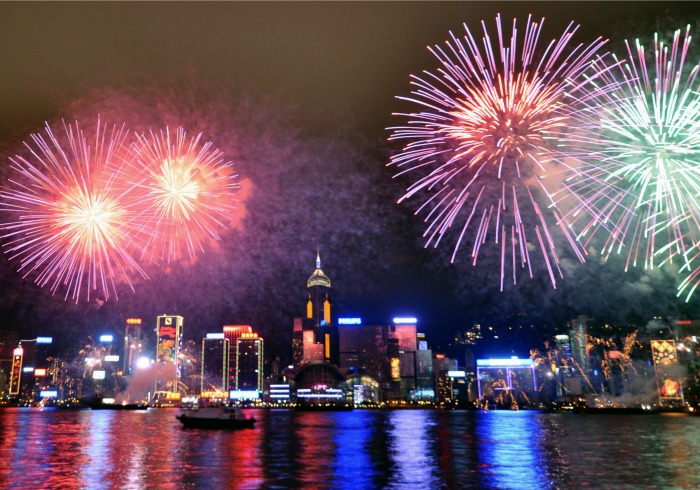
The glittering skyline of Hong Kong might just rival any fireworks show (almost). The glitz and sophistication of the “Pearl of the Orient” is the perfect place to ring in the New Year with a touch of class. Here are some of the high-society activities you can indulge in on our Hong Kong: Pearl of the Orient journey.

Morning

Ready for Hong Kong to take your breath away? Our perfect New Year’s Eve in Hong Kong begins with a light hike up to Victoria Peak where you can drink in the sights of this glamorous city. Then, we suggest slinking down the mountain and heading over to the bygone splendor of the western market, an Edwardian style building that sells arts, crafts and fabric for suits and cheongsam tailoring.

By midday, you’ll probably be feeling a bit peckish so saunter over to one of our favorite street markets on Bonham Strand. These flavorful streets with their abundance of dried seafood and Chinese herbal shops have been operating here for over a hundred years.

Afternoon

After lunch, head over to a hundred-year-old store that is renowned for tailoring hand-made qipao. Here, the shopkeeper can take your measurements and make your own sophisticated qipao to be shipped back home to you. Who knows? Maybe for your next big celebration you’ll sport a handmade qipao with all the refined colonial elegance of Hong Kong stitched into the detail.

Wind down from all the exhilaration with a relaxing afternoon tea at the grand dame of Hong Kong hotels: the Peninsula. Done with the colonial elegance of British tea with the queen, you’ll dine on a tower of canapés, scones, and cakes whilst sipping on some of the port city’s finest tea.

Evening

In the evening, head out on a traditional junk in Victoria Harbor. These slow-moving boats will allow you to rejoice in all the splendor of the New Year. When you book with AsiaTravel, we can arrange a private junk for you, so you can enjoy the show with only those you want around. You can take this cruise at sunset or near the stroke of midnight.

If you’d like to soar to dizzying heights, Hong Kong is also home to a myriad of world-class rooftop bars. On the 118th floor of the Ritz-Carlton Hong Kong, you can find what was the world’s highest bar up until 2010.

Dali

Best Cities to Spend Your New Year’s Eve in China

RELATED READING: AsiaTravel Founder and Dali-Native Mei Zhang’s Insider Tips to Dali

For those who want a slower pace and a spiritual vibe to see in the new year, consider Dali, in Yunnan province. With its relaxed “California-style” attitude and temperate climate, Dali is a laid-back option for a New Year trip.  

Morning

Like our suggestions for Hong Kong, our recommended first activity on New Year’s Eve is a refreshing hike up Cang Mountain. On the slopes of this rustic mountain, visit a tea plantation where you can pick your own tea leaves and learn the whole process of tea-making from bulb to brew.

Afternoon

After a visit to the market and a local lunch, we’ll arrange a truly spiritual experience: a Bai three-cup tea ceremony. The age-old wisdoms imbued in this ceremony have been passed down through the Bai ethnic minority culture through time. You’ll be given 3 different teas, each representing an important part of life. The third and final tea is a mixture of flavors and represents the importance of accepting all that life gives you.

Evening

For dinner, our favorite Auntie Cheng will cook up a storm using the most authentic local ingredients from the area. Around the city, there is a smattering of local villages where various artisanal products are made and with Auntie Cheng, you can learn how to properly enjoy the results according to local custom. Artisanal salt, hand-crafted cheese, and savory Dali ham are just a few of the delicacies you have to try as you celebrate the start of a new year. Get to the heart of Dali on our Artisanal Dali journey.

So the final question you have to ask yourself: Which way do you want to ring in the New Year?

Everything You Can Do at Beijing’s Temple of Heaven

Although the Forbidden City garners more attention, the Temple of Heaven is arguably just as grand and beautiful. The historic temple should be a must-see on any Beijing travel itinerary. Here’s why.

Everything You Can Do at Beijing’s Temple of HeavenPhoto by star5112 via Flickr

Built during the Ming Dynasty, the Temple of Heaven Grand Temple Complex served as a vast stage where the emperor (also known as the Son of Heaven 天子) performed solemn rites designed to seek divine clearance and curry favor with Heaven for a year of good harvest.

Taking up a huge chunk of southeastern Beijing, the Temple of Heaven complex is massive – larger than the Forbidden City itself. The Yongle Emperor thought it wise to build the residence of the gods larger than his own. We pride ourselves in being China Experts and Beijing is our home turf, so we did a little local digging to find everything you can do at the Temple of Heaven.


A walk in the park

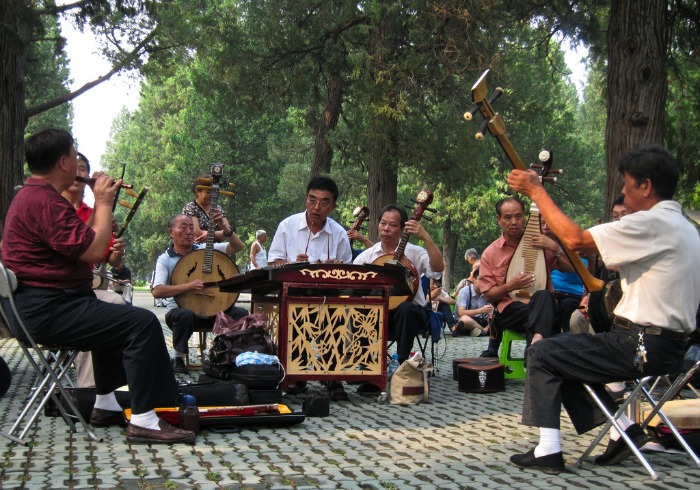
On the eastern side of the Temple of Heaven is a lush park which serves the dual purpose of being the tourist entrance to the complex grounds as well as the local playground for residents living in the area. Enter from the East Gate 东门 and you will find locals practising taiji, jianzi (Chinese hacky sack), opera singing and the occasional nunchuks.

Among assorted exercise machines, watch elderly men perform impressive calisthenic feats such as bar pullovers and 360° spins – a scene worthy of Muscle Beach. Tip: Retired locals like to rise early and head home before midday. Visiting before 9am will put you in the heart of the action.

Everything You Can Do at Beijing’s Temple of HeavenPhoto by Jason Reibold via Flickr

Play corridor games

Continue walking along the path from the park and you will reach the Long Corridor 长廊,an enclosed passage connecting the Animal Killing Pavilion, Divine Kitchen and Divine Warehouse. During imperial times, sacrificial oxen, sheep, deer and other animals as well as offerings of jade, silk, grains and fruits were prepared under the pavilions and transported to the altars along this corridor.

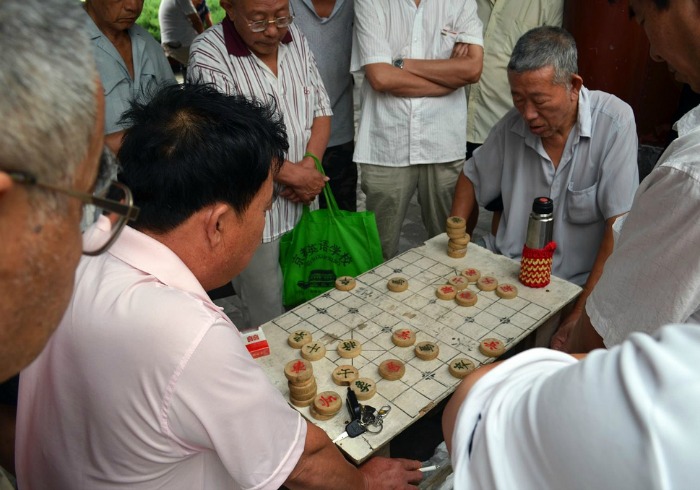
Today you will find its red frames occupied by locals focusing hard on their game of cards, chess, or perhaps even their knitting.

Everything You Can Do at Beijing’s Temple of HeavenPhoto by Jens Schott Knudsen via Flickr

Learn the art of numbers

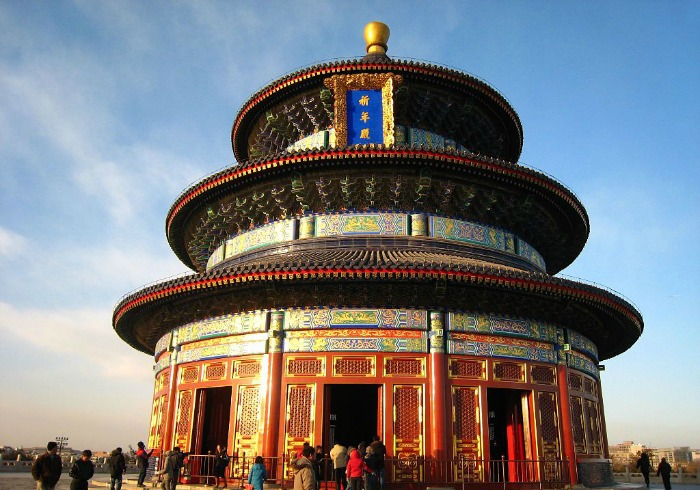
Beyond the Long Corridor lies a highlight of the park – the Hall of Prayer for Good Harvests祈年殿. The magnificent structure, featuring triple eaves of a beautiful purplish-blue glaze, is built upon three tiers of marble. The roof is supported by wooden pillars without any nails or cement. The number of pillars is also far from arbitrary; they hold symbolic meanings rooted in Chinese tradition: the four posts in the inner circle represent the four seasons, the twelve along the middle circle represent the 12 months of the calendar, while the 12 along the outer circle represent 12 shichen (an ancient Chinese timing which splits the day into 12 two-hour time periods). This practice of numerology occurs throughout the grounds of the Temple of Heaven.

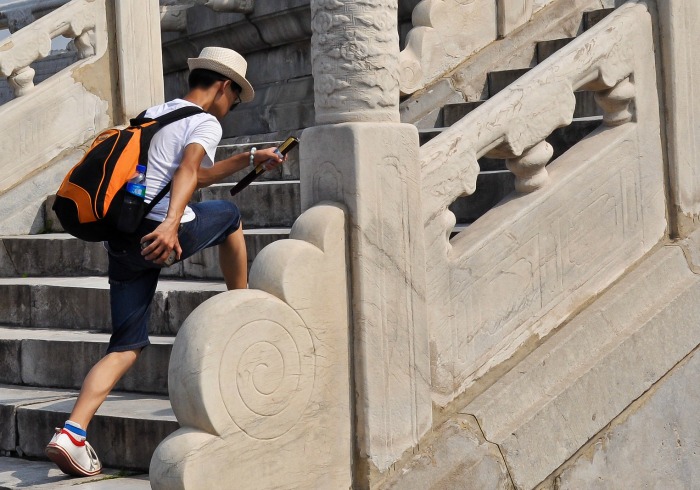
The geometry of the three-tiered Circular Mound Altar 圜丘坛 revolves around the imperial number nine. Chinese believe odd numbers to possess heavenly significance, with nine representing the highest imperial authority. Its top tier radiates in a pattern of nine rings, each made up of multiples of nine stones. Similarly, the stairs and balustrades are constructed in multiples of nine.

Everything You Can Do at Beijing’s Temple of HeavenPhoto by David Almeida via Flickr

Find out about dynastic science

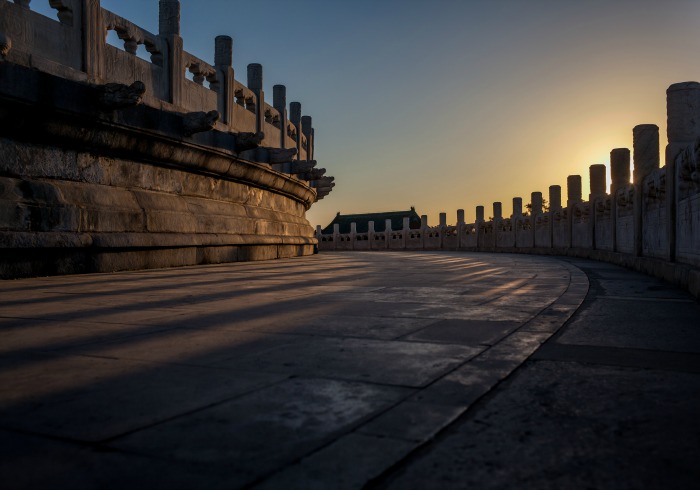
Wrapped around the Imperial Vault of Heaven 皇穹宇 is a smooth circular wall called the Echo Wall 回音壁, so named because a whisper on one end can be transmitted clearly to the other. In recent years, possibly to protect the wall from increasing crowds, a railing has been installed, so unfortunately, you may not be able to test out it for yourself.

Try out the Triple Echo Stones, three rectangular stones that line the pavement leading to the vault. Using sound wave theory similar to the Echo Wall, you will hear an echo if you stand on the first stone and clap. Two echoes if you stand on the second stone and clap; three echoes if you stand on the third stone.

Everything You Can Do at Beijing’s Temple of Heaven

Photo by Su—May via Flickr


Hear music from imperial courts

Saving the best for the last, the Divine Music Administration is a well-kept secret tucked away in the gardens west of the park. During the Ming and Qing dynasties, it was where officials and musicians trained and rehearsed for sacrificial events. If you’re lucky, you will get to enjoy an aural-visual feast of modern musicians performing renditions of ancient Chinese songs with traditional instruments of gongs, flutes, pipes, drums and clappers.

Does the idea of strolling along the Temple of Heaven complex strike your fancy? Consider planning a Beijing’s Past & Future private tour!

5 (Alternative) Must-Sees in Beijing

The Forbidden City, the Great Wall, the Temple of Heaven – these places on the Beijing circuit are classics for a reason. But does Beijing have anything to offer the returning visitor or the first-timer who wants to go off-the beaten path?

5 (Alternative) Must-Sees in BeijingPhoto by lara warman via Flickr

At once the imperial seat of past dynasties as well as the bold, new face of modern China, Beijing has come to represent the curious, dichotomy of the nation. Revisit your favorite spots, set out to find new ones, and savor all that the capital city has to offer with these alternative must-sees in Beijing.

Discover mighty Emperor Qianlong’s childhood playground

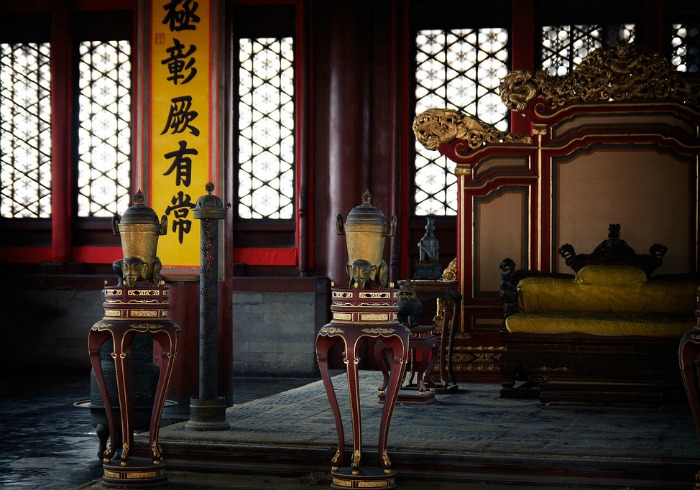
Everyone knows the Forbidden City, but did you know the colorful complex has secret areas that are a little more forbidden than the others? Follow our local expert and step into Emperor Qianlong’s childhood at Chonghua Palace by special permission that most visitors can’t obtain. Palace treasures and furnishings are meticulously preserved and remain in the original arrangement from Qianlong’s time here.

5 (Alternative) Must-Sees in BeijingPhoto by Geoffrey via Flickr

Get to know a cricket-fighter in the hutongs

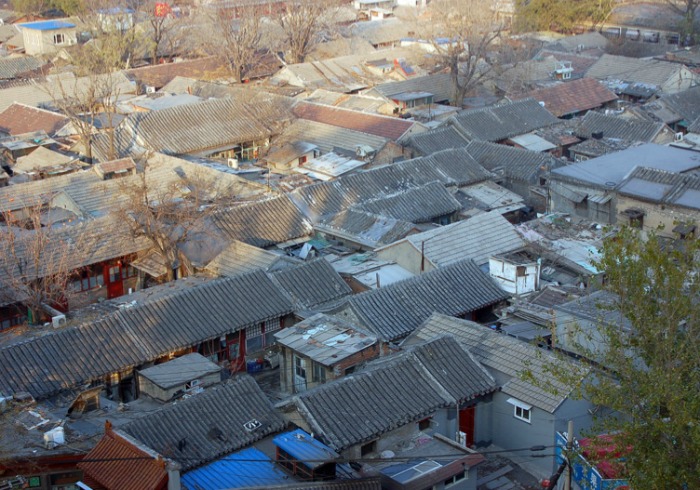
The warren-like formation of narrow alleyways, grey-tiled roofs and old siheyuan (courtyard houses) is Beijing’s beating heart. These centuries-old alleyways are also home to people who still practice a centuries-old game; cricket-fighting. We know a cricket fighter in the hutongs who is an old school champion. On a AsiaTravel Beijing tour you can meet him and watch his demonstrations of how to fight crickets like a pro. There is always something old and new in Beijing’s hutongs that is up to you to discover.

5 (Alternative) Must-Sees in Beijing

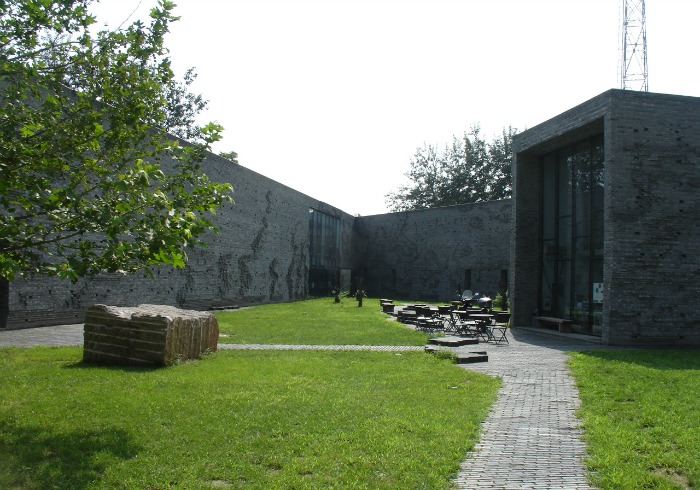
Follow in Ai Weiwei’s footsteps at Caochangdi

Move over 798, there’s a new art district in town. Legend has it that when Ai Weiwei first moved out and set up his studio in the suburban village in 2000, he inspired other artists to follow suit. More than a decade later, the neighborhood has drastically grown into a thriving arts community, and even hailed as Beijing’s Williamsburg. The Three Shadows Photography Art Centre, designed by Ai himself, is exclusively dedicated to showing works of photography and video art. For contemporary Asian art, head to Pékin Fine Arts, which features solo shows of regional artists as well as collaborations with overseas galleries.

5 (Alternative) Must-Sees in Beijing

Photo by Jan Spacir distributed under a CC BY-SA 3.0 license

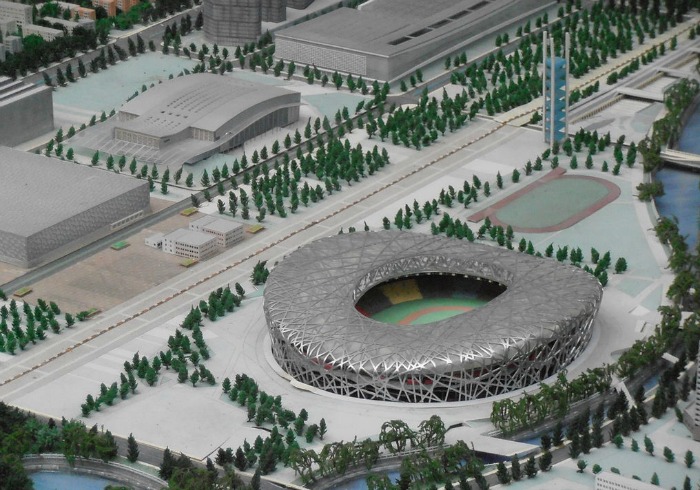
Learn how the city was built at Beijing Planning Exhibition Hall

Beijing has a broad selection of museums from the wonderful (the excellent Beijing Capital Museum, for instance) to the whacky (Watermelon Museum or Baijiu Museum, anyone?) A stone’s throw away from Tiananmen Square, the Beijing Planning Exhibition Hall features a scale model of the entire Beijing metropolitan area, as well as informative exhibitions that takes you through the city’s transformation from historical to modern times – look out for the Olympic stadiums plans and the future blueprint for a ‘green’ Beijing.

5 (Alternative) Must-Sees in Beijing

Photo by Shizhao distributed under a CC BY-SA 3.0 license

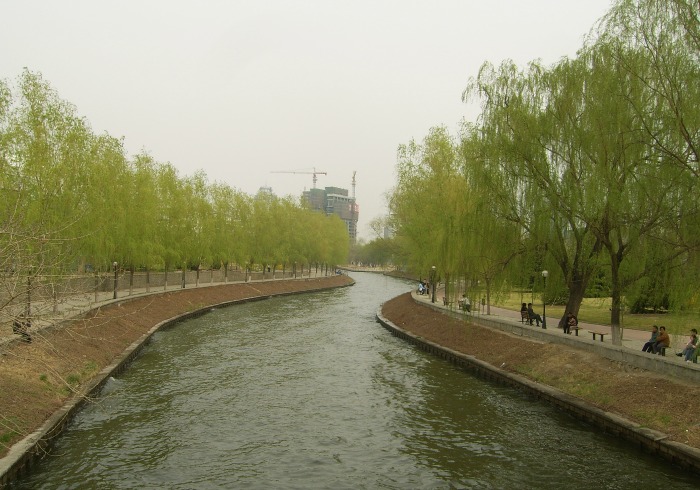
Get around Beijing by water like an emperor

Take a boat ride down the city’s canals on the 700-year-old Changhe River. As an important waterway during the Ming Dynasty, it later became a private waterway used by the Qing imperial family to travel westwards to the Summer Palace during the hot summer months. Starting near Beijing Zoo, the journey takes you through a series of local attractions as well as the beautiful forested grounds of Purple Bamboo Park, before letting you off at the doorstep of the Summer Palace.

Feeling like you’re the type to venture out into the alternative Beijing that many visitors overlook? You can customize your Beijing’s Past & Future tour to go off-the-beaten path. 

4 Reasons to Visit Hangzhou and Suzhou in Spring

Hangzhou and Suzhou are well known in China for being slices of paradise on Earth. Spring is the perfect time to visit these two cities and here are our top four reasons why.

— 

There’s a famous Chinese saying that translates to, “There is heaven above and there is Suzhou and Hangzhou below.” These two cities are a short, 1-2-hour train ride from Shanghai, making them the perfect respite from big city life. We’d suggest visiting these two cities during the spring and here’s why:

4 Reasons to Visit Hangzhou and Suzhou in Spring

Photo by PS Liu via Flickr

4 Reasons to Visit Hangzhou and Suzhou in Spring

4. Stroll Around West Lake

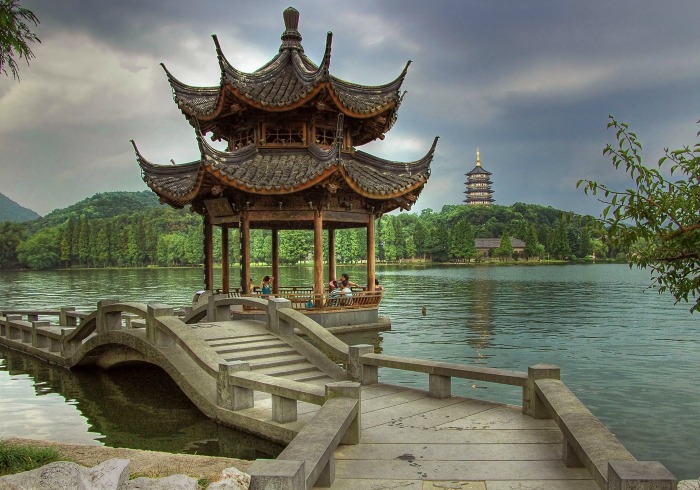
Hangzhou’s West Lake is considered one of the most beautiful sights in all of China and spring is undoubtedly the best time to visit. Verdant weeping willows and lush green hills that surround the lake adds a wondrous beauty to the famous scene. Stroll along the shore and you will smell the sweet scent of peach blossoms. Follow the path down Su Causeway, a 3km-long stone belt that crosses the lake on the west side. Spring turns the causeway into a fairyland of peach blossoms, plum blossoms and spring flowers.

4 Reasons to Visit Hangzhou and Suzhou in SpringPhoto by Xianyi Shen via Flickr

3. Pick Your Own Leaves from the Tea Harvest

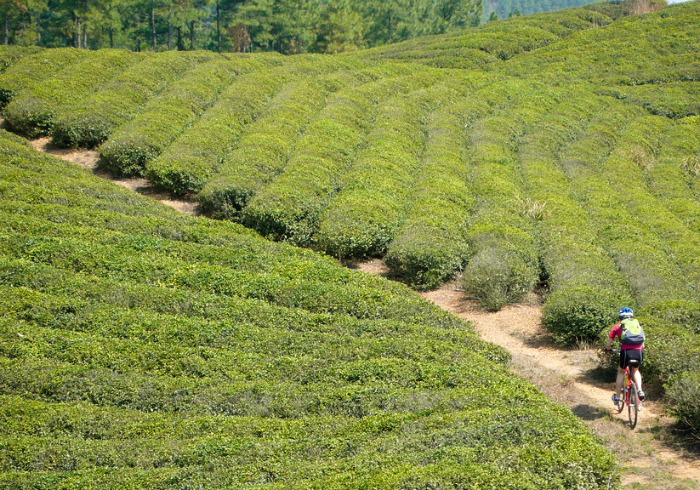
According to legend, Emperor Qianlong loved Hangzhou’s Longjing tea as much as he loved the West Lake. The world-famous tea goes through a strict and elaborate preparation process that has remained largely unchanged since ancient times. Today, you can learn how the imperial tea is made at its source – Longjing Village. April is prime harvesting time so after you’ve studied the process, take part picking leaves in the nearby tea fields.

4 Reasons to Visit Hangzhou and Suzhou in Spring

Photo by PS Liu via Flickr

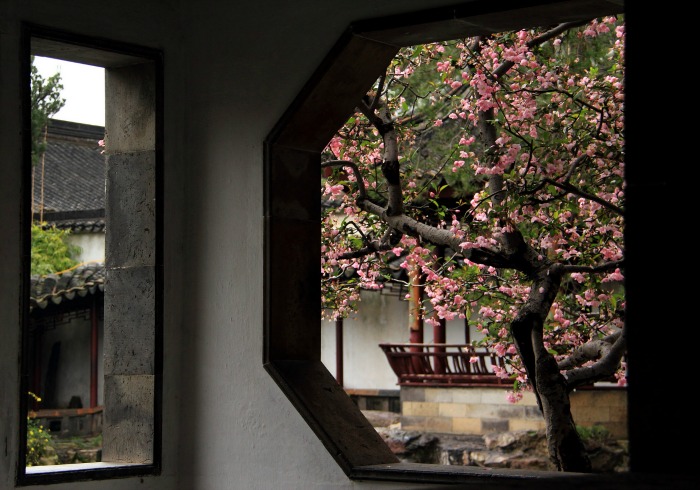
2. Picnic in a Classical Chinese Garden

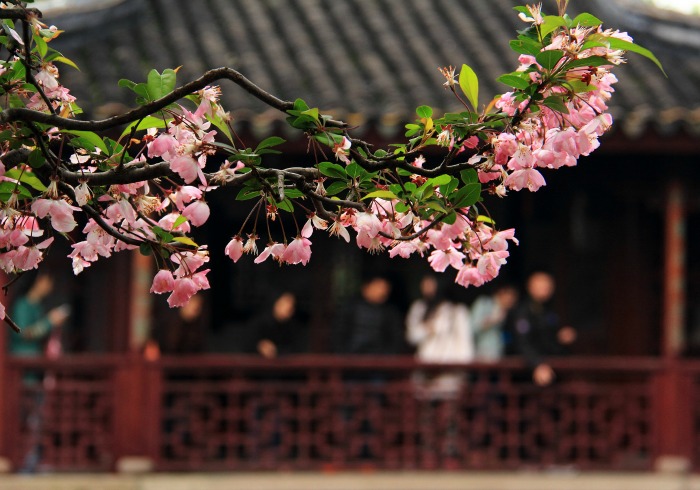
Suzhou is famous for its classical Chinese gardens, the brilliant work of artists who masterfully designed and incorporated elements of nature into physical spaces. In March and April, watch pear blossoms, canola flowers, tulips, and cherry blossoms burst into colorful displays within the gardens. Stroll along the winding pathways and elegant wood corridors of the magnificent Master of Nets Garden, or lay out a picnic basket and bask in the sun on a crisp spring day.

4 Reasons to Visit Hangzhou and Suzhou in SpringPhoto by Yunfan Zhang via Flickr

1. Float Down a Canal

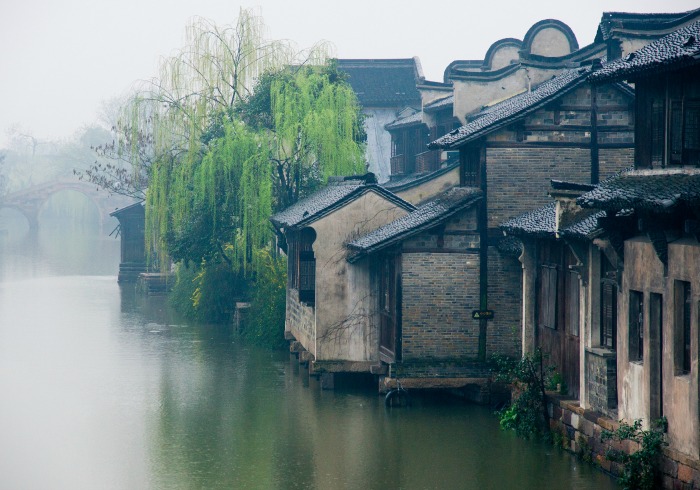
No picture of Hangzhou and Suzhou is complete without a visit to the nearby water towns, where life happens at a slower pace. An hour’s drive from Suzhou, Tongli is a quiet water town which has retained much of its original Song Dynasty appearance. Its canals are lined with traditional buildings that feature whitewashed walls and black roofs and sometimes in spring, mist and drizzle cloaks the town in an ethereal layer. Walk along the paths and old stone bridges or take a peaceful boat ride down the canals for a glimpse into old China.

Have the delicate Spring sights of Hangzhou and Suzhou piqued your fancy? Consider planning a Hangzhou and Suzhou: Heaven on Earth tour with us, and get ready to soak in the splendor of this land.