5 Best Dishes in Xi’an

One of the oldest cities in China, Xi’an is best known as the home of Emperor Qin’s terracotta army but the city’s unique and mouthwatering cuisine is a reason to visit in its own right. As the first stop on the Silk Road, Xi’an has been at the crossroads of Muslim and Chinese cultures for centuries and the city’s signature dishes reflect the melange of this historic meeting point. Embark on a culinary journey and get to know the best dishes in Xi’an. 

5 Best Dishes in Xi’an

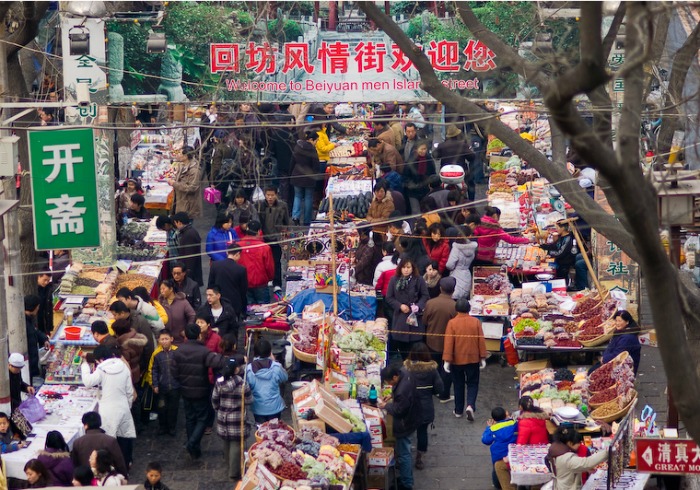
Shaanxi cuisine goes back a long way –  as an important stop on the ancient Silk Road, this central province welcomed travelers who had journeyed from the Middle East. Local cuisine became infused with Middle Eastern flavors and wandering the fragrant streets and side alleys of Xian, you can smell the savory aromas of lamb dishes, Uyghur flatbreads and exotic spices. Pathways are lined with barbecues and sizzling woks and raucous groups of locals dine at tables piled high with local beer and chuan’r. Read on for our pick of five dishes not to miss on your next trip to Xian:
5 Best Dishes in Xi’anPhoto distributed under a CC BY-SA 3.0 license

5. YANGROU PAOMO

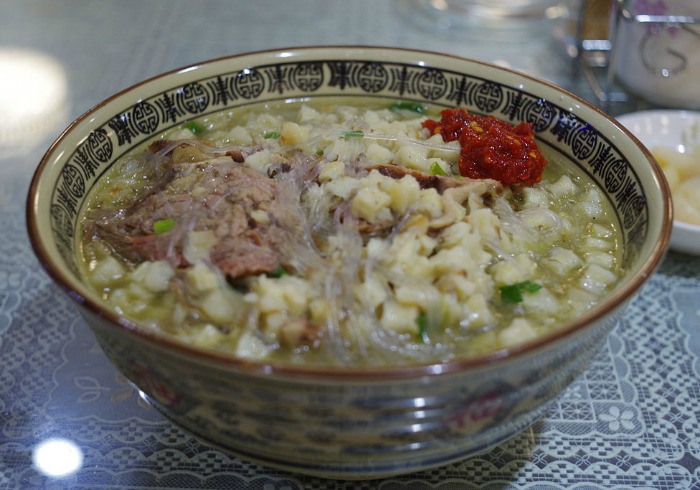
A local favorite and the irrefutable star of Xi’an cuisine, yangrou paomo(羊肉泡馍)is a stew with unleavened flatbread soaked in tasty mutton soup. Take your two pieces of flatbread – ‘mo’ in Chinese – and shred into small pieces. Locals believe the rather arduous task delivers a better hand-pulled texture to the dish. The shredded mo is then returned with the bowl to the chef, who cooks it in mutton soup with rice vermicelli until the bread is fully soaked in the light and aromatic flavor.
5 Best Dishes in Xi’an Photo by bionicgrrrl via Flickr

4. ROUJIAMO

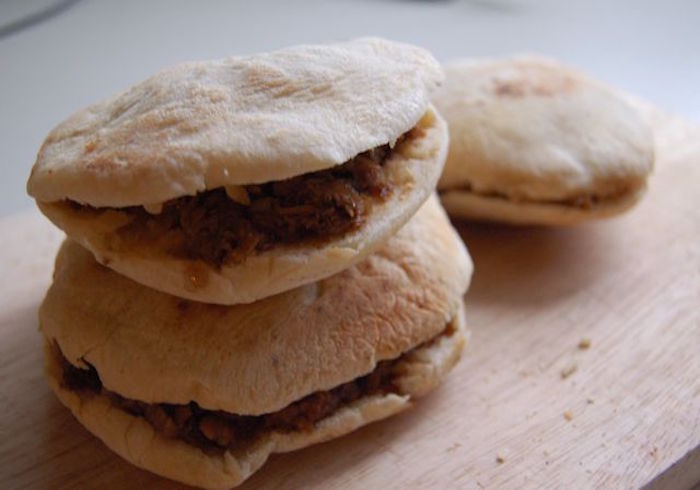
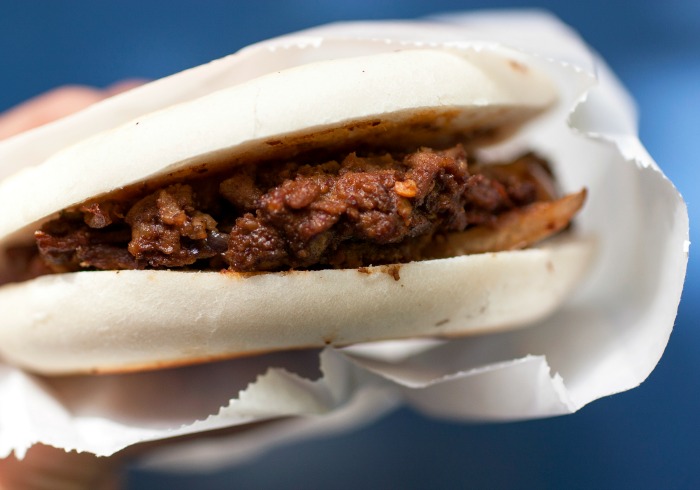
Sink your teeth into the juicy, meaty goodness of roujiamo (肉夹馍), Xi’an’s take on a burger. The dish is rather simple, made up of two critical ingredients: baked leavened bread and shredded braised meat. The meat filling – either lamb or beef – is braised for hours in a bubbly vat of beef or mutton stew. A hearty portion is then fished out, shredded by hand and tucked in the bread.
5 Best Dishes in Xi’an

Guilhem Vellut via flickr

3. LIANGPI

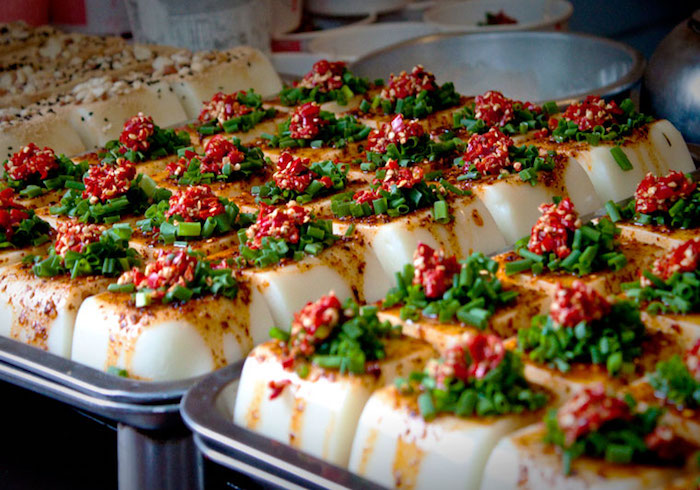
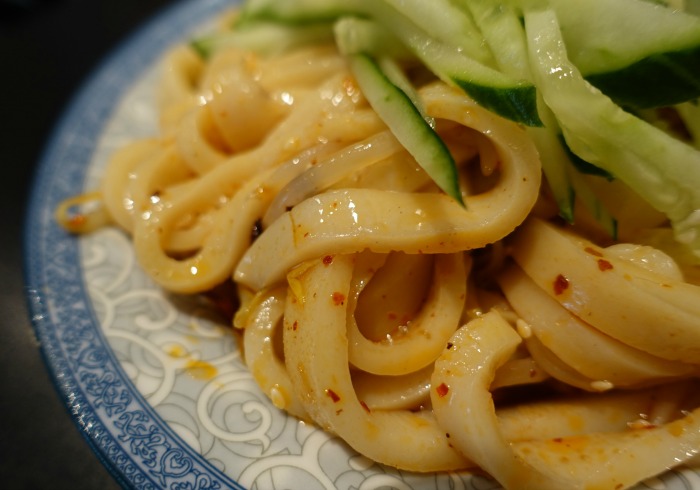
Roujiamo is often paired with a bowl of liangpi, a cold dish featuring thinly-sliced noodles. When liangpi is served, it is tossed with cucumber shreds and bean sprouts and drizzled in a sauce of pepper powder, diced garlic, sesame paste, black vinegar, and roasted chili oil.
5 Best Dishes in Xi’an

Photo by ckmck via Flickr

2. CHUAN’R

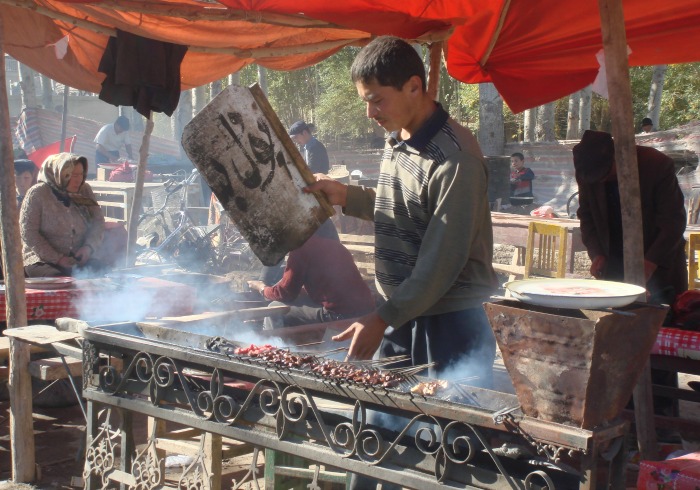
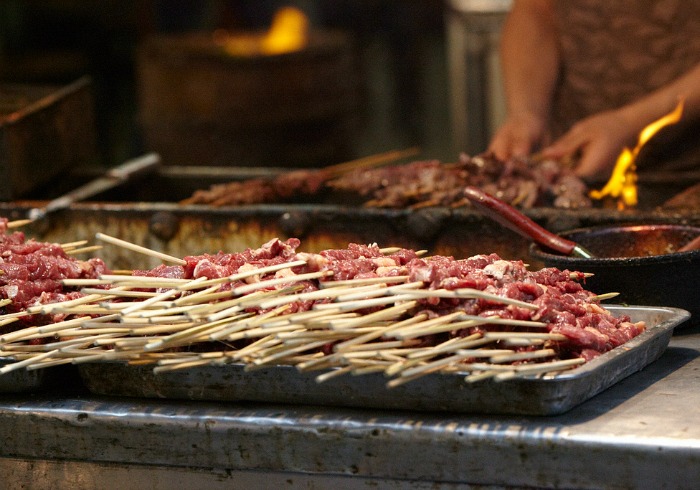
Chuan’r (烤串儿) are a cheap and convenient snack that pair perfectly with a cold, local beer. A small skewer can cost as little as 1 yuan and there is a great variety of choices – lamb, beef, chicken, and potatoes are all favorites. The skewer is coated in chili pepper and cumin powder and roasted on a grill. Xi’an locals can be spotted at hole-in-the-wall restaurants or makeshift street stalls late at night, the table pilled high with these tasty Chinese Kebabs.
5 Best Dishes in Xi’an

Photo by 飞飞1976 via szhome

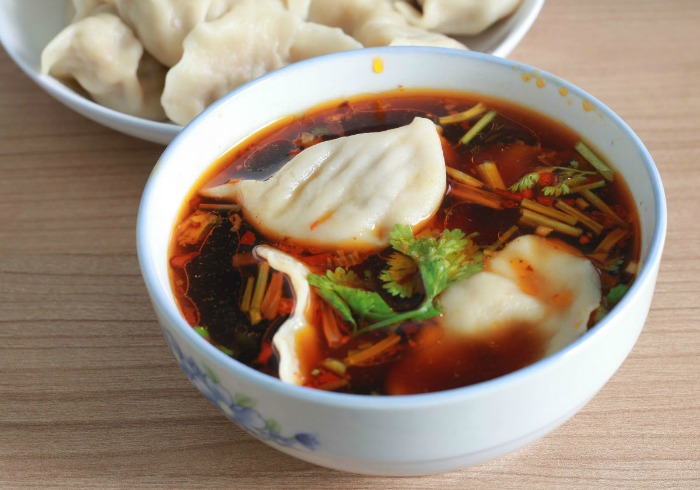
1. Dumplings in Sour Soup

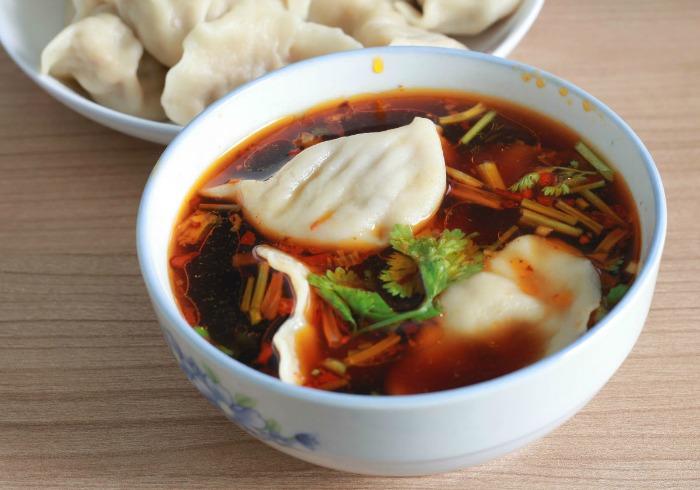
Only in the Shaanxi capital can you find the authentic taste of dumplings in sour soup (酸汤水饺). The history of the dish dates back over a thousand years, with a complex recipe for the soup – sweet vinegar, dried shrimps, cooked sesame, chicken oil and butter make up some of the many ingredients. The hot and flavorful dish is a perfect comfort for rainy days in the city.

Hungry yet? We have two journeys that are perfect for the curious foodie. Check out the Gastronomic Tour of China or Yunnan Gastronomic Tour – both of which are curated and led by Fuchsia Dunlop, a world-renowned chef and Chinese cuisine guru.
Best Chinese Food in China: A City by City Guide

From Peking duck in Beijing to the spice markets of Sichuan, Chinese cuisine is as vast and fascinating as the country itself. Here are our tips for eating the best Chinese food in China. Warning: this post will make you hungry.

Best Chinese Food in China: A City by City Guide

One of the first things you’ll learn when you visit China is that there’s no such thing as ‘Chinese food,’ at least not in the way most people think of in the West.

Chinese cuisine is as rich and varied as the dishes of Europe. The spicy aromas of Kung Pao Chicken in Sichuan is as different from the sweet flavors of Shanghai roast pork as a steak tartare in Paris is from a bowl of paella in Barcelona. Practically every province in China is known for a different dish and a new flavor.

Every year, award-winning writer, chef and China culinary expert, Fuchsia Dunlop leads a Gastronomic Tour of China – a journey through these foodie havens and into the country’s local markets, top restaurants and family kitchens.

Beijing

Best Chinese Food in China: A City by City Guide

Kyle Obermann

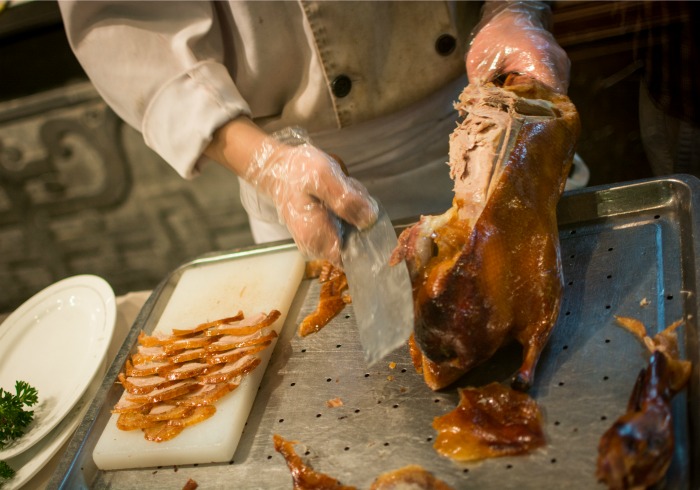
The city’s namesake and most famous dish, Peking Duck, is itself ample reason to include China’s capital into your travel itinerary. This hearty, iconic meal is rightly world famous and you won’t easily forget the succulent crunch of the duck’s crispy skin paired rich hoisin sauce.

But it’s not only Peking duck which puts this city on the culinary map…

Beijing’s proximity to China’s northern provinces mean that the city’s flavors are infused with many exotic influences. Wander down a historical hutong and discover Mongolian Hotpot. Far less spicy than its Sichuanese counterpart, this dish is sure to soothe the soul on a crisp Beijing evening. Goji berries, jujubes, black cardamom pods, ginseng and fresh herbs steam in an aromatic broth at the center of the table and sides of marbled meats and crisp vegetables make for a sensually visual experience along with the wafting smell and – wait for it- mouthwatering flavor.

Xi’an

Best Chinese Food in China: A City by City Guide

Xi’an Meat Burger – Roujiamo
Source: P. Xie

While Xi’an is best known for its ancient terracotta army, the present day inhabitants of the city have plenty to offer the hungry visitor. Navigate the beautiful city walls and venture to the vibrant Muslim quarter, where savory lamb skewers are roasted over red-hot coals and sweet glutinous rice is steamed in bamboo.

After washing down your meal with an ice cold pomegranate juice, enjoy some of the city’s famous sites (if only as an excuse to work up an appetite for the second meal of the day). Traditional Xi’an dishes include flavorsome cold noodles, hot and sour dumpling soup, and steamed beef with wheat powder.

Due to its unconventionally rich melange of flavors, Xi’an’s Muslim Quarter is one of our favorite stops on the Gastronomic Tour of China.

Chengdu

Best Chinese Food in China: A City by City GuideLajiao Chilis

It’s the third stop on Fuchsia’s Gastronomic Tour and if spicy food is something you can handle, then Chengdu will seem like paradise on earth. Just be prepared; the local dishes pack a punch.

Spiced not only with normal chili or ‘lajiao’, Sichuanese food also uses a special, local pepper known as ‘huajiao’ to give the food a tingling, numbing effect. This combination of numbness and spice is called ‘mala’ by the locals, and will ensure that your first meal in Sichuan is burned into your memory as well as your mouth.

Shanghai

Best Chinese Food in China: A City by City Guide

After your spicy trip to Sichuan, you might need to heal your scorched taste buds with a sweet Shanghainese meal. Unlike the burning hot flavors of Chengdu, Shanghainese cuisine is ‘tiande,’ sweet, an ideal antidote to the spiciness of distant Sichuan.

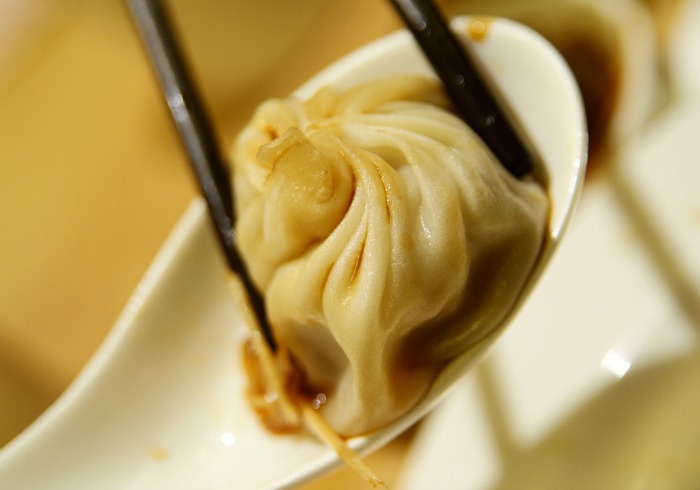
Rich, fatty pieces of pork and freshly caught hairy crab are easy on the tongue, but don’t let your guard down completely.  Dishes like ‘xiaolong bao’ or small dragon bags are aptly named, because these things can be vicious. Filled not only with flavor but also with piping hot soup, these dishes have been known to squirt water at unsuspecting visitors. Pierce the bag first with a chopstick to let the steam out before digging in.

Hangzhou

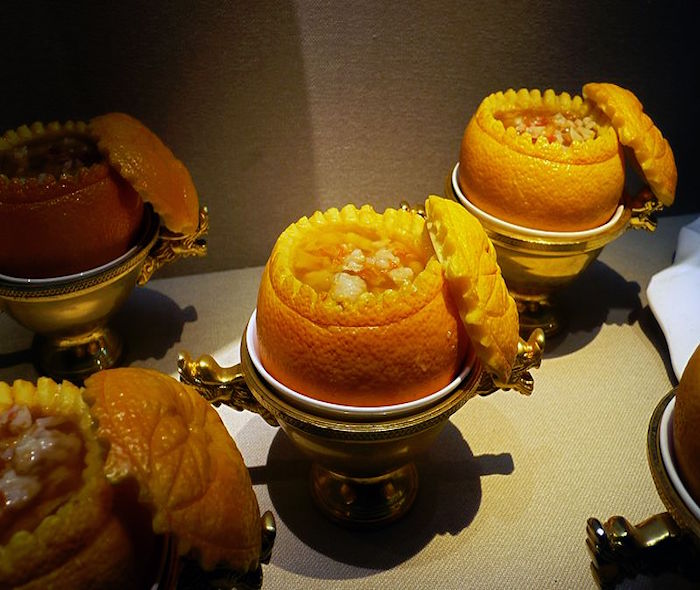
Best Chinese Food in China: A City by City GuideStuffed Orange with Crab Meat 
Source: 三猎

Hangzhou is famous for it’s beautiful West Lake, a still, serene body of water which attracts tourists, world leaders and, most importantly, some of the country’s most inspired chefs. If you enjoy seafood, the sweet and sour ‘West Lake Fish’ and shelled shrimp will mingle perfectly with the tranquil surroundings. You can even try the savory sweet fusion of stuffed orange with crab meat. 

Hangzhou also produced world-renowned tea, a flavor that is infused into many local specialties. A Hangzhou banquet wouldn’t be the same without a plate of tea-infused prawns soaked in the Longjing (dragon’s well) green tea that grows exclusively in the region’s hills.

Enjoy a local West Lake beer with your meal, and enjoy the calmness of this city. After the bustle and energy of Shanghai – one of the biggest cities in the world – you’ve definitely earned the downtime.

Wonder what it’s like to wander down side alleys to the kitchen of a local auntie, roll up your sleeves, and learn to cook and eat like a local? Discover all these cities with the help of Fuchsia Dunlop, on our Gastronomic Tour of China.


Best Guizhou Festivals

Guizhou is home to one of China’s largest ethnic minority populations, and throughout the year these vibrant communities celebrate their traditions with vivid and inspiring festivals. We’ve brought together a calendar of Guizhou festivals so you can get in on the action.

Every year visitors from China and around the world make the journey to Guizhou in order to witness the many traditional festivals of the Miao ethnic group. These festivals are a perfect way to experience and celebrate one of the many faces of Chinese culture and we have pulled together a few of next year’s highlights that you should be marking on your calendar now:

Best Guizhou Festivals

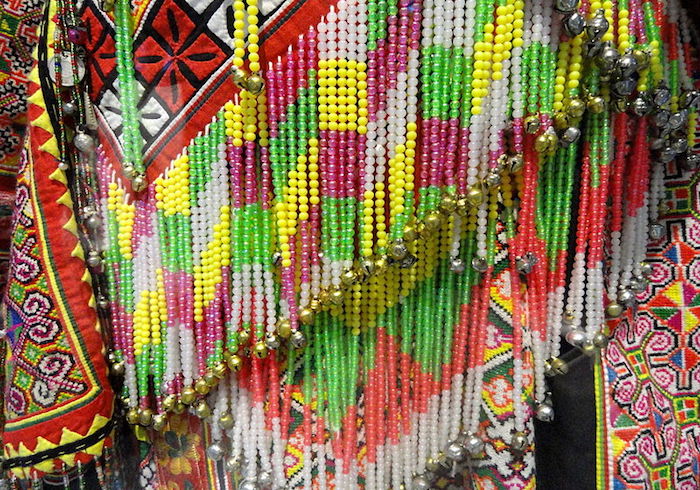
Stunning Beadwork on a Traditional Miao Garment
Source: Daderot

Miao Long Table Banquet
As soon as harvest is completed in September or October – you can contact one of our trip designers for more details.

Despite the rapid transformation of China in recent years, the Miao ethnic minority have stayed true to their traditional dress, lifestyle and, of course, cuisine. The Miao Long Table banquet is a welcome antidote to the well earned hunger of a long day of sightseeing, as you sample dishes like Sour Fish Soup and Oil Tea made with ginger and salt, and indulge in enthusiastic toasts with local rice wine. The Long Table banquet is an important tradition and connection to the past celebrating a local goddess who was once able to feed the whole village. Each dish comes from the unique methods brought down from by Miao people for centuries to honor special occasions. 

Miao New Year
November 5

Best Guizhou Festivals

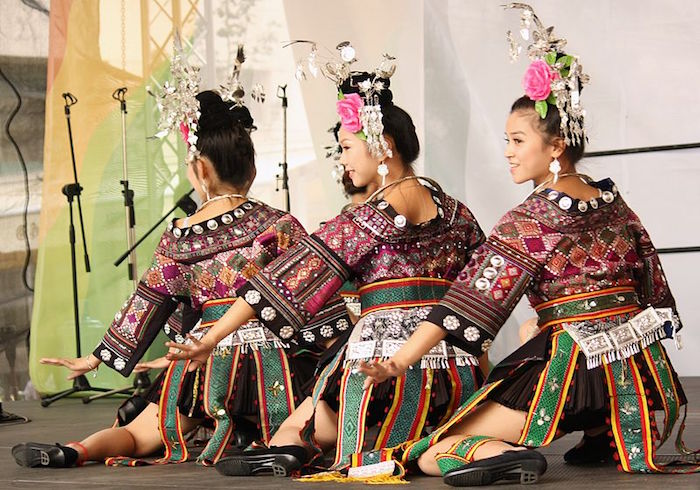
Miao Dancers
Source:
Matěj Baťha

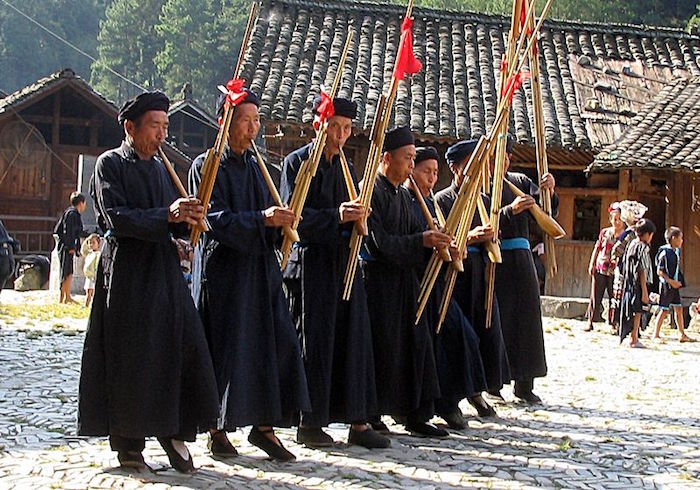
The Miao people have their own way of welcoming in the New Year, and their own calendar for deciding when it is. The Miao New Year typically rolls around in the 9th, 10th or 11th month of the Chinese lunar calendar and to mark the occasion, the Miao people assiduously prepare, gathering provisions, arranging ancestor worship, visiting neighboring villages and playing the Lusheng, a traditional music instrument made from bamboo.

Lusheng Festival
February, Several Dates

Best Guizhou Festivals

Lusheng Playing
Source:
Impressive Pipes

The lusheng is the cornerstone of all Miao New Year celebrations. This bamboo instrument can measure up to three meters long, and makes a sound you’re unlikely to hear from any other source. During the Lusheng Festival, the biggest event of the Miao New Year, girls dress up in their finest traditional attire while boys lug the instruments to Lusheng Stadium to perform a dazzling display of dance and music.

Sister’s Meal Festival
April 11-13

Best Guizhou FestivalsSource: Fanghong
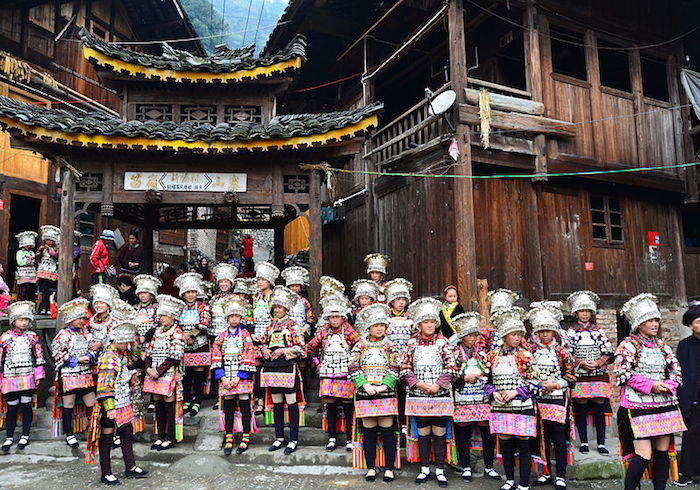
The oldest ‘Valentine’s Day’ in Asia, the Sister’s Meal Festival began its life as a humble courtship ritual where young Miao men and young Miao women could meet and embark on a life together. With their colorful traditional dresses and enthusiastic displays of local dance and music, the Sister’s Meal Festival soon began to draw a larger crowd. You can expect to be among thousands of other visitors who have gathered to watch this ancient ritual play out once more.
Dragon Boat Festival
May 30

Best Guizhou Festivals

Source: Flickr

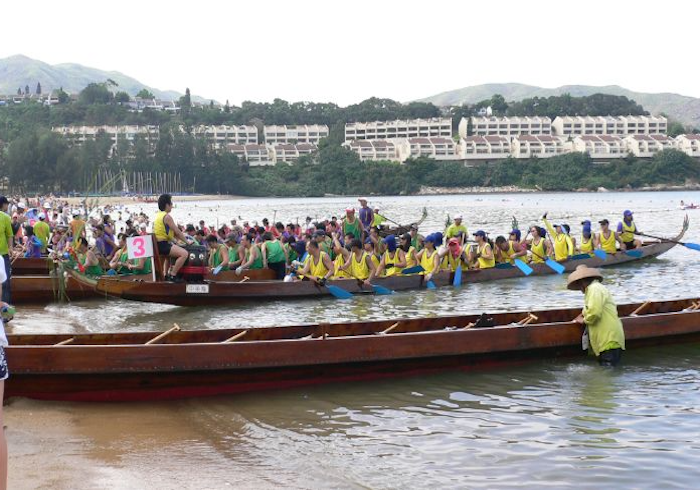
The Dragon Boat Festival occurs on the 5th day of the 5th month in the Chinese lunar calendar, placing it near the summer solstice. Across China citizens mark the occasion by drinking wine and eating triangular rice snacks known as Zongzi. They’re delicious, and if you’re in China at the right time you should definitely try them. In Guizhou, the Dragon Canoe Festival lets you witness the Miao ethnic people take to the waters in traditional boats, and race each other while dressed in purple and gold.
Want to pull up a seat at the Long Table Festival or try your hand at playing Lusheng? Journey with AsiaTravel throughout Guizhou on our Hidden Guizhou Private Tour. If you’d like to travel with a small-group of like-minded adventurers, we also do a yearly small group tour to Guizhou: Hidden Guizhou Small Group Tour.

Top 4 Things to do in Harbin

Harbin’s International Ice Festival draws in tourists from around the world, but this mystical city is worth more than just a day trip. If you stay just a little while longer, you’ll be privy to a whole host of wonderful experiences to complement your frosty voyage to the North.

The capital of China’s northernmost province, Harbin was originally named to mean ‘a place for drying fishing nets’. The city grew from a small rural settlement on the Songhua River and today is heralded as the ‘City of Ice’, home to the world’s largest Ice and Snow festival.

But there is more to Harbin than record-breaking structures made of ice. The city’s parks, winter sports and Russian architecture make it a city where both children and adults can take part in the whimsy and magic of a storybook land.

Harbin International Ice Festival

Top 4 Things to do in Harbin

Ricewind42 via Flickr

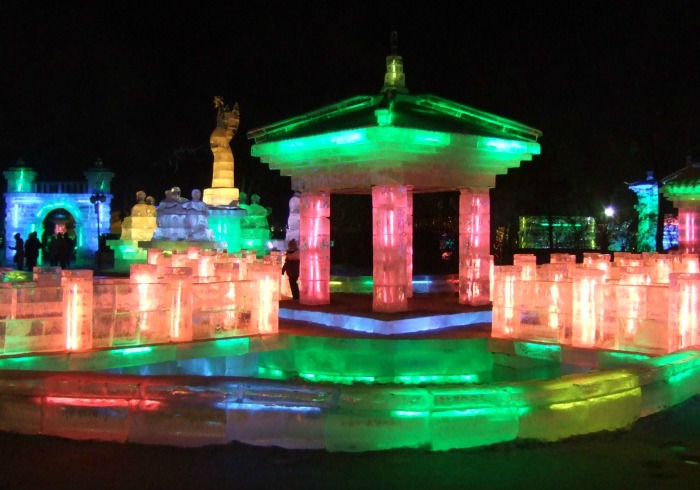
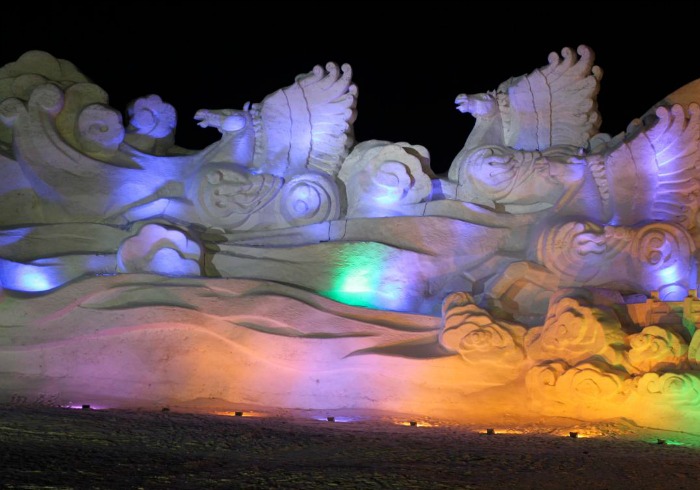
Let’s get the big one out of the way first. From the 5th of January each year until well into February, people from around the world flock to Harbin to witness the famous International Ice Festival. Palaces, sculptures, staircases, lanterns… a whole world of ice that will simply melt away when the weather starts to thaw.

During the festival you’ll be able to see ice sculptures throughout the city, but the two main exhibition areas are the ironically titled Sun Island, and the more appropriately named Ice and Snow World.

Lantern Festival at Zhaolin Park

Top 4 Things to do in Harbin


As the day turns into night, ice lanterns begin to shine brightly at Zhaolin Park. They combine the beauty of light and sound as they sway in the winter air and provide the perfect backdrop for an evening stroll. The brilliantly carved ice and snow artworks dotted throughout the park are the work of master craftsmen and shouldn’t be missed on any tour of Harbin.

Harbin City Architecture

Top 4 Things to do in Harbin

Fredrik Rubensson via flickr

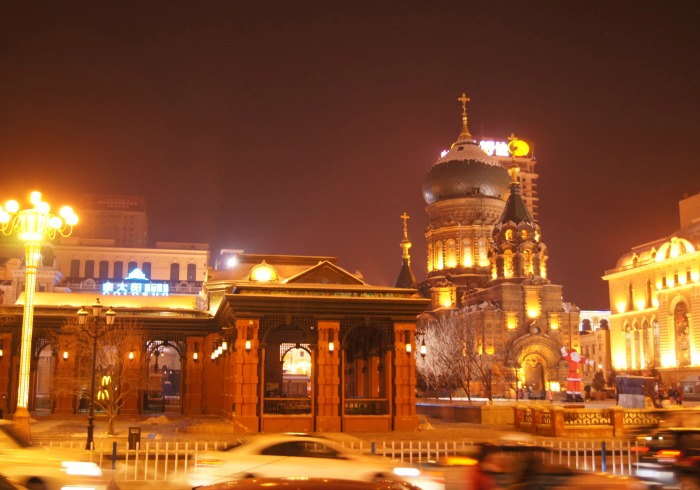
After the Russian Revolution in 1917, many supporters of the tsar fled across the Chinese border and into Harbin. 100 years later and this influence is still very apparent. St. Sophia Cathedral, a stunning Russian orthodox church has come to symbolize the city and the famous Zhongyang Dajie or ‘Central Avenue’ contains several beautiful examples of Baroque and Byzantine architecture.

Harbin’s immaculately restored Jewish Synagogue, a remnant of the time when Harbin was once home to a Jewish population of up to 20,000, is also well worth a visit.

If you’re interested in China’s unexpected Jewish history, customize your own Jewish Tour of China.

Sun Island

Top 4 Things to do in Harbin

Jared Burns via Flickr

Adjacent to the Ice Festival, Sun Island is a great place to take kids to enjoy winter sports such as ice skating. While in summer the landscape is a beautiful waterfall flowing into a pool, during winter the frozen waterfall is sculpted into beautiful shapes and designs. Wander around the grounds and take in the natural beauty.

Grab your winter coat and bundle up for a trip through China’s frosty climes. There’s plenty of things to do in Harbin while you make the most of the icy landscapes. Journey with us on our Harbin: Winter Wonderland tour.

Yangshuo: Top 7 Things to See & Do

The Chinese regard Yangshuo’s postcard-perfect scenery as “the finest under heaven” rivalling that of even the Great Wall or Terracotta Army – it’s even been emblazoned on the 20 RMB note.

 –

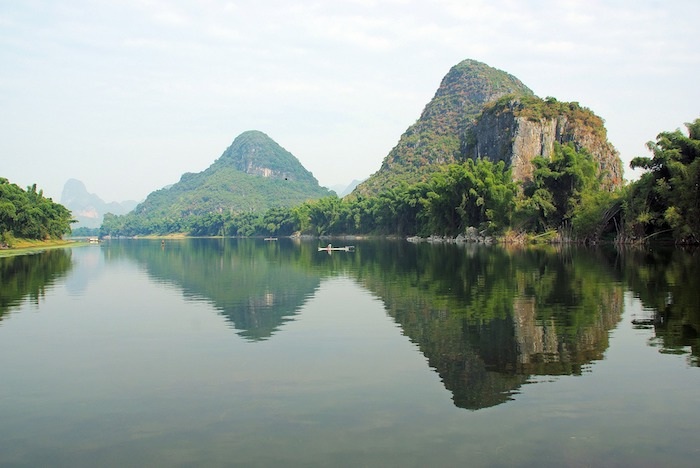
While Yangshuo’s spectacular scenery may be famous, and popular with tourists, the local area remains rich with old world charm. Visiting the region feels like stepping into an ancient Chinese ink painting, a canvas rich with dreamy hues, characterized by towering jade green mountains, sleepy villages and fishermen upon winding rivers. Put simply, this is the wild heart of China.

Here’s 7 things you should see and do in Yangshuo.

Yangshuo: Top 7 Things to See & Do

Biking and Hiking

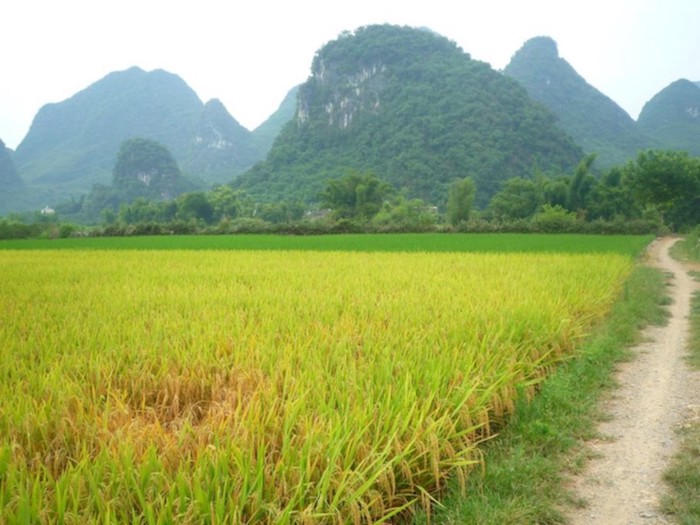
Visitors can easily leave behind the bussed-in tourist crowds and get closer to Yangshuo’s villages on two wheels. Out in the rural areas cars are few and roads are smooth, so biking about guarantees a one-of-a-kind adventure.

Visitors can pedal between the sleepy villages near Liugong, as the Zhuang people, Yangshuo’s prominent ethnic minority, move to the peaceful rhythms of the countryside.

Yangshuo: Top 7 Things to See & Do

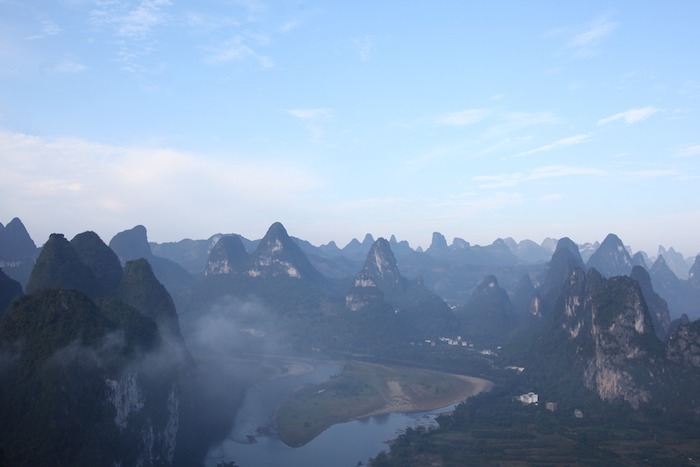
To hike up onto the back of Yangshuo’s karst peaks offers a unique perspective, as most only gaze in awe from below. At first these forested giants appear impossible to climb, but get closer and you’ll see ancient stone steps that lead to jaw dropping panoramas over mist-shrouded peaks and winding rivers.

When you travel with AsiaTravel, you’ll be led through the most off-the-beaten path trails as you bike or hike through the enchanting scenery on our Essence of China tour.

Chinese Cooking Class

Cuisine in this region of China balances the flavors of its two-world famous neighbors – Sichuan’s volcanic cuisine and the fresh tones of Guangdong. A popular local breakfast staple is rice noodles, which provide just enough kick for a long day of sightseeing.

In Daxu, a 2,000 year-old town famous for its ancient crafts, visitors can stop by a local’s home and learn the art of making soymilk with nothing more than a stone wheel.

Yangshuo: Top 7 Things to See & Do

Classic dishes taught in Yangshuo cooking classes feature chicken, pork and a variety of seasonal vegetables. One of our favorites is  jiandan jiao, a simple but mouth-watering dish of steaming dumplings fried in egg.

Aspiring foodies can give their taste buds something to remember in a traditional cooking class taught by local chefs, and using only local ingredients. While you may be taking a break from the outdoors, this zesty cuisine is guaranteed to keep things hot. This one-of-a-kind experience is one of the many cherished moments you can get while traveling with AsiaTravel.  

Li River Cruise

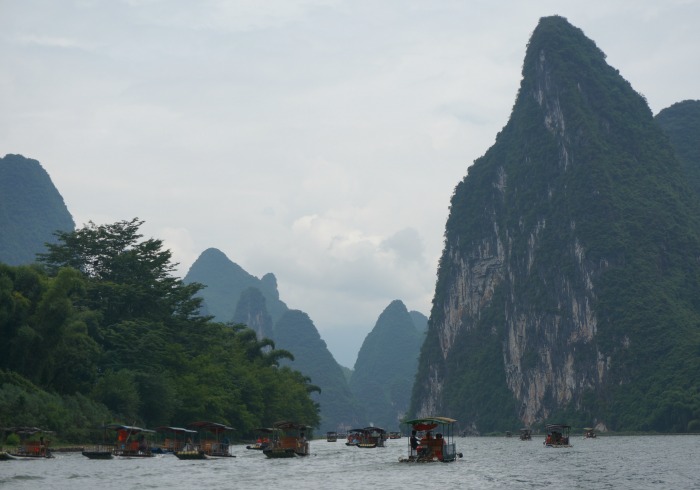
In this lush land of blue and emerald greens, one must-do activity is taking the world-famous cruise down the Li River.

Visitors here are spoiled for choice, as they can enjoy the river from deck of a luxurious cruiser, or take a bamboo raft guided by a local raftsman.

Yangshuo: Top 7 Things to See & Do

While the latter may be slower, it does allow you to slip into the lazy pace of local life. Either way, spellbinding karst mountain scenery awaits visitors on both sides of the river – it’s no surprise that Yangshuo is one of China’s top destinations for newlyweds.

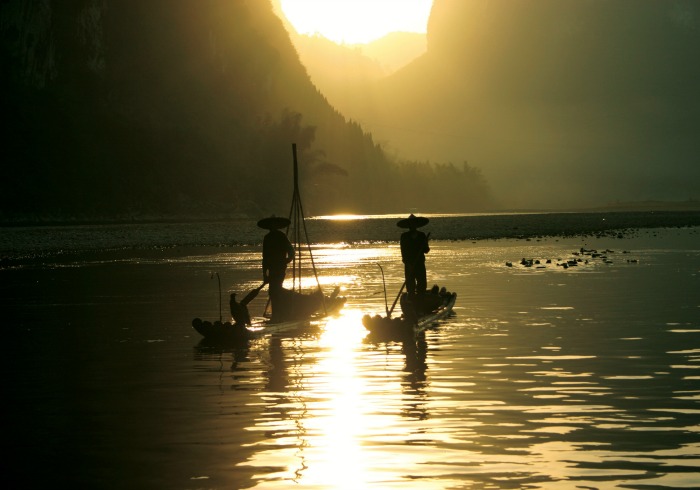
Add a signature AsiaTravel touch and continue your cruise down to the untouched, bucolic countryside around remote Xingping. This is especially beautiful at dusk when locals can be seen fishing with the help of cormorant birds.

Traditional Chinese Medicine House

Another AsiaTravel treat is a visit to a traditional Chinese medicine (TCM) house that is normally only open to the local Yangshuo people. The house’s owner is a licensed TCM doctor who has mastered the treatment of illness using traditional Chinese medicine techniques. 

We’ll arrange a consultation that is normally off limits to visitors. The doctor will feel your pulse, observe your face, check the coats of the tongue and use other TCM strategies for diagnoses. After your consultation, the doctor will suggest Chinese medicines to you from his drawers full of herbs and roots. Your AsiaTravel Guide will be with you every step of the way so you can ask questions to the doctor.

Tai Chi and Kung Fu Classes 

Channeling the natural surroundings into elegant movements, taichi and kungfu are the perfect activities to accompany the landscapes of Yangshuo.

Yangshuo: Top 7 Things to See & Do

On a AsiaTravel journey, you’ll be expertly led through the movements of kungfu or taichi by masters from a local school. These classes take place right next to either the Li or Yuelong Rivers where you can breathe the fresh local air and appreciate the majesty of Yangshuo’s mountains and rivers.

Landscape Painting Classes

With all the inspiring scenery, rediscovering your artistic side is a breeze, thanks to landscape painting classes taught by local professional artists that AsiaTravel will arrange for you. Use traditional Chinese horse or rabbit hair brushes and mo, Chinese ink, to paint the surrounding mountains and rivers onto delicate rice paper.

Yangshuo’s unique geological forms inspired countless poets and artists, embodying an artistic principle of lǜshuǐ qīngshān, meaning “Green hills and blue waters”.

Yangshuo: Top 7 Things to See & Do

Local calligraphy masters help visitors learn all about China’s intricate and mysterious written language with an introductory class to painting Chinese characters. Even if your work isn’t a masterpiece, you’ll leave with a newfound respect for Chinese students all across the country.

Impressions Liusanjie

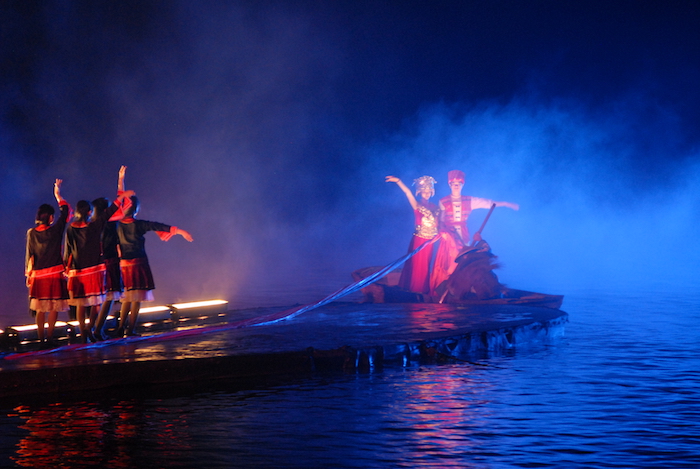
Humans and nature come together each evening with the mesmerizing “Impressions Liusanjie”, a choreographed masterpiece taken from Yangshuo folklore.  

Also known as “Liu’s Third Daughter”, the production features a six-hundred strong cast, and is directed by Zhang Yimou, the mastermind behind the Beijing Olympics opening ceremony.

Yangshuo: Top 7 Things to See & Do

It focuses on the fairytale of a simple peasant girl who used the power of music to defeat tyranny and discover true love. 

Rather than using an enclosed space, the performance takes place on the Li River. The misty karst peaks and the heavens form the world’s largest natural amphitheater, ensuring a unique experience according to the weather and season. Whatever the weather, its theme of man and nature living in harmony provide the perfect way to wrap up a day of marveling at China’s most dreamlike scenery. Don’t worry about booking your own VIP tickets. AsiaTravel will take care of all the details for you.

Get to the heart of China of our Essence of China tour, a unique highlights edit for first-time visitors. From the poetic karst peaks of Yangshuo to the glass and steel towers of cosmopolitan Shanghai, you’ll marvel at the many faces of contemporary China on this multi-sensory adventure.

Guilin Tour: Our Insider Advice on What to See, Do, and Eat

The region around the city of Guilin, in Guangxi Province, is chock full of beautiful scenery, things to do, and rare treats to eat. In fact, the area is becoming increasingly popular with tourists and you might be hard-pressed to find a slice of authentic China.

That’s where we come in. On a Guilin tour with AsiaTravel, you’ll be whisked out of the city and away from the cookie cutter itinerary to take part in special, exclusive, and life-changing experiences.

What wonders await you on a Guilin tour like Guilin: Into the Scroll? Here are some of the highlights:

What to See Around Guilin

Guilin Tour: Our Insider Advice on What to See, Do, and Eat

Dragon’s Backbone Rice Terraces

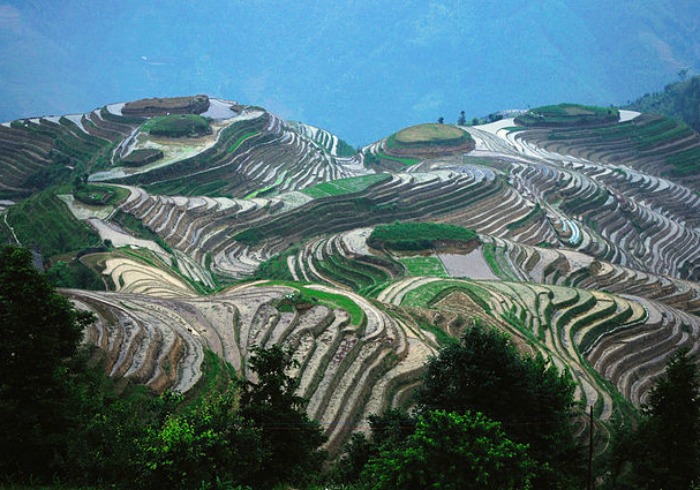
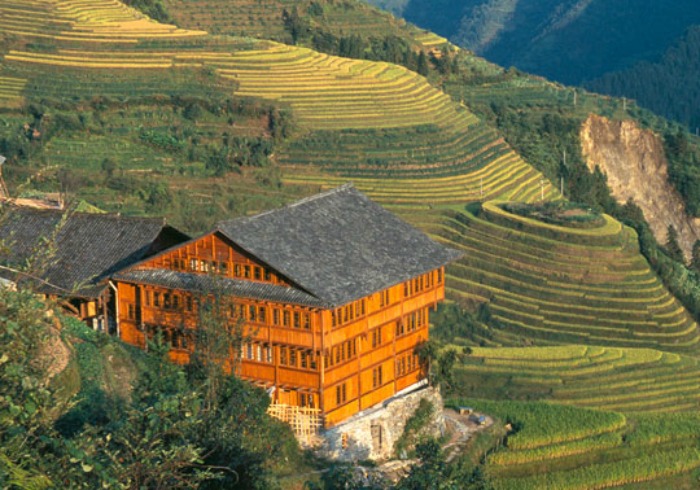
The mesmerizing manmade tiers of the Dragon’s Backbone Rice Terraces undulate across the landscape a short way’s drive from Guilin. These classically Chinese terraces were built over 700 years ago and took about 400 years to complete.

On a AsiaTravel Guilin tour, you can witness the wisdom and ingenuity of the Zhuang minority people who’ve made these terraces home for centuries. We love to guide you at your own pace on a hike along the landscape and while you take in the luscious natural scenery, you’ll also get to know the ethnic minority people you meet along the way. 

.

Guilin Tour: Our Insider Advice on What to See, Do, and Eat

Family Visit in Xiaozhai Village

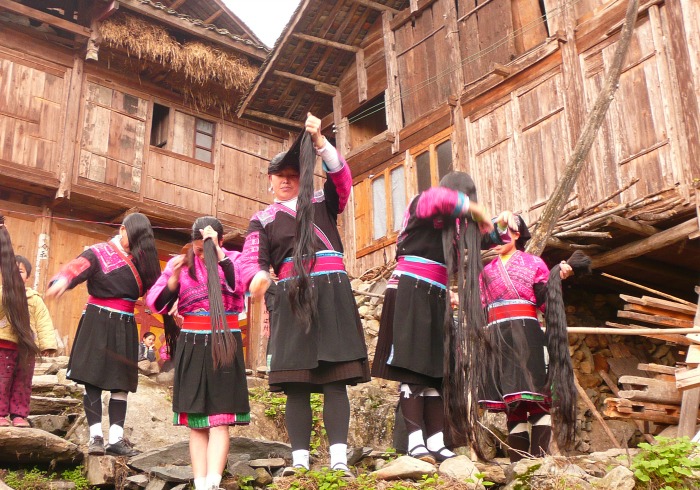
In the remote village of Xiaozhai, the Yao ethnic minority people maintain their traditional ways of life. The Yao are widely known for their brightly colored textiles and their musical traditions. You may watch as artisanal crafts are taught to the local children or witness groups of women singing and dancing together. Music is a key component of Yao religious ceremonies and storytelling, and you’ll witness this festive magic in the making.

With all the fun working up your appetite, AsiaTravel will arrange for you to visit a family’s home for an informal cooking demonstration and a lunch of typical Yao dishes.

The women of the village will also demonstrate their complicated “flower hair” hairstyles. Traditionally, Yao women only cut their hair once as teenagers and once after they marry.

Guilin Tour: Our Insider Advice on What to See, Do, and Eat

Dong Ethnic Minority Village

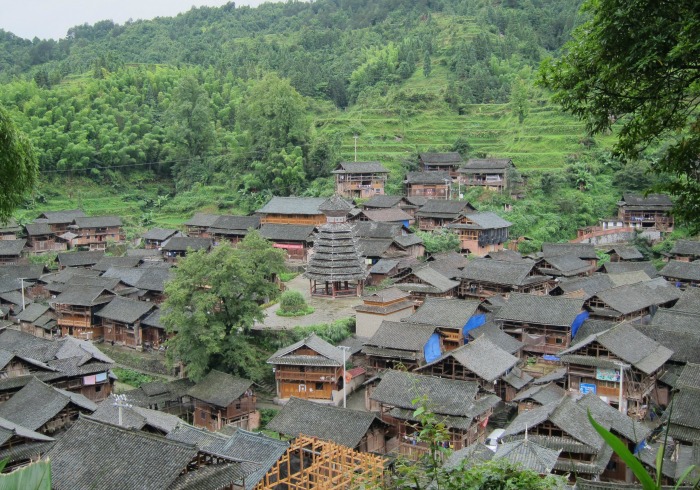
Another rare encounter you can have on a AsiaTravel Guilin tour is with the Dong ethnic minority people. From traditional architecture to intricate jewelry and textiles, the villages of the Dong people are well worth a stop over.

In the center of each village, the Dong have built a drum tower using pillars and supporting beams made out of fir tree logs. Mythical beasts such as dragons and phoenixes have been carved atop the pillars to symbolize good luck for the local people.

Where to Stay Around Guilin

Guilin Tour: Our Insider Advice on What to See, Do, and Eat

Li-An Lodge

Li-An lodge is perfectly situated to make the most out of your Guilin tour and is one of our preferred partners for Guangxi Province. Overlooking the magnificent Dragon’s Backbone Rice Terraces, the lodge sits atop a mountain and borders a local ethnic minority village. Li’an lodge was built entirely of wood without using a single nail. The traditional Chinese technique of tongue and groove building was used to create this effect.

The lodge itself was created by Keren Su, a renowned photographer, painter and adventurous world traveler, who hoped to build a retreat where Chinese traditions meet modern luxury. Su built artistry into every detail of Li’an Lodge and nature returned the favor with the views. Year-round, the lodge witnesses the rice terraces change from verdant green, to snow-covered white, to shining yellow with the seasons.

What to Eat in Guilin

Guilin Tour: Our Insider Advice on What to See, Do, and Eat

Guilin Rice Noodles

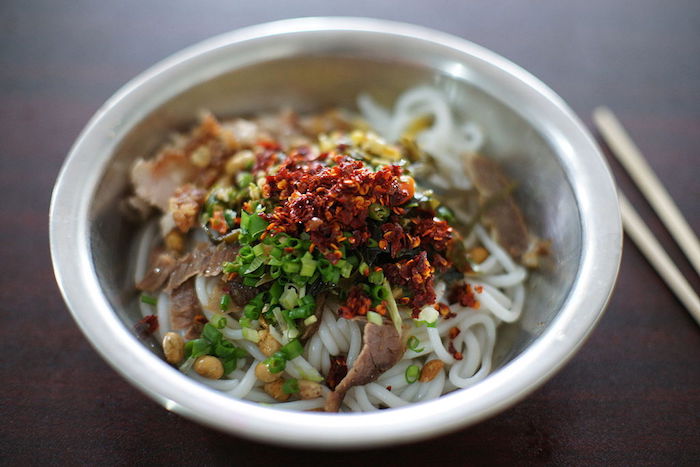
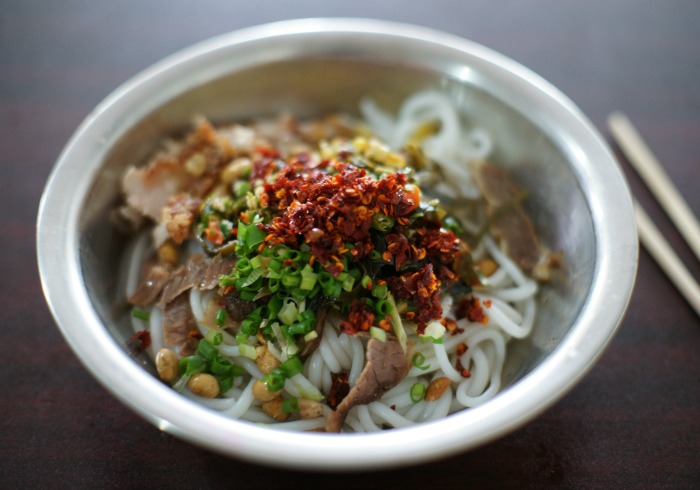
These noodles are beloved by locals and visitors alike. They are mild, fragrant, and inexpensive, coming round like spaghetti, or flat like ribbons. Accompanying the noodles are the delicious gravy, scallions, fried peanuts or soybeans, and finely sliced pieces of meat. Each chef has their own secret recipe, so the gravy will vary from shop to shop. Locals eat these noodles for any meal of the day. Throw a stone, and you’re likely to hit a rice noodle stand! On a AsiaTravel tour we’ll recommend our favorite rice noodle shop and can even arrange for you to hone your cooking skills in a private cooking lesson.

Guilin Tour: Our Insider Advice on What to See, Do, and Eat

Beer Fish

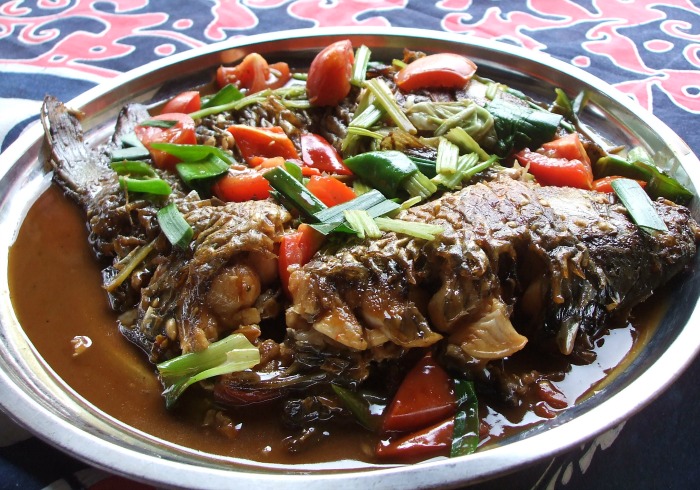
If you like fish, but not the smell, this dish is for you. This fish is locally caught and then fried in tea seed oil and braised in beer. There are three factors that make this dish really special: first, the carp must be between 1-1.5kg, and have been recently caught in a pristine location; second, it must be cooked in water from the Li River; third, the fish must be cut without scraping any of the scales. Be warned: beer fish is spicy but the flavor is well worth the burn. It is also best enjoyed in the home of a local fisherman. AsiaTravel can arrange this intimate meal for you during your stay.

When considering the scenic locations of China, a Guilin tour should be high on your list of options. The experiences we’ve mentioned above is just a sample of what you will discover. Customize our Essence of China tour to enjoy Guilin as part of a longer China journey or, if you are looking for a shorter trip, check out our Guilin: Into the Scroll tour.

6 Things You Didn’t Know about Xinjiang

Travelers to China have probably noticed Xinjiang as the huge northwestern area on the country’s map. Yet despite its size, few know that much about it. The region is wrapped in a fascinating history and is home to a wealth of landscapes and diverse peoples.


Officially known as the Xinjiang Uyghur Autonomous Region, Xinjiang boasts some of the country’s most stunning mountains and deserts. It’s one of the few places where you can glimpse what Marco Polo would have seen on his epic Silk Road travels and the region remains very ethnically diverse. Muslim, Turkic-speaking Uyghurs make up almost half the population.

We’ve rounded up some other things you might not know about Xinjiang.

6 Things You Didn’t Know about Xinjiang

There is a 2-hour Time Difference

While Urumqi, the provincial capital of Xinjiang may be 2,400 kilometers and two time zones west of Beijing, people (officially) live by Beijing time. This causes some problems when you want to be up during the day and asleep at night. To combat this issue, people in Xinjiang start work at 11am and eat lunch at 2pm, then return home at 7pm. Everything is done 2 hours later.

Han Chinese work on Beijing time, yet many Uyghurs across the region work on Xinjiang time.

6 Things You Didn’t Know about Xinjiang

Xinjiang TV stations adopt different time zones, using Beijing time for their Mandarin-speaking channels, and Xinjiang time for their Uyghur-language broadcasts.

If you travel with AsiaTravel, we’ll make sure you’re on time to every appointment, whether it be dancing with a Uyghur family in a traditional home or eating a delicious Muslim feast you learned to cook with a local chef. We suggest that travelers to Xinjiang stick to Beijing time, as all transportation across the region use this.

Mao Zedong Designed the Jiang Character in Xinjiang (新疆)

It represents the landscape. The lines are mountains and the boxes are farmland. Xinjiang is home to a wealth of landscapes, from evergreen forests and central Asian steppe to snowcapped peaks and scorching deserts.

Mao was right to recognize the region’s awesome geographic features. These include K2, the world’s second-highest peak, as well as the Turpan Depression, which is one of the lowest and driest places on earth.

6 Things You Didn’t Know about Xinjiang

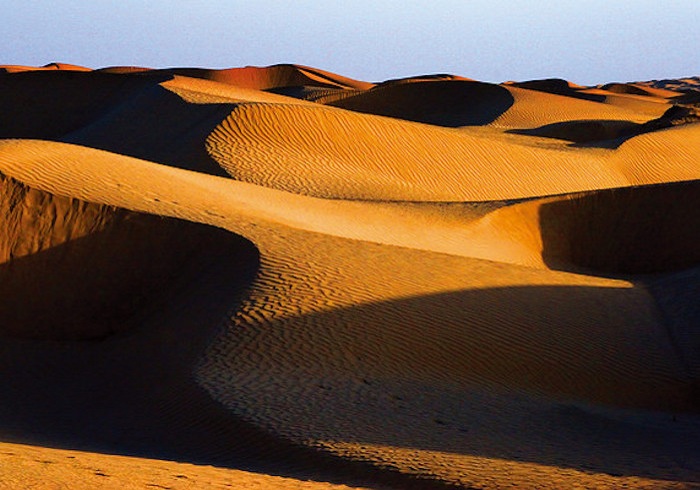
Despite the inhospitably arid climate around the Taklamakan Desert, rich vineyards and fruit orchards flourish at Turpan, home to China’s most famous melon and grape harvests. On a AsiaTravel journey you’ll get to join in on the action, helping to pick grapes and enjoying the fruits of your labor as you go.

Kuqa was Home to China’s Last Royal Family

Kuqa is a thriving Silk Road oasis on the northern edge of the Taklamakan desert, and it was also home to China’s last feudal king.

Dawud Mahsut became king at the age of 14, during the region’s anarchic 1940s. After the founding of the People’s Republic in 1949, he was dethroned and eventually became a senior party official in the local area, having been converted to the communist cause.

6 Things You Didn’t Know about Xinjiang

Today, visitors to Kuqa can learn all about the fascinating king and his ancestors in his former home, the Qiuci Palace.

The Lakes are Full of Legends

Northern Xinjiang is an unspoiled mosaic of placid lakes, Siberian forests and rolling grasslands. Kanas Lake is the area’s stunning centerpiece, and is said to be home to China’s own Loch Ness Monster.

This lake monster is said to drag livestock into its watery lair, and its appearance every few years helps to keep conspiracy theorists excited, and visitors equally fascinated.

6 Things You Didn’t Know about Xinjiang

The lake also has a 2-kilometer-long natural dam made of dead trees. It’s uncertain why the trees didn’t float away after dying, yet locals offer a convenient solution: the trees don’t want to leave their beautiful lake.

The Food is Fantastic

Xinjiang’s cuisine is one of its most pleasant surprises. Lamb kebabs can be found on most street corners, and make a delicious snack when exploring the region’s bustling bazaars and night markets.

Hearty dishes like “big plate chicken”, a mountain of chicken chunks with potatoes, vegetables, are combined with baked bread that softens and melts in your mouth.

6 Things You Didn’t Know about Xinjiang

Echoing its Silk Road history, locals have put their own spin on China’s pulled noodles, as well as pilau rice, a popular central Asian dish. Xinjiang’s hearty and easily spoonable dishes are a delicious world away from other Chinese fare.

On a AsiaTravel journey, you’ll learn how to cook in the house of a real, local family.

It’s Been Featured in Famous Movies

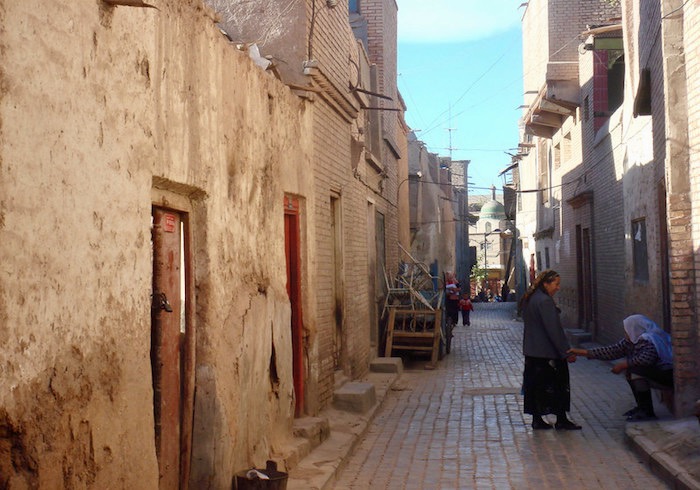
Kashgar’s Old City is one of central Asia’s best examples of traditional Islamic architecture, and because of this “The Kite Runner” was filmed here. Kashgar was used to depict 1970s Kabul, since Afghanistan itself was too unsafe. Filmmakers remarked when it came to shooting the movie, all that needed changing were the street signs.

6 Things You Didn’t Know about Xinjiang

Northern Xinjiang’s “ghost city” near Karamay was also used in the filming of martial arts blockbuster “Crouching Tiger, Hidden Dragon” – the name comes from the sound of the wind whistling through the park’s rock formations.


On our Marco Polo’s Silk Road tour you’ll relive one of history’s greatest journeys across Xinjiang. Through vast deserts and the ruins of lost cities, you’ll glimpse vanishing Kashgar, enjoy Uygur hospitality in Turpan, marvel at mummies in Urumqi, and find enlightenment in Dunhuang’s Mogao Caves. Let’s get started planning your Xinjiang adventure today.

Top 5 Reasons Why You Should Visit Lhasa

In the center of the breathtaking Tibetan Plateau sits Lhasa; a city blessed with all the mystery, spirituality and majesty of an ancient tale. Whether you traverse its resplendent landscape, reflect on ancient philosophies or spend your time seeking out a new favorite dish, Lhasa will provide you with a remarkable experience.

This post gives a sample of the rich offerings of Lhasa and is a great starting point to plan your own Tibetan Journey with our expert travel designers.

Lhasa Opens your Mind

Top 5 Reasons Why You Should Visit Lhasa

Photo Taken by Director of Sales Jenny Zhao on her Recent Survey Trip of Tibet

Spirituality, religion and philosophy are interwoven into the very fabric of the city; both literally, in the prayer flags draped across temples and figuratively, in their deep roots in the local culture.

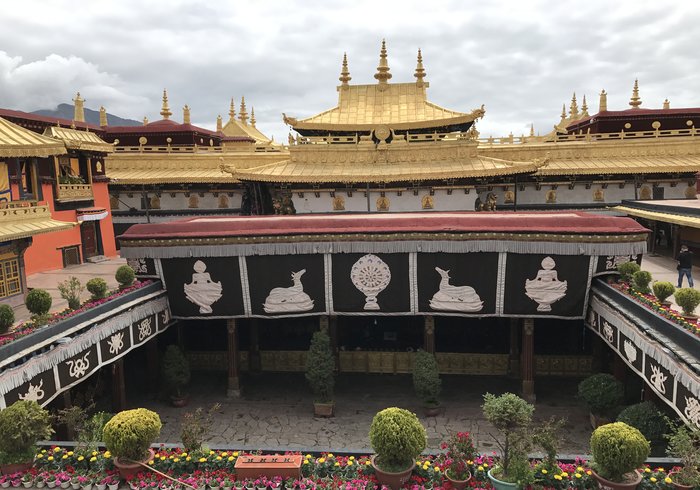
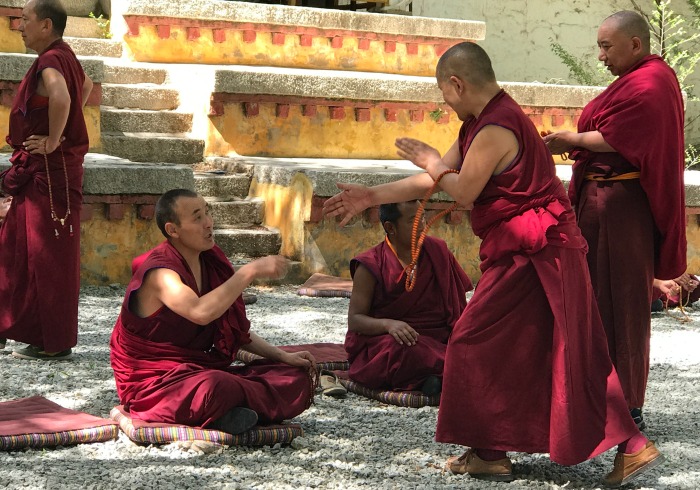
Find your spiritual path in Lhasa by joining pilgrims, present and past, on the Barkhor Street Pilgrimage route; stopping to engage in debate with nuns and philosophize with Buddhist monks. Arrive at the golden Jokhang Temple, revered as the most sacred place in Tibet, or find yourself at the infamous Potala Palace.

Taste Tibet in Lhasa

Top 5 Reasons Why You Should Visit Lhasa

Photo taken by Mar Pages of Once in A Lifetime Journey on her recent trip with AsiaTravel to Tibet

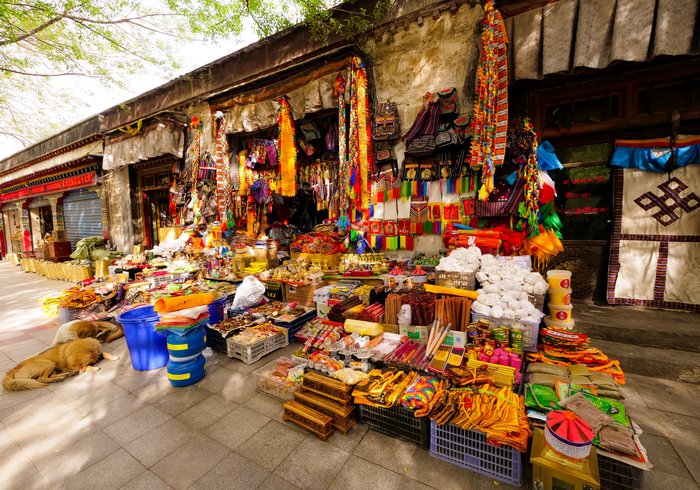
Experience a sensory feast at one of Lhasa’s night markets. The largest, Tianhai Night Market will introduce you to some of the more adventurous local delicacies. Expect to find yak’s blood, the local staple food ‘Tsampa’ and filled ‘Momo.’

Barkhor Street also transforms from pilgrimage route to night market and is buzzing with activity until the early hours. This is the ideal spot to pick up trinkets and handicrafts to take home.

Both markets will offer you the chance to observe and engage with the Lhasa way of life. While you wander about, your AsiaTravel guide can help you communicate and barter with the locals.

Journey Back in Time in Lhasa

Top 5 Reasons Why You Should Visit Lhasa

Photo Taken by Director of Sales Jenny Zhao on her Recent Survey Trip of Tibet

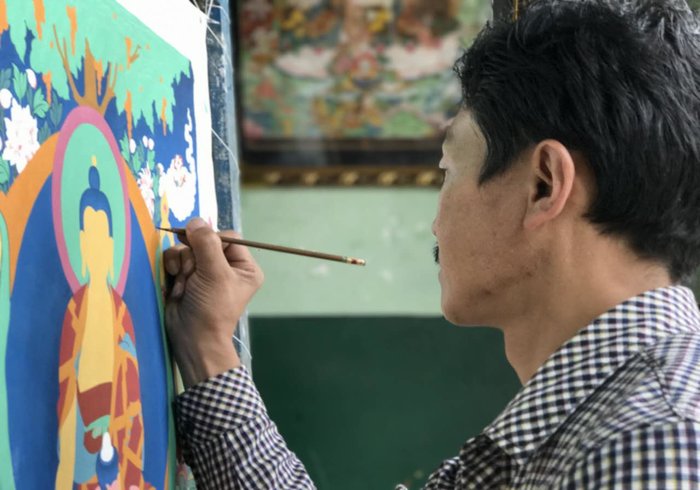
Lhasa is an ancient city so it’s fitting that it’s home to an abundance of Neolithic artifacts. On a AsiaTravel journey, you’ll visit the Tibet Museum just next to the Potala Palace and delve into the art, architecture, cultural and political history of the region.

You’ll learn about the ethnography of Tibet in the cultural exhibitions and try your hand at creating a traditional thangka painting.

Celebrate Lhasa’s Culture

Top 5 Reasons Why You Should Visit Lhasa

Photo Taken by Director of Sales Jenny Zhao on her Recent Survey Trip of Tibet

As you weave your way through the night markets, you’ll be drawn in all directions by beautiful traditional clothing and the sounds of ethereal music coming from shops and stalls; don’t let your acquaintance with Tibetan music end here.

Add some more excitement to your journey with a visit to the Langma Opera Halls and take in a show of music, singing, poetry and dance once reserved for only the elite.

Or, if you’re more interested in learning about Tibet’s rural way of life, your AsiaTravel guide can arrange a visit to a local village home. Here you’ll be served sweets, snacks, butter tea, and barley wine. Your guide will introduce you to the Tibetan daily routine and teach you why Tibetan houses are roofed with yak dung.

Embark on an Adventure around Lhasa

Top 5 Reasons Why You Should Visit Lhasa

Photo taken by Mar Pages of Once in A Lifetime Journey on her recent trip with AsiaTravel to Tibet

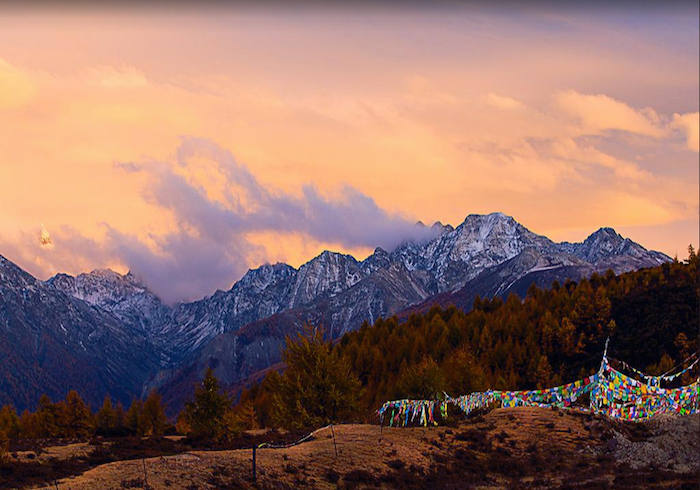
It’s virtually impossible to contemplate Tibet without mental images of majestic mountains and glaciers decorated with colorful prayer flags dancing in the wind. Lhasa is the perfect entry point to the Himalayas with some of it’s most popular as well as challenging trails choosing this elevated city as their base camp.

No matter your hiking experience, there’s a trail that will suit you, and if you prefer a slower pace there are many stationary vantage points for picturesque views.

If this snapshot of Lhasa inspires the adventurer in you, take a deeper look and journey further into Tibet on our Soul of Tibet or our Escape to Lhasa journeys.

4 Best Hotels in Shangri-La

Inspired by the mythical land in James Hilton’s Lost Horizon, the city of Zhongdian officially renamed itself Shangri-La in 2001. And we agree that it’s a great name for this stunning region. Resting on the edge of the Tibetan Plateau, Shangri-La is famed for it’s unprecedented beauty and majesty.

Here at AsiaTravel we make sure your days are filled with authentic, luxury experiences and we don’t want your pleasure to end at your accommodation’s doorway. That’s why we work with the top hotels and resorts across the Middle Kingdom to ensure you’re bathed in the utmost splendor at every turn. 

We also understand that everyone has their own taste and style when it comes to lodgings and that’s why, in each destination we visit, we have a range of options for you to choose from. Let us introduce you to four of our preferred partners in Shangri-La.

Best Hotels in Shangri-La: Homely and Traditional

Songtsam Shangri-La Lodge

4 Best Hotels in Shangri-La

READ THE EXPERIENCE: My Perfect Day in Shangri-La

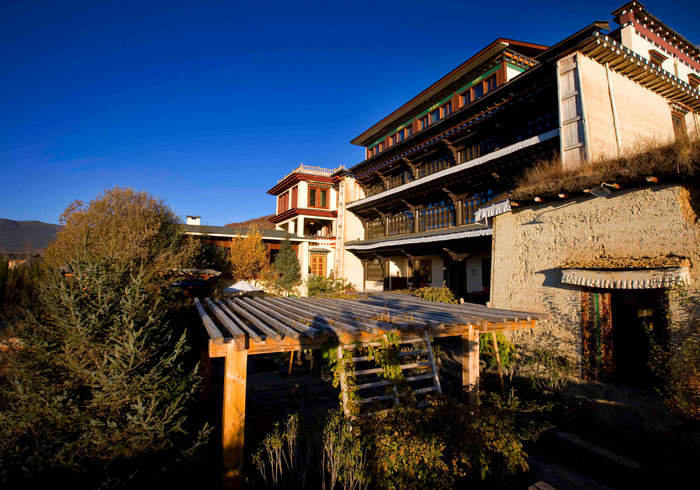
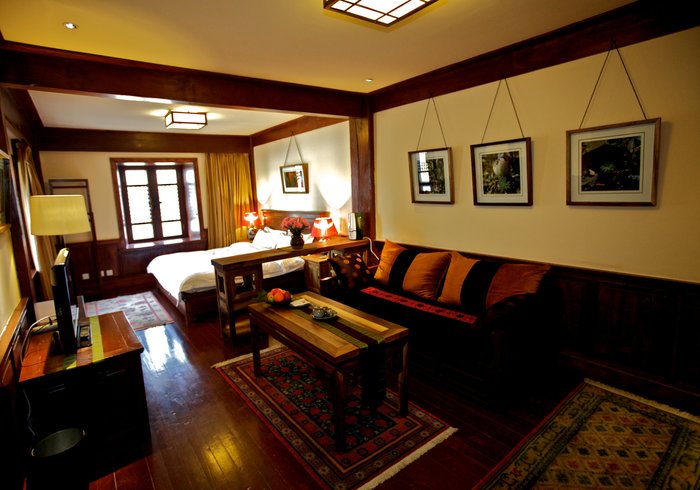
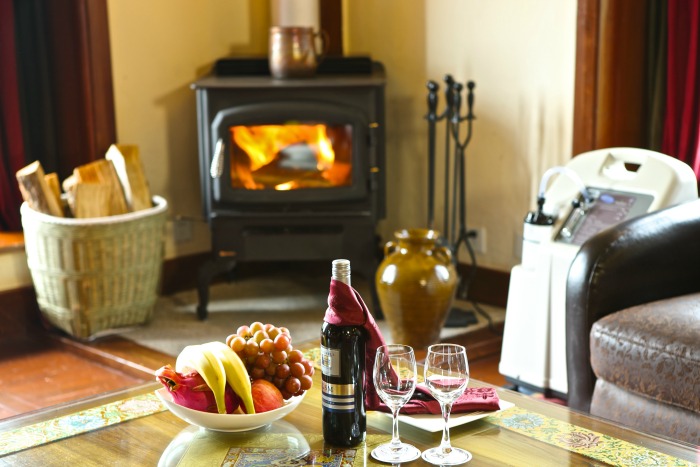
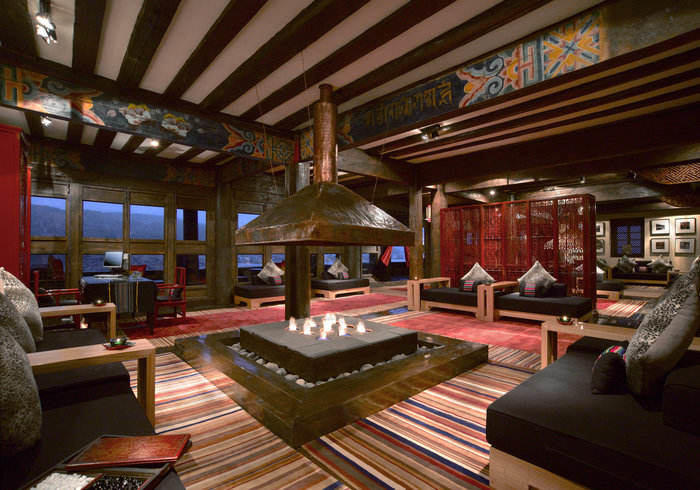
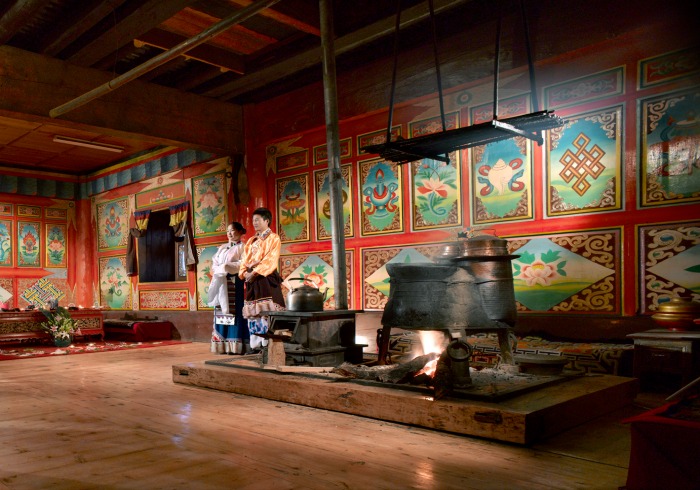
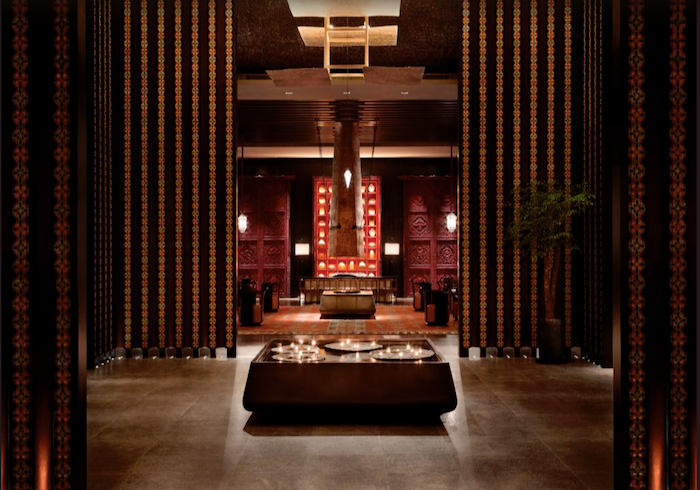
Neighboring the Songzanlin Monastery, the Songtsam Hotel brings you close to the Tibetan way of life. The décor is understated and traditional; helping you to connect with the surrounding village that the founder of the Songtsam Lodges grew up in. It’s evident that this property is close to the heart of the Songtsam brand through the small touches in every room and every stay.

4 Best Hotels in Shangri-La

This unpretentious yet deluxe accommodation won the Trip Advisor Travelers Choice award for 2017 and is set to stay at the top of our list for years to come. If you’d like to plan an itinerary similar to our Fabled Shangri-La journey, booking your tour and accommodation through AsiaTravel will make for a worry-free experience.

What not to miss:

Ride on horseback around the nearby mountains and valleys. The sense of freedom you’ll feel on the back of your mighty steed is ineffable.

Best Hotels in Shangri-La: Authentic Luxury

Songtsam Retreat

4 Best Hotels in Shangri-La

The sister lodging of the Songtsam Shangri-La, The Songtsam Retreat offers the perfect balance of authenticity and luxury. This boutique retreat is nestled in a local Tibetan village and is just a short journey from Diqing Airport. The hand-built hillside lodge is lovingly and thoughtfully merged with its surroundings.

4 Best Hotels in Shangri-La

RELATED READING: The Songtsam Lodges – Retreat into Fabled Shangri-La Valleys

With 75 rooms and a world-class spa, the 21 acres of this resort are enough to house a luxurious portion of this paradise on earth. Enjoy your pick of the Songtsam Lodges, on our AsiaTravel Songtsam Circuit. We work with not just one, but five of the reatreats to provide a unique sensory journey through the Shangri-La valleys.

What not to miss:

Get a Tibetan butter massage in the hotel spa. The health benefits of Tibetan butter are well known in the area and a Tibetan butter massage is said to help your blood circulation.

Best Hotels in Shangri-La: Hideaway Resort & Spa

Banyan Tree Ringha

4 Best Hotels in Shangri-La

This secluded spa and hideaway resort is a celebration of local customs. This resort is the perfect getaway for couples seeking an intimate and romantic haven in paradise.

4 Best Hotels in Shangri-La

Spa treatments are interwoven with local beliefs and hand carved river stones, from the nearby Kopan Monastery, are used in treatments. The Banyan Tree perfectly embodies the AsiaTravel philosophy: authentic flourishes embedded in modern luxury. This is why they’re one of our preferred partners in Shangri-La and we receive special rates when you book through us. Let the experts take this one.

What not to miss:

The “Wisdom Room” is a fully stocked library in the hotel. You’ll get to flick through Tibetan scriptures and try buttermilk tea and mountain walnuts served with organic honey.

Best Hotels in Shangri-La: Modern Magic

Hylandia by Shangri-La

4 Best Hotels in Shangri-La

A new addition to the Shangri-La brand, fittingly opened in the place of its inspiration. In the Hylandia, you will be welcomed to your room with a copy of James Hilton’s Lost Horizon. You’ll also be greeted with vistas of the magical and majestic landscapes described in the book.

4 Best Hotels in Shangri-La

RELATED READING: Venturing Off the Beaten Path in Tibet

Located in the new town but just a short walk from the Old Town, this hotel crafts a union between traditional and modern Tibetan lifestyles. Like the Hylandia, we believe in integrating local customs and modern experiences into a life-changing experiences. Let us do the heavy-lifting and find the hotels that best suit you.

What not to miss:

A Mushroom hunting trek where a local guide teaches you the difference between edible and inedible mushrooms. Afterwards the resort cooks your findings in a hotpot. 

Learn the history of Shangri-La from BBC.

When you book a trip to Shangri-La with AsiaTravel, we make sure you’ll rest easy no matter where you stay. We take all the hassle out of booking your hotel and you’ll take advantage of our preferred partner rates. Get started planning your trip to Shangri-La by talking with one of our expert travel designers.


Islamic Architecture in China: 4 Stunning Cities

In 652 AD, Muslim traders and diplomats brought the religion of Islam to China. Today, China boasts a Muslim population of over 23 million and there are 35,000 mosques scattered throughout the vast country. Islamic influence can be found everywhere, from the bustling cities of Beijing and Shanghai to the wild western regions of Xinjiang.

Islamic architecture in China is as rich and varied as the country itself. In China’s desert region of Xinjiang, mosques are built in the more traditional Middle Eastern style, with towering domes and minarets. In China’s more populated east, however, mosques eschew domes in favor of a more traditional style of Chinese architecture. Symmetrically designed, eastern mosques more closely resemble buddhist Pagodas, in the hopes of blending in and winning acceptance from the native population.

From the Great Mosque in Xian through Urumqi and into remotest Xinjiang, this article will briefly introduce you to the style and varieties of Islamic architecture that await your discovery in China. On a AsiaTravel journey, you can customize your tour to swing by these fascinating relics of cultural fusion.

Xi’an – the Oldest Mosque

Islamic Architecture in China: 4 Stunning Cities

RELATED READING: 5 Best Dishes in Xi’an

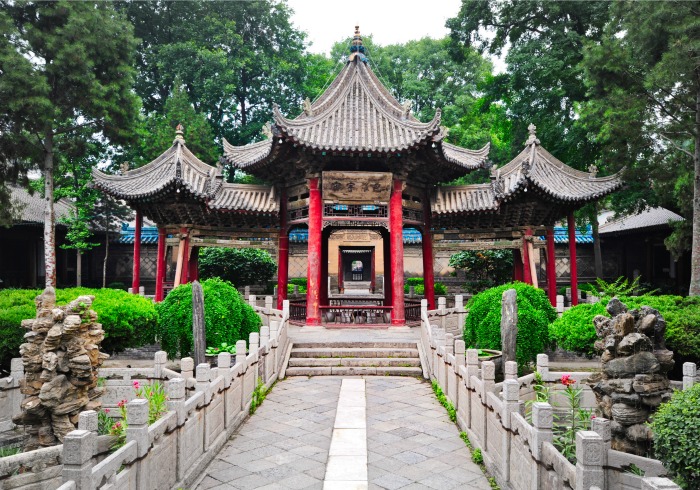
Built during the Tang Dynasty in 742 AD, Xi’an’s Great Mosque is the oldest in China. Constructed in the Chinese style to blend in with existing places of worship, the Great Mosque is almost devoid of the traditional features of a Middle Eastern place of worship. It has no dome, nor traditional minarets, and, aside from some Arabic decorations, little to distinguish its faith of origin.

Today the Great Mosque remains a place of worship for Xi’an’s Chinese speaking Hui minority. Five times a day the Imam calls the local Muslim population to prayer and they travel from the far reaches of the city to gather on the mosque’s carpeted floors. Men and women are separated in accordance with Muslim tradition. 

On a WildChia tour to Xi’an, we’ll organize an exclusive audience with the Great Mosque’s Imam. You’ll be free to openly discuss and ask questions about this unique point in Xi’an’s cultural heritage. The Muslim Quarter in Xi’an will also be a highlight where you’ll discover fragrant food stalls and a lively minority culture that celebrates its Islamic heritage.

Already feeling tantalized by the idea of Muslim food? Check out our blog post about the Five Best Dishes in Xi’an. Learn more about our Xi’an tours and get started speaking with a travel designer today.

Urumqi – Where East and West Collide

Islamic Architecture in China: 4 Stunning Cities

Photo credit: Alexandra Boulton

Visit Xinjiang in Northwest China, and you’ll discover China’s largest Islamic population. The provincial capital, Urumqi, is the biggest city in the region and also the most Chinese in style. Many of the city’s mosques are built of wood and maintain the square, symmetrical structure of a pagoda. Others, like the Uighur Beytullah Mosque, are adorned with minarets and domes, not unlike those you would find further west in Saudi Arabia.

Your local AsiaTravel guide will show you around the city’s mosques, giving you insider information about their history and current uses. Today Urumqi is an important land and air travel hub. Before striking out along the Silk Road to Turpan or Kashgar, be sure to visit the legendary Tarim mummies in Urumqi Museum, perhaps jaunt out to the picturesque Heavenly Lake, and get your mutton fix at one of many Central Asian-style kebab vendors. Curious about the capital of Xinjiang? Learn more about the region in our blog post: 6 Things You Didn’t Know about Xinjiang. 

Turpan – The Tallest Minaret in China

Islamic Architecture in China: 4 Stunning Cities

Photo credit: Alexandra Boulton

RELATED READING: Turpan: 5 Things to Do in China’s Death Valley

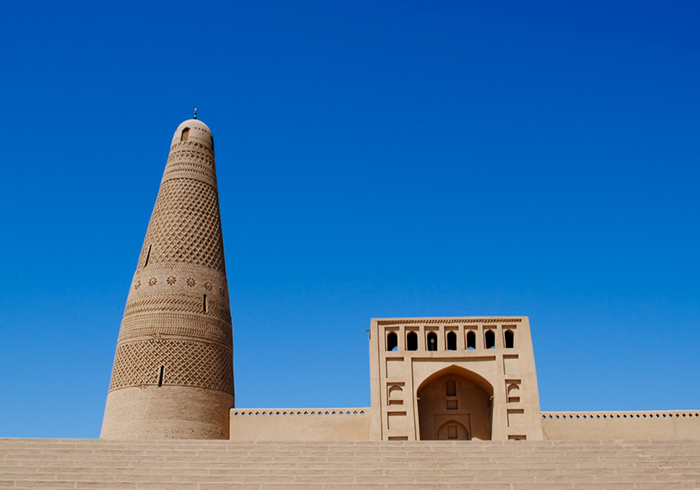
Beside the Uighur mosque in Turpan, a township to the east of Urumqi, towers the Emin Minaret or Imin Ta. Standing at a dizzying 44 meters (144 feet) in height it is the tallest minaret in China. It was constructed in 1777, and although the emperor at the time didn’t live to see it completed, the Emin Minaret stands as a monument to cooperation between Han Chinese and the native Uyghur ethnic group.

The Emin Minaret is an eye-catching blend of Chinese and Islamic architecture. On a AsiaTravel tour of Turpan, we’ll arrange for you to travel by bicycle and get a real feel for the architecture, culture, and people. Get to know more about Turpan in our blog post.

Kashgar – The Largest Mosque in China

Islamic Architecture in China: 4 Stunning Cities

Photo credit: Alexandra Boulton

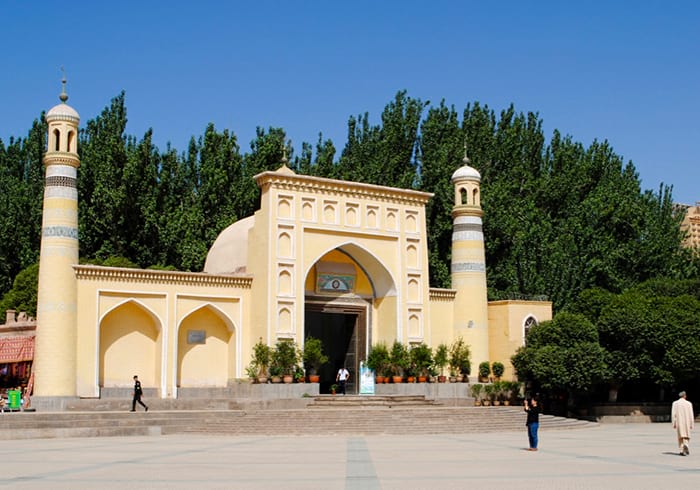
In the ancient city of Kashgar, you’ll find China’s biggest and busiest mosque. The Id Kah Mosque has room for as many as 20,000 worshippers. It was built in 1442 and has a long and storied history. During the Chinese civil war in the 1930s, for example, it was the site of two beheadings as various groups vied for power.

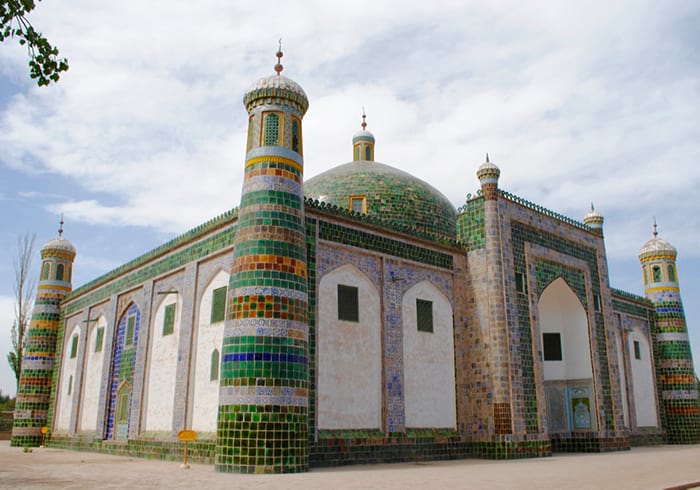
5 kilometers to the North East of Kashgar, you’ll find the Afāq Khoja Mausoleum, the holiest muslim site in Xinjiang. Built in 1640, the centerpiece of the mausoleum is a giant 17 meter doom bordered by four elaborately decorated minarets.

Islamic Architecture in China: 4 Stunning Cities

Photo credit: Alexandra Boulton

RELATED READING: 6 Things You Didn’t Know about Xinjiang

Around Kashgar’s vibrant streets, your AsiaTravel guide can lead you down alleyways and into private homes where you’ll be able to speak to locals directly. While there, witness the art of hand-pulled noodles and try making some for yourself. You’ll be surprised at the rich experiences that await just around the corner of these backroads. Get to know more about Kashgar in our Silk Road Tours: Our Insider’s Guide to the Top Destinations blog post. 

Learn more about Islamic architecture here: Mosques and Islamic Identities in China

Many of China’s Islamic sites lie along the famous Silk Road, the ancient trading route that connected China to Europe. Explore this region and follow in the footsteps of Marco Polo, as you discover some of the most storied and exotic sites in the country. Learn more about our Marco Polo’s Silk Road journey.