Along China’s Silk Road


When you first heard of the Silk Road, you might have had romantic ideas of a smooth road made out of silk. In reality, the Silk Road is not even a road at all but an ancient network of trading routes that linked China all the way to the Mediterranean Sea. Also, the road is not paved in silk and was far from a smooth journey in historic times. Judy Bonavia describes it well below:
“The early trade in silk was carried on against incredible odds by great caravans of merchants and animals traveling over some of the most inhospitable territory on Earth, including searing, waterless deserts and snowbound mountain passes. Beginning at the magnificent ancient Chinese city of Chang’an (Xi’an), the route took traders westward along the Hexi Corridor to the giant barrier of the Great Wall, then either orth or south of the Taklamakan Desert to Kashgar before continuing on to India and Iran, or farther to the great cities of Constantinople, Damascus and Baghdad. For today’s traveler, it is not only the weight of history that makes the Silk Road intriguing, but the incredible diversity of scenery and ethnic people along the way.” The Silk Road: Xi’an to Kashgar

The Silk Road earned its title because silk made up a large proportion of trade along this route. Originating in China, silk-making was China’s well-guarded secret for almost 2,000 years. Silk was so valuable to people that prices were calculated in lengths of silk, just like they had been calculated in pounds of gold. It even became a currency used in trade with foreign countries.

Silk was not the only good traded on the Silk Road-people traded bronze, bamboo products, teas, medicine, and porcelain. There were many available routes to travel; ome were shorter and more dangerous, while others were longer and safer. Most of the things traded along the Silk Road were luxury items because the profit, to some, was worth the risk.
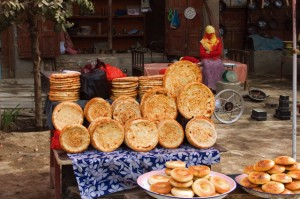
Along China’s Silk Road

People exchanged religion, culture, philosophy, and art along the Silk Road. The route connected merchants, monks, and nomads from around the world and was an ancient highway for globalization. Innovative ideas that were traded along the route, like grape winemaking and paper money, are still in use today. By allowing people to make their first contact with distant civilizations, the Silk Road helped lay the foundations for the modern world.

Today, these ancient routes aren’t used to trade goods and ideas with other countries. Instead, the Silk Road is traveled by people who want to see the land and learn about the history and culture of the region. Most of the Silk Road is located in Xianjiang province in northwest China. Xianjiang is home to 47 ethnic minorities, including the Uygur, the major ethnic group living here. Uygur are the second largest Muslim ethnic group in China. They have their own Islamic culture and Turkic language, which uses a modified form of the Arabic alphabet.
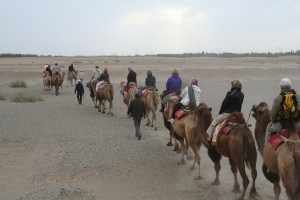
Along China’s Silk Road

China’s northwest region is home to the beginning of the old, dangerous route, earning the nickname, “Wild West of China”. Today the region is safe and more accessible. While in this part of the country you feel like you are in Central Asia, not typical China. The people, clothes, culture, and cuisine are influenced from the ancient trade routes. Those who visit are fascinated by the diverse culture, people, and landscape.


If you are interesting learning about the Silk Road, we recommend reading, The Silk Road:from Xi’an to Kashgar, by Judy Bonavia. For a hands on experience, AsiaTravel offers a trip, Along the Silk Road, departing in October.
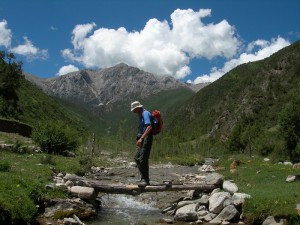
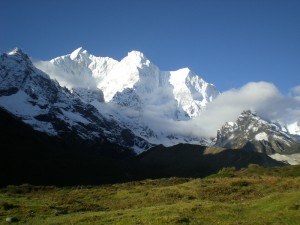


8 Tips for Your Tibet Trek

WilChina prides itself on journeys that go above and beyond the typical itinerary. Some of our trips include more active adventures including hiking and trekking, so here are some tips to help you prepare for a trek.

8 Tips for Your Tibet Trek


1.Prepare for Altitude Changes
You can climb high, but go slow! When hiking in the mountains, people can experience acute mountain sickness (AMS). People respond to changes in altitude differently – both experienced hikers and first timers can get altitude sickness. Some people don’t have a reaction while others react with symptoms such as headache, nausea, fatigue, shortness of breath, dizziness, and loss of appetite.

To avoid these unwanted symptoms and possibly a day in bed, it’s important to hike slowly when changing altitude. When going up, plan a practical journey that allows you to adapt steadily to the high altitude. Altitude sickness is not an issue when going down, so go as fast as your heart desires!
When AsiaTravel travels to high altitudes, we plan time for rest and elevation adjustments. In the event of altitude sickness on one of our trips, our guides take hikers to a lower level to rest. Usually after some rest and water, symptoms go away.

2.Use Local Guides
In order to get a local experience during a trek (and to not get lost!), it’s important to travel with a local who knows the land and language. Also, be sure to do your research or ask family and friends to find someone you can trust.

Here at AsiaTravel we combat such issues by hiring local, responsible, and friendly guides that will add a personal touch to your already epic trekking adventure!

8 Tips for Your Tibet Trek

3. Do Your Research
From our experience, it’s important to read about the places you’ll visit, even if it’s a simple Google search! Before going on a Tibet trip, AsiaTravel recommends reading these books.

4. Be Prepared for the Worst

Rainstorms every night? Unexpected injury during the trek? You don’t know what’s going to happen! So, put this in mind when preparing for your hike.

Some things that AsiaTravel recommends to bring for those unexpected disasters: itching cream, waterproof everything (jacket, shoes), extra batteries, headlamp, and first aid kit

5. Have Good Hiking Boots
Do your research in buying a great pair of hiking boots. These shoes become your life (and sometimes even life saver). Yes, a good pair of hiking boots is expensive, but the money spent will be worth it during long, enduring treks when your shoes are the only thing separating your feet from rain and/or snow.


8 Tips for Your Tibet Trek

6. Pack Light, but Pack Right
When it comes to trekking, you must find a balance between packing enough and not too little or too much.

AsiaTravel provides you with top camping gear and cooking supplies, however, you’ll need to prepare some things yourself. We send out a detailed list to all of our clients beforehand to make sure you’re well prepared.

7. Prepare Your Body!
Depending on the route, some hikes can be physically challenging. To get your body ready for a long hike, it’s recommended to exercise before. It doesn’t have to be strenuous – you can do small things like climbing steps instead of taking the elevator. This is one of the easiest, most cost-effective ways to get ready for high elevation trekking. It’s best is to climb up a tall building’s staircases.

8. Have the Time of Your Life!
You may be one of the few to have trekked this route, so enjoy it! Take pictures and share your tales of chatting with nomads or running into a herd of domesticated yaks with your friends and family.

AsiaTravel ventures to Tibet frequently. We explore the land with experienced guides and high quality equipment, allowing clients to experience active adventure with more comfortable travel conditions. We have two trips that are considered moderate,Expedition to Tibet’s Far West (Winner of National Geographic’s 50 Tours of a Lifetime for 2014) and Journey to Tibet’s Mt. Kailash Guge Kingdom.These journeys are designed for you to discover the hidden sites that the scenic land Tibet has to offer. For more information contact us at info@wildchina.com.


Must Try Yunnan Recipes

Chinese cuisine is much more than the sickeningly sweet orange chicken and limp chow mein you may have encountered outside of China. In fact, Chinese cuisine is very diverse and varies from province to province. For example, Beijing is known for its Peking duck while Sichuan is famous for its red chili or peppercorn based dishes and Hong Kong is famous for its dim sum.

AsiaTravel has developed a new spinoff tour of our popular Gastronomic Tour with Fuchsia Dunlop that takes you to Yunnan province, one of the most geographically, ethnically, and culturally diverse regions in China which is home to a wide variety of exotic and diverse cuisines.

Yunnan cuisine provides a twist on the Chinese diet staples of rice and noodles with the use of exotic, savory spices and herbs. This region’s dishes feature local accents like mint, flowers, pineapple, mushrooms, and lemongrass. We’ve collected some Yunnan recipes below to get your taste buds excited and introduce you to this up-and-coming, increasingly trendy cuisine.

Must Try Yunnan Recipes
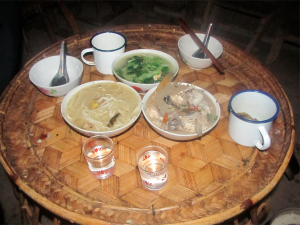
A local meal in Yunnan

Yunnan-style Soybeans
Soybeans (or edamame) are a popular snack in Asia served either shelled or peeled, depending on which part of Asia you are in. Here is a recipe for Yunnan-style soybeans that is simple but tasty – perfect for beginner chefs!

Yunnan Meal
For more advanced cooks, here is a whole Yunnan meal to try your hand at, consisting of Dai-style Ghost Chicken, Sichuan pepper oil, bean jelly, and salt-roasted broad beans.

Pineapple Sticky Rice
If you have a sweet tooth, try this healthy signature Dai minority dish.

Is your mouth watering yet? If you want to taste more of what Yunnan has to offer, check out our flavor-packed Yunnan Gastronomic Tour with Fuchsia Dunlop next October. For more info, contact us at info@wildchina.com.
Places to go During China’s October Holiday

National Day in China is celebrated with a full “Golden Week” off (which this year falls on October 1st – October 7th), meaning all those residing in China have time to travel wherever they want. If you don’t plan ahead, the few remaining tickets and accommodations will be around double their original price. All major tourist destinations in China will be swamped with people, so you can cross a quiet hike at the Great Wall off your list.

As a result, it’s better not to travel to popular destinations like Beijing and Shanghai during Golden Week. For those of you who have this holiday off and are looking for something to do, here are some locations and trips we recommend that go to less touristy areas, perfect for the October holiday.

Private Tours:
Sichuan Province  
Sichuan offers remote,untouched natural landscapes that are great for exploring. A trekking adventure into Western Sichuan to Minya Gongga is perfect for the adventurous traveler. Check out our Sichuan’s Natural Wonders trip.

Places to go During China’s October Holiday
Sichuan Province

Guizhou province
Guizhou is relatively isolated and untouched by tourism.Check out our Old Country Living journey, which was featured in the Financial Times.

Tibet
Tibet is home to breathtaking landscape, remote terrains, and many sacred religious sites. If you travel here in late October or early November, there will be little to no tourists. Also, Tibetans are back from work during this season so you can encounter more local people.These private trips are great for nature and culture enthusiasts:  
1.Expedition to Tibet’s West
2.Soul of Tibet

Places to go During China’s October Holiday
Kartha Valley

Group Trips:  
Yunnan
In the fall, Yunnan is picture perfect; skies are a crisp blue and the trees are multicolored. The weather is great for hiking and picnic lunches. Our Ancient Tea and Horse Road trip is a great choice for fall.

The Silk Road
The Silk Road is rich in history and culture. Head to these less known stops on the Silk Road just as Marco Polo once did. This group tour offers a first hand look at this historic trade route: Marcolo Polo’s Silk Road.

Places to go During China’s October Holiday
Dunhuang,Gansu Province.Silk Road Tour.
If you can postpone your vacation to the weeks after the October holiday, late October or November, there are significantly less tourists, and accommodations won’t be inflated.
For more information on our trips, contact us at info@wildchina.com.

Listen for AsiaTravel CEO, Mei Zhang on NPR

We knew that this week’s APEC conference would bring leaders from the world over to Beijing to discuss important policy issues, but we didn’t expect an announcement that would directly affect AsiaTravel!

Last night, just before the official start of APEC, President Obama announced a reciprocal agreement with China to grant 10 year travel and business visas.

Others had made the connection that this was big news for AsiaTravel – and for our outbound travel department, Beshan – and sure enough, at 7am this morning, our CEO and founder, Mei Zhang received a call from NPR’s Morning Edition asking for her take on the new policy.


Listen for AsiaTravel CEO, Mei Zhang on NPR

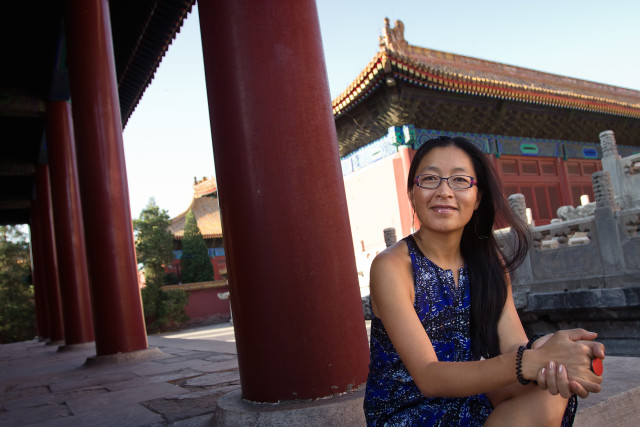
Founder and CEO, Mei Zhang at the Forbidden City

These new visas, effective tomorrow, mean that Chinese travelers will have an easier time visiting the US. They also mean that, for our US clients, after you come and fall in love with China for the first time, you’ll be able to return time and again to explore all the layers of this fascinating country – all without the hassle of reapplying for a new visa.

Those in the US tuning into NPR on your way to work, listen in for Mei at 6am Eastern Time. And if you miss it, just head on over to the Morning Edition site for the segment.


Mei’s Tips for Authentic China Travel

China is an increasingly popular travel destination, but many people go about their China vacation all wrong. Mei Zhang was recently featured by travel expert Wendy Perrin, and gave some great insider information on how not to trade in the trip of a lifetime for a circuit tour of the main sites. Check out a few of Mei’s tips below, and head over to wendyperrin.com for the full article.


Mei’s Tips for Authentic China Travel
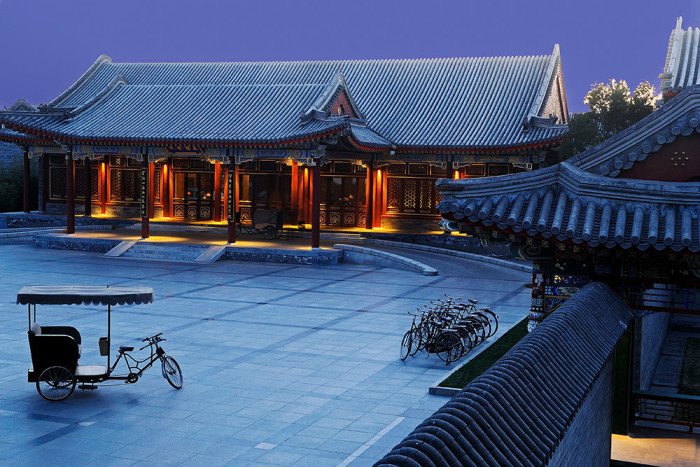
Aman at the Summer Palace – a beautiful secret get away right next to one of China’s top attractions.


Tip 1. Don’t Forget to Pack:

Casual outfits. China in general is very casual—even for dinners in nice restaurants. So bring more casual clothes than you think you’ll need and leave the formalwear at home.


Tip 2. Cheap thrill:

An afternoon at the Aman Summer Palace Resort. It’s connected to the Summer Palace and beautifully designed in traditional Chinese courtyard style. Rooms run from $500 to $800 a night, but for the price of an afternoon tea you can stroll the exquisite and tranquil traditional grounds and enjoy the height of Beijing elegance.


Tip 3. Super Insider tip:

The Tibetan-influenced region that includes Yunnan, Sichuan, and Gansu provinces. Most people don’t know that there is a huge strip of Tibetan culture in these western provinces, along with stunning scenery and rich Tibetan Buddhist history, without the hassle of dealing with occasional Chinese government bans on travel permits to Tibet. You also won’t encounter the kind of crowds here that you’ll see in Lhasa. In these western provinces, you can really get close to the culture, meeting Tibetan families and monks or even finding a place for your own spiritual retreat.


Read the rest of Mei’s China travel tips at wendyperrin.com


Guizhou: an Unexpected Discovery

Last week, AsiaTravel staff member, Annika traveled to Guizhou for the first time. She writes here about what she discovered there.

The one overarching thought that remained with me throughout our Leisure team survey trip in Guizhou was how unexpectedly similar different parts of the world are.

Despite being familiar with our products in the area, I wasn’t sure what awaited me before embarking on our 5-day trip. The destination was rather unknown and the method of travel – private guide and driver – was one I had never experienced before.

And so, in the early hours of a January morning, I embarked on a journey into the unknown.

An unknown that turned out to be remarkably familiar.

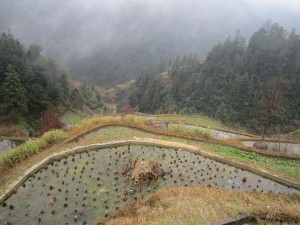
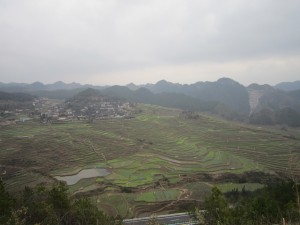
A land where one can hike for hours through agrarian landscapes in complete silence and not encounter a soul.

Guizhou: an Unexpected Discovery

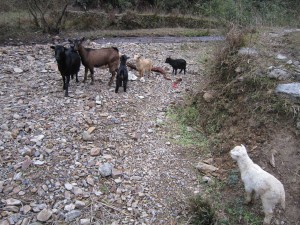
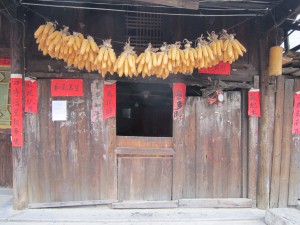
A remote land where docile animals freely roam the countryside and vegetables are left hanging on the sides of houses to dry.

Guizhou: an Unexpected Discovery

Guizhou: an Unexpected Discovery

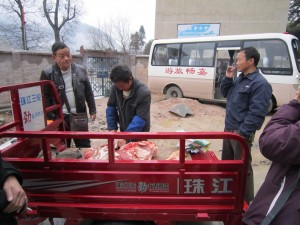
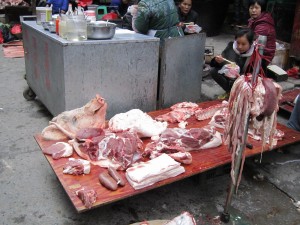
A place where people are connected to the meat they consume instead of first encountering it in sterile packaging.

Guizhou: an Unexpected Discovery

A place where people preserve their own language and way of life.

Guizhou: an Unexpected Discovery

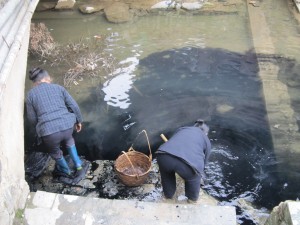
Dong minority women washing their traditionally made indigo-colored cloth


I had been in such a place before, several years previously. Only this was the Faroe Islands, not Guizhou. Despite being worlds apart, the similarities struck me. In the areas surrounding the remote minority villages of Guizhou, goats and cows wander through the calm, bucolic landscapes. Inside the villages, villagers hang corn and radishes outside their houses to dry and eat locally-grown food and meat. In the Faroe Islands, I encountered countless sheep, Icelandic horses, cows, and geese in areas bereft of people. Locals hang whale meat from their roofs to dry and dry whole sheep in sheds. We drove through mountain tunnel after mountain tunnel in Guizhou. The first time I arrived in the Faroe Islands, sheep were sheltering from the rain in the numerous mountain tunnels.

The differences can be said to be equally striking. The gap in development between the two is, of course, huge, as is the difference in culture and language. Guizhou is populated by several minority groups (we encountered the Miao and Dong minorities), all with their own traditional clothing, ways of life, and language. The foliage and landscape are different. The bowls of blood being sold in the local market root you firmly in China and yet the giant pig’s head leads you to recall how they eat sheep’s head in the Faroe Islands.

Guizhou: an Unexpected Discovery

The unexpected similarities and differences are what the discovery of travel is all about.

Guizhou: an Unexpected Discovery

Traveling with a local guide allowed us a level of access and understanding we would not have gained traveling independently. Without a guide in Guizhou, I would never have been welcomed to share a meal (and copious amounts of homemade rice wine) in a Miao villager’s home.

Guizhou: an Unexpected Discovery


This was Guizhou. Where I made an unexpected discovery.

Local Voices: AsiaTravel Gansu Guide, Peter

Peter has been a guide in Western China for more than ten years. He is passionate about the rich culture of the region and has deep knowledge of the intricacies of Tibetan Buddhism. He is originally from Tianshui, in eastern Gansu.

Local Voices: AsiaTravel Gansu Guide, Peter

Tell me about this part of China – what’s it like?

Western China has deep history and culture.

First, there is the Silk Road history. The Silk Road is not just a road, and it was not just for silk. There were many merchants and traders and many things were brought on the road – religion and culture.

Second, is Chinese Buddhism. Tibetan Buddhism is dominate in this region. Within Tibetan Buddhism, there are three sects. They speak the same languages, but the accent is different. Here in Gansu and Qinghai, it is the Tibetan Amdo Buddhism that is most prominent. Maybe travelers read about these things, but a book is one thing. When they go to the temple they will really see the Buddha, and they will want to know: Why is the face different on this one? Why is this gesture different? They will have many questions.

Local Voices: AsiaTravel Gansu Guide, Peter

Third, there is also the Muslim culture. Linxia is China’s little mecca. There are very old mosques in the Chinese style with Chinese roofs. When I tell my clients that these are mosques and not temples, they are very surprised. Now in all the cities you will see both western mosques and traditional Chinese style mosques. Why? Because these came from different places at different times in history.

What’s your favorite part of this journey?

I’m a culture man. I like Buddhism very much, including the Han Buddhism and the Tibetan Buddhism in this area. I like to explain the different Buddhas and founders, sometimes very slowly, because it is quite complicated.

When’s the best time to visit the area? 

July to September. Before July the grasslands are not green, and most of the year the nomads live in the village because it is so cold. But from July to September, you can see the nomads and their tents and yaks in the grasslands.

Local Voices: AsiaTravel Gansu Guide, Peter
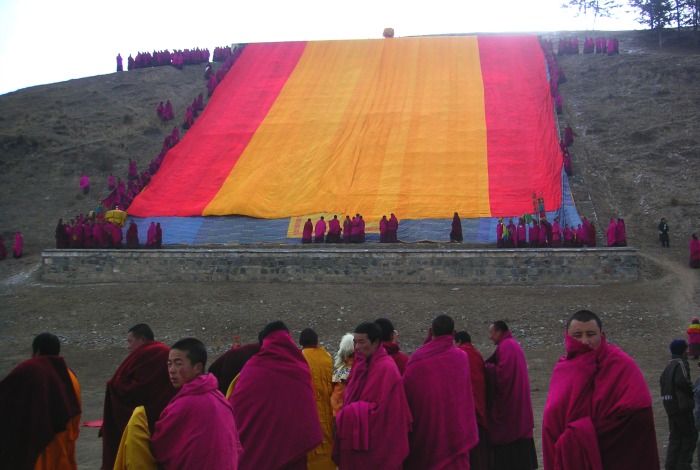
Also, if you come in the fall this year, you can see the Buddhist festival, Milarepa. The festival honors the founder of a sect of Buddhism and is celebrated in many of the monasteries. This year the festival is August 21st, 2015.

What do clients love about this journey?

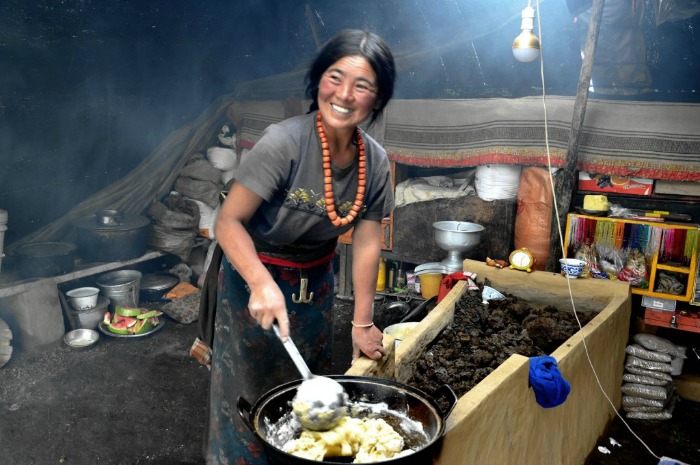
Their favorite thing to see is the country life. My clients have only seen it in pictures, but they’ve never gone inside the houses. Here they will see people’s lives. They will go meet the family. See what is inside their home. Go to see the bed and see how it differs from theirs in their hotel. If lunch or dinner is cooking- what do the local people eat?

Local Voices: AsiaTravel Gansu Guide, Peter

My clients also like to talk with the villagers, and I’ll translate. They will ask: How many yaks in your family? When did you build this house? Was it expensive or not? Are your children in school? What do they play?

Sometimes we will go to the field. In spring visitors can see the wheat. In the northwest, this area, wheat is planted in springtime. In the harvest time, they can see how the wheat is carried back to the village, how it’s ground, and made into noodles.

Local Voices: AsiaTravel Gansu Guide, Peter

What food do you have to try in this region?

We have Tsam Ba. This is made with barley flour and milk, then we put a little bit of salt or sugar and mix it together in the hand. We have it with milk tea and yak butter, (but you don’t have to put the yak butter!).

Sometimes the clients don’t like this, but I always say you should try it, even if you don’t like the smell. I have them try a little bit.

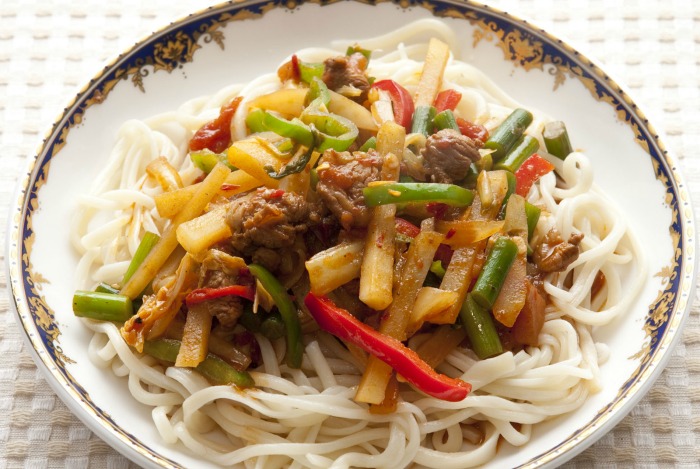
But noodles are the main food. We will make noodles out of many things like wheat flour or corn flour. We make the noodles without using any machines, and we will let the clients try making it themselves.

Do the clients make good noodles?

Sometimes… haha. It’s mostly for learning.

Find out more about our journeys to the Gansu region. Email info@wildchina.com or view a journey.

Unexpected Luxury in the Gansu Wilderness

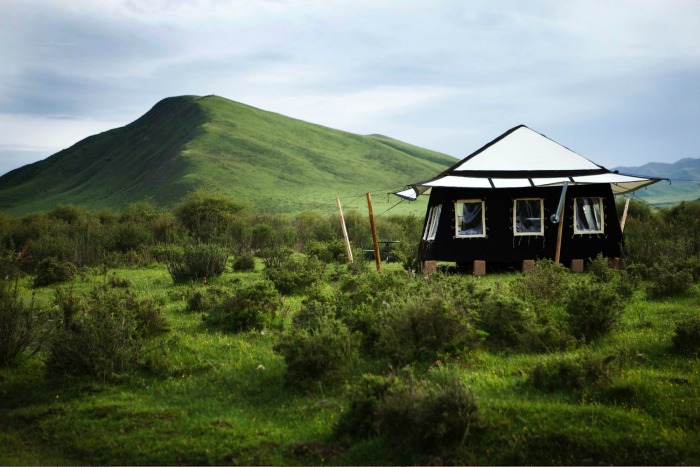
Just outside the of Labrang, a monastery town in western China’s Gansu province, is a secret so special it’s known to only a few outsiders. This is the Norden Camp, a luxurious accommodation in the heart of western China’s wilderness.

Unexpected Luxury in the Gansu Wilderness

The Landscape and Wildlife

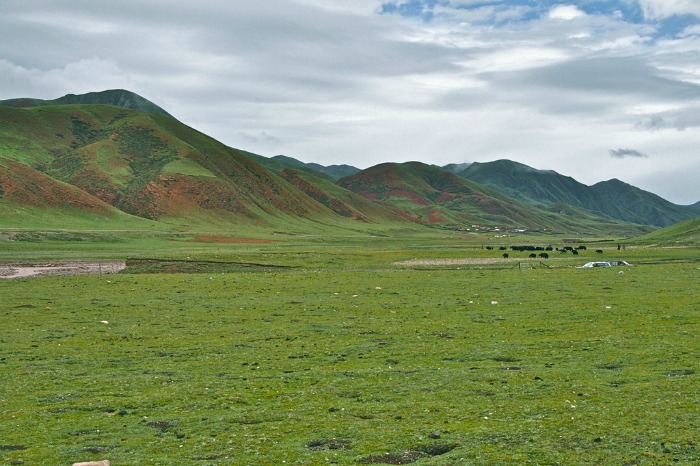
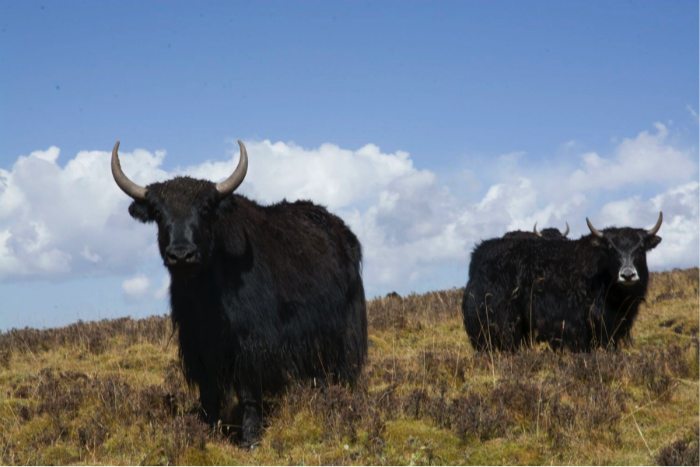
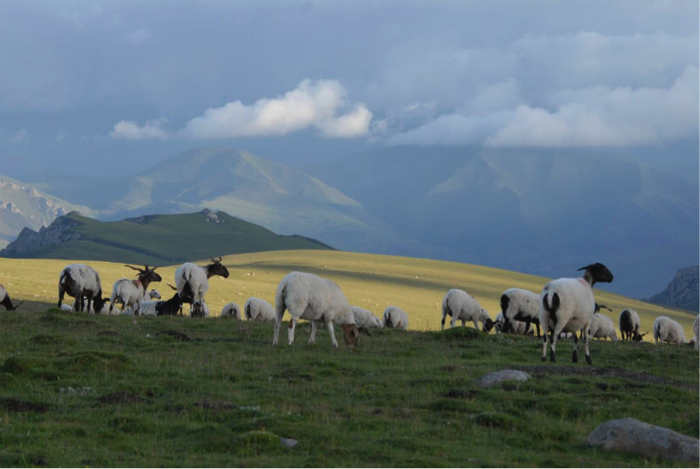
The grasslands roll out in all directions as far as the eye can see, broken only by a winding river in the distance and the pastel gray-blue mountains that stand strong along the horizon. You’ll find large yaks roaming the fields with their herders, in plains that are rich with wildlife. On your walks around the camp you may find rabbits, foxes, birds or gazelles, as well as all kinds of flowering bushes, trees and grasses. In the day, the blues and the greens have a simultaneously rich and muted hue that can somehow make you feel like one of the only people on earth. And at night, the endless sky is filled with stars. It’s the kind of place that will make you want to create something – to write or to paint, or perhaps to do nothing at all and only stare out into the wide-open distance.

Unexpected Luxury in the Gansu Wilderness

Unexpected Luxury in the Gansu Wilderness

The Team

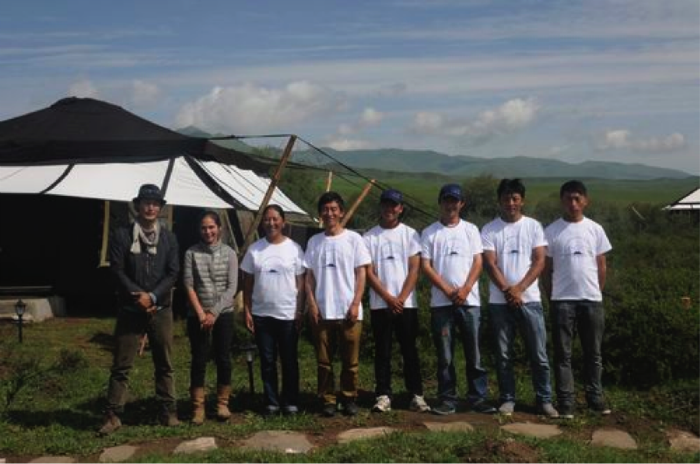
Within this beautiful setting is the friendly crew who love to introduce guests to their homeland. Their manger, Yidam Kyap, is a Tibetan nomad who lived overseas and then returned to establish a place that would make his home comfortable and accessible to outside visitors, while benefiting the local community.

Unexpected Luxury in the Gansu Wilderness

The Tea and Cuisine

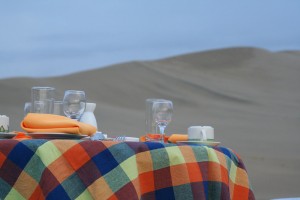
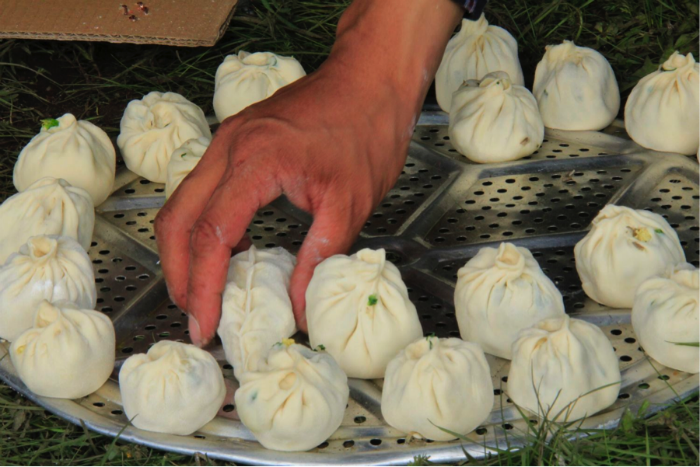
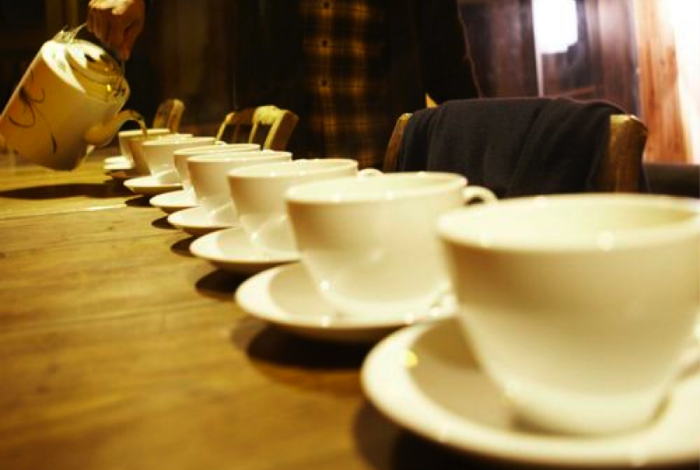
Together this team will introduce you to a delicious, seasonal assortment of food grown in the surrounding area. Yak’s milk, known for its low-lactose content, is made into delicious butter, yogurt and cream. Breads and noodles and lamb and sausages are paired with local herbs, mushrooms and vegetables to make tasty, nutritious meals. And of course, there are many cups of tea to linger over during a long conversation with a new friend.

Unexpected Luxury in the Gansu WildernessUnexpected Luxury in the Gansu Wilderness

The Tents and Cabins

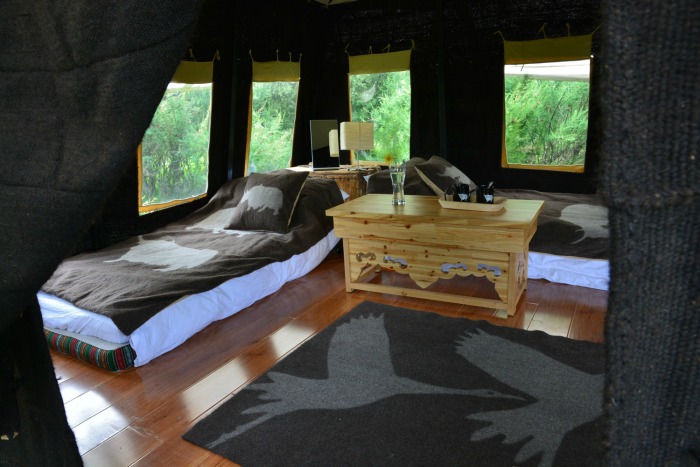
One of the greatest surprises of all in this place so far removed from the world is the height of luxury that you will experience. The tents and cabins allow you to enjoy the rustic surroundings in style and comfort. Each tent or cabin is caringly decorated with hand-crafted furniture and rich yak wool blankets and carpeting. Many of the pieces are chosen from the nearby NGO, Norlha (a treasure in itself that we love to take AsiaTravel travelers to visit). This is a place where you can relax in comfort, while experiencing a natural setting and a way of life that few outside this region may ever see.

Unexpected Luxury in the Gansu Wilderness Unexpected Luxury in the Gansu Wilderness

Find out more about our journeys to the Gansu region. Email info@wildchina.com or view Sacred Buddhist Land.

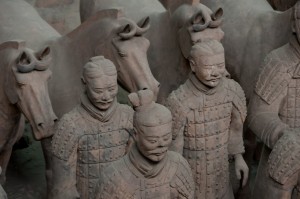
40th Anniversary of the Terracotta Warriors Discovery

40th Anniversary of the Terracotta Warriors Discovery

Four decades ago, local farmers in Shaanxi province were hard at work digging a well when they came across one of the world’s grandest archeological discoveries. Four chambers were eventually unearthed, filled with over 6,000 soldiers, horses and chariots arranged in military formation. Now travelers from around the world come to see these treasures and hear stories of the ruthless Qin Shi Huang Emperor who unified China and had a fondness for burying things, both statues and dissidents.

In celebration of the discovery a new exhibit has opened in Xi’an displaying special never-before-seen pieces including clay fragments that still retain some of their original color. The exhibition will continue until March 2015.