Travel blogger Ellen Barone highlights a AsiaTravel Trip

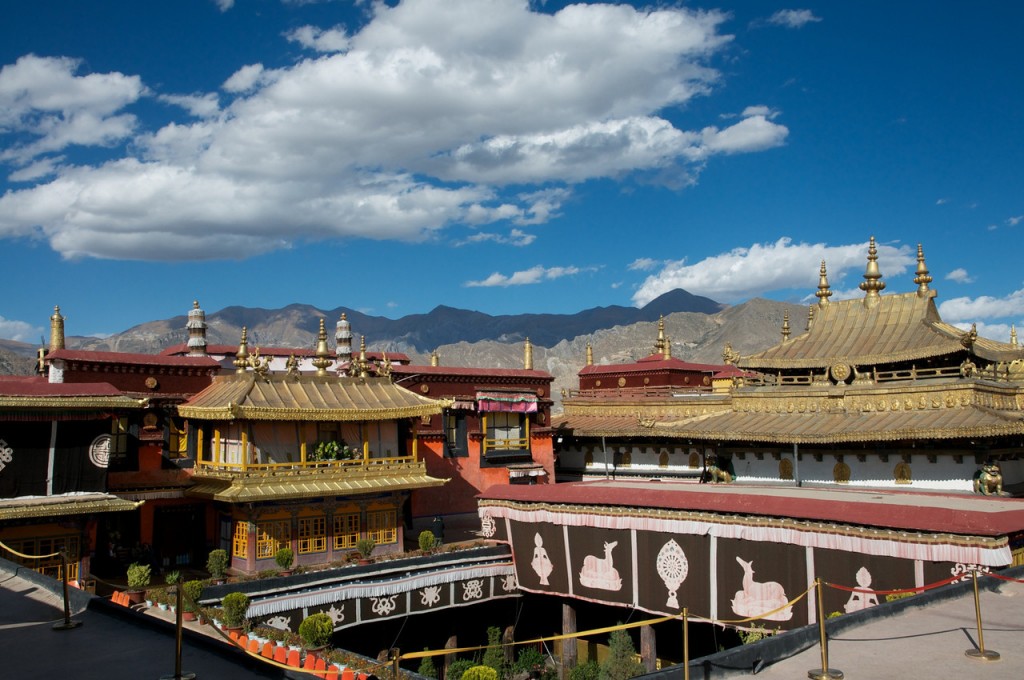
If you’re still trying to figure out which corner of this wonderful world you should head to in 2013 then look no further than this post by travel blogger Ellen Barone. Ellen is an accomplished independent writer-photographer who specializes in global travel. She has journeyed to six continents in search of compelling travel tales and evocative images, using her experiences to help people travel smarter as well as keep them up to date on the latest travel trends and gadgets. AsiaTravel was honored to have our trip Soul of Tibet featured on Ellen’s list of Extraordinary Experiences for 2013.

Travel blogger Ellen Barone highlights a AsiaTravel Trip

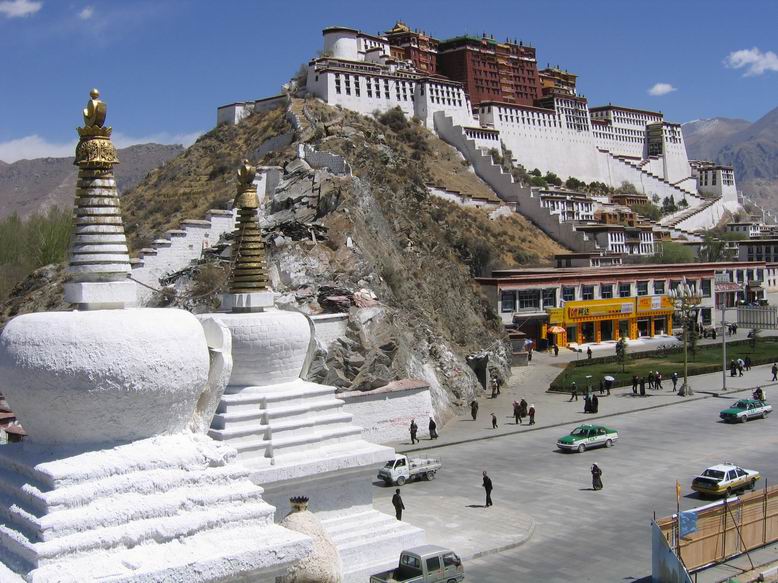
Although Tibet is closed at the moment to foreigners, we are hopeful it will be reopened in April–we’ll keep you updated via Twitter and Facebook. As Ellen notes, “Tibet is one of those epic destinations so enticing, so enchanting and so compelling that it tends to get put on the back-burner, saved for another day (or decade) when the time and money for such an expedition will be possible. But guess what. There’s never enough time or money. And, while those easier, more accessible, places are fulfilling, Tibet still beckons.” We couldn’t agree more. Is Tibet beckoning to you?

Travel blogger Ellen Barone highlights a AsiaTravel Trip

———-

If you have questions about travel in China or Tibet send us an email at info@wildchina.com and we will be happy to assist you.

Photo of Ellen Barone courtesy of careerbreaksecrets.com all other photos by AsiaTravel

An Interview with Grassroots Pantry owner Peggy Chan

With Chinese New Year here ‘tis the season to throw caution (and weight-watching) to the wind and get caught up in the feasting and festivities! But when you’ve satisfied your craving for heavy Chinese dishes, we suggest heading to Grassroots Pantry for feel-good food that is delicious, nutritious and supports Hong Kong’s local farmers.

A flourish of verdant foliage and a small painted sign are the only hint of the cozy café located in this hidden corner of Sai Ying Pun. From the moment you step inside, owner Peggy Chan’s passion for her work is apparent in every detail – from the hand drawn menus to the antique chairs and personal photographs collected on her travels.

An Interview with Grassroots Pantry owner Peggy Chan

AsiaTravel sat down for a quick chat with Peggy to learn more about what makes Grassroots Pantry so special.

AsiaTravel Travel: Give us a little background on yourself…Have you always been in the food business?
Peggy Chan: I began working in this industry aged 16, brewing espressos at Hong Kong’s very first Starbucks, but my family are all serious foodies and I learned to cook and bake from my mother. I graduated from Le Cordon Bleu Culinary Arts Institute in Ottawa, Canada, and later obtained a Bachelor Degree in Business Administration with a double concentration in Hotel, Resort and Restaurant Management in Switzerland. I’ve spent the last decade working at outstanding restaurants and hotels including Brunoise in Montreal, Four Seasons Hotel Hong Kong, and The Peninsula Tokyo.

WCT: How did you come to start Grassroots Pantry?
Peggy: I’ve always wanted to open a restaurant, and after many years in the corporate world, I took some time off to travel and was inspired by all the different local vegetarian dishes other countries had to offer. Upon returning to Hong Kong, I was resolved to create a space for the community to enjoy clean, healthy plant-based foods.

WCT: Tell us about GP’s food philosophy. What is ‘conscious eating’ and why is it important?
Peggy: Grassroots Pantry is a boutique café dedicated to improving the health and wellness of the community through serving nutritious, homemade, plant-based world dishes. Conscious eating is to source unprocessed, local, sustainable and organic ingredients as often as possible, and is important because it helps to create a more sustainable world. Grassroots Pantry also aims to educate the community about the farm-to-table and slow food movement by hosting educational culinary classes and environmental workshops.

An Interview with Grassroots Pantry owner Peggy Chan

WCT: How has GP been received by local Hong Kong-ers?
Peggy: More and more people are seeking healthy food, and are more conscious with what they are eating. Hong Kong is a food mecca, and because there is so much to choose from, local residents are always looking for something different and not your typical cookie-cutter restaurant. We are very happy to be a part of the local community and being the go-to cafe for real homemade vegetarian food.

WCT: Where does the inspiration for your dishes come from? Do you have a favourite dish?
Peggy: My inspiration comes from memories. Sometimes I reminisce about tastes and smells from my childhood, and am always eager to recapture those memories.
Favourite dish on the Grassroots Pantry menu is Palak Paneer! We make a healthy version using soy milk. Also, you can substitute the paneer with hedgehog mushrooms in case you want an even healthier option.

WCT: In your opinion, what makes GP special and unique to Hong Kong?
Peggy: Grassroots Pantry is one of the few western-style cafes that really offer unprocessed plant-based dishes. A lot of vegetarian restaurants in Hong Kong use mock meats, and an excess of oil. Also, Grassroots Pantry serves as community space for those who want to learn more about holistic health, sustainability and environmental responsibility.

An Interview with Grassroots Pantry owner Peggy Chan

———

If you have any questions about travel in China feel free to send us an email at info@wildchina.com and we will be happy to assist you.

Photos by Grassroots Pantry

The New York Times Asks: “Are there people who want to visit remote locations in China?”

This past week, The New York Times did a feature with travel expert Kurt Kutay. Kurt has made a name for himself in the travel world having worked both with the Adventure Travel Trade Association, and The International Ecotourism Society, in addition to currently serving as the president of the International Galapagos Tour Operators Association, CEO of Wildland Adventures, and director of the Travelers Conservation Trust. The focus of The New York Times article was Kurt answering questions posed to him by the baby boomer generation about travel today. Baby boomers, due to their numbers, have always had an outsized impact on the travel industry.

AsiaTravel’s name came up in the discussion when Kurt was asked the following questions by Mr. Mitenbuler of Chicago: “Are there people that want to visit remote locations in China? Do you think there is an awareness of ‘wild China,’and if so, is it a destination that will see increases in travelers?”

The New York Times Asks: “Are there people who want to visit remote locations in China?”

Mr. Mitenbuler was so close to the right answer! If he had just combined “wild” and “China” he would have had our name-sake and an organization deeply devoted to showing travelers the less traveled parts of China. As it was though, AsiaTravel was at the fore of Kurt’s mind when he responded due to his friendship with AsiaTravel founder Zhang Mei. Kurt reached out to Mei before answering the question and she replied that she feels there is indeed a growing number of people interested in exploring off the beaten path in China. Mei said that business men and women who have traveled to China’s major cities for work have acquired a curiosity to visit the more rural areas of the Middle Kingdom with their families.

The New York Times Asks: “Are there people who want to visit remote locations in China?”

Kurt noted several other examples of the burgeoning number of travelers interested in taking the road less traveled before closing his answer to the question with remarks from Mei that Tibet is quickly becoming one of the most popular destinations for travelers. So at this point it’s clear there are people who want to visit remote locations in China, the real question is, are you one?

———-

If you have questions about travel in China, feel free to send us an email at info@wildchina.com and we will be happy to assist you.

Photo of Kurt Kutay by The New York Times

2013 Beijing Marathon Sold Out Instantly

Registration for the 2013 Beijing Marathon was over almost as soon as it began, with 30,000 available spaces filling up in a matter of hours.

When registration opened on September 8, it seemed as though the race had already begun, with distance runners flocking to the event’s website in such numbers that they managed to take down the server.

This record sell-out marks the 33rd anniversary of the event, which began in 1981 as part of Chinese efforts to promote international ties.

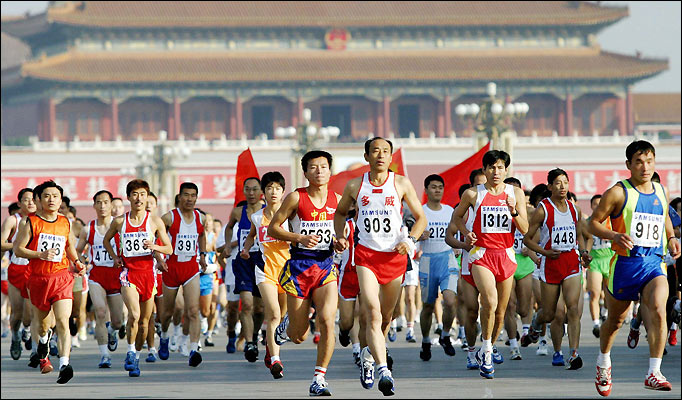
On October 20th, runners will begin in Tiananmen Square, making a 42km (26.2 mile) journey through Chinese history, before finishing in the scenic Olympic Park.

2013 Beijing Marathon Sold Out InstantlyPhoto Credit: Lumdimsum.com

2013 Beijing Marathon Sold Out InstantlyPhoto Credit: AsiaTravel


Santa Claus is coming to… Hong Kong?

Hong Kong may not be a place you would think to spend the holidays, but a visit to this historic trade city offers a chance to put an eastern twist on a western tradition.

Santa Claus is coming to… Hong Kong?

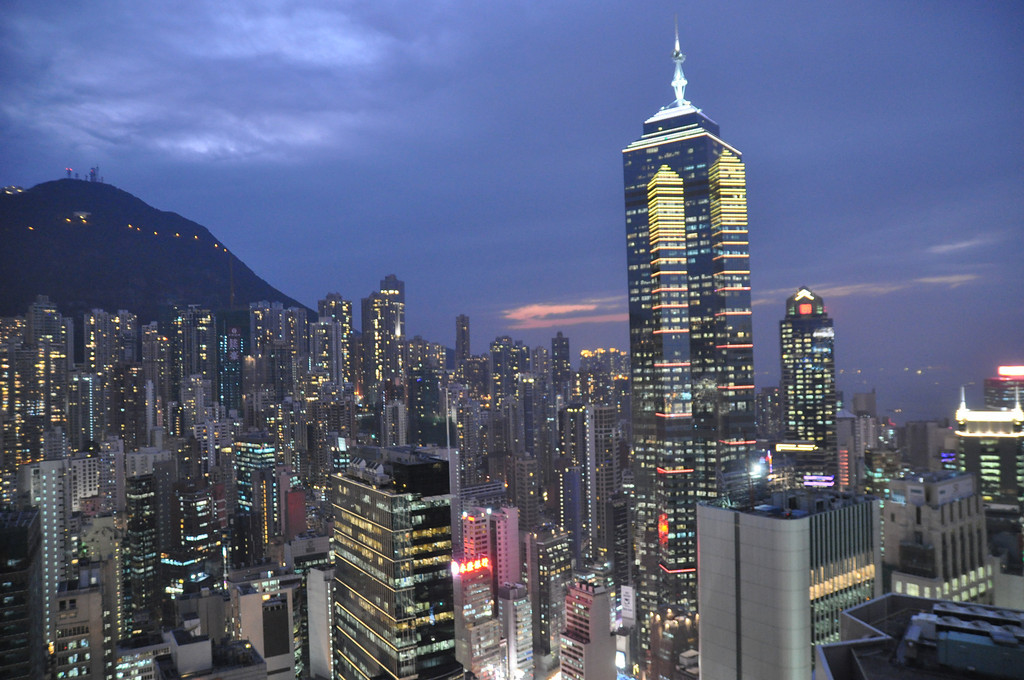
Each year as December approaches its end, Hong Kong’s skyline takes on a festive air. Christmas imagery adorns the towering walls of city skyscrapers, while at street-level holiday decorations abound. It is impossible not to notice the commercialism that drives this activity; it is fascinating to see the degree to which this far eastern metropolis has embraced the “Christmas Spirit”.

One of the most apparent ways in which this spirit manifests is the shopping activity.

Every year, Hong Kong’s famous shopping malls out do themselves with extravagant Christmas displays and holiday sales. Hong Kong’s theme parks also do their best to spread the holiday cheer, with Santa and his reindeer making regular visits at Ocean Park and Disneyland’s gingerbread village.

Although Hong Kong celebrates its annual Winterfest during this period, it really feels more like spring or early autumn. In fact, the cool, dry weather makes winter one of the best times to visit this famously hot and humid city, as you can comfortably enjoy a range of outdoor activities.

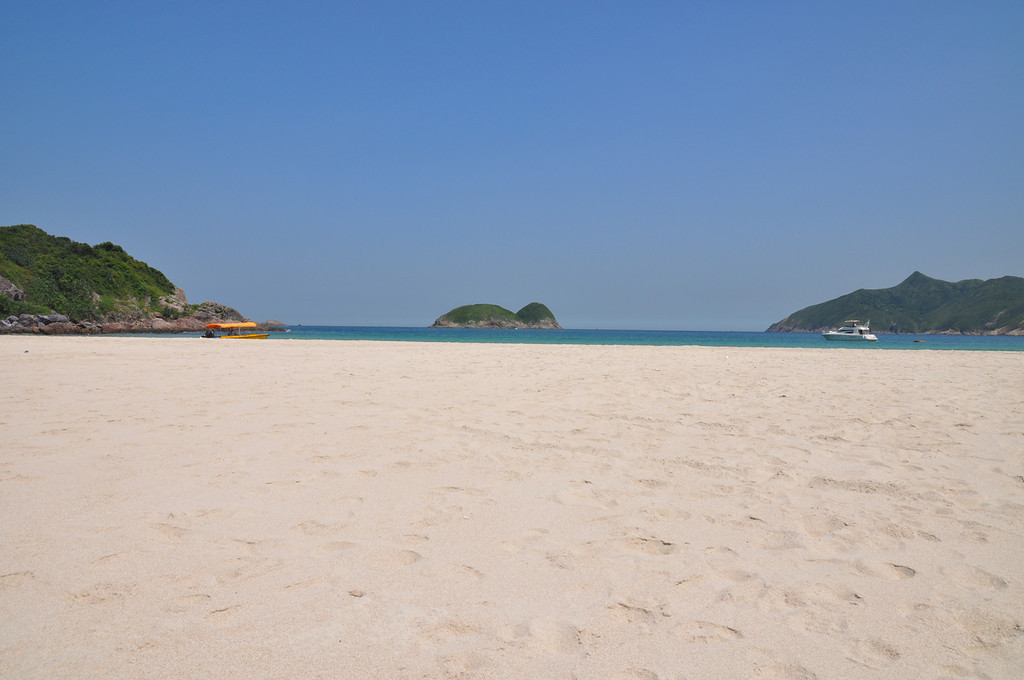
While Hong Kong is well known for its densely packed urban landscape, people often overlook the incredible beaches countryside just outside the city. Nearly 40% of Hong Kong’s land has been preserved in the form of parks and nature reserves, making it an unlikely destination for sports such as hiking, surfing and mountain biking.

Santa Claus is coming to… Hong Kong?

As no holiday is complete without a proper feast, be sure to explore the rich food culture that has earned this city nicknames such as “Gourmet Paradise” and “World’s Fair of Food”. With the highest concentration of Michelin star restaurants of anywhere in the world, Hong Kong offers fine dining options that range from international cuisine to local dim sum favorites.Whether you’re in the mood for south Asian cuisine or New York style pizza, you can find the best of it here.

If it’s a more traditional Christmas dinner that you’re after, you’re in luck. Every Christmas, Hong Kong’s hotels compete among themselves to see who can provide the most delicious holiday spread.

So this year, why not have a very Hong-Kong holiday?


Breaking the Winter Cycle: Tropical Xishuangbanna

Breaking the Winter Cycle: Tropical Xishuangbanna 

If cold weather is not your thing, head south to the subtropical region of Xishuangbanna.

Nestled in the southernmost tip of Yunnan province, just between neighboring Myanmar and Laos, this region hosts a vibrant intermingling of cultures and landscapes. With average daily highs of 26 degrees Celsius in January, the forests and villages here are immune to the annual chill that is felt in the north.  It’s no wonder Xishuangbanna was picked as Travel+Leisure’s 2012 Hottest Travel Destinations.

What better way to spend the winter than in the mountains and rainforests of Southeast Asia?

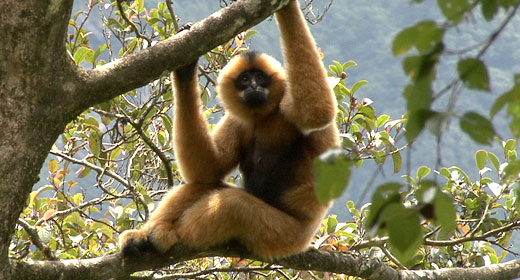
The winter months are the ideal time to visit this part of the world, as they mark the end of the wet season. Imagine finding your inner naturalist as you walk among the regional flora, keeping an ear out for the song of the elusive black-crested gibbon.

The home of peacocks, wild oxen and various primates, Xishuangbanna is also the only place in China that still has a wild Asian elephant population.

Xishuangbanna’s biodiversity is matched by an equally astounding cultural presence. Of more than a dozen different ethnic groups living here, the most prominent is the Dai population, which makes up nearly a third of the region’s one-million inhabitants.

Dai culture is markedly different from that of other Chinese populations. The language spoken here is more similar to that of the Thai, which draws heavily upon Theravada Buddhism and the indigenous practices that predate it. Both geographically and culturally, this is the one part of China that really belongs to Southeast Asia, and that feeling is impossible to miss.

If you are looking to get a taste of this unique cultural identity, your best bet is to take a trip into one of the many villages that dot this region. Here, you experience life as it has existed for centuries – something that is increasingly precious in a country that is rocketing into the 21st century. Visit the age old Buddhist pagodas, or step into a villager’s home for a cup of tea. This is, after all, the corner of the world where tea originated.

If you’d like more travel ideas or to join AsiaTravel on a trip to China’s subtropical south, see our journey:

Sichuan’s Natural Wonders


Breaking the Winter Cycle: Tropical Xishuangbanna

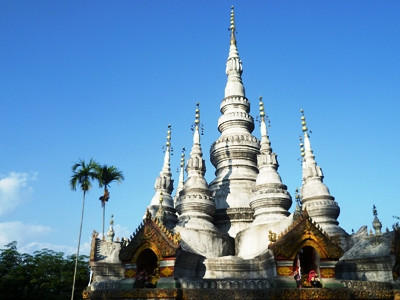
On the road in Xishuangbanna: Manfeilong Stupas.
Photo Credit: Chris Horton


Enjoy the Suite Comforts of Home at the Hilton Beijing

With the large range of accommodation options available to you in Beijing, sometimes it’s the little things that help you decide – like the finishing touches of the Imperial and Chairman Suites at the Hilton Beijing in Chaoyang district. This hotel lives up to the Hilton name, and then some, and is located in the city’s embassy district, not far from Beijing’s financial centers and the bustling nightlife and dining options of Sanlitun.


Enjoy the Suite Comforts of Home at the Hilton Beijing

The Hilton Beijing’s Imperial Suite

The Hilton Beijing offers nine distinct suites–but our favorites are the Chairman Suite and spacious Imperial Suite that even boasts a zen-life relaxation room! These suites each have a large kitchen with separate access for the private chef and staff, available around the clock to prepare everything from an authentic Chinese dinner after a long day, to an opulent formal dinner party for eight people in the Chairman Suite and 15 in the Imperial.

Chairman Suite:

Enjoy the Suite Comforts of Home at the Hilton Beijing

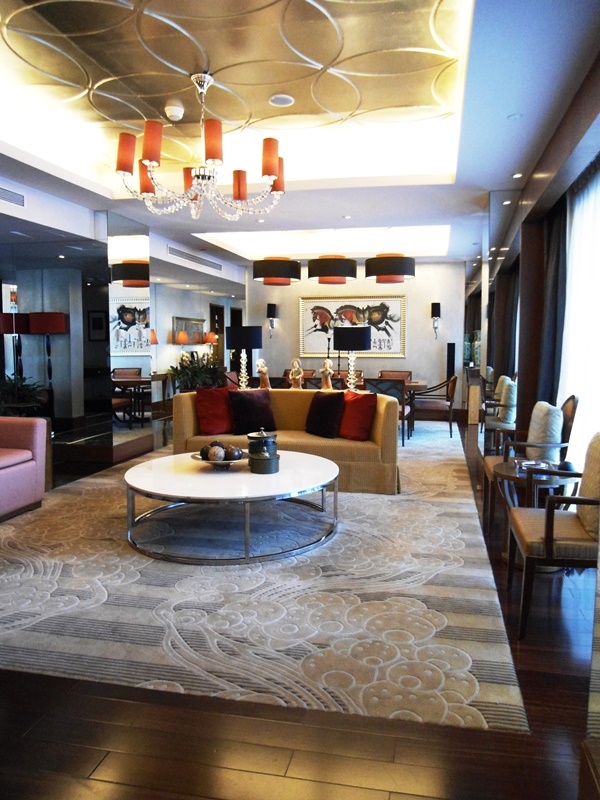
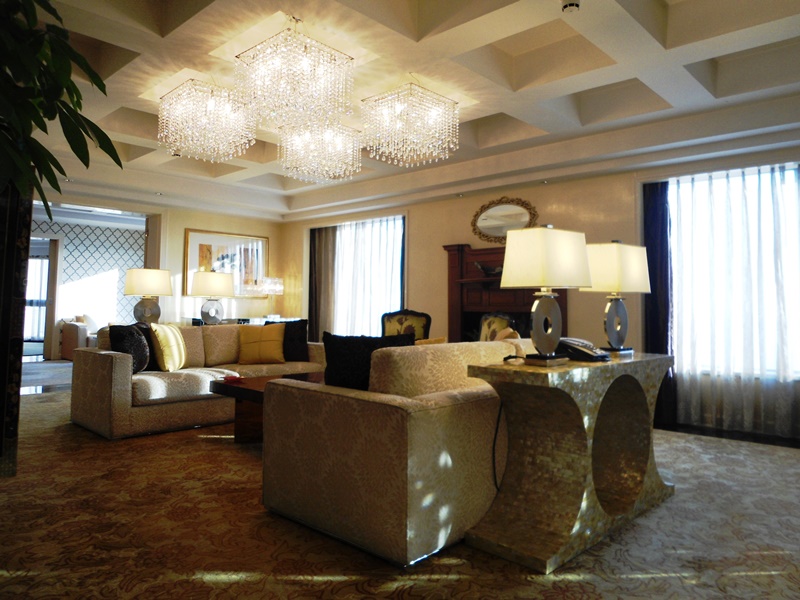
The living area of the Chairman Suite

Enjoy the Suite Comforts of Home at the Hilton Beijing

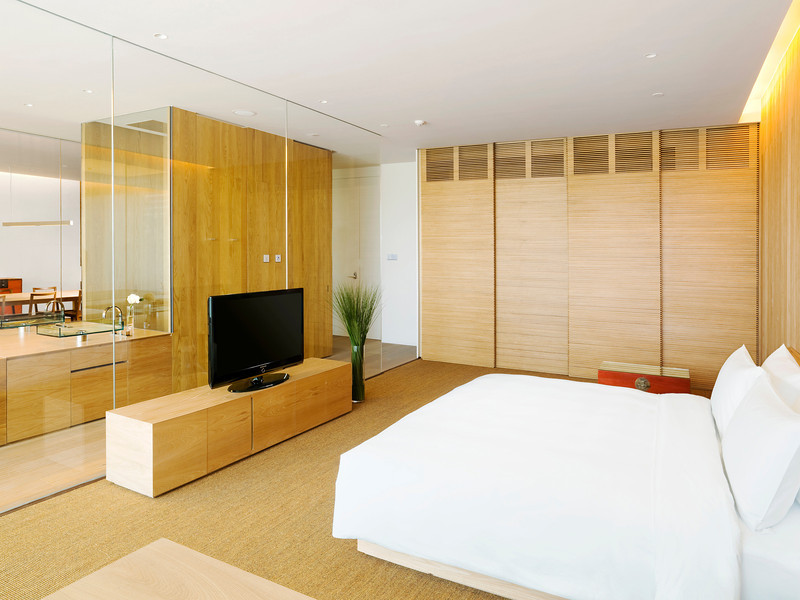
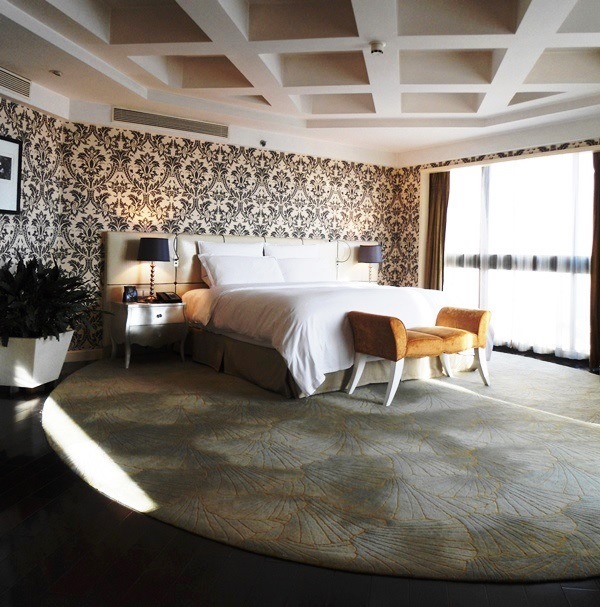
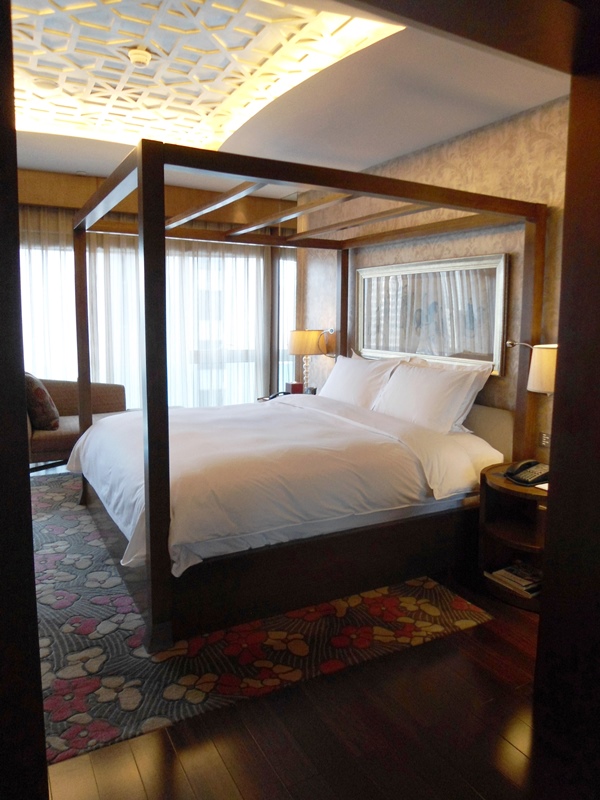
Bedroom of the Chairman Suite


Relax in style in this 165m² suite located on the ninth floor of the executive tower, offering executive lounge access and complimentary breakfast. The contemporary design and state-of-the-art amenities convey a sense of blissful comfort, and to unwind you can enjoy a movie on the plasma TV with a heart-pumping Bang & Olufsen sound system that completes the ultimate in-home theater experience.


Imperial Suite:

Enjoy the Suite Comforts of Home at the Hilton Beijing

Living space in the Imperial Suite


This suite is called Imperial for a reason. At 200m² and located on the top floor of the main tower, this superbly crafted suite offers great views of Beijing, while the interior combines modern technology with a touch of local Chinese flair. The spacious dining and living area is perfect for hosting a private reception, while the separated bedroom and office provides a personal space to recharge from a busy day.

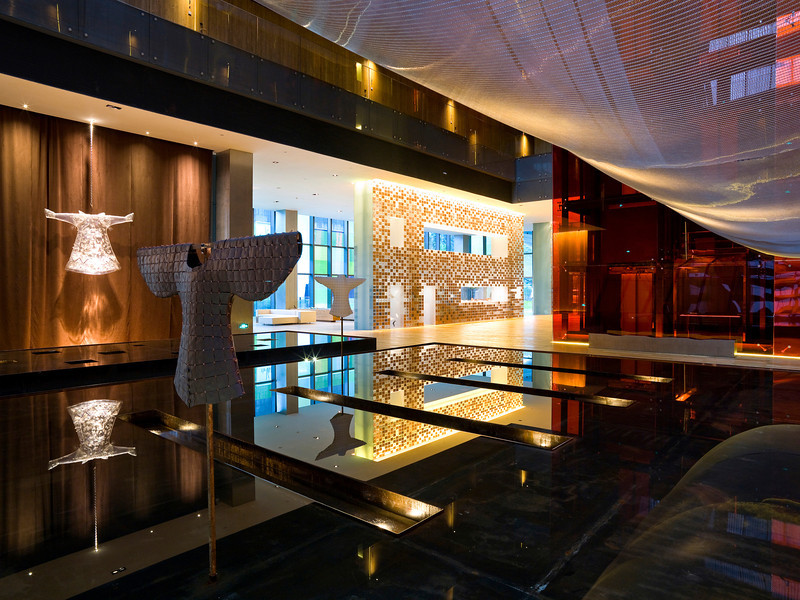
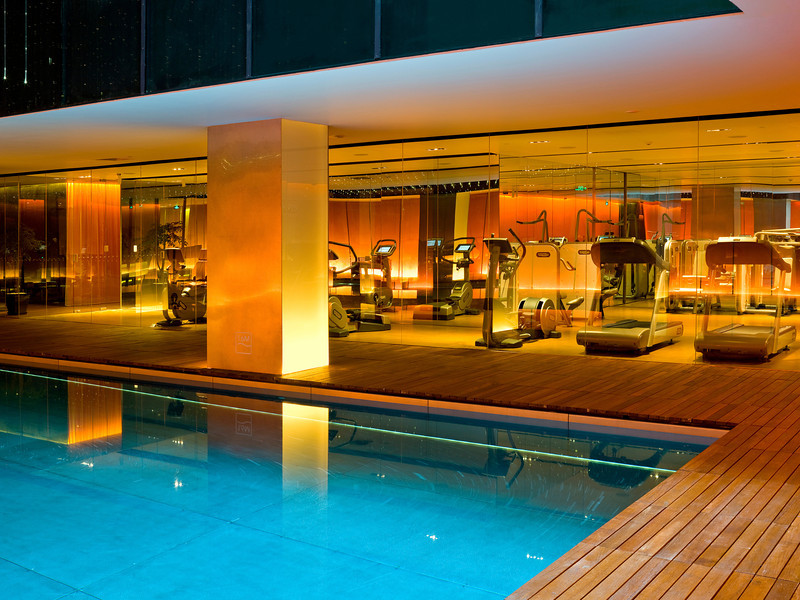
In addition to these suites, the Hilton Beijing offers three dining options, a lounge, and a funky bar serving signature cocktails and delicious Champagnes. There is a large health club, spa, and even a Tony & Guy salon located in the main lobby. For meetings, it is an ideal location with 12 function rooms, including the city’s first 360 degree round infinity ballroom.

We recommend the five-star Hilton Beijing for both business and leisure travelers. It is located a quick 30 minute car ride from the airport and offers easy access to the Great Wall, the Forbidden City, major shopping and entertainment and more!

_____

Discover Beijing with us on a private Beijing tour.

Looking for more hotel recommendations? Don’t hesitate to send us an email with your questions at info@wildchina.com!


It’s all about the tea…AsiaTravel Expert Jeff Fuchs

Musings from AsiaTravel Explorer and Expert Jeff Fuchs on the importance of the Ancient Tea & Horse Caravan Road, and why we should all bump it up on our travel list…

It’s all about the tea…AsiaTravel Expert Jeff Fuchs

The Ancient Tea & Horse Caravan Road has long held the attention of explorers and vagabonds alike for the fact that it represents one of the globe’s great and daunting adventures. A cultural odyssey as much as a physically demanding pathway that brought tea, salt, horses, and all manner of goods from the fringes of the old dynastical empires into and onto the Tibetan Plateau. Pre-dating the Silk Road, the Tea & Horse Caravan Road and its meandering pathways through indigenous zones, ancient tea forests, and stunning geographies offer up a deeper look into the very historical fabric of southwest China, Tibet, and beyond.

Across snow passes, over some of the planet’s great waterways, the route takes in three- dozen cultures, two dozen languages…all with their own histories with tea and the great trade route.

Tea figured greatly upon this ‘highway through the sky’ as it was – and to some extent remains – one of the great panaceas and commodities of time. Tea was more a fuel and medicine to the ancient tribes and its safe transport was one of the great vitals of the trade world.

It’s all about the tea…AsiaTravel Expert Jeff Fuchs

This AsiaTravel journey along the Ancient Tea & Horse Caravan Road seeks to dig into and take the journey back to its roots. Authentic touches of exploration off the beaten path, serious tea-highs from some of the planet’s purest ancient tree teas, and home stays that are entirely integral with delving deeper into a culture and land are on offer. Walking through some of the oldest tea forests on the planet, and then sampling them in a cup bind the leaf to its drinker and by extension to any that partake in a cup.

It’s all about the tea…AsiaTravel Expert Jeff Fuchs

We’ve enhanced sections to take you deeper still into Yunnan’s diversity and created more of a full-on adventure. Daily tea samplings, from fresh bitter harvests, to locally prepared specialties (including the Tibetan’s famed and pungent butter tea) from local regions.

I’m delighted that this journey has continued and been intensified to add a more authentic feel that reflects life and travel upon the Tea & Horse Caravan Road. In traveling upon this most ancient of trade routes, it is important to retain some of the original feel of travel, life, and interaction for our guests.

It is vital that such a journey keep its vitality and spontaneity. It is only in this kind of travel and attention to detail that a route’s history, legend, and truths can remain intact.

All photos by Jeff Fuchs

_____

If Jeff’s descriptions of tea got your heart beating a little faster, check out the itinerary & October dates for the 2014 trip here. If you want to read more about Jeff and his travels, check out his blog here. And finally, if you have any questions, shoot us an email here: info@wildchina.com


China Travel: Discover Mount Emei in Sichuan

Check out this on the road experience from AsiaTravel’s travel product design manager, Colleen O’Connor, and discover an unknown trail situated deep in Emei’s sacred mountain range, just waiting to be explored…by you!

We traveled to Sichuan with one main goal in mind: to find more exciting, adventurous routes accessible for you to Experience China Differently! For today, our destination included a little-known hiking trail along Sichuan’s Emei Mountain, one of China’s four sacred Buddhist Mountains. The name “Emei” literally translates to “delicate eyebrows,” deriving from two of the mountain’s peaks—Ten Thousand Buddha Summit and Golden Summit—resembling the curvature of one’s brow. On this hike, we planned to follow along Emei’s brow into mountainous terrain, bamboo groves, and an isolated temple.

The night before, Rebecca, AsiaTravel’s Operations Manager, and I spent the night at the luxurious Anantara Emei Resort & Spa, a recently opened 5-star hotel nestled along the foothills of the Tibetan Plateau. After packing our daypacks, we left the comforts of our spacious double room and scooted along by private cart, passing the resort’s outdoor hot spring and colorful flower gardens to the main lobby.

China Travel: Discover Mount Emei in Sichuan

Double Room at Emei Resort & Spa

We met our friendly Sichuan guides at the dining hall for a continental breakfast, boasting a wide array of Western and Chinese breakfast foods. After filling our stomachs, we hopped into an SUV to begin our 2-hour ride through remote villages and twisting mountain roads into the heart of Emei’s mountain range. Our first plan of action was to meet our local guide, who would lead the hike.

As the morning mist hovered over the country road, our driver drove slowly to avoid residents walking along the road’s edge. Through the window, I saw men carrying plows with dirt still hanging of the metal grips from yesterday’s farm work. The women carried empty woven baskets, preparing for a day of vegetable picking…a glimpse of an ordinary morning in rural Sichuan.

After two hours, we ascended one last bend along a cliff face before meeting our guide at a local home. His own home is situated far above in the mountains and inaccessible by road. So, he met us in the middle. He looked into the SUV, with a sweet-smelling pipe in hand, and grinned, “You ge laowai day” “There’s a foreigner!”

China Travel: Discover Mount Emei in Sichuan

Mr. Yue, our friendly Emei Mountain Guide

He put his pipe away and jumped in, while guiding the driver through dirt roads along towering cliffs and tiny hillside villages to our hike’s starting point, a slow moving river. The car slid to a muddy stop and we stepped out into a valley with a river trailing between the surrounding alpine mountains. After a night of light rainfall, the refreshing scent of wet pine was all around.

We said goodbye to our driver and followed our guide as he hopped as light as a feather over the stones placed in the river, beginning our trek into Emei Mountain. The hike started with a gradual incline to a wooden hut, surrounded by tilled land. Our guide explained that this little farm cultivated a type of root used for traditional Chinese medicine. As we took off our warm layers, the traditional medicine farmer came out of the hut to meet us, striking up a conversation with our guide, who was his close friend and neighbor.

We said our farewells and continued our way into a sea of bamboo groves. Being the end of March, late winter’s yellowish green tint took up most of the scenery’s color, except for the refreshing and vibrant green bamboo leaves that encircled the trail. Towering pines, shedding birch trees, and tangles of other tree types added to the mountainous flora.

China Travel: Discover Mount Emei in Sichuan

Hiking through a tangle of trees and fresh moss (March scenery, we recommend you hike this trail in either spring or fall)

While exploring this unbeaten trail, I felt a sense of adventure and excitement for what would come next. Possibly another a unique bird, animal prints, or a mountainside vista? Thinking about the possibilities led to pondering over the other, more developed side of the mountain. How would it compare? I had heard it is equally beautiful, but also touristy with thousands of tourists visiting each day, hiking up a plethora of stone steps. The back trail, on the other hand, was the opposite, with hillside villages, dirt paths, and an intimate feeling of you with nature.

China Travel: Discover Mount Emei in Sichuan

Beyond the steps emerged the Ten Thousand Buddha Temple

After six hours of hiking, we finally reached the Ten Thousand Buddha summit, the highest point of Emei at 3,099 meters (10,167 feet). On the peak resides an isolated temple surrounded by clouds and sky, situated in a quiet, hard to access portion of the national park. It was the perfect place to rest and eat lunch. I gazed into the distance, peaking through pockets of mist and seeing the bluest of blue skies hiding beneath. I felt as if I was high in the air, one with the sky. The nearby Golden Pagoda, a larger than life golden statue of Samantabhadra, shimmered in the distance, waiting for us to visit.

After lunch, we set off to finish the rest of the trek, which was primarily flat as we followed an old train line that once led tourists to the temple. The line is now closed after an earthquake years back. We finally made it to the Golden Pagoda, ending our fun-filled day of adventure.

China Travel: Discover Mount Emei in Sichuan

The hike ended at the shimmering Golden Pagoda

This trek is for hiking-lovers, or for those who want to bring out the adventurer within, and witness a very real side of Sichuan’s countryside and will be at the tip of your fingertips by September 2014 after roads are fully accessible.

Experience Emei Mountain Differently with AsiaTravel!

[Photos taken by Colleen O’Connor]

_____

What did you think? If Colleen’s descriptions of hiking Emei Mountain got you excited, check out other fun, new activities available in Sichuan in the Into the Heart of China’s Panda Country itinerary here. If you have any questions, shoot us an email at info@wildchina.com


Tour Erhai Lake by Bicycle

A AsiaTravel employee takes off on an impromptu bike ride…

Escaping Dali

After exploring the bustling streets of Dalizhen in Yunnan Province, we needed an escape to mother nature. With the towering Cangshan Mountains encircling beautiful Erhai Lake, we decided to see what the waterfront had to offer. We considered a leisurely day trip down but, plagued by restless legs, we chose to cycle upwards of 120 kilometers (75 miles) around the lakeshore.

Tour Erhai Lake by Bicycle

Our tickets to exploration

 Erhai is surrounded by small villages that exist largely oblivious to busy “old town” Dalizhen and the rapidly expanding “new town” Dali. Hopping on rental bikes and heading towards Erhai, we crossed the busy Dali 1st Class road and enter what felt like a different place. Faces changed from chatty travelers to focused villagers working the land and the lake. Once on Erhai Ring road, the road winded through fields, villages and along the waterfront. Taking advantage of August’s fall heat, villagers were drying tiny fish on the roadside. The first time we passed a net full of fish, a heavy scent swept over us, but we soon adjusted after passing net after net.

Tour Erhai Lake by Bicycle

Roadside drying fish

As we weaved through villages, we were awarded glimpses into the homes of those farmers and fisherman. Small houses and temples hugged narrow roads filled with talkative village elders and children playfully rolling hoops along side us. Really starting to feel the heat, we stopped and indulged in green pea popsicles, a surprisingly refreshing treat.

Tour Erhai Lake by Bicycle

Homemade popsicles

Erhai Surprises

We discovered Erhai Lake is well known for its cormorant bird fishing. Following what appeared to be other travelers, we rode down through a village to the fishing pier. Fishermen were preparing long canoes full of squawking birds before heading out to local fishing spots. The birds are trained to dive into the water, catch fish with their long beaks and return to the boat where fishermen retrieve the fish from the birds’ throats. Such a interesting process draws quite a crowd, but we were fortunate enough to see cormorants in action at multiple points along our ride. Due to inefficiency, such fishing practice has largely fallen out of use and been replaced by motor assisted net fishing teams which spot the shoreline.

Tour Erhai Lake by Bicycle

Cormorant fisherman preparing to depart

Each break yielded cheerful encounters. On one particular occasion, we were invited into a Bai (白族) village to celebrate someone’s 80th birthday. In such small villages, reaching 80 years of age is quite a significant event. We were welcomed with many smiles, incredible food aroma and the honor of sitting at one of the high tables with some of the village celebrities.

Being one of China’s 56 diverse ethnicities, many of the Bai people spoke and understood limited Mandarin which made dinner table discussion particularly entertaining. One man excitedly commented that it was the first time he had met Westerners. Countless bowls of food were placed on the table, chopsticks were passed around and the celebratory feast began. Some of the dishes included the small fish we saw drying along the roadside. While they may smell overpowering when drying, they taste wonderful when supplemented with flavorful sauces. The villagers told us the fish are considered a local delicacy. Loose leaf tea was delicately served. We had a blast celebrating 80 years of life and meeting the new faces. We were even offered beds for the night but, having to continue our progress, we left with full stomachs and further invitation to return the next day for a second round of celebrations.

Rest for Day Two

Fortunately with so many towns surrounding the lake, many potential spots exist to stop and spend the night. Shuanglangzhen provided a particularly good spot with many accommodations including lakefront balcony views. Savoring a glass of wine while watching the sun dip below the Cangshan Mountains and the lake reflect a palette of colors, we reflected on an incredible day. Packing up the bikes and eating a big breakfast, we got rolling before noon the next day.

Tour Erhai Lake by Bicycle

Erhai Lake, Cangshan Mountains and a beautiful sunset

Continuing on the next day along the east side of Erhai, we encountered a bit more challenging elevation change. After sweating up the climbs, we were rewarded with spectacular panoramic views encompassing most of the Dali/Erhai Lake area. After having ridden through historical villages, we approached the outskirts Dali “new town” and its towering modern developments. We could not help but consider the insights offered across China. We just happened to enjoy a 120 kilometer glimpse into the immense contrasts of China.

Tour Erhai Lake by Bicycle

Erhai island jewel

_______________________________________

Join us on a similar adventure in Dali, Lijiang and Shangri-La!

Interested in getting a bike ride in on your trip to China? Get in touch with us at info@wildchina.com!