
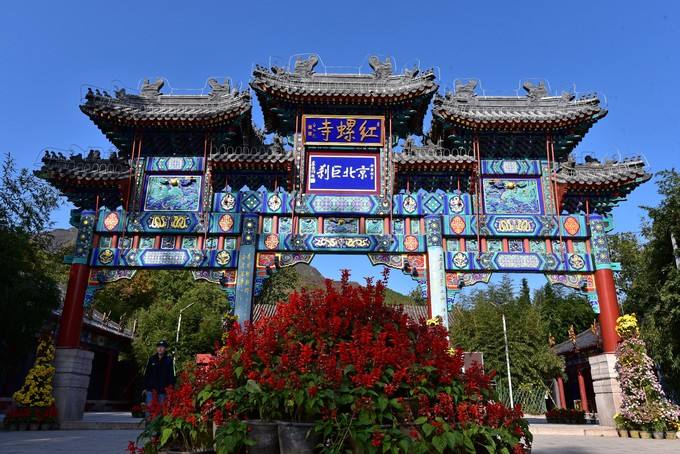
 Hongluo Temple was built during the Eastern Jin Dynasty and is the largest Buddhist garden in northern China. It has been a holy place for worshipping Buddha in Beijing since ancient times. There are towering ancient trees in the temple. “Seeing flowers in spring, avoiding the heat in summer, viewing red leaves in autumn, and admiring three friends in winter” are the characteristics of Hongluo Temple.
Hongluo Temple is divided into two parts, one is the main temple area of Hongluo Temple and the Five Hundred Arhats near the main hall, and the other is the Guanyin Temple on the top of the mountain. It is said that Guanyin Temple is extremely effective. There are incense sticks for worshipping Buddha in the whole temple. There is no requirement for the incense money, it all depends on the tourists.
The main temple area and the Five Hundred Arhats Forest are not big, with a circumference of several hundred meters, and it takes only one hour to walk around. In addition to worshiping Buddha, visiting the main temple area is mainly to admire the large number of plants in Hongluo Temple.
After visiting the temple, you can climb back to the mountain along the mountain path. There are about a thousand steps. Generally, it takes more than two hours to reach the Guanyin Temple on the top of the mountain. Every time you walk along the road, a different-looking Guanyin Bodhisattva appears in front of you, which is very interesting. The Guanyin Temple on the top of the mountain is said to be very spiritual, and many people come here to worship. Looking down the bottom of the mountain from the top of the mountain, you will feel that the mountains are stacked in the distance, and towns and other places are in sight, which is very open. If you don’t have enough physical strength, you can also take the scenic slide up and down the mountain. The slide is about 800 meters to the Guanyin Temple on the top of the mountain.
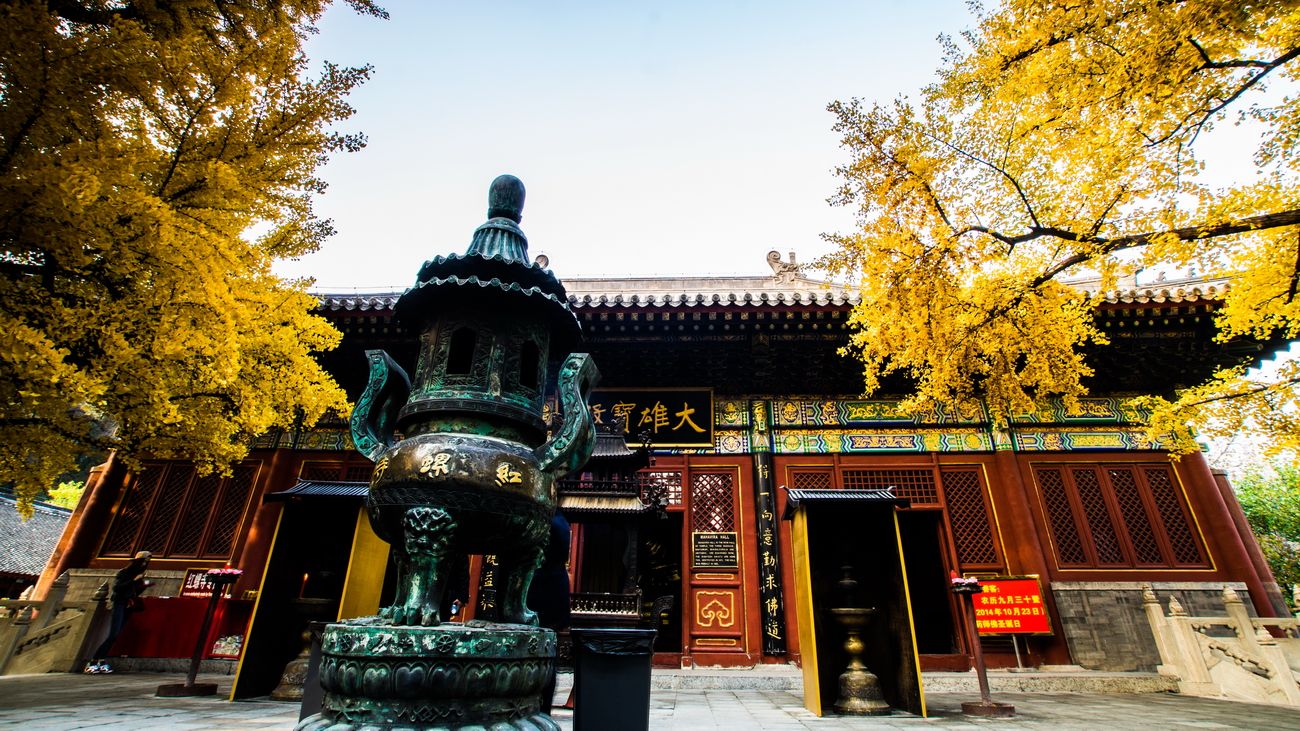 When you feel a little impetuous, Hongluo Temple becomes the first choice to relax. Come here to climb the mountain and pray for blessings, which can always make people quiet and peaceful. After reaching the top of the mountain and worshiping the Bodhisattva, take another mountain road down the mountain, with the beautiful scenery and a panoramic view. You can reach the Zodiac Garden all the way down the mountain, you can worship Amitabha, you can rest in the pavilion, you can see a group of cute turtles, and feel the fragrance of flowers, and get close to nature. This is a place that is very worth visiting often.
 Beijing WTown is located on the northeast side of Miyun County, Beijing, about 140 kilometers by car from the center of Beijing. It is an ancient town scenic area which is rebuilt on the basis of the original ancient village. The town is built along the water. Many Ming and Qing dynasties and the Republic of China style mountain courtyards are preserved and built on the streets, which is full of the majestic style of the ancient towns in the north. At the same time, many areas with the characteristics of southern water towns are also built. The environment is simple and elegant.
 In the resort of the Beijing WTown, there are Ming and Qing and Republican style mountainous courtyard buildings, including 4 boutique hotels, 5 theme hotels, 23 homestay inns, with a total of 1378 rooms, more than 10 cultural exhibition experience areas, featured shops and restaurants and complete supporting service facilities. The night view of Beijing WTown is a must-see in Beijing. This small town built on the basis of the northern water culture and it is becoming a new fashion landmark for Beijing night tour, attracting more and more young people and international tourists to come to enjoy vacation and leisure here. This is also a paradise for photographer and food lovers.
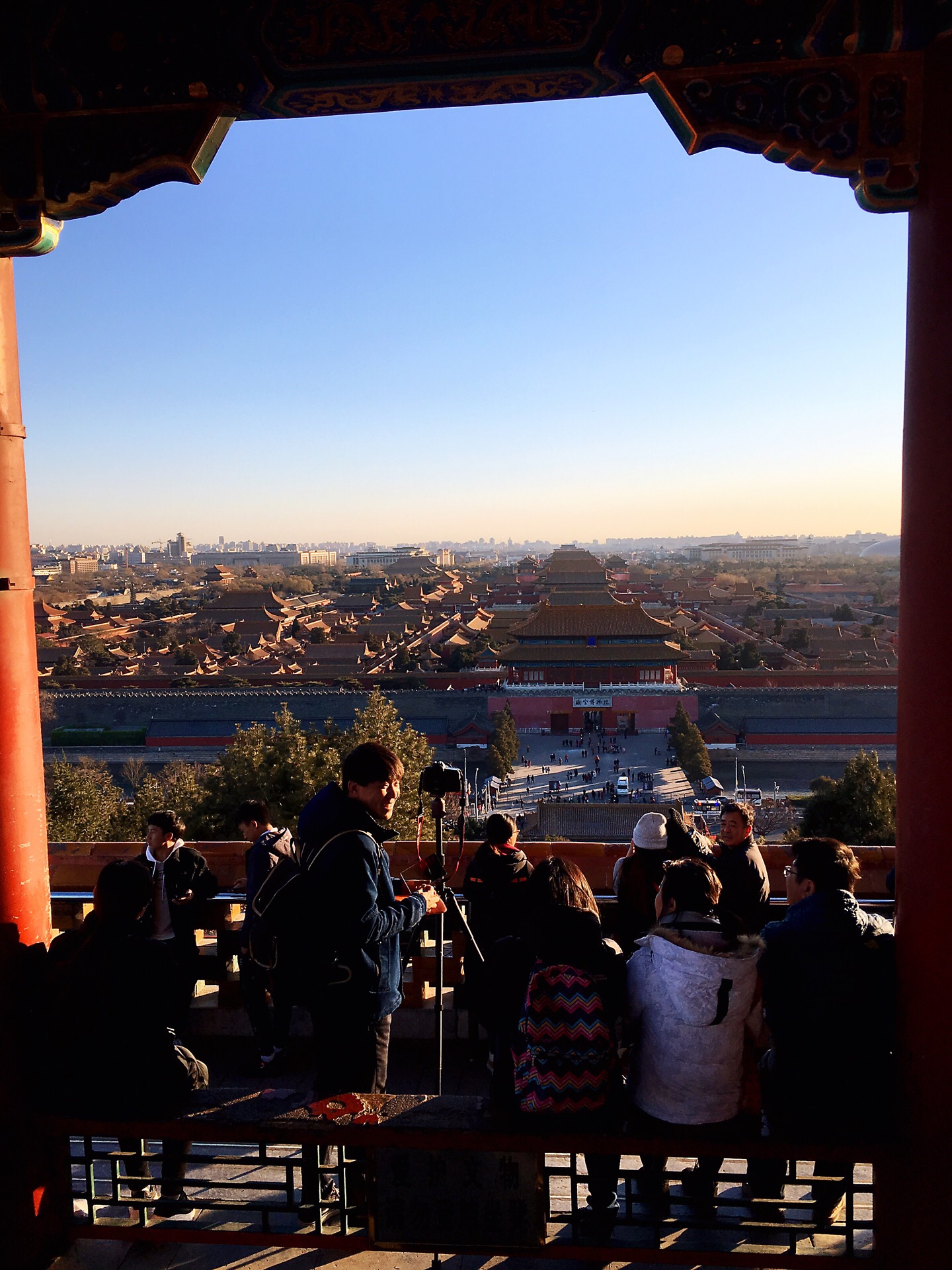
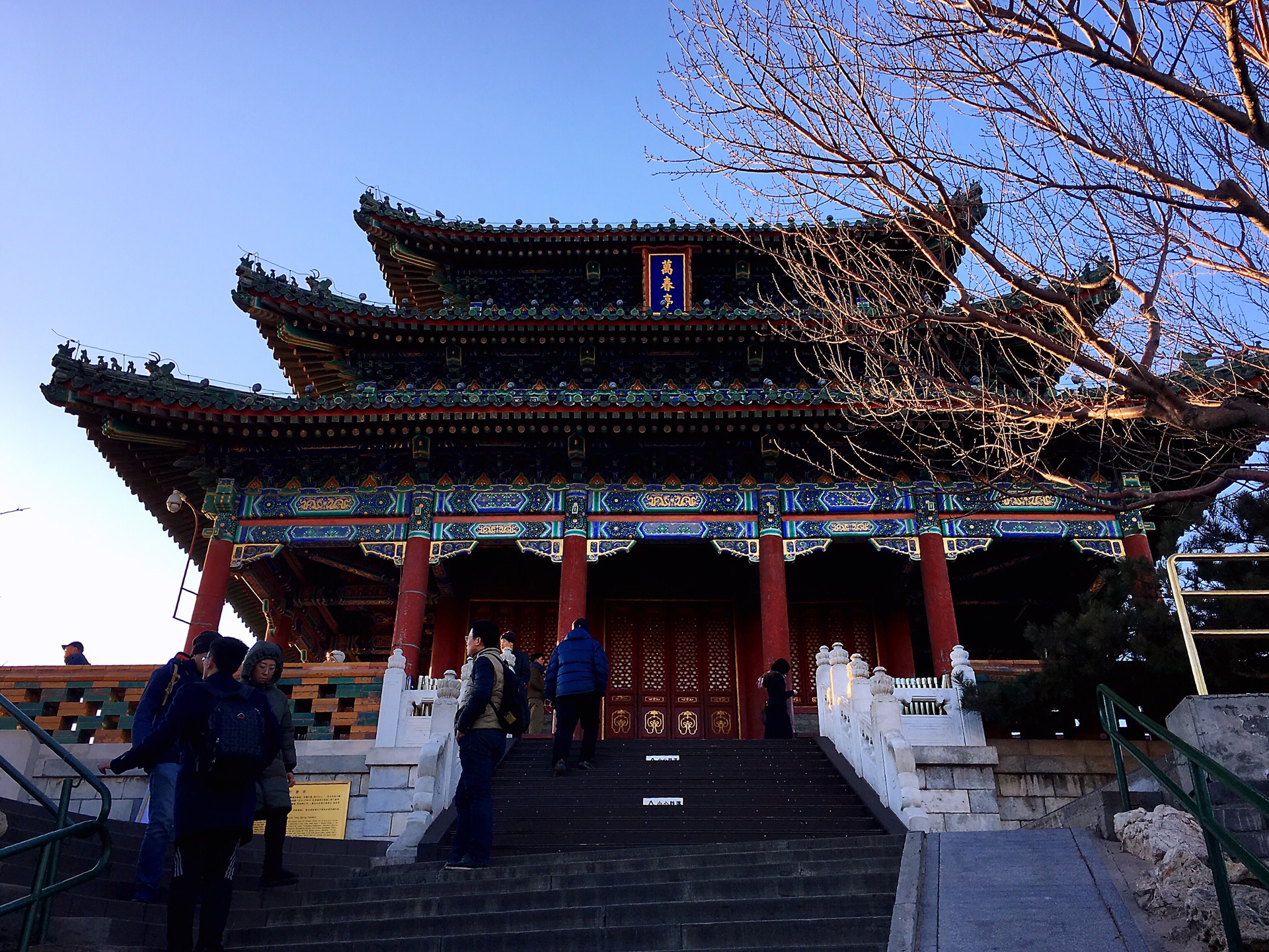 Located on the central axis of Beijing City, Jingshan Park is a royal garden in the Ming and Qing Dynasties. The middle peak in the park used to be the commanding height of the old Beijing City. The pavilion on the middle peak is called “Wanchun Pavilion”. It is a must-visit place for tourists to come to Jingshan Park. There, you can overlook the entire Beijing downtown area and the Forbidden City. It is also a great place for panoramic view of the Forbidden City.
 There are tens of thousands of peony and other flowers in the park, and there are flower exhibitions in spring, summer and autumn. In addition, there is a shooting service point in the park, where you can put on Qing Dynasty costumes to take pictures of emperors or grids, at an additional cost.
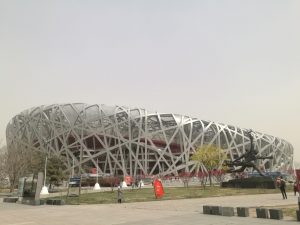 Let’s talk about admission of the Birds Nest first. When there are no performances, no games, the Birds Nest will only open a few doors. And you can get off at the Olympic Sports Center on the 8th line or at the Olympic Park or Beitucheng, which is a kilometer trip or so. You can find a place to buy a ticket by walking around the Birds Nest. The cheapest ticket of the Birds Nest is 80 Yuan (it looks like that you can’t visit the fifth floor). For the ticket of 120 Yuan (you can visit the fifth floor and the sixth floor, the second floor and the first floor). The fifth floor shows some of the costumes that were performed at the time, and the exhibited some historical items. When you get in the first floor, it was the athlete’s passage at that time, and there were some video recordings of the games that could be viewed directly. For visiting the air corridor, you need to buy tickets separately. If you like the Olympics or sports, the fare is OK. Tickets for other attractions in Beijing are cheaper. The fifth floor is closed at around 17:00 pm, so it is best to go there early.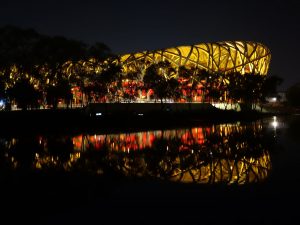
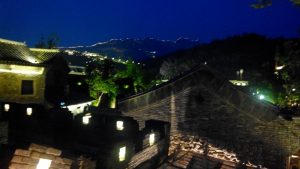 The wall of the Simatai Great Wall is built on the precipitous mountain and is known as being “risk and odd”. Located in the north of Simatai Village, Gubeikou Town, Miyun District, Beijing, close to Gubei Water Town, Simatai Great Wall was built in Ming Dynasty.
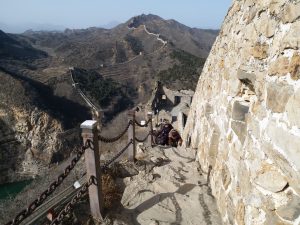 Simatai Great Wall is located in Miyun County, Beijing, and is now connected with the Gubei Water Town Scenic Area. This section of the Great Wall belongs to the Ming Great Wall. It is one of the well-preserved Great Walls in China and is listed as a national key cultural relics protection unit.
 The Jinshanling Great Wall is definitely a section of the Ming Great Wall that is worth visiting. The Great Wall, located at the junction of Beijing and Hebei, belongs to Chengde City. The scenic area is very large, and there are battery cars, cable cars for you to choose from according to your physical strength and your own needs, but they are not included in the tickets. The wall is very long, it takes nearly three hours to finish climbing there, and the essence of the Great Wall is between the five-eye building.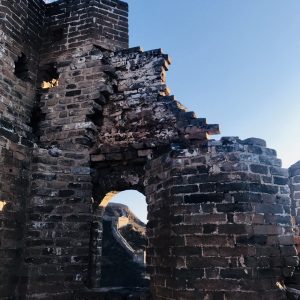
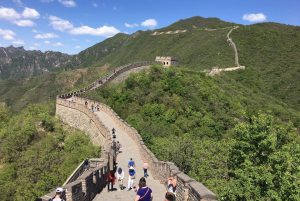 After arriving at Mutianyu Great Wall, you first need to take a shuttle bus (15 yuan for two way) to reach the Great Wall ticketing outlet. Mutianyu Great Wall tickets are 45 yuan per person. At the same time, it is recommended to choose a two-way cable car or take the ropeways up the mountain. Because if you choose to walk up the mountain, you have to walk around 700 steps, which is equivalent to climbing 50 floors. After boarding the Mutianyu Great Wall, you are exhausted, and basically have no strength to reach the No. 20 beacon tower at the highest point of the Great Wall in Mutianyu. Therefore, taking a cable car or ropeways is an important tool to help you achieve your desire to climb the Mutianyu Great Wall. Cable cars and ropeways are optional according to your wishes, and it is highly recommended taking the cable cars for the following reasons:
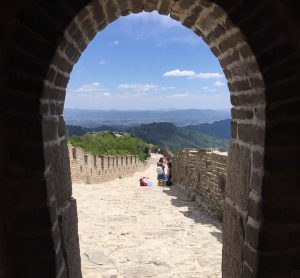 Therefore, if your physical strength is ok, then go through this wall and go to the No. 23 beacon tower. Between the No. 21 beacon tower and the No. 22 beacon tower, the slope will slowly slow down, and you will begin to touch the “Great Wall of History”, as the old bricks of the remains are showing a historical vicissitudes.
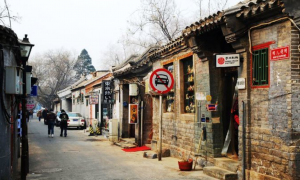 Hutong is an ancient urban alley unique to Beijing. Therefore, some people call Beijing’s ancient capital culture as “hutong culture” or “four courtyard culture”. People in Beijing are often not interested in the tall buildings, but the small alleys with twists and turns, and those warm and beautiful courtyards. The old Beijing Hutong Tour includes the oldest Beijing-style hutongs such as Wudaoying, Nanluoguxiang, Guozijian, and Yandai Xiejie, which are worth a visit. Sitting on the original human rickshaw, or riding a bicycle in the alley to experience the most authentic old Beijing Hutong culture, it is an interesting thing.
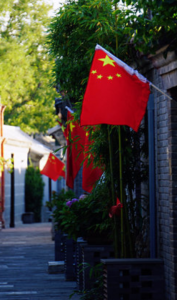 Yangmeizhu Xiejie is an alley connecting Dashanlan and Liulichang East Street. It shoulders the most prosperous place in old Beijing. It has attracted many intellectuals and is also a famous place in the Republic of China. In front of the Shichahai, the north-south is an east-west hutong. The houses on both sides of the hutong are relatively neat. If you choose a rickshaw to travel the hutong, then this is the place where the “hutong tour” must pass.
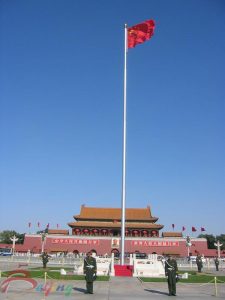 There are many people in Tiananmen Square at four o’clock in the morning. The purpose is to wait for the flag-raising ceremony. And you can look at the night scene of Tiananmen Square.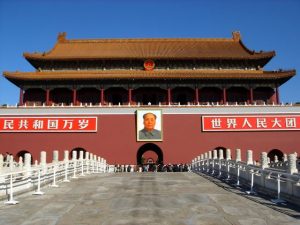
 The square layout of the Temple of Heaven is completely without a reason to get lost when you are visiting there. Whether you enter from the north gate or the south gate, it is generally not to go back and just go out from another gate, which is also more time-saving. The route is also very clear, because the Temple of Heaven is completely laid out according to the central axis. The main attractions are the Hall of Prayer, Imperial Heavenly Vault, Echo Wall and Circular Mound Altar.
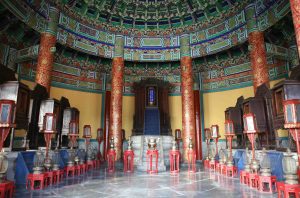 When there are already many tourists, if you want to take good pictures of the Prayer Hall, you need to raise the angle a bit, so that the camera just cuts out some people below, so that the photos don’t look messy.