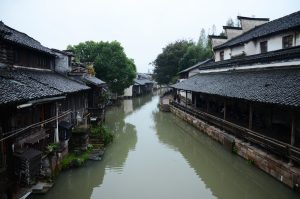
 When you make your trip to the Wuzhen Water Town, if you just go to the west bank, the ticket is 120 yuan/person, and the East Bank and West Bank coupons are 150 yuan. If you have enough time, you can go to have a visit on both East and West Bank. You can compare it. The West Bank can be played during the day or at night, different time has its own differences. After checking the ticket from the entrance of the scenic spot, after taking a short boat ride on the river, you will enter the West Bank from the dock. There is a scenic service center and a check-in counter nearby, which is very convenient.
You must arrange at least half a day of play time on West Bank. It takes more than an hour to look at some of the town buildings on the main street of West Bank. Going back to the pier will take at least two hours around the town waterway. Otherwise, it will be a quick walk to take exercise. When the weather is fine, it is recommended to take a local Ubud boat and watch the riverside buildings in Wuzhen on the water. At noon or in the evening, you can dine at the restaurants in Wuzhen. The price is very reasonable. You will feel it surprised to see such a delicious, high-quality and low-priced restaurant in the closed scenic spot. In short, Wuzhen is the most successful water town scenic spot for commercial development. It is highly recommended that you go to play there, and you can go there several times and stay at night there.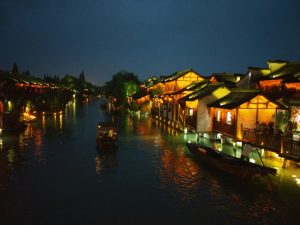
About Wuzhen, it must be a place that you don’t want to leave when you come, especially Wuzhen in the night like a classical beauty coming out of a painting, which is so beautiful and fascinating. But, well, the premise is that you better live in the west bank. The commercial atmosphere in Wuzhen is not very strong, the streets and houses are very primitive, and you will like the bridges here, like the small ink art here, like the ease here.
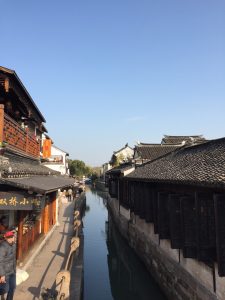
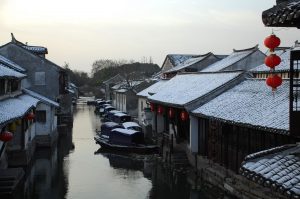 Here are some travel guides for your tour to the Zhouzhuang Water Town:
 Special Note
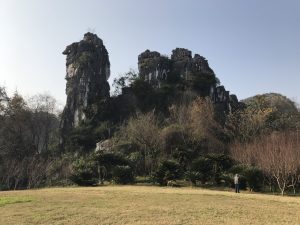 The Seven Star Scenic Area (National AAAA Grade Scenic Area) is located on the east bank of the Li River, which is 1.5 kilometers from the city center and covers an area of 134.7 hectares. It is named after Qixing Mountain and Qixing Cave. The Seven Star Park Scenic Area is the largest, the oldest and most comprehensive park in Guilin. The famous Qixing Cave is on the hillside of Mount Putuo. The cave is majestic and deep. The cave stalactites, stalagmites, stone pillars and stone sarcophagi are in a variety of poses and wonders. The boutique of Guilin’s landscape includes “three mountains, two caves and one river”, of which “two holes” refers to Qixing Cave and Reed Flute Cave. The Seven Star Scenic Area has a typical karst landscape, which integrates the beauty of mountains, water, caves and stone. The trees and flowers in the parks are in pieces. Whenever the golden autumn season comes, the osmanthus flowers in the park can be seen here and there, making the strange mountain and the clear water more beautiful and colorful. The environment is very good, the scenery is beautiful and you will feel your tour there pleasant.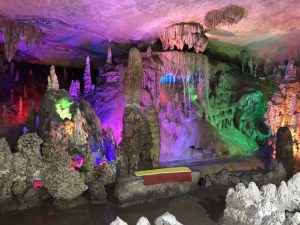
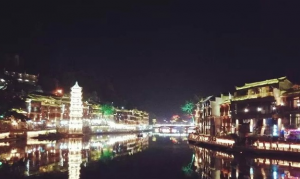 The Fenghuang Ancient Town is located in the southwest of Xiangxi Tujia and Miao Autonomous Prefecture in Hunan Province, with a total land area of about 10 square kilometers. At the end of 2010, about 50,000 people were composed of 28 ethnic groups including Miao, Han and Tujia. They are typical ethnic minority areas.
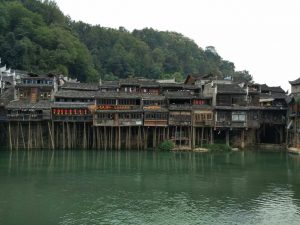 It is recommended to proceed from the North Gate Tower, along the city wall, through the Yangjia Temple, to the East Gate. After a visit to Dongzheng Street, the former residence of Xiong Xiling and the former residence of Shen Congwen, as well as the Ancient City Museum are nearby. In the evening, you can return to the Hongqiao outside the East Gate, where the beautiful Fenghuang night scene is waiting for you.
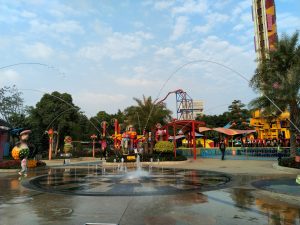 The ChimeLong Tourist Resort is awesome. The tickets for the Grand Circus are expensive and the children need to buy tickets but it is worth seeing! Happy World is suitable for both adults and children. There is an amusement park built for children under 10 years old. Even the little ones who are over 1 year old can find suitable items in the resort, so it is great! Not to mention the zoo, children are not willing to come out when they are playing there! And your trip will be very successful!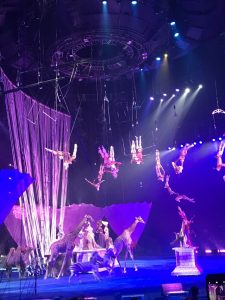
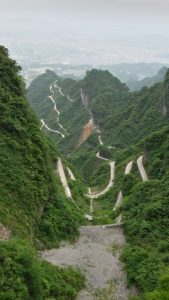 Tianmen Mountain is named after the natural wonder “Tianmen Cave”. When you visit Tianmen Mountain, you must take the 7500-meter cableway. You can enjoy the view of the Tongtian Avenue and the mountains hovering between the cliffs in the cable car. If you are brave, you can take a walk on the glass path that is suspended from the wall and experience the thrill of volley walking.
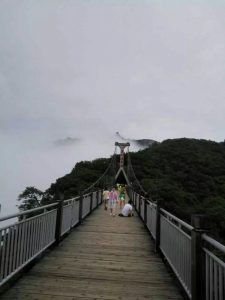 The core attraction of the center line is the Tianmenshan Temple, and there is a “Qier Cave” near the temple. The folklore sends a goddess of Guanyin here, and wishes to ask for children; the highlight of the west line is a 60-meter-long “glass plank road” built on the cliffs, the roads under the feet are all made of transparent glass. Walking on top, you can see the deep valley under your feet. You will feel the joy of walking in the air. The east line is dominated by virgin forests, and now it is also 150 meters long glass plank road.
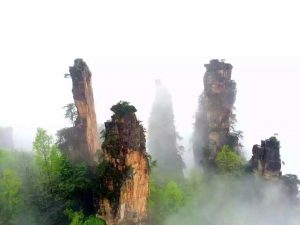 Every trip will be surprising or amazing, and has its own different posture, and we are all unknown to it, and we are full of expectations. For the Zhangjiajie National Forest Park, the whole stream runs through the valley between the peaks. It is quiet and unusual. The stream is as clean as a mirror. The small fish swims among them. Occasionally, you can see the little monkey standing on the side of the road. The flowers and plants by the stream are delicious, and the birds there are singing, which will make you feel walking in the middle of the painting.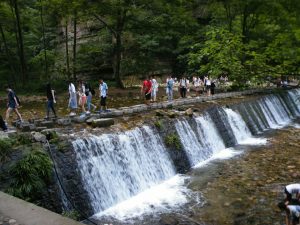
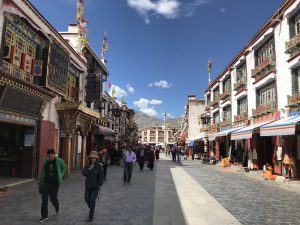 Barkhor Street is a street that shows the Tibetan customs. Here you can feel the customs of the Tibetan area, and it is mainly surrounded by shops and restaurants around the Jokhang Temple and the places where you can manage all kinds of small objects. Here what you will feel more is the devout worship of the Tibetans, and the shops on both sides are for sale the decorations that feature a variety of Tibetan style. Walking in a clockwise direction, you will find several exits that can be reached in different directions to the city of Lhasa. The transportation in all directions makes the Barkhor Street the busiest and bustling street.
 Of course, here you can also buy some favorite Tibetan style ornaments, turquoise, Nanjiang carnelian, Dzi Beads, etc., all of ornaments showing the beauty of Tibet can be almost found here, if you have patience, you can have a good chat with the owner, and the price will be very acceptable too.
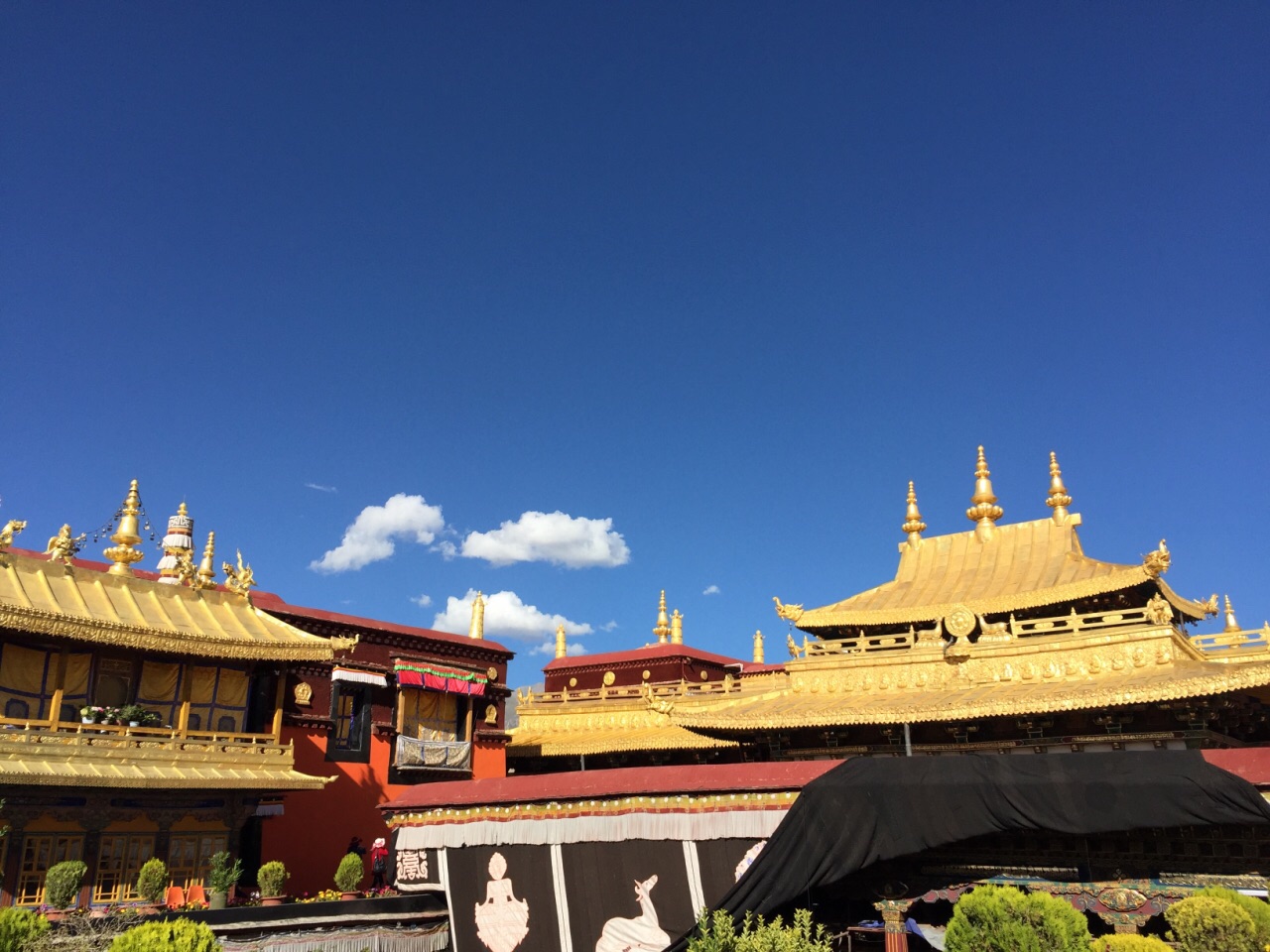 The Jokhang Temple, in Tibetan language is called “Jingkang”, and it is the end of the pilgrimage of Tibetan Buddhist believers. The sacredness of the Jokhang Temple is not inferior to the Potala Palace.
 Drepung Monastery is the largest and highest-ranking temple in the Gelug Sect of Tibetan Buddhism and the largest temple in the world. The white buildings are covered with hillsides, and looking from the distance, it is like a huge pile of rice. There are some well-known buildings in the temple, including “Gandanpozhang”, “Cuoqin Hall”, and the four “Zhacang” and the affiliated Kangcun. In addition, the “Tibet’s Largest Kitchen” next to the Cuoqin Hall served as a task for more than 10,000 monks to cook and make tea during their heyday. What you can’t miss in the Drepung Monastery is a large-scale debate ceremony every afternoon. The squatting people are in groups of two, one sits on the ground, the other stands on the opposite side, and the verses are debated in exaggerated movements. The scene is very interesting. Every year at the Sho Dun Festival, Drepung Monastery holds the largest buddha ritual in the Tibetan area, displaying a giant Buddha image Thangka on the hillside, attracting a large number of believers and tourists to pray, whose scene is very spectacular.