A bakery that has Hong Kong written all over it…

What do you get when you cross a Japanese, a Hong Konger, and a Swede who all love bread? Po’s Atelier.

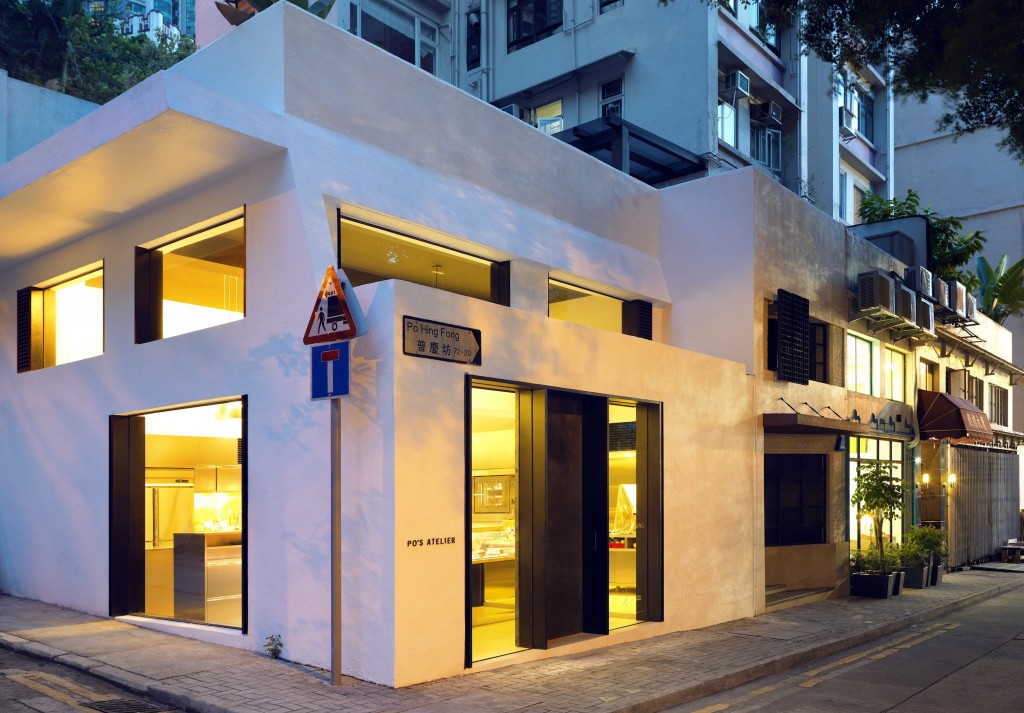
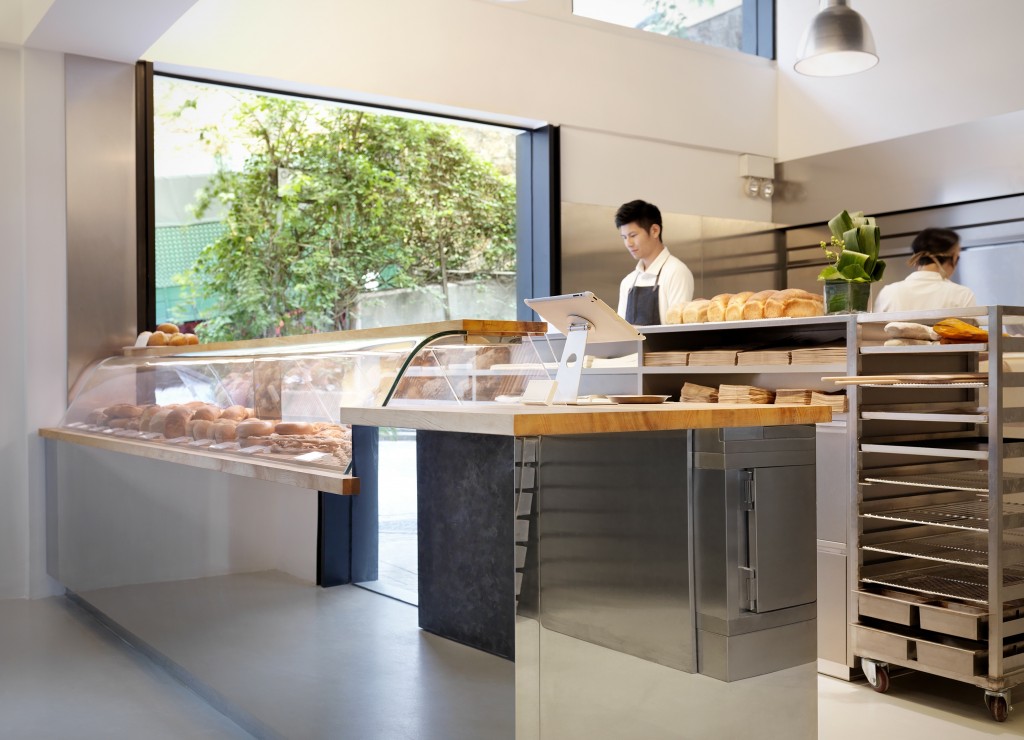
Located in the ever cosmopolitan city of Hong Kong, Po’s Atelier is, according to its press release, “…a French-Japanese boutique bakery focusing on artisan breads and pastries paired with inspiration from Scandinavia.” Sounds like a delicious combination from our perspective.

A bakery that has Hong Kong written all over it…

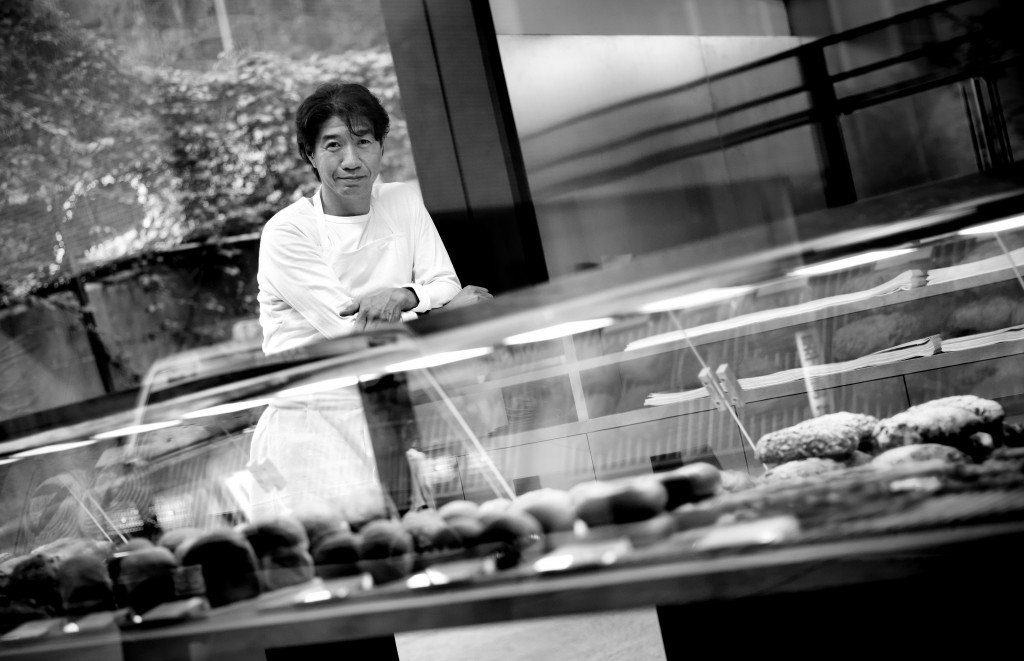
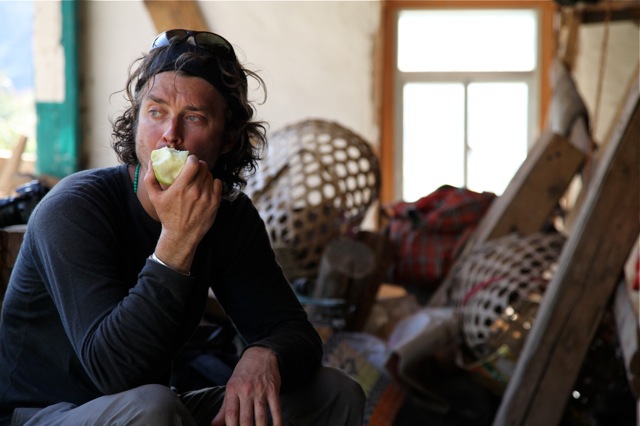
Vincent Cheng (Hong Konger) and Jonathan Leijonhufvud (Swede) first started Po’s Atelier as a result of what they perceived as Hong Kong’s “lack of quality bread free of additives and other nasty chemicals.” Though the two come from backgrounds in art direction, design, and photography, they were excited about the challenges of creating a bakery.  They were looking for an opportunity to “present their recipes in a unique yet humble environment”–something of a rarity for bakeries in Hong Kong.

A bakery that has Hong Kong written all over it…

Since opening, Vincent and Jonathan have really enjoyed getting to know the neighborhood and establishing a regular clientele of enthusiastic bread lovers. Customers comments and suggestions are frequently the impetus that brings Jonathan and Vincent back to the drawing board with their designer chef and baker Masami Asano (the Japanese).  And as one might expect, bakery favorites tend to fall along nationality lines…

A bakery that has Hong Kong written all over it…

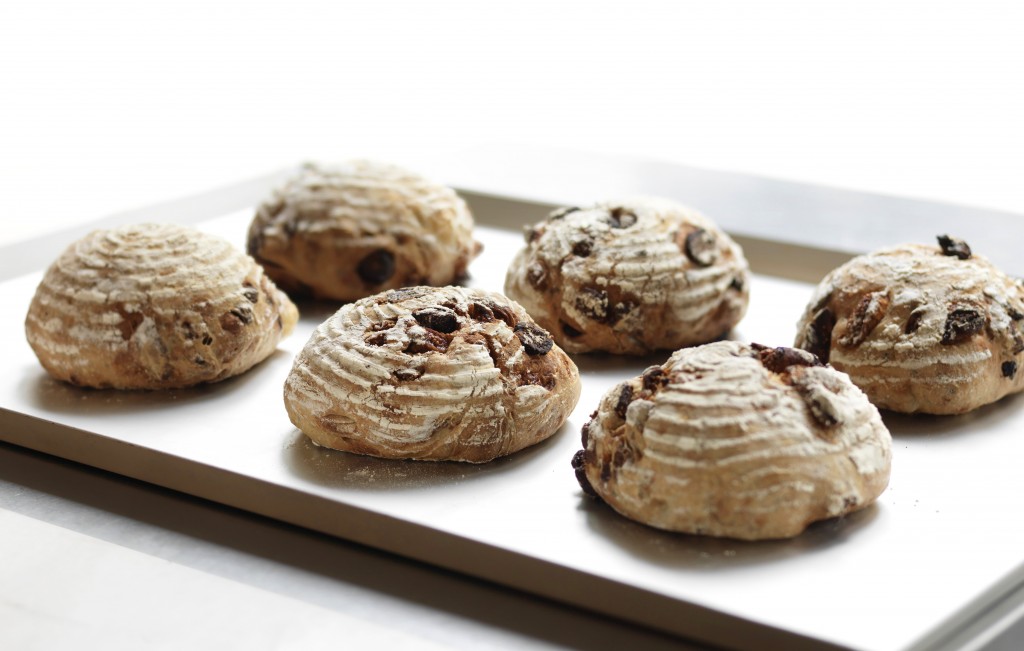
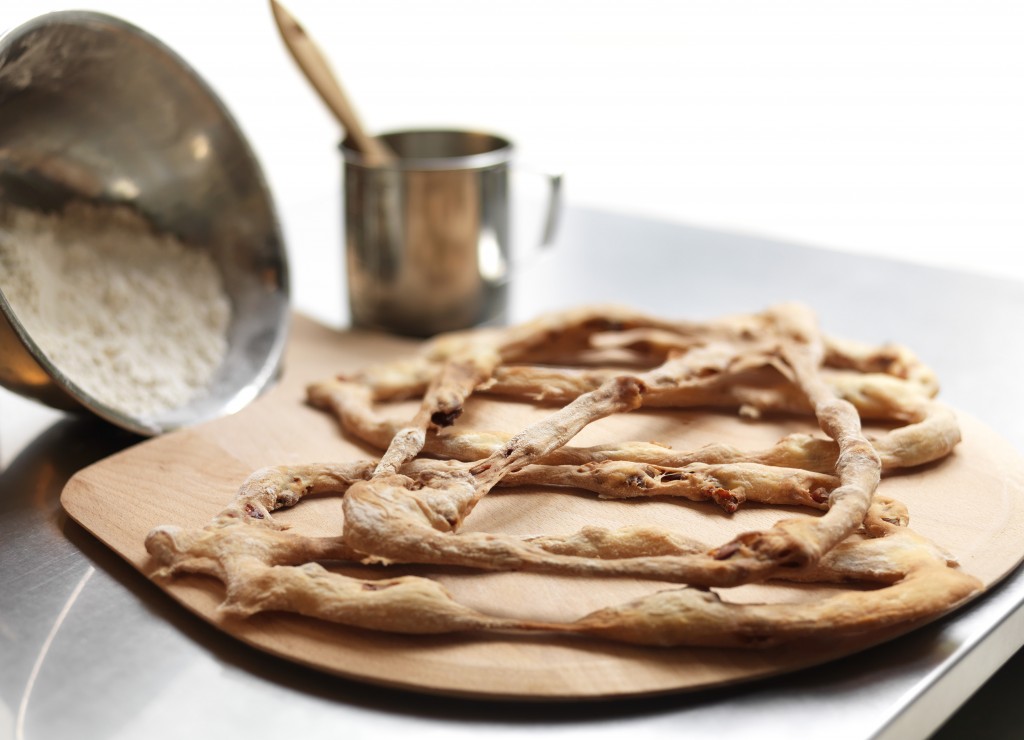
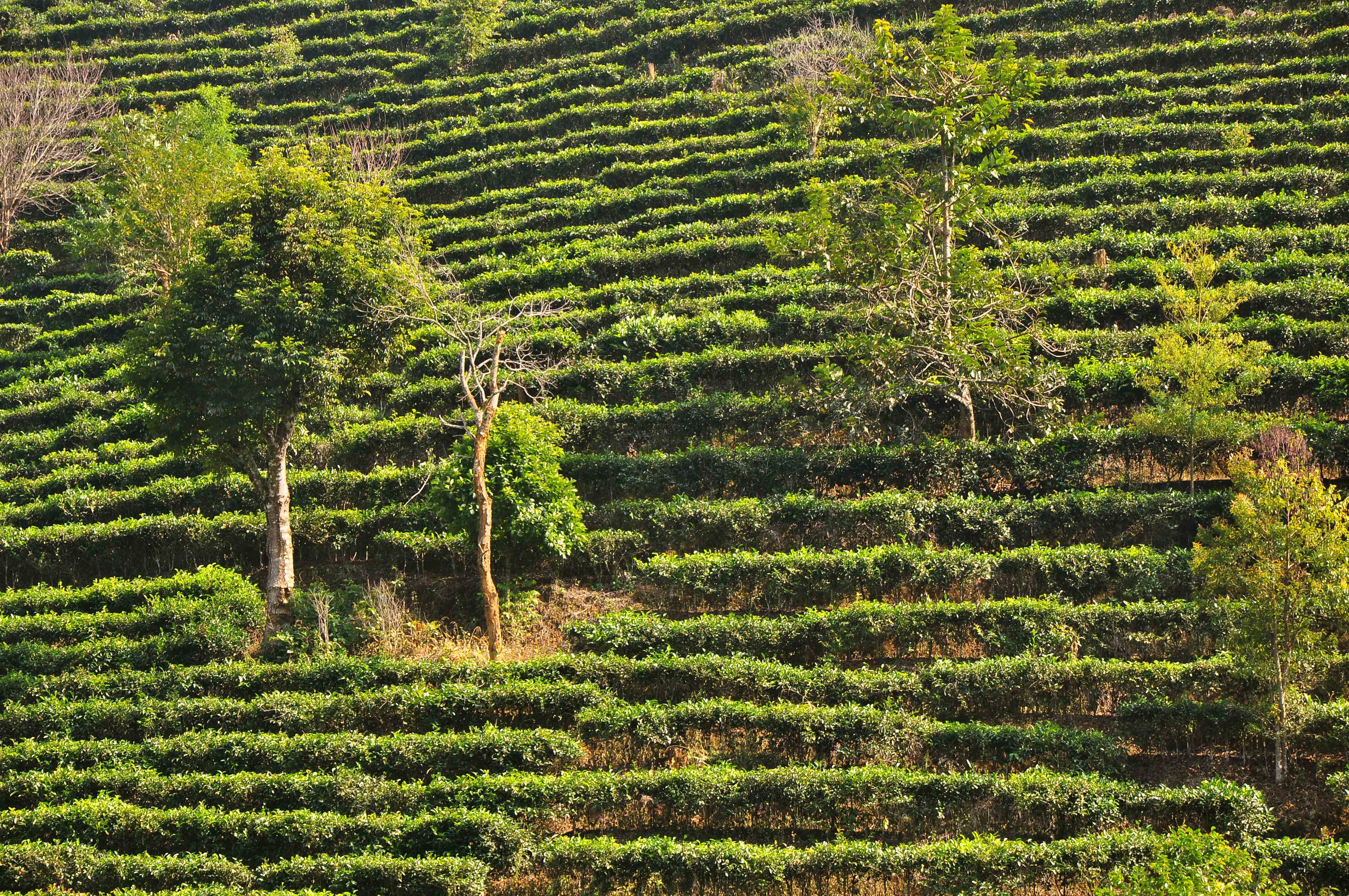
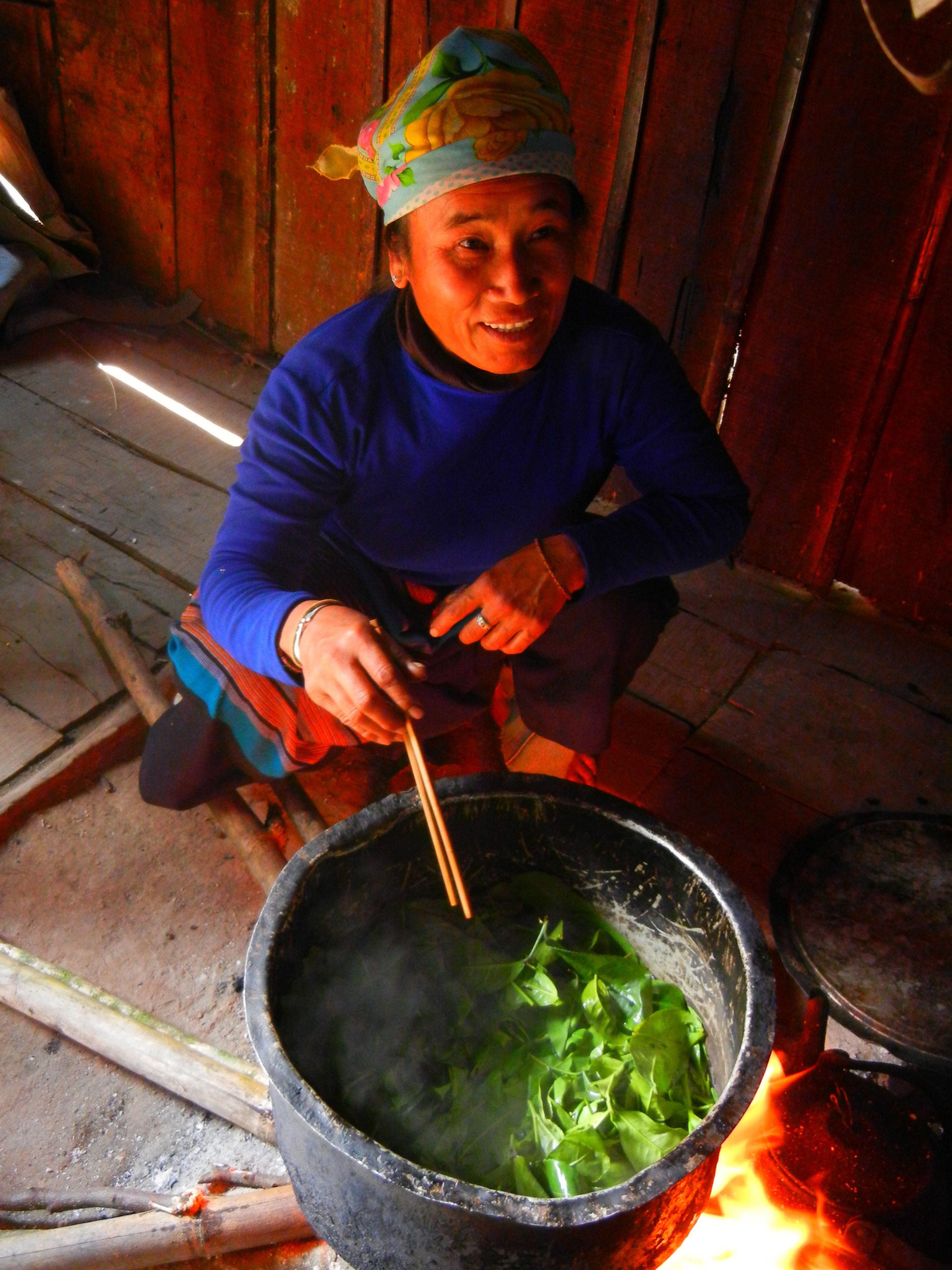
For Chinese clientele, the top breads are Madame Cheng (a dairy-free loaf baked with fresh homemade soya milk–a recipe passed down from Vincent’s Mom), AOP (Po’s Atelier’s signature brioche made with Grand Fermage butter) and Oolong (also dairy-free, made with Yunnanese oolong tea seed oil and fresh tea leaves). For western customers, subtle tangy sourdough breads and savory grissini take the cake. All patrons though, are fond of the Danish pastries–whether with Valrhona chocolate, escargot, or their special green bean and manuka honey reduction.

A bakery that has Hong Kong written all over it…

This month, Jonathan and Vincent are preparing to open Café Deadend next door which will also feature the humble aesthetic and artisanal delicacies of Po’s Atelier. With plans to begin supplying their breads to a few like-minded eateries in Hong Kong, the only question we still have is when are they coming to Beijing?

A bakery that has Hong Kong written all over it…

———-

If you are interested in travel in China or Hong Kong send us an email at info@wildchina.com and we will be happy to assist you.

Photos provided by Po’s Atelier

Galaxy SOHO: Architecture in Beijing

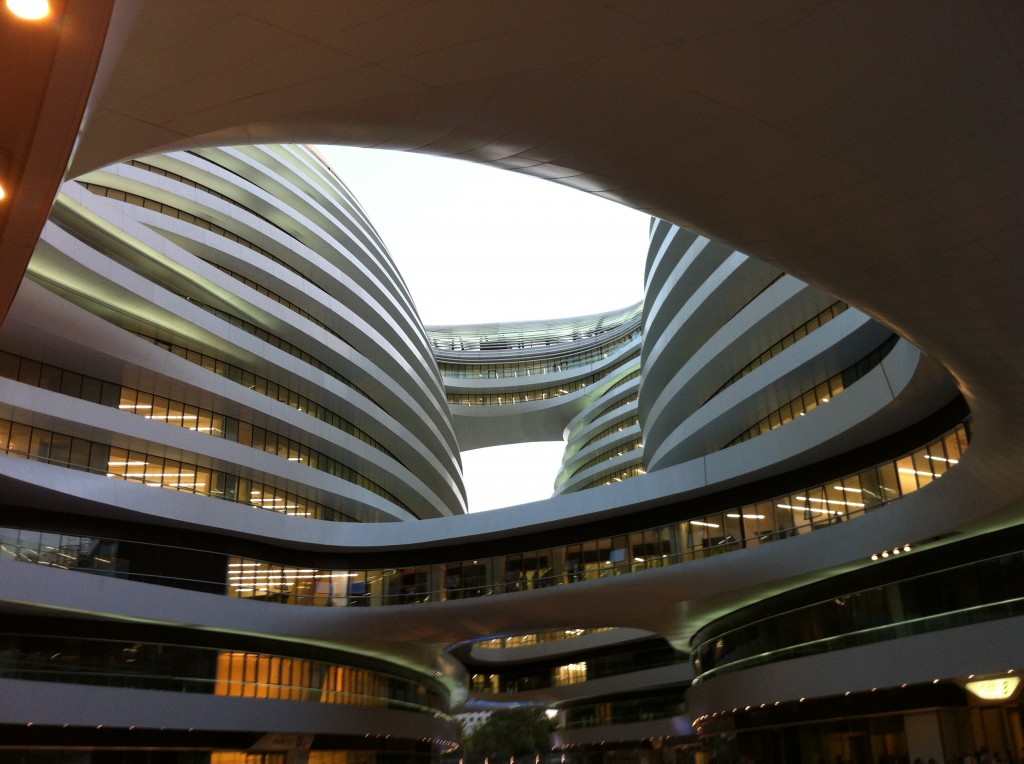
Recently, real estate firm SOHO China unveiled its newest addition to Beijing: the Galaxy SOHO. Rising up above Beijing’s second ring road, the four main buildings look like a cross between eggs and slinkys, and are surprisingly reminiscent of New York City’s Guggenheim Museum. Connected by futuristic walkways and wrapped in sleek, white stripes, standing in the open-air lobby is an otherworldly experience. The brain child of Zaha Hadid Architects, the complex opened to the public amid considerable public interest, excited crowds, and some exotic hairdos. Below are pictures from the event:

Galaxy SOHO: Architecture in Beijing
(Close up of an egg)

Galaxy SOHO: Architecture in Beijing
(The brightly colored ushers)

Galaxy SOHO: Architecture in Beijing
(The rising eggs)

Architecture in China is an area that has recently spawned considerable creativity so if you are an architecture enthusiast, the Middle Kingdom is an excellent place to set your sights.

———-

If you have any questions about travel in China feel free to send us an email at info@wildchina.com and we will be happy to assist you.


2013 Beijing Marathon Sold Out Instantly

Registration for the 2013 Beijing Marathon was over almost as soon as it began, with 30,000 available spaces filling up in a matter of hours.

When registration opened on September 8, it seemed as though the race had already begun, with distance runners flocking to the event’s website in such numbers that they managed to take down the server.

This record sell-out marks the 33rd anniversary of the event, which began in 1981 as part of Chinese efforts to promote international ties.

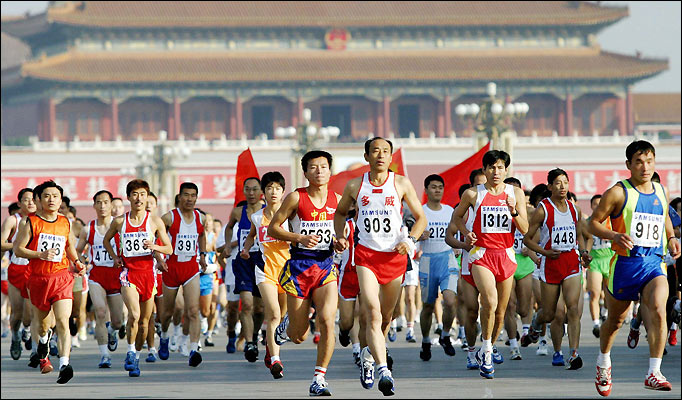
On October 20th, runners will begin in Tiananmen Square, making a 42km (26.2 mile) journey through Chinese history, before finishing in the scenic Olympic Park.

2013 Beijing Marathon Sold Out InstantlyPhoto Credit: Lumdimsum.com

2013 Beijing Marathon Sold Out InstantlyPhoto Credit: AsiaTravel


China Travel: Discover Mount Emei in Sichuan

Check out this on the road experience from AsiaTravel’s travel product design manager, Colleen O’Connor, and discover an unknown trail situated deep in Emei’s sacred mountain range, just waiting to be explored…by you!

We traveled to Sichuan with one main goal in mind: to find more exciting, adventurous routes accessible for you to Experience China Differently! For today, our destination included a little-known hiking trail along Sichuan’s Emei Mountain, one of China’s four sacred Buddhist Mountains. The name “Emei” literally translates to “delicate eyebrows,” deriving from two of the mountain’s peaks—Ten Thousand Buddha Summit and Golden Summit—resembling the curvature of one’s brow. On this hike, we planned to follow along Emei’s brow into mountainous terrain, bamboo groves, and an isolated temple.

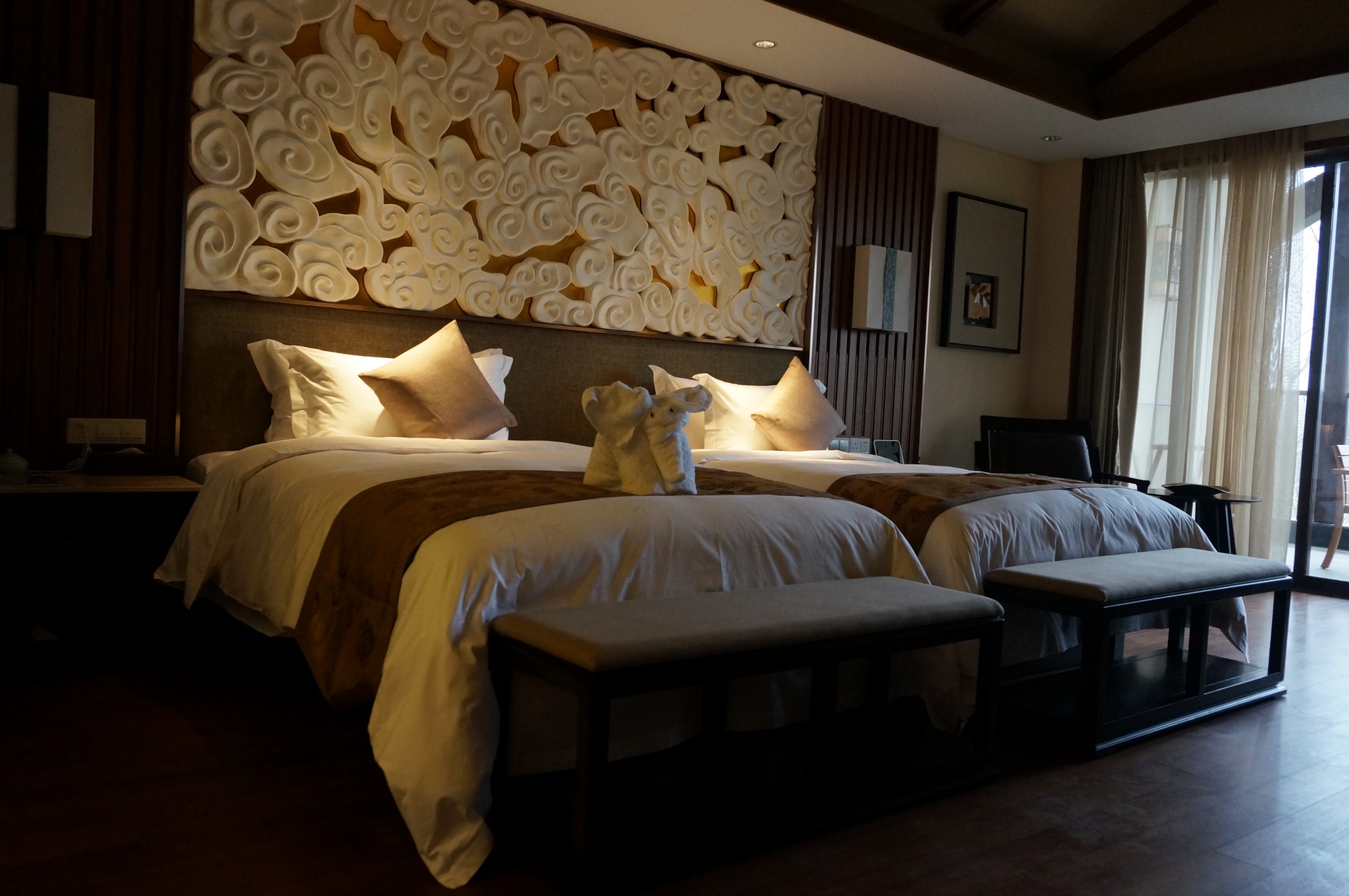
The night before, Rebecca, AsiaTravel’s Operations Manager, and I spent the night at the luxurious Anantara Emei Resort & Spa, a recently opened 5-star hotel nestled along the foothills of the Tibetan Plateau. After packing our daypacks, we left the comforts of our spacious double room and scooted along by private cart, passing the resort’s outdoor hot spring and colorful flower gardens to the main lobby.
China Travel: Discover Mount Emei in Sichuan

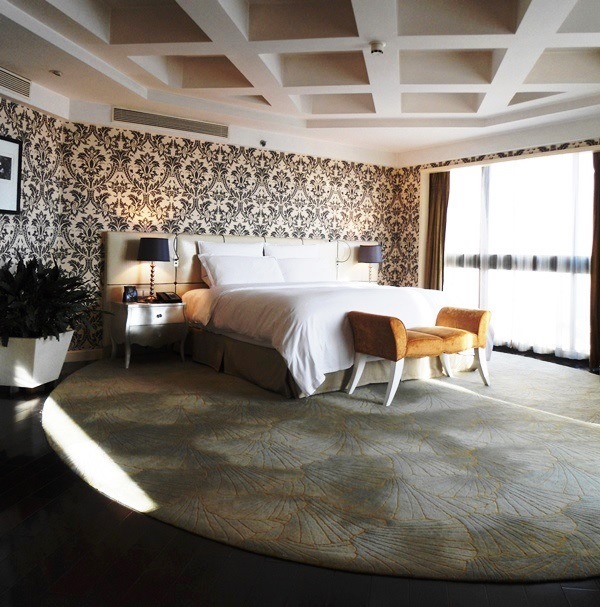
Double Room at Emei Resort & Spa

We met our friendly Sichuan guides at the dining hall for a continental breakfast, boasting a wide array of Western and Chinese breakfast foods. After filling our stomachs, we hopped into an SUV to begin our 2-hour ride through remote villages and twisting mountain roads into the heart of Emei’s mountain range. Our first plan of action was to meet our local guide, who would lead the hike.

As the morning mist hovered over the country road, our driver drove slowly to avoid residents walking along the road’s edge. Through the window, I saw men carrying plows with dirt still hanging of the metal grips from yesterday’s farm work. The women carried empty woven baskets, preparing for a day of vegetable picking…a glimpse of an ordinary morning in rural Sichuan.

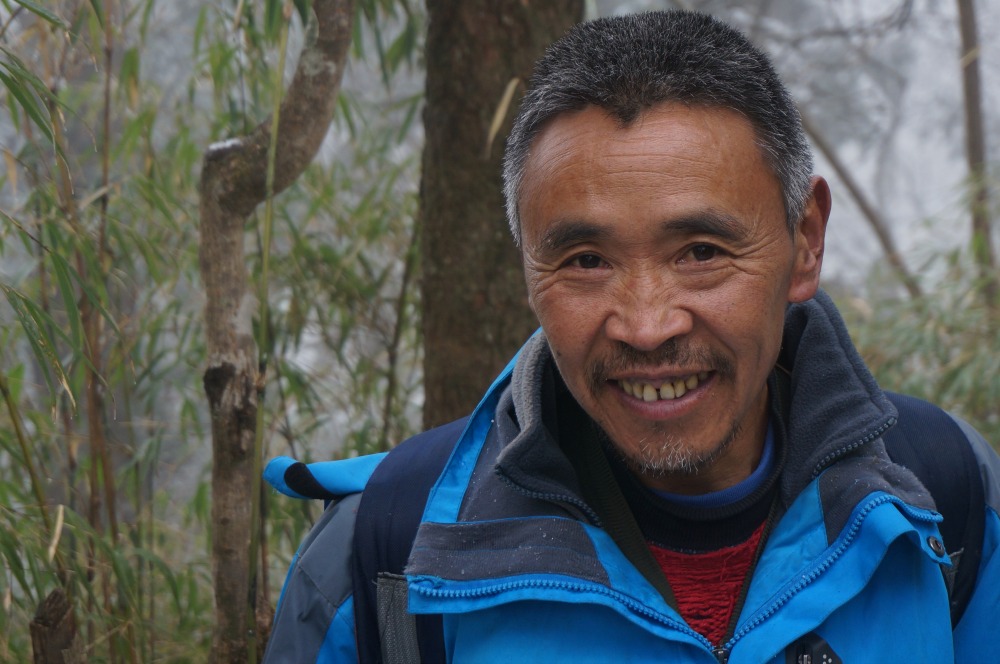
After two hours, we ascended one last bend along a cliff face before meeting our guide at a local home. His own home is situated far above in the mountains and inaccessible by road. So, he met us in the middle. He looked into the SUV, with a sweet-smelling pipe in hand, and grinned, “You ge laowai day” “There’s a foreigner!”
China Travel: Discover Mount Emei in Sichuan

Mr. Yue, our friendly Emei Mountain Guide

He put his pipe away and jumped in, while guiding the driver through dirt roads along towering cliffs and tiny hillside villages to our hike’s starting point, a slow moving river. The car slid to a muddy stop and we stepped out into a valley with a river trailing between the surrounding alpine mountains. After a night of light rainfall, the refreshing scent of wet pine was all around.

We said goodbye to our driver and followed our guide as he hopped as light as a feather over the stones placed in the river, beginning our trek into Emei Mountain. The hike started with a gradual incline to a wooden hut, surrounded by tilled land. Our guide explained that this little farm cultivated a type of root used for traditional Chinese medicine. As we took off our warm layers, the traditional medicine farmer came out of the hut to meet us, striking up a conversation with our guide, who was his close friend and neighbor.

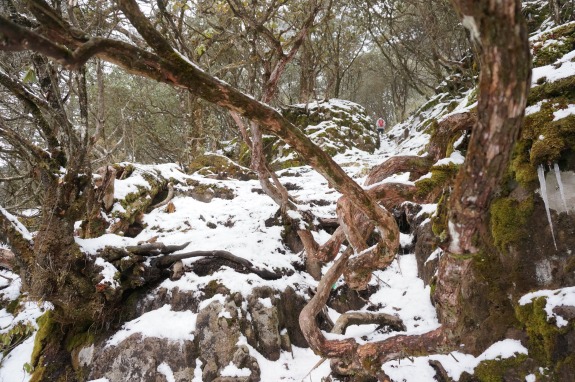
We said our farewells and continued our way into a sea of bamboo groves. Being the end of March, late winter’s yellowish green tint took up most of the scenery’s color, except for the refreshing and vibrant green bamboo leaves that encircled the trail. Towering pines, shedding birch trees, and tangles of other tree types added to the mountainous flora.
China Travel: Discover Mount Emei in Sichuan

Hiking through a tangle of trees and fresh moss (March scenery, we recommend you hike this trail in either spring or fall)

While exploring this unbeaten trail, I felt a sense of adventure and excitement for what would come next. Possibly another a unique bird, animal prints, or a mountainside vista? Thinking about the possibilities led to pondering over the other, more developed side of the mountain. How would it compare? I had heard it is equally beautiful, but also touristy with thousands of tourists visiting each day, hiking up a plethora of stone steps. The back trail, on the other hand, was the opposite, with hillside villages, dirt paths, and an intimate feeling of you with nature.
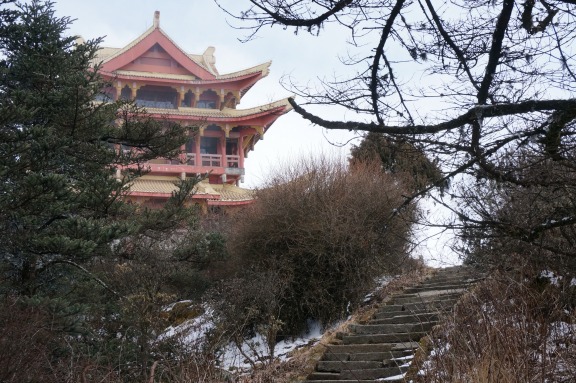
China Travel: Discover Mount Emei in Sichuan

Beyond the steps emerged the Ten Thousand Buddha Temple

After six hours of hiking, we finally reached the Ten Thousand Buddha summit, the highest point of Emei at 3,099 meters (10,167 feet). On the peak resides an isolated temple surrounded by clouds and sky, situated in a quiet, hard to access portion of the national park. It was the perfect place to rest and eat lunch. I gazed into the distance, peaking through pockets of mist and seeing the bluest of blue skies hiding beneath. I felt as if I was high in the air, one with the sky. The nearby Golden Pagoda, a larger than life golden statue of Samantabhadra, shimmered in the distance, waiting for us to visit.

After lunch, we set off to finish the rest of the trek, which was primarily flat as we followed an old train line that once led tourists to the temple. The line is now closed after an earthquake years back. We finally made it to the Golden Pagoda, ending our fun-filled day of adventure.
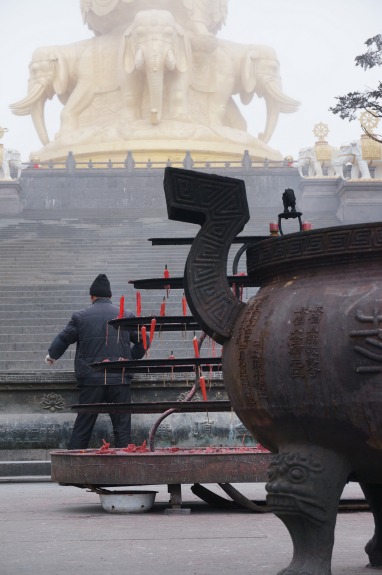
China Travel: Discover Mount Emei in Sichuan

The hike ended at the shimmering Golden Pagoda

This trek is for hiking-lovers, or for those who want to bring out the adventurer within, and witness a very real side of Sichuan’s countryside and will be at the tip of your fingertips by September 2014 after roads are fully accessible.

Experience Emei Mountain Differently with AsiaTravel!

[Photos taken by Colleen O’Connor]

_____

What did you think? If Colleen’s descriptions of hiking Emei Mountain got you excited, check out other fun, new activities available in Sichuan in the Into the Heart of China’s Panda Country itinerary here. If you have any questions, shoot us an email at info@wildchina.com


It’s all about the tea…AsiaTravel Expert Jeff Fuchs

Musings from AsiaTravel Explorer and Expert Jeff Fuchs on the importance of the Ancient Tea & Horse Caravan Road, and why we should all bump it up on our travel list…

It’s all about the tea…AsiaTravel Expert Jeff Fuchs

The Ancient Tea & Horse Caravan Road has long held the attention of explorers and vagabonds alike for the fact that it represents one of the globe’s great and daunting adventures. A cultural odyssey as much as a physically demanding pathway that brought tea, salt, horses, and all manner of goods from the fringes of the old dynastical empires into and onto the Tibetan Plateau. Pre-dating the Silk Road, the Tea & Horse Caravan Road and its meandering pathways through indigenous zones, ancient tea forests, and stunning geographies offer up a deeper look into the very historical fabric of southwest China, Tibet, and beyond.

Across snow passes, over some of the planet’s great waterways, the route takes in three- dozen cultures, two dozen languages…all with their own histories with tea and the great trade route.

Tea figured greatly upon this ‘highway through the sky’ as it was – and to some extent remains – one of the great panaceas and commodities of time. Tea was more a fuel and medicine to the ancient tribes and its safe transport was one of the great vitals of the trade world.

It’s all about the tea…AsiaTravel Expert Jeff Fuchs

This AsiaTravel journey along the Ancient Tea & Horse Caravan Road seeks to dig into and take the journey back to its roots. Authentic touches of exploration off the beaten path, serious tea-highs from some of the planet’s purest ancient tree teas, and home stays that are entirely integral with delving deeper into a culture and land are on offer. Walking through some of the oldest tea forests on the planet, and then sampling them in a cup bind the leaf to its drinker and by extension to any that partake in a cup.

It’s all about the tea…AsiaTravel Expert Jeff Fuchs

We’ve enhanced sections to take you deeper still into Yunnan’s diversity and created more of a full-on adventure. Daily tea samplings, from fresh bitter harvests, to locally prepared specialties (including the Tibetan’s famed and pungent butter tea) from local regions.

I’m delighted that this journey has continued and been intensified to add a more authentic feel that reflects life and travel upon the Tea & Horse Caravan Road. In traveling upon this most ancient of trade routes, it is important to retain some of the original feel of travel, life, and interaction for our guests.

It is vital that such a journey keep its vitality and spontaneity. It is only in this kind of travel and attention to detail that a route’s history, legend, and truths can remain intact.

All photos by Jeff Fuchs

_____

If Jeff’s descriptions of tea got your heart beating a little faster, check out the itinerary & October dates for the 2014 trip here. If you want to read more about Jeff and his travels, check out his blog here. And finally, if you have any questions, shoot us an email here: info@wildchina.com


Enjoy the Suite Comforts of Home at the Hilton Beijing

With the large range of accommodation options available to you in Beijing, sometimes it’s the little things that help you decide – like the finishing touches of the Imperial and Chairman Suites at the Hilton Beijing in Chaoyang district. This hotel lives up to the Hilton name, and then some, and is located in the city’s embassy district, not far from Beijing’s financial centers and the bustling nightlife and dining options of Sanlitun.


Enjoy the Suite Comforts of Home at the Hilton Beijing

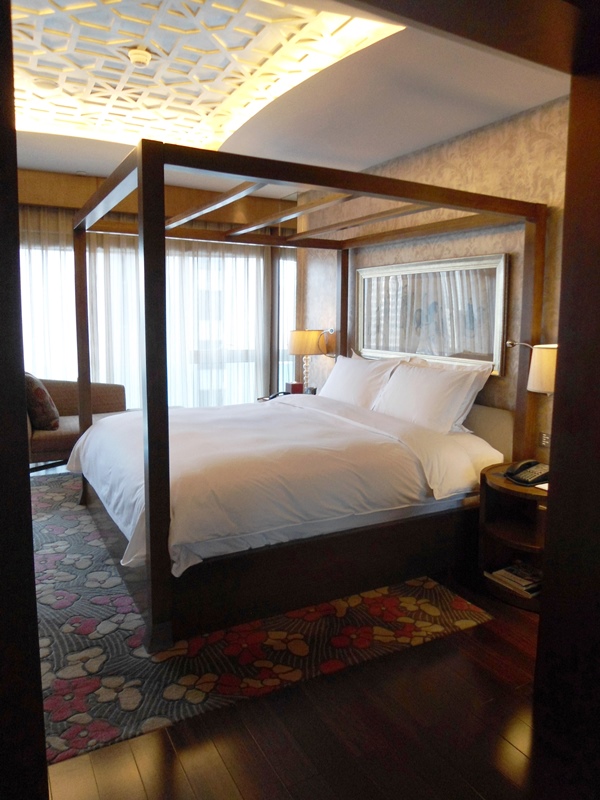
The Hilton Beijing’s Imperial Suite

The Hilton Beijing offers nine distinct suites–but our favorites are the Chairman Suite and spacious Imperial Suite that even boasts a zen-life relaxation room! These suites each have a large kitchen with separate access for the private chef and staff, available around the clock to prepare everything from an authentic Chinese dinner after a long day, to an opulent formal dinner party for eight people in the Chairman Suite and 15 in the Imperial.

Chairman Suite:

Enjoy the Suite Comforts of Home at the Hilton Beijing

The living area of the Chairman Suite

Enjoy the Suite Comforts of Home at the Hilton Beijing

Bedroom of the Chairman Suite


Relax in style in this 165m² suite located on the ninth floor of the executive tower, offering executive lounge access and complimentary breakfast. The contemporary design and state-of-the-art amenities convey a sense of blissful comfort, and to unwind you can enjoy a movie on the plasma TV with a heart-pumping Bang & Olufsen sound system that completes the ultimate in-home theater experience.


Imperial Suite:

Enjoy the Suite Comforts of Home at the Hilton Beijing

Living space in the Imperial Suite


This suite is called Imperial for a reason. At 200m² and located on the top floor of the main tower, this superbly crafted suite offers great views of Beijing, while the interior combines modern technology with a touch of local Chinese flair. The spacious dining and living area is perfect for hosting a private reception, while the separated bedroom and office provides a personal space to recharge from a busy day.

In addition to these suites, the Hilton Beijing offers three dining options, a lounge, and a funky bar serving signature cocktails and delicious Champagnes. There is a large health club, spa, and even a Tony & Guy salon located in the main lobby. For meetings, it is an ideal location with 12 function rooms, including the city’s first 360 degree round infinity ballroom.

We recommend the five-star Hilton Beijing for both business and leisure travelers. It is located a quick 30 minute car ride from the airport and offers easy access to the Great Wall, the Forbidden City, major shopping and entertainment and more!

_____

Discover Beijing with us on a private Beijing tour.

Looking for more hotel recommendations? Don’t hesitate to send us an email with your questions at info@wildchina.com!


Breaking the Winter Cycle: Tropical Xishuangbanna

Breaking the Winter Cycle: Tropical Xishuangbanna 

If cold weather is not your thing, head south to the subtropical region of Xishuangbanna.

Nestled in the southernmost tip of Yunnan province, just between neighboring Myanmar and Laos, this region hosts a vibrant intermingling of cultures and landscapes. With average daily highs of 26 degrees Celsius in January, the forests and villages here are immune to the annual chill that is felt in the north.  It’s no wonder Xishuangbanna was picked as Travel+Leisure’s 2012 Hottest Travel Destinations.

What better way to spend the winter than in the mountains and rainforests of Southeast Asia?

The winter months are the ideal time to visit this part of the world, as they mark the end of the wet season. Imagine finding your inner naturalist as you walk among the regional flora, keeping an ear out for the song of the elusive black-crested gibbon.

The home of peacocks, wild oxen and various primates, Xishuangbanna is also the only place in China that still has a wild Asian elephant population.

Xishuangbanna’s biodiversity is matched by an equally astounding cultural presence. Of more than a dozen different ethnic groups living here, the most prominent is the Dai population, which makes up nearly a third of the region’s one-million inhabitants.

Dai culture is markedly different from that of other Chinese populations. The language spoken here is more similar to that of the Thai, which draws heavily upon Theravada Buddhism and the indigenous practices that predate it. Both geographically and culturally, this is the one part of China that really belongs to Southeast Asia, and that feeling is impossible to miss.

If you are looking to get a taste of this unique cultural identity, your best bet is to take a trip into one of the many villages that dot this region. Here, you experience life as it has existed for centuries – something that is increasingly precious in a country that is rocketing into the 21st century. Visit the age old Buddhist pagodas, or step into a villager’s home for a cup of tea. This is, after all, the corner of the world where tea originated.

If you’d like more travel ideas or to join AsiaTravel on a trip to China’s subtropical south, see our journey:

Sichuan’s Natural Wonders


Breaking the Winter Cycle: Tropical Xishuangbanna

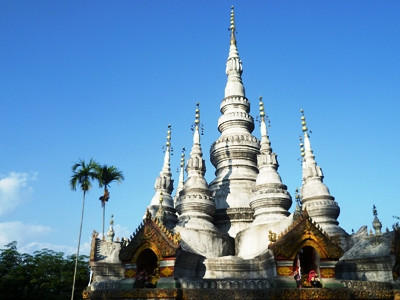
On the road in Xishuangbanna: Manfeilong Stupas.
Photo Credit: Chris Horton


Santa Claus is coming to… Hong Kong?

Hong Kong may not be a place you would think to spend the holidays, but a visit to this historic trade city offers a chance to put an eastern twist on a western tradition.

Santa Claus is coming to… Hong Kong?

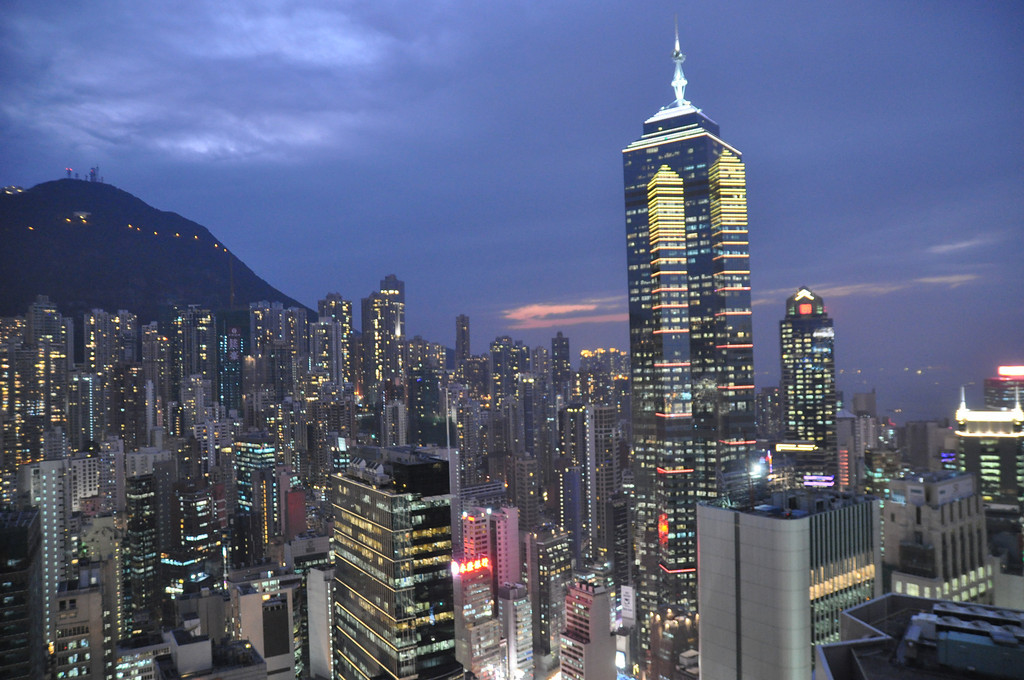
Each year as December approaches its end, Hong Kong’s skyline takes on a festive air. Christmas imagery adorns the towering walls of city skyscrapers, while at street-level holiday decorations abound. It is impossible not to notice the commercialism that drives this activity; it is fascinating to see the degree to which this far eastern metropolis has embraced the “Christmas Spirit”.

One of the most apparent ways in which this spirit manifests is the shopping activity.

Every year, Hong Kong’s famous shopping malls out do themselves with extravagant Christmas displays and holiday sales. Hong Kong’s theme parks also do their best to spread the holiday cheer, with Santa and his reindeer making regular visits at Ocean Park and Disneyland’s gingerbread village.

Although Hong Kong celebrates its annual Winterfest during this period, it really feels more like spring or early autumn. In fact, the cool, dry weather makes winter one of the best times to visit this famously hot and humid city, as you can comfortably enjoy a range of outdoor activities.

While Hong Kong is well known for its densely packed urban landscape, people often overlook the incredible beaches countryside just outside the city. Nearly 40% of Hong Kong’s land has been preserved in the form of parks and nature reserves, making it an unlikely destination for sports such as hiking, surfing and mountain biking.

Santa Claus is coming to… Hong Kong?

As no holiday is complete without a proper feast, be sure to explore the rich food culture that has earned this city nicknames such as “Gourmet Paradise” and “World’s Fair of Food”. With the highest concentration of Michelin star restaurants of anywhere in the world, Hong Kong offers fine dining options that range from international cuisine to local dim sum favorites.Whether you’re in the mood for south Asian cuisine or New York style pizza, you can find the best of it here.

If it’s a more traditional Christmas dinner that you’re after, you’re in luck. Every Christmas, Hong Kong’s hotels compete among themselves to see who can provide the most delicious holiday spread.

So this year, why not have a very Hong-Kong holiday?


Interview: Bill Bleisch, 2012 AsiaTravel Explorer


Bill Bleisch has been involved in environmental efforts in China and its neighboring countries for nearly two decades. One perennial focus of his work has been the way in which habitat loss stemming from patterns of resource management, industrial development, and environmental degradation has contributed to the rapidly declining state of wild gibbon populations. Once abundant throughout Southeast Asia, this family of apes has become critically endangered. Unfortunately, while much international attention has been given to other endangered animals,  very limited resources have been mobilized in the effort to protect these primates from extinction.
 
In his efforts to spread awareness about the existence and peril of southern Yunnan’s black-crested gibbon, Bill Bleisch spent time exploring their remaining habitat in Xishuangbanna, Yunnan. In 2012, he received a AsiaTravel Explorer Grant to continue this research in hopes of establishing a trekking route through the Ailaoshan mountain range.
 
Interview: Bill Bleisch, 2012 AsiaTravel Explorer
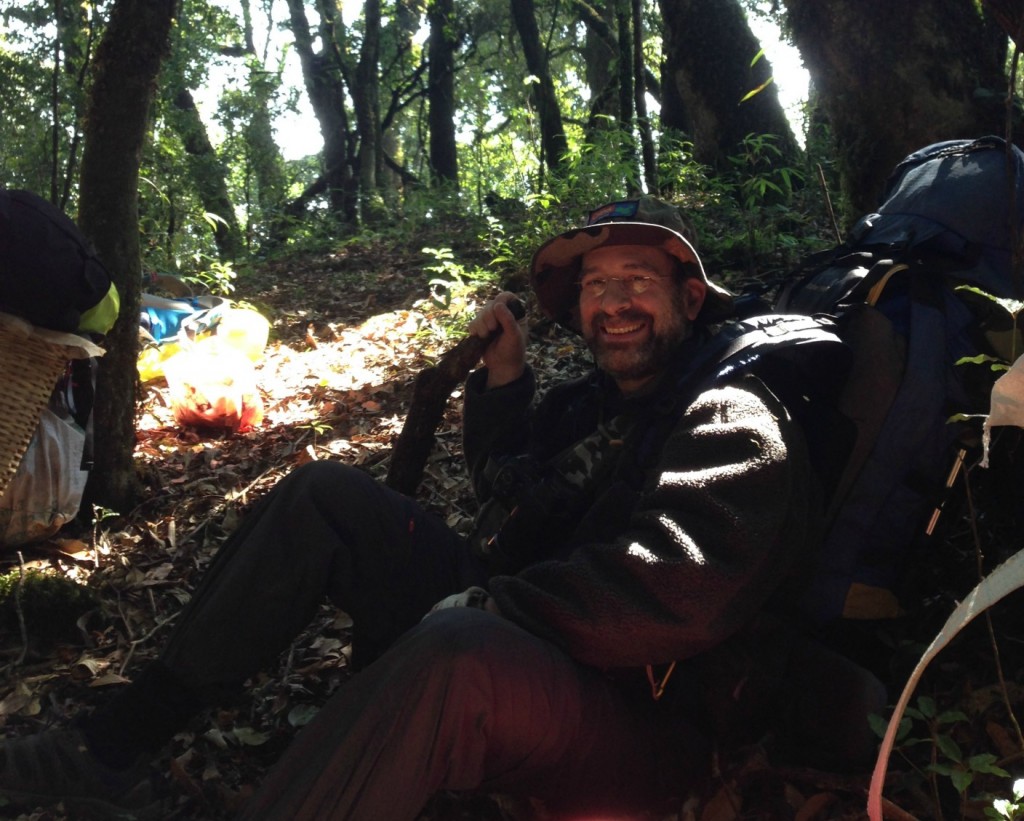
Bleisch on the trail
 

How did you first become interested in China?

Like many American kids, I was first introduced to China through the food.  My mother taught my sister and me to use chopsticks whenever we went to a Chinese restaurant.  People in China ask me how I learned to use chopsticks and I explain that my mother taught me.  Then I have to explain that she is not Chinese.  Later, she took a Chinese cooking class and we used to go to the Oriental market and gawk at all the interesting delicacies.   I had a collection of miniature figures from China – a fisherman, a nine-eaved padoda, an arched bridge, two scholars playing weiqi.

Later, when I was about 12, my father and I made a deal that I could stay home from Sunday school at church as long as I spent Sunday morning reading religious texts.  I happily agreed.  I read the Dao de Qing, the Analects of Confucius, Mencius, the Book of Changes, the Book of Songs,…   I took a Chinese course one summer, but it was too difficult.

It was not until I finished graduate school that I had the chance to come to China.  I received a grant from the Chinese Adventure Capital Fund, a fund managed by the Durfee Foundation and set up in honour of R. Stanton Avery, the inventor of the stick-on label, who had previously travelled in China in 1929 as a young man.  His family wanted others to have the chance that he had had to see China first hand.  I came to China in 1987, to survey gibbons in the Ailaoshan and Wuliangshan Nature Reserves.

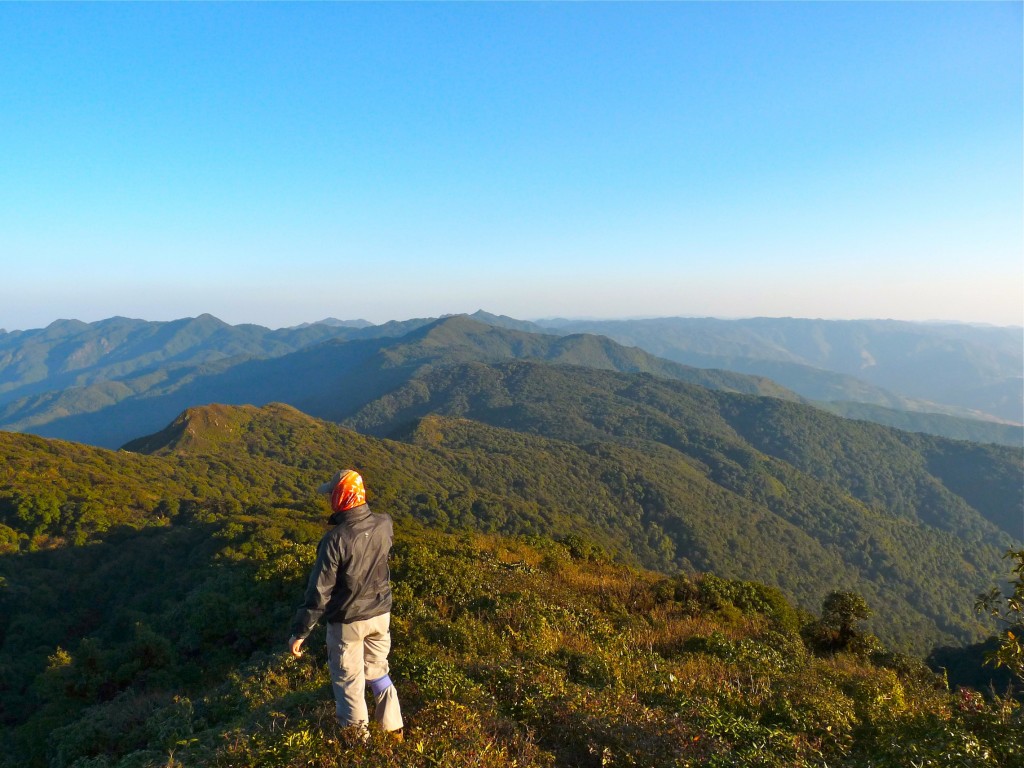
Interview: Bill Bleisch, 2012 AsiaTravel ExplorerScouting a route along the ridge of the Ailaoshan range

What was the goal of your expedition in Yunnan’s Ailaoshan region?

My personal goal for these recent trips sponsored by AsiaTravel, has been to bring something back to the Ailaoshan and its gibbons, 26 years after my first visit.  I had the idea that a trekking trail through gibbon habitat could increase public interest and commitment to protecting the gibbons and reconnecting their forest habitat.  The idea of a long trail in China came to me while my son and I were hiking the Appalachian Trail, which is a long trail along the ridge of the Appalachian Mountains.  The AT, as it is known, was started by local hiking clubs, but is now a National Scenic Trail managed by the National Park Service.  I know that there would be interest in such a trail in China if could be opened. So the goal of the four trips this year was to map out a stretch of trekking trail and start building local support for the idea of a long trail on the Ailao Mountain ridge.


What role does exploration play in spreading awareness about social and environmental issues?

I think exploration, at its best, has always been the key to building awareness of the world beyond our own everyday lives.  European explorers brought back the news that China had an advanced civilization in the 13th  century.  Later, it was the  explorers that convinced people that the world was round, not flat.  In this century, opening people’s eyes to the environmental and social problems that exist in remote rural areas is one of the best things that exploration can do.  That’s why a real explorer must also be a good story teller – either through written word, photographs or film.


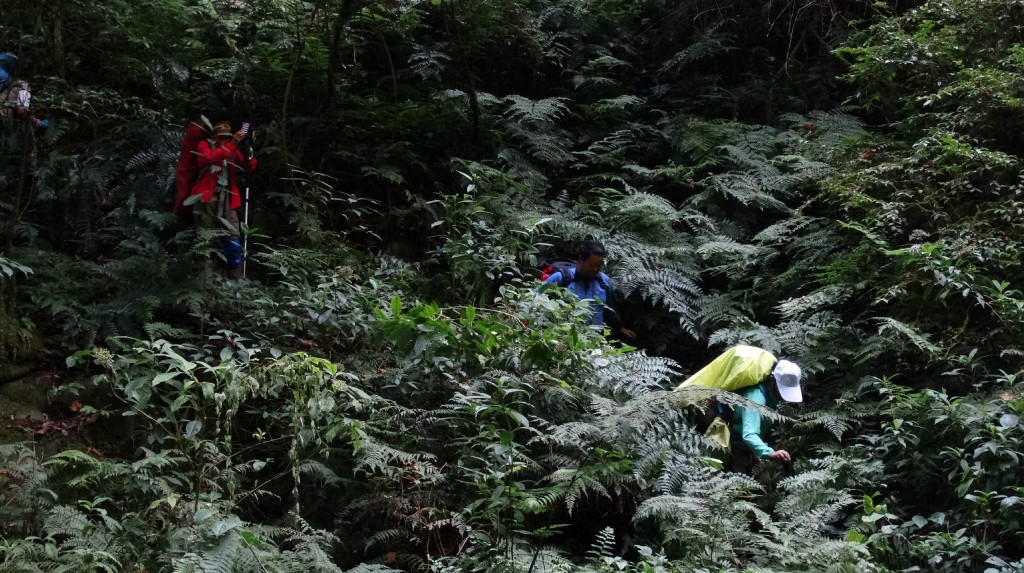
Interview: Bill Bleisch, 2012 AsiaTravel ExplorerBill and his team blaze a trail through the forest
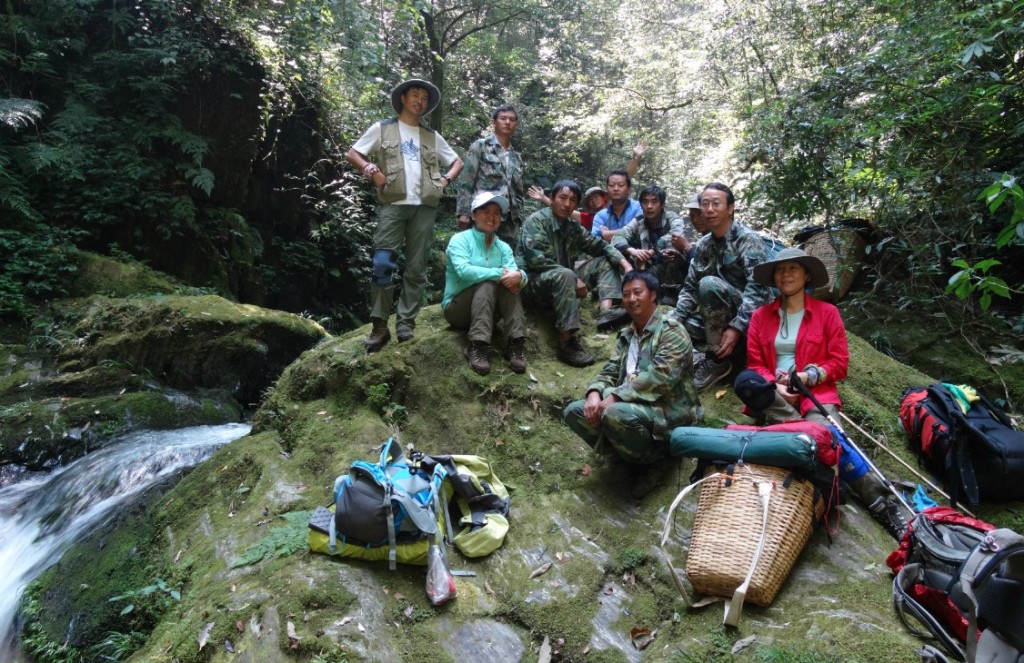
 

How would a new trekking trail contribute to the preservation of the black-crested gibbon’s habitat?

I have to tell you that this is controversial.  There are those who are dead-set against opening any habit of endangered species to tourism. There is certainly good evidence that noisy tourists inside nature reserves scare wildlife away from heavily used tourist trails.  That is why the Ailaoshan National Nature Reserve is still officially closed to tourism.  (We work with the Xing Ping Provincial Ailaoshan Nature Reserve for now.) There is another view, however.

Nature reserves need support, both from local people and from the general public. The reserves have a hard time winning that support unless people have first hand experience of benefits.  Trekking by well-informed hikers is a gentle form of tourism that can build that support.  Just look at the passion with which people fought for the completion of the Pacific Crest Trail and its protection in the USA.   Trekking can  also provide direct benefits to local people in remote areas, something they do not see from big hotels or scenic hot-spots.  Local people can sell food and supplies along the trail, or open a nongjiale-style hostel.  Also, in provincial nature reserves, which have little funding, trekkers can serve as the eyes and ears of the nature reserve, reporting illegal hunting or logging that they find inside the reserve.  Their very presence can be enough to scare off poachers.  And experience in the USA has shown trekkers will fight to have protection extended beyond the boundaries of the nature reserves, many of which are too small and isolated from other natural forest.

But it can do more than that.  The trekking movement also taps people’s desire to get bck to our roots, back to basics, back to the wildness.  On a trek, you learn very quickly how to get along without many of the luxuries that we take for granted.  If you don’t really need it, you don’t carry it.  Eventually you ease into a new standard of comfort and start to find joy in the simple beauties along the way.  Many even find a kind of spiritual fulfilment on a long trek.  Tibetan pilgrims do these long walks regularly, Europeans called it the “pilgrim way,” native Americans called it a spirit walk. Perhaps in this is part of the antidote to the pointless conveyer belt of consumerism that is driving unsustainable development, global climate change, and senseless destruction of wildlife habitat.


Interview: Bill Bleisch, 2012 AsiaTravel ExplorerThe group rests by a cascade
 

What other efforts are being made to help these primates recover from the brink of extinction?

Many people deserve a great deal of credit for turning things around for primate conservation in China over the last 25 years.  The State Forestry Administration and the Yunnan Provincial Forestry Bureau, and especially the staff on the ground – the nature reserve staff and also the poorly paid and poorly equipped forest guards (hulin yuan) – they are often the real heroes in primate conservation now.  Field researchers, mainly Chinese scientists, have contributed a great deal.  NGOs have also made a big contribution.  They all work together now.  For example, my friend Professor Jiang Xuelong and his students, with support from the China office of Fauna and Flora International, have worked with the nature reserves in Ailaoshan to carry out a complete census of the gibbons there and develop an action plan for gibbon conservation.

All of these efforts are adding up, but there is still more that needs to be done; to protect and restore the forest habitat, and to rebuild forest connections between isolated groups of gibbons, so they can find suitable mates and pair up to breed.  Some of that work must be done outside of nature reserves, and that means that local people and local government must be more involved.


Interview: Bill Bleisch, 2012 AsiaTravel Explorer
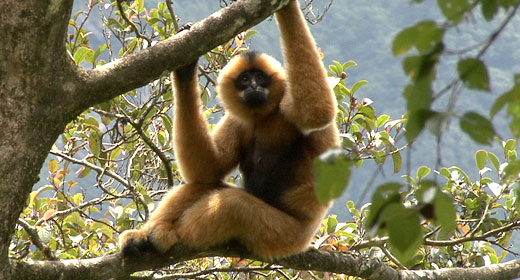
Western black crested gibbon (Photo Credit: Flora and Fauna International)
 

Have you been involved in any other conservation efforts outside of southwestern China?

WVB: I have had the great good fortune to work in over 25 nature reserves all over China, in Yunnan, Sichuan and Guizhou, Guangxi, Fujian, Hunan, Hubei, Hainan, Qinghai and Xinjiang.  I have also worked in Vietnam, Myanmar, Lao PDR, and Malaysia at one time or another.  I have been part of teams for conservation research on the Grey Golden Monkeys in Guizhou and the Tibetan Antelope in Xinjiang, but most of my work has been helping local nature reserve staff to develop their skills and to write their own management plans.  That includes helping them to focus on the conservation problems that need the most attention.


What’s next? Do you have any upcoming adventures planned?

There are so many exciting things that need to be done, and I hope I have time for them all.

Right now I am on my way to Luang Namtha in Lao PDR were we have started a project designed to answer the question I posed above – is trekking tourism good for wildlife conservation, or does it just scare the animals away?  I think it may help. Lao is a very poor country that cannot afford the kind of patrolling that China has, so tourist guides and trekkers may be the best defence the animals have there.  The trekking companies provide payments to the villages, which should be an incentive to keep the forest intact.  Most of the trekkers are from Europe or the USA. They are not usually so noisy and they do not ask if they can eat the animals that they see.

I will be back in Yunnan for the official launch of the Ailao Shan Trail in Xing Ping County on November 26 – December 1.  Of course I want to hike the complete Ailaoshan Trail as soon as I am given the chance.  And I want to see it extended, to Dali in the north, where it can connect with the Ancient Tea Horse Trail, and to the south along the spine of the same ridge, where there is more gibbon habitat, but where much forest needs to be restored.  Those are Hani and Lahu minority areas, so very interesting culturally.

I want to be a part of mapping out the trail, and to hike as much as I can.  Perhaps eventually the trail and the forest can stretch all the way from Dali to Feng Shui Lin Nature Reserve and the Vietnam border.  Then China would have a National Scenic Trail to rival the famous long trails in the USA; the Appalachian Trail and the Pacific Crest Trail.  I may not live long enough to see the trail completed, but now I am sure it will happen.


Bleisch has been the Chinese program director for Flora and Fauna International, which works to protect some of the most endangered species in the world. He also spent time as the program director of The Bridge Fund, which works to improve the lives of Tibetan communities through their support of various educational, environmental, cultural, and economic initiatives. Now, as program director for the China Exploration and Research Society, he continues to promote the cultural and environmental protection China’s minority regions. 
 
Don’t forget to apply to the 2014 AsiaTravel Explorer Grant for the chance to win $3000 of funding for your own Chinese adventure!

Breaking the Winter Cycle: Shanghai


Ring in the New Year… Shanghai style

Looking for an exciting way to bring in the New Year? While thousands of people are huddled like penguins in the streets of Times Square, you could be singing Auld Lang Syne in Shanghai’s historic Bund district. Though the traditional Chinese New Year does not fall on December 31, Shanghai’s vibrant international community comes out in full force to ring in the end of the annum. As one of the fastest growing cultural and financial centers in the world, Shanghai has cultivated an amazing nightlife. The only challenge this presents is choosing from the multitude of options. Join the party at one of Shanghai’s world-class nightclubs or watch the fireworks and laser show over Pudong’s iconic skyline… depending on where you end up, you could do both at once.

If you are looking for a more traditional way to “ring in the New Year”, make your way to the Longhua Temple located in the city’s southwest. Every year, to celebrate both Western and Chinese New Year, Shanghai’s natives come to the 1,800 year old temple to ring the 3,3000kg Buddhist Bell. Only the first 108 people to make reservations for the event will have a chance to ring the bell though, so plan ahead if you’re set on it. Otherwise, come for the folk performances, fireworks, and lion dances that make this event so spectacular.


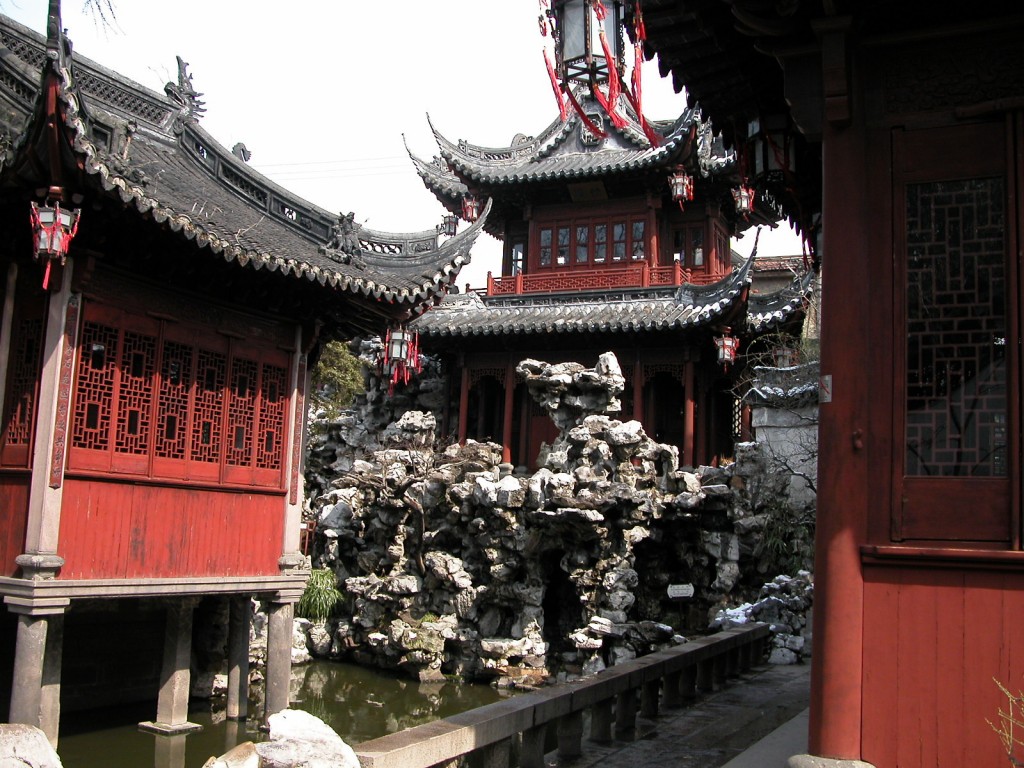
Breaking the Winter Cycle: Shanghai
Shanghai’s Celebrated Yu Garden 

If you are in town for the Chinese New Year there are many ways to join the festivities. Fill up on some traditional holiday dumplings and tangyuan, which are said to bring wealth and prosperity into one’s life, or pay a visit to the 600 year old City God Temple near Yu Garden, where locals come to pay for a successful new year. Just be sure not to miss the Chinese lantern festival, which falls on February 14th this year, and is marked by colorful parades and astounding light shows, both traditional and modern. One of the best places to get a sense of traditional techniques and festivities is the Yu Yuan Old Town Bazaar, where conventional lanterns dominate the celebrations.

If you’re interested in a making a winter escape to Shanghai, click here to find out about AsiaTravel’s winter tour of this world-class city.