
Changsha, the capital of Hunan Province, is often nicknamed China’s “spiciest city.” Locals proudly celebrate its fiery food and high-energy lifestyle. But for first-time visitors, Changsha offers far more than heat.
This city blends deep history, youthful creativity, buzzing nightlife, and a warmth that makes travelers want to come back again and again. If you’re looking for a China Changsha travel guide that goes beyond clichés, Changsha may surprise you in the best possible way.
First Impressions of Changsha
The Xiangjiang Riverside Scenic Belt stretches along the river like the city’s open-air living room. On one side, modern skyscrapers define the skyline; on the other, locals stroll, chat, and cycle at an unhurried pace.
It’s hard to imagine this area was once dominated by industrial docks. Today, you’ll hear different languages, see runners glide past, and feel a rhythm that’s neither rushed nor slow. Changsha doesn’t overwhelm visitors—it welcomes them.
Orange Isle (Juzizhou): Where Romance Meets History
A Must-See Landmark in Any Changsha Travel Guide
My first stop was Orange Isle (Juzizhou), a long island sitting right in the middle of the Xiang River. At first glance, it looks simple—but it’s one of the places Changsha residents are most proud of. Wide walking paths, shaded trees, and river views make it ideal for a relaxed stroll. The island’s most recognizable landmark is the giant statue of young Mao Zedong, towering dozens of meters high and instantly recognizable in photos.

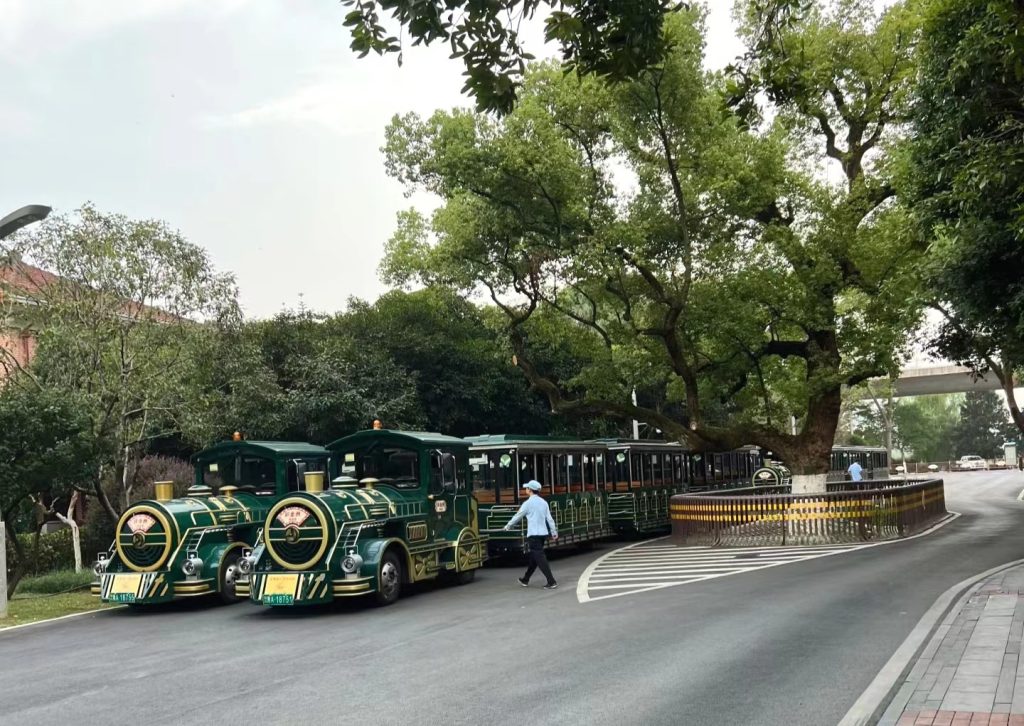
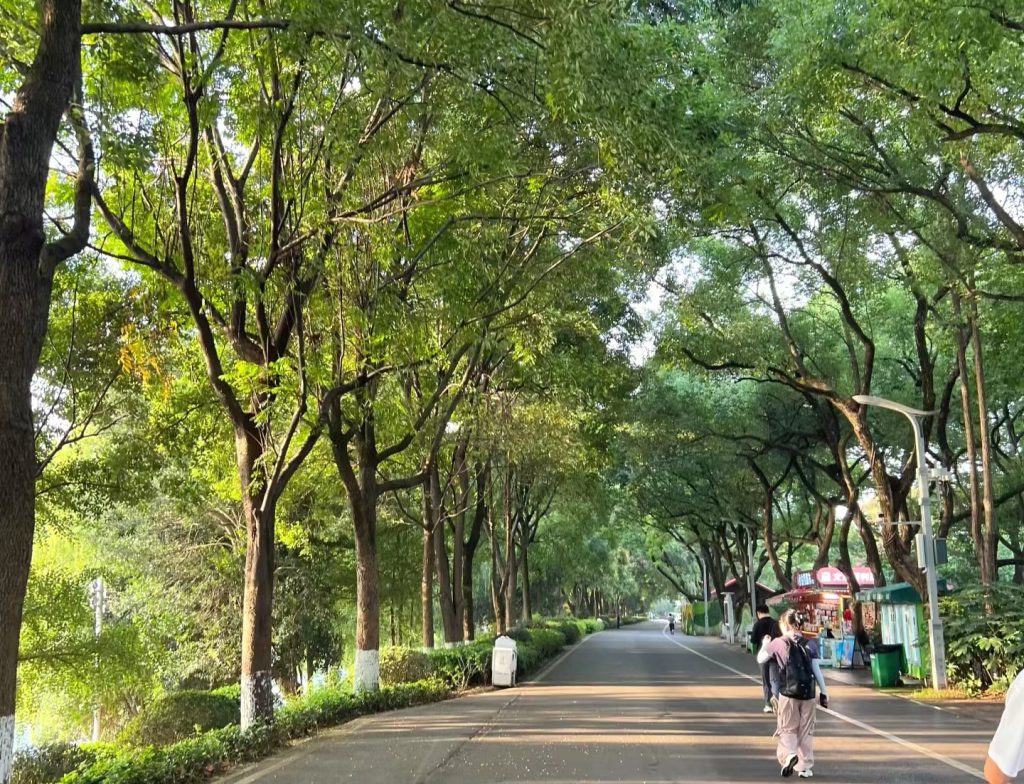
Many travelers choose Orange Isle as their very first stop in Changsha. It’s not complicated, but it’s unforgettable. Day or night, the area is always lively, and almost any photo you take here captures the city’s personality. What makes Orange Isle especially popular is its accessibility. It’s free to enter, easy to reach, and feels open rather than staged. Walking along the river, feeling the breeze, and watching the skyline slowly light up—it’s a gentle way to say, “Yes, I’ve arrived in Changsha.”
Mount Yuelu & Yuelu Academy: Nature and History Side by Side
Mount Yuelu (Yuelu Mountain)
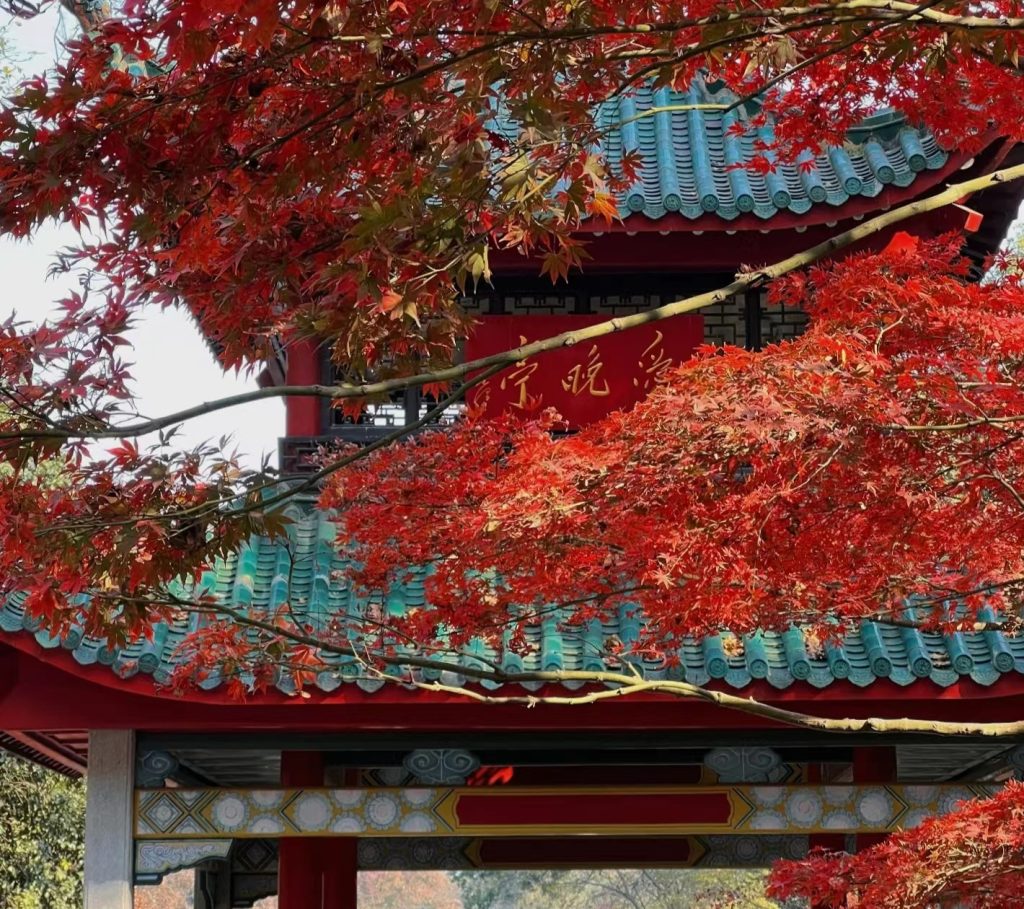
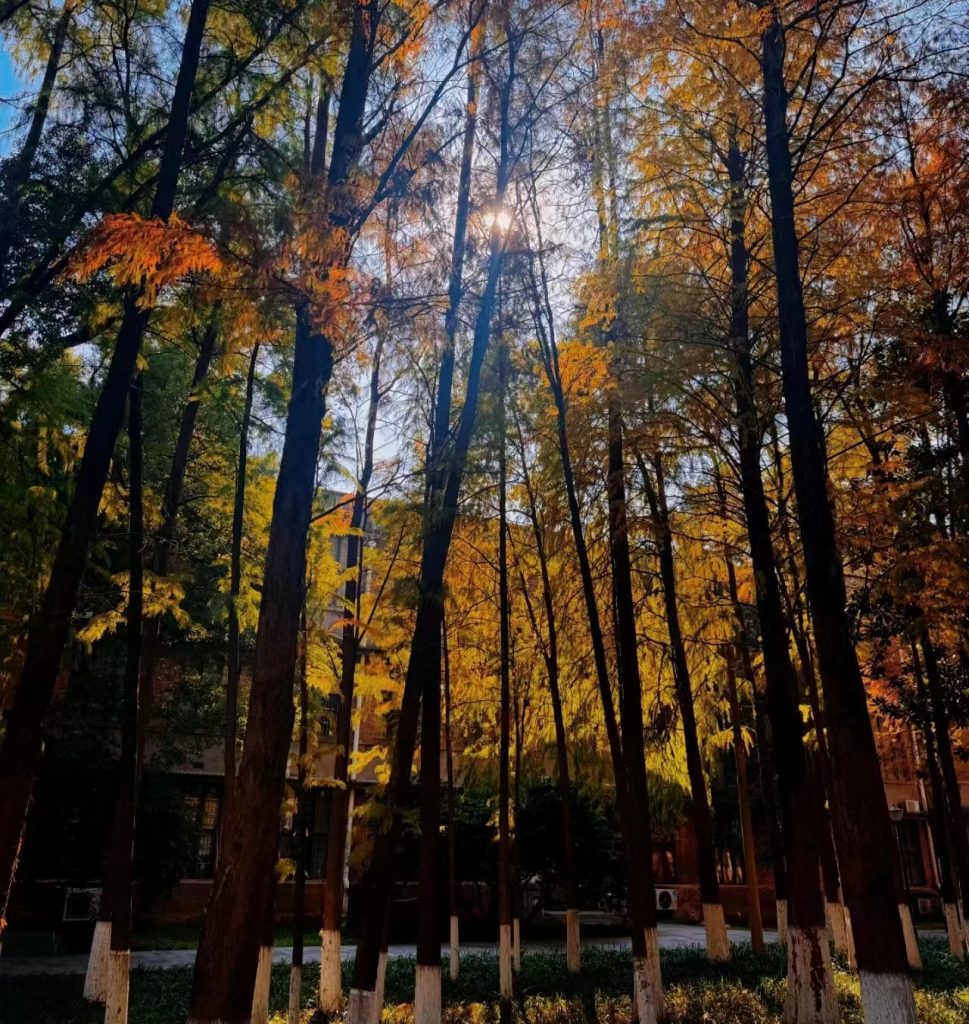
No list of things to do in Changsha is complete without Mount Yuelu. Unlike China’s dramatic, towering sacred mountains, Yuelu feels comfortably close to everyday city life.
The trails are not steep, and the walk feels more like a cultural ramble than a hike. Ancient temples, stone steps, pavilions, and scenic viewpoints appear naturally along the way. What truly draws visitors is Mount Yuelu’s sense of history—present, but never overwhelming.
Hidden among the trees are landmarks like Aiwan Pavilion, Lushan Temple, and remnants of ancient academies. In autumn, red maple leaves transform the mountain into one of Changsha’s most photogenic spots, often trending on social media.
Yuelu Academy: A Living Academic Tradition
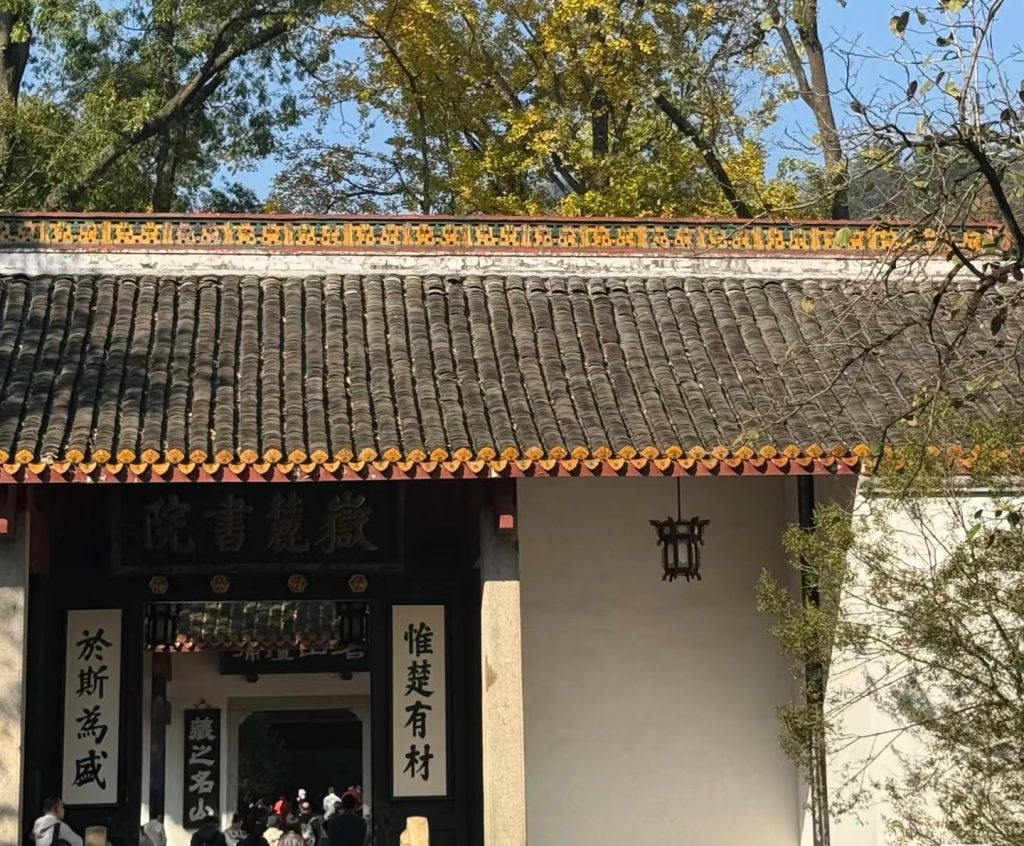
At the foot of the mountain lies Yuelu Academy, one of the most important educational institutions in Chinese history. Founded over 1,000 years ago, it is one of China’s Four Great Academies, and remarkably, its academic lineage continues today.
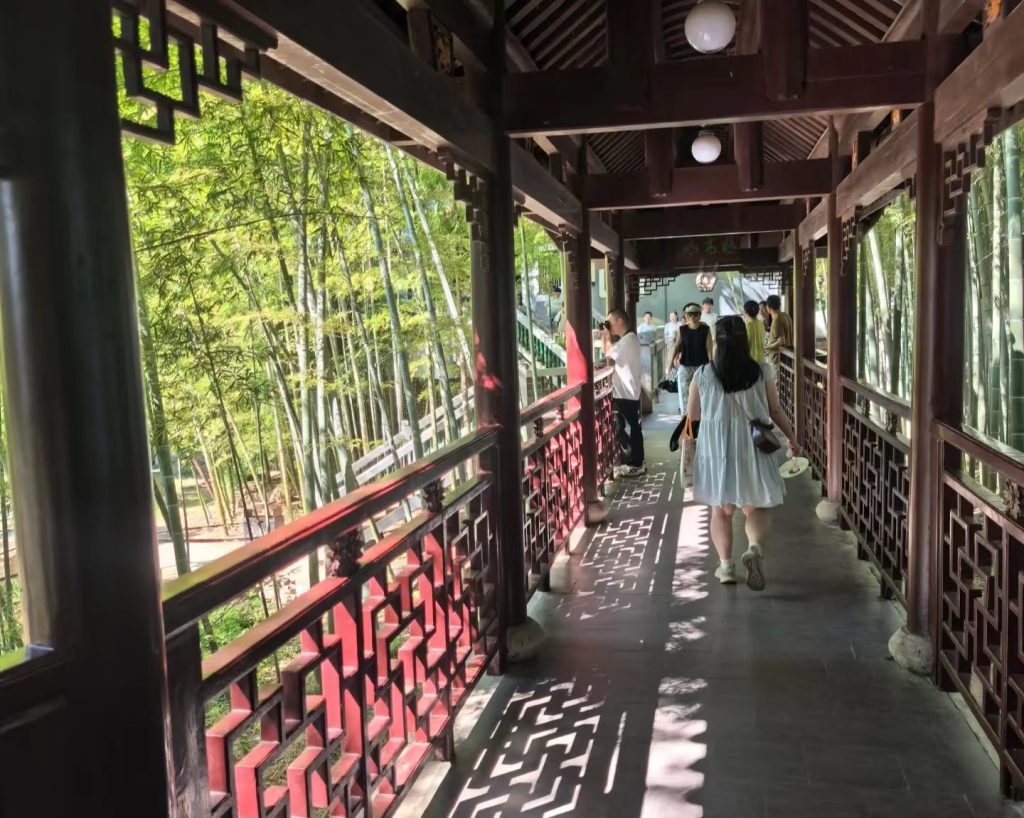
With its gray-tiled roofs and white walls, Yuelu Academy represents China’s long-standing respect for learning, self-cultivation, and scholarship. Visitors don’t come just to see buildings—they come to feel a spirit.
Walking through ancient gates, lecture halls, and stone inscriptions, you sense how education shaped generations. If you like, pause at a nearby teahouse on the mountain and enjoy a cup of tea while looking out over the modern city below—a quiet moment where past and present meet.
Museums and Cultural Experiences in Changsha
Hunan Provincial Museum: World-Class and Unforgettable
The Hunan Provincial Museum is not just the best museum in Changsha—it’s one of the most impressive in all of China.
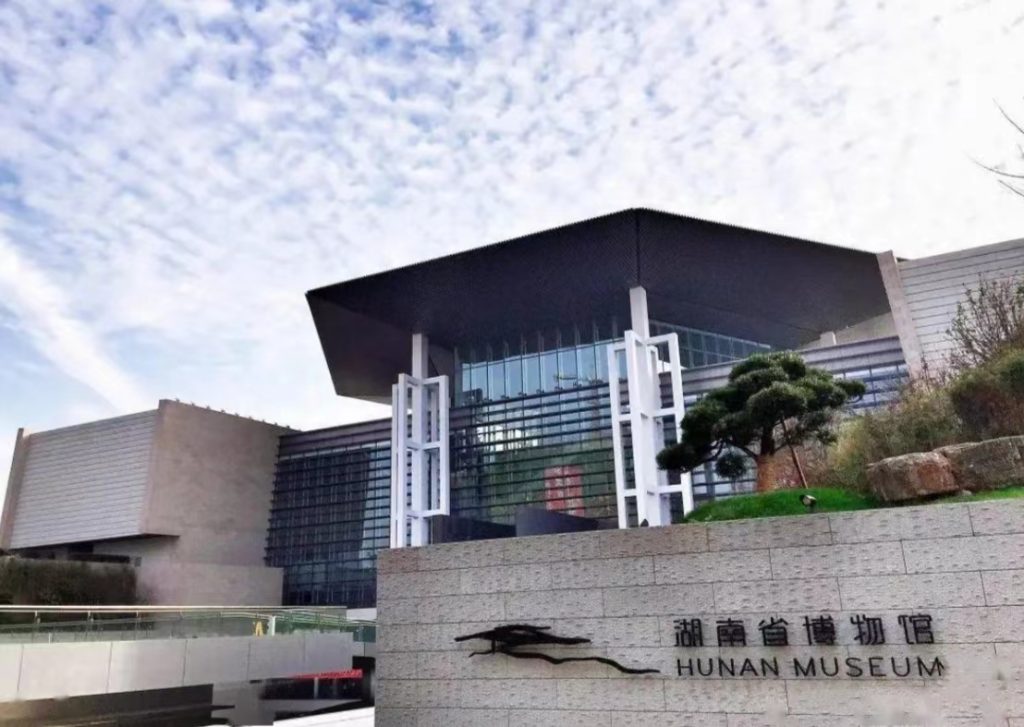
(1)The Star Attraction: The Mawangdui Han Tombs
If you remember only one thing from this Changsha travel guide, make it this:
Mawangdui ≈ the soul of the Hunan Provincial Museum.
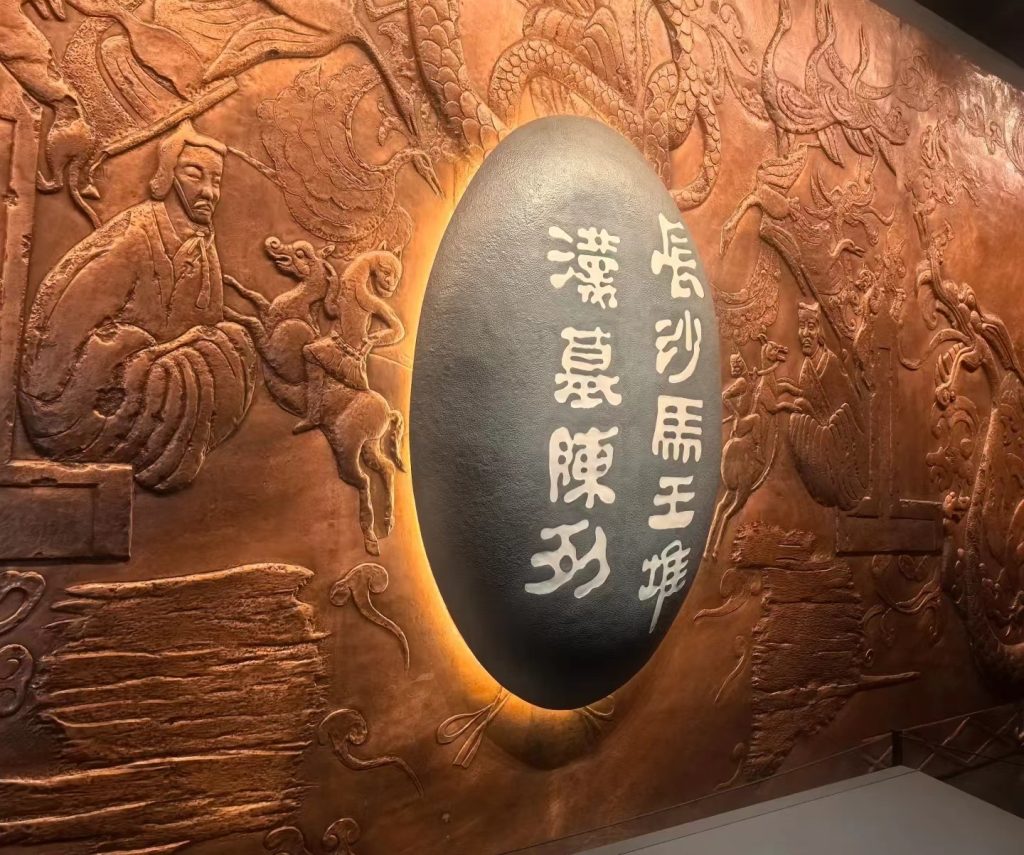
(2)Key Highlights Include:
- Lady Xin Zhui (Lady Dai)
A remarkably preserved noblewoman from over 2,100 years ago. Her body retains soft tissue, flexible joints, and intact internal organs—an unparalleled miracle in medical and archaeological history. Many international scholars visit Changsha solely to study her. - Silk Manuscripts and Paintings
Ancient silk texts including versions of the Dao De Jing, Huangdi’s Four Classics, philosophical writings, medical knowledge, astronomy, and military thought. The famous T-shaped silk painting is often described as the earliest visual representation of a Chinese worldview. While many museums display replicas, the originals are here. - Everyday Life of the Han Dynasty
Elegant lacquerware, preserved food (including lotus root and grains), silk garments, musical instruments, and weapons reveal a surprisingly refined lifestyle from over two millennia ago.
You may leave realizing that people living 2,000 years ago enjoyed a level of sophistication that still feels modern.
Smaller museums, such as the Changsha Bamboo Slips Museum, offer deeper insight into ancient written records and local history, perfect for travelers who enjoy cultural depth.
Night Markets and Street Food: Dare to Taste Changsha’s Spice
To visit Changsha without eating is to miss the point. The city’s spice is real—but it’s also friendly and deeply satisfying.
At night, Pozi Street and Taiping Street come alive, packed with locals and visitors alike.
Start with a bowl of steaming rice noodles, then move on to iconic snacks:
- Changsha Stinky Tofu – Crispy outside, soft inside, and very different from versions found elsewhere in China.
- Spicy Crayfish & Chopped Chili Fish Head – Signature Hunan dishes that define the region’s bold flavors.
- Beef Rice Noodles & Sugar-Fried Glutinous Rice Cakes – Everyday comfort foods loved by locals.
For a concentrated experience of old Changsha flavors, visit Wenheyou, a retro-style food complex that recreates the atmosphere of past decades.
Friendly tip: If you’re new to Hunan cuisine, tell vendors “less spicy.” Most are happy to adjust. Many travelers gradually work their way from mild → regular → spicy.
Why Changsha Stays With You
Changsha wasn’t a city I arrived in with high expectations—but it quickly became one I didn’t want to leave. It doesn’t have Beijing’s formality or Shanghai’s global polish. Instead, it wins you over with warmth, energy, and everyday life that feels real. If you’re willing to step slightly off the usual tourist path and experience China at a human pace, Changsha may become one of the most memorable stops on your journey.